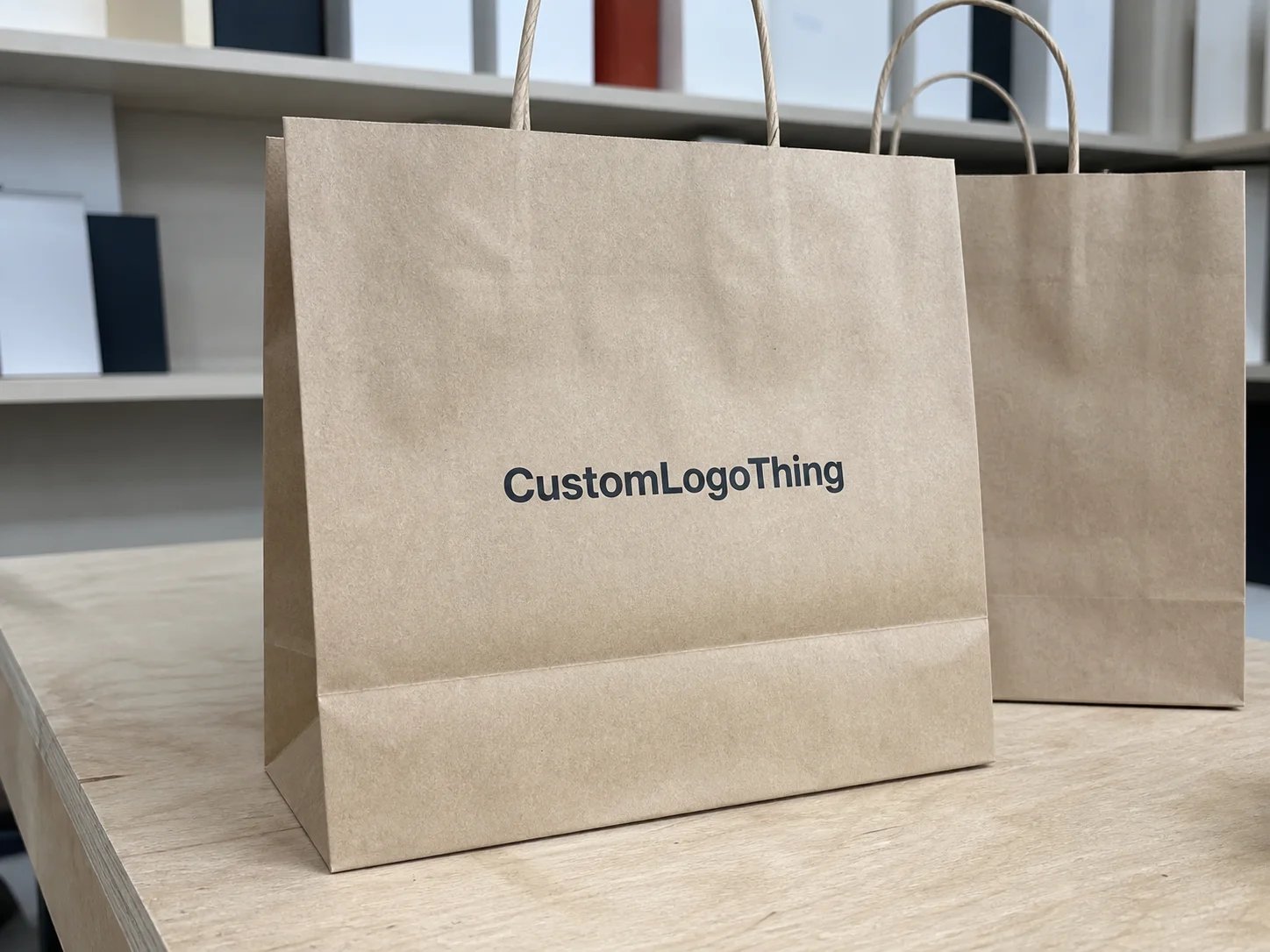
Buyer Fit Snapshot
| Best fit | Branded Poly Mailers for Subscription Boxes That Stand Out projects where brand print, material claims, artwork control, MOQ, and repeat-order consistency need to be specified before quoting. |
|---|---|
| Quote inputs | Share finished size, material target, print colors, finish, packing count, annual reorder estimate, ship-to region, and any compliance wording. |
| Proofing check | Approve dieline scale, logo placement, barcode or warning zones, color tolerance, closure strength, and carton packing before bulk production. |
| Main risk | Vague material claims, crowded artwork, missing packing details, or unclear freight terms can make a low unit price expensive after revisions. |
Fast answer: Branded Poly Mailers for Subscription Boxes That Stand Out should be specified like a repeatable production item. The safest quote records material, print method, finish, artwork proof, packing count, and reorder notes in one written spec.
Production checks before approval
Compare the actual filled-product size with the drawing, then confirm tolerance on folds, seals, hang holes, label areas, and retail display edges. Reserve space for logos, QR codes, warning copy, and material claims before decorative graphics fill the panel.
Quote comparison points
Review material grade, print process, finish, sampling route, tooling charges, carton quantity, and freight assumptions side by side. A quote is only useful when the supplier can repeat the same color, closure quality, and packing count on the next order.
The first branded surface a customer sees is often not a box at all. It is the mailer. For subscription companies, Branded Poly Mailers for subscription boxes arrive on the doorstep before the lid ever opens, and that first glance can tilt the whole experience. A printed film sleeve looks modest from across a room. Up close, it can carry a logo, a color system, and a tone of voice in one pass.
That is why packaging teams keep coming back to Branded Poly Mailers for subscription boxes, even in categories where a plain shipper would technically do the job. The format is light, quick to pack, and easier to standardize than rigid cartons. It also solves a recurring problem in subscription commerce: the customer receives nearly the same parcel every month, so the outer package has to stay fresh without turning fulfillment into hand assembly.
Customers do not evaluate packaging in layers. They react to the first surface that reaches the door. With branded poly mailers for subscription boxes, that first surface frames the entire order before the contents are touched.
Three priorities usually compete for attention: appearance, protection, and operating speed. Push too far on one and the other two tend to bend. A high-coverage design can photograph beautifully and still fail if it slows pack-out or splits under pressure. A bare mailer may hold up just fine, yet it gives away the visual signal that helps a subscription feel considered. The strongest Branded Poly Mailers for subscription boxes sit in the middle, where the package looks deliberate and the line keeps moving.
I once watched a subscription team shave almost a full minute off their pack-out flow by switching from a heavy carton to a well-sized mailer. The change was not glamorous. It was just smart. A small tweak, but at scale, those tiny choices are the difference between a clean operation and a warehouse that feels like it is always playing catch-up.
Why Branded Poly Mailers for Subscription Boxes Stand Out
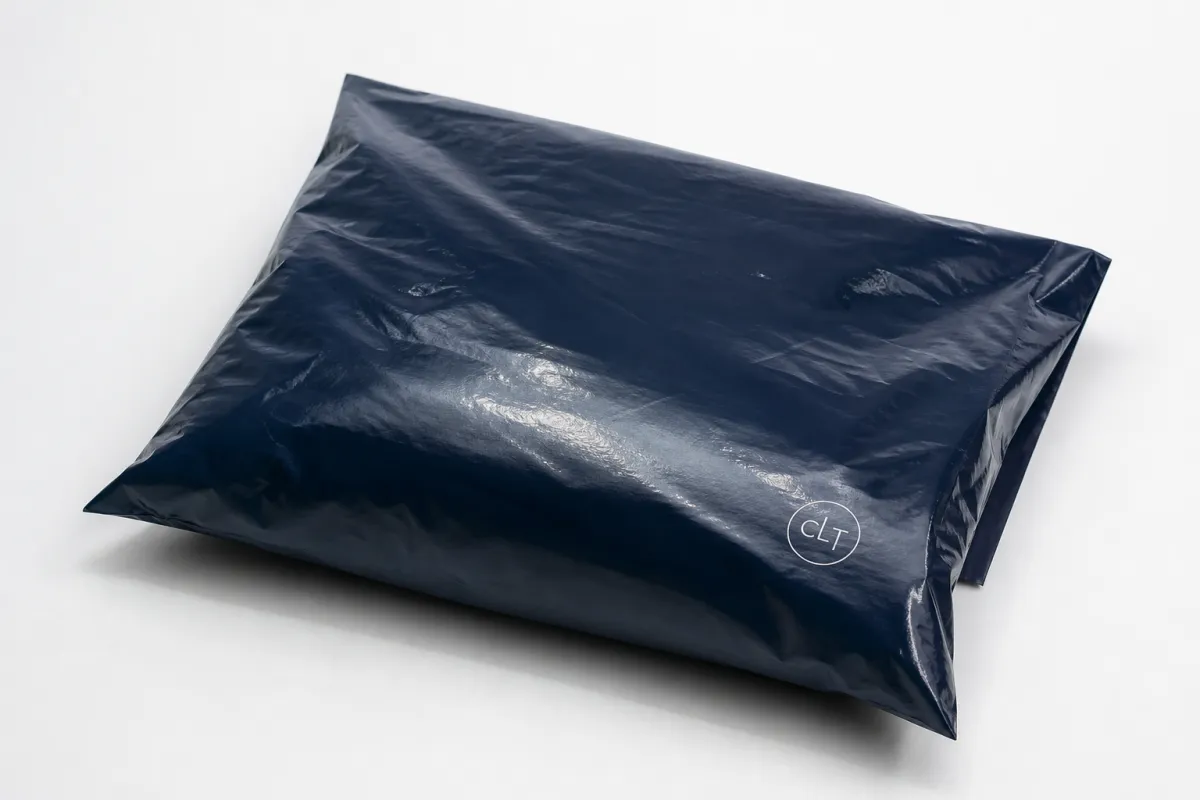
Subscription commerce depends on repeated contact, not a single sale. That repetition makes packaging memory valuable. Branded Poly Mailers for subscription boxes create a visual rhythm customers learn quickly, almost like a monthly cue that the next order has arrived. Recognition matters. It cuts through the generic look of plain packaging, gives the parcel a stronger sense of purpose, and can support repeat buying because the shipment feels tied to a brand system rather than a random delivery.
The economics help too. A mailer gives a brand a large visible surface for a comparatively low unit cost. Against a custom folding carton, branded poly Mailers for Subscription boxes generally use less material, weigh less, and store flat. That matters in recurring fulfillment. A change that adds even four seconds per unit becomes expensive at scale. Multiply four seconds by 10,000 shipments and the line has spent more than 11 hours on a tiny inefficiency. The math is a little rude, but it is honest.
Plain poly mailers still have a place. Test launches, short runs, and very tight margins sometimes justify them. They do the job and then disappear. The downside is obvious: the parcel rarely contributes to the brand story. By contrast, branded poly mailers for subscription boxes can improve the unboxing sequence before the box opens. Logo placement, color blocking, typography, and message hierarchy tell the customer what kind of brand is speaking. Premium. Playful. Minimal. Earthy. Technical. The outer package can signal that in a fraction of a second.
That visual cue shows up outside the warehouse too. Social posts often feature the outer package first, not the product inside. In practice, branded poly mailers for subscription boxes appear in unboxing reels, office mail shots, and shelf-staged photos more often than plain shippers do. The reason is simple: the package already looks intentional. It does not need extra context to earn attention.
If your team is comparing packaging investments, look at the mailer as part of the full system. A lower-cost outer shipper may free budget for inserts, tissue, or labels. A stronger branded mailer may let the inner presentation stay simpler. If you are mapping the broader stack, start with Custom Packaging Products and decide where the visual lift and the operational lift actually belong.
There is a useful contrast here. A plain mailer asks the customer to imagine the brand. A printed one shows the brand immediately. The difference looks small on a spec sheet. In subscription commerce, it can change how the parcel is remembered. Memory, not just protection, is part of the work done by branded poly mailers for subscription boxes.
One more thing: the outer package is often the part people keep in their head after the product is gone. That sounds sentimental, but it shows up in reorder behavior and in photos customers post without being asked. The packaging is doing more work than most teams give it credit for.
How Branded Poly Mailers for Subscription Boxes Work
Most poly mailers use layered polyethylene film. That structure gives the package flexibility, moisture resistance, and enough tear strength for ordinary parcel handling. Standard mailers often land around 2.5 to 3.0 mil, while heavier versions can move higher depending on the product and route. For branded poly mailers for subscription boxes, film selection is more than a technical footnote; it decides whether the parcel survives sorting, stacking, and the rough edge at the bottom of a tote.
The branding usually happens during film production or through graphics applied before the material is converted into finished mailers. That might be a one-color logo, a two-tone field with a bold message, or a full-coverage pattern that wraps the surface. Durability is the real test. The print should hold up under rubbing, pressure, and label application without dulling or blurring. Good branded poly mailers for subscription boxes work because the graphic system is built for shipping, not just for a product mockup.
Closure matters just as much as print. Most subscription operations rely on a self-seal adhesive strip because it keeps pack-out quick and consistent. One motion, one seal, fewer variables. That is especially useful in high-volume fulfillment, where a team may be packing several SKU combinations in a single shift. A reliable adhesive strip also adds a useful layer of tamper evidence. If the seal has been broken, the customer sees it right away. That small signal builds trust.
The format also raises a practical question: does the mailer replace the box, or does it act as the outer shipper around a smaller inner carton? Both can work. branded poly mailers for subscription boxes often replace a box entirely when the contents are flat, soft, or light, such as apparel, sample kits, printed inserts, or flexible accessories. Fragile, stacked, or crush-prone products usually need the mailer to serve as the outer layer around a rigid inner package.
Operationally, the mailer format fits e-commerce because it trims weight and dimensional bulk. That can lower freight cost and make carrier billing easier to predict, especially for recurring shipments that stay close to the same size. It can also shorten pack-out time. A good fulfillment line wants fewer folds, fewer void-fill steps, and fewer decisions per order. That is one reason branded poly mailers for subscription boxes show up so often in recurring commerce: they cut friction without cutting identity.
Supplier conversations become useful at this stage. A packaging partner can help compare mailers with labels, inserts, outer cartons, and other components so the final mix works on the line, not just in a rendering. If you are reviewing options now, our Custom Poly Mailers page is a practical starting point because it shows the construction choices that usually affect performance the most.
One technical detail deserves attention. If you are comparing supplier specs, ask how the material performs under common film tests such as ASTM D882 for tensile strength or ASTM D1709 for puncture resistance. Vendors do not always volunteer those numbers, yet they matter if the contents have sharp edges or heavier inserts. For shipping validation, look for ISTA-style distribution testing, especially if the mailer must survive repeated handling. The ISTA site is a useful reference if your team wants to understand how packaging gets evaluated in transit.
Ask for the test data in plain language, too. A spec sheet that hides behind buzzwords is not helping anyone. If a supplier cannot explain where the film is strong, where it is weak, and what kind of transit abuse it was built for, that is a clue worth respecting.
Key Factors That Shape the Final Mailer
Size is the first decision, and it is where many teams overcomplicate the job. A mailer that is too large looks careless and wastes film. A mailer that is too tight can split at the seam or make the adhesive strip unreliable. For branded poly mailers for subscription boxes, the right size is based on packed dimensions, not product dimensions alone. Once inserts, tissue, samples, and protective wrap are inside, measure the finished bundle and leave just enough room for a clean seal.
Thickness comes next. A lightweight apparel kit can usually travel in a thinner film than a sample assortment with hard edges. If the contents include rigid components, corners, tins, or layered products, puncture resistance matters more than most buyers expect. That is one reason branded poly mailers for subscription boxes should be matched to the contents rather than chosen by appearance first. The right gauge can save replacement cost and customer service time later.
Print complexity changes both the look and the production path. A one-color logo on a solid field is the simplest option to manufacture and tends to stay crisp at scale. A multi-color design, full bleed pattern, or metallic accent can photograph better, yet it may raise setup complexity and increase the chance of color drift. The better question is not how much can be printed. The better question is how much print the package needs to do its job. That answer changes by brand, which is why branded poly mailers for subscription boxes benefit from a disciplined design brief.
Finish shapes perception too. Matte film can hide scuffs better. Gloss makes colors feel sharper and more energetic. A translucent or frosted effect can suit certain lifestyle brands, though it should be used carefully if privacy matters or if labels need a cleaner visual field. A frosted finish can look premium, but it can also make barcodes kinda fussy if the art team is not careful. The package should feel like it belongs to the brand, not like an afterthought. With branded poly mailers for subscription boxes, finish is part of that judgment.
Sustainability and compliance sit near the end of the decision set. If a supplier makes recycled-content claims, ask for documentation. If the design includes a recyclable message, confirm that the claim is accurate for the exact construction and that it matches local recycling guidance. The same caution applies to paper-based components added to the shipment. If you include printed inserts or labels, check whether the paper stock is FSC-certified if that matters to your brand story. Customers read these details. Regulators do too.
Here is a practical short list that packaging buyers often use during review:
- Packed dimensions: Measure the finished order, not the product alone.
- Content risk: Identify sharp edges, liquids, or crush-sensitive items.
- Print priority: Decide whether logo, color, or messaging matters most.
- Fulfillment speed: Check whether the seal and fold pattern fit the line.
- Carrier space: Leave room for labels, barcodes, and routing marks.
That checklist sounds simple, yet it prevents expensive mistakes. For branded poly mailers for subscription boxes, the smartest design usually looks good, ships cleanly, and avoids creating a new problem for operations.
If a kit is gonna vary month to month, test the largest version first. A mailer that handles the big build usually gives you a little breathing room on the smaller one. That is not fancy, but it is practical.
Process and Timeline for Branded Poly Mailers for Subscription Boxes
The production path looks straightforward from a distance, but each stage matters. A typical run for branded poly mailers for subscription boxes begins with a brief, then moves through size selection, artwork setup, proofing, sampling, manufacturing, packing, and freight. A simple project with a stock size can move quickly. A custom size or dense print layout stretches the schedule.
- Brief: Define packed size, contents, brand colors, and shipping environment.
- Artwork setup: Place logo, copy, and safe zones on the dieline.
- Proofing: Review colors, placement, and barcode or label space.
- Sampling: Approve a physical sample if the project is new or high stakes.
- Production: Run the film, print, convert, count, and pack.
- Freight: Leave enough transit time so the launch does not depend on a rush shipment.
First orders usually take longer than reorders. That is normal. Artwork approval, color matching, and physical sampling can add several days or even a couple of weeks, especially if the team is debating finish, thickness, or size. For many projects, a stock-size run with simple print may land in the 12 to 18 business day range after proof approval, while a fully custom construction can stretch to 20 to 35 business days before freight. Reorders usually move faster because the specs are already locked. That is one reason brands standardize branded poly mailers for subscription boxes once the design has been tested.
Lead time also depends on order quantity, print method, and distance between the production site and the warehouse. A supplier who holds inventory locally may move much faster than a factory shipping overseas. A larger offshore run, though, may bring the unit cost down enough to justify the wait, especially for high-volume subscription programs. No single answer covers every operation. The right choice depends on inventory risk and on how predictable the monthly shipment cadence really is.
Working backward from the ship date helps. If the next drop has a hard mailing day, count back from that date and add buffer for revisions. One extra week is a practical domestic cushion, and international freight usually needs more. That cushion gives the team room for a corrected proof, a late artwork file, or a sample that exposes a problem before the full run begins. Branded poly mailers for subscription boxes are not difficult to produce, but they reward disciplined timing.
A smooth approval cycle usually includes dieline confirmation, artwork review, physical sample sign-off, and final release before mass production. If one step feels rushed, pause and ask for another look. That pause is cheaper than scrapping thousands of units. Packaging buyers who work with recurring programs often build a simple monthly calendar that tracks reorder dates, artwork deadlines, and inbound freight. The habit is unglamorous. It also prevents launch problems.
One more observation: if you are comparing suppliers, ask how they handle testing and ship confirmation. Some brands want a basic visual proof. Others need a stronger quality gate, especially if the mailer must stand up to long transit or repeated handling. A useful benchmark is an ISTA-style distribution profile paired with sample review. That kind of verification does not promise perfection, but it lowers guesswork. For branded poly mailers for subscription boxes, guesswork gets expensive fast.
Cost, Pricing, and MOQ for Branded Poly Mailers
Price usually pulls teams in two directions. One side wants a package that feels branded and deliberate. The other side needs a unit cost that leaves margin on the table, not in the warehouse. The main drivers are easy to list and hard to balance: film thickness, size, print coverage, number of colors, order quantity, custom sizing, and any special finish. For branded poly mailers for subscription boxes, even small changes to artwork coverage can move pricing more than many buyers expect.
| Option | Typical MOQ | Approx. Unit Cost at 5,000 Pieces | Best For |
|---|---|---|---|
| Stock size with one-color logo | 3,000-5,000 | $0.18-$0.28 | Simple branding, controlled budgets, fast reorder cycles |
| Custom size with two-color print | 5,000-10,000 | $0.24-$0.40 | Better fit, stronger shelf presence, moderate volume |
| Full-coverage print with heavier film | 10,000+ | $0.35-$0.65 | Premium presentation, more protection, larger programs |
Those figures are directional, not universal. Quantity, shipping route, and print method can move them in either direction. The useful lesson is that MOQ affects price in a predictable way. Lower minimums usually cost more per unit because setup expense is spread across fewer pieces. If you only need a test run, that may still be the right call. If the packaging is already proven, a larger order often delivers better value. That is one reason many brands start carefully with branded poly mailers for subscription boxes and scale after the fit is validated.
Do not compare supplier quotes without checking what is actually included. One quote may cover freight to your warehouse. Another may not. One may include color proofing or sample production. Another may leave them out. A lower number on paper can become a higher landed cost once the rest is added. Freight, storage, samples, overage, and pallet configuration can all matter. Packaging teams that handle recurring programs often ask for a line-item quote so they can compare apples to apples.
If you want to hold budget without making the package look generic, a few moves stay reliable. Use a strong logo lockup instead of crowding the film with too many elements. Stick to a two-color palette if that already fits the brand. Consider a repeating pattern that still looks premium when the mailer is partly covered by labels. Those choices can make branded poly mailers for subscription boxes look polished while keeping the print method manageable.
Comparing real examples helps too. Packaging decisions often look different on a cost sheet than they do in a warehouse. A brand may think a fully printed mailer is too expensive until it realizes the package replaces extra tissue, inserts, or a more expensive outer box. If you want a stronger benchmark, our Case Studies page is useful because it shows how packaging choices played out in the field rather than just in a spec sheet.
One practical rule: ask every supplier for the same dimensions, the same material thickness, the same print coverage, and the same shipping terms. Without that, the cheapest quote is usually just the least complete one. That is not a pricing strategy; it is a trap. For branded poly mailers for subscription boxes, the quote only becomes meaningful once the spec is pinned down.
Common Mistakes Brands Make With Poly Mailers
The most common mistake is choosing based on appearance alone. A polished mockup can hide weak seams, poor seal performance, or flimsy film that wrinkles badly after one handling pass. That is a bad trade. Branded poly mailers for subscription boxes need to survive a real distribution chain, not just a presentation deck. A package that looks premium in the render but fails in transit will damage both cost and trust.
A mailer that tears at the seal is not premium. It is a complaint with ink on it.
Oversizing comes next. Too much empty space makes the shipment feel careless, and it can let contents slide around during transit. That movement raises the odds of abrasion, corner damage, or a distorted seal. If a kit changes by season, test the largest packed version first. It is much easier to downsize later than to explain why half the shipments look loose. In that sense, branded poly mailers for subscription boxes reward accurate measurement more than clever language.
Another frequent problem is overcomplicated graphics. Heavy color coverage, tiny text, and too many visual messages can make the package look busy and can also create print challenges. Color drift becomes more visible, low-resolution artwork starts to show, and the result can feel cheaper rather than richer. A simpler hierarchy usually works better: one strong logo moment, one supporting brand color, and one clear message. That is enough for many branded poly mailers for subscription boxes to feel deliberate.
Teams also skip physical testing. They approve a proof on screen, then place a full order without checking how the seam feels, how the adhesive grabs, or whether the finish holds up against labels. That shortcut can cost real money. A sample run may feel tedious, but it catches the issues digital review misses. If the sample is off, you can fix it before the shipment volume rises.
Timing mistakes show up often too. Brands underestimate lead time, wait until inventory gets low, and then rush a reorder. That creates unnecessary pressure and can force a design compromise because there is no time to revise artwork or compare quotes. For recurring programs, a reorder calendar is basic hygiene. If branded poly mailers for subscription boxes are part of the monthly operation, they should be managed like inventory, not like a one-time creative exercise.
Finally, some brands forget the utility zones on the package. A carrier label needs space. A barcode needs contrast. Routing marks need to stay readable after scuffs and handling. If the design ignores those zones, operations ends up placing ugly labels over the brand graphics, and the whole package looks less deliberate. A good layout anticipates those elements from the start.
Expert Tips and Next Steps for Branded Poly Mailers for Subscription Boxes
Start with a packaging audit. Measure the real packed dimensions of the subscription kit, not the product dimensions on paper. Then note what changes month to month. Some subscriptions stay stable. Others vary because of bonus items, seasonal inserts, or bundle rotation. If the content profile shifts, branded poly mailers for subscription boxes need enough tolerance to handle the largest expected kit without looking baggy on the smaller one.
Build two versions of the concept: one cost-first and one brand-first. That does not mean one is right and the other is wrong. It means you can see the tradeoff clearly. The cost-first version might use a stock size, a single-color logo, and a standard film gauge. The brand-first version might add a custom size, richer print coverage, and a more premium finish. Comparing those versions side by side helps teams understand what the extra spend actually buys in the customer experience. That is far more useful than debating design in the abstract. It is also one of the most efficient ways to specify branded poly mailers for subscription boxes.
Ask for a physical sample whenever possible. Screen images cannot tell you how the film feels, how the adhesive strip behaves, or how the color shifts under warehouse lighting. A sample is also the quickest way to spot odd seam behavior or a finish that looks different once the package is folded and sealed. If your mailer is going into a live subscription run, that sample is not a nice-to-have. It is a control point.
Use branding that survives the shipping journey. Bold contrast helps. Clean typography helps. A layout that still reads after scuffs, shipping labels, and handling marks helps even more. The most effective branded poly mailers for subscription boxes usually do not try to say everything. They say one thing clearly and let the rest of the package support that message. That restraint often reads more premium than a crowded print surface.
Before you place the order, check your sustainability and compliance language. If the mailer includes a recycling claim, make sure it is accurate for the exact construction and local disposal expectations. If your brand wants to reference responsibly sourced paper components, confirm FSC status on the paper items, not just the plastic mailer. If you need shipping durability guidance, the EPA recycling guidance and ISTA references can help keep your claims and testing language grounded. That kind of discipline matters because customers notice when packaging claims feel vague.
A practical rollout plan looks like this: request a spec sheet, request a sample, request a line-item quote, then pilot branded poly mailers for subscription boxes on the next shipment before scaling to the full program. That pilot tells you whether the design photographs well, seals cleanly, and fits the fulfillment rhythm. If it works, you can reorder with confidence. If it does not, you can adjust before the packaging becomes a recurring problem.
For brands still deciding where to start, the best next step is usually a conversation around specs, not a debate around aesthetics. Our Custom Poly Mailers page gives you a starting framework, and our Case Studies show how real packaging choices affected shipping, presentation, and customer response. That combination is often enough to move from vague ideas to a solid package plan.
Bottom line: branded poly mailers for subscription boxes work best when they do three jobs at once: protect the product, carry the brand, and keep fulfillment moving. If you are ready to put that into practice, lock the packed dimensions, approve a physical sample, and pilot one monthly drop before ordering for the full run. That sequence keeps the packaging honest and the operation sane.
Are branded poly mailers for subscription boxes better than custom boxes?
They usually perform better for lightweight, non-fragile kits where lower shipping weight and faster fulfillment matter more than a rigid reveal. Custom boxes can still win when the contents need stronger protection or the brand wants a more gift-like opening moment. Many subscription brands split the difference: they use branded poly mailers for subscription boxes as the outer shipper and add a small insert or inner carton for presentation.
What size should I choose for branded poly mailers for subscription boxes?
Measure the packed kit after inserts, tissue, and any protective materials are already inside. That is the size that matters. Leave enough room for a clean adhesive seal, but not so much extra space that the contents can move around. If the bundle changes by month, test the largest expected version first. That approach makes branded poly mailers for subscription boxes more reliable across the full run.
How long does it take to produce custom poly mailers?
Timing depends on artwork approval, sample requests, quantity, and the print method used. A simple run on a stock size may move faster, while a custom size or richer print layout usually adds days. First orders take longer than reorders because proofing and setup add steps. For branded poly mailers for subscription boxes, build in buffer time so launch dates do not depend on a rush order.
What is the MOQ for branded poly mailers?
MOQ varies by supplier, size, and print setup, so there is no universal minimum. Lower minimums are convenient for testing, but the unit cost is usually higher because setup costs are spread across fewer mailers. Ask whether the supplier offers standard sizes with lower minimums or fully custom specs with larger runs. That question helps you compare branded poly mailers for subscription boxes on equal terms.
How do I keep branded poly mailers from looking cheap?
Use a clear visual hierarchy with one strong logo moment instead of crowding the surface with too many elements. Choose a film thickness and finish that match the product value and shipping conditions. Approve a physical sample so you can catch color drift, seam issues, and weak contrast before production scales. That is usually the simplest way to make branded poly mailers for subscription boxes look intentional rather than thrown together.