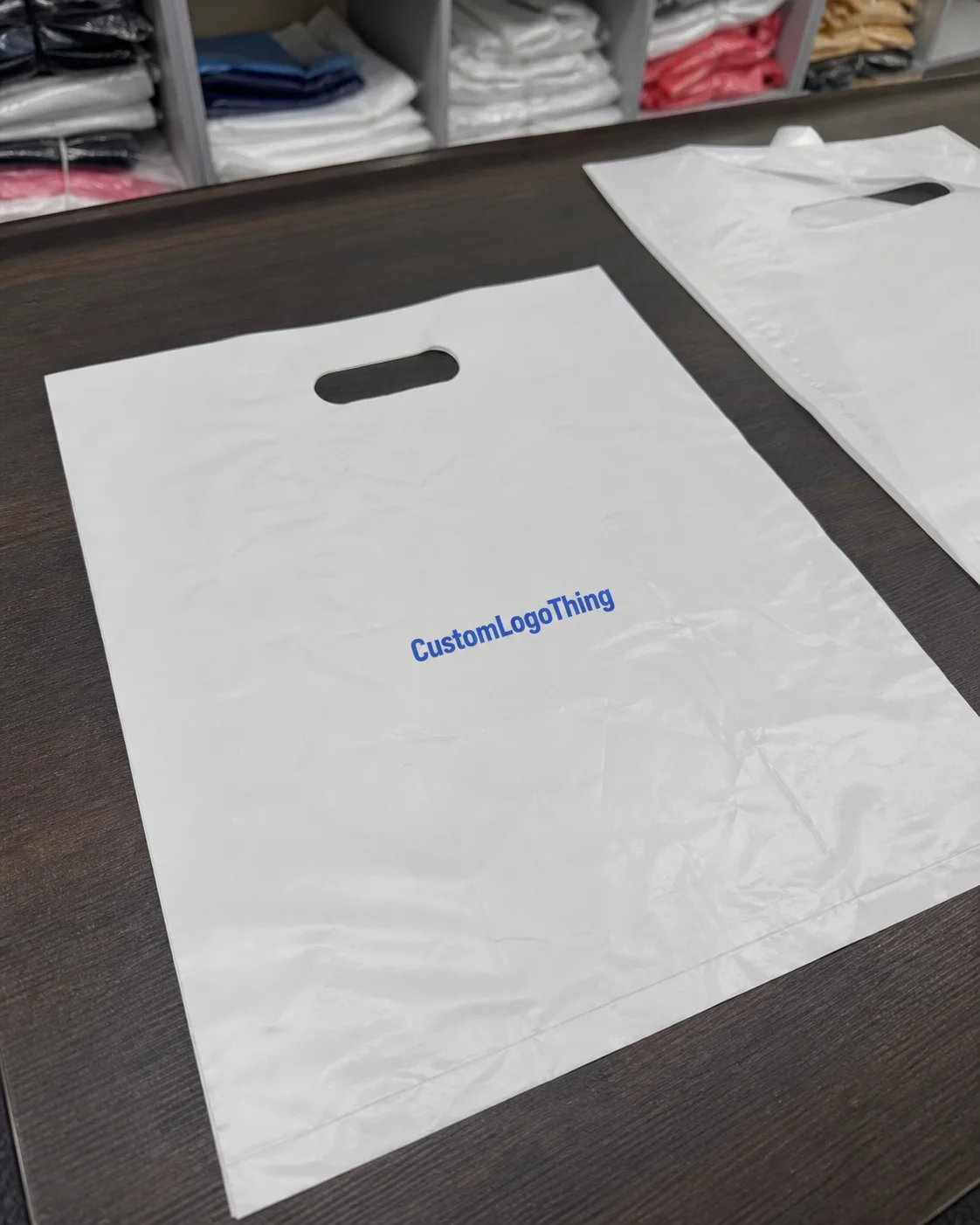
Buyer Fit Snapshot
| Best fit | Branded Poly Mailers for Subscriptions projects where brand print, material claims, artwork control, MOQ, and repeat-order consistency need to be specified before quoting. |
|---|---|
| Quote inputs | Share finished size, material target, print colors, finish, packing count, annual reorder estimate, ship-to region, and any compliance wording. |
| Proofing check | Approve dieline scale, logo placement, barcode or warning zones, color tolerance, closure strength, and carton packing before bulk production. |
| Main risk | Vague material claims, crowded artwork, missing packing details, or unclear freight terms can make a low unit price expensive after revisions. |
Fast answer: Branded Poly Mailers for Subscriptions: Film, Print, MOQ, and Carton Packing should be specified like a repeatable production item. The safest quote records material, print method, finish, artwork proof, packing count, and reorder notes in one written spec.
Production checks before approval
Compare the actual filled-product size with the drawing, then confirm tolerance on folds, seals, hang holes, label areas, and retail display edges. Reserve space for logos, QR codes, warning copy, and material claims before decorative graphics fill the panel.
Quote comparison points
Review material grade, print process, finish, sampling route, tooling charges, carton quantity, and freight assumptions side by side. A quote is only useful when the supplier can repeat the same color, closure quality, and packing count on the next order.
Branded Poly Mailers for subscriptions are often the first physical brand moment a customer actually touches, and that matters more than teams like to admit. The product may be solid. The subscription may be well-priced. None of that changes the fact that the package lands first and sets the tone before the customer even sees what is inside. For recurring shipments, that repeat touchpoint carries real weight: branded poly Mailers for Subscriptions can turn a routine delivery into a recognizable ritual while keeping weight, storage, and shipping costs under control.
That is why this format shows up so often for apparel drops, beauty kits, pet supplies, wellness items, and flat goods that do not need hard protection. A plain mailer disappears into logistics. A printed one acts like a moving sign. The hard part is not making it look nice. The hard part is choosing Branded Poly Mailers for subscriptions that protect the contents, pack quickly, and fit the economics of recurring fulfillment without creating waste or headaches later. That part takes a little discipline, and yes, a little patience too.
Branded poly mailers for subscriptions: why the unboxing moment matters
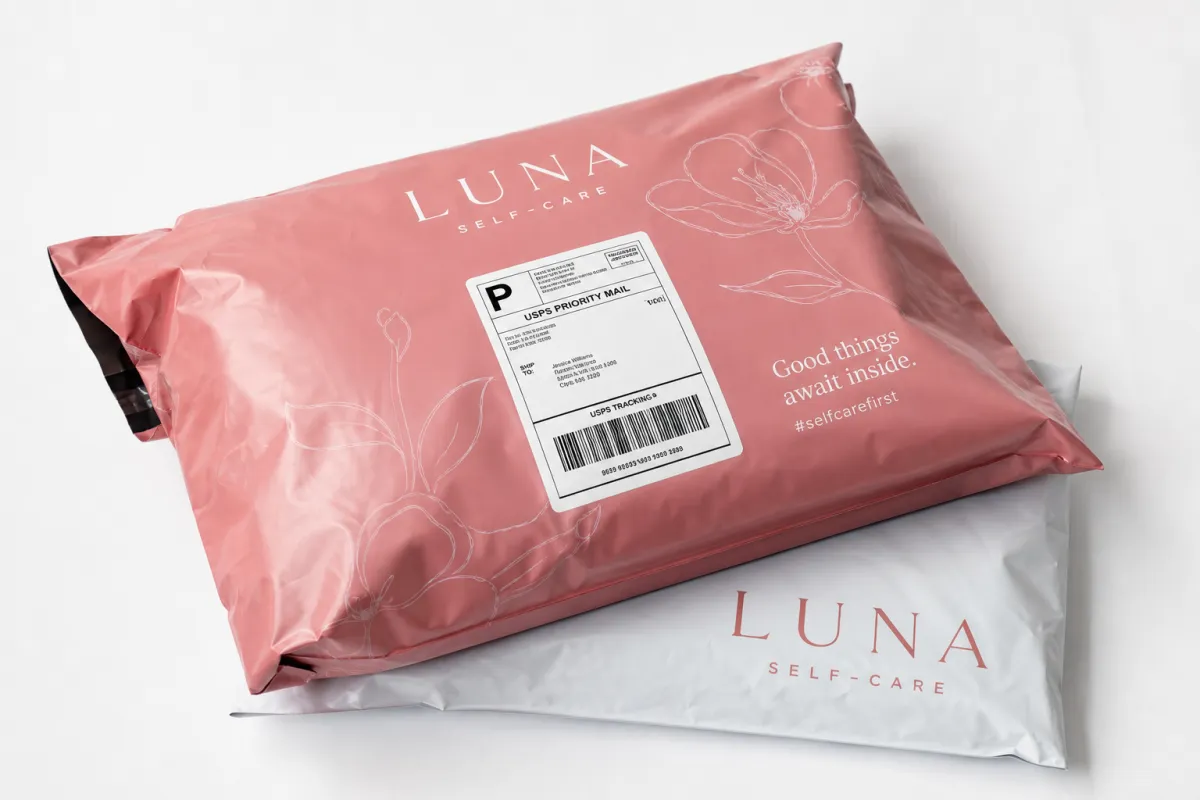
Subscription packaging has a funny job. It has to reassure, excite, and perform at the same time. The customer already said yes, so the package does not need to close the sale. It needs to confirm that the choice was smart. That is why branded poly mailers for subscriptions matter more than some people expect: the outer package sets the tone before the customer touches the product.
From a packaging buyer’s point of view, repetition is the real advantage. One order gets judged on price. Recurring shipments get judged on consistency. If the same subscriber receives a clean, well-printed mailer month after month, the brand starts to feel organized and trustworthy. If one order arrives in a wrinkled, undersized, or off-center mailer, the whole experience feels sloppy. With branded poly mailers for subscriptions, that consistency becomes part of the product story instead of an afterthought.
Think about the difference this way: a plain poly mailer is background noise. It protects, ships, and disappears. A branded version can carry logo recognition, color memory, and a sense of care at a relatively low unit cost. In a lot of programs, the package itself is the first and last marketing asset handled by operations. That overlap is rare. It is also why branded poly mailers for subscriptions deserve the same attention as the insert card or welcome note.
"If your packaging looks improvised, customers assume the rest of the operation is improvised too. That is rarely true, but perception does not care."
The packaging goal sounds simple: protect the contents, keep shipping costs sane, and create a repeatable experience that supports retention. The execution is where the work lives. That is where branded poly mailers for subscriptions do their best work. They are light, flexible, printable, and fast to process. They only deliver that value if the size, film thickness, print layout, and closure method match the actual subscription kit, not some polished version sitting in a slide deck.
For brands comparing formats, the broader product range helps. Some teams stay with Custom Poly Mailers because they suit apparel and soft goods well. Others build a fuller system with Custom Packaging Products so inserts, labels, and mailers all follow the same visual language. Either way, the outer package is doing more than shipping work. It is carrying the brand into the customer’s home.
How branded poly mailers for subscriptions work in fulfillment
The fulfillment flow is straightforward. Artwork gets approved, the mailers are produced, inventory arrives, and the packing team loads the subscription kit, seals the mailer, and hands it to the carrier. In a clean operation, branded poly mailers for subscriptions reduce friction because they stack neatly, label easily, and close fast. That saves labor on every order, which matters a lot when shipments repeat on a predictable schedule.
Branding has operational consequences here, not just visual ones. If the logo sits too close to a seam, it can distort after sealing. If the print is too low-contrast, a shipping label can bury it. If artwork wraps around an area that gets folded in packing, the design may look crooked even when production was technically fine. Good branded poly mailers for subscriptions are designed around the packout and the workflow, not just a front-facing mockup.
Speed is another reason subscription teams like this format. Compared with boxes or multi-part rigid packaging, a mailer usually takes fewer motions. That can mean faster pack times, less dunnage, and less warehouse space. A compact fulfillment line tends to benefit from lighter packaging because teams can sort, seal, and stage more orders per hour. The best branded poly mailers for subscriptions make that easier without making the package feel flimsy.
There is a tradeoff here that gets ignored too often. A mailer only works if the product can handle it. Flat apparel, soft accessories, and non-fragile kits usually fit well. A subscription box with rigid components, glass, or crush-sensitive items may need another structure. That is why branded poly mailers for subscriptions should be chosen after the pack configuration is final, not before. If inserts keep changing, the mailer spec keeps changing too. That gets old fast.
For teams validating shipment quality, standards help. Packaging engineers often reference ISTA test methods such as ISTA 3A for parcel shipments, and some programs use ASTM D4169 as a broader distribution test framework. Those standards do not tell you what your brand should look like, but they do help you answer a more expensive question: will the package survive the trip in the real world?
Operational checklist for the warehouse
- Confirm packed dimensions with all inserts, cards, and protective elements included.
- Place the logo and key artwork outside fold lines and sealing zones.
- Test label placement so the shipping barcode never fights the branding.
- Measure pack time with a full run, not a sample of five units.
Key factors to compare: materials, print, and cost
Materials are where many buyers start, and for good reason. Film thickness, puncture resistance, opacity, and seal strength all shape how the package feels and how it performs. A thinner poly mailer might look fine on screen, but if it tears during packing or scuffs in transit, the savings disappear quickly. Many branded poly mailers for subscriptions use films in the 2.5 to 3.0 mil range for lighter contents, while heavier or rougher packs may benefit from 3.5 to 4.0 mil film. The right answer depends on product weight, package shape, and route conditions.
Print method matters just as much. Digital printing gives teams flexibility for shorter runs, seasonal artwork, or programs with multiple variants. It usually carries a higher unit price, but the setup burden is lower. Flexographic-style production tends to make more sense as volume rises because the per-unit economics improve. Put simply: if the quantity is modest, you pay for flexibility; if the quantity is large, you pay for setup efficiency. Branded poly mailers for subscriptions should be priced against that curve, not against one quote pulled out of context.
Cost analysis also needs the hidden line items. Freight can be meaningful, especially on bulky orders. Storage matters if you order too far ahead. Waste matters if the size is wrong and the team has to overstuff, underfill, or rework a packout. Labor savings can justify a slightly higher unit price if the mailer speeds packing by even a few seconds per order. That sounds tiny. Multiply it by 8,000 or 20,000 shipments, and the difference shows up fast. The cheapest branded poly mailers for subscriptions are not always the least expensive overall.
Here is a practical comparison buyers often use before they request samples:
| Option | Typical Unit Cost | Best For | Watchouts |
|---|---|---|---|
| Digital printed poly mailers | $0.22-$0.55 each at lower volumes | Short runs, frequent artwork changes, multiple SKUs | Higher unit price, print coverage can affect cost |
| Flexographic printed poly mailers | $0.10-$0.28 each at higher volumes | Stable subscription programs, larger repeat orders | More setup work, less ideal for frequent changes |
| Unprinted stock mailers with labels | $0.06-$0.18 each | Very tight budgets, internal shipping, low brand emphasis | Weak shelf and doorstep branding, less memorable unboxing |
That table only tells part of the story. A branded mailer can justify the higher cost if it improves recognition and reduces the need for extra packaging layers. In some programs, it also reduces damage from overpacking because the team does not feel pressured to make the package look finished with add-on filler. If the goal is a clean, simple subscription kit, branded poly mailers for subscriptions often beat heavier formats on total cost.
One more point on sustainability claims. The EPA explains why source reduction often matters as much as material recovery, especially when companies want to cut waste at the front end instead of managing it later. You can read more on epa.gov. That does not mean every thin mailer is automatically better. It means the package should be light, durable, and right-sized, not just green on a spec sheet.
Step-by-step: choosing branded poly mailers for subscriptions
Start with the actual packout. Measure the finished product, then add the inserts, tissue, cards, samples, or protective layers that ship with it. Too many teams size the package around the product alone, which is how you end up with stretched seams or awkward bulges. The best branded poly mailers for subscriptions leave enough room for a flat, secure seal while still keeping the contents snug enough to avoid movement.
Next, match the artwork to the physical format. A logo that looks elegant on a desktop mockup may shrink into illegibility once the mailer is folded and labeled. Strong contrast helps. So does a design system that keeps key elements away from the closure area and barcode zones. If the packaging needs to be recognized from a few feet away on a doorstep or in a warehouse stack, branded poly mailers for subscriptions need a simpler visual hierarchy than a full-page ad. Fancy is nice. Readable is better.
Then request samples and run a real pack test. Not a theoretical review. An actual mock pack. Put in the exact contents, close the mailer the way your team will close it, and inspect the result for wrinkles, slack, seal strength, and label coverage. If the pack is going through parcel shipping, do a basic drop or vibration test. The point is not perfection. The point is to catch issues before a larger order locks in the wrong spec. This is where branded poly mailers for subscriptions earn their keep: they should work in your process, not force your process to adapt around them.
A simple approval checklist helps avoid expensive rework:
- Final product dimensions and packout confirmed.
- Mailer size, film thickness, and closure method approved.
- Print proof checked for logo scale, color, and seam placement.
- Shipping method and test requirement reviewed.
- Reorder threshold set before inventory gets tight.
Brands that like comparing packaging categories usually benefit from a broader view. Internal resources such as Case Studies can show how different packaging decisions affect speed, damage, and customer sentiment in real programs. That context helps when you are deciding whether branded poly mailers for subscriptions should carry the whole experience or work alongside a secondary box or insert pack.
Process and timeline: from artwork approval to first shipment
Most projects move through the same stages: concept, proofing, revisions, sampling, production, transit, and warehouse receiving. The timing shifts based on quantity and print method, but the sequence stays familiar. A straightforward order for branded poly mailers for subscriptions might take 12 to 15 business days after proof approval, then a few more days for transit depending on location. The first run usually takes longer than the second because the team is still checking color, fit, and closure behavior.
Where do delays usually happen? Artwork revisions after proof approval are a common culprit. So are stock shortages in the chosen film, especially if the order uses a less common size or finish. Rush deadlines cause pain too because shipping time gets squeezed while the production schedule stays fixed. If the launch date matters, branded poly mailers for subscriptions should be ordered with a buffer that protects both proofing and freight.
Build extra time into the first run for structural testing. The mockup may look fine, but the real sample can reveal small issues such as a slippery seal, a noisy film, a weak flap, or an imprint that sits too close to the edge. These are the kinds of details customers notice even if they cannot name them. They just know the shipment feels easy to open and pleasant to receive, or oddly rough around the edges. Good branded poly mailers for subscriptions keep those little frustrations out of the experience.
There is also a planning issue tied to subscription cycles. If your renewal date or launch campaign lands in the first week of the month, the packaging should be in your warehouse well before that wave starts. Waiting until the last minute turns a manageable procurement task into a rush job. A smart timeline protects your team from that scramble and gives you room to catch problems before customers do. In other words, branded poly mailers for subscriptions are not just a print project; they are a scheduling project, too.
Common timeline guide
- Sampling and proofing: 3-7 business days, sometimes longer with revisions.
- Production: 7-15 business days depending on quantity and print method.
- Freight and receiving: 2-7 business days, sometimes longer for cross-country transit.
- Contingency buffer: add 1-2 weeks for first-time orders or new artwork.
Common mistakes that hurt subscription packaging performance
The first mistake is undersizing. If the mailer is too tight, seals fail more often, the film stretches, and the branding can wrinkle or distort. That is a bad trade, because the package looks cheaper while becoming less reliable. In many cases, teams try to save a few cents by shaving dimensions, then spend those savings on replacements or damage control. Branded poly mailers for subscriptions need enough room to close cleanly without forcing the contents into the edges.
Another common error is overdesigning the exterior. A crowded mailer can look busy at arm’s length and lose recognition quickly. The eye needs contrast and a clear focal point. If every inch is packed with icons, copy, badges, and patterns, the package may feel noisy instead of premium. The strongest branded poly mailers for subscriptions usually rely on one or two memorable visual cues rather than a collage of brand assets. More ink is not automatically more brand.
There is also a retention issue hiding in plain sight. Subscription customers may not consciously analyze packaging quality, but they absolutely notice inconsistency. If one shipment is crisp and the next is flimsy, the brand feels less reliable even when the product quality has not changed. That matters because recurring orders are built on trust. A steady packaging experience helps reinforce the idea that the subscription itself is dependable. That is one reason branded poly mailers for subscriptions can influence retention indirectly.
Finally, too many programs ignore real shipping conditions. Return handling, seasonal humidity, and rough carrier movement all affect how the mailer performs after it leaves the warehouse. A film that looks fine in a climate-controlled room may scuff or loosen when exposed to heat or moisture. If the mailer is likely to move through multiple hubs, it should be tested under conditions that resemble the actual route. Otherwise, branded poly mailers for subscriptions can look strong in a photo and weak in transit. That is a bad surprise nobody needs.
Problems worth catching early
- Seals that fail under light pressure.
- Print that disappears under a shipping label.
- Film that feels too thin for the product weight.
- Artwork that wraps into folds or seam lines.
- Packouts that change after the mailer is already approved.
Expert tips for branded poly mailers for subscriptions
Use the mailer as part of a system, not as a one-off print job. The best packaging programs align the outer mailer with inserts, labels, tissue, and packing instructions so the whole shipment feels intentional. That kind of coordination does not require a huge budget. It requires consistency. In practice, branded poly mailers for subscriptions look stronger when every element points in the same direction instead of competing for attention.
Keep the design clean enough to print economically, then spend your visual energy on one or two cues the customer will remember. That might be a bold color field, a strong logo placement, or a pattern that becomes part of the brand’s recognition system. If you try to make the mailer do every job at once, it usually gets expensive and less effective. A better approach is to let branded poly mailers for subscriptions carry a clear identity while the rest of the kit does the supporting work.
If you can test two versions, do it. One can be tuned for presentation, the other for cost efficiency. Compare damage rates, packing speed, and customer feedback. The numbers often reveal something useful: the pricier option does not always win, and the cheapest option is not always the best value. A clean A/B test gives you evidence instead of hunches. That matters even more when branded poly mailers for subscriptions are part of a recurring program with real reorder volume.
Material claims deserve scrutiny too. If you are considering recycled content, thinner gauge films, or recyclable structures, ask how the material performs in your region and in your actual distribution channel. Certifications matter, but local recycling acceptance matters as well. For adjacent sustainability work, FSC guidance at fsc.org can help when paper inserts, cards, or outer cartons are part of the broader packaging system. The main point is simple: eco-friendly still needs to protect the product. Otherwise the claim is just decoration.
I have seen teams save a few cents on mailers and lose it all in reprints, delayed launches, or damaged shipments. That is not a dramatic story. It is just how operations usually punishes lazy decisions.
Practical next steps
- Confirm pack dimensions with every insert included.
- Request two or three quotes on the same spec.
- Order samples before committing to a large run.
- Test one full fulfillment cycle from packing to shipment.
- Set a reorder point before inventory gets tight.
For teams still mapping the bigger packaging picture, it helps to compare formats and build from there. Branded poly mailers for subscriptions are often the right answer for lightweight, repeatable shipments, but they work best when the SKU mix, shipping method, and brand experience all support that choice. If the fit is right, the result is efficient and memorable. If the fit is wrong, the packaging will tell on you every time a parcel lands on a doorstep. Choose carefully, test honestly, and keep branded poly mailers for subscriptions aligned with the actual subscription you ship, not the one you imagined in the concept deck.
FAQ
Are branded poly mailers for subscriptions cheaper than boxes?
Usually yes, especially for lightweight apparel, beauty, and flat kits. The package weighs less, stores more compactly, and often packs faster. Still, compare landed cost instead of unit price alone. Labor, freight, storage, and damage rates can change the math. For fragile or crush-sensitive products, boxes may still be the better choice even if branded poly mailers for subscriptions look cheaper on paper.
What size should branded poly mailers for subscriptions be?
Measure the finished packout, not just the product. Include inserts, cards, tissue, and any protective padding. The goal is a flat, secure seal without stretching the film or forcing the contents to bulge. A mock pack is worth more than a guessed dimension. For branded poly mailers for subscriptions, the right size is the one that closes cleanly in your real workflow.
How long do branded poly mailers for subscriptions take to produce?
Simple orders can move quickly, but the first run usually takes longer because of proofing and sampling. A practical range is often 12 to 15 business days after proof approval, plus freight and receiving time. Revisions, stock shortages, and last-minute artwork changes can extend that window. Build a buffer so branded poly mailers for subscriptions arrive before the first customer wave, not after it.
What print method works best for branded poly mailers for subscriptions?
Digital printing works well for shorter runs, changing artwork, and multiple versions. Higher-volume programs often benefit from production methods that lower unit cost as quantity rises. The best choice depends on run size, brand color requirements, and how often you reorder. If your subscription model changes frequently, flexibility may matter more than the lowest possible unit cost for branded poly mailers for subscriptions.
Can branded poly mailers for subscriptions be recyclable or eco-friendly?
Yes, many programs use lighter-weight or mono-material structures designed to reduce material complexity. Ask whether the specific film is accepted in your local recycling stream, because claims vary by region. Eco-friendly should also mean strong enough to protect the shipment through transit. If the package fails, the environmental benefit can disappear into replacements and waste. That is true for branded poly mailers for subscriptions just as much as any other format.
Do branded poly mailers for subscriptions work for premium brands?
They can, if the design is intentional and the packout is disciplined. Premium does not have to mean rigid boxes and layers of filler. It means the customer experiences care, consistency, and a package that feels on purpose. A well-made mailer with strong artwork, clean seams, and a tidy insert system can look polished without pretending to be something it is not. That honesty usually reads better anyway. Branded poly mailers for subscriptions can feel premium when they are simple, not overworked.
What should teams test before ordering branded poly mailers for subscriptions at scale?
Test the actual packout, the seal behavior, label placement, and how the mailer holds up after a realistic drop or vibration check. If the route includes long transit or heat exposure, test for that too. Then compare packing speed with the team that will actually use the mailers, not just a sample lab. Real performance beats pretty mockups every time. That is the short version, and it is the version that saves money.