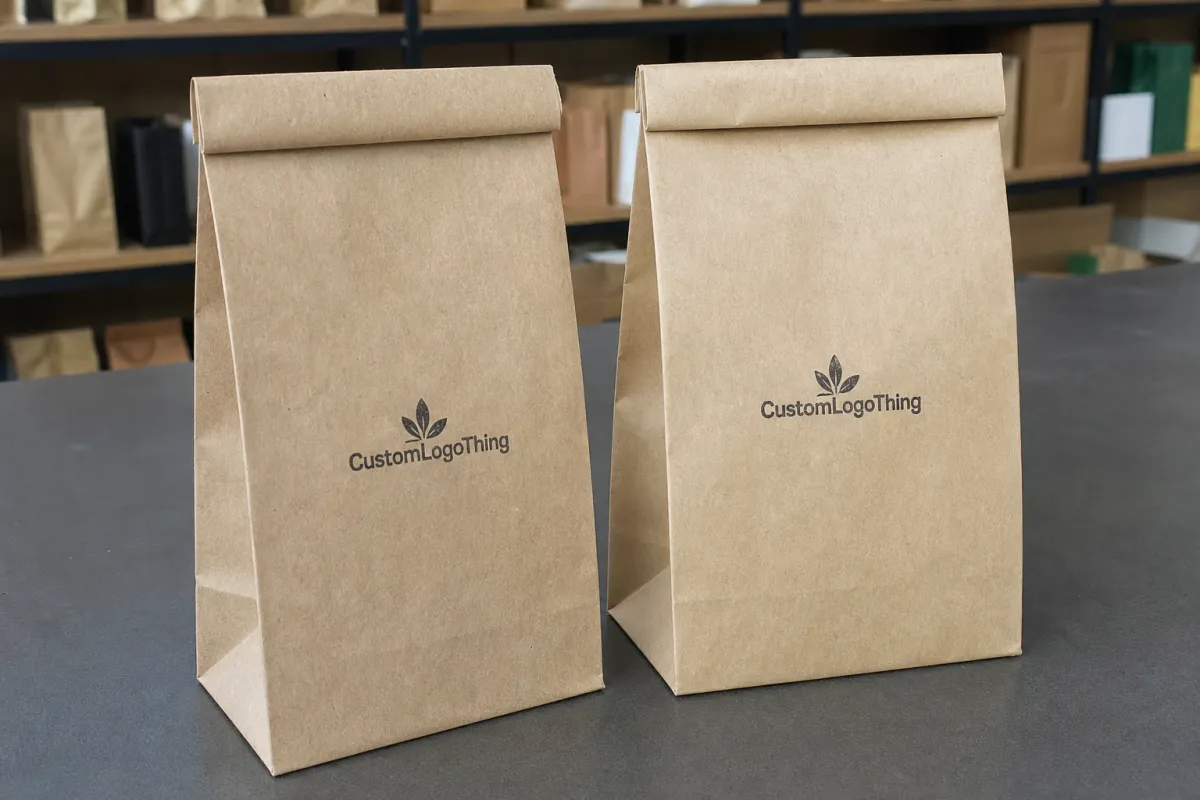
Buyer Fit Snapshot
| Best fit | Branded Recycled Paper Boxes Cost projects where brand print, material claims, artwork control, MOQ, and repeat-order consistency need to be specified before quoting. |
|---|---|
| Quote inputs | Share finished size, material target, print colors, finish, packing count, annual reorder estimate, ship-to region, and any compliance wording. |
| Proofing check | Approve dieline scale, logo placement, barcode or warning zones, color tolerance, closure strength, and carton packing before bulk production. |
| Main risk | Vague material claims, crowded artwork, missing packing details, or unclear freight terms can make a low unit price expensive after revisions. |
Fast answer: Branded Recycled Paper Boxes Cost: Pricing Breakdown should be specified like a repeatable production item. The safest quote records material, print method, finish, artwork proof, packing count, and reorder notes in one written spec.
Production checks before approval
Compare the actual filled-product size with the drawing, then confirm tolerance on folds, seals, hang holes, label areas, and retail display edges. Reserve space for logos, QR codes, warning copy, and material claims before decorative graphics fill the panel.
Quote comparison points
Review material grade, print process, finish, sampling route, tooling charges, carton quantity, and freight assumptions side by side. A quote is only useful when the supplier can repeat the same color, closure quality, and packing count on the next order.
Branded recycled paper boxes cost sounds straightforward until the spec sheet starts telling a different story. Two boxes can look almost identical on a mockup and still land in very different price bands because board grade, print coverage, structural complexity, finishing, and freight all push on the final number. In practical buying terms, branded recycled paper boxes cost should be treated as a landed figure, not just a unit price pulled from a quote sheet.
That distinction matters because the cheapest quote is often only the cheapest quote on paper. I have seen plenty of packaging budgets go sideways when a buyer compared unit pricing first and discovered the missing pieces later: higher setup charges, larger overage allowances, slower turnaround, or freight that erased the apparent savings before the cartons ever reached the warehouse. A quote that looks higher at first can end up lower once shipping, make-ready, and rework are included. If the box has to protect retail product, survive parcel handling, or create a polished subscription reveal, the better question is not which number is lowest. It is which spec gives the best cost-to-performance balance. That is where branded recycled paper boxes cost becomes useful instead of confusing.
Recycled paper packaging is not automatically expensive, and that is a point buyers sometimes miss. A simple Recycled Folding Carton or mailer can come in under a heavily finished virgin-board box, especially when the structure is standard, the print is controlled, and the order quantity is large enough to spread setup costs across more units. The practical goal is to fit the box to the product, the shipping lane, and the shelf or unboxing environment. That keeps branded recycled paper boxes cost tied to business value instead of packaging vanity.
Branded Recycled Paper Boxes Cost: Why the Cheapest Quote Misleads
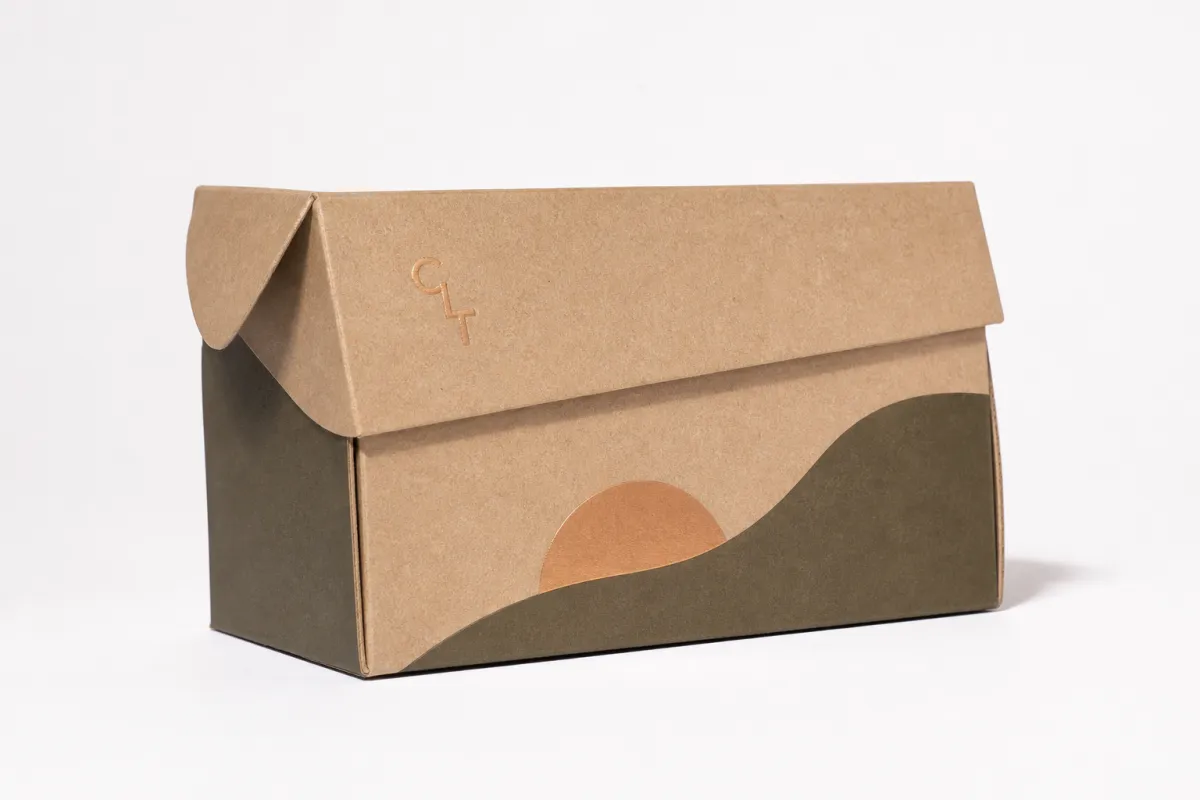
From a packaging buyer's point of view, a quote only matters if it reflects the actual work the box has to do. A carton that sits on a retail shelf has a different cost profile than a mailer that has to hold up through parcel networks, and both differ again from a rigid gift box or a subscription set. That is why branded recycled paper boxes cost should never be treated as a one-line answer. A real comparison starts with structure, moves into performance, and ends with delivery terms.
The part many teams get wrong is comparing unit price before they compare total landed cost. Unit price matters, but it is only one slice of the picture. Freight, carton pack-out, pallet pattern, print plates, die cutting, overage, and inspection all have a way of changing the final spend. A quote that looks 12% cheaper can lose that advantage once shipping and corrections are added. In practice, branded recycled paper boxes cost is closer to an operating decision than a simple purchasing line.
Another point worth keeping in view is that recycled content itself is only one variable. A clean, standard recycled paperboard structure with one- or two-color print can be economical, while a complicated virgin-board box with foil, heavy lamination, and multiple passes may cost more even if it is not recycled at all. The lesson is not that recycled is always cheaper. The real lesson is that branded recycled paper boxes cost depends more on structure and finishing than on the word "recycled" alone.
The cheapest carton quote often wins the spreadsheet and loses the project. Once inserts, freight, and corrections are added, the apparent saving can disappear fast.
Packaging buyers should also watch order risk. A low quote that assumes perfect files, no revisions, and no color correction can become expensive if production needs another proof, another plate change, or another approval round. The strongest teams compare the full quote logic, not just the final number. When supply chains are tight, branded recycled paper boxes cost becomes a measure of certainty as much as a measure of price.
Product Details: What Counts as a Branded Recycled Paper Box
The category is broader than many buyers expect. Folding cartons, mailer-style boxes, tuck-end cartons, shipping cartons, and even some rigid-style packages can be made from Recycled Paperboard or recycled corrugated board. The label changes, but the pricing logic stays familiar: material, structure, print, and fulfillment all feed the quote. That means branded recycled paper boxes cost can vary sharply even within a single product family.
Branding can be added through offset print, flexo print, digital print, embossing, debossing, foil alternatives, varnish, or water-based coatings. Each choice affects both appearance and spend. Water-based coatings and aqueous finishes usually support sustainability goals better than heavy plastic laminations, and they often keep the spec cleaner from a cost standpoint. If recycled content claims matter, ask for the paper source, the post-consumer waste percentage, and whether the board is fully recycled or partially recycled. The EPA offers a practical overview of recycling language and material recovery at EPA recycling guidance.
FSC documentation matters too. If your packaging claim relies on certified sourcing, ask whether the board is FSC Recycled, FSC Mix, or another chain-of-custody path. The label on the box is not enough. Buyers need the paper trail behind it, especially in retail channels where compliance reviews are common. For a broader view of responsible sourcing, the FSC site at fsc.org is the right place to verify terminology and certification basics.
Function changes the spec. A retail display carton wants print fidelity, clean folds, and shelf presence. A transit carton wants crush resistance, stable closures, and stronger stacking performance. Subscription packaging sits between those two worlds, since it must protect the contents and still create a polished reveal. Once the function is clear, branded recycled paper boxes cost becomes easier to forecast because the board, finish, and construction can be matched to the actual use case.
There is also a practical difference between paperboard, corrugated board, and rigid setup construction. Paperboard usually suits folding cartons and lighter retail goods. Corrugated board adds fluting for strength and is better when the package has to move through ecommerce and distribution channels. Rigid boxes use dense chipboard wrapped in printed paper and tend to sit in the premium range because they are built more like presentation pieces than commodity shippers. That grading matters more than most first-time buyers expect, and it is one reason branded recycled paper boxes cost can shift so much from one format to the next.
Specifications That Change Print, Strength, and Finish
Dimensions are the first cost driver because they decide how much board is consumed and how efficiently the sheet can be laid out. A box that wastes sheet area can push branded recycled paper boxes cost higher very quickly. Board thickness comes next: 16pt, 18pt, 24pt, and heavier grades all behave differently in print, score, fold, and final feel. If the carton has to hold weight, accept a protective insert, or support nested products, the structure may need a stronger board or a different flute profile entirely.
Score depth and die complexity are easy to overlook, yet they matter. A simple tuck-end carton runs faster than a multi-panel mailer with locking tabs, thumb cuts, and internal dust flaps. Even small structural changes can add make-ready time and increase tooling fees. If the product is fragile, the packaging may also need interior pads or custom inserts, which adds material and assembly cost. That is why branded recycled paper boxes cost is rarely driven by print alone.
Artwork coverage is another practical lever. Full-bleed color, large solid backgrounds, and multiple ink passes can create a sharper premium look, but they also raise the chance of ink variation and longer press setup time. A restrained design with strong typography and one or two color fields often prints more predictably on recycled board than a layout packed with gradients and heavy solids. In that sense, better art direction can lower branded recycled paper boxes cost while improving consistency.
Finish decisions also carry real financial weight. Matte aqueous, gloss aqueous, spot varnish, soft-touch alternatives, and window patches do not all cost the same. Some finishes look elegant but add process steps that do not help the product function. Others, like a well-controlled aqueous coat, can protect the print and reduce scuffing without adding much friction to the budget. Recycled paperboard can still look premium when file preparation is disciplined, color targets are realistic, and the supplier understands how the board behaves under press.
One practical detail often missed: recycled materials can vary slightly from batch to batch in tone and surface feel. That is normal. Buyers who expect perfect matching across every lot may end up paying for extra proofs or reprints. A stronger spec sheet, with acceptable tolerances defined early, usually protects schedule and keeps branded recycled paper boxes cost from drifting during production. Honestly, this is one of those little details that saves real money later.
Humidity, storage conditions, and warehouse handling can also change how the board performs. Recycled board that is stored too long in a damp environment can lose stiffness, and a beautiful print file will not fix that. If the packaging will sit in a hot back room or move through a rough distribution environment, the material call should reflect those conditions from the start. That kind of practical planning keeps branded recycled paper boxes cost aligned with how the boxes will actually live in the real world.
Branded Recycled Paper Boxes Cost, MOQ, and Quote Factors
MOQ is one of the biggest levers in the quote. Lower minimums usually carry a higher unit price because setup, plates, pre-press work, and scheduling are spread across fewer boxes. Larger orders usually unlock better bulk pricing, lower cost per piece, and stronger board economics. That is why branded recycled paper boxes cost should always be reviewed alongside quantity, not apart from it.
Buyers should ask for the actual quote inputs. At minimum, the supplier needs the box style, dimensions, board type, print colors, finish, quantity, insert count, and shipping destination. If any of those are missing, the estimate will be less reliable. A good packaging quote should also show whether tooling fees, setup charges, and freight are included. Once those line items are visible, branded recycled paper boxes cost is much easier to compare across vendors.
Low-volume and high-volume pricing behave differently. Digital short runs are often attractive because they reduce or remove heavy plate costs and can move faster through pre-press. Offset runs usually reward scale, especially on repeat orders or larger production cycles. Custom Die Cutting follows a similar pattern: there is a fixed work element up front, then the unit cost improves as quantity rises. If you need a fast proof or a small launch batch, the quote may look higher at first. That does not always mean it is less efficient. It may simply reflect the economics of a shorter run. In short, branded recycled paper boxes cost changes with the production method as much as with the material.
Hidden cost variables deserve attention. Master carton packing, palletization, special testing, rush fees, barcode verification, and oversized freight can each add surprise expenses. If the carton dimensions are large, shipping weight may move the total more than a small material change ever will. If the project includes an insert or multiple SKUs, the pack-out logic can also affect labor. A quote that spells out all of that gives you a truer view of branded recycled paper boxes cost.
Artwork revisions are another easy place for cost to creep in. Every round of changes can trigger a new proof, a fresh plate adjustment, or a longer press hold while approvals catch up. Even when the supplier is flexible, those delays still show up somewhere, usually in schedule pressure or added expense. If your team tends to tweak copy at the eleventh hour, build that into the expectation from the start so branded recycled paper boxes cost stays grounded in reality.
The table below shows how a few common packaging paths usually behave. These are indicative ranges, not promises, because board market shifts, freight distance, and finishing choices can move the numbers around. Still, they are useful for framing a conversation and comparing options on the same footing.
| Option | Typical MOQ | Indicative Unit Cost | Setup or Tooling | Best Fit |
|---|---|---|---|---|
| Digital recycled folding carton | 250-1,000 | $0.85-$1.80 | Low setup charges | Prototypes, launches, short runs |
| Offset printed tuck-end carton | 3,000-10,000 | $0.22-$0.55 | Moderate tooling fees | Retail programs, repeat orders |
| Mailer-style corrugated box | 500-5,000 | $0.60-$1.40 | Die and plate costs | Ecommerce and subscription packaging |
| Rigid set-up box with recycled wrap | 500-3,000 | $1.90-$4.75 | Higher setup charges | Premium gift sets and presentation kits |
That table tells a simple story. The structure matters. The print method matters. MOQ matters. And once a project moves from short-run digital into scaled offset production, branded recycled paper boxes cost can shift by a wide margin without any visible change to the design.
Process and Timeline: From Dieline to Delivery
The cleanest projects follow a predictable path. First comes the brief: box style, product weight, target quantity, recycled-content goal, and shipping method. Then comes the dieline, which sets the exact structure. Artwork is placed on the dieline, structural approval is checked, material is confirmed, samples are reviewed, production is released, finishing is applied, and the boxes ship. Every one of those steps can affect branded recycled paper boxes cost if revisions land late or specifications keep changing.
Delays usually begin with artwork. A logo that was not prepared at print resolution, a missing barcode spec, or a last-minute color correction can add days. So can a change in recycled board availability. Recycled substrates are widely available, but a supplier still needs to confirm exact caliper, shade, and print compatibility before production starts. The fastest projects are the ones that lock the spec early. That does not sound dramatic, but it is the difference between a clean run and an expensive scramble. It also keeps branded recycled paper boxes cost from climbing because of rush handling.
For simple digital runs, a realistic timeline is often 10-15 business days from proof approval to shipment, depending on quantity and destination. More complex structural jobs, specialty finishes, or higher-volume offset runs usually need 12-20 business days, sometimes longer if samples are required. If the order crosses borders or moves by freight rather than parcel, transit time needs to be added on top. The goal is not speed at any price. The goal is a schedule that keeps branded recycled paper boxes cost under control while still meeting launch dates.
Testing matters for anything that ships through parcel networks. If the box has to survive drops, vibration, or compression, ask whether the supplier uses testing methods aligned with ISTA guidance or ASTM-based packaging checks such as compression and transit simulation. Not every project needs formal certification, but every project benefits from honest performance expectations. A carton that looks good and fails in distribution is not a bargain. It is a return.
Good suppliers protect the schedule with checkpoints. They confirm artwork before plates are made. They confirm board before press booking. They confirm shipping instructions before the cartons are packed. That level of control helps keep branded recycled paper boxes cost predictable, because rework is expensive and delays often trigger rush freight.
One more timing issue deserves a mention: seasonal demand. Around product launches, holiday retail windows, and end-of-quarter buying cycles, press capacity gets tight and pricing can move a little faster than teams expect. If your box has a hard launch date, build in buffer time rather than assuming the line will sit open when you need it. That extra cushion is one of the simplest ways to avoid inflated branded recycled paper boxes cost from avoidable rush work.
Why Choose Us for Sustainable Paper Packaging
At Custom Logo Things, the goal is not to hide the number behind vague packaging language. The goal is to make the quote readable. That means clear board specs, realistic MOQ guidance, transparent setup charges, and an honest explanation of where branded recycled paper boxes cost rises and where it can be held steady.
We focus on what buyers actually need: recycled-board sourcing, repeatable print control, useful sampling, and quick responses when the spec needs adjustment. A packaging order goes better when the supplier can tell you, in plain terms, whether a heavier board will improve crush strength, whether the finish is worth the extra spend, and whether the quantity you want is high enough to qualify for better bulk pricing. That is the practical side of branded recycled paper boxes cost.
Sustainability and commercial performance should sit together. Recycled content matters, but so does product protection, shelf presentation, and shipping efficiency. A package that fails in transit or looks dull on shelf is not a win, even if the board is recycled. The better outcome is a box that supports the brand, protects the product, and keeps the budget under control. That is the standard we work toward.
If you want to see the kind of packaging work that helps shape decisions, review our Case Studies for examples of different packaging needs and production paths. If you are still narrowing the format, browse our Custom Packaging Products to compare starting points before you move into a custom spec. Those pages are useful because they show how different structures influence finish, protection, and ultimately branded recycled paper boxes cost.
Buyers usually care about three proof points: consistent color, dependable communication on MOQ, and packaging that performs in the channel it was built for. Those are the basics. They are also the details that separate a smooth reorder from a stressful one. When those pieces are handled well, branded recycled paper boxes cost becomes easier to forecast, and easier to defend internally.
There is another reason a plain, direct quote process helps: it makes tradeoffs visible. If a premium finish raises the budget more than it improves the customer experience, you can see that before the order is locked. If a simpler structure protects the product just as well, you do not have to pay for decoration that never earns its keep. That is the kind of judgment call a seasoned packaging team has to make, and it is exactly where transparent pricing pays off.
Next Steps to Lock In the Right Box Spec
The fastest way to get a quote that means something is to gather the right inputs before asking for prices. Start with the exact box dimensions, product weight, finish preference, quantity target, recycled-content goal, and delivery location. If you already know whether the package must survive ecommerce shipping, shelf handling, or subscription fulfillment, add that too. The more complete the brief, the more accurate branded recycled paper boxes cost will be.
Ask for at least two or three quote scenarios. For example, compare a simple board spec against a heavier one, or a digital short run against an offset run at a higher volume. That gives you a true view of how unit cost changes as the spec changes. It also shows where MOQ and tooling fees start to flatten out. In many projects, the first quote looks expensive only because the volume is too low to absorb setup charges. A second scenario often makes the economics much clearer.
Review a sample or prototype before you approve production, especially if the box needs to fit tightly, display sharply, or survive parcel handling. A sample can reveal issues that an estimate never will: a too-tight tuck, a soft score line, a board shade that is not what you expected, or print that reads differently in daylight than it did on screen. Those details have real budget consequences. They also shape branded recycled paper boxes cost more than buyers usually expect.
- Confirm the structure and dimensions first.
- Compare landed cost, not only unit price.
- Check recycled-content claims and sourcing language.
- Approve artwork only after the dieline is right.
- Use the final approved quote as the ordering baseline.
If you follow that sequence, the quote becomes a decision tool instead of a guess. That is the whole point. The best order is not the cheapest one on paper; it is the one that delivers the right performance at the right total spend. In practical terms, that means using branded recycled paper boxes cost as a spec management tool, not just a procurement line.
My advice, if you want the cleanest path, is simple: define the box's job first, then price the package against that job. A recycled carton for shelf display, a mailer for ecommerce, and a rigid presentation box all solve different problems, so they should not be compared as if they are the same product. Once that gets clear, the pricing conversation gets a lot less fuzzy and a lot more useful.
What affects branded recycled paper boxes cost the most?
Box size and construction usually move price first because they determine material usage and die-cut complexity. Print coverage, coating choice, and any special finishing can raise branded recycled paper boxes cost faster than recycled content alone. Shipping weight, carton count, and freight distance also matter when you compare full landed cost.
How does MOQ change branded recycled paper boxes cost per unit?
Lower MOQs usually carry a higher unit price because setup and pre-press costs are spread across fewer boxes. Higher quantities often unlock better board and print pricing, especially on offset or custom-die projects. Ask for tiered quotes so you can see where volume starts to improve the unit economics of branded recycled paper boxes cost.
Are recycled paper boxes always more expensive than standard paper boxes?
No. Recycled board can be competitively priced when the structure is simple and the print spec is controlled. Premium finishes, complex shapes, or tight color matching are more likely to raise price than recycled content itself, so a like-for-like comparison is the only reliable way to judge branded recycled paper boxes cost.
How long does it take to produce branded recycled paper boxes?
Timeline depends on artwork approval, sampling needs, and whether the project uses digital or offset production. Simple runs can move faster; custom structures, specialty finishes, and higher volumes usually need more lead time. A good supplier should give you milestone dates for approval, production, and shipping so branded recycled paper boxes cost is not distorted by avoidable rush fees.
Can I get an accurate quote without final artwork?
Yes, if you provide the box size, style, quantity, board preference, and finish target. The quote becomes more accurate once dieline artwork, logo placement, and color count are confirmed. If speed matters, start with a spec-based quote and follow with a sample or prototype review so branded recycled paper boxes cost stays anchored to the real build.
If you want a quote that survives procurement review and production reality, send the dimensions, artwork count, board preference, target quantity, and delivery destination, then compare the landed branded recycled paper boxes cost across at least two spec versions before you sign off. That simple comparison usually reveals the right balance between price, durability, and presentation, and it keeps the order grounded in what the box actually has to do.