Buyer Fit Snapshot
| Best fit | Branded Shipping Bags for Events projects where brand print, material claims, artwork control, MOQ, and repeat-order consistency need to be specified before quoting. |
|---|---|
| Quote inputs | Share finished size, material target, print colors, finish, packing count, annual reorder estimate, ship-to region, and any compliance wording. |
| Proofing check | Approve dieline scale, logo placement, barcode or warning zones, color tolerance, closure strength, and carton packing before bulk production. |
| Main risk | Vague material claims, crowded artwork, missing packing details, or unclear freight terms can make a low unit price expensive after revisions. |
Fast answer: Branded Shipping Bags for Events: Material Claims, Seal Quality, and Freight Cost should be specified like a repeatable production item. The safest quote records material, print method, finish, artwork proof, packing count, and reorder notes in one written spec.
Production checks before approval
Compare the actual filled-product size with the drawing, then confirm tolerance on folds, seals, hang holes, label areas, and retail display edges. Reserve space for logos, QR codes, warning copy, and material claims before decorative graphics fill the panel.
Quote comparison points
Review material grade, print process, finish, sampling route, tooling charges, carton quantity, and freight assumptions side by side. A quote is only useful when the supplier can repeat the same color, closure quality, and packing count on the next order.
Branded Shipping Bags for Events: Smart, Secure Branding
Branded shipping bags for events often outlive the event itself, and that is a big part of their value. Attendees keep them for travel, reuse them for returns or storage, and sometimes carry them around long after the show floor is packed up. That kind of repeated visibility gives a logo or sponsor mark more mileage than a one-time handoff ever could. In practice, branded shipping bags for events sit right at the overlap of presentation, package protection, and fulfillment, so the bag has to look sharp, close securely, and hold together while it moves through shipping and handling.
The appeal is practical as much as visual. Branded shipping bags for events are not just a skin around the contents. They are part of the transit package, which means they help the shipment arrive intact while putting the brand in front of the recipient the moment the bag is picked up, stacked, or photographed. For teams shipping product drops, conference swag, VIP kits, speaker gifts, pop-up retail orders, or sponsor packages, branded shipping bags for events create a polished first impression without dragging operations into the weeds.
From a packaging buyer's point of view, the goal is pretty straightforward: fit the contents cleanly, protect them in transit, keep the price in line, and still make the event feel intentional. Get that balance right and branded shipping bags for events do three jobs at once. They protect the contents, reinforce the event identity, and make the opening moment feel planned instead of improvised.
Branded Shipping Bags for Events: Why They Stand Out Fast
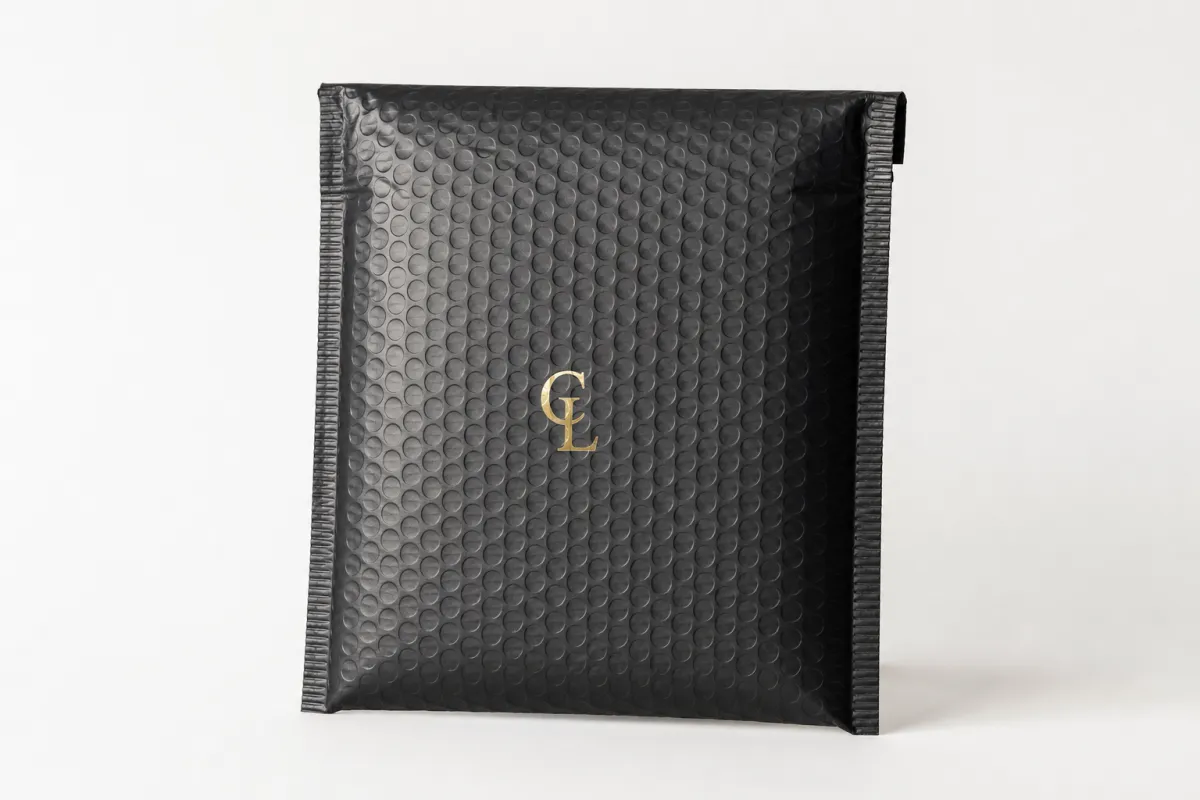
Event packaging gets judged quickly. Someone sees the bag at check-in, in a hotel hallway, in a delivery stack, or on a rideshare seat, and the brand either reads clearly or fades into the background. That is where branded shipping bags for events pull their weight. The printable surface is large enough for a logo, a pattern, a short message, or a sponsor treatment, while the format still moves easily through a fulfillment line without the assembly demands of a box.
In real use, branded shipping bags for events work because they create a repeatable touchpoint. They can mail lightweight apparel, brochures, lanyards, speaker notes, small kits, and other promotional materials that do not need a rigid carton. They also reduce wasted volume compared with overboxing, which matters once dimensional weight starts shaping parcel cost. For teams shipping thousands of kits, even a little extra empty space can change the math more than people expect.
Branded shipping bags for events also fit the way event programs actually move. A conference team may want one look for VIP welcome kits and another for general attendee mailers, yet both still need the same basics: clean graphics, a secure closure, and enough protection to survive handling. Buyers sometimes focus only on the marketing side and forget that package protection is what preserves the experience. If a bag tears, the brand still gets remembered, just not for the reason anyone hoped.
Practical rule: a good event bag should carry the visual weight of a branded piece and the performance of a shipping material. If it only does one of those jobs, it is probably the wrong fit.
That balance is what lets branded shipping bags for events look premium without pushing the budget too far. A clean one-color logo on a well-proportioned mailer often reads better than a crowded full-bleed design. Strong teams usually let the format do some of the work, then add a few precise visual cues instead of trying to fill every inch of the surface. That restraint is not boring; it is usually what makes the package feel intentional.
For teams comparing packaging paths, it helps to look at the whole system too. A bag program often sits beside Custom Poly Mailers, Custom Shipping Boxes, or a broader mix of Custom Packaging Products depending on what is being packed and how far it needs to travel. Branded shipping bags for events tend to be the better fit when the contents are light to medium weight, the timeline is tight, and presentation still matters.
One detail that gets missed often: branded shipping bags for events can shape how a sponsor or attendee reads the entire program. A neat bag suggests the event was handled with care. A flimsy one suggests the budget went elsewhere. That reaction is emotional rather than technical, but packaging always carries that layer. People may not say it out loud, but they notice.
How Branded Shipping Bags for Events Work in Practice
The structure of branded shipping bags for events is simple on the surface, yet the details carry real weight. A typical bag may use poly film, a paper-based build, or a layered material with an outer print layer and an inner barrier. Seam strength, adhesive closure, and print finish all affect how the bag feels in hand and how it behaves in transit. If the closure is weak, the bag may open along the way. If the material is too thin, seams can split under load. If the print surface scuffs or smears, the brand impression can fall apart before the kit is even opened.
Bag structure that actually matters
For branded shipping bags for events, I usually start with four basics: material thickness, seam quality, closure style, and usable print area. A 2.5 mil poly bag may be enough for lighter apparel or paper kits, while heavier inserts or rigid items may need a stronger construction. A dual-adhesive closure can help if the recipient may return the contents or reuse the bag. A tear strip can improve the opening experience by giving the user a clean entry instead of a rough rip across the seal.
Branding application is another spot where small choices make a large difference. One-color logo placement often keeps production simpler and gives the bag a cleaner read. Full-bleed graphics can be striking, but they ask more from the file prep, proofing, and press setup. Spot color logos, repeat patterns, and variable-data labels can all work well when the event needs a premium presentation without turning the project into a print circus. Branded shipping bags for events do not need complicated artwork to feel deliberate.
How the bag behaves for the fulfillment team
The event team usually sees the finished piece. The fulfillment team feels the bag in a much different way. Can it be loaded quickly? Does the adhesive grab cleanly on the first pass? Does the opening stay square enough to drop in tissue, a card, or a brochure without fighting the material? Those questions matter because order fulfillment is usually measured in minutes and labor cost, not just visual appeal. A bag that saves ten seconds per pack can become a meaningful efficiency gain at event scale.
Branded shipping bags for events should also be judged against the actual contents. Lightweight T-shirts, catalogs, brochures, cables, soft goods, and compact kits are natural fits. Fragile items, odd shapes, and heavy objects may need inserts, padding, or a different transit packaging format altogether. That is where a packaging buyer has to think about package protection first and decoration second. The right answer protects the shipment while still supporting the event story.
If you need a quality benchmark for testing, the ISTA test methods offer a useful reference for drop, vibration, and handling expectations, especially when branded shipping bags for events will move through parcel networks instead of being hand-delivered. For fiber-based options, FSC certification can support sourcing discussions around responsibly managed material inputs, though not every paper bag or mailer is certified. Neither one replaces a real sample check, but both help frame the spec conversation in a more disciplined way.
When the graphic and the structure work together, branded shipping bags for events become part of the event experience instead of a background shipping material. That is the difference between a bag that merely contains and a bag that contributes.
Cost, Pricing, MOQ, and Quote Factors for Branded Shipping Bags for Events
Pricing for branded shipping bags for events depends on a few concrete variables, and it helps to look at them in order. Size is one of the biggest drivers because larger bags use more film or paper and may ship in bigger cartons. Material thickness matters because heavier-gauge film generally costs more than a lighter build. Print coverage changes the quote too, since a small logo placement is easier to produce than a full-coverage design with multiple colors. Closure style, finish, and custom sizing all add to the final number.
Minimum order quantity has a direct effect on unit cost. A short-run event order often feels expensive on a per-piece basis because setup costs are spread across fewer bags. A larger program, by contrast, can absorb tooling and prepress work more efficiently. For branded shipping bags for events, that means a 1,000-piece run and a 10,000-piece run can solve the same marketing problem while landing in very different price ranges. The real question is not just the printed cost; it is the total landed cost once shipping, freight timing, and labor are included.
Artwork complexity changes the quote as well. A one-logo design with a simple color block is easier to proof and run than a multi-element layout with gradients, fine type, and edge-to-edge coverage. Every extra color or special effect can create more setup time. If the event is moving quickly, many teams choose a restrained design because branded shipping bags for events usually look stronger when the art is clear enough to read at a glance. That tends to hold true on the table, in transit, and in photos.
What usually shows up in a quote
- Bag size and gauge: larger dimensions and heavier film raise material cost.
- Print coverage: one-color logo, spot color, or full-bleed art each has a different setup profile.
- Closure type: standard peel-and-seal, dual strip, or tamper-evident seal can shift the price.
- Proofing and sampling: digital proofs are often included, while physical samples may add cost and time.
- Shipping and delivery: freight to a warehouse, a show site, or multiple locations changes the landed number.
The price range can be wide, but a few planning numbers help. For branded shipping bags for events, a simple custom poly mailer in a moderate quantity might land around $0.18 to $0.35 per unit, while a more complex print or a lower quantity could push closer to $0.40 or more. Premium paper-based mailers or specialty return-ready formats can be higher. Those ranges are not promises; they are budgeting guides so the event team can stop guessing and start comparing apples to apples.
One line item buyers often miss is dimensional weight. If a bag is oversized relative to the contents, the parcel carrier may price it by dimensional weight rather than actual weight. That can matter more than people expect. A lightweight bag with a large footprint may look inexpensive until the carrier bill arrives. For branded shipping bags for events used in ecommerce shipping or multi-location fulfillment, bag dimensions can matter just as much as the print.
| Option | Typical Event Use | Approx. Unit Cost at 5,000 Qty | Best For |
|---|---|---|---|
| Standard custom poly mailer | Apparel, brochures, lightweight kits | $0.18-$0.28 | Fast-moving programs with a clean logo print |
| Full-print poly mailer | Premium swag, sponsor mailers, launch kits | $0.24-$0.42 | Strong visual branding and photo-friendly impact |
| Paper-based mailer | Brand-led mailers with fiber messaging | $0.45-$0.85 | Programs that want a paper-forward presentation |
| Dual-strip return mailer | VIP kits, exchanges, return shipments | $0.30-$0.55 | Two-way use and repackaging flexibility |
That table is only a rough planning tool, yet it makes the tradeoffs easier to see. If the event is cost-sensitive, branded shipping bags for events may be the most efficient option in the whole kit. If the presentation has to feel premium, the budget may be better spent on print quality, finish, and closure mechanics rather than on oversized graphics that add noise without adding value.
A fair quote comparison should also spell out what is included. Ask whether prepress review is part of the price, whether a sample will be billed separately, whether freight is included, and whether rush charges apply. A lower unit price can hide a higher total if the production timeline is tight or if the bags need to go to multiple receiving points. That is where branded shipping bags for events should be evaluated properly: not just as a printed item, but as a full delivery system.
Process and Timeline: From Artwork to Delivery
The timeline for branded shipping bags for events usually starts well before production. First, the team defines the use case: what is being packed, how it will ship, who will receive it, and whether the bag needs to be promotional, premium, or purely functional. Then the buyer confirms the bag size, the material, and the closure method. After that comes artwork preparation, proof review, and any sampling or color matching the project requires.
Artwork readiness has a bigger effect on timing than many teams expect. Vector logos are easier to print cleanly than low-resolution artwork. Clear color references help the printer match the brand accurately. Bleed needs to be understood early, especially if the design runs close to the edge. If the file needs cleanup, that adds hours or days before the press can start. Branded shipping bags for events move fastest when the design file is already close to production-ready.
Proofing can add another layer. A digital proof is quick, but it only tells part of the story. If color accuracy, opacity, or finish is especially important, a physical sample may be worth the extra time. That is especially true for branded shipping bags for events that will be photographed under venue lighting, hotel lighting, or outdoor daylight, because each environment changes how the print reads.
Typical checkpoint order
- Confirm dimensions, material, and closure style.
- Review artwork, bleeds, and print placement.
- Approve digital proofs or request a sample.
- Lock the quantity and production schedule.
- Set freight destination and receiving window.
- Reserve a buffer for transit and internal handling.
That sequence sounds simple, but real projects often bend under approval pressure. Marketing wants a strong visual. Operations wants easy packing. Finance wants the price to stay flat. Procurement wants the supplier to promise the date. Branded shipping bags for events work best when those priorities are resolved early, not after the artwork is already in motion.
Lead time is the most common trap. A team may assume that because the bag is simple, the schedule will be short. Sometimes it is. Sometimes the production backlog, holiday shipping window, or receiving rules at the venue stretch the calendar more than expected. If the event date is fixed, work backward from the latest acceptable receiving day and then add room for a reprint or a delayed freight booking. That is the safest way to keep branded shipping bags for events from turning into a last-minute scramble.
For shipping into an event venue, a warehouse, or a remote pickup location, the logistics team should also confirm carton counts, pallet rules, and labeling requirements. A beautifully printed bag can still cause problems if the boxes arrive in the wrong sequence or are stored too far from the pack line. In other words, the production plan for branded shipping bags for events should be tied to the receiving plan from the start.
When teams ask what makes a project run smoothly, I usually say it is not speed alone. It is clarity. If everyone knows the material, the size, the deadline, and the delivery point, branded shipping bags for events can move from proof to shipment with far less friction.
Step-by-Step Guide to Choosing the Right Bag
Start with the event use case, not the artwork. What is being packed? Who is carrying it? How far does it need to travel? Does it need to be opened once, or does it need to support returns, exchanges, or reuse? Those answers shape the full specification for branded shipping bags for events, and they usually matter more than the visual treatment at the beginning of the process.
Next, choose the material and thickness based on weight, abrasion risk, and presentation goals. Lightweight garments and brochures may do fine in a flexible poly mailer, while heavier kits may need a stronger construction or a different shipping style altogether. If the event is trying to signal responsibility in the sourcing conversation, paper-based options may be considered, and FSC-certified materials can support that discussion. If the bag needs to survive a rougher travel path, package protection should win over aesthetics every time.
Then measure the filled kit, not the individual item. That detail saves a lot of frustration. A bag that fits the product exactly on paper may become too tight once inserts, tissue, thank-you cards, or protective padding are added. A bag that is too large can look sloppy and raise dimensional weight. Branded shipping bags for events work best when the packed contents sit naturally inside the bag without bowing the seams or floating in empty space.
Branding placement should be chosen with real handling in mind. A logo on the front panel might be perfect when the bag is handed to a guest, but not as effective if the bag is mostly stacked in carts or shelved in a warehouse. Think about where the bag will be visible: in transit, at the venue, in photographs, or on the recipient's desk. If the event is sponsor-heavy, the artwork should also leave enough breathing room so the logo does not fight with every other message on the surface.
A practical selection checklist
- Contents: apparel, print materials, accessories, or a mix of items.
- Weight: enough to choose the right gauge and seam strength.
- Travel path: hand-carry, courier, parcel network, or venue delivery.
- Opening style: tear strip, adhesive seal, or return-ready closure.
- Brand goal: low-key utility, premium appearance, or photo-friendly impact.
Finally, plan the pack-out workflow before production starts. A bag that is easy to fill on a fulfillment line is far more valuable than one that looks beautiful but slows the team down. If the project will be packed manually, keep the closures simple and the inserts manageable. If the project will run through a larger order fulfillment operation, ask how the bag dimensions, carton counts, and sealing method will affect labor. Branded shipping bags for events should help the team move faster, not force an extra step at every station.
That is also why branded shipping bags for events can be compared with other transit packaging formats during planning. If the contents need more crush resistance, a box may be better. If the shipment is flat and light, a mailer often wins. If the event kit needs to feel polished but still move efficiently through ecommerce shipping, a properly specified bag is usually the middle path that makes sense.
Common Mistakes to Avoid with Event Shipping Packaging
The first mistake is choosing a bag that looks strong enough but is not. That happens when a team evaluates the print mockup instead of the actual build. A pretty surface does not guarantee good seams. A nice logo does not stop a closure from failing. Branded shipping bags for events have to survive handling, stacking, loading, and sometimes a surprisingly rough last-mile delivery, so the bag structure needs to match the contents, not just the design mood board.
The second mistake is overdesigning the print. I understand the temptation. Event teams want the logo, the sponsor line, the tagline, the social handle, the pattern, and maybe one more message for good measure. Too much artwork can make proofing slower and make the bag harder to read from a distance. A focused design is usually stronger. For branded shipping bags for events, less clutter often means more recognition.
The third mistake is ignoring lead time. A fixed event date can make people optimistic in a way that does not always line up with production reality. If artwork is late, if approvals bounce between departments, or if freight has to be rerouted, the calendar can tighten quickly. Branded shipping bags for events should be ordered early enough to cover proof revisions, shipping transit, and a possible buffer for rework. That buffer is often the difference between a calm pack-out and a rushed one.
Good event packaging is operational before it is visual. If the bag does not fit the workflow, the graphics will not save it.
Another common miss is skipping sample validation. Digital mockups can hide a lot. Color may shift under different lighting. Opaque film may look more translucent in hand. Adhesive feel can be stronger or weaker than expected. Even the scale of the logo can surprise people once the actual bag is laid flat on a table. I have seen branded shipping bags for events approved on screen and then adjusted after a sample showed that the print was too busy or the closure area was too small.
Teams also forget the downstream logistics. If the bags arrive in cartons that are hard to store, hard to count, or hard to feed into the pack line, the project gets slower immediately. Manual packers may need more room. Automated or semi-automated fulfillment may need a different fold or seal structure. If the event uses multiple destinations, the labeling plan matters just as much as the print itself. Branded shipping bags for events should be treated as part of the logistics stack, not as an isolated branded object.
One last risk is choosing a format without thinking about return use. If a VIP program, sample program, or merchandise exchange might require a second send, the closure has to support that. Otherwise the team ends up repacking in a second bag, which adds cost and frustration. A small detail like a second adhesive strip can make branded shipping bags for events more flexible and more useful across the full event cycle.
Expert Tips and Next Steps for Branded Shipping Bags for Events
The best results usually come from matching the bag design to the event journey, not just to the badge or booth graphics. That means thinking through the full path: registration, handoff, transport, opening, reuse, and possible return. Branded shipping bags for events feel more coherent when the package looks like it belongs to the same campaign at every touchpoint. A consistent visual system helps, and so does Choosing the Right material finish and closure for the actual contents.
If you are deciding between two materials, ask for both and compare them in real lighting. Matte, glossy, and soft-touch finishes can change how a logo reads in the hand, on camera, and under venue lights. For branded shipping bags for events, that physical comparison often reveals more than a PDF ever will. The bag that looks subtle on screen may feel more premium in person, while the one that looks dramatic may reflect more glare than expected.
It also helps to build a simple spec sheet before requesting a quote. Include dimensions, weight, brand colors, print area, quantity, timing, and delivery destination. If multiple departments need to sign off, create one approval path so the project does not bounce around. Branded shipping bags for events move faster when operations, design, and finance all know what they are approving and when the order has to lock.
If you want a fast way to compare packaging formats, our Case Studies page can show how other projects approached presentation and timing, while Custom Poly Mailers and Custom Shipping Boxes are useful references when you are deciding whether the bag, the box, or a mixed program makes the most sense. In many event programs, the smartest answer is not one format for everything. It is choosing the right transit packaging for each kit type.
One more practical tip: ask your supplier to talk through package protection, adhesive performance, and shipping materials in plain language, not just in print terms. That discussion usually surfaces the real tradeoffs quickly. A bag that saves a little money but causes damage, extra labor, or a weaker brand impression is not really saving anything. Branded shipping bags for events should be judged on total performance, not just unit price.
For most event planners, the next step is straightforward. Match the bag to the contents, confirm the timeline, review a sample, and compare the quote against the value it creates in presentation and efficiency. Branded shipping bags for events are at their best when they are planned as part of the kit, not pulled in at the last minute. If you do that, branded shipping bags for events can support the brand, protect the shipment, and keep the event team moving without unnecessary friction.
Frequently Asked Questions
What size branded shipping bags for events should I choose?
Measure the fully packed item or kit, not just the largest component. Leave room for inserts, tissue, or protective padding if the contents are fragile. Choose a size that seals flat without stretching seams or creating a bulky look, because branded shipping bags for events usually perform best when the fit is clean and the closure sits naturally.
Are branded shipping bags for events strong enough for apparel and kits?
Yes, if the material thickness and seam strength match the weight of the contents. Light apparel, brochures, and swag kits usually work well in quality poly mailers, while heavier or rigid items may need a stronger bag, extra protection, or a different mailer style. Branded shipping bags for events are a good match for many soft goods, but not for every load.
How much do branded shipping bags for events usually cost?
Price depends on size, material, print coverage, color count, and order quantity. Lower quantities typically raise the unit cost because setup costs are spread across fewer bags. Request quotes that separate product cost, setup, shipping, and rush charges so you can compare accurately, especially if branded shipping bags for events are one line item inside a larger event budget.
How far in advance should I order branded shipping bags for events?
Order early enough to cover artwork review, proof approval, production, freight, and any rework. Build extra time if the event has a hard receiving deadline or multiple approval layers. Rush orders are possible in some cases, but they reduce flexibility and can increase cost, so branded shipping bags for events are safer when they are planned backward from the event date.
Can I use branded shipping bags for events for return shipments too?
Yes, if you choose a design with a second adhesive strip or a closure that supports resealing. Return-friendly features are helpful for VIP kits, sample programs, and event merchandise exchanges. Confirm the return workflow before printing so the bag supports both directions of use, because branded shipping bags for events often work harder when they can handle outbound and inbound movement.

