Buyer Fit Snapshot
| Best fit | Branded Shipping Labels Bulk projects where brand print, material claims, artwork control, MOQ, and repeat-order consistency need to be specified before quoting. |
|---|---|
| Quote inputs | Share finished size, material target, print colors, finish, packing count, annual reorder estimate, ship-to region, and any compliance wording. |
| Proofing check | Approve dieline scale, logo placement, barcode or warning zones, color tolerance, closure strength, and carton packing before bulk production. |
| Main risk | Vague material claims, crowded artwork, missing packing details, or unclear freight terms can make a low unit price expensive after revisions. |
Fast answer: Branded Shipping Labels Bulk: Pricing, Specs & More should be specified like a repeatable production item. The safest quote records material, print method, finish, artwork proof, packing count, and reorder notes in one written spec.
Production checks before approval
Compare the actual filled-product size with the drawing, then confirm tolerance on folds, seals, hang holes, label areas, and retail display edges. Reserve space for logos, QR codes, warning copy, and material claims before decorative graphics fill the panel.
Quote comparison points
Review material grade, print process, finish, sampling route, tooling charges, carton quantity, and freight assumptions side by side. A quote is only useful when the supplier can repeat the same color, closure quality, and packing count on the next order.
Branded Shipping Labels Bulk: Pricing, Specs & More
For a lot of brands, Branded Shipping Labels bulk is the first packaging upgrade that actually shows up in the customer’s hands without changing the whole fulfillment setup. The carrier label is usually the first branded surface on a parcel, so it changes the look of the shipment before the box is even opened. That detail carries more weight than people expect in ecommerce shipping, where one clean label can make a carton feel deliberate, retail-ready, and a lot less like a last-minute wrap job.
The math is pretty straightforward. A 5,000-piece run of Branded Shipping Labels bulk delivers 5,000 repeated brand impressions at a lower per-shipment cost than many secondary packaging upgrades. Compared with a custom insert or a printed mailer, labels are usually cheaper to deploy and easier to standardize across order fulfillment. For teams watching dimensional weight, package protection, and labor minutes all at once, that mix is hard to ignore.
Below, I’m laying out the practical side: materials, adhesives, print methods, cost drivers, timelines, and the specification details that keep a label from turning into a headache on the packing line. If you’re comparing branded shipping labels bulk against other shipping materials, the goal isn’t hype. It’s to help you buy the right format the first time, then reorder without rebuilding the whole process.
Why Branded Shipping Labels Bulk Change the Unboxing Math
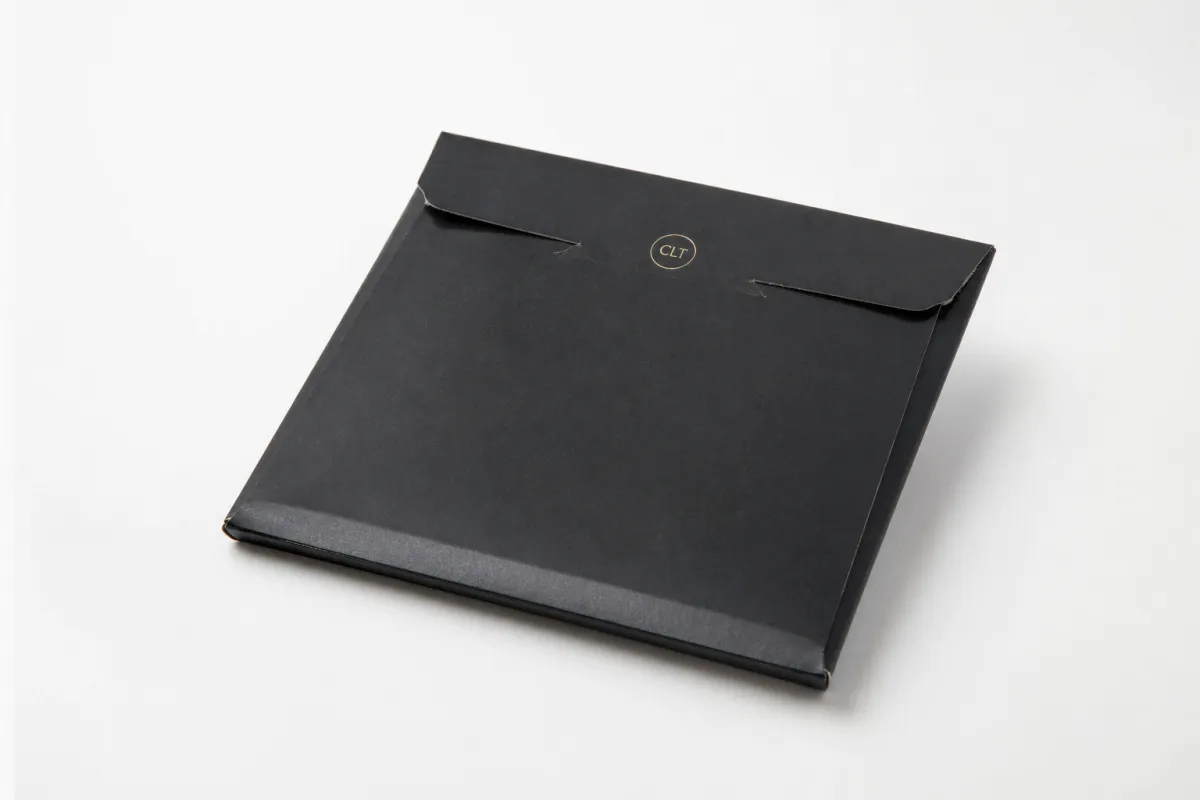
From a packaging buyer’s point of view, branded shipping labels bulk wins because it changes the parcel without changing the parcel. That distinction matters. You do not need to redesign the carton, switch warehouse processes, or absorb the cost of heavier transit packaging. You add one branded layer at the point where the package already has to be labeled anyway.
That creates a lot of repeated exposure for a relatively small spend. A label on every outbound box or poly mailer does more than decorate the shipment; it signals that the brand pays attention to detail. Customers often read that as higher product value, even before the box opens. I’ve watched brands get a noticeable lift in perceived polish from that one small change, especially when they were moving from plain white shipping materials to a more consistent presentation.
The operational side deserves attention too. Bulk labels reduce relabeling time, keep printing consistent across SKUs, and cut the small mistakes that show up when teams improvise with generic stock. If your team runs multiple packing stations, the same approved artwork can be loaded into each process and used across product lines. That consistency matters as order volume rises and fulfillment depends more on repeatable habits than memory.
Buyers usually get farther by comparing label programs with the next cheapest packaging upgrade that actually shifts customer perception. A printed insert may only be seen after opening. A carton sleeve can add more cost and handling time. A label is visible on arrival, which means it starts doing its job before the shipment is even touched.
“The label is a small line item until it starts slowing the line or making the shipment look generic. Then it becomes a real packaging decision.”
A well-designed label can carry carrier compliance, brand recognition, and package protection messaging in the same layout. If you are printing a return address, barcode, brand mark, and service icon together, branded shipping labels bulk becomes part of the operating system, not just the artwork budget. That is the difference between decorative packaging and useful packaging.
For teams that want to see how labels fit into a larger packaging mix, it helps to compare them with other containers and formats too. A label strategy often sits next to Custom Labels & Tags, but it can also pair with Custom Shipping Boxes when the brand needs a stronger outer presentation. The point is not to replace those items. The point is to decide where branded shipping labels bulk delivers the most visible return for the least friction.
Branded Shipping Labels Bulk: Materials, Adhesives, and Print Options
Material choice drives performance more than artwork does. For branded shipping labels bulk, the main substrate paths are direct thermal, thermal transfer, coated paper, and synthetic stock. Each one solves a different warehouse problem. Direct thermal works well when speed matters and the label life is short. Thermal transfer gives better durability, especially where abrasion or sunlight are factors. Coated paper and synthetic stocks add more stability when the label has to survive damp storage, rough handling, or long transit windows.
Adhesive choice matters just as much. Permanent adhesive is the default for standard cartons because it gives the label a firm hold on corrugate, paper mailers, and many smooth shipping surfaces. Removable adhesive makes sense for return programs, short-term promotions, or labels that need to come off cleanly. For cold-chain work, textured cartons, or surfaces that are harder to bond to, high-tack and freezer-grade adhesives are the safer call. If a buyer ignores adhesive chemistry, branded shipping labels bulk can look fine on a spec sheet and fail in a real warehouse.
Finish changes how the label reads at a glance. Matte tends to support scanner performance and gives a clean utility look. Gloss gives stronger visual punch, especially for retail-style branding or sharp contrast artwork. Die-cut or custom shapes can be helpful when the label needs more identity than a plain rectangle provides, but the shape should not interfere with scan zones or shipping compliance. A good layout keeps the brand visible while protecting the barcode area from glare, folds, and rough handling.
Print flexibility is broader than many teams expect. One-color logos are efficient for high-volume jobs. Full-color art can be used when the label has to carry brand cues on its own. Variable data, sequential barcodes, lot numbers, and shipping-compliant layouts can all sit in the same branded shipping labels bulk order if the production workflow supports it. That is useful for order fulfillment teams that want one label family across different SKUs, sales channels, or warehouse regions.
For environmental claims and sourcing, buyers should ask better questions than “Is it recyclable?” Paper labels, film labels, and adhesives behave differently once they hit the waste stream. If the label needs to support FSC-aligned paper sourcing, ask for documentation instead of verbal reassurance. For packaging testing and handling expectations, the ISTA test standards give a practical framework for how packages should hold up under shipping stress. That kind of reference is more useful than broad marketing language.
| Label Option | Typical Use | Relative Cost | Practical Notes |
|---|---|---|---|
| Direct thermal paper | Short-cycle shipping, fast scanning, low handling time | $0.03-$0.08 per label | Fast and economical, but less durable under heat, friction, and long storage |
| Thermal transfer paper | Longer dwell times, better abrasion resistance | $0.05-$0.12 per label | Uses ribbon, but print holds up better during transit packaging handling |
| Coated paper with permanent adhesive | Most standard branded shipping labels bulk programs | $0.06-$0.15 per label | Balanced option for clean print, decent durability, and broad carton compatibility |
| Synthetic film | Moisture, abrasion, or premium presentation | $0.10-$0.24 per label | Better water resistance and tear strength, often used where package protection is a priority |
| Freezer or high-tack adhesive build | Cold storage, textured surfaces, tough application points | $0.12-$0.28 per label | Worth the premium when standard adhesive will not survive the route |
The point of the table is not to lock in a quote. It is to show how branded shipping labels bulk moves with substrate, adhesive, and print method more than with artwork alone. If you know those variables early, the quote becomes much easier to trust. If you do not, every supplier will sound cheaper or pricier depending on what they left out.
Branded Shipping Labels Bulk: Cost, MOQ, and Quote Drivers
Pricing for branded shipping labels bulk usually comes down to six things: size, stock, adhesive, ink coverage, quantity, and format. Roll labels are often the easiest fit for automated application and faster packing lines. Sheet labels can make sense for lower volume hand application or office-based shipping. A buyer who only asks for “the label price” is missing most of the actual cost picture.
MOQ is not just a supplier rule. It usually reflects setup efficiency, press time, and waste allowances. In many cases, a true bulk order starts to make sense around 5,000 to 10,000 labels, but that is not a universal floor. If the design is simple and repeatable, a larger run often lowers the unit cost by 20% to 40% versus a smaller reorder. If the artwork may change soon, smaller test quantities can be smarter than overbuying inventory you will not use.
Ask for the quote in terms of price per thousand, then ask what is hidden behind that number. Setup charges, plate fees, proof charges, core upgrades, rush fees, and freight assumptions can shift the real landed cost. I always tell buyers to compare apples to apples on branded shipping labels bulk: same dimensions, same adhesive, same print coverage, same packaging format. Otherwise the cheapest quote may simply be the thinnest quote.
Freight deserves its own line in the discussion. A low print price can disappear quickly if the shipment is large, awkward, or split across multiple cartons. For ecommerce shipping programs that reorder often, freight efficiency matters nearly as much as the label itself. A label that saves two cents each but costs more to get to your dock is not really cheaper.
Buyers should also think about how labels interact with dimensional weight and packaging size. A heavier label stock will not usually move the freight needle on its own, but a larger or more complex format can affect carton density when thousands of labels are packed and shipped. That matters more than most people expect in transit packaging programs where every inch of storage and every pound of inbound freight has a cost.
One practical rule holds up well: if the design is stable and your order fulfillment volume is steady, branded shipping labels bulk tends to outperform short-run purchasing quickly. If the brand is still testing artwork, offer structure, or seasonal messages, the smarter move may be a smaller proof run first. The goal is not maximum volume. The goal is the right volume for the speed of your business.
Process and Timeline: From Proof to Production
The best branded shipping labels bulk jobs move through a predictable workflow. First comes the spec request: size, application method, printer model, surface type, barcode needs, and artwork files. Then comes proofing, which should confirm layout, bleed, safe zones, copy accuracy, and scan placement. After approval, production begins, followed by packing, quality review, and shipment. It is not glamorous. It is where most successful packaging programs actually get built.
Delays usually start with missing information. Low-resolution logos slow proofing because the art has to be rebuilt. Unclear barcode requirements create back-and-forth that eats days. Late changes to copy or color can push a job into another queue. If you want branded shipping labels bulk to stay on schedule, the fastest thing you can do is send complete information the first time.
Turnaround depends on complexity. A simple repeat label with existing artwork can move through production faster than a custom shape, a specialty adhesive, or a variable-data job that needs extra prepress checks. Simple programs often land in the 7-12 business day range after proof approval. More complex jobs can run longer, especially if a stock or ribbon has to be sourced. The exact timeline depends on the factory schedule and material availability, not just the print file.
Before the bulk run ships, test the sample on the actual printer and carton surface. That sounds obvious. It is also where many rework cycles begin. A label can look perfect on screen and still misfeed in a desktop printer, lift on a textured carton, or scan poorly after sitting in a warm warehouse. That is why sample testing matters for branded shipping labels bulk just as much as it does for bigger packaging components.
For brands that want to benchmark against packaging quality expectations, think about labels the same way you would think about shipping boxes or poly mailers. A supplier who knows how labels fit into Custom Packaging Products can often spot the mismatch before it becomes a run problem. That kind of practical review is especially valuable when labels are part of a wider package protection strategy.
Label testing also deserves a nod to standards. If the finished package has to endure vibration, drop exposure, or temperature swings, ISTA guidance is a sensible benchmark. You do not need to turn every order into a lab exercise, but you do need to know whether the label adhesive, print method, and liner all behave as intended on the actual parcel.
Why Choose Us for Bulk Branded Shipping Labels
Buyers usually do not need a lecture. They need a supplier who can keep branded shipping labels bulk consistent from one reorder to the next. That means repeatable color, reliable adhesive performance, clear proofing, and packaging that arrives ready for the warehouse. In practice, the value is not “more branding.” It is fewer surprises.
At Custom Logo Things, the advantage is support that sounds like a packaging partner instead of a commodity counter. If a label needs to work on a cold carton, a glossy mailer, or a rough corrugate surface, that changes the recommendation. If the barcode must scan on a conveyor, that changes the layout. If the label is tied to a seasonal launch, that changes the reorder plan. Good branded shipping labels bulk work starts with those details, not with a generic quote.
There is also a commercial benefit to thinking in systems. Many brands begin with labels, then expand into matching cartons and mailers once the look is proven. That is where a broader packaging partner helps. A team comparing labels with Case Studies can usually see how other buyers handled high-volume shipping. And if the brand wants to align shipping labels with Custom Poly Mailers, the packaging line stays visually coherent without adding unnecessary complexity.
For compliance-minded buyers, credibility matters. FSC documentation for paper-based components is worth asking for when sourcing claims matter. If the shipping program needs to support recycled content goals or a lower-impact presentation, ask for the exact stock specification instead of relying on vague language. That is especially true in branded shipping labels bulk, where small differences in substrate and adhesive can affect recyclability far more than the printed logo does.
Another signal that separates a useful supplier from a mediocre one is the quality of the questions they ask. Do they ask about the printer model? The application surface? The storage environment? The return process? The best suppliers ask those questions because they know the label is part of a broader logistics system. That is the kind of detail that keeps order fulfillment moving when volume spikes.
Specification Checklist for Shipping and Fulfillment Teams
Before you request branded shipping labels bulk, gather the hard specs. You will get a better quote and fewer proof rounds. Start with dimensions, core size, roll count, unwind direction, printer model, and artwork files. Add barcode requirements, surface type, storage conditions, and whether the labels will be applied by hand or by machine. Those details tell the supplier more than a long brand story ever will.
Now check how those specs affect the warehouse. The wrong core size can slow application. The wrong unwind direction can force operators to stop and rethread equipment. A label that is too large may interfere with scan zones or overlap carton seams. Even a small error can create real labor waste across thousands of pieces, which is why branded shipping labels bulk should be treated as a process component, not only a print purchase.
Durability questions matter too. Does the parcel face humidity? Does it sit in a cooler before shipping? Does the outer pack rub against a tote wall or conveyor rail? Paper may be fine for clean, dry, short transit packaging. Film may be a better fit for package protection when the route is harsher. If the label must survive long dwell time or rough handling, the adhesive and face stock matter just as much as the ink.
A solid sign-off checklist should cover five things: color, bleed, barcode readability, copy accuracy, and storage condition on arrival. If the labels will be used on multiple carton sizes, test each surface. If they will be scanned by different devices, test each scanner. That sounds conservative, but it is cheaper than discarding a bulk order because one packaging line was not included in the test. For branded shipping labels bulk, a 15-minute test often saves a 15-hour cleanup.
Some teams also want to tie the labels into broader shipping materials planning. That is smart. A label program should fit alongside cartons, mailers, inserts, and returns packaging, not fight them. If you are revisiting the full shipment mix, compare the label program with Custom Shipping Boxes and the rest of your Custom Packaging Products. A better packaging system usually comes from alignment, not from one item trying to do every job.
One practical note: ask how the labels will be stored before first use. If the roll packaging is loose, the inventory can pick up dust or curl. If cartons are stacked in a hot storage area, adhesive performance can change. Small details like that do not show up in a quote, but they show up fast on the line. That is why buyers should treat branded shipping labels bulk as a logistics choice with print attached, not the other way around.
Next Steps for Branded Shipping Labels Bulk Orders
If you are ready to move, start with a quick audit of current label usage. How many shipments a month actually need branding? Which lanes are most visible to customers? Which SKUs ship in the most visible cartons? Those answers will tell you where branded shipping labels bulk can make the quickest difference without forcing a full packaging overhaul.
Then build the quote request around real inputs: dimensions, volume, material preference, adhesive need, artwork files, printer type, and whether you want rolls or sheets. If your order fulfillment line has a specific application setup, say so. A supplier can only price the job accurately if the production assumptions are clear. That is where a good bulk quote becomes useful instead of merely cheap.
A low-risk launch plan is usually the smartest path. Ask for a sample, test it on the actual carton, confirm scan performance, and check peel behavior on the same shift that will use it. Once the label holds up in the real environment, scale into a full reorder. That sequence keeps branded shipping labels bulk tied to proof, not guesswork.
What most brands discover is that the best label program is not the most complicated one. It is the one that stays consistent, ships on time, and looks intentional on every parcel. That is why branded shipping labels bulk keeps outperforming one-off packaging add-ons for teams that care about cost control, presentation, and repeat ordering. Done well, it is a small change with a very visible return, and it does not need a fancy pitch to earn its place in the workflow.
What is the usual MOQ for branded shipping labels bulk orders?
MOQ varies by size, material, and print complexity, so the real answer depends on the setup. For many buyers, branded shipping labels bulk starts to make financial sense somewhere around 5,000 to 10,000 units, but a supplier should show the exact break point between trial quantity and bulk pricing. If your artwork is stable, a higher MOQ often lowers the unit cost enough to justify inventory for repeat shipments. If the design may change soon, start with the smallest run that still lets you test the label on your fulfillment equipment.
How much do custom shipping labels in bulk cost per label?
Per-label cost depends on the substrate, adhesive, color count, and whether the labels are produced in rolls or sheets. A basic paper label may land at the low end, while synthetic stock or specialty adhesives move higher. For branded shipping labels bulk, the best quote should include setup fees, proofing costs, and freight so you can compare landed cost instead of only the print price. Bigger volumes usually reduce unit cost quickly, especially when the same design repeats across many orders.
What file format should I send for branded shipping labels bulk printing?
Send vector artwork when possible, along with any barcode data, logo files, and exact copy that must appear on the label. If you need variable data, confirm the data format early so the production team can map it to the layout correctly. For branded shipping labels bulk, a clean proof is not optional. It is the fastest way to catch spelling issues, color drift, and scan problems before production starts.
How long does production take for bulk branded shipping labels?
Turnaround depends on proof approval speed, press setup, material availability, and whether the job includes special finishes or variable data. Simple repeat orders usually move faster than new artwork or custom shapes because fewer prepress steps are required. For branded shipping labels bulk, build in time for sample testing if the labels must perform on a specific printer or package surface. A short delay up front is usually cheaper than a reprint later.
Are bulk branded shipping labels waterproof or freezer-safe?
They can be, but only if the stock and adhesive are chosen for that environment from the start. For moisture, cold storage, or rough handling, ask for a material recommendation instead of assuming standard paper labels will hold up. With branded shipping labels bulk, test the finished label on the actual carton, temperature, and surface before approving a full run. That is the safest way to protect both print quality and package performance.


