Buyer Fit Snapshot
| Best fit | Branded Sleeve Packaging Manufacturer projects where brand print, material claims, artwork control, MOQ, and repeat-order consistency need to be specified before quoting. |
|---|---|
| Quote inputs | Share finished size, material target, print colors, finish, packing count, annual reorder estimate, ship-to region, and any compliance wording. |
| Proofing check | Approve dieline scale, logo placement, barcode or warning zones, color tolerance, closure strength, and carton packing before bulk production. |
| Main risk | Vague material claims, crowded artwork, missing packing details, or unclear freight terms can make a low unit price expensive after revisions. |
Fast answer: Branded Sleeve Packaging Manufacturer: Material, Print, Proofing, and Reorder Risk should be specified like a repeatable production item. The safest quote records material, print method, finish, artwork proof, packing count, and reorder notes in one written spec.
Production checks before approval
Compare the actual filled-product size with the drawing, then confirm tolerance on folds, seals, hang holes, label areas, and retail display edges. Reserve space for logos, QR codes, warning copy, and material claims before decorative graphics fill the panel.
Quote comparison points
Review material grade, print process, finish, sampling route, tooling charges, carton quantity, and freight assumptions side by side. A quote is only useful when the supplier can repeat the same color, closure quality, and packing count on the next order.
Branded Sleeve Packaging Manufacturer: Practical Guide
A branded sleeve packaging manufacturer takes a plain carton, tray, mailer, or clamshell and turns it into packaging that looks intentional instead of borrowed. That is kinda the whole trick. A sleeve can sharpen the shelf read, create room for product messaging, and let one base structure support multiple SKUs without forcing a full redesign every time the artwork changes. For brands juggling launches, seasonal drops, and inventory headaches, that kind of flexibility is not a nice extra. It is what keeps the program from turning into a mess.
Branded sleeves are printed wraps, bands, or covers that sit over an existing package and carry the logo, product story, regulatory copy, and retail messaging. A solid branded sleeve packaging manufacturer does more than print graphics and ship them out. They check dimensions, board selection, scoring, coating, fit, and how the sleeve behaves during packing, shipping, and retail handling. That mix of design judgment and production discipline is what keeps the final piece looking sharp instead of half-baked.
I have seen brands spend real money on a beautiful package, only to lose the impact because the format was wrong for the job. A sleeve is often the cleaner answer. Not always. But often enough that it deserves a serious look.
Why a branded sleeve packaging manufacturer matters
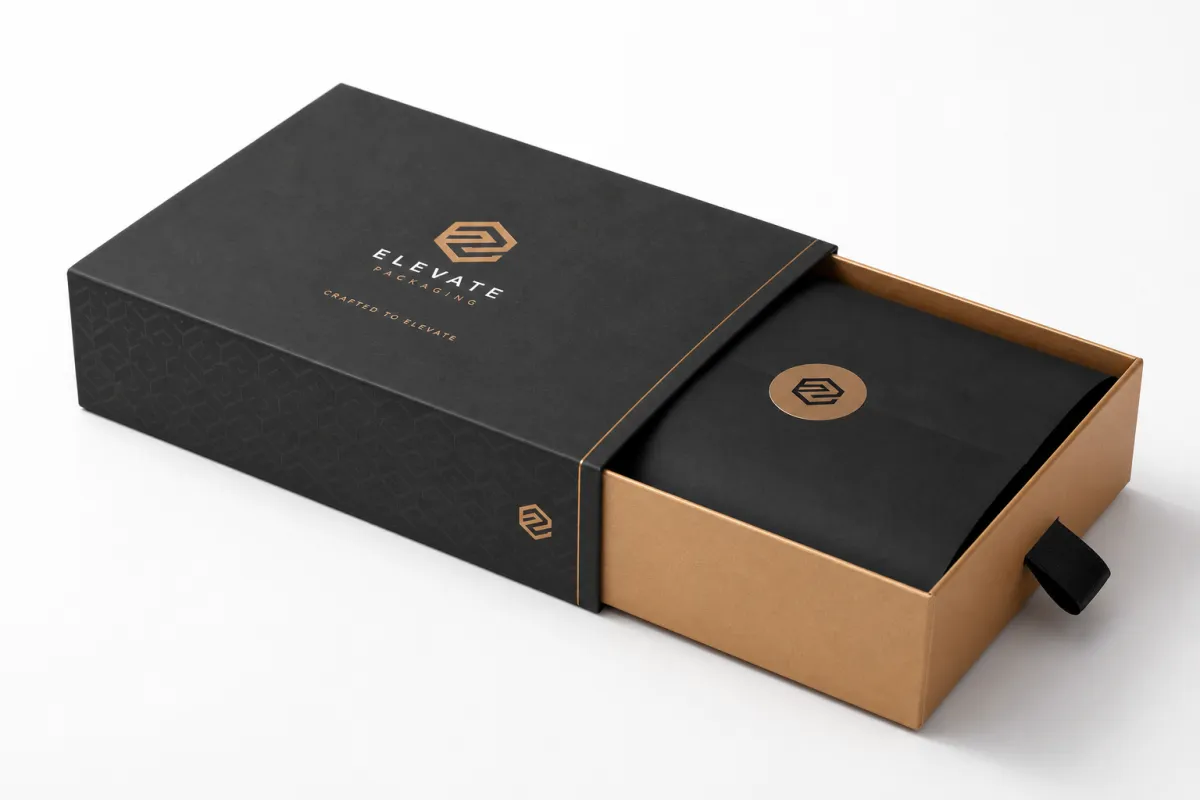
Full custom cartons are not always the right answer. Sometimes they are overkill, expensive, and annoying to manage. That is where a branded sleeve packaging manufacturer earns its keep. If the base pack already works structurally, a sleeve can add branding without forcing a new box design. A plain mailer, tray, folding carton, or clear clamshell can move from forgettable to clearly branded once the sleeve is fitted correctly. For launches, promotions, gift sets, and retail packaging with multiple variants, sleeves cut down the need to rebuild the base pack every time the artwork changes.
From a buyer's perspective, sleeves sit in a useful middle space between a basic label and a fully custom printed box. They support package branding without dragging in new tooling, new carton inventory, and new assembly steps for every product line. That matters when one platform needs flavor changes, scent changes, bundle changes, or seasonal artwork swaps. A branded sleeve packaging manufacturer keeps the core structure steady while the outside message changes with less friction.
That matters even more when the business is scaling. A team can start with one carton size, then add a new fragrance, a value pack, and a holiday version without rebuilding the whole supply chain. Less chaos. Less dead inventory. Fewer “why did we print 40,000 boxes for a product that changed last month?” conversations.
Many teams underestimate how much operational clutter disappears when they Choose the Right sleeve format. The base pack stays stable, which helps forecasting and warehouse planning. The sleeve carries the visible change. That matters in product packaging programs where SKU counts keep creeping up. Instead of multiplying Custom Printed Boxes, the team manages one carton and several sleeve versions. Less inventory risk. Faster artwork updates. Fewer things to babysit.
Sleeves also do heavy lifting on shelf. Retail buyers do not spend all day admiring packaging. They scan it. Fast. A well-printed sleeve can tighten the front-panel hierarchy, call out a claim, and improve color blocking without touching the whole structure. A skilled branded sleeve packaging manufacturer is not just making a printed wrap. They are shaping how the package reads from three feet away, how it sits in a shipper, and how it feels in a buyer's hand.
The best sleeve projects are treated like packaging systems, not one-off print jobs. Fit, material, finish, and schedule all matter. Miss one piece and the sleeve can buckle, slide, scuff, or slow the line. Put the pieces together cleanly and the package looks better than the sum of its parts. In the right setup, a branded sleeve becomes one of the most practical tools in modern retail packaging.
How a branded sleeve packaging manufacturer turns art into sleeves
The work starts with the dieline. A branded sleeve packaging manufacturer needs flat artwork that matches the finished size, not a rough guess from someone staring at a PDF and hoping for the best. That sounds basic until the sleeve has to account for fold lines, overlap, seams, glue zones, locking tabs, or wrap tension depending on the format. A sleeve that is just a little too loose can drift during handling. One that is too tight can wrinkle, pop, or sit crooked on the base pack. Those problems show up fast on the production floor.
Artwork prep is where projects either stay calm or turn annoying. Brands usually send logos, product names, claims, barcodes, icons, legal copy, and required regulatory text. The branded sleeve packaging manufacturer checks safe areas, bleed, resolution, and color builds before approval. Small type is often the first thing to fail if a score line cuts too close to a text block. Clean artwork helps, sure. A layout that respects the physical sleeve shape helps more.
Sleeves come in a few common structures, and each behaves differently. A slip-on sleeve wraps over the base pack and usually depends on tension, tuck geometry, or adhesive placement. A wraparound band is lighter and simpler, which can help with cost and shipping weight. A shrink-style sleeve behaves differently again because the printed film responds to heat and conforming pressure. A seasoned branded sleeve packaging manufacturer knows how each option prints, cuts, folds, and survives the packing line.
Print method matters too. Digital printing is usually the better choice for shorter runs, quick proofs, or projects with several versions because setup is lighter and artwork changes are easier to manage. Offset printing makes more sense when volume grows and color consistency matters across a larger run. Flexographic printing can fit certain sleeve structures and repeat volumes well. A thoughtful branded sleeve packaging manufacturer will not force one method onto every job. They match the process to run length, substrate, and finish expectations.
Finishing is where the sleeve stops feeling like a plain printed wrap and starts acting like a brand asset. Matte and gloss coatings change the visual temperature fast. Soft-touch lamination can make a premium product feel more tactile, though it adds cost and can change how the sleeve behaves on the line. Foil, embossing, spot varnish, and window cuts can lift shelf appeal, but each one adds tooling or conversion steps. A reliable branded sleeve packaging manufacturer will tell you where the finish is doing real work and where it is just burning budget.
Here is a practical way to think about the basic formats:
| Sleeve style | Best use | Typical material | Common unit cost at 5,000 pcs | Notes |
|---|---|---|---|---|
| Slip-on sleeve | Retail cartons, gift sets, seasonal branding | 300-400 gsm paperboard | $0.12-$0.30 | Good shelf appearance, moderate setup, depends on fit tolerance |
| Wraparound band | Lightweight branding, multipacks, promo kits | Coated cardstock or SBS | $0.08-$0.22 | Lower material use, strong for simple package branding |
| Premium sleeve with finishes | Cosmetics, specialty food, high-end retail packaging | Artboard with lamination or specialty stock | $0.22-$0.55 | Higher visual impact, more finishing steps, tighter approval needed |
| Short-run digital sleeve | Testing, limited editions, multiple SKUs | Light board, digital-compatible stock | $0.45-$1.10 | Lower setup burden, higher unit cost, useful for proofing and fast changes |
Note: those numbers are directional, not a promise. Board choice, finish, waste, freight, and order timing can move them a lot.
A sleeve project also benefits from standards thinking. For transit and handling, teams often reference ISTA test methods so the pack is checked against vibration, drop, and distribution stress. For fiber sourcing, FSC certification can support responsible material selection when that is part of the brief. Those references do not replace production judgment, but they give brands a cleaner way to talk about performance and sourcing with a branded sleeve packaging manufacturer.
Cost factors a branded sleeve packaging manufacturer uses to price a run
Pricing is where sleeve projects get real. A branded sleeve packaging manufacturer has to balance press setup, material waste, finishing, converting, and freight against the volume ordered. The quickest way to compare quotes is to break them into setup cost, unit cost, proof cost, shipping, and any secondary operations such as hand assembly or special kitting. If a quote shows up as one lump sum, good luck figuring out where the money is hiding.
Run length has one of the biggest effects on unit price. Short runs usually cost more per piece because setup time, proofing, and material waste are spread over fewer sleeves. Larger runs usually lower the per-unit price, but they raise the total spend and may require more storage space. A good branded sleeve packaging manufacturer should explain that tradeoff clearly instead of hiding behind vague words like affordable or economical.
Substrate choice changes the math too. Paperboard, coated cardstock, recycled board, and specialty stocks all print differently and behave differently at score and fold lines. A cheaper stock is not actually cheaper if it causes more scuffing, tearing, or waste during converting. For branded packaging, the lowest-cost board can become the most expensive choice if the final presentation misses the shelf standard. That is why packaging design and production need to stay in the same conversation.
Here are the variables that usually move price the most:
- Run size: 500 sleeves, 5,000 sleeves, and 50,000 sleeves will never price the same way.
- Print method: digital, offset, and flexographic each carry different setup and consistency costs.
- Artwork complexity: more colors, more versions, and more legal copy can add proofing time.
- Finishing: foil, embossing, soft-touch, and spot varnish add steps and tooling.
- Die-cutting and converting: intricate shapes and tighter tolerances can raise waste and inspection time.
- Shipping and packaging: heavy board, rushed freight, and split shipments all affect the bottom line.
Hidden cost drivers show up all the time. A branded sleeve packaging manufacturer may charge more if the artwork keeps changing, if the cartons were measured loosely, or if the client wants several version updates before sign-off. Food, cosmetics, and regulated retail packaging can also require extra review for barcode placement, ingredient panels, and lot coding. Those checks matter, and they should be priced openly instead of buried in the fine print like a trick.
In many projects, the real savings come from standardizing the base pack and using the sleeve to carry the variation. That beats rebuilding custom printed boxes for every flavor or scent. It also keeps product packaging easier to manage because the team handles fewer structural variables. A competent branded sleeve packaging manufacturer will usually recommend that route if the product and line setup make sense for it.
If you are comparing quotes, ask for these four lines in writing:
- Setup and prepress.
- Unit price at each volume break.
- Finishing, die-cutting, and any assembly fees.
- Freight, packaging, and possible reprint allowances.
That breakdown makes it much easier to separate a truly efficient quote from one that only looks cheap on the first page. It also gives your team a cleaner way to evaluate a branded sleeve packaging manufacturer against other retail packaging options, including labels, cartons, and promotional wraps.
Branded sleeve packaging manufacturer process and timeline
A realistic timeline starts with intake. A branded sleeve packaging manufacturer usually wants exact pack dimensions, sleeve style, artwork files, target quantity, and any compliance needs before pricing. Get those basics right and the project moves with less back-and-forth. Skip them and every missing measurement triggers another round of questions. That is how simple jobs turn into calendar clutter.
The usual workflow goes like this: discovery and spec gathering, artwork prep, proofing, production, finishing, inspection, packing, and freight. For a straightforward sleeve, total lead time might land around 12-15 business days after proof approval. Short digital proof runs can move faster. Complex finishing, specialty stock, or multi-version jobs can stretch longer. A trustworthy branded sleeve packaging manufacturer should be able to tell you where the standard timeline ends and where rush service becomes a gamble.
Proofing is the step that keeps expensive mistakes out of the run. Digital proofs catch layout errors, spelling issues, barcode placement problems, and obvious color problems. Physical samples or press proofs are better when you need to verify fit, finish, and how the sleeve behaves against the base pack. That matters most when insertion tolerances are tight or decorative elements sit close to a fold. A good branded sleeve packaging manufacturer will push for proofing that matches the actual risk in the job.
Here is where projects usually slow down:
- Carton measurements are estimated instead of measured.
- Artwork is approved before the dieline is locked.
- Brand colors are judged only on a screen, not on the chosen stock.
- Copy changes arrive after the proof round is already underway.
- Freight dates are planned without enough buffer for finishing and QA.
That last one gets people in trouble more often than they expect. A sleeve that lands on time but cannot be loaded efficiently on the line is not really on time. The packaging team still has to receive, inspect, stage, and run it. The schedule should be built around the packaging line, not just the printer. That is one reason an experienced branded sleeve packaging manufacturer asks about insertion, stacking, and assembly conditions early.
Lead time should also match the product launch calendar. Seasonal programs, retailer resets, and promotional bundles often create a narrow window where the packaging has to be ready, approved, and shipped. If the sleeve uses an unusual finish or needs a tight registration window, build that into the schedule. A branded sleeve packaging manufacturer that understands operational pressure will tell you plainly what is standard, what is rushable, and what should probably not be forced.
Common mistakes when ordering sleeve packaging
The most common mistake is locking graphics before the base pack dimensions are final. A branded sleeve packaging manufacturer can only fit the sleeve to the carton, tray, or clamshell that actually exists. If the pack changes after approval, the sleeve may sit loose, wrinkle at a corner, or cover a fold line. I have seen teams fix a visual issue and create a fit issue right after. That kind of cleanup usually costs more than the original problem would have.
Another mistake is treating sleeve packaging like a flat flyer. It is not flat once it is folded, scored, and wrapped around a product. Artwork near a seam can disappear or distort. Small type can fall into a crease. Graphics that looked centered in a layout file can look off-center on the shelf. A careful branded sleeve packaging manufacturer will check those zones, but the brand still needs to design with the finished structure in mind.
Color expectations cause trouble too. A brand may approve a rich blue on a monitor and then hate the same color when it prints a little warmer or duller on paperboard. Screen color and print color are different tools. Stock shade, ink coverage, coating, and finish all shape the result. Packaging design and production need to talk early, because a branded sleeve packaging manufacturer can recommend a better material or print approach before the disappointment turns into rework.
Small type and dense legal copy deserve more respect than they usually get. Once the sleeve is scored and wrapped, tiny fonts are harder to read. Barcode placement can get awkward if the sleeve shifts during application. If the project needs regulatory text, ingredient statements, or a lot code area, give that information room instead of stuffing it into a decorative panel. A practical branded sleeve packaging manufacturer will protect readability, not just the pretty bits.
Operational mistakes cost just as much as design mistakes. Teams sometimes order too few extra sleeves to cover spoilage and setup loss, then scramble for a second run. Others choose a finish that looks great in a sample but slows packing or scuffs too easily in real use. A sleeve that behaves well on a desk and badly at scale is a problem nobody needs. Product packaging should survive the line as well as the shelf.
One simple safeguard is to keep the last approved artwork, the measurement sheet, the color target, and the packing assumption in one place. That makes the next reorder easier and reduces the odds that someone approves an old file by mistake. It also helps the branded sleeve packaging manufacturer quote the next run faster because the core decisions are already documented.
Expert tips for better shelf impact and production efficiency
If shelf impact is the goal, start with the front panel and build outward. A branded sleeve packaging manufacturer can only do so much if the visual hierarchy is muddy. Clear branding, one strong product message, a readable benefit statement, and enough contrast to separate text from background will do more for retail packaging than three extra decorative flourishes. The best sleeve designs read quickly from a distance and still feel considered up close.
Material choice should match the brand promise. A premium skincare line may benefit from a soft-touch or matte sleeve that feels calm and refined. A bright snack brand may want a coated stock with stronger color pop. A value-driven line may need a simpler finish that keeps costs in check while still looking consistent. A good branded sleeve packaging manufacturer will tell you which material supports the message and which one just adds cost.
It also helps to build sleeve systems that can handle product variation. If the brand expects new flavors, scents, bundle sizes, or limited promotions, the sleeve should be designed so those changes are easy to swap. That reduces the pressure to redesign the whole pack every time something shifts. For many teams, this is one of the biggest benefits of working with a branded sleeve packaging manufacturer instead of reinventing the entire structure around each SKU.
From a line-efficiency standpoint, the sleeve should be tested the way it will actually run. Can the team insert it fast enough? Does it stack cleanly? Does the fit tolerate normal handling without tearing? These are not abstract questions. They shape labor cost, waste, and whether the packaging team sees the sleeve as helpful or annoying. A seasoned branded sleeve packaging manufacturer will ask for handling details before production, because the line usually finds problems the mockup misses.
"A sleeve should disappear into the packing line and reappear on the shelf as a better-looking package. If it creates friction during assembly, the design is not finished yet."
My practical checklist stays short: confirm dimensions, color targets, barcode placement, legal copy, finish choice, and freight assumptions before final approval. Basic? Yes. Optional? Not if you like avoiding rework. A branded sleeve packaging manufacturer can be a real partner here, because the right questions up front usually save one proof round, one correction, and a fair amount of stress.
If you are still deciding which format fits the brand, compare the sleeve against other options in the broader packaging family, including Custom Packaging Products. Some projects still need a carton, a tray, or another structure entirely, while others are better served by a sleeve and a strong insert. The real question is not what looks trendy. It is what the product, the line, and the budget can actually support.
Next steps with a branded sleeve packaging manufacturer
The easiest place to start is the basics a branded sleeve packaging manufacturer needs to quote accurately: exact measurements, sleeve style, target quantity, print goals, finish requirements, and the launch date. If you already have a sample pack, send that too. A physical reference usually clears up fit questions faster than a dozen emails.
From there, ask every supplier conversation to cover three things: the recommended material, the realistic lead time, and a cost breakdown that separates setup, printing, finishing, and freight. That is the fastest route to a quote you can actually compare. If one supplier is fuzzy on those points, it becomes hard to tell whether they are a better fit than another branded sleeve packaging manufacturer with a clearer process.
A proof or sample should always be compared against the actual pack, not just admired on its own. Check the fit, the color, the readability, and the handling. See whether the sleeve creeps, scuffs, or catches. Confirm that barcodes scan cleanly and that legal text stays legible. Tedious? Sure. Still cheaper than a surprise after production starts.
If the project is part of a larger packaging refresh, keep the documentation tight. Save the final dieline, approved artwork, material spec, proof date, and reorder notes in one place. That makes future runs faster and easier to price, and it gives your team a stable reference when someone asks for a revision six months later. It also helps a branded sleeve packaging manufacturer keep consistency from one batch to the next.
For teams that want to learn from previous jobs, Case Studies can be a useful starting point, and About Custom Logo Things gives a better sense of how the company approaches production and support. The point is not to chase the cheapest quote. The point is to match the right materials, the right process, and the right timeline to the product so the sleeve does its job without drama.
Choose a branded sleeve packaging manufacturer the way you would choose any serious production partner: by fit, clarity, proofing discipline, and the ability to keep a project moving without sacrificing the details that make retail packaging work. If those pieces line up, the sleeve can do a lot of heavy lifting for the brand, and it can do it without making the packing line or the budget miserable.
Actionable takeaway: before you request quotes, lock the final carton dimensions, pick the sleeve style, and decide whether the run needs digital, offset, or flexo printing. Send that package with one approved sample or photo reference, and you will get a much cleaner answer from any branded sleeve packaging manufacturer worth working with.
Frequently asked questions
What does a branded sleeve packaging manufacturer actually do?
A branded sleeve packaging manufacturer converts your artwork and measurements into a sleeve that fits the base package cleanly, prints the design on the right stock, and manages the converting steps so the finished piece works on the packing line. They also help with proofing, finish selection, and production planning so the sleeve behaves well in real handling conditions.
How much does branded sleeve packaging usually cost?
Pricing depends on run length, material choice, print method, finishing, and setup time. Short runs usually cost more per sleeve because the setup is spread across fewer pieces, while larger runs lower the unit price. A good branded sleeve packaging manufacturer should quote setup, unit cost, proofing, freight, and finishing separately so you can compare offers fairly.
How long does branded sleeve packaging production take?
Most projects move through intake, artwork prep, proofing, production, finishing, and shipping. A simple run can be quick, while specialty stocks, multiple versions, or extra finishing steps extend the schedule. Your branded sleeve packaging manufacturer should tell you the standard timeline up front and explain where rush orders are possible without risking quality.
What files does a branded sleeve packaging manufacturer need?
They usually need the final dieline, print-ready artwork, logo files, barcode files, and legal copy. High-resolution images and outlined fonts help prevent production errors. It also helps to send exact pack measurements and any color references so the branded sleeve packaging manufacturer can check fit and print expectations before the job is approved.
Which materials work best for branded sleeve packaging?
Paperboard and coated cardstock are common because they print well and present cleanly on shelf. Recyclable and specialty stocks can support sustainability goals or a more premium tactile feel. The best choice depends on product weight, handling conditions, the finish you want, and how the sleeve needs to behave during assembly. A practical branded sleeve packaging manufacturer will weigh all of that before recommending a stock.


