Buyer Fit Snapshot
| Best fit | Branded Sleeve Wraps for Boxes projects where brand print, material claims, artwork control, MOQ, and repeat-order consistency need to be specified before quoting. |
|---|---|
| Quote inputs | Share finished size, material target, print colors, finish, packing count, annual reorder estimate, ship-to region, and any compliance wording. |
| Proofing check | Approve dieline scale, logo placement, barcode or warning zones, color tolerance, closure strength, and carton packing before bulk production. |
| Main risk | Vague material claims, crowded artwork, missing packing details, or unclear freight terms can make a low unit price expensive after revisions. |
Fast answer: Branded Sleeve Wraps for Boxes: Design, Cost, Process should be specified like a repeatable production item. The safest quote records material, print method, finish, artwork proof, packing count, and reorder notes in one written spec.
Production checks before approval
Compare the actual filled-product size with the drawing, then confirm tolerance on folds, seals, hang holes, label areas, and retail display edges. Reserve space for logos, QR codes, warning copy, and material claims before decorative graphics fill the panel.
Quote comparison points
Review material grade, print process, finish, sampling route, tooling charges, carton quantity, and freight assumptions side by side. A quote is only useful when the supplier can repeat the same color, closure quality, and packing count on the next order.
Branded sleeve wraps for boxes tend to look simple right up until they are in production, stacked on a shelf, or moving through a packing line. A plain stock carton can feel polished, seasonal, or campaign-specific with the right printed sleeve, and that is why branded sleeve wraps for boxes show up so often in retail packaging, subscription programs, gift sets, and promotional mailers.
What makes them useful is not just the printed surface. It is the flexibility to keep a stable box structure while changing the outside artwork by season, by SKU, or by launch. That keeps packaging decisions practical, especially when budgets are tight and the graphics change more often than the carton itself. For a lot of teams, branded sleeve wraps for boxes land in a very workable middle ground between plain packaging and a fully custom build.
They also help raise the perceived value of a package without making the supply chain much more complicated. In day-to-day use, branded sleeve wraps for boxes offer visibility, a cleaner presentation, and a stronger first reveal while keeping the build straightforward. That balance is what keeps them relevant.
What Are Branded Sleeve Wraps for Boxes?
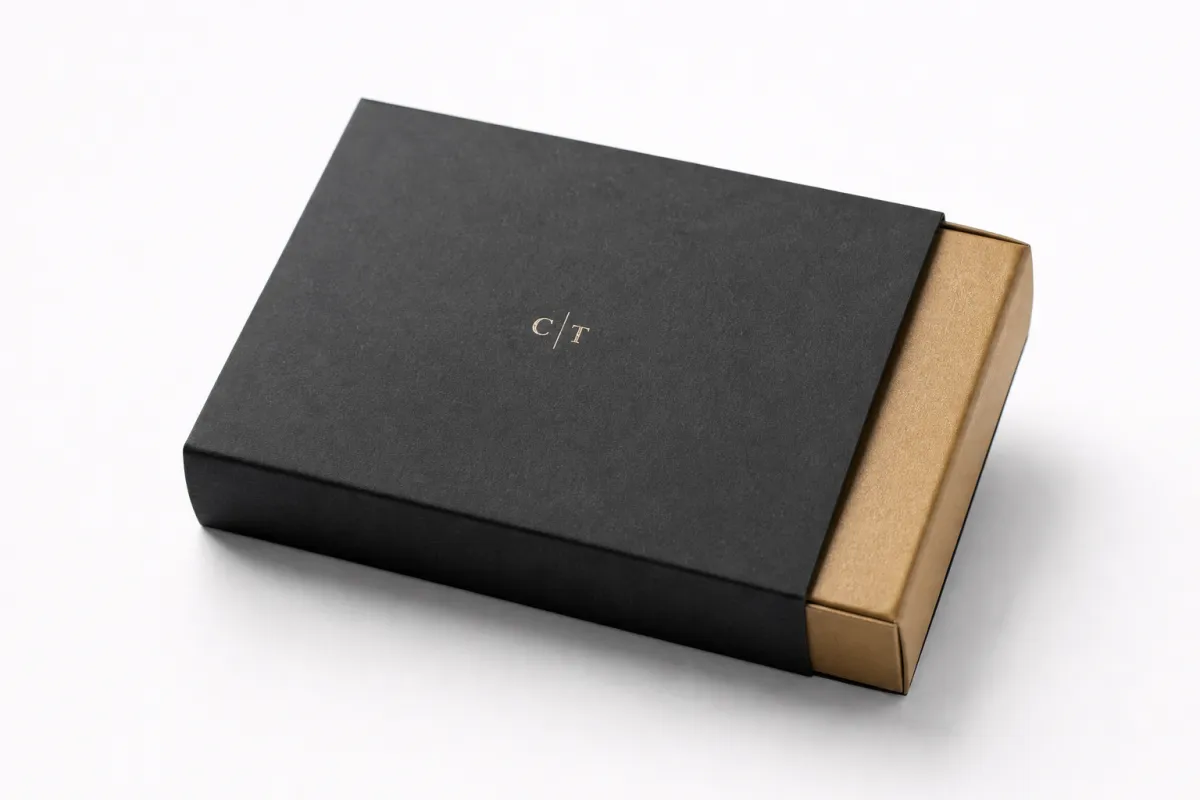
Branded sleeve wraps for boxes are printed outer wraps that fit around a carton, rigid box, mailer, or similar package body. They usually include a main wrap panel, a seam or overlap zone, and opening areas that let the box be accessed without tearing away the entire printed layer. The sleeve is not the structural box itself; it is the visible branding layer that sits around it.
A single printed component can change the character of a package more than people expect. A kraft mailer starts to feel retail-ready. A folding carton gains a more deliberate look. A rigid gift box can pick up seasonal identity without changing the core structure. That is why branded sleeve wraps for boxes are common for product launches, holiday assortments, limited editions, influencer kits, and subscription refreshes.
For a buyer, the format solves a practical problem: how to make packaging feel custom without paying for a new carton every time the artwork changes. Branded sleeve wraps for boxes answer that by keeping the structure in place and letting the printed exterior change with the campaign.
They are especially helpful when speed matters. If the same base box supports multiple SKUs, only the sleeve artwork needs to shift. That lowers inventory complexity and can keep minimum order quantities more manageable than a full carton redesign. It also makes branded sleeve wraps for boxes a smart choice for brands that want to test a new visual direction before scaling up.
For a broader look at packaging formats that pair well with sleeves, see our Custom Packaging Products page and the real-world examples in our Case Studies.
One detail that gets missed often is that the sleeve has to be designed for movement, not just appearance. If the wrap is too loose, it shifts. If it is too tight, it scuffs or catches at the seam. Good branded sleeve wraps for boxes are measured, printed, and finished with handling reality in mind, not just the render.
How Branded Sleeve Wraps for Boxes Work
The workflow behind branded sleeve wraps for boxes begins with the carton dimensions, not the artwork. A sleeve cannot be guessed into place. Width, depth, height, board thickness, seam position, and the direction the box opens all affect the dieline. Once those measurements are set, the sleeve is laid out, printed, cut, and folded so it can wrap cleanly around the box body.
Depending on the application, sleeves may ship flat for assembly or arrive pre-folded. On a packing line, the sleeve is often slid over the box after the product has been packed, then secured by friction, tuck design, adhesive, or a small locking feature. For branded sleeve wraps for boxes, the best method depends on whether the packaging is hand-packed, machine-assisted, or handled by a contract packer.
Most good sleeve programs follow the same logic. The sleeve should hide plain carton edges as much as possible, give the front panel a strong brand face, and still let the packer open or close the box without fighting the printed layer. That is why the relationship between the sleeve and the carton matters so much. The sleeve is not just decoration; it is part of the user experience.
Branded sleeve wraps for boxes work especially well with box styles that have predictable geometry and relatively flat faces. Folding cartons, mailers, Rigid Gift Boxes, and corrugated shippers with smooth outer panels are common choices. Boxes with heavy die-cuts, uneven surfaces, or many exposed tape zones need more care, because the sleeve has to sit flat and stay readable.
I have seen jobs where the artwork looked perfect in review and then started fighting the box the moment production sample one came off the line. The fix was not a louder design. It was a better seam placement and a more honest measurement check. That kind of thing sounds small, but in packaging it is kinda the whole story.
In a real packing environment, the line flow usually looks like this:
- Product is packed into the box.
- The sleeve is aligned to the reference face.
- The wrap is folded or slid into position.
- The seam or lock point is secured.
- The package is labeled, inspected, and staged for shipping or display.
That sequence sounds simple, but the details matter. If the sleeve is oriented incorrectly, the logo may land on the back panel instead of the front. If the seam is placed in the wrong spot, it can interrupt a key graphic. A good branded sleeve wraps for boxes plan anticipates the pack-out step with the same care given to the artwork.
For shipping-sensitive programs, transit testing deserves attention too. If the package will move through a parcel network, it helps to review general industry guidance from ISTA and decide whether the sleeve needs extra scuff resistance or tighter retention. A sleeve that looks polished on a presentation table can behave very differently after vibration, compression, and repeated handling.
Key Factors That Shape Fit, Finish, and Durability
Fit is the first make-or-break issue for branded sleeve wraps for boxes. If the dieline is off by even a few millimeters, the sleeve can bow, wrinkle, or leave a visible gap. Good measurements should account for board thickness, overlap, seam allowance, and any tuck or locking feature. A box that measures correctly at one sample point may still vary across a production batch, so tolerance matters.
Substrate choice comes next. Paperboard weight, coated stock, recycled content, and textured specialty sheets all behave differently. A 250gsm coated sheet may print with sharper detail, while a heavier board may feel more substantial in the hand. For branded sleeve wraps for boxes, the right stock depends on whether the brand wants crisp graphics, a tactile premium feel, or better stiffness during handling.
Finish changes the experience more than many buyers expect. Matte lamination can feel quiet and soft. Gloss can sharpen color and lift contrast. Soft-touch lamination gives a velvety hand feel, though it can show marks if the handling environment is rough. Foil, embossing, and spot coating add depth, but each one adds cost and another production variable. With branded sleeve wraps for boxes, the finish should suit the product story and the package's real life, not only the design board.
Durability depends on the use conditions. A sleeve sitting on a retail shelf has different needs from one traveling through fulfillment, shipping, and multiple handoffs. A gift box opened once by the end customer can tolerate a more delicate surface. A subscription box that ships monthly may need a tougher coating and better crease resistance. That is why branded sleeve wraps for boxes cannot be specified in a vacuum.
Here is a simple way to think about common material and finish choices:
| Option | Typical Use | Strengths | Watchouts |
|---|---|---|---|
| Coated paperboard | Retail, promo, subscription | Sharp print detail, cost-friendly, widely available | Can scuff without added protection |
| Textured stock | Premium gift and specialty packaging | Distinct feel, elevated brand presence | Fine type may lose crispness |
| Soft-touch laminated stock | High-touch presentation packaging | Rich hand feel, premium unboxing | Can show wear if heavily handled |
| Scuff-resistant coated stock | Shipping and fulfillment-heavy runs | Better abrasion performance | May cost more per unit |
There is also a sustainability angle. Many brands now ask for FSC-certified paper or recycled content, and that is a sensible request if the rest of the supply chain supports it. If your packaging goals include responsible sourcing, the FSC system is worth reviewing alongside the printer's substrate options. For branded sleeve wraps for boxes, paper selection can support both presentation and sourcing goals when it is specified early.
One practical note: if the sleeve must survive multiple touchpoints, ask for a sample run that reflects the real finish, not just a digital mockup. Fingers, friction, and carton edges can reveal problems that a screen render hides. That is especially true for branded sleeve wraps for boxes with dark solids, metallic effects, or large areas of soft-touch coating.
Cost and Pricing for Branded Sleeve Wraps for Boxes
Pricing for branded sleeve wraps for boxes is shaped by a handful of practical variables: print method, quantity, board type, finish, color count, die complexity, and whether the project needs hand assembly or arrives as flat components only. The more complex the build, the more setup and time the job needs.
For many brands, sleeves are attractive because they create a strong branded look without paying for a fully custom carton structure. That can make branded sleeve wraps for boxes a better fit for campaigns that change often or for products that need multiple branded versions on top of a standard base box. The budget usually goes where the customer sees it most: the outer face, the opening moment, and the shelf view.
The biggest cost break often comes from quantity. Short runs carry higher setup costs per unit because the same prepress, die cutting, and finishing steps are spread across fewer pieces. Once volume rises, the per-unit price tends to drop. For branded sleeve wraps for boxes, this is why a 500-piece order can feel noticeably different from a 5,000-piece order even if the graphics look identical.
Typical price ranges vary a lot by region and specification, but the following table gives a realistic planning frame for many buyers:
| Run Size | Approx. Unit Range | Best Fit | What Drives the Cost |
|---|---|---|---|
| 250-500 units | $0.85-$1.60 each | Samples, pilot launches, niche promos | Setup spread over fewer pieces, possible hand assembly |
| 1,000-2,500 units | $0.35-$0.80 each | Seasonal campaigns, mid-size product lines | Balanced setup, standard print and finish options |
| 5,000+ units | $0.18-$0.45 each | Higher-volume retail and fulfillment programs | Lower per-unit setup burden, better material efficiency |
Those numbers are planning ranges, not quotes. The real number can shift quickly if the sleeve uses foil, embossing, heavy coverage, a special texture, or multiple artwork versions. A wrap with three SKUs and a versioned insert can cost more than a simpler single-version run of the same quantity. That is normal for branded sleeve wraps for boxes.
Assembly also matters. If a printer supplies flat sleeves only, the price may stay lower than if the job includes folding, gluing, kitting, or box insertion. In some programs, the sleeve is the easy part and the labor around it is what changes the budget. When buyers ask for pricing on branded sleeve wraps for boxes, it helps to separate print cost, finishing cost, and application cost so the quote is easier to compare.
Another thing that gets overlooked is freight. Flat-packed sleeves are efficient to ship, but bulky rigid presentations or pre-assembled kits may need more space and stronger carton protection. If the project is moving through a fulfillment center, factor in cartonization, palletization, and storage as part of the total budget. A package that looks affordable on a print estimate may be less attractive once logistics are added.
From a packaging buyer's point of view, the best strategy is usually to ask for three things at once: a price at the intended quantity, a price at a lower test quantity, and a price with the most likely finish options. That gives a cleaner comparison and makes it easier to see where branded sleeve wraps for boxes create value versus where the extras begin to stretch the budget.
Production Process and Timeline for Branded Sleeve Wraps for Boxes
The production path for branded sleeve wraps for boxes usually begins with a brief, then moves into dimensional review, dieline creation, artwork layout, proofing, print approval, finishing, cutting, folding, and packing. Each stage matters because the sleeve has to do two jobs at once: look right and fit right.
Measurement comes first. If the box size is not final, the entire job can shift later. That is one of the most common sources of delay. For branded sleeve wraps for boxes, even a small change in carton height or board thickness can move the seam, alter the opening, or affect how the graphics land on the front panel.
Artwork revisions are the next common bottleneck. Designers may want to move logos, change copy, or adjust color balance after seeing the first proof. That is normal, but it can add days if the job is already moving into print scheduling. A clean approval cycle keeps the project moving. If you are comparing options or planning a new line, it helps to review examples on our Case Studies page before locking in a structure for branded sleeve wraps for boxes.
Simple projects often move faster than specialty ones. A single-color sleeve on a standard stock can progress quickly once the dieline is approved. Add foil, embossing, spot varnish, or multiple versions, and the timeline expands because each step needs more setup and inspection. That is especially true for branded sleeve wraps for boxes intended for retail presentation, where visual consistency is closely watched.
A realistic planning window for many standard sleeve jobs is often 12-15 business days after proof approval, though that can stretch if sourcing, finishing, or volume is more demanding. Complex builds may take longer. If you are working with a launch date, build cushion into the schedule rather than assuming every stage will behave like the fastest possible run.
To keep the process organized, a strong sign-off structure helps:
- Approve final dimensions before artwork starts.
- Confirm the dieline and seam placement.
- Review color and finish proofs.
- Test the first sample with real product.
- Release production only after the fit passes inspection.
That sequence is especially useful for branded sleeve wraps for boxes because it reduces late-stage changes that can snowball into missed shipment dates. A minute spent confirming seam position is worth far more than a last-minute reprint.
Step-by-Step Guide to Planning Branded Sleeve Wraps for Boxes
A good plan for branded sleeve wraps for boxes starts with the product, not the decoration. Gather the exact box dimensions, the product weight, the opening method, and the customer experience you want the packaging to create. A sleeve for a light cosmetic set is not the same as a sleeve for a heavier gift kit that will be handled repeatedly.
Next, decide what the sleeve is supposed to do. Is it mainly promotional? Is it meant to elevate a standard box into a retail-ready format? Does it need to support seasonal changes? Once that purpose is clear, the material and structure choices become much easier. Branded sleeve wraps for boxes work best when the function is clear before the artwork begins.
Then build the design around the dieline. Keep key branding away from folds, seam areas, and tucked sections. If you have a repeating pattern, test where it lands after wrapping. If you have a long headline, make sure it will not be split across a seam. These are small layout decisions, but they affect whether branded sleeve wraps for boxes look custom or merely wrapped.
It helps to think in real handling terms. Where will the customer's thumb go first? What panel faces forward on shelf? What part gets the most abrasion during packing? That kind of thinking usually improves the final result more than adding one more visual effect. Many of the strongest branded sleeve wraps for boxes are not the busiest ones; they are the ones that place the brand exactly where the eye lands naturally.
Before production, review either a physical sample or a faithful digital proof. Check fold lines, color fidelity, finish behavior, and seam placement. If the sleeve will travel, test it through at least a simple handling scenario. If it is going into a gift environment, test how it opens in the hand. If it is going through shipping, ask how it holds up after compression and friction. Good branded sleeve wraps for boxes are proven, not assumed.
"A sleeve that looks beautiful on a render but misbehaves on the line is not a finished packaging solution. It is just an expensive draft."
For brands building a broader packaging system, it can also help to map the sleeve against the rest of the portfolio. A box family may use the same base carton, different outer sleeves, and one shared insert. That kind of system thinking keeps procurement cleaner and makes branded sleeve wraps for boxes easier to scale without losing control of presentation.
Common Mistakes to Avoid With Sleeve Wraps
The first mistake is relying on one sample box as if it represents every unit in the run. It usually does not. Carton manufacturers work within tolerances, and board thickness can vary enough to affect fit. If the sleeve is only tested against one perfect sample, branded sleeve wraps for boxes may arrive with a loose seam or an overly tight wrap in production.
The second mistake is placing logos, copy, or borders across seams and folds without checking the assembled view. A design can look balanced in flat artwork and still break apart visually once wrapped. That kind of issue is easy to miss on screen and hard to forgive in hand. For branded sleeve wraps for boxes, the assembled mockup matters more than the flat artwork alone.
Finish choice causes trouble too. A surface that sounds premium may not be the best choice if the box will be handled frequently. Gloss can show scratches. Soft-touch can pick up marks. Dark ink coverage can reveal scuffs more easily than buyers expect. The safer route is to match the finish to the package's real environment instead of treating it as a purely aesthetic decision. That is true for branded sleeve wraps for boxes as much as any other printed component.
Another common problem is rushing approval. If the design team is still debating text, structure, or finish while production is being scheduled, someone will end up compromising. That usually costs more than the original delay would have. The better habit is to lock the dimensions early, review a proof carefully, and move forward only when the sleeve has been checked in context. For time-sensitive branded sleeve wraps for boxes, the approval checkpoint is not paperwork; it is risk control.
There is also a planning blind spot around shipping and fulfillment. A sleeve that works in a showroom may not survive a distribution center's handling pattern unless the stock, crease behavior, and fit are chosen with that journey in mind. If a package is going to live on a pallet, move through a warehouse, and then land on a retail shelf, the sleeve needs to be judged against all three conditions.
Finally, some teams underestimate the value of a real sample test. A sleeve should be checked on the actual product, with the actual box, under the actual closure method. A mockup that cannot be opened cleanly or slips during handling is telling you something important. That is the moment to fix the spec, not after the whole run is printed. Branded sleeve wraps for boxes are much easier to correct before the press run starts.
Expert Tips and Next Steps for Branded Sleeve Wraps for Boxes
If there is one habit that pays off consistently, it is this: design the sleeve around the opening moment, not only the outside face. The unboxing sequence is where branded sleeve wraps for boxes earn attention. If the sleeve opens awkwardly, tears too soon, or hides the product's best reveal, the design has missed part of its job.
Build a short packaging checklist before asking for a quote. Include exact dimensions, product weight, artwork files, desired finish, application method, target quantity, and timeline. That one page can save a lot of back-and-forth. It also helps suppliers quote branded sleeve wraps for boxes more accurately because the variables are clear from the start.
Another smart step is to order one fully assembled sample and test it with real product, real handlers, and real transit conditions. Hold it, stack it, open it, and look at it under normal lighting. If the sleeve is meant to sit on retail shelves, check the way it reads from three to six feet away. If it is meant for shipping, confirm whether the edges stay crisp after movement. This is where branded sleeve wraps for boxes either prove themselves or reveal what needs adjusting.
If sustainability is part of the brief, ask early about FSC-certified board, recycled fiber content, and finishes that do not fight the sourcing goal. If shipping performance matters, compare the sleeve against practical standards and handling expectations rather than relying on appearance alone. The more the package has to do, the more the spec has to stay grounded. That discipline is what keeps branded sleeve wraps for boxes from becoming a visual idea that never quite works in the hand.
For teams ready to move, the next steps are straightforward: compare box measurements, confirm the sleeve's purpose, request a dieline, review pricing at the right quantity, and lock production only after the fit has been proven. That sequence keeps the project controlled and makes branded sleeve wraps for boxes much easier to manage from concept to delivery.
Done well, branded sleeve wraps for boxes are not just a decorative layer. They are a practical way to upgrade presentation, support faster product changes, and keep packaging budgets aligned with real business needs. When the measurements are right, the finish matches the handling environment, and the timing is managed with care, branded sleeve wraps for boxes can do far more than wrap a carton. They can make the whole package feel intentional, from the first shelf glance to the final handoff.
Frequently Asked Questions
Are branded sleeve wraps for boxes cheaper than custom printed cartons?
They often are, especially when the goal is to create a strong branded presentation without redesigning the full structure. Branded sleeve wraps for boxes let you keep a standard carton and spend the print budget on the visible exterior that customers actually see first. The final price still depends on quantity, stock, finish, and how much assembly is required.
What box styles work best with branded sleeve wraps for boxes?
Clean-sided folding cartons, mailers, Rigid Gift Boxes, and many corrugated shippers tend to work well because they give the sleeve a predictable face to sit on. Boxes with uneven surfaces, heavy taping zones, or unusual closures can still work, but they need more careful planning. In most cases, the best branded sleeve wraps for boxes are the ones paired with a smooth, consistent carton body.
How do I size branded sleeve wraps for boxes correctly?
Measure the finished box dimensions, then add allowance for board thickness, overlap, and seam placement. Check whether the sleeve covers the full height or only a band around the lid or center section. Before production, verify the dieline with a sample, because even small measurement errors can change how branded sleeve wraps for boxes sit once assembled.
What affects turnaround for branded sleeve wraps for boxes?
Artwork readiness, proof approval speed, quantity, print method, and finishing steps all influence turnaround. Specialty options like foil, embossing, or multiple version changes usually add time. The fastest branded sleeve wraps for boxes projects are the ones where dimensions are final, files are print-ready, and approval happens with very little revision.
Can branded sleeve wraps for boxes hold up during shipping and retail handling?
Yes, if the stock, finish, and fit are chosen for the real conditions the package will face. If the sleeve will move through shipping or fulfillment, ask about scuff resistance, crease durability, and retention. A sample test is the best way to confirm that branded sleeve wraps for boxes still look clean after packing, transit, and shelf handling.