Buyer Fit Snapshot
| Best fit | Custom Rigid Gift Boxes Recycled Board for Modern Brands projects where brand print, material claims, artwork control, MOQ, and repeat-order consistency need to be specified before quoting. |
|---|---|
| Quote inputs | Share finished size, material target, print colors, finish, packing count, annual reorder estimate, ship-to region, and any compliance wording. |
| Proofing check | Approve dieline scale, logo placement, barcode or warning zones, color tolerance, closure strength, and carton packing before bulk production. |
| Main risk | Vague material claims, crowded artwork, missing packing details, or unclear freight terms can make a low unit price expensive after revisions. |
Fast answer: Custom Rigid Gift Boxes Recycled Board for Modern Brands should be specified like a repeatable production item. The safest quote records material, print method, finish, artwork proof, packing count, and reorder notes in one written spec.
Production checks before approval
Compare the actual filled-product size with the drawing, then confirm tolerance on folds, seals, hang holes, label areas, and retail display edges. Reserve space for logos, QR codes, warning copy, and material claims before decorative graphics fill the panel.
Quote comparison points
Review material grade, print process, finish, sampling route, tooling charges, carton quantity, and freight assumptions side by side. A quote is only useful when the supplier can repeat the same color, closure quality, and packing count on the next order.
A lot of buyers assume custom Rigid Gift Boxes recycled board will feel like a compromise, as if recycled content automatically means thinner walls, less presence, and a slightly apologetic finish. That assumption does not hold up once the box is engineered properly. A dense board core, a well-chosen wrap, and corners that are folded with care can deliver a box that feels substantial in the hand and still carries a cleaner materials story than a heavily plasticized build.
I have seen this play out in real packaging reviews more times than I can count: the sample with recycled board is placed next to a conventional luxury box, and people expect the recycled version to look obviously cheaper. Then the lid lifts cleanly, the edges sit square, and the piece feels like it belongs in the same premium tier. That shift matters because Custom Rigid Gift Boxes recycled board do more than hold a product. They shape the first impression, support product protection, and signal that the brand is paying attention to how the packaging itself is made.
The appeal sits in the balance. These boxes can look refined without leaning on excess plastic or noisy decoration, yet they still have the stiff, deliberate feel people expect from premium packaging. That combination is what makes them worth a closer look, because the strongest custom rigid gift boxes recycled board do not hide the material story; they use it as part of the presentation.
What Custom Rigid Gift Boxes Recycled Board Really Offer
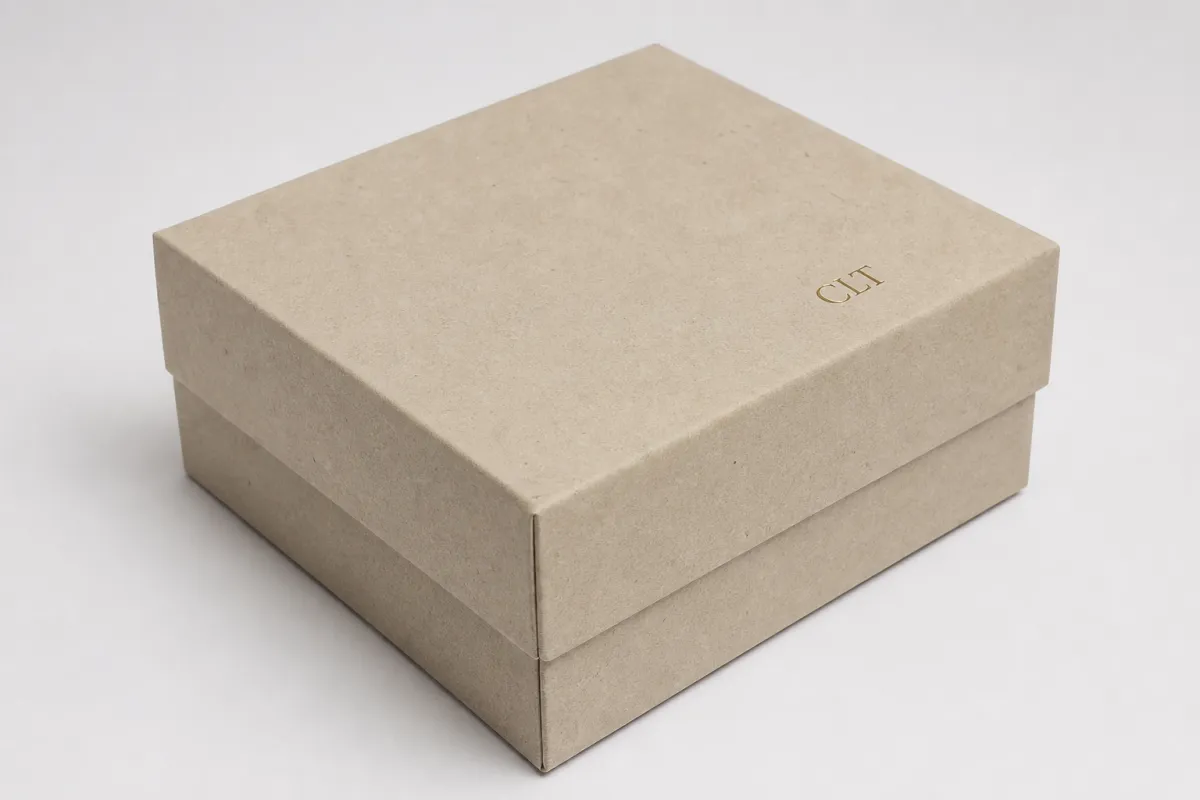
At a basic level, custom rigid gift boxes recycled board start with a dense paperboard core, usually chipboard or greyboard, that keeps its shape instead of folding flat. That core is wrapped with an outer paper layer, which may be kraft, textured paper, printed art paper, or a specialty stock selected to fit a specific brand direction. Inserts can be made from paperboard, molded pulp, or other fiber-based materials that hold the product steady during storage and shipping.
The premium feel comes from execution, not from the recycled claim by itself. Once the wrap, edges, and closure are tuned properly, the box can deliver a polished opening sequence that feels intentional from the first touch. A shoulder box with a clean reveal, a magnetic flap that closes with a soft snap, or a lift-off lid with a neat finger pull each changes the rhythm of the unboxing experience. The walls stay firm, the edges stay crisp, and the package avoids that loose, throwaway feeling that lighter cartons often have.
In packaging terms, recycled board usually means the board contains recovered fiber content, which may include post-consumer material, post-industrial material, or both. The distinction matters. Post-consumer fiber has already been used by a customer and then recovered through collection systems, while post-industrial fiber comes from manufacturing scrap or trim returned to the fiber stream. Anyone specifying custom rigid gift boxes recycled board should confirm the exact source and percentage in writing, especially if the package needs to support FSC language or a formal recycled-content claim.
The real value of custom rigid gift boxes recycled board is not only environmental positioning. It is presentation, stiffness, and the sense of care the box communicates before the product is even touched. The walls resist collapse better than thin folding cartons, shelf presence improves, and the box feels deliberate rather than temporary. In premium packaging, that quiet confidence carries more weight than a lot of people expect.
"A recycled board core does not need to look plain. Clean wrap, sharp corners, and a well-fitted insert can make the box feel every bit as premium as a heavier luxury structure."
For businesses comparing Custom Printed Boxes, rigid set-up styles, and other product packaging formats, the real question is rarely whether the box can look good. The harder question is whether it can look good while still meeting cost targets, protecting the product, and supporting sustainability goals. Custom rigid gift boxes recycled board earn attention because they give brands enough design freedom to support the look they want without pushing them into a plastic-heavy or unnecessarily complicated build.
How Custom Rigid Gift Boxes Recycled Board Are Built
The build sequence for custom rigid gift boxes recycled board is more technical than many buyers expect. The chipboard or greyboard is first cut to size and formed into the body, lid, or both, depending on the structure. The wrap is then printed or selected, die-cut, glued, and applied around the board. After that come corner folding, edge wrapping, lining, and the insertion of any trays or supports. Final assembly and inspection come last, because one weak corner or a lid that sits even slightly off can change the feel of the entire package.
Board behavior matters during converting. A thicker recycled board can deliver excellent stiffness, but if the scoring is too shallow or the moisture content is off, the corners may crack or spring open. A board that is too light for the box size can feel soft, bow under stacking pressure, or make the structure seem unfinished. Good converters know that custom rigid gift boxes recycled board need a careful balance of caliper, density, and adhesive performance, especially when the wrap has texture or the design calls for a tight fit around a product insert.
The outer wrap shapes both appearance and performance. Kraft papers tend to read earthy, calm, and practical. Textured papers can feel elevated without leaning on gloss. Printed art paper gives the most control over graphics for custom rigid gift boxes recycled board, which matters for custom printed boxes that need exact brand colors, pattern work, or photography. If sustainability sits high on the brief, many buyers also ask about lower-plastic or water-based finishing options such as aqueous coating, water-based varnish, or uncoated wraps. Those choices always need to be weighed against scuff resistance and handling demands, because a finish that looks great on a proof sheet can behave differently once it starts moving through a warehouse.
Inserts deserve more attention than they usually get. A box can look excellent from the outside and still fail if the product shifts inside during shipping or retail handling. That is why custom rigid gift boxes recycled board often pair well with molded pulp trays, paperboard partitions, or wrapped chipboard cradles. A good insert centers the product, protects the edges, and keeps the opening experience tidy. For cosmetics, candles, electronics accessories, and gift sets, the insert often carries as much responsibility as the shell itself.
Quality control matters at the end of the line
Before a run is approved, I would want the team to check a few things on every batch of custom rigid gift boxes recycled board: squareness, lid fit, glue-line consistency, corner integrity, print registration, and surface scuffing. A lid that sits too loosely can make the box feel thin and underbuilt. A lid that sits too tightly can frustrate the customer and make the opening experience clumsy. Glue bleed through the wrap can erase the premium look in a single glance. Those are not cosmetic details alone; they are the difference between a box that feels complete and one that feels rushed.
- Squareness: check that corners stay true and do not rack under light pressure.
- Lid fit: confirm the opening force is comfortable, not sticky or sloppy.
- Glue lines: inspect for bleed-through, wrinkles, and lifted edges.
- Insert registration: verify the product sits centered and level.
- Surface finish: look for scuffs, rub marks, and print shifts before approval.
Key Factors That Affect Performance and Appearance
Board caliper is usually the first spec that changes how custom rigid gift boxes recycled board feels in hand. A 1.5 mm board can suit lighter gift items, while 2.0 mm to 3.0 mm board is common for heavier contents and more premium applications. Thickness does more than add stiffness. It affects how the box stacks, how the corners hold under pressure, and how much confidence the buyer gets from the first touch. In many projects, the board feel does more persuasion than any line of copy printed on the wrap.
Wrap choice changes the visual story in a major way. A kraft wrap can make custom rigid gift boxes recycled board look natural and responsible. A coated art paper can make the same structure feel polished and gift-ready. A textured wrap can create a quieter, more tactile brand presence. That matters in retail packaging because the exterior has to do part of the selling before the product is opened. If the surface is likely to scuff, the design should account for that from the beginning rather than after complaints begin to arrive.
Decoration choices deserve discipline. Foil stamping, embossing, debossing, spot UV, and soft-touch lamination can all add visual depth, but each one affects cost, recyclability, and production risk. The strongest results with custom rigid gift boxes recycled board often come from restraint: one clear visual cue, typography that does its job cleanly, and a finish choice or two that support the brand story instead of fighting it. In package branding, too many effects can make a box feel busy long before it feels premium.
Fit is another quiet performance factor. Loose internal dimensions let the product wander, which increases damage risk and makes the box feel careless. A box that is too tight can drag at the lid or catch the product on the insert. Custom rigid gift boxes recycled board should be designed from the product outward, with realistic tolerances for loading, packing labor, and customer handling. A 2-3 mm tolerance can matter more than a fancy finish if the item is fragile or irregular, and that little margin is often the difference between a smooth packout and a headache on the line.
End-of-life planning belongs in the conversation too. A fully paper-based rigid box is easier to explain than a mixed-material build with magnets, film, plastic windows, and foam inserts. Mixed builds are not automatically wrong, but the spec should be honest about disposal and recovery. If your custom rigid gift boxes recycled board use several material types, confirm how those components affect fiber recovery and whether the final structure still matches the sustainability claims you plan to make.
- Fiber recovery: keep the build as paper-based as possible if recyclability is a priority.
- Claim accuracy: match recycled-content language to supplier documentation.
- Finish tradeoffs: compare visual impact against scuff resistance and disposal clarity.
- Insert design: choose the lightest structure that still holds the product securely.
Cost, Pricing, and MOQ for Custom Rigid Gift Boxes Recycled Board
Pricing for custom rigid gift boxes recycled board is driven by a few main variables: board thickness, finished size, wrap material, print coverage, insert style, finish level, and order quantity. A small change in box depth can alter board usage and wrap yield. Switching from plain kraft to fully printed art paper can change press time and material cost. Add foil, embossing, or a complex tray, and the unit price moves again. Two boxes that look nearly identical at a glance can produce very different quotes once the full spec is in front of the supplier.
Rigid boxes usually cost more per unit than folding cartons, and that is normal. They require more material, more handwork, and more careful assembly. Even so, custom rigid gift boxes recycled board often return that spend through perceived value, stronger shelf presence, and a better gift impression. For product packaging that needs to feel elevated, the box can carry more selling power than a thinner carton ever could. If the product sits in a premium price band, the packaging should usually support that position instead of trying to minimize the structure at all costs.
MOQ matters because setup costs spread differently depending on run length. A standard structure with straightforward print may start around 500 to 1,000 units in some programs, while a more custom build with special inserts or multiple components may need 2,000 units or more to stay efficient. For custom rigid gift boxes recycled board, larger orders usually lower the per-unit cost, but they also increase the risk of overbuying if the design is still changing. A smart buyer often asks for a price ladder at several quantities so launch planning and replenishment planning can be compared clearly.
Hidden cost items are where budgets often slip. Sampling revisions, special coatings, freight weight, repacking labor, and unusual insert tooling can all appear later if they were not discussed early. Because rigid boxes are heavier than folding cartons, freight can move faster than expected once the shipment grows. For custom rigid gift boxes recycled board, I would ask whether the quoted price includes packing labor, pallet configuration, and sample change allowances, because those small details can shift the real landed cost more than the headline unit price suggests. Nobody loves that surprise, and it is usually avoidable with a better brief.
| Build Type | Typical MOQ | Indicative Unit Cost | Best Fit |
|---|---|---|---|
| Simple recycled board rigid box with kraft wrap | 500-1,000 units | $1.35-$2.40 | Natural branding, lighter gifts, lower decoration |
| Printed wrap with paperboard insert | 1,000-3,000 units | $2.10-$4.10 | Balanced presentation, branded packaging, retail gifting |
| Premium finish with foil, emboss, and custom tray | 2,000-5,000 units | $3.50-$7.50 | Luxury programs, high-touch gift sets, sharper package branding |
Custom Packaging Products can also be a useful comparison point if your program includes more than one packaging format, since the box, insert, mailer, or shipper often needs to work as a system rather than as a single purchase. If you are comparing structures, it helps to review Custom Packaging Products alongside the rigid box spec so you can see where a simpler build may save money without weakening the customer experience.
One practical budgeting tip is to request pricing at three levels rather than one. Ask for launch quantity, expected replenishment quantity, and a longer-run volume estimate. That makes it easier to see whether custom rigid gift boxes recycled board are being priced fairly and whether the design should start with a standard structure or a fully custom one. A buyer who compares only one number can miss a better cost curve a few thousand units higher.
Process, Timeline, and Lead Time from Spec to Shipment
A clean timeline starts with the product, not the artwork. For custom rigid gift boxes recycled board, the first task is to lock down product dimensions, weight, fragility, and how the item will be packed inside the box. After that comes the structural recommendation, followed by artwork prep, sampling, approval, production, and final packing. If the dimensions keep moving while the art team is drawing, the schedule tends to drift. A tighter front end saves more time than trying to recover lost days later.
Most lead time gets spent in the parts that seem small but are not: structural sampling, proofing, finish selection, and waiting for internal sign-off from marketing, procurement, and operations. That becomes especially true for custom rigid gift boxes recycled board, since the box may be one part of a broader launch package. If the brand also needs custom printed boxes, inserts, or secondary packaging, all of those approvals need to line up. A simple two-round revision process usually moves faster than a six-round debate over the last millimeter of lid depth.
Material sourcing can change the schedule as well. If the board, wrap, or insert material is already in stock, the project moves faster. If a specific recycled board grade or specialty paper needs to be ordered, lead time grows. For transit-sensitive programs, I also like to see the box tested against a relevant standard, such as ISTA transport testing methods, and to confirm that the material chain lines up with fiber claims that may need FSC sourcing guidance. Those references do not replace a real production sample, but they help keep the spec grounded in something more useful than guesswork.
In a typical run, simple custom rigid gift boxes recycled board may move from approved proof to shipment in roughly 12-15 business days if materials are ready and the build is straightforward. More complex projects, especially those with custom inserts, layered finishes, or new tooling, usually take longer. If freight is international, shipping time becomes its own line item. The best way to avoid surprises is to treat the box schedule as part of the product launch schedule rather than as a separate packaging task that can be squeezed in later.
- Lock dimensions early: changing size late in the process ripples through everything else.
- Limit revisions: each new proof round adds time and increases the chance of drift.
- Approve finishes fast: coating and wrap decisions often sit on the critical path.
- Plan freight honestly: rigid boxes are heavier and take more pallet space than thin cartons.
Common Mistakes with Custom Rigid Gift Boxes Recycled Board
The first mistake is choosing custom rigid gift boxes recycled board only because the sustainability message sounds appealing. If the board is too soft, the print quality is weak, or the structure does not fit the product well, the box fails the actual job it was meant to do. A buyer should always ask how the recycled board behaves under compression, how the wrap handles scuffing, and whether the final box still protects the product through storage, shipping, and store handling.
The second mistake is overcomplicating the design. Too many finishes, too many textures, or too many material types can raise cost and make end-of-life handling harder. A box loaded with foil, film lamination, magnets, and inserts may look impressive on a spec sheet, but custom rigid gift boxes recycled board work best when the design is disciplined. Every extra material should earn its place. If it does not improve the customer experience or the protection level, it probably does not belong.
Another common issue is poor sizing. A box that is too large lets the product wander, which can crush corners and make the unboxing feel loose. A box that is too tight can jam the product or damage the wrap at the edge. In practice, custom rigid gift boxes recycled board should be sized to the real product plus the real insert, not to a rough guess from a catalog dimension. A 1 mm mistake may look small on paper and huge in the hand.
Skipping a prototype is a risky move, especially with fragile, uneven, or heavy items. Even a minor fit issue can become expensive once the run is already in motion. With custom rigid gift boxes recycled board, a sample helps verify not only the appearance but also the opening force, insert tension, and the way the product sits after packing. If the box is meant for retail packaging, it should also survive repeated handling without looking tired after the first touch.
The last mistake is internal misalignment. Marketing may want a dramatic reveal, procurement may want the lowest quote, and operations may want the easiest packout. Those goals are not enemies, but they do need one shared spec. Without that, custom rigid gift boxes recycled board can drift between opinions until nobody is fully satisfied. A short, clear spec sheet often solves more problems than a long email chain, and it keeps everyone from talking past each other for a week.
Expert Tips and Next Steps for Better Results
Start with the product, then build the box around it. That sounds obvious, yet it is the point many projects miss. For custom rigid gift boxes recycled board, the product weight, shape, and fragility should drive the board caliper, insert style, and lid configuration. If the item is heavy, the box may need stronger corners and a tighter tray. If the item is lightweight but visually delicate, the focus may move toward presentation and a cleaner reveal. The structure should serve the product, not force the product to fit a generic structure.
Always ask for a sample that matches the real build as closely as possible. A visual mockup can help with artwork, but it does not tell you how custom rigid gift boxes recycled board will feel once the wrap is applied and the lid is fitted. Ask for the exact board grade, wrap material, insert style, and closure method. Then open it, close it, pack it, and handle it the way a customer or warehouse team actually would. Hidden issues tend to show up there, not in the render.
Compare board grades side by side if the schedule allows it. Recycled board does not all behave the same way in scoring, corner build, or print finish. Some grades are stiffer, some crease more cleanly, and some suit a tighter wrap better than others. For custom rigid gift boxes recycled board, that difference can change the final feel as much as the artwork does. A slightly better board can prevent bruised corners, while a weaker board can cost more in complaints and rework than it saved in raw material.
Before approving the quote, run a final checklist. Confirm dimensions, print method, finish, sustainability claims, freight assumptions, and warehouse handling instructions. If the box must be packed by hand, make sure the labor time is realistic. If the box is part of a wider product packaging system, confirm it fits with the mailer, shipper, and shelf display plan. When related packaging options are on the table, reviewing Custom Packaging Products can help keep the full line aligned instead of building each piece in isolation.
- Measure the product: include the real outer dimensions, not just the nominal size.
- Choose the build style: lid-and-base, magnetic flap, shoulder box, or another structure that fits the use case.
- Request a production-minded sample: not just a pretty mockup.
- Check the paper trail: recycled content, FSC status, and claim wording should all match.
- Confirm the timeline: align sampling, approval, production, and receiving before the order is released.
Done well, custom rigid gift boxes recycled board can give a brand a premium unboxing moment, solid protection, and a cleaner sustainability story without asking the customer to accept a weaker presentation. That is the real attraction here: custom rigid gift boxes recycled board let you combine structure, package branding, and product packaging discipline in one format, provided the spec is honest, the tolerances are tight, and the team agrees on what success should look like before production begins.
Are custom rigid gift boxes recycled board strong enough for heavy products?
Yes, when the board caliper, wrap, and insert are engineered for the load. Heavy items usually need tighter tolerances, stronger corners, and a more secure internal tray. A sample test is the best way to confirm protection before full production of custom rigid gift boxes recycled board.
What affects the cost of custom rigid gift boxes recycled board the most?
Size, board thickness, print complexity, finishing, and insert design usually drive pricing first. MOQ matters because setup costs spread more efficiently over larger runs. Special wraps, foil, and unusual structures can raise unit cost quickly for custom rigid gift boxes recycled board.
How long is the typical turnaround for custom rigid gift boxes recycled board?
Turnaround depends on sampling, artwork approval, material availability, and production capacity. Simple builds can move faster than complex boxes with custom inserts or multiple finishes. Locking specs early is the best way to reduce lead time on custom rigid gift boxes recycled board.
Can custom rigid gift boxes recycled board still look premium?
Absolutely, because premium feel comes from structure, fit, print quality, and finishing details. A recycled board core can be paired with refined wraps and clean construction for a high-end result. The unboxing experience often matters more than glossy decoration alone for custom rigid gift boxes recycled board.
What should I ask for before approving a sample of custom rigid gift boxes recycled board?
Confirm the exact board grade, wrap material, insert style, print method, and finish. Check product fit, lid alignment, corner quality, and any scuffing or glue issues. Ask whether the sample reflects final production materials or only a visual prototype for custom rigid gift boxes recycled board.

