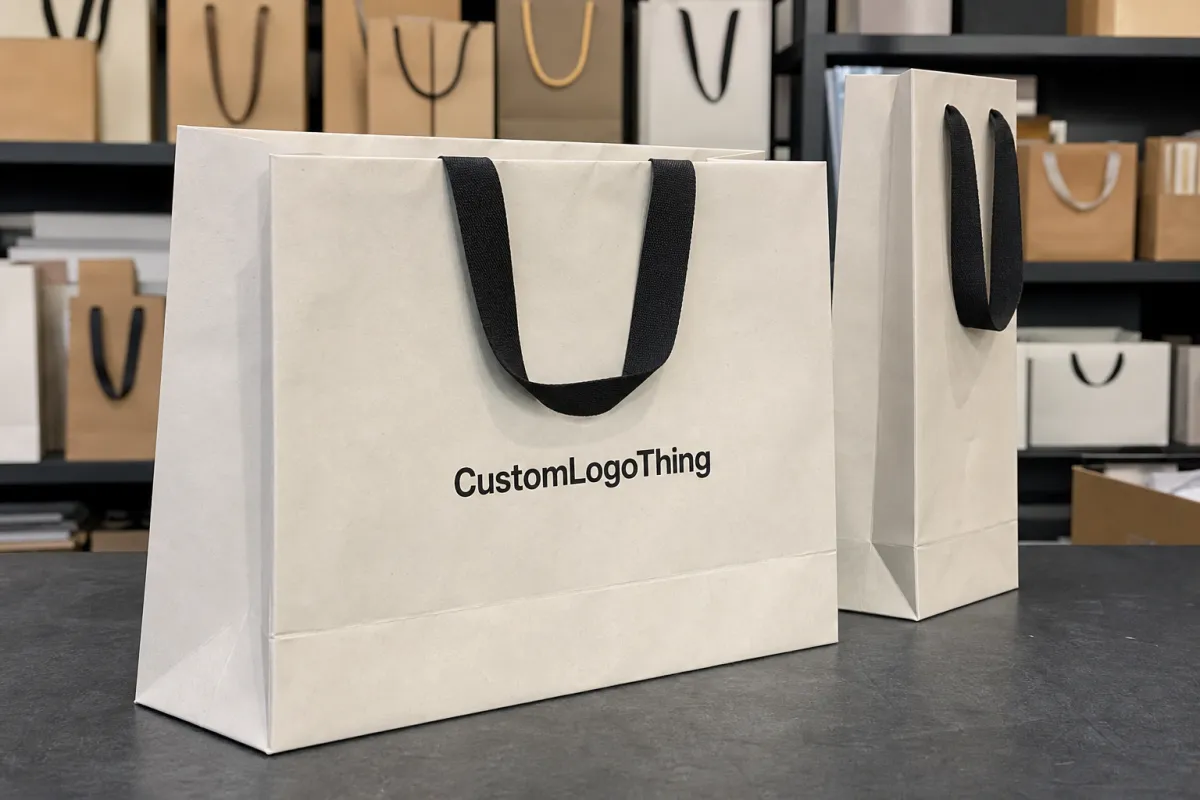
Buyer Fit Snapshot
| Best fit | Branded Stand Up Pouches Order projects where brand print, material claims, artwork control, MOQ, and repeat-order consistency need to be specified before quoting. |
|---|---|
| Quote inputs | Share finished size, material target, print colors, finish, packing count, annual reorder estimate, ship-to region, and any compliance wording. |
| Proofing check | Approve dieline scale, logo placement, barcode or warning zones, color tolerance, closure strength, and carton packing before bulk production. |
| Main risk | Vague material claims, crowded artwork, missing packing details, or unclear freight terms can make a low unit price expensive after revisions. |
Fast answer: Branded Stand Up Pouches Order: Specs, Pricing, MOQ should be specified like a repeatable production item. The safest quote records material, print method, finish, artwork proof, packing count, and reorder notes in one written spec.
Production checks before approval
Compare the actual filled-product size with the drawing, then confirm tolerance on folds, seals, hang holes, label areas, and retail display edges. Reserve space for logos, QR codes, warning copy, and material claims before decorative graphics fill the panel.
Quote comparison points
Review material grade, print process, finish, sampling route, tooling charges, carton quantity, and freight assumptions side by side. A quote is only useful when the supplier can repeat the same color, closure quality, and packing count on the next order.
A branded Stand Up Pouches order can do more for a small SKU than a stack of glossy branding decks ever will. It gives you a clean front panel, decent shelf presence, and packaging that usually travels with less wasted space than rigid formats.
That sounds plain because it is. The real decision is not whether the pouch looks nice on a mockup. The real question is whether a branded Stand Up Pouches order protects the product, holds margin, and stays practical for your warehouse, your customer, and your reorder plan.
For Custom Logo Things, the right pouch starts with the product, not the mood board. Pretty matters. So do seal strength, barrier performance, and the math on a case-packed carton. If the pack cannot survive the trip, the art file is just decoration.
Why a branded stand up pouches order can punch above its weight
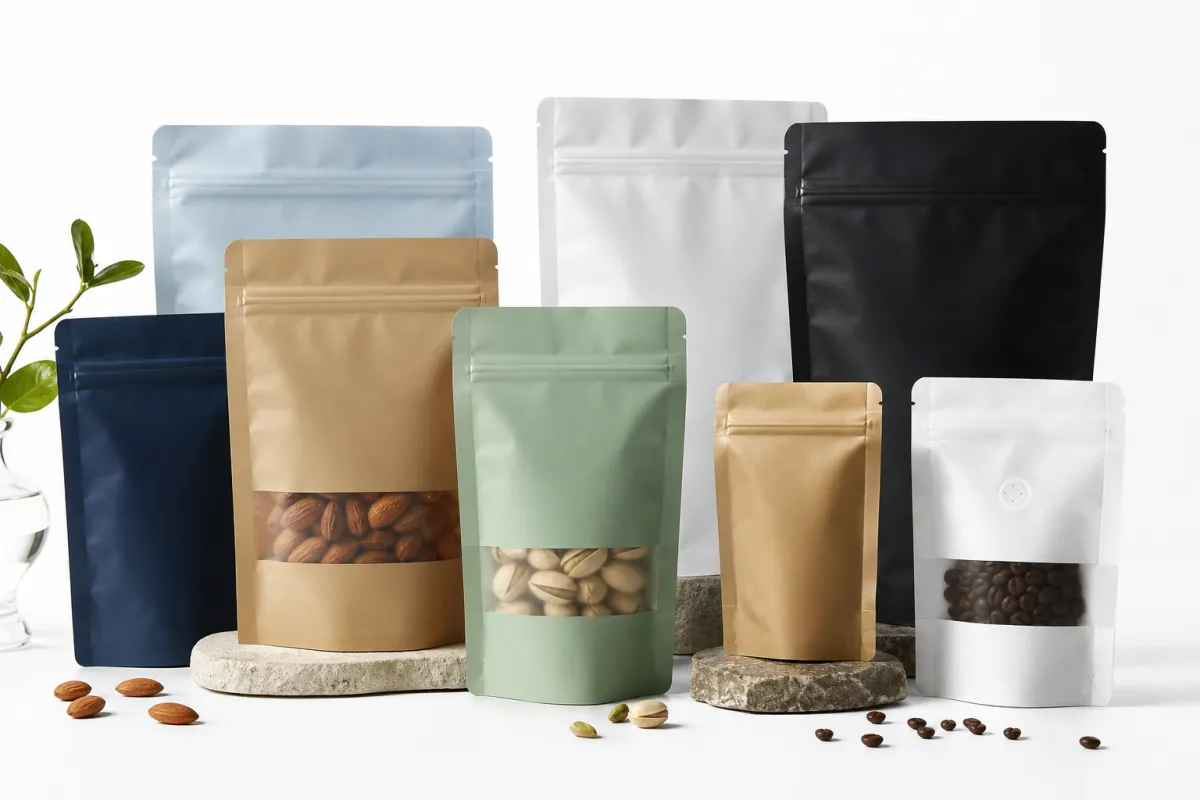
A branded Stand Up Pouches order gives you a lot of front-panel space without dragging you into the weight, freight, and storage headaches that come with jars, tins, or folding cartons with inserts. Snacks, supplements, coffee, dry mixes, pet treats, and bath powders all benefit from that. You get room for a logo, product claim, instructions, and a barcode without turning the pack into a clumsy billboard nobody wants to stock.
For packaging buyers, the pouch often wins on unit economics. A branded stand up pouches order can cut shipping volume, reduce carton damage, and lower the per-unit cost of getting a product shelf-ready. People who only talk about looks miss that part. A pouch that looks expensive and arrives crushed is not a win. That is just expensive disappointment, and I have seen enough of it to know better.
The format also helps newer products move faster. If you are launching a new SKU, a branded stand up pouches order can get you retail-ready without waiting on a custom rigid structure. You can test market response, adjust artwork, and protect margin while the product is still finding its footing. For a lot of brands, that is the difference between a controlled launch and one that burns cash in three directions at once.
There is also the shelf logic. Stand up pouches face forward. They hold shape better than flat bags. They can use matte, gloss, kraft, or clear-window treatments to make the product read more premium. A branded stand up pouches order does not need to shout to do its job. It just needs to be legible, clean, and consistent across the run.
A pouch is not a billboard. It has to ship, seal, stack, and survive.
That is why the best branded stand up pouches order is not the flashiest one. It is the one that fits the product category and the sales channel. If the SKU lives on a warehouse shelf, durability matters more than visual drama. If it sits at retail, front-panel clarity matters more than decorative flourishes. If it is sold online, carton efficiency and transit protection matter even more.
In practice, the winning pouch balances four things: protection, print quality, conversion on shelf, and margin. Miss any one of those and you will feel it later. Usually in reorders. Sometimes in customer complaints. Occasionally in both.
If you want to see how packaging decisions affect retail performance, our Case Studies page is a useful place to compare different formats in the real world. No theory. Just packaging behaving like packaging.
Product details for a branded stand up pouches order
The structure of a branded stand up pouches order starts with the material stack. That stack decides how the pouch feels, how it prints, and how well it protects what is inside. A paper outer layer can create a natural, craft-forward look. Matte film feels quieter and more premium. Gloss film gives stronger color pop. Foil-laminated structures offer stronger barrier performance for oxygen- and moisture-sensitive products. Clear-window options show the product and can help if the contents are visually strong enough to sell themselves.
For snacks and dry goods, a common build might be PET/PE, BOPP/CPP, or kraft paper laminated to a barrier layer. For coffee, supplements, and scented products, a higher-barrier structure such as PET/AL/PE or metallized PET is often the safer call. The inner layer matters just as much as the printed outside. If the inside layer cannot handle oxygen, moisture, or oil migration, the art on the outside will not save the product.
Closures are where convenience and cost start pulling in different directions. Zippers are the most common choice because they support resealability and repeat use. Tear notches help with clean opening. Hang holes matter for peg display. Spouts fit liquid or pourable products, though they add cost and complicate the structure. One-way degassing valves make sense for coffee because gas release is not optional there.
Print method matters too. A branded stand up pouches order can use digital printing or flexographic printing, and each has a place.
- Digital printing works well for lower quantities, fast design changes, and shorter lead times.
- Flexographic printing usually becomes more cost-efficient at higher volumes, especially when the artwork is stable.
- Hybrid buying can make sense if you need a short test run now and a larger production run later with the same layout.
Buyers often ask which method is "better." That is the wrong question. The right question is which print route supports the quantity, artwork stability, and target unit cost for this branded stand up pouches order. If the design is still changing, digital keeps the risk down. If the formula is locked and the order is large, flexo usually improves the math.
Branding details are where most orders either sharpen up or drift into generic-looking packaging. Finish matters. So does the amount of ink coverage. A heavy dark background can look rich, but it may also make scuffs more visible. Small logos need enough contrast and enough clear space to survive on a flexible surface. Thin text on a pouch is a bad idea unless you enjoy reprinting. Front-panel hierarchy should stay simple: brand, product name, key claim, net weight, and a clean path to the barcode.
Barrier performance is the part buyers cannot see but absolutely pay for later if it is wrong. Oxygen barrier affects shelf life for coffee, powders, and fatty snacks. Moisture barrier matters for baking mixes, supplements, and crunchy foods. Oil resistance matters for anything with natural oils, seasonings, or flavor coatings. A branded stand up pouches order should always be specified around what the product needs, not just what looks nice on a render.
For material transparency and packaging sustainability references, the FSC certification information is useful if you are choosing paper-based components, and EPA packaging guidance is worth reviewing if your brand is trying to cut waste without guessing.
Specifications that shape a branded stand up pouches order
Good quoting starts with a clean spec sheet. A branded stand up pouches order gets much easier to price once you know the size, fill weight, material stack, closure style, finish, and expected quantity. Vague specs create vague quotes, and vague quotes are where budget plans go to die.
Here is the minimum information that should be ready before you ask for pricing:
- Product type and whether it is dry, oily, liquid, powdered, or scented
- Fill weight or volume target
- Pouch style such as standard stand up, gusseted, flat bottom, or window pouch
- Dimensions including width, height, and gusset depth
- Material stack if you already know the barrier requirement
- Closure such as zipper, tear notch, valve, or spout
- Finish including matte, gloss, soft-touch, or kraft look
- Artwork status and whether the file is final or still in revision
The product type changes the spec sheet more than most people expect. Powders need decent seal integrity and good moisture control. Liquids need stronger seals and often a different spout or corner fitment. Oily snacks can migrate through weak films and spoil the barrier. Scented products need odor retention, not just decent shelf appeal. That is why a branded stand up pouches order should not be treated like a one-size-fits-all commodity.
Artwork is another place where buyers lose time. A print-ready file should be built on a current dieline, with bleed accounted for, safe zones respected, and colors set in the correct mode. If you are working in spot color, give the system names clearly. If you are working in CMYK, expect some shift compared with screen viewing. Flexible packaging is not a postcard. Curves, folds, and seals will affect the final look.
Barcode placement deserves more respect than it usually gets. Keep it on a flat, readable area. Do not bury it under a busy texture. Do not place critical text too close to a seal. If your product needs nutrition facts, ingredient panels, warning statements, or region-specific regulatory copy, build that in before proof approval. Changing copy late is one of the fastest ways to slow a branded stand up pouches order.
There is also a practical tradeoff between decoration and durability. A higher-gloss finish might look louder on a screen, but a matte or soft-touch laminate can hide handling wear better. A foil highlight can feel premium, but it may add cost without adding meaningful retail value if your category is price-sensitive. The smartest spec is not the flashiest one. It is the one that survives transit, opens cleanly, and still looks like the brand you planned to build.
For shipping performance, packaging teams often look at transit testing logic that lines up with ISTA packaging test standards. That does not mean every pouch needs formal testing. It means the pack should be judged against real handling conditions, not wishful thinking.
How much a branded stand up pouches order costs
Pricing for a branded stand up pouches order comes down to a few predictable variables. Material choice, print coverage, quantity, closure type, finish, pouch size, and whether you are using stock tooling or custom tooling all move the price. That is not mysterious. It is just how flexible packaging works.
The biggest mistake buyers make is asking for a single price before they know what the pouch needs to do. A low-barrier snack pouch with simple graphics will not cost the same as a foil-laminated coffee pouch with a zipper, valve, and soft-touch finish. Different build. Different price. No surprise there.
In general, lower quantities carry a higher unit cost because setup is spread across fewer pieces. Larger runs usually bring the per-unit number down once artwork prep, plate costs, and production setup are absorbed. If you are comparing a test run against a production run, keep that in mind. The test run is not "expensive" so much as "not yet efficient." There is a difference.
Here is a practical pricing table for a branded stand up pouches order. The exact number depends on size, coverage, and construction, but these ranges are close enough to be useful for planning.
| Option | Typical MOQ | Common Use | Unit Price Range | Notes |
|---|---|---|---|---|
| Digital printed matte pouch | 500-2,000 units | Launches, test markets, short runs | $0.35-$0.85 | Good for fast changes and smaller quantities |
| Flexo printed standard pouch | 3,000-10,000 units | Established SKUs | $0.14-$0.32 | Better unit pricing once plates and setup are spread out |
| Foil-laminated high-barrier pouch with zipper | 5,000+ units | Coffee, supplements, sensitive dry goods | $0.22-$0.58 | Higher barrier and stronger shelf performance |
| Kraft look pouch with window and zipper | 2,500-8,000 units | Natural, craft, or premium retail brands | $0.20-$0.49 | Window size and laminate choice affect price quickly |
Those are pouch costs, not the full landed total. Freight, proofing, sampling, plates, and artwork revisions can move the final number more than buyers expect. A cheap per-unit quote can stop being cheap once you add air freight and extra prepress work. That is why I always tell buyers to ask for the total landed cost of a branded stand up pouches order, not just the factory number.
There is a clean buying rule that saves time. If the product is still changing, keep the spec flexible and choose a cost-effective test run. If the formula, fill weight, and claim stack are locked, optimize for a stable long-run unit cost. That is how a branded stand up pouches order stays sane instead of becoming a series of expensive do-overs.
Buyers who want to compare volume programs can also review our Wholesale Programs page. It is the better place to think about repeat orders, not just first orders.
Practical range: for a basic branded stand up pouches order, many brands should expect a low-volume run to land well above the price of a larger production run. A test order might sit in the $0.35-$0.85 range per pouch, while a stable, larger flexo run can often land between $0.14-$0.32 per unit depending on size and decoration. Add specialty barrier structures, and the number climbs. Add spouts or valves, and it climbs again. Packaging does not care about optimism.
Process and timeline for a branded stand up pouches order
A branded stand up pouches order usually moves through the same path: inquiry, quotation, spec review, artwork check, proofing, production, quality inspection, and shipping. The order of those steps matters because most delays happen before the press starts, not after.
When the specs are clear, the quote comes back faster. When the artwork is clean, the proof stage is shorter. When the packaging dimensions are already settled, nobody spends two days arguing over a pouch that was always the wrong size for the fill weight. That is the part people miss. Speed comes from decisions, not from hope.
Typical lead times depend on print method and proofing. A digital branded stand up pouches order with ready artwork can often move in roughly 7-12 business days after proof approval. Flexographic production more often lands around 12-20 business days after approval, and complex builds with special finishes or fitments may need more time. Sampling can add another 5-10 business days if you want to check feel, fit, or print before full production. Those numbers are not promises. They are the kind of working ranges a sane buyer should plan around.
Most delays come from avoidable issues. Missing dielines. Late color changes. A logo file that is not high enough resolution. A barcode that was never checked. Shipping instructions that arrive after the cartons are packed. None of this is dramatic. It is just expensive when it happens at scale.
If you want to stay out of the delay zone, send the following from day one:
- Final product name and fill weight
- Target quantity for the first run and likely reorder size
- Any closure preference, including zipper, valve, or spout
- Desired finish and whether the look should be matte, gloss, kraft, or soft-touch
- Artwork files, even if they are not final yet
- Required labeling copy, barcode details, and compliance notes
- Shipping destination and delivery window
Sampling deserves a straight answer. If the branded stand up pouches order is for a new product, a sample or proof stage is usually worth the extra time. You are buying information. A seal issue caught on a sample is cheap. The same issue caught after production is not cheap. That is the whole argument, and it is not a subtle one.
Need a quick checkpoint before you approve production? Our FAQ page covers the questions that usually show up right before a quote turns into an order. It is faster than guessing.
Why choose us for a branded stand up pouches order
People do not come to Custom Logo Things because they want packaging jargon. They come because they want a branded stand up pouches order that makes sense, quotes cleanly, and arrives without surprises. That is a very reasonable ask. Frankly, it should be the baseline.
Our strongest value is practical packaging judgment. If a spec is too expensive for the product, we will say so. If a closure adds cost without improving the user experience, we will say that too. If a premium finish helps the shelf face but hurts margin more than it helps sales, that is a conversation worth having before the run starts. Buyers do not need cheerleading. They need clear tradeoffs.
Quality control matters because flexible packaging failures are usually boring failures. A weak seal. A print mismatch. A panel that curls. A size that fits the concept but not the filler. We pay attention to the things that keep a branded stand up pouches order usable after it leaves the press, not just while it is sitting in an approval email.
That means checking seal integrity, print consistency, barrier alignment, carton-pack readiness, and the basic fit of the pouch to the product. If the pack is going to move through warehouse handling, retail display, or e-commerce fulfillment, it needs to be built for that route. A pouch that survives on a table but fails in transit is not a solution. It is a future complaint.
Communication is a real differentiator here. A lot of packaging delays are created by slow answers and vague ownership. We keep the conversation focused on the decisions that matter: size, structure, closure, finish, and quantity. A branded stand up pouches order does not need a 20-page novel. It needs the right details at the right time.
We also help with reorders and artwork continuity. Once a format is working, the next run should not feel like starting over. That is where consistency becomes valuable. If you already have a pouch that performs, keep the critical specs stable and make small improvements only where they pay for themselves. Wholesale packaging should get easier, not messier, with each repeat order.
What buyers usually appreciate most:
- Clear pricing without inflated fluff
- Realistic guidance on MOQ and lead time
- Help balancing shelf appeal and barrier performance
- Support for reorders, revisions, and scale-up decisions
- Advice that protects margin instead of just increasing decoration
If you want to see how those choices play out across different packaging jobs, the Case Studies page is still the best proof point. Packaging either performs or it does not. There is not much room for poetry there.
Next steps for your branded stand up pouches order
If you are ready to move, the next step is simple: gather the product details, settle the quantity, and request a quote built around the real packaging needs of the item. A branded stand up pouches order goes faster when you know the fill weight, closure choice, finish, and any compliance copy that has to appear on the panel.
Before you send the request, check that you have these items ready:
- Product type and shelf life target
- Fill weight or volume
- Pouch style and approximate dimensions
- Preferred material stack or barrier goal
- Closure type, if any
- Artwork files and dieline status
- Quantity for first run and expected reorder volume
Here is the smart way to compare options. Ask for two quotes: one for the lowest-cost spec that still protects the product, and one for the upgraded version that improves shelf impact. That gives you an honest read on the value gap. Sometimes the better-looking pouch costs only a little more. Sometimes it costs enough to change the whole plan. Better to know before production.
Also, do not overcomplicate the first order unless the product truly needs it. A branded stand up pouches order that is clean, legible, and properly sealed will do more for your launch than an overdesigned pouch that slows approval and bloats cost. Small brands should protect flexibility. Big brands should protect consistency. Everybody should protect margin.
If you are still sorting through volume tiers or repeat-run planning, the Wholesale Programs page can help frame the next step. If you just need quick answers before sending files, the FAQ page is the fastest place to start.
Send the specs, confirm the quantity, and let the quote reflect the actual product instead of a guess. That is how a branded stand up pouches order moves from a loose idea to a usable pack that looks good, ships well, and stays profitable. No drama. Just the right pouch for the job.
What do I need to place a branded stand up pouches order?
You need the product type, fill weight, pouch size, closure preference, finish, quantity, and any required labeling copy. A dieline and print-ready artwork help a lot, but a branded stand up pouches order can still start with a rough file if the rest of the spec is clear.
What is the usual MOQ for a branded stand up pouches order?
MOQ depends on print method, pouch size, and material stack, so there is no single universal number. Digital runs usually fit lower quantities, while flexographic runs make more sense as volume increases for a branded stand up pouches order.
How long does a branded stand up pouches order take?
Timeline depends on proof approval, complexity, and quantity, but artwork readiness is usually the biggest factor. The fastest branded stand up pouches order is the one with confirmed specs, approved artwork, and no last-minute copy changes.
Can I get samples before I place a branded stand up pouches order?
Yes, samples or proofs are the smart move when the product, artwork, or finish is not fully locked. Sampling adds time, but it is cheaper than finding a seal, color, or sizing problem after a branded stand up pouches order is already in production.
What affects the price of a branded stand up pouches order the most?
The biggest price drivers are quantity, material barrier, print coverage, closure type, and finishing choices. Shipping, setup, and artwork changes can also move the total more than buyers expect on a branded stand up pouches order.