Buyer Fit Snapshot
| Best fit | Branded Tote Bags for Retail projects where brand print, material claims, artwork control, MOQ, and repeat-order consistency need to be specified before quoting. |
|---|---|
| Quote inputs | Share finished size, material target, print colors, finish, packing count, annual reorder estimate, ship-to region, and any compliance wording. |
| Proofing check | Approve dieline scale, logo placement, barcode or warning zones, color tolerance, closure strength, and carton packing before bulk production. |
| Main risk | Vague material claims, crowded artwork, missing packing details, or unclear freight terms can make a low unit price expensive after revisions. |
Fast answer: Branded Tote Bags for Retail: Film, Print, MOQ, and Carton Packing should be specified like a repeatable production item. The safest quote records material, print method, finish, artwork proof, packing count, and reorder notes in one written spec.
Production checks before approval
Compare the actual filled-product size with the drawing, then confirm tolerance on folds, seals, hang holes, label areas, and retail display edges. Reserve space for logos, QR codes, warning copy, and material claims before decorative graphics fill the panel.
Quote comparison points
Review material grade, print process, finish, sampling route, tooling charges, carton quantity, and freight assumptions side by side. A quote is only useful when the supplier can repeat the same color, closure quality, and packing count on the next order.
Branded Tote Bags for Retail: A Smart Buyer's Guide
Branded tote Bags for Retail do more than carry merchandise from the counter to the car. They keep working after the receipt is folded, the store is closed, and the purchase is forgotten, which is why experienced retail buyers treat them as packaging, advertising, and customer experience all at once. A well-made tote can make a $30 purchase feel considered. A flimsy one can make the same purchase feel rushed, and that difference is gonna show up fast.
That matters because branded tote bags for retail sit in a rare category of packaging: customers keep them, reuse them, and display them in public. For Custom Logo Things and for any retailer trying to sharpen its presentation, the real question is not whether a tote looks nice in a mockup. It is whether the bag earns its place in the customer's daily routine.
Retail buyers usually ask practical questions. What does it cost? How much inventory should be ordered? Which material makes sense for the brand? How long does production take? This guide works through those questions in the same order a packaging manager would. Not theory first. Decision first. I have sat through enough packaging reviews to know that if a tote cannot survive a real store day, the pretty renderings do not matter much.
Branded Tote Bags for Retail: The Shelf Space Buyers Carry
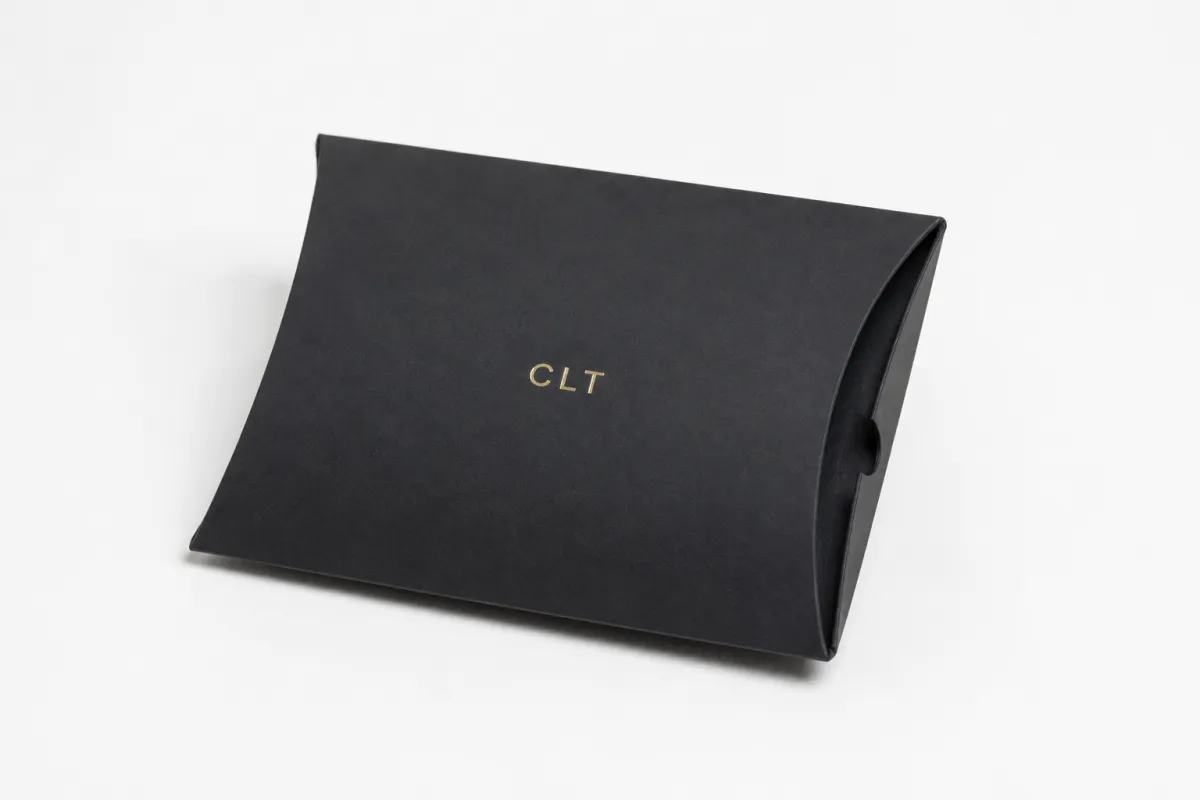
Branded tote bags for retail are store bags designed to do two jobs at once: move product safely and carry the brand outside the store. That sounds simple, but the economics are interesting. A paper bag is usually judged once, at checkout. A tote can be judged ten, twenty, or fifty times if the customer keeps using it for errands, work, gifting, or a weekend outing.
I think of branded tote bags for retail as mobile shelf space. They extend the store beyond the building and let the logo travel through parking lots, office lobbies, coffee runs, and city sidewalks. If the bag is sturdy enough to reuse, it becomes a small, low-friction brand impression machine.
The retail scenario is easy to picture. A $3 tote can make a $30 purchase feel more premium, especially if the product itself is modest in size. The reverse is true as well. A weak bag with thin handles, poor stitching, or a limp silhouette can kinda cheapen the whole transaction. From a packaging buyer's point of view, branded tote bags for retail are not decoration. They are part of the perceived value equation.
Customers read packaging faster than they read copy. They notice weight, texture, handle comfort, print clarity, and whether the bag feels like it belongs in the store. That is why branded tote bags for retail work best when they are chosen as part of a brand system, not as a last-minute add-on.
For retailers, the most useful way to think about branded tote bags for retail is through the questions buyers actually face:
- What problem does the tote solve at checkout?
- How much can we spend per unit without overbuying inventory?
- What material supports the brand and the product mix?
- How long will production take, and what can delay it?
- How will the bag perform after the sale?
Those are the right questions because they connect packaging to operations. In retail, operations always win eventually. A beautiful tote that is hard to store or impossible to issue on a busy Friday is just a headache in nicer clothing.
How Branded Tote Bags for Retail Work After the Sale
The strongest argument for branded tote bags for retail is what happens after checkout. Every reuse becomes another impression. Every carry-out to the office, the gym, the post office, or the train station turns one purchase into a series of small brand exposures. That repeated visibility often matters more than one loud ad because it occurs in normal life, where trust is built slowly.
Think about the environments where a tote shows up. Checkout is the obvious one, but not the only one. It appears in the car on the way home. Then on a desk. Then in a grocery run. Then in a social post if the bag looks attractive enough to be part of the frame. Branded tote bags for retail can quietly work in all those places without extra media spend.
Different retailers use branded tote bags for retail differently. Boutique stores often want the bag to reinforce premium positioning, which means heavier fabric, restrained artwork, and a cleaner silhouette. Bookstores care about capacity and comfort because shoppers may carry multiple titles and a drink. Gift shops use the tote as a memory object; the bag keeps the visit alive after the event ends.
That reuse matters because the bag becomes a loyalty asset. It is not loyalty in the software sense. It is loyalty in the tactile sense. A customer who likes the bag and keeps using it is still carrying the store through the week. For businesses that depend on repeat foot traffic, branded tote bags for retail can act like a low-cost reminder system.
There is also a practical sustainability angle. If the tote genuinely replaces multiple disposable bags, the value increases for both customer and retailer. The EPA has long encouraged waste reduction through reuse and recycling, and retailers who choose durable packaging can align with that thinking without turning the bag into a sermon. See the EPA's guidance on waste and recycling at epa.gov/recycle.
In practice, the best-branded tote bags for retail are the ones people want to carry more than once. That is the whole game. A bag that looks good but feels awkward will spend its life in a closet. A bag that holds shape, carries comfortably, and prints cleanly becomes part of the customer's weekly rhythm.
“If a tote is worth keeping, it is worth designing properly. If it is not worth keeping, the logo should not be on it in the first place.”
That quote may sound blunt, but it captures the logic well. Branded tote bags for retail are only effective if they live beyond the sale.
Branded Tote Bags for Retail Cost, Pricing, and MOQ
Cost is where branded tote bags for retail become a real buying decision instead of a design concept. Pricing is usually driven by five things: material, size, print method, handle construction, and quantity. Add finishing details such as reinforced stitching, gusset depth, or a custom color panel, and the quote can move fast.
The simple pattern is familiar to any packaging buyer. As quantity rises, unit cost falls. But a lower unit price is not automatically better. If the minimum order quantity is too large for your sell-through rate, the savings can disappear into storage, shrink, or obsolete inventory. That is why MOQ should be matched to turnover, not just to budget.
For branded tote bags for retail, a small store may do better with a tighter test run than with a bargain-price bulk order. Chain retailers, on the other hand, can absorb higher MOQs because they have multiple locations and steadier traffic. Seasonal programs sit somewhere in the middle. They often need enough volume to support the promotion but not so much that leftover stock becomes dead weight.
Here is a practical pricing snapshot. These are typical ranges, not promises, because artwork coverage, shipping mode, and supplier location can change the math quickly.
| Material / Style | Feel | Typical MOQ | Typical Unit Cost at 5,000 pcs | Best Fit |
|---|---|---|---|---|
| Non-woven tote | Light, value-oriented, flexible | 500-1,000 | $0.35-$0.85 | High-volume promotions, budget-conscious retail, event handouts |
| Cotton tote, one-color print | Soft, familiar, reusable | 250-1,000 | $1.10-$2.40 | Boutiques, bookstores, gift shops, premium checkout programs |
| Recycled PET tote | Structured, modern, sustainability-forward | 500-2,000 | $1.40-$3.10 | Brands with clear eco messaging and a more technical look |
| Heavy canvas tote | Durable, premium, heavier hand feel | 250-1,000 | $2.20-$5.50 | Luxury retail, gifting, loyalty rewards, higher-margin products |
The table is useful, but it does not tell the whole story. The quote may also include setup fees, tooling, proofing, shipping, rush charges, and reprints if the artwork arrives in the wrong format. A bag that looks cheap on paper can become expensive once freight and correction fees are added. On the other side, a slightly higher unit price can make sense if the bag is durable enough to be reused many more times.
For that reason, I recommend budgeting against cost per impression, not just cost per unit. If a cotton tote at $1.80 gets used 20 times, the implied cost per use is nine cents before you even account for brand visibility. A disposable paper bag at 25 cents may be cheaper at checkout, but it often disappears after one use. That is the comparison that matters.
Retailers should also ask suppliers whether the MOQ can be split across colors or sizes. Sometimes the answer is yes, sometimes not. For branded tote bags for retail, flexibility is valuable because it lets you test demand without locking in too much inventory. When possible, ask for a smaller pilot and a production quote on the scale-up order. That gives you real numbers to compare.
For more packaging-oriented examples, the retail packaging case studies on Custom Logo Things are useful because they show how volume, finish, and brand position change the economics of a tote program. A second set of packaging case studies can also help your team see how similar decisions play out across different store formats.
As a rule of thumb, compare three totals before you approve branded tote Bags for Retail:
- Unit price at the quoted quantity.
- Delivered price including freight, duties, and setup.
- Expected value based on reuse and customer visibility.
If one supplier is cheaper by 8% but the bag is weaker, the lower price is often false economy. Retail packaging has a way of revealing the truth quickly.
Branded Tote Bags for Retail Production Steps and Timeline
Production for branded tote bags for retail usually follows a predictable path. First comes the brief. Then specifications. Then artwork. Then proofing. Then sample approval if needed. Then production. Then quality inspection and shipping. The process is not complicated, but each step can stall if the handoff is sloppy.
The most common delay is artwork. A logo file that looks acceptable on screen may fail in production because it is too low-resolution, the colors are not defined in Pantone terms, or the placement leaves too little breathing room on the panel. Another delay comes from design changes after proof approval. A one-line logo tweak can reset the schedule by days, sometimes longer if the bag is already in the print queue.
Simple stock bags with one-color decoration often move faster than fully custom sizes, special handle lengths, or multi-color prints. In practical terms, a straightforward run may take 12-15 business days from proof approval, while a more customized branded tote bags for retail program can take several weeks depending on material and shipping mode. Air freight is faster but costs more. Ocean freight is slower but better for larger orders.
Retail calendars should drive the order date, not the purchase date. That sounds obvious, yet it is where many teams slip. Holiday assortments, store openings, anniversary promotions, and trade show giveaways all need buffer time for receiving, unpacking, and internal prep. If the bags need to be folded, stickered, or bundled before they reach the floor, add that time too.
When a supplier mentions transport testing or carton durability, it is worth asking what standard they use. Packaging groups often reference methods such as ISTA 3A for distribution simulation and related ASTM procedures for handling or durability testing. You can review industry context through ista.org and compare packaging principles at packaging.org. Not every tote order needs formal lab testing, but the logic is useful: if the bag or its carton will be shipped long distances, it should survive more than a pretty mockup.
For branded tote bags for retail, timing also affects sales-floor behavior. If staff is trained before the bags arrive, adoption is smoother. If the bags show up before the team knows when to issue them, they get tucked away and forgotten. That is not a design failure. It is an operational one.
Key Factors That Decide Which Tote Wins in Retail
Not every tote belongs in every store. The best branded tote bags for retail align with product weight, customer expectation, and brand voice. That alignment starts with material. Cotton usually feels more premium and lasts longer. Non-woven bags can work well for value-driven programs and high-volume handouts. Recycled PET can support sustainability messaging if the sourcing is credible and the visual style fits the store.
Structure matters just as much as material. A tote that is too small feels cramped. One that is too large can look wasteful or awkward for the basket size. The sweet spot is usually based on the most common purchase basket, not the largest one. If most transactions are one or two items, a medium tote with a clean gusset often performs better than a giant bag that swallows the product.
Print clarity is another make-or-break factor. A simple logo with strong contrast usually outperforms a busy layout. If the bag is seen from across a parking lot or across a cafe table, the mark needs to be readable at a glance. That is why branded tote bags for retail often work best with one bold brand element instead of three competing messages.
Comfort is not optional. Handle length, handle width, reinforcement, and stitch quality determine whether the bag gets reused. If the handles cut into the hand or shoulder, the customer will not enjoy carrying it twice. And if the bottom seam fails under a normal purchase, the bag sends the wrong message immediately. Good branded tote bags for retail feel easy to carry when loaded, not just impressive in a flat mockup.
Brand fit is the last filter, but it is the one many buyers underestimate. A tote should look like a natural extension of the store. A luxury brand does not need a loud giveaway look. A practical neighborhood shop does not need to mimic a high-fashion monochrome bag if that tone feels false. The tote should be consistent with what the customer already believes about the store.
Here is a simple decision lens that helps narrow the options:
- Premium positioning: heavier cotton, restrained print, stronger stitching, cleaner hand feel.
- Value positioning: non-woven or lighter cotton, efficient print, larger quantity, controlled cost.
- Sustainability messaging: recycled content, clear sourcing, durable construction, understated claim language.
- Gift or loyalty use: more structure, better finish, and a design customers will keep.
The environmental piece should stay honest. A recycled or reusable tote is only as credible as the sourcing and the use pattern. If the bag is built to last but the supply chain is vague, the message weakens. If the sourcing is documented and the bag is kept in use, the story is stronger. That is a better lens than broad slogans. Many retailers use FSC-certified paper elsewhere in their packaging mix, but tote decisions require a separate durability and reuse conversation.
For branded tote bags for retail, the right choice is rarely the cheapest one or the fanciest one. It is the one that fits the transaction, the margin, and the customer's real life.
Step-by-Step: Ordering Branded Tote Bags for Retail
Ordering branded tote bags for retail goes much more smoothly when the brief is clear before the first quote request goes out. Start with the use case. Is the tote for everyday purchases, premium gift packaging, an event handout, a loyalty reward, or a seasonal campaign? The answer changes everything else.
Next, build a spec sheet. Include dimensions, material, handle type, color palette, print area, target quantity, and target budget. If the supplier needs to guess at any of those items, the quote will be less useful. Better to be slightly over-specific than to leave room for assumptions that cost money later.
Request samples or mockups early. This is the stage where many teams save themselves from a bad decision. A tote may look balanced on screen and awkward in hand. The logo may seem large enough in a PDF and tiny once it is stitched or printed on a textured surface. Sampling reveals those problems before production starts.
Then check the details with a clean, boring eye. Spelling, placement, Pantone references, care instructions, and any required recycling language should all be checked carefully. Do not assume someone else on the team has reviewed them. In retail packaging, one missed character can turn a polished run into a correction order.
Once approved, build a launch plan. Decide where the bags will be stored, who will issue them, whether staff needs a script, and how many should be on each register or display. Branded tote bags for retail only perform well if the operational side is ready. A great tote in the back room is just inventory.
Here is a clean ordering sequence that works well in practice:
- Define the retail use case and target shopper.
- Choose material, size, handle, and decoration method.
- Request at least two quotes at different volumes.
- Review mockups and ask for a physical sample if the program is important.
- Approve art only after a final proof check.
- Confirm delivery date against your promotion calendar.
- Receive, inspect, and store the bags with a clear issue plan.
That process sounds simple because it is. What changes the outcome is discipline. Branded tote bags for retail reward teams that slow down for specification and speed up only after approval. If the team is a little more careful up front, it usually saves a lot of money later.
Common Mistakes Retailers Make With Tote Bags
The biggest mistake is chasing the lowest unit price without asking what the bag will do. A cheap tote that tears after one or two uses creates a worse impression than no tote at all. Customers notice failure fast. In fact, they often remember a bad bag longer than a good one because disappointment is sticky.
Another common error is oversizing the branding. Logos that are too small disappear. Logos that are too crowded feel busy and undercut the premium effect. The right answer is usually somewhere in the middle: a clear logo, good contrast, and enough empty space for the design to breathe. Branded tote bags for retail need legibility first.
Inventory planning causes its own problems. Retailers sometimes buy too many bags before they know whether the style will move. That ties up cash and can leave outdated stock in the back room. The opposite error is ordering too few and paying for rush production later. A short run can be useful for testing, but a short run with bad timing is just expensive stress.
There is also a mismatch problem. A tote that suits boutique apparel may not suit grocery-style volume. A utility bag may be perfect for a practical shop and completely wrong for a luxury brand voice. The best branded tote bags for retail match both the product and the personality of the store.
Staff handling creates another weak point. If the bag is awkward to fold, hard to issue, or stored in the wrong place, even a strong design can feel like friction at the register. Customers notice hesitation. A smooth handoff feels polished. A clumsy handoff makes the store look less organized than it really is.
For a quick internal review, ask these questions before you approve the order:
- Will this bag survive the likely load weight?
- Will the logo read clearly at arm's length?
- Can we store this quantity without clutter?
- Does the style fit our price point?
- Will the staff know when to issue it?
If the answer to any of those is no, branded tote bags for retail need another pass before production.
Expert Tips and Next Steps for Better Tote Orders
The smartest way to improve branded tote bags for retail is to run a pilot. Test one style with a limited store group, one season, or one category before rolling it across the full chain. That gives you real data on handling, customer reactions, and reorder need. Packaging teams often make better decisions after one small controlled run than after a long design meeting.
Track three metrics only. Keep it simple. First, how often do stores ask for reorders? Second, what do customers say at checkout? Third, do you actually see the bag reused outside the store? Those three signals tell you more than a long internal debate. If a tote is reused often and requested again by staff, it is earning its space.
One good design choice can sharpen the whole program. A bold logo may be enough. In other cases, a signature store color or a distinctive handle finish can make the bag more memorable without raising cost much. Branded tote bags for retail do not need to be loud to be effective. They need to be recognizable and worth carrying.
Material trials help too. Cotton feels different from non-woven. Recycled PET sends a different signal from canvas. Ask a few team members to carry the samples home, load them with real purchases, and live with them for a day or two. That small bit of use will reveal comfort issues that a tabletop review never catches.
If you are refining a larger packaging program, tie the tote to the rest of the store experience. Receipt design, tissue paper, box labels, and carryout bags should all feel like they came from the same brand point of view. The tote does not have to match everything exactly, but it should feel related. That kind of consistency is subtle, and customers feel it even when they do not name it.
Before you place the next order, keep this short checklist close:
- Is the tote sized for the average basket, not the largest one?
- Will the artwork stay readable after printing?
- Does the chosen material fit the brand story and price point?
- Have freight, duties, and setup fees been included in the budget?
- Is there a plan for storage, issue, and reordering?
Those checks do not slow a good program down. They keep branded tote bags for retail from becoming an expensive guess. That is the part teams usually feel later if they skip the work up front.
FAQ
What are branded tote bags for retail best used for?
They work well for everyday carryout, premium gift packaging, seasonal promotions, loyalty rewards, and store openings. The strongest programs use them where the bag will be seen and reused, not where it will be tossed after one trip home.
Which material is best for branded tote bags for retail?
There is no single best choice. Cotton suits premium and reusable programs, non-woven fits budget-conscious volume, recycled PET supports sustainability messaging, and heavy canvas feels strongest for higher-end retail. The right material depends on the store's price point and the customer's expected use.
How many branded tote bags for retail should a store order?
Order against turnover, not just against MOQ. A high-traffic chain can support a larger run, while a boutique may need a smaller test quantity first. Match the order size to expected sell-through so the stock does not sit too long.
How long does production usually take?
Simple runs can move in a couple of weeks after proof approval. Custom sizes, special construction, or multi-color print may take longer. Holiday or event timing should include extra buffer for freight, receiving, and in-store prep.
Do branded tote bags for retail help with sustainability?
They can, if the bag is durable enough to be reused and the sourcing is honest. A tote that replaces several disposable bags has a clearer environmental case than a bag that is used once and discarded. Reuse is the part that matters most.
What should retailers check before approving artwork?
Check logo placement, color references, spelling, handle balance, print area, and any required care or recycling language. A careful proof review prevents corrections that slow production and add cost.
How can a retailer make branded tote bags for retail feel more premium?
Use stronger fabric, cleaner construction, a simpler layout, and handles that feel comfortable in the hand. Premium does not always mean more decoration. Often it means better proportion, better material, and less clutter.
Branded tote bags for retail earn their place when they fit the store, survive real use, and carry the brand beyond checkout. If you remember just one thing, make it this: choose the tote the way you would choose a fixture or a counter display, because it is doing real work for the brand every time someone leaves the store with it in hand.

