Buyer Fit Snapshot
| Best fit | Branded Void Fill Paper for Ecommerce projects where brand print, material claims, artwork control, MOQ, and repeat-order consistency need to be specified before quoting. |
|---|---|
| Quote inputs | Share finished size, material target, print colors, finish, packing count, annual reorder estimate, ship-to region, and any compliance wording. |
| Proofing check | Approve dieline scale, logo placement, barcode or warning zones, color tolerance, closure strength, and carton packing before bulk production. |
| Main risk | Vague material claims, crowded artwork, missing packing details, or unclear freight terms can make a low unit price expensive after revisions. |
Fast answer: Branded Void Fill Paper for Ecommerce: Cost, Fit, Value should be specified like a repeatable production item. The safest quote records material, print method, finish, artwork proof, packing count, and reorder notes in one written spec.
Production checks before approval
Compare the actual filled-product size with the drawing, then confirm tolerance on folds, seals, hang holes, label areas, and retail display edges. Reserve space for logos, QR codes, warning copy, and material claims before decorative graphics fill the panel.
Quote comparison points
Review material grade, print process, finish, sampling route, tooling charges, carton quantity, and freight assumptions side by side. A quote is only useful when the supplier can repeat the same color, closure quality, and packing count on the next order.
A product can arrive intact and still disappoint. A carton that rattles, slumps, or opens to a bare interior sends the wrong signal before the customer even touches the item, and that is the point where Branded Void Fill paper for ecommerce starts earning its keep.
For a growing brand, void fill does more than occupy empty space. It stabilizes the item, shapes the first tactile impression, and makes the inside of the box feel considered rather than improvised. That matters whether the shipment holds one fragile piece, a bundled set, or a premium product that should feel cared for from the first moment.
The sourcing side gets ignored more often than it should. Void fill can serve as protection, branding, and warehouse support at the same time, yet those goals do not always fit neatly together. The strongest programs balance performance, lead time, and landed cost instead of chasing the lowest quoted price on paper alone.
What branded void fill paper actually changes
Void fill sounds straightforward until you watch what happens inside a carton in transit. A product does not need to be crushed to be damaged; it only needs enough room to slide, tip, or bounce against the corrugated walls several times over the course of a rough delivery route. Repeated movement creates scuffs on finishes, distorts secondary packaging, and turns a clean unboxing into something that feels loosely packed.
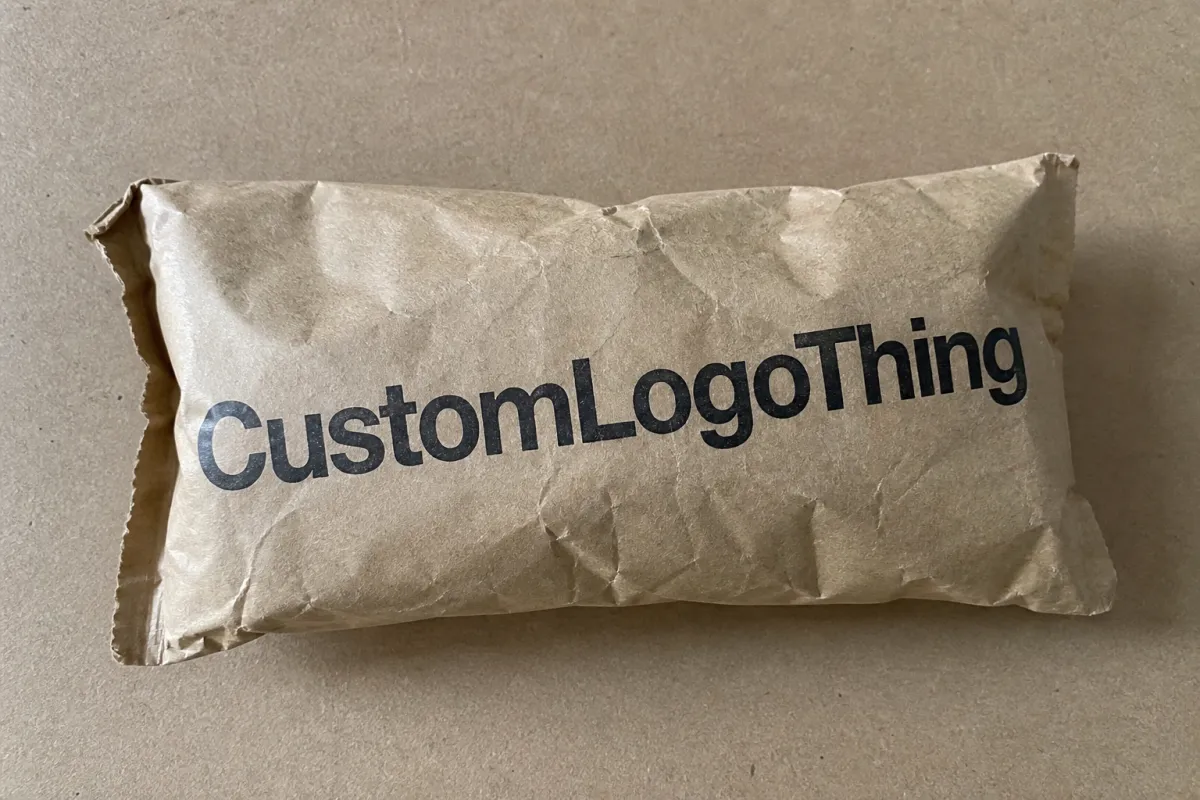
Branded Void Fill Paper for ecommerce changes that outcome in two ways. First, it occupies empty space so the product stays centered. Second, it adds a visual layer that can carry color, pattern, messaging, or a restrained premium feel. In practical terms, it is paper-based dunnage, crinkle fill, shredded paper, layered tissue, or another paper format designed to cushion, stabilize, and present the item with more care than a blank carton interior.
For a packaging buyer, the real benefit is not protection alone. A box that opens to neat, branded paper feels deliberate. Customers read that as higher care before they ever reach the product. That impression can matter as much as a printed mailer or a custom insert, especially for beauty, accessories, specialty foods, gifts, and direct-to-consumer products that depend on repeat orders and social sharing.
The decision usually breaks into three separate questions: how the fill performs, how it is sourced, and what it costs after freight and labor are included. Those are related, but they are not interchangeable. A fill format that looks inexpensive per pound can still become the costliest choice if it slows packing, takes too much warehouse space, or forces a larger carton than the item actually needs.
If the carton closes easily, the product stays centered, and the inside still looks clean on opening, the fill is doing its job. If any one of those pieces fails, the warehouse may save pennies and lose dollars on damage, returns, or weak presentation.
That is why brands often test more than one format. For one SKU group, a loose crinkle paper may provide enough hold and visual fullness. For another, a denser layered paper may work better because it resists settling during transit. A third product may need a combination of paper fill and a corrugated divider so heavier components do not touch each other.
There is also a useful operational lens here. A packing line that uses 4 seconds less material-handling time per order saves more than it sounds like. At 1,000 orders a day, that is more than an hour of labor reclaimed. The economics of void fill are rarely dramatic on a single parcel, but they become visible at scale.
How branded void fill paper works inside the carton
Paper fill works by creating friction, pressure, and shape control. It is not trying to immobilize the product the way a molded insert would. Instead, it reduces lateral movement so the item does not keep striking the carton wall or another item during handling. That is enough for many ecommerce shipments, especially where the product already sits in its own retail box or arrives in a stable primary package.
Compared with loose plastics, paper usually gives a more natural interior presentation and a different handling profile. Air pillows can be fast and light, but they often leave visible gaps unless the box is sized very tightly. Foam can protect well, yet it raises different sustainability questions and usually tells a less recyclable story to the customer. Molded pulp has its place, but it behaves more like a formed insert than a flexible void fill. Paper sits in the middle: adaptable, visual, and easier to tune in small increments.
Branding enters through color, repeated artwork, custom print messaging, or a particular paper texture. Even modest print coverage can change the feel of the carton. A light kraft shade with a simple repeating logo reads differently from a bold colored crinkle fill, and both read differently again from unprinted natural paper. The strongest versions match the brand voice without crowding the product.
Physical limits still apply. Too much fill and the parcel becomes hard to close. Too little and the product still moves. A format that is too bulky can raise dimensional weight and shipping spend, while a very light format may not hold nested items in place. The warehouse team matters here too. If the dispenser jams often, requires too much hand manipulation, or slows down the pack bench, fill usage becomes uneven and the operation pays for it later.
Warehouse behavior matters as much as material selection. A good void fill format is one that packers can use consistently, quickly, and with the same result from order to order. If the process depends on a few highly trained people to make it work, it is not ready for a growing ecommerce operation.
For teams that want more context on how protective packaging decisions are evaluated in practice, the packaging case studies on Custom Logo Things can be a helpful starting point, because the right solution usually depends on product weight, carton size, and packing motion rather than one universal rule.
Two standards groups are useful reference points here. ISTA publishes transport testing practices that help brands think about shipping abuse, while the FSC system matters for buyers who want traceable fiber sourcing in paper-based packaging. Those are not the only considerations, but they are solid anchors for a more disciplined spec conversation.
I tend to think of Branded Void Fill as a small interior architecture. It does not replace the carton, the closure, or the primary package. It supports them. That support only works if fill density, carton fit, and product geometry are treated as one system.
Cost, pricing, and MOQ factors for branded void fill paper for ecommerce
The price of branded Void Fill Paper for ecommerce is shaped by a handful of variables that stack up quickly. Paper grade is one. Basis weight is another. Then there is print coverage, number of colors, whether the paper is crinkled or layered, how it is converted for dispensing, and whether the order uses a stock-friendly format or needs a fully custom setup. A simple one-color repeat on a standard kraft substrate is usually easier to price than a heavy-coverage branded fill with a special cut pattern.
MOQ matters because setup costs do not vanish just because the material looks simple. A converter still has to prepare print, run the line, check color, and package the finished product. That means a small run can carry a much higher unit cost than a larger replenishment order. Many programs land in the range of a few hundred pounds to a few thousand converted units as a practical minimum, though the exact threshold changes with format and print complexity.
Total landed cost usually tells the real story. Freight can erase the savings from a cheap unit price if the paper is bulky. Storage can matter if the fill arrives compressed in a way that takes too much pallet space. Packing labor matters too, because a slower fill format may consume more employee time per order. In some operations, a format that costs a little more per pound still wins because it packs faster and creates less waste at the workstation.
Here is a simple comparison that shows how the economics usually differ.
| Option | Typical Cost Profile | Common MOQ Range | Best Fit | Operational Notes |
|---|---|---|---|---|
| Plain kraft crinkle | Lowest starting cost; often the easiest to source | Lower to moderate | General protection with minimal branding needs | Good for testing pack volume and carton fit before printing |
| Custom printed crinkle | Moderate cost increase; setup and print coverage add price | Moderate to higher | Brands that want visible identity in the box | More useful when unboxing is part of the customer experience |
| Heavy-coverage branded layered paper | Higher cost; more material and conversion steps | Higher | Premium shipments with stronger presentation goals | Can add weight and storage demand, so test carton size carefully |
| Stock-compatible printed fill | Balanced cost; often better for repeat replenishment | Moderate | Growing brands that need predictable supply | Usually easier to reorder than a fully bespoke format |
For many buyers, the question is not “What is the cheapest paper?” but “What does each shipment cost once labor, freight, and damage are included?” A fill that uses $0.10 less material per order can still lose if it takes 10 to 15 seconds longer to pack or if it causes more returns on fragile SKUs. That is especially true for brands shipping across mixed carton sizes, because the fill volume per order can vary a lot.
Carton mix changes the math more than many teams expect. A brand shipping one rigid product in a tightly fitted box may need very little fill. Another brand shipping bundles, gift sets, or nested products can use two or three times that amount per order. The second brand may accept higher fill cost if the inside presentation is stronger and the product is held more securely. The first brand may need almost no branding on the fill at all.
When you request quotes, the supplier needs enough detail to price the job accurately. That includes carton dimensions, product dimensions, monthly volume, expected order variability, preferred paper color, print style, whether the fill will be hand-dispensed or machine-dispensed, and what the buyer is trying to optimize. A supplier cannot price for sustainability, premium presentation, and minimum cost all at once unless the priorities are clear.
A useful rule of thumb: if the quote looks unusually cheap, ask what it excludes. Some prices cover the paper but not print setup, special packing, pallet protection, or shipping to multiple facilities. Others assume a carton size that is more favorable than the one actually used in the warehouse. The safest comparison is always like-for-like, with the same volume assumptions and the same fulfillment method.
If you are sorting through price structures for a larger packaging program, it can help to compare the void fill quote against other interior packaging choices in the same portfolio. The same purchase logic used for mailers, labels, and other branded consumables often applies here too, especially if the brand plans to standardize across multiple fulfillment centers or seasonal programs.
Process, timeline, and lead time checkpoints for custom paper
A custom paper project usually starts with a brief, not a print file. That brief should describe the product, the carton, the shipping method, and the warehouse motion. Once those inputs are clear, the supplier can narrow the paper grade, print method, and conversion style. Skipping that early step is one of the most common reasons projects drift, because the team ends up approving artwork for a format that does not pack the way they expected.
The normal sequence is simple enough: needs assessment, spec selection, artwork prep, proofing, sampling, final approval, conversion, and shipping. Each step can move quickly or slowly depending on how clear the buyer is. If the brand colors need a careful match, expect at least one extra proof round. If the paper has to fit a dispenser or feed through a specific workflow, samples should be tested in the actual packing station, not only on a desk.
Lead time also changes depending on whether the order is a reprint of an existing format or a first-time custom job. A reprint can move relatively fast if the paper, print, and conversion setup already exist. A first run usually takes longer because the supplier has to confirm the artwork, check the repeat pattern, and verify that the material behaves correctly in production. For planning purposes, many teams leave room for several weeks from approved spec to first delivery, and more if there is a new color standard, a new conversion format, or freight delays to account for.
Here are sensible checkpoints to build into the calendar:
- Request samples before the launch calendar gets tight.
- Lock the paper grade and fill format before final artwork approval.
- Test the material in the warehouse with the actual carton and product.
- Approve proofs only after color and repeat pattern are checked carefully.
- Place the replenishment order before stock falls below the safety threshold.
That last point matters more than people think. Void fill is often treated like a low-risk consumable until it runs out during a campaign spike or seasonal surge. Then the warehouse has to change materials at short notice, which can alter the unboxing experience or create a fill mismatch that was never part of the plan.
For brands that want a more rigorous approach, it helps to think about transit validation at the same time you think about print approval. Testing methods from organizations like ISTA give buyers a way to connect packaging decisions to real shipping conditions rather than relying on a single sample photo or a guess from the office.
If the project involves multiple fulfillment sites, the timeline should also account for training and rollout, not just production. A fill that works beautifully in one location can be used inconsistently in another if the pack stations, employee habits, or carton mix differ. Those differences are usually small on paper and large in practice.
If you need broader planning support, the best packaging programs are built with launch dates, reorder points, and supplier cutoffs mapped out together. That is easier on the warehouse, and it reduces the chance that a new branded fill arrives after the campaign it was meant to support.
Step-by-step guide to specifying branded void fill paper for ecommerce
The most reliable way to specify branded void fill paper for ecommerce is to start with the package, not the print. Product size, weight, fragility, carton dimensions, and the amount of empty space are the real starting point. A small glass bottle in a snug mailer needs a very different fill strategy than a bundled gift set in a larger shipping carton. One needs tight stabilization. The other may need stabilization and presentation together.
After the shipment profile is clear, choose the functional format. Crinkle paper is common because it expands well and creates a fuller look. Layered or shredded paper can behave differently, especially in the way it settles. Some programs use a tissue-like paper for a neater presentation, while others want a more dimensional fill that visually reads as premium and protective. The right answer depends on how much cushioning you need, how visible the fill should be, and how your team packs orders on the line.
Then comes the branding brief. This is where many programs go too far, too early. A strong fill design does not need to shout. It needs to support the brand without turning the carton interior into a cluttered advertisement. Logo placement, color count, repeat spacing, and message tone all matter. A subtle repeat can look more premium than a crowded print, especially if the product itself already carries the brand identity.
A practical test plan should include both shipping performance and packer behavior. Measure how long it takes to pack a sample order, whether the fill dispenses evenly, whether the product shifts after closure, and how the carton looks once the item is removed. If possible, test two or three options side by side using the same product, same carton, and same packing station. That comparison will tell you far more than a sample sheet ever can.
A useful specification checklist often includes the following:
- Product dimensions and weight range
- Carton size and internal void space
- Paper grade and basis weight
- Fill format, such as crinkle, layered, or shredded
- Print style, color count, and repeat length
- Warehouse dispensing method
- Monthly volume and reorder threshold
- Packaging goals: protection, presentation, sustainability, or cost control
It also helps to set the expectation that the spec may need a second pass after the first production run. That is normal. A fill that looks perfect on the sample table can behave slightly differently in a real warehouse under production pace. The best teams treat that as data, not failure, and adjust the repeat, fill volume, or dispense method before the next order.
Once the spec is locked, keep the documentation simple and visible. Warehouse training notes, reorder codes, carton pairings, and approved proofs should all live in one place. If the pack team can identify the approved fill quickly, the chance of a substitution drops sharply.
Brands that want to see how this kind of structured rollout looks in real packaging programs can review the void-fill packaging case studies and compare how different product types are handled. The right spec usually emerges from that kind of comparison, not from a generic material description.
Common mistakes that raise damage, waste, or cost
The first mistake is choosing by appearance alone. A beautiful interior does not matter if the product still slides. Once that happens, the fill becomes a marketing expense with weak protective value. Good-looking fill should still be judged by movement control, carton closure, and packing consistency.
The second mistake is oversizing the void fill. Too much paper makes the box harder to close, slows pack speed, and can increase shipping volume. It also creates a hidden labor problem, because packers may need to pull, fluff, or rearrange the fill to make the carton close cleanly. That slows the line and can lead to sloppy, inconsistent packing habits over time.
The third mistake is using one format for every SKU. A lightweight apparel order and a fragile glass order do not need the same density or the same fill pattern. A rigid retail box may need only stabilization, while a loose assortment may need more hold. Standardization sounds efficient, but in packaging it can create exactly the wrong kind of waste if it ignores product differences.
The fourth mistake is skipping warehouse training. If the fill looks easy on a sample table, teams often assume it will explain itself on the floor. It does not. Packers need to know how much to use, where to place it, and what a good finished carton should look like. Without that guidance, the fill gets overused, underused, or handled in a way that varies by shift.
The fifth mistake is overlooking durability and supply planning. Some printed paper holds up well in storage and transport. Some does not, especially if it sits in damp conditions or is stacked where edges get crushed. If the replenishment plan is thin, a late shipment can force the warehouse to change materials at the worst possible moment. That is how a premium packaging decision turns into a recurring headache.
The most expensive void fill is often the one that creates hidden costs: extra labor, more returns, larger cartons, and a customer who opens the box and feels the brand was careful with decoration but careless with protection.
There is also a sustainability mistake that shows up often. Teams will ask only whether the fill is paper, then stop there. The better question is how much paper is used, what fiber claims apply, and whether the carton system is still efficient enough to justify the material choice. Paper can be the right answer, but only if the overall package stays lean and functional. If sustainability is a key claim, look for traceable sourcing and verify any certification language before it goes on pack.
For brands that want a cleaner fiber story, the sourcing conversation often includes FSC-certified paper options. That does not replace thoughtful design, but it can support a more credible materials story when the paper is part of the customer-facing packaging.
Another easy-to-miss mistake is assuming a branded interior automatically improves the brand. If the print is too busy, too dark, or too generic, it can feel closer to promotional filler than packaging. Restraint usually reads as confidence. In packaging, that is often the difference between premium and noisy.
Expert tips and next steps for a smarter rollout
The best rollout is rarely all at once. A narrow pilot on a few SKUs gives you the clearest read on damage rates, pack time, and customer reaction. Choose items that represent different carton sizes or different fragility levels, then compare the results. A small pilot usually shows whether the fill is too bulky, too flat, too slow to dispense, or just right for the operation.
Ask suppliers for side-by-side samples in the actual carton, with the actual product. That sounds basic, but it saves a lot of guesswork. A sample sheet on a desk tells you almost nothing about how the fill behaves once it is compressed against a real item and closed inside a moving parcel. The more realistic the test, the more trustworthy the result.
A simple decision matrix can keep the team grounded. Weight protection, presentation, unit cost, storage footprint, and supply reliability should all be scored before the reorder discussion starts. If one option is prettier but much slower to pack, that should show up in the scoring. If another is cheaper but creates more product movement, that should be visible too. Good packaging decisions tend to emerge from tradeoffs that are written down instead of argued from memory.
Build a reorder threshold early, especially for custom print. Once the fill is part of the brand experience, running out becomes more than an inventory issue. It changes the unboxing moment. A safety stock level based on monthly usage and lead time is a simple way to avoid that problem. For seasonal businesses, that buffer should be larger before demand spikes.
One more practical point: document what works after the first run. The first spec rarely needs to be perfect forever. A small shift in paper density, repeat length, or carton size can improve pack speed and reduce waste. The most useful packaging systems are the ones that keep getting sharper after each production cycle.
If you want the rollout to stay organized, treat branded void fill paper for ecommerce as a repeatable system, not a one-time purchase. That mindset makes it easier to manage cost, Fit, and Value together, and it usually leads to cleaner cartons, fewer surprises, and a better first impression for the customer.
For a practical next step, start with one SKU family, one carton size, and one clear goal: reduce movement, preserve presentation, or tighten labor. If those three variables are not defined before sourcing begins, the spec usually drifts and the quote comparisons become misleading. A disciplined pilot beats a broad rollout that looks polished but behaves inconsistently.
Is branded void fill paper for ecommerce better than air pillows?
It is usually better when the brand wants a more premium unboxing feel, less plastic in the carton, and a filler that can be printed or colored for identity. Air pillows can be lighter and faster to deploy in some operations, but they do not create the same tactile presentation or visual continuity inside the box. The better choice depends on product weight, carton void shape, packing speed, and whether the brand values presentation, recyclability, or the lowest material cost.
How much branded void fill paper do I need per order?
The right amount depends on carton size, product weight, and how much empty space remains after the item is centered and protected. A good starting point is to test a few pack configurations and measure how many linear feet or sheets are used per shipment, then average it across the SKU mix. If the packer is overfilling to make the box look full, the spec should be adjusted because the goal is to stabilize the item, not stuff the carton.
What affects the price of branded void fill paper most?
Paper grade, print complexity, and order quantity usually have the largest effect on price, especially when custom colors or heavier basis weights are involved. Conversion method matters too, because special cutting, crinkling, or dispensing formats can add labor and setup cost. Freight, storage, and packing efficiency also matter, so the cheapest quote is not always the lowest total cost.
How long does custom branded void fill paper take to produce?
Lead time depends on whether the format is already in production or if the project requires new artwork, new dimensions, or a custom conversion step. Proofing and sample approval can add time, especially if the brand wants color matching or needs to test the paper in a specific packing workflow. The safest approach is to build time for sampling, approval, and replenishment before a launch or seasonal peak.
Can branded void fill paper reduce product damage in transit?
Yes, if it is selected and packed correctly, because it limits shifting, cushions smaller impacts, and helps the product stay centered during shipping. It is most effective when the carton size, product shape, and fill density are matched instead of using a one-size-fits-all approach. For fragile products, it should be part of a broader protection system that may also include corrugated inserts, partitioning, or stronger carton construction. Done that way, branded void fill paper for ecommerce supports both protection and presentation, which is usually where the best packaging programs earn their keep.