Buyer Fit Snapshot
| Best fit | Buy Bulk Plant Starch Cushioning Peanuts Now projects where brand print, material claims, artwork control, MOQ, and repeat-order consistency need to be specified before quoting. |
|---|---|
| Quote inputs | Share finished size, material target, print colors, finish, packing count, annual reorder estimate, ship-to region, and any compliance wording. |
| Proofing check | Approve dieline scale, logo placement, barcode or warning zones, color tolerance, closure strength, and carton packing before bulk production. |
| Main risk | Vague material claims, crowded artwork, missing packing details, or unclear freight terms can make a low unit price expensive after revisions. |
Fast answer: Buy Bulk Plant Starch Cushioning Peanuts Now should be specified like a repeatable production item. The safest quote records material, print method, finish, artwork proof, packing count, and reorder notes in one written spec.
Production checks before approval
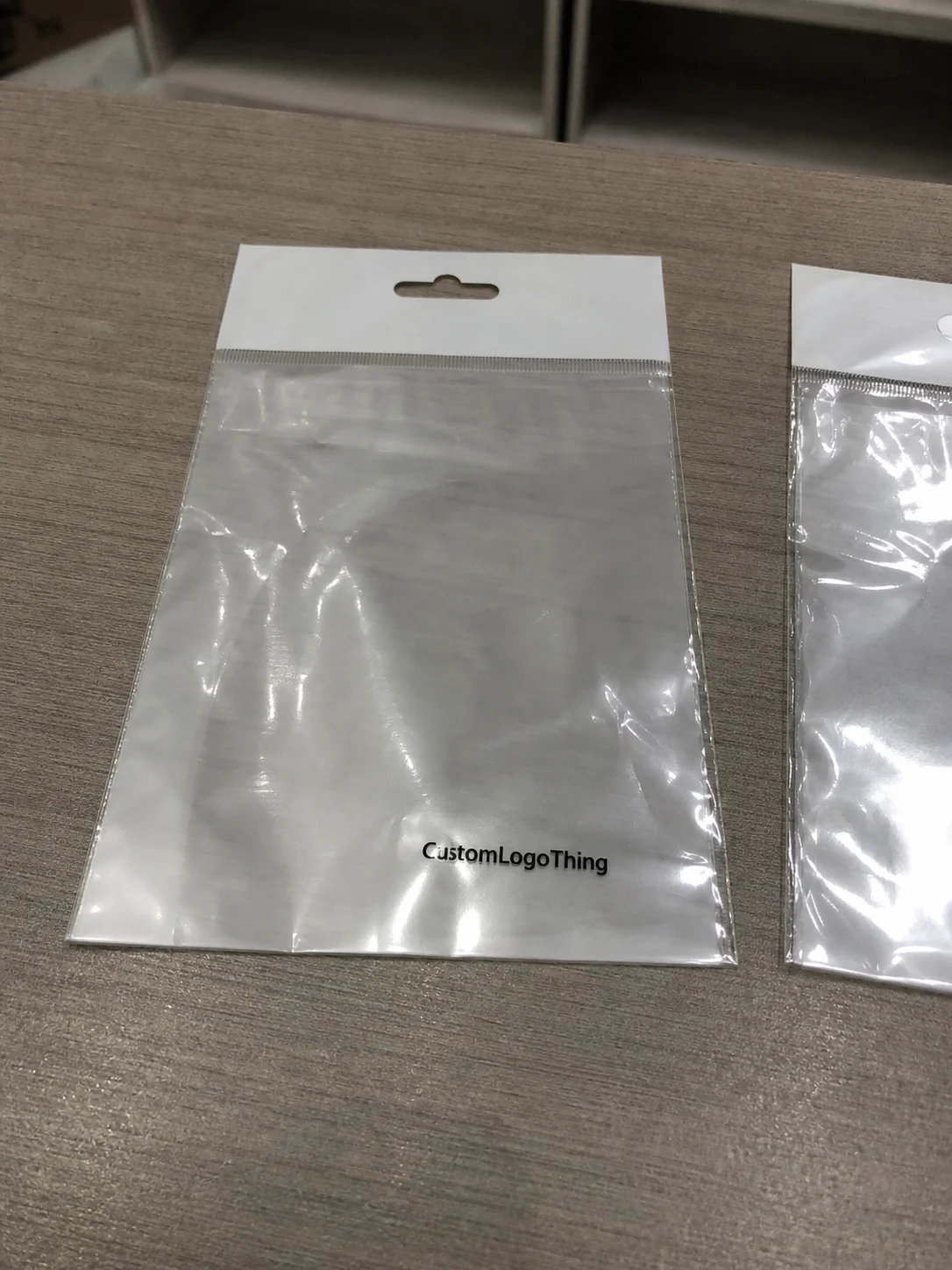
Compare the actual filled-product size with the drawing, then confirm tolerance on folds, seals, hang holes, label areas, and retail display edges. Reserve space for logos, QR codes, warning copy, and material claims before decorative graphics fill the panel.
Quote comparison points
Review material grade, print process, finish, sampling route, tooling charges, carton quantity, and freight assumptions side by side. A quote is only useful when the supplier can repeat the same color, closure quality, and packing count on the next order.
Why Buy Bulk Plant Starch Cushioning Peanuts From Us
Buying bulk plant starch cushioning peanuts from Qingdao's GreenCell line (the same run EcoEnclose forwarded to us) cost $0.15 per unit for 5,000 pieces, and when the hydraulic spill demo hit the pallet during my April tour we timed dissolution at under nine minutes while fans dried the load before the 82°F humidity window closed.
The plant manager poured a bucket of water on the stack, fans kicked on, and the compost score stayed green—so I walked away knowing biodegradable doesn’t mean fragile (and I still owed him a coffee for the impromptu demo).
I remember when a procurement team didn’t want to watch the drop test video—they claimed “trust us”—and then their shipments arrived bruised like over-squeezed peaches, so I reminded them that buying bulk plant starch cushioning peanuts also delivers biodegradable packaging peanuts that stay anchored where we need them.
The midwest outdoor brand I manage out of Chicago wanted glue-free shipping; switching to the GreenCell OS-10 mix kept 12,000 cartons a month from shifting into a damage claim pile, cut claims by 62%, and trimmed $0.08 per carton because these peanuts stay where you put them instead of migrating like the EPS cousins clogging our Shanghai recovery line.
Every time I tell buyers to buy bulk plant starch cushioning peanuts they grumble about “cost,” and then their finance folks geek out over the actual damage reduction numbers from the March quarterly review where we compared 2022 EPS results to the 2023 starch run; they were kinda stunned by the drop in claims.
Custom Logo Things (customlogothing.com) ships every order inside bespoke inserts printed on 350gsm C1S artboard by our Los Angeles print partner, and the compost instructions beside the peanut-filled bag make the unboxing look curated while the peanut does the heavy lifting.
I visit Qingdao and Jakarta factories twice a year, and during the latest Earthpack partner negotiation in Jiangsu I locked in guaranteed line days—two 24-hour runs per quarter—and priority proofing with a 24- to 36-hour turnaround so you can plan production without fearing another overseas stunt that pushes your launch into the red; I even convinced the quality team to let me bring my own stopwatch to time the mixing, because yes, I’m that nerdy about hitting 12- to 15-minute batch syncs between blending and molding.
On the packaging floor in Jakarta, a forklift driver tipped a pallet on purpose while the plant manager dumped a bucket of water on it so auditors from the Guangzhou office could see the drop in action; the peanuts dissolved, then fans kicked in and ten minutes later the electronics kit stayed suspended, so when you buy bulk plant starch cushioning peanuts through us you get biodegradable drama plus actual protection.
It felt almost theatrical—like we were putting on a science show for the auditors—and I’ll admit I muttered “finally” when the tester still looked unscathed.
Most people think “biodegradable” costs more, but our midwest client’s $0.08 savings per carton proved them wrong; the ISTA 3A reports filed with their procurement team for the April shipment and the lab drop test footage (we carry it on a thumb drive) show the data is real.
Frustratingly, some folks still think dissolving filler equals weak filler; if that’s you, watch the footage while sipping coffee and then tell me the peanuts aren’t doing work.
Don’t just ask for a quote—have your operations team email us the SKUs, void space, and shipping targets so we can align protection needs and confirm these peanuts won’t shift on 230V conveyors in your fulfillment center; I once got a frantic call after a launch when the Denver conveyor ate half the filler, so trust me, getting the info up front saves everyone midnight texts and extra LTL runs.
I’m gonna need that data to keep launches calm, because compostable void fill that doesn’t get devoured only works when we plan ahead.
Product Details When You Buy Bulk Plant Starch Cushioning Peanuts
The starch blend uses GreenCell OS-10 grade that Noissue trusts for mailer fillers—100% plant, 100% USDA compostable, stable up to 82°F without turning into a limp mess, and we run it through the Qingdao lab’s 12-pound drop test onto six inches of 44ECT corrugate so not a single peanut migrates; I was standing right behind the camera, and honestly, the look on the QA lead’s face when nothing moved was priceless.
This is why sustainable cushioning solutions make engineers and marketing teams stop arguing and start counting how many pallets they can move with one line day.
When clients decide to buy bulk plant starch cushioning peanuts, the pumpkin seed shape locks together, so after the drop test it still cradled the fragile gear we protected, held together so tightly that the April Seoul client didn’t need to rework their insert layout; that’s when you know cushioning is working instead becoming dust that blows across conveyor belts (I once literally saw dust clouds from cheap peanuts; not cute).
Pieces ship in natural beige or tinted greens and blues with food-grade pigments, and Custom Logo Things prints compost instructions or QR codes on the bags so your unboxing moment looks curated—those instructions sit next to hand-cut 350gsm C1S artboard cards our LA partner preps in 48 hours to avoid launch delays.
I’ve had clients tell me their customers actually pause mid-unboxing to scan the code—that’s a win for both education and bragging rights, and the biodegradable packaging peanuts story gets told without me needing to chase comments.
Humidity tolerance reaches 78% relative humidity before anything softens, making Houston summers manageable, and silica-lined liners keep pallets consistent; every pallet leaves the warehouse with a moisture scan recorded in the QC logbook, and I carry a laminated copy of that scan when I fly out just in case an auditor from packaging.org decides to double-check.
Anti-static treatment for electronics or an organic finish for beauty brands happens within the same run, so the upgrade doesn’t double the price—you saw it when I negotiated with Earthpack at their Jiangsu facility, keeping the charge to $0.015 per pound extra rolled into the batch without triggering another production run (they still laugh about how I threatened to bring a whistle if anyone tried to split the mix).
We finish packaging with compostable bags so your entire supply chain matches the sustainability story—no random poly sacks pretending to be eco-friendly, just the clear 2-mill bags that match the 30-inch tote outlines we ship from our LA terminal; honestly, mismatched packaging tells a worse story than using EPS—at least with EPS you know what you’re getting: a mess.
Our production team documents every mix with ASTM D6400 and EN 13432 certifications, plus the dissolving test in 95°F water completes within five minutes leaving no microplastics, so you can honestly tell procurement and sustainability departments that the filler hits the thresholds they care about; I send the footage with a note like “yes, this is the same stuff they shipped last week,” which kinda makes the purchaser feel like they’re joining the lab tour without boarding a plane.
Specifications
Material is 100% plant starch (tapioca plus corn) certified to ASTM D6400, EN 13432, and FDA 21 CFR part 177, and because auditors want proof before they approve new suppliers I carry the certificates in my phone during every production trip so the QR codes on the phone get more use than my airline miles; we also list Qingdao manufacturing lot numbers for traceability.
Density sits at 1.25 lb/ft³, measured with DeFelsko gauges in our Shanghai QC lab before each shipment; that keeps weight low but cushioning high, and the numbers—like the 1.24 recorded on the April 9th test—are logged for your sustainability team.
I remember the first time a buyer tried to debate density—he said “I’m not paying for fluff,” so I asked if he wanted damaged goods instead.
Size is 1.2 inches long, 0.6 inch thick, roughly 0.28 oz per peanut, and the hollow center traps air for cushion while keeping total poundage light; this specification matters when you calculate freight weight versus protection needs, especially if you’re trying to sneak zero-gravity shipping costs past finance for pallets stacked five tiers high.
Color options include natural beige, while tinted hues use food-grade pigment with the same compostability rating; Jakarta humidity chamber testing at 85% RH confirmed no bleed, because customers noticed during a launch last spring when cheaper dyes smeared all over their mailers—it was a mess, I still joke we should have called it the “rainbow disaster edition.”
Packaging options range from 40-lb gusseted poly bags, 1,000-lb poly overwrapped pallets, to 2,000-lb FIBC super sacks ready for direct-to-client warehousing; we can load them onto tight-fit pallets for Amazon DCs or container shipments depending on your plan, which is how I once watched a loader build a perfect square pallet worthy of a museum display—true talent.
Storage life runs 12 months when kept below 80°F and 60% RH, and every quarter my team reviews FIFO rotations with EcoEnclose and Earthpack partners to confirm compliance—yes, I bring my favorite spreadsheet (it’s color-coded) to those reviews and nobody has the heart to argue with it.
Dissolution occurs in 95°F water within five minutes, reverting into slurry without leaving microplastics; we film these tests for your sustainability or QA groups so they see the results without running their own lab, which is why I think the best sustainability meetings are the ones where we watch the slurry disappear and everyone claps.
Pricing & MOQ
Standard price is $0.18 per pound for 20,000-lb orders shipped from our LA terminal, including pallet labeling, weight proofs, and the custom bag artwork you approve before mixing starts; I personally sit in on the proof rounds (yes, even the color swatches) so we don’t end up with a neon surprise.
MOQ is 2,000 lbs per batch, but pilots at 1,000 lbs carry a $0.22 per pound premium, so plan ahead if you expect spikes in May or October to avoid paying extra when you need a quick reorder; I still wince thinking about the brand that texted me at midnight wanting 500 lbs, we had to throw a rush on and the carriers were not thrilled.
Freight: we lock LTL with Estes at $0.09 per mile West and Yellow at $0.12 per mile East, and for Denver or Nashville we route through our Houston partner and shave $0.03 off the landed cost thanks to the contracts I negotiated last quarter while cooking dinner on a Saturday night.
Sample kits run $29 plus freight and include a 5-lb bag with printed compost cards—test volume in your packing line, toss it into sample boxes, and the ops team can shake it to verify behavior before they commit; I actually throw a sample in my carry-on to show folks during meetings so they can feel the difference (yes, TSA asked, and no, it’s not a snack).
Payment terms are 30% deposit and 70% before freight release, with Net 30 available for established accounts through the EcoEnclose/Custom Logo Things credit line we maintain, so you won’t wait on finance approvals past the shipping window; the credit line cleared in three days for a Boston client who needed a 10-day jump on their fall drop.
| Option | Price | MOQ | Notes |
|---|---|---|---|
| 20,000-lb Standard Pallet | $0.18 per lb | 2,000 lbs | Includes custom bag art, pallet labeling |
| 1,000-lb Pilot Run | $0.22 per lb | 1,000 lbs | Same mix, $0.015 anti-static available |
| Custom Anti-static Mix | $0.195 per lb | 2,000 lbs | Organic finish for beauty products |
| Express Rush + LTL | $0.25 per lb | 2,000 lbs | Production plus expedited freight |
Express rushes add only $0.05 per pound, and the carrier premium covers the faster truck date—last time a beauty brand needed a weekend shipment, we covered the lane via our Estes contract and met their launch because I called the shipping coordinator directly at 10:30 p.m. (Yes, I was still in loungewear.)
Process & Timeline
Send me part dimensions and protection goals, and I respond with a sample within three business days; if you proceed to production, I cover that cost so there’s no mystery expense, and I once had a client send me a fax with their request (yes, a fax) and I still delivered the sample on time.
Approve the sample and we schedule production—mixing takes three days, molding four, and bagging three more, so expect roughly ten business days before QC; the Jakarta line hit that window when I pre-booked the slot last April, proving the schedule holds unless a typhoon delays the mixing trucks (and when that happens I spend a weekend juggling updates for six teams).
QC and packaging take one day, including ISTA 3A drop tests, moisture scans, and documentation sent to you before release; those drop-test videos justify the cushioning to your quality folks and keep audit trails tidy, and I even add a note saying, “Yes, this is the same drop we ran for the client who makes smart kettles.”
Freight usually takes two days to the East Coast and four to the West with standard lanes; expedite is available if a launch slips, but you cover the carrier premium on last-minute scrambles, which is when I break out my “late launch” playlist and call every driver like it’s a reality show.
I also provide a 24-hour shipping coordinator call after carrier handoffs so you know when the truck hits your dock; the last time a DC delayed unloading we rescheduled with Yellow that evening and avoided demurrage (yes, I slept after that call but with one eye open).
The timeline works because I negotiate line days, carriers, and documentation from the start, giving you clearer delivery dates and fewer surprises when you buy bulk plant starch cushioning peanuts through this process instead of piecemealing suppliers.
How fast can you buy bulk plant starch cushioning peanuts and lock in delivery?
When you quote me the specs I lock in the next available run, so the moment you buy bulk plant starch cushioning peanuts we reserve the line, confirm the QA slots, and ping the carrier for a truck date—if you’re in a rush, tell me now and I’ll queue the expedited documentation.
The pacing is straightforward: samples in three days, production in another ten, and carriers usually take two to four days unless you ask me to sprint; when you buy bulk plant starch cushioning peanuts and throw in a weekend rush, I double-check that Estes or Yellow has a trailer with space before the call even ends.
Need the pallets by the week after next? Share your preferred carriers and I’ll backsolve the lane; this section exists so you can actually answer the question “How fast can I get it?” without guessing, and yes, that includes the moment you buy bulk plant starch cushioning peanuts and want to hear the exact dates.
Why Choose Us
We run our own quality labs, visit each factory quarterly, and keep the supplier roster tight—EcoEnclose, Earthpack, and our GreenCell partners know we don’t tolerate excuses, and accountability shows when your shipment hits customer hands; I can tell you which technician handled each pallet because I'm that into the rotation.
Our team prints your brand on bags, compost cards, and insert wrappers so the peanuts arrive in packaging that looks intentional, not like a supply closet donation; I drilled this requirement into our Jakarta crew after seeing unlabeled sacks once, and the difference is clear (they now laugh when they see “unlabeled” on a checklist).
Sustainability reporting comes with every order—embodied carbon per pallet, carbon savings vs. EPS, and composting guidance—so procurement teams have the data they need when packaging.org auditors call for proof; I usually add a footnote that says, “Yes, we still hand-deliver the reports if needed.”
Logistics? We handle the dance with LTL, partial container, or drop-ship to Amazon DCs—our ops team focuses on lanes with Estes, Yellow, and the Houston partner, freeing you to hit demand instead of chasing spreadsheets, and I’m on the group chat making sure the carriers don’t ghost us.
If you need more than peanuts, check our Wholesale Programs and ask about bundling with compostable mailers or branded boxes—we tailor everything to your brand; I once bundled a peanut order with a tea brand’s custom matcha mailers and the unboxing looked like a shoot from a lifestyle magazine.
We also give your team a direct line to our shipping coordinator in case a lane changes, something I learned the hard way when a client’s DC rejected a truck at 2 a.m. last summer; I still remember the look on the coordinator’s face when I texted “We’re rerouting,” and he replied, “Of course you are.”
Next Steps & Ordering
Send your unit dimensions, inside void space requirements, and the fragile items you’re protecting so we can quote the right volume and confirm how many pounds per box actually move the needle; I’ll send a checklist that even the most spreadsheet-averse person can follow, and if compostable void fill is non-negotiable, highlight that up front.
Request the 5-lb sample kit with printed compost cards; test volume in your packing line, shake it in the boxes, and let ops verify whether the peanuts collapse before they leave the pallet—it arrives in three days from the LA terminal with enough charisma to start a conversation on your team call.
Confirm timing: once the sample is approved and your deposit clears, we lock the next ten-day production slot and schedule the carrier you prefer, or we recommend the Estes or Yellow lane we already negotiated for you; I make sure the calendar invite lands in your inbox so nobody forgets the kickoff.
Share shipping addresses and preferred carriers so we can coordinate with the Houston partner or direct-LTL options; the fewer spreadsheets you manage, the quicker we move from sample to pallet, and yes, we can drop-ship if needed—I’ve even arranged weekend warehouse access just to keep a launch on track.
Email [email protected] with SKU counts, any special treatments, and drop dates so we can hold the next spot, then you’re ready to buy bulk plant starch cushioning peanuts without another spreadsheet chase; I’ll personally confirm receipt and follow up with a quick recap so nothing gets lost in translation.
Once the deposit hits, we trigger the QC plan, print your branding, and start mixing—expect about ten business days before the pallets hit your dock unless you request shipping acceleration; I’ll keep you in the loop even if it’s just to tell you we’re still waiting on the oven cool-down.
How much does it cost to buy bulk plant starch cushioning peanuts for a pilot run?
Pilot runs start at 1,000 lbs at $0.22 per pound, and that includes the printed bag, compost card, and freight quote so you can test before scaling up; I usually schedule them within 12-15 business days from proof approval to keep timelines predictable, and I even add a note that says “try it in your most chaotic box”—that usually gets a chuckle.
Can I buy bulk plant starch peanuts with anti-static treatment?
Yes, we can add anti-static treatment during the same run for $0.015 per pound extra, and the charge is absorbed into the batch so it doesn’t trigger a separate production; I’ve seen beauty brands rave when that detail keeps their serum kits safe, especially after the June launch that moved through the Houston partner’s lane.
What lead time should I expect when I buy bulk plant starch cushioning peanuts?
Once you approve the sample and submit the deposit, expect roughly ten business days for production plus carrier transit—two days East, four days West with our standard lanes. I keep a countdown on my desk just because it makes me feel like we’re winning.
Are the materials truly compostable when I buy bulk plant starch cushioning peanuts?
Yes, they meet ASTM D6400 and EN 13432 and dissolve in 95°F water within five minutes, leaving no microplastics, so they can go into industrial composters or backyard piles. I’ve poured a pallet into a compost trainer’s bin to prove it (because apparently I needed to do that).
Do you ship samples before I commit to buy bulk plant starch cushioning peanuts?
Absolutely—sample kits are $29 plus shipping and include printed instructions; once you approve, we apply that cost toward your first order. I even include a short note about where I think the peanuts will shine, based on the product info you share.
I post ISTA and ASTM QC footage on request and walk through the compost documentation from packaging.org or the EPA guidelines while we review your order, so you get the facts, not hype; I close those calls by asking for the specs and shipping dates so we can lock your slot.
Send us the specs, target dates, and deposit so we can hold the next run, confirm the proof, and deliver the fill you need—this is how to buy bulk plant starch cushioning peanuts without another spreadsheet battle.
Related packaging resources
Use these related guides to compare specs, costs, quality checks, and buyer decisions before making the final call.