Care Labels Unit Cost for Home Fragrance Brands
Small Labels Carry a Bigger Cost Signal Than Most Fragrance Teams Expect
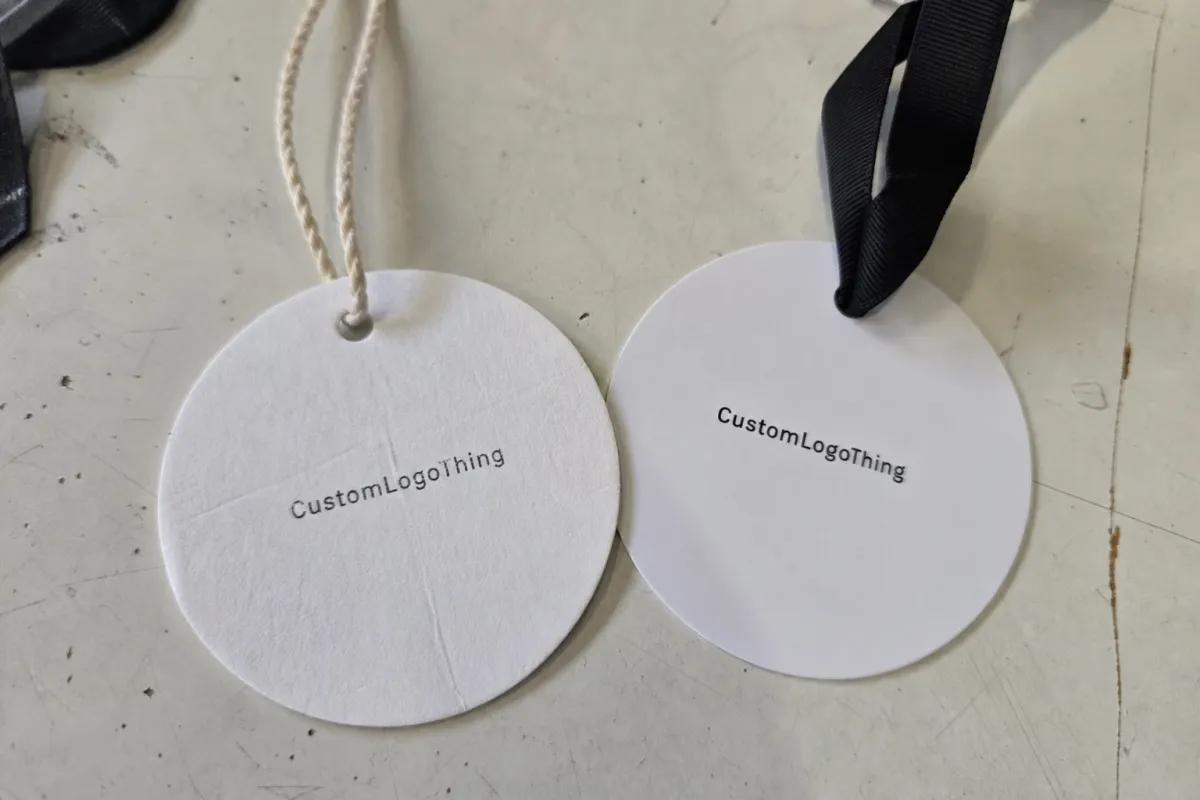
A label smaller than a thumb can change how a candle pouch, linen spray bag, sachet, reed diffuser accessory, or fabric dust cover feels the second a shopper picks it up. That is why buyers start asking about Care Labels Unit Cost for home fragrance brands after they realize the label is not just decoration. It affects compliance language, retail presentation, packing consistency, and whether a repeat order still matches the first one.
Care labels in this category are not limited to garments. They are sewn into cotton drawstring pouches, organza bags, muslin wraps, linen sleeves, canvas dust covers, textile gift packaging, and branded inserts that sit beside glass vessels or fragrance accessories. A candle may never be washed like a shirt, but reusable packaging can still need fiber content, care wording, country-of-origin details, batch messaging, or a simple instruction such as “spot clean only.”
The cheapest label is not always the cheapest usable label.
If the edge frays after sewing, the fold twists in the seam, or the artwork is so tiny that packing staff must slow down to orient every piece, the low unit cost disappears fast. A basic sticker might work on a temporary shipping sleeve. It rarely gives the same finished look as a woven or printed textile label attached cleanly to fabric packaging, especially on gift sets where the pouch stays with the customer.
For a proper purchasing comparison, look at material, finished size, fold type, color count, order quantity, finishing method, proofing needs, and freight. Landed cost matters. A label quoted at a few cents less can cost more once setup charges, rework, rushed freight, or sorting waste are included.
Packaging buyer’s rule: judge labels by cost per usable piece, not just cost per piece on the quote sheet.
Label Materials That Fit Candles, Diffusers, Sachets, and Fabric Packaging
Material choice drives both unit cost and perceived value. For home fragrance packaging, the common options are woven damask, satin, cotton, and printed polyester. Each one behaves differently under stitching, hand contact, fragrance oil exposure, carton pressure, and warehouse abrasion.
Woven damask labels use thread to build the artwork. They are strong, durable, and excellent for a crisp logo with clean contrast. They can make a cotton pouch or linen-style dust bag feel more permanent, especially if the shopper may keep the pouch after opening the product. The tradeoff is detail. Very fine serif type, delicate botanical line art, or small QR codes may not hold well in thread unless the label is enlarged or the artwork is simplified.
Satin labels have a smooth, polished sheen that works nicely on gift sets, premium candle accessories, and spa-style fragrance kits. Satin reads well for short care text and simple instructions. Heat-cut edges can show more clearly on some colors, though, and the surface may scuff if loose labels are handled heavily during assembly. Ask how the edge is finished before approving a dark satin ground with pale lettering.
Cotton labels suit natural, apothecary, botanical, and refill-focused brands. A cream or natural cotton ground can feel warmer than bright white, especially beside kraft paper, amber glass, muslin, or unbleached canvas. Cotton has more texture, so small type can soften at the edges. It is not the safest choice for tiny regulatory text unless the label has enough space.
Printed polyester labels are often the economical starting point for multi-color artwork, fine care wording, barcodes, or QR codes. Ink sits on the base material instead of being woven from thread, so detail can be sharper at smaller sizes. For fragrance brands managing several scent collections, printed labels can also make short-run variation easier to price.
| Material | Best Use | Typical Cost Position | Buyer Watchpoint |
|---|---|---|---|
| Woven damask | Premium logos, durable brand tabs, reusable pouches | Mid to higher | Fine text may need larger size or simplified art |
| Satin | Gift sets, soft sheen, readable care wording | Mid | Heat-cut edge visibility varies by color |
| Cotton | Natural, botanical, apothecary positioning | Mid to higher | Texture can reduce tiny-type clarity |
| Printed polyester | Multi-color artwork, QR codes, longer instructions | Lower to mid | Confirm rub resistance and ink coverage |
Color matters more than teams expect. Bright white can feel clinical beside warm fragrance lines built around sandalwood, fig, cedar, amber, chamomile, or sea salt. Cream, ivory, natural cotton, charcoal, soft black, and muted seasonal tones often sit better against fabric pouches and botanical packaging. If the brand leans spa, earthy, or luxury apothecary, review material swatches before locking the quote.
Even if the label is not going through apparel laundering, it still faces real abuse: fragrance oil transfer from hands, compression during carton packing, abrasion against glass, and humidity during storage. Standards from groups such as ISTA can help teams think about distribution handling, while material certifications such as FSC may matter if the broader packaging program includes certified paperboard or hang tags.
Care Label Specifications to Confirm Before You Request a Quote
A clean quote starts with clean specifications. If you send only a logo and ask for a price, the supplier has to guess at too many variables. Those guesses often become cost changes later. For accurate Care Labels Unit Cost for home fragrance brands, confirm finished size, unfolded size, fold type, material, background color, thread or ink colors, edge finish, logo complexity, and packed presentation.
Fold type has a direct effect on sewing and appearance. End fold works well for side seams because the raw ends tuck under. Center fold creates a looped tab, common on drawstring pouches or small dust bags. Manhattan fold gives a cleaner top edge by folding the top down before the center fold, which can look tidier on premium goods. Straight cut is suitable for flat application, inserts, or labels attached with adhesive or perimeter stitching.
Size should follow the job. A 20 mm by 15 mm label may be fine for a logo-only side tab, but care wording, fiber content, origin details, or batch messaging usually needs more width or length. For tiny labels, avoid cramming six lines of text into a space better suited for two. Readability is part of quality control, not a design preference.
Artwork also controls production method. Fine serif fonts, thin fragrance-note illustrations, small botanical drawings, QR codes, and detailed crests often perform better as printed labels or as larger woven labels. A damask label can hold surprising detail, but thread has physical limits. If a line is thinner than the thread path, it may fill in, break up, or require artwork adjustment.
Expect tolerance. Textile labels can have small variations in cut, fold, and woven detail, especially at small sizes. A finished size tolerance of roughly 1 to 2 mm is common in many label programs, although the exact tolerance depends on construction and machinery. That is why digital proofs and production samples matter. A proof catches spelling, layout, orientation, and fold direction; a sample shows whether the label actually behaves on the pouch.
- Send vector artwork such as AI, EPS, or clean PDF when possible.
- Include Pantone references or approved brand colors.
- Show label orientation with a simple diagram or pouch photo.
- State whether the label is sewn, heat applied, tied on, or inserted.
- List any retailer, marketplace, fiber, or origin wording requirements.
If you are comparing label styles for a broader packaging refresh, Custom Logo Things can review the attachment point and material through its Custom Labels & Tags options before the quote is finalized.
Care Labels Unit Cost for Home Fragrance Brands: What Changes the Quote
The quote changes because the factory process changes. Quantity, material, size, color count, weaving density, printing method, fold, cutting method, packing format, and shipping destination all affect Care Labels Unit Cost for home fragrance brands. A simple black printed polyester label at a higher quantity can price very differently from a small-run woven damask label with metallic thread, dense background coverage, and a Manhattan fold.
Higher MOQs usually reduce unit cost because setup work is spread across more labels. Artwork preparation, loom or print calibration, color matching, cutting, folding, inspection, and packing all take labor before the first sellable piece is finished. Divide those fixed steps across 500 labels and the cost per piece rises. Spread them across 5,000 or 10,000 labels and the math improves.
For planning, basic printed polyester labels at several thousand pieces may sit in a low per-piece range, while woven, satin, cotton, metallic thread, or specialty folded labels can move higher. Real numbers depend on final specs, but buyers often see meaningful differences between 1,000, 3,000, 5,000, and 10,000 pieces. Ask for price breaks at those levels instead of requesting one number.
| Quote Driver | Why It Changes Cost | Practical Buying Note |
|---|---|---|
| Quantity | Setup, calibration, and inspection spread across more pieces | Request starter, growth, and replenishment price breaks |
| Material | Woven, satin, cotton, and printed bases have different raw costs | Match material to pouch value, not only the lowest price |
| Size and fold | More material, extra handling, and fold steps add labor | Choose the smallest size that still reads cleanly |
| Color and artwork | More colors, dense coverage, and fine detail require more control | Simplify woven art where possible |
| Fees and freight | Setup charges, tooling fees, samples, duties, and shipping affect landed cost | Compare total delivered price per usable label |
Woven labels generally cost more than basic printed labels at low quantities, especially with dense artwork, metallic yarn, small lettering, or several thread colors. Printed labels can be more efficient for multiple scent names, care symbols, ingredient-adjacent messaging, or QR codes. Ink durability and rub performance still need to be confirmed if the label will touch glass vessels, textured cartons, or dark-dyed fabric.
A quote may include setup charges, sample fees, tooling fees, plate charges, freight, duties, or rush charges. Or it may separate them. Neither structure is automatically wrong, but it must be clear. The number to compare is landed cost per usable label, not the lowest visible line item.
If a fragrance brand expects repeat pouch runs, ordering labels in a larger batch can protect consistency. Thread lots, fabric bases, and ink tones can shift slightly over time. Buying ahead for evergreen packaging helps keep the second and third pouch order closer to the first, which matters when retailers place units side by side on a shelf or in a gift display.
MOQ Decisions: When to Start Small and When to Buy Ahead
MOQ is a production reality, not a trick to push larger orders. Machines have setup time. Operators have to match color, load material, check registration, trim, fold, inspect, and pack. A minimum run gives the job enough volume to make that work efficient and repeatable.
Starting small makes sense for a new scent launch, a seasonal bundle, a boutique test order, or a first packaging refresh where the brand is still deciding whether the label belongs on the side seam, front face, drawstring channel, or inner wrap. In those cases, a slightly higher unit cost may be acceptable because it protects cash flow and avoids leftover labels if the design changes.
Buying ahead makes sense for core candle pouches, evergreen reed diffuser accessories, permanent brand marks, and product lines with steady reorder patterns. Labels are small. They do not take the same warehouse space as rigid boxes, filled candles, or glass bottles. A few thousand labels can often fit in a carton that sits neatly on a shelf, provided it stays dry, clean, and organized by SKU.
Smart label architecture can reduce MOQ pressure. Use one universal brand label across several scents, then handle scent-specific information with a hang tag, belly band, sticker, carton, or insert. That keeps the sewn label consistent while letting marketing change seasonal language without remaking every textile component.
There is a balance. Cash tied up in labels is still cash. If a gift set assembly window opens in four weeks, labels need to arrive before the pouches are sewn or before kits are packed. If they miss that window, the smallest component can hold up the entire shipment. Buyers should map label production against pouch production, candle fill dates, and retailer ship windows rather than treating labels as an afterthought.
For a look at how packaging details affect finished presentation, the Custom Logo Things Case Studies page can be useful when thinking through branded components across a full program.
Production Steps, Lead Time, and Proofing Before Full Run
The normal process is straightforward: submit artwork and specifications, receive a quote, approve material and construction, review a digital proof, approve a pre-production sample if needed, then move into bulk production. Skipping steps can save a little time on paper. It can also cost more if the fold direction is wrong or the logo reads poorly after weaving.
Digital proofs are useful for layout, size, fold direction, spacing, and color references. They do not fully show woven texture, thread shine, satin glare, cotton hand feel, or edge behavior. If the label is prominent on a premium pouch, a physical sample is often worth the extra time.
Lead time depends on artwork readiness, sampling, order quantity, material availability, color complexity, finishing type, and freight method. A simple repeat printed label can move faster than a new woven label with several thread colors and a sample approval step. Many custom label orders are planned in business-day ranges after proof approval, but rush schedules can reduce sampling time, limit revisions, and increase freight or production costs.
Approval should be disciplined. Check spelling. Confirm logo placement. Confirm finished size and seam allowance. Review fold direction against the actual pouch. If the label includes care symbols, origin details, barcode data, or a QR code, test readability at final size. A QR code that scans on a monitor may fail when reduced onto textured material.
- Photograph the attachment area with a ruler beside it.
- Confirm whether the label is sewn into a seam or applied flat.
- Approve the proof at actual size, not only zoomed on screen.
- Check bundle counts so packing teams can pull labels efficiently.
- Keep one approved sample or proof record for repeat orders.
If sustainability claims appear anywhere in the packaging system, keep them accurate. The EPA recycling guidance is a useful reference point for broader packaging language, although textile care labels themselves may not carry the same claims as boxes, inserts, or paper tags.
Ordering the Right Label Without Overbuying
Start with the product the label will attach to. Photograph the pouch, wrap, bag, dust cover, or textile insert. Measure the available space. Decide whether the label is decorative, instructional, regulatory, or all three. That one decision changes material, size, fold, and production method.
Before requesting pricing, gather the logo file, preferred material, target quantity, required delivery date, shipping address, and any retailer or marketplace requirements. If the label will be sewn into cotton, linen, muslin, satin, canvas, or organza packaging, ask for material guidance because each fabric behaves differently under stitching and handling. Organza can pucker. Canvas can swallow tiny labels. Satin can show needle marks. Muslin can shift if the label is too stiff.
Ask Custom Logo Things for price breaks and one or two material options rather than only the cheapest label. A slightly better satin, cotton, or woven damask construction can give premium fragrance packaging a cleaner finish, especially on giftable products where the pouch stays with the customer after the candle, sachet, or diffuser accessory is opened.
The best quote comes from clear specs, realistic quantities, and proof approval before production. Send artwork, dimensions, material preference, quantity range, delivery timeline, and attachment details, then compare the options by landed cost per usable label. That is the number that tells you whether the label fits the packaging plan without forcing you into inventory you do not need.
FAQs
What is the typical care labels unit cost for home fragrance brands?
The typical Care Labels Unit Cost for home fragrance brands depends on quantity, material, finished size, fold type, color count, artwork detail, setup charges, and shipping. Printed polyester labels are often the economical starting point, while woven damask, satin, or cotton labels can cost more but may better match premium pouches and gift packaging. Ask for landed pricing that separates setup, sample, bulk production, and freight so you can compare the real cost per usable label.
What MOQ should a home fragrance brand expect for custom care labels?
MOQ varies by material and production method. Woven labels and specialty finishes usually require a higher minimum than basic printed labels because setup, color matching, cutting, folding, and inspection all take time. New brands can reduce risk by using one universal brand label across several scents instead of creating a separate label for every fragrance. For repeat packaging, larger label runs usually lower unit cost and help maintain color and material consistency.
Are woven or printed care labels better for candle and diffuser packaging?
Woven labels are best for durable brand marks, premium texture, and simple artwork with clean contrast. Printed labels are better for small care text, fine details, multiple colors, QR codes, or longer instructions. The better choice depends on whether the label is mainly decorative, informational, or doing both jobs at once.
How long does custom care label production take after proof approval?
Lead time depends on sampling, material availability, order quantity, artwork complexity, finishing method, and freight. A digital proof can move quickly, but physical sampling adds time and is useful when texture, fold, or readability is critical. Plan labels before pouch sewing, gift set assembly, or retail ship dates so approvals do not hold up the finished packaging.
What information should I send to get an accurate care label quote?
Send your logo or artwork file, finished label size, fold type, material preference, quantity range, and shipping destination. Include photos or measurements of the pouch, wrap, bag, or textile item where the label will be attached. Share any required care wording, fiber content, origin details, retailer requirements, or delivery deadline before quoting. Clear inputs produce clearer pricing for care labels unit cost for home fragrance brands.


