The same logo can look sharp on one bag and soft on another. The difference usually comes down to the Cosmetics Printed Poly Mailers print method, the film finish, and how well the ink bonds to polyethylene. For beauty brands, that affects unboxing photos, warehouse handling, and the first impression before the product is even opened.
The better buying question is not just whether a supplier can print your logo. It is which process will keep the brand color consistent, the edges clean, and the lead time realistic for launch. If your packaging mix also includes cartons or inserts, comparing the mailer spec against Custom Packaging Products and the structure of Custom Poly Mailers helps put the print decision in context.
Cosmetics Printed Poly Mailers Print Method: What Changes?
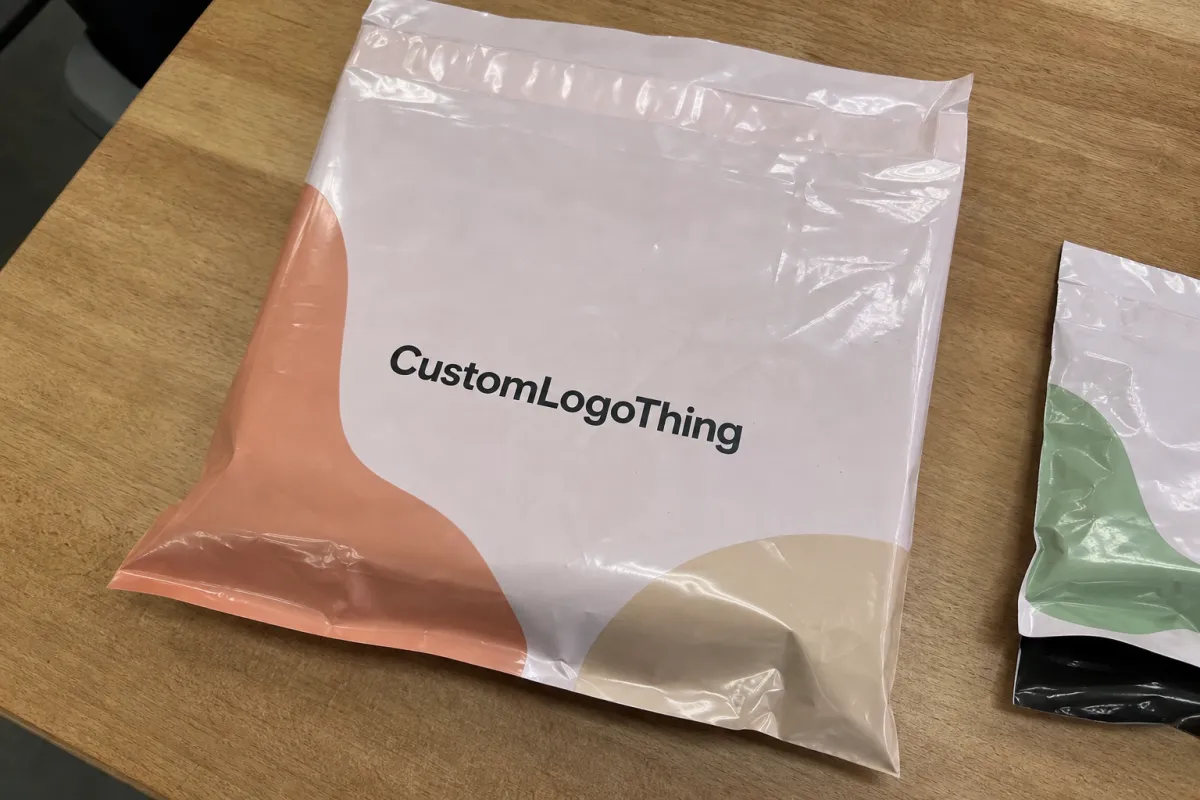
A cosmetics logo can look crisp on one mailer and muddy on another because the print method controls more than color. It affects ink density, registration, edge definition, coverage, and how well the artwork survives scuffing in transit. On flexible film, those variables matter more than many buyers expect.
Beauty packaging also gets judged harder than ordinary shipping bags. A mailer may be handled by a fulfillment team, scanned on a conveyor, photographed for social media, and opened under strong lighting. The print has to photograph cleanly and still survive friction, stacking, and courier abuse.
Buyers usually get better results when they think in terms of run size, artwork complexity, bag construction, and launch timing. A single logo for a repeat program is a different job from a full-bleed pattern with fine legal copy for a seasonal drop. Poly mailers are working packages, not flat posters, so folds, seams, closures, and fill volume all influence how the artwork lands in real use.
How the Artwork Gets Onto the Film
Most beauty mailers are produced with either flexographic printing or digital printing. Flexographic printing is the workhorse for larger repeat orders, especially when the artwork relies on spot colors, bold solids, and steady demand. Digital printing suits short runs, fast launches, and designs that change often because it avoids plate costs.
The sequence is straightforward. First comes artwork prep, where the supplier checks file resolution, bleed, line weights, and color build. Then comes plate creation for flexo, or file setup for digital. After that, ink is applied, dried or cured, and the printed film is converted into finished bags. That last step matters because the bag still has to be slit, sealed, counted, packed, and shipped without damaging the print surface.
CMYK printing can produce gradients, photographs, and multi-color artwork, while spot colors are better for a specific brand red, black, navy, or metallic-looking accent. If the design has repeat patterns or full-bleed backgrounds, registration has to hold across the whole field, where even small drift becomes visible. Fine text is another pressure point; a 4-point legal note may look fine on screen and still be risky on glossy film.
Proofing is not a formality. It is the point where buyers see how the image behaves on actual film instead of a monitor. On polyethylene, white ink, opacity, and surface gloss can change the visual weight of the design more than the logo itself. For cosmetics, the review should also include seals, gussets, and closure zones so artwork does not land in areas that distort after filling.
Print Method Cost, MOQ, and Quote Drivers
Cost in a custom mailer quote is built from several moving parts: setup fees, plate or file prep, ink system, number of colors, print coverage, bag size, film thickness, and the minimum order quantity needed to keep the run efficient. The more colors and coverage you add, the more press time and material control matter.
Short runs usually carry a higher unit cost because setup is spread across fewer bags. Larger recurring programs often lower the per-bag price once the artwork is locked and the supplier can repeat the process without new plates or repeated proof cycles. As a working range, a digital run may land around $0.35-$0.90 per unit at low MOQ, while a flexo program can move closer to $0.14-$0.32 per unit once volume rises into a stable repeat order. Those ranges can move with film gauge, color count, and freight.
| Method | Best Fit | Typical Setup | Unit Cost Trend | Main Tradeoff |
|---|---|---|---|---|
| Digital printing | Small MOQ, seasonal launches, variable artwork | Lower upfront prep, no traditional plates | Higher per bag at larger volume | Flexible, but less attractive for long repeat runs |
| Flexographic printing | Repeat programs, simple branding, steady forecast | Plate and press setup required | Lower per bag once volume rises | More setup work, but efficient at scale |
| Offset printing | Paper cartons, folding cartons, printed inserts | Strong for paper substrates, not film | Not typically used for poly mailers | Excellent on paper; not the usual route for polyethylene film |
Any fair quote request should include dimensions, film thickness, print sides, color count, closure type, packing format, and freight destination. Special effects such as white ink, metallic accents, matte treatments, or strict color matching should also be discussed early. Buyers should compare landed cost, not just unit price, because freight, overrun policy, storage, and extra proof cycles can change the real number.
For broader packaging and transit context, the material and ship-testing guidance from ISTA helps frame how packages are stressed in transit, while packaging.org is useful for thinking about the packaging system instead of only the printed outer shell.
Production Steps and Lead Time From File to Ship Date
Lead time starts before the press runs. The supplier needs final artwork files and a clean spec sheet, then proof approval, plate making or digital setup, and press scheduling. A tidy file with correct bleed and live text can save days. A messy file with small corrections can slow the job down, which matters when a retail date is fixed.
Three things usually drive the calendar: how fast the customer approves the proof, how complex the print is, and where the order sits in the factory queue. A simple single-color run can move quickly. A multi-color, full-bleed pattern with sample changes will take longer, especially if the brand wants a physical standard matched rather than a screen approximation.
Printing is only one stage. After the ink is cured or dried, the film still has to be slit, bagged, counted, packed, and prepared for freight. Typical lead times often fall around 12-15 business days from proof approval for straightforward work, but that can stretch when special finishes or multiple sizes are involved. For fixed launch dates, ask the supplier to show the print, converting, and freight timeline separately.
“The print may be approved in minutes, but the package still has to survive conveyors, pallets, and a hundred small touches before the customer ever sees it.”
Weather and transit still matter, especially on longer routes where ocean freight or domestic trucking adds uncertainty. Building in buffer is standard packaging discipline, not pessimism.
Material, Color, and Seal Factors That Shape the Result
Film thickness, resin blend, and surface texture affect more than handfeel. They change print clarity, stiffness, stretch, and how likely the mailer is to show scuffs or fold lines. A thinner film may be economical, but it can telegraph wrinkles more easily and make dense graphics look less even. A thicker film usually gives a firmer feel and can help the printed surface stay cleaner during packing.
Brand color is another place where buyers get caught. Deep black, strong navy, bright coral, and other saturated cosmetic shades may need a white underbase or a different print approach to stay legible. Heavy gradients and tiny typography also ask more from the press than a simple logo. If color identity matters, ask how the supplier builds CMYK, where spot colors are used, and whether the approval sample is printed on the same film finish as the final order.
Gloss and matte are not just style choices. Gloss tends to boost brightness and shelf pop, while matte reduces glare and gives the mailer a softer, more premium look, especially for skincare or minimal branding. Neither finish is always better. The right choice depends on the artwork, the lighting where the package is seen, and the feeling the brand wants before the seal is broken.
Seal zones, adhesives, closures, and gussets also reduce usable print area. If artwork sits too close to a fold or seam, the logo can distort once the bag is filled. That is why print finishing and bag structure need to be planned together. If a packaging program also uses cartons or inserts, FSC certification may matter for the broader mix even if the mailer itself is polyethylene.
Step-by-Step: Choosing the Right Print Approach
The easiest way to narrow the Cosmetics Printed Poly Mailers print method is to work through the buying facts in order, not by asking for a quote first and sorting details later.
- Confirm the order quantity, reorder expectation, and whether the same design will repeat monthly or only for one launch.
- Count the colors in the artwork, including any white underbase, metallic accent, or gradient area that may need special handling.
- Set a budget ceiling and a real ship date, then decide how much setup cost the program can absorb.
- Check the bag structure, because size, gusset depth, and closure style affect the printable area and final fit.
- Ask for a sample path that includes both the print and the material feel before you lock the order.
In practical terms, digital printing is often the cleaner choice for a small MOQ, a short promotional drop, or a seasonal launch with variable art. Flexographic printing usually wins on steady repeat programs, simpler branding, and larger volumes where plate cost can be spread across many bags. If you are unsure, ask the supplier to quote both methods against the same spec, then compare landed cost and proof path rather than unit price alone.
Do not judge only from a screen. Compare physical samples under retail lighting and warehouse lighting, because gloss, opacity, and legibility can shift. A design that looks elegant in a studio can look flat under fluorescent lights, while a dense black logo may show fingerprints during packing. That is normal; it just needs to be checked early.
Before release, build a final spec that includes dimensions, thickness, print area, closure style, carton count, and a reprint plan for future orders. A supplier can move faster on repeat runs when the spec is clean and the approval history is already in place.
Common Ordering Mistakes Cosmetic Brands Make
The most expensive mistake is often simple: sending low-resolution artwork and expecting thin type to survive on flexible film. Once the bag is folded, sealed, and handled in a warehouse, weak linework can disappear fast. Tiny legal copy has the same problem. If it is too fine to read at proof stage, it will not improve on the finished mailer.
Another common issue is approving color from a monitor alone. Screens help with layout, but they are not reliable for judging the final print on polyethylene film. Printed proofs or sample bags give a better read on opacity and ink density, especially for cosmetic brands with specific colors that need to stay consistent across packaging layers.
Bag size and fill weight matter more than many teams expect. If the mailer is too small, the film stretches and the logo can distort. If the seal area is crowded, closure can fail or artwork can shift into the wrong part of the bag. It is worth modeling the actual packed product before final art is released, especially for bundles or products with sharp corners.
Freight, overruns, storage, and reorder timing are easy to overlook during quote review, but they can change the real cost more than a small print difference. One more issue shows up often: teams approve a design before deciding whether the mailer will be used for ecommerce, retail replenishment, or influencer kits. Those uses stress the package differently.
Expert Checks and Next Steps Before You Request Samples
Before you ask for samples, put together a one-page buying brief so every supplier is quoting the same job. Include dimensions, film thickness, closure type, color count, finish, monthly volume, launch date, and whether the artwork may need future revisions. That simple sheet saves back-and-forth because it removes guesswork from the quote.
Request both a blank sample and a printed sample. The blank bag shows handfeel, seal quality, thickness, and how the material behaves when folded. The printed sample shows print density, opacity, edge sharpness, and color behavior. If the supplier can send a sample that matches the intended film finish, even better, because gloss and matte can change how the art reads.
Ask the vendor to separate setup charges, unit pricing, proofing, and freight. A quote that bundles everything can be hard to compare, especially when one supplier includes plate costs and another leaves them out. If you are comparing more than one option, ask how the supplier handles overrun tolerance, reprint policy, and lead time for repeat orders.
For quality control, check for color drift, pinholes, weak seals, registration creep, and print rub-off before the goods are approved for shipment. A fast visual check under bright light catches more issues than a casual glance. If the job is large, ask for a carton sampling plan so you are not judging only the first bag.
If you want the next order to move cleanly, choose the method that fits the artwork, order volume, budget, and lead time, then move straight into sample approval and production scheduling.
What print method is best for small MOQ orders?
Digital printing is often the best fit for small MOQ orders because it avoids heavy plate costs and handles short runs efficiently. It also works well when artwork changes often, since seasonal shades, limited-edition launches, or retailer-specific versions can be updated without restarting a full traditional setup.
Is flexographic printing cheaper for cosmetics poly mailers?
Yes, flexographic printing usually becomes the lower-cost option once the order volume is high enough to spread setup costs across many bags. It tends to work best for repeat programs with consistent branding, limited color counts, and stable forecasted demand.
How long does a custom printed poly mailer order usually take?
Lead time usually depends on proof approval speed, print complexity, and how busy the factory is when the order is placed. Simple orders can move faster, while multi-color artwork, special finishes, or multiple bag sizes usually add time at the prepress and production stages.
What affects color accuracy on cosmetics mailers?
Film color, surface finish, ink system, and whether a white underbase is used all affect how close the final mailer looks to the approved art. Screen color is only a starting point; printed proofs and samples are the most reliable way to evaluate brand color on flexible film.
How should I compare quotes for cosmetics printed poly mailers?
Compare the full spec, not just the unit price: bag size, thickness, closure type, print sides, color count, and minimum order quantity all matter. Ask whether the quote includes setup, plates, proofs, freight, and any color matching or special finishing charges so there are no surprises later.


