A beauty order can look inexpensive until one crushed palette, leaking lotion, or split seam turns a low-cost shipment into a refund, a replacement, and a customer service ticket. That is the real context for Cosmetics Printed Poly Mailers unit cost: not the quote by itself, but the cost of the mailer plus the risk it absorbs, the labor it saves, and the brand signal it sends at the door.
Printed mailers sit in a narrow lane. They are lighter and cheaper than a carton, but they still have to survive parcel handling, hide contents, close cleanly, and look intentional when they arrive. In DTC beauty, that balance matters more than in many other categories because the package is part of the product story. A glossy print on weak film is a poor trade. A simple one-color mailer that protects product and packs quickly can be the smarter move.
The best buying decisions usually start with the shipping profile: powder, cream, glass, sample set, refill pouch, or mixed kit. A mailer that is fine for a sachet drop may fail the moment a rigid compact or glass bottle gets added. The numbers only make sense after the use case is pinned down.
Why beauty shipments expose hidden packaging costs
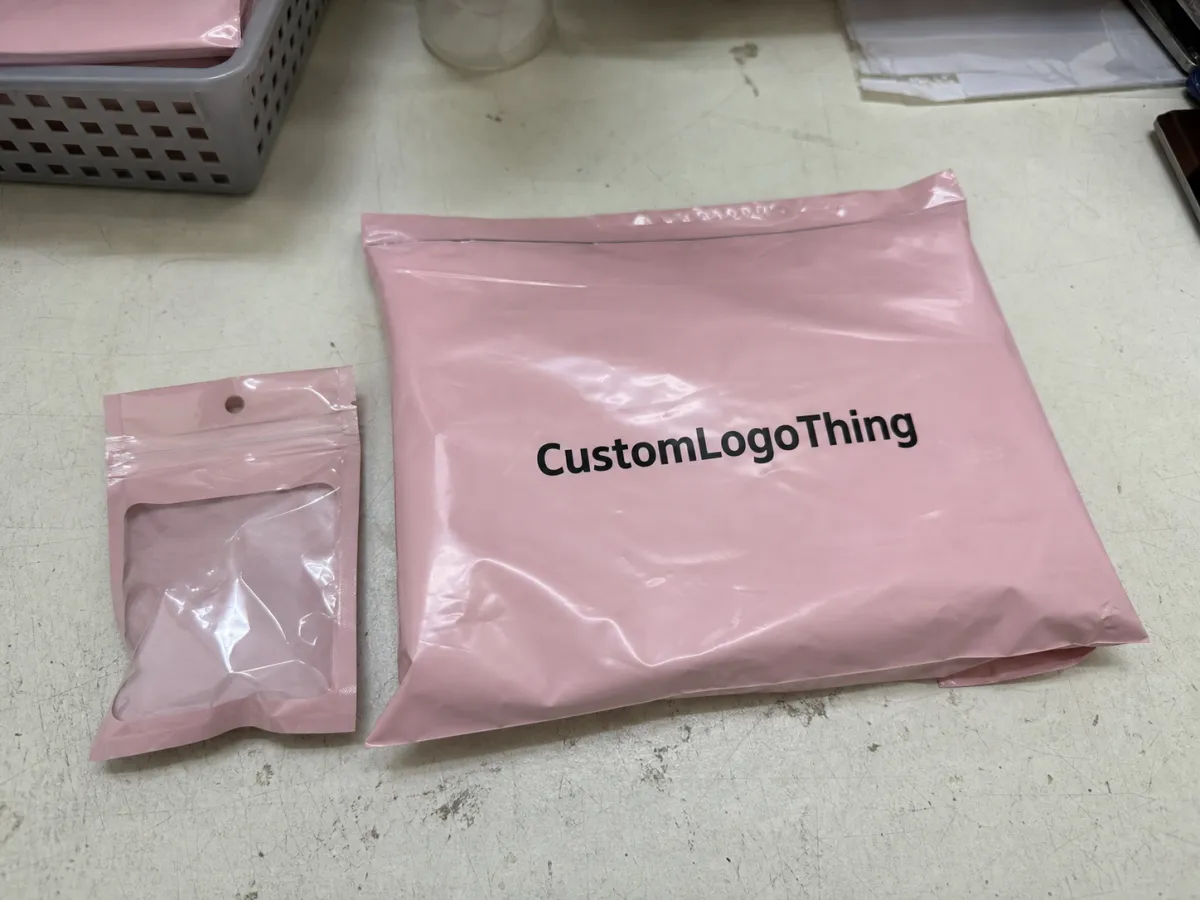
Beauty packaging has a habit of hiding cost in plain sight. A printed poly mailer may cost a few cents more than a plain bag, but that spread is small compared with the cost of a damaged serum kit or a package that arrives looking cheap. Once a replacement is shipped, the brand pays for the item, the freight, the packing time, and often the customer goodwill that does not fully come back.
That is why unit price can be misleading. A mailer that reduces splits, cuts packout time, and presents the brand cleanly often ends up cheaper in real terms than a plain, thinner, or oversized option. The difference is not abstract. If a fulfillment team saves even several seconds per order by eliminating outer wraps or reducing rework, the labor gain can outweigh a modest material increase across a month of orders.
Beauty shipments also expose hidden costs because the contents vary so much. A lightweight sample envelope is a different problem from a boxed moisturizer set or a palette with magnetic closure. The farther the shipment moves from flat and flexible, the more the buyer should care about film strength, seam quality, and the closure adhesive.
- Common risk points: weak seam welds, low-opacity film, oversized bags that let product slide, and adhesive that loses grab in cold or humid conditions.
- Common upside: faster packout, less need for extra tissue or outer wrap, and a more polished first touchpoint after checkout.
- Common mistake: choosing the lowest quote without comparing film gauge, print coverage, and freight terms on the same basis.
A printed mailer is doing two jobs at once: it has to protect the shipment and represent the brand before the customer even opens it.
That is also why a quote should never start with artwork alone. The right question is whether the package has to carry a mascara sample, a glass vial, a refill pouch, or a mixed kit with inserts. Once that is clear, the rest of the spec becomes easier to defend.
Mailer construction that actually protects creams, palettes, and samples
Film structure matters more than many first-time buyers expect. A single-layer mailer can work for very light shipments, but co-extruded film generally gives better puncture resistance and more consistent performance in transit. That matters in carrier networks where parcels get compressed, dropped, and stacked. A mailer that survives a hand test in a sales sample room may still fail on a distribution line if the seams are weak or the wall thickness is too thin.
Most beauty buyers will see thickness quoted in mils or microns. There is no universal number that fits every SKU. A small sample pack can travel safely in a lighter gauge. A skincare bundle with a glass bottle or a hard compact usually needs a thicker wall and stronger seals. The tradeoff is simple: a heavier film adds cost and material, but it can prevent breakage, splits, and the re-shipments that erase any savings.
Closure design deserves equal attention. A standard peel-and-seal flap is common, but the adhesive quality is what separates a retail-ready package from a weak one. Double-seal or return-strip options cost more, yet they can make sense for subscription programs, high-volume DTC drops, or brands that need tamper evidence. If the adhesive is inconsistent, the package may look premium in a photo and fail in a real delivery.
Print method also affects economics. Flexographic printing is common for larger runs, while digital or shorter-run methods may be useful for lower quantities or faster tests. Full-bleed coverage, multi-color artwork, and inside printing all push setup and press time upward. If the design uses dark ink on dark film, ask about opacity and ink laydown, because scuffing shows quickly on black or deep-toned mailers.
Practical buyers tend to ask four questions before approving a spec:
- Will it keep moisture out? This matters for humid routes, bathroom-adjacent products, and any parcel likely to sit outdoors briefly.
- Will it resist abrasion? High-gloss black can scuff quickly, while matte finishes may hide wear better.
- Will contents stay private? Opacity matters when the brand wants the outside to stay clean and premium.
- Will it open cleanly? The customer should not have to fight a seam or tear the mailer into strips.
Quality control should not stop at a glossy proof. A decent supplier can explain how they test seam strength, seal integrity, and print consistency across the run. For small parcel mailers, distributors and brands often use ISTA-style testing logic, even if they do not commission a formal lab report for every order. The point is to see how the mailer behaves under compression and impact, not just how it looks on a table.
There is also a material choice between standard virgin film and recycled-content film. Recycled content can help a sustainability story, but not every recycled blend performs the same. If the film loses clarity, seal strength, or print quality, the savings may be false economy. Source reduction often does more than a broad green claim: a right-sized mailer with fewer replacements usually cuts waste more effectively than an oversized “eco” package that generates damage claims.
Specifications that change durability, shelf impact, and waste
Size is the first specification to get right. A slim format works for sachets and sample sets. Mid-width mailers suit compact skincare kits or flat retail bundles. Wider dimensions help when the shipment includes a rigid carton, a pouch, or a card insert that should not flex too hard in transit. Too much extra room lets the contents shift and create corner wear; too little room loads stress into the seam and makes packing slow.
Thickness should follow the shipping path, not an optimistic guess. A lower-gauge mailer can save a little material, but the savings disappear if the seal fails or the corner bursts in the carrier network. The cost of a split mailer usually shows up in customer service before it shows up in a packing report. That is one reason beauty brands often move toward a slightly stronger film after the first damage review, even if the early quotes looked attractive.
Opacity and finish do more than decorate. High-opacity film hides contents and helps premium products feel controlled and private. Matte surfaces reduce glare and often read as more restrained, while high-gloss film can feel louder and show scratches sooner. The finish should match the line positioning. A luxury serum launch and a refill program can use very different visual language, even if the bag dimensions are similar.
Standardization can save as much as material choice. A brand shipping several SKUs can reduce errors by limiting itself to a small set of mailer sizes. That makes inventory easier to forecast and speeds the packing line. It also lowers the chance that someone reaches for a bag that is too small for a bundled order or too large for a single item. In a busy fulfillment environment, those small mistakes compound.
For buyers building a sample approval workflow, a useful checklist includes:
- Seal strength on a fully loaded sample, not just an empty bag.
- Print registration and edge clarity under normal packing-station lighting.
- Adhesive grab after a few minutes of handling and staging.
- Corner performance during drop and compression tests.
- Color stability from first run to repeat run.
Sustainability claims should be handled carefully. Downgauging only helps if the package still survives the route. Recycled content only helps if the film can still be printed and sealed consistently. For many beauty brands, the more defensible choice is a right-sized package that avoids re-ships, rather than a large mailer that is easier to market but harder to defend operationally.
The other overlooked detail is how the mailer looks after transit. A brand may approve a sample because it looks sharp in a photo, then discover later that scuffs and abrasions make the film look tired after one trip through parcel handling. Testing for appearance after shipping is a more honest standard than evaluating the mailer before it ever leaves a desk.
Cosmetics printed poly mailers unit cost: pricing, MOQ, and setup
Cosmetics Printed Poly Mailers unit cost is shaped by several moving parts, and none of them should be treated in isolation. Size, gauge, print coverage, number of colors, finish, order quantity, and the print method all push the price in different directions. The lowest quote on paper is rarely the lowest landed cost once setup, freight, and approval time are included.
MOQ has an outsized effect on pricing because the first run carries fixed costs. Artwork prep, proofing, plate or cylinder charges, and color setup all need to be covered before the first bag is packed. Once those charges are spread across more units, the unit cost drops. That is why a 3,000-piece order can look expensive next to a 10,000-piece order even if the actual film is unchanged.
For planning, many buyers see ranges like these on standard cosmetic mailers with common sizes and conventional print methods:
| Option | Typical unit cost | Common MOQ | Best fit | Cost drivers |
|---|---|---|---|---|
| Plain stock mailer | $0.08-$0.18 | 500-1,000 | Internal shipping, low-visibility needs | Size, gauge, freight |
| 1-color printed stock size | $0.14-$0.30 | 3,000-5,000 | Starter DTC beauty orders | Setup, plate or cylinder fee, one print pass |
| Full-color custom size | $0.24-$0.55 | 5,000-10,000 | Premium kits and stable SKU programs | Tooling, coverage, finish, custom dimensions |
Those figures are directional, not promises. Film markets move. Freight moves. A higher-coverage design can add cost faster than a buyer expects, especially if the artwork uses dense color blocks or multiple print sides. A small order with special finishes can be more expensive per piece than a larger reorder with simpler branding. The structure of the quote matters as much as the number at the bottom.
That is why buyers should ask for a landed comparison, not just a factory price. Freight, carton configuration, proofs, rush charges, and packaging for shipment can all change the final number. A supplier that looks cheap at first can become expensive once the hidden line items show up. On the other hand, a quote that looks slightly higher can be the better deal if it includes better film, more reliable print, and cleaner packing.
Example math helps. If a quoted mailer is $0.19 each on 5,000 units, the bag cost alone is $950. Add a setup charge, and the true first-run cost rises immediately. If the same design is reordered later with the tooling already in place, the unit price can fall enough to change the entire buying decision. That is why repeatability matters. A stable SKU program benefits from tooling amortization; a fast-changing seasonal line may not.
Stock and custom programs should also be judged differently. A stock-size mailer often arrives faster and costs less upfront. A custom size can reduce wasted film and improve presentation if the product mix is stable. Brands with one boxed serum set every week usually benefit more from a tailored size than a brand that changes collections constantly. The wrong bag size is a hidden cost of its own.
For a true apples-to-apples comparison, every vendor should quote the same dimensions, same thickness, same print sides, same color count, same finish, and same shipping terms. If any of those shift, the comparison is distorted. At that point, the unit cost is no longer a real comparison of the same item.
Production steps and turnaround from proof to shipment
Good production starts with a complete spec. Before pricing or proofing, a supplier should know the dimensions, gauge, print sides, color count, finish, artwork files, quantity, and shipping deadline. Missing details slow the process more than most buyers realize. A vague size or incomplete art file usually means the first proof comes back with corrections, and the calendar slips.
Proofing deserves a stricter eye than it usually gets. A digital proof should verify layout, type placement, bleed, and general coverage. It does not guarantee color match by itself. That matters in cosmetics, where a blush tone, a muted nude, or a charcoal brand color can look noticeably wrong if the supplier is not calibrating carefully. For repeat runs, keep an approved physical sample or a reference standard on file.
A typical production sequence looks like this:
- Material sourcing based on the approved film specification.
- Printing with the chosen color count and coverage.
- Curing or drying so the ink is stable before handling.
- Sealing and slitting into final dimensions.
- Inspection and packing before cartons are labeled and shipped.
Lead times vary with the complexity of the job. A repeat order with existing tooling can move quickly. A first-time custom print usually takes longer because artwork, proofing, and setup are being handled for the first time. Special finishes, full-bleed coverage, and multi-color printing add time as well. A realistic factory window for many custom cosmetic mailers is often 12 to 15 business days after proof approval, though that can stretch if the order is large or the spec is unusual. Shipping time should be counted separately.
That separation matters. A supplier might quote two weeks, but the shipment could still arrive later because freight was not included in the timeline. Brands that run seasonal campaigns or influencer drops should work backward from the delivery date, not the production date. Inventory that arrives one week late can create a scramble that no one sees in the quote sheet.
There is also a quiet benefit to repeat ordering: the second run is usually smoother than the first if the supplier has the exact art, approved color references, and packaging spec on file. The amount of back-and-forth drops. The chance of version confusion drops too. For a packaging buyer, that often matters more than shaving a few cents from a one-off trial order.
If recycled-content claims, material origin, or certification details are part of the broader packaging program, ask for documentation early. The mailer itself may be film-based, while the outer cartons or inserts are paper-based and eligible for FSC documentation. Keeping those records straight is easier when the supplier can explain the chain of custody instead of treating the request as an afterthought.
How to compare suppliers and lock in the next order
The cleanest supplier comparison is simple and a little unforgiving. Ask every vendor for the same dimensions, same gauge, same print sides, same color count, same finish, and same shipping terms. Then compare the landed cost, not the unit cost alone. A gap of three cents per bag adds up fast on a 10,000-piece order, but a lower-looking quote can disappear once freight or setup is added back in.
Sample quality tells you more than a polished sales page. Look for even ink laydown, sharp edges, clean seal lines, and consistent opacity. If the print looks strong on a sample but the supplier cannot explain how they hold color consistency across repeat runs, that is a warning sign. Beauty packaging tends to be unforgiving; a mailer that changes tone from one reorder to the next can make a brand look unstable.
Commercial terms matter because packaging delays become inventory issues. Confirm the MOQ, setup fees, reprint policy, and whether tooling is reused on repeat orders. Ask about carton quantities too. A low per-piece cost can be offset by awkward pack counts that create receiving problems or partial pallets. The best quote is not just the cheapest number; it is the one that fits the operation without friction.
The first order should be large enough to prove demand and small enough to absorb a sizing error. For a new beauty SKU, a mid-size test run often works better than a large commitment. That gives the brand a chance to check fit, appearance, shipping performance, and customer reaction before scaling. A packaging decision is easier to revise at 5,000 units than at 50,000.
One practical habit saves time during quote review: send a complete packet rather than a loose email. Include the artwork version, target delivery date, quantity range, finish preference, and a target cost band. If you already know the acceptable Cosmetics Printed Poly Mailers unit cost range, say so directly. It helps suppliers quote on the right spec and reduces the odds of comparing dissimilar offers.
The most reliable buying rule is boring but useful: compare like with like, test against real packed product, and treat the first run as proof of both presentation and performance. That approach is slower than choosing the lowest number in the inbox, but it usually produces the better package and the cleaner reorders afterward.
What drives cosmetics printed poly mailers unit cost the most?
The biggest drivers are mailer size, film thickness, print colors, print coverage, and total quantity ordered. Setup charges and freight can matter as much as the bag price on smaller runs. Unit cost usually falls once fixed production costs are spread across a larger MOQ.
What MOQ should I expect for custom cosmetic poly mailers?
MOQ varies by supplier, print method, and whether the mailer is stock-sized or fully custom. Lower MOQs are easier for trial runs, but the per-unit price is usually higher. Ask for price tiers so you can compare test volume against repeat volume.
How long does production usually take after artwork approval?
Lead time depends on order size, print complexity, and whether tooling already exists. Simple repeat orders move faster than new custom artwork or special finishes. Always confirm the shipping window separately so transit time does not distort the real turnaround.
Are printed poly mailers strong enough for skincare and makeup orders?
Yes, for most lightweight cosmetics, sample kits, and bundled skincare shipments. For glass bottles, leak-prone items, or fragile kits, choose a thicker gauge and test the seal with real packed product. If the shipment includes breakables, the mailer may need an inner carton or protective insert.
What should I send to get the fastest accurate quote?
Send the size, quantity, print sides, color count, finish, and target ship date. Include artwork files and note whether the order is a first run or a repeat order. If you have target cost or MOQ limits, share them up front so the quote matches your buying range.


