What Cuffed Beanies for Ecommerce Merch Stores Need to Do
A beanie is small, cheap to ship, and easy to underestimate. That is exactly how bad merch happens.
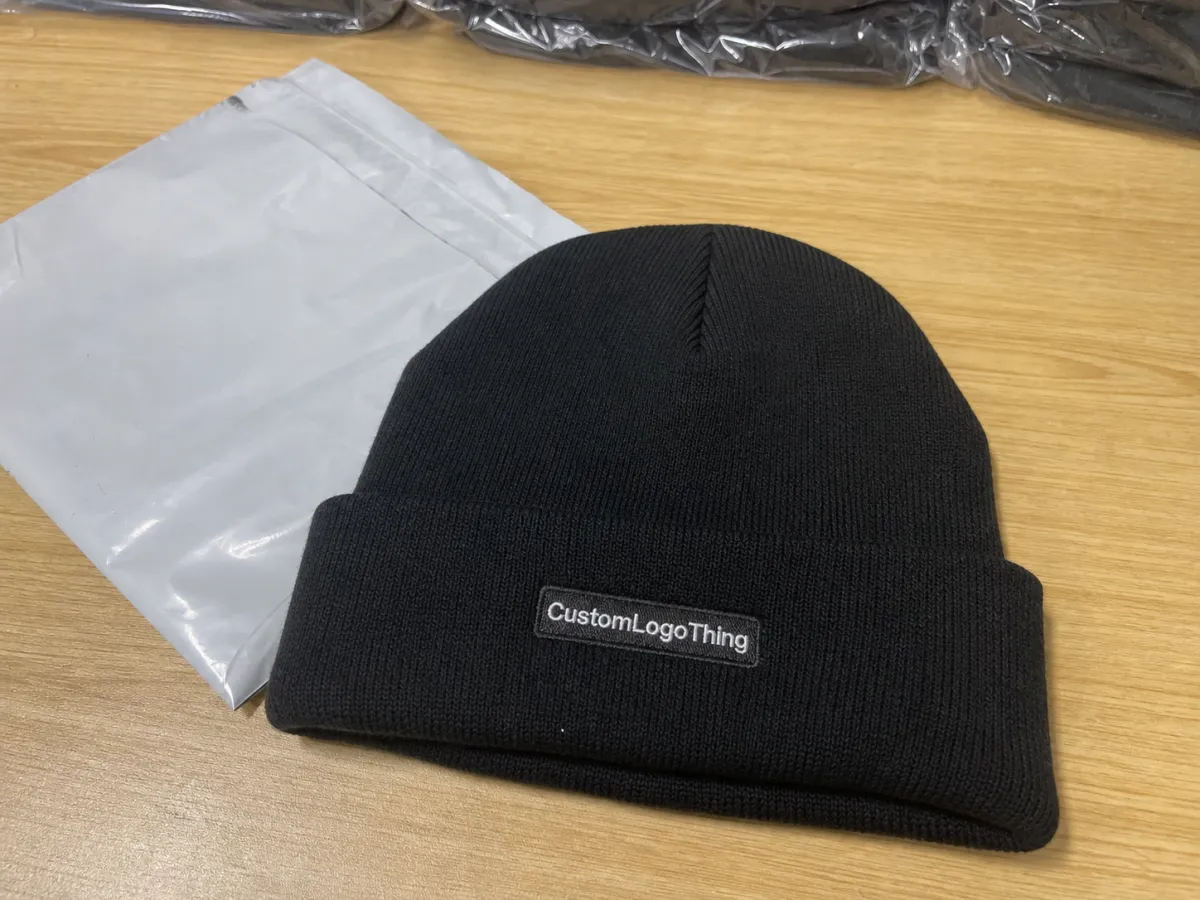
The cuff carries the visible brand space. It sits front-facing in product photos, creator posts, unboxing videos, and everyday wear. That is why cuffed Beanies for Ecommerce merch stores need to do more than keep someone warm. They have to look intentional before the buyer ever touches the knit.
A cuffed beanie is a knit cap with a folded band, usually made from acrylic, cotton, wool blends, recycled yarns, or performance fibers. The folded cuff adds warmth and structure, but its bigger merchandising value is the decoration zone. Embroidery, woven labels, leather patches, faux leather patches, rubber badges, and clip labels all behave better on a stable cuff than on a loose single-layer crown.
Online buyers cannot squeeze the fabric or check the stretch. They judge from photos, thickness, logo sharpness, fit notes, reviews, packaging, and price. If those details feel vague, the beanie starts to look like filler merch. If they are handled well, it can read like a retail accessory instead of a giveaway item with a logo stuck on it.
Practical buyer rule: treat the beanie like a small garment, not a throwaway promo product. The difference shows up in reviews, returns, and repeat orders.
Good beanie merch has a short job description. It should photograph cleanly, hold decoration in the same position from unit to unit, ship without looking crushed or linty, fit a broad audience, and feel good enough that people keep wearing it after launch week. Simple. Not always easy.
The buying path is also straightforward: choose the blank or custom knit structure, match the decoration to the artwork, understand the real unit cost, plan the production window, and avoid the mistakes that make a drop look cheaper than planned.
How Cuffed Beanies Are Built, Decorated, and Packed
Most cuffed beanies follow the same basic production sequence. Yarn is selected, the body is knitted as a tube or shaped crown, the cuff is formed, the top seam is closed, loose threads are trimmed, and the hat is steamed or shaped before decoration and packing. The steps sound basic because they are. The quality difference usually lives in the boring parts: trimming, shaping, folding, inspection, and how consistently the decoration is sewn or stitched.
Rib knit is the default for ecommerce merch for good reason. It stretches well, recovers better than many flat knits, and gives the familiar streetwear or workwear look customers already understand. A 1x1 or 2x2 rib can work for most branded beanies, depending on the thickness and yarn. Chunkier ribs look cozy in photos but can fight small logo detail. Finer-gauge knits give a smoother surface and a cleaner retail finish.
Waffle, fisherman, and other textured knits add visual weight. They can make a simple beanie feel more premium without changing the decoration much. They can also make embroidery harder. Raised texture creates uneven tension under stitches, and tiny lettering can disappear into the knit. If the artwork depends on fine detail, test it before you commit to a heavily textured body.
Decoration choice is where many beanie programs either sharpen up or go sideways.
Embroidery is durable, familiar, and strong for bold marks. It gives a raised logo and holds up well through normal wear. The catch is stitch density. Dense embroidery on a stretchy cuff can stiffen the front panel or pucker the rib. Small type, thin outlines, and tight negative space are usually the first things to fail.
Woven labels handle fine lines and small text better than embroidery. They are useful for badges, stacked logos, typography-heavy marks, and designs that need clean edges. A merrowed edge gives a classic patch look; a heat-cut edge feels flatter and more modern. The backing still matters. Too stiff, and the patch sits like a tile on a curved surface. Too soft, and it can ripple.
Leather and faux leather patches create a heritage, outdoor, or workwear feel. Debossed or laser-etched artwork can look sharp, but contrast depends on material color and finish. Faux leather is common for price and consistency. Real leather may raise care, sourcing, and variation questions, so it needs clear expectations.
Rubber patches suit modern streetwear, athletic, and performance styling. They allow molded shapes and strong color blocking. They also add weight, so oversized rubber patches can pull on softer cuffs. That is not charming. It is physics.
Custom knit-in designs work when the artwork is bold enough to translate into yarn. Large lettering, stripes, simple icons, and two-color patterns are safer than tiny logos or gradients. Yarn is not a printer. Pretending otherwise is how you get muddy artwork and a long email chain.
The cuff helps because two layers of knit provide support. That same double layer can become bulky if the backing, stitch density, or patch thickness is wrong. A 10,000-stitch logo on a loose rib cuff may pucker. A woven patch with a clean edge may solve the same design problem with less distortion and lower sewing stress.
Packing is not glamorous, but ecommerce teams feel every shortcut. Consistent folding, individual poly bags or paper sleeves, size or SKU stickers, hang tags, barcode labels, and sensible carton packing all reduce extra handling. If the fulfillment partner requires scannable SKU labels, carton labels, master carton limits, or SKU separation, put that into the spec before bulk packing starts.
One more practical point: lint control matters. Dark beanies in thin poly bags can arrive looking dusty if the production and packing area is sloppy. A quick lint check before bagging sounds minor until your customer opens a black beanie covered in pale fibers and assumes it was dragged across a warehouse floor.
Key Specs That Affect Comfort, Fit, and Brand Perception
Material choice sets the baseline. Acrylic is the most common option for beanie merch because it is warm, affordable, color-consistent, and easy to care for. It also tends to photograph predictably, which matters more than people admit. A better acrylic knit can feel soft and retail-ready. A cheap one can feel squeaky, shiny, or limp.
Cotton feels breathable and natural, but it usually has less spring. That means stretch recovery needs a closer look. A cotton beanie that fits nicely on day one can loosen if the knit structure is not firm enough. Cotton also absorbs moisture differently than acrylic, so drying and care instructions should be clear.
Wool blends add warmth and perceived value. They can justify a higher retail price, especially for premium drops or cold-weather collections. They also need honest care labeling because washing errors can cause shrinkage, felting, or shape change. Merino blends can feel softer than standard wool, but cost and sourcing requirements rise.
Recycled yarns can support sustainability messaging when the claims are accurate. Do not throw vague eco language on a listing and hope nobody asks. If the yarn has recycled content, document the percentage and any certification or supplier claim you are relying on. Marketplaces, retailers, and larger fulfillment programs can request proof.
Gauge and weight should be discussed early. Chunky knits look substantial and cozy. They also create more surface movement under embroidery. Tighter knits usually allow sharper logo execution, smoother product photography, and cleaner patch seating. For many ecommerce merch programs, a midweight rib knit is the safest balance of comfort, stretch, decoration stability, and price.
Fit is not solved by writing “one size fits most” and moving on. Cuff height, crown depth, stretch recovery, and top shape change the entire look.
A snug workwear beanie usually has a lower crown and firmer fit. A taller streetwear fit leaves extra height above the head. A softer unisex retail fit lands between those two, with enough stretch for broad sizing without feeling loose after a few wears. If your audience includes a wide range of head sizes or hairstyles, ask for measurements and stretch range rather than relying on a pretty mockup.
Cuff height affects both style and decoration. A taller cuff gives more room for patches and embroidery, but it can look bulky on smaller heads. A short cuff feels cleaner and more minimal, but limits logo height. Many merch beanies land around a 2.5- to 3-inch finished cuff, though the right measurement depends on the body shape and decoration size.
Color planning should be disciplined. Black, heather gray, navy, charcoal, cream, and forest green tend to sell steadily because they pair with common outerwear and photograph predictably. Seasonal colors can create urgency, but too many shades trap cash in slow-moving inventory. For a first run, two or three colors usually teach you more than eight colors spread thin across the same total quantity.
Placement changes how the brand reads. Centered front cuff placement is classic merch. Side cuff placement feels more retail and less loud. Clip labels work for minimalist brands. Larger patches can anchor the front of the beanie, but they also raise the risk of stiffness and poor drape.
Packaging specs shape perceived value. A branded belly band, clean hang tag, recycled paper sleeve, or accurate barcode label can make a simple acrylic beanie feel giftable. For sustainability language, avoid vague claims. The Forest Stewardship Council is one recognized source for paper-based packaging certification when FSC materials are actually used.
Pricing, MOQ, and Unit Cost Drivers for Beanie Merch
The unit cost of a beanie is shaped by the base product, yarn type, decoration method, order quantity, packaging, sampling, freight, duties, and any fulfillment labeling or carton requirements. A stocked blank with embroidery is usually faster and less expensive than a custom knit program with dyed yarn, jacquard artwork, specialty patches, and retail packaging.
MOQs vary because the setup point changes. Stocked blanks with embroidery or sewn patches may be practical at lower quantities, especially for test drops and replenishment. Fully custom knit colors, custom yarn dyeing, jacquard patterns, specialty trims, and private-label packaging usually require higher minimums because the work starts at yarn procurement and knitting, not just decoration.
Decoration drives cost in real ways. Embroidery pricing often rises with stitch count, thread colors, digitizing complexity, and placement precision. Patch pricing depends on material, size, backing, edge finish, color count, and sewing labor. Woven labels require setup, and small typography needs enough thread resolution to stay readable.
| Option | Typical Use | Common Cost Drivers | Buyer Watchout |
|---|---|---|---|
| Stock rib-knit blank with embroidery | Fast merch drops and replenishment | Stitch count, thread colors, digitizing, order quantity | Oversized embroidery can stiffen or pucker the cuff |
| Stock blank with woven patch | Detailed logos, badges, and small text | Patch size, label colors, edge finish, sewing labor | Patch backing must sit cleanly on curved rib knit |
| Custom knit beanie | Retail programs, custom colors, knit-in graphics | Yarn type, knitting setup, sampling, MOQ, packing | Lead time and minimums are usually higher |
| Premium packaged beanie | Gift bundles, influencer kits, higher retail pricing | Hang tags, belly bands, barcode labels, cartons | Packing specs must be confirmed before bulk finishing |
As a planning range, simple decorated stocked beanies may land around $4.50-$8.50 per unit at moderate quantities, depending heavily on blank quality and decoration. Premium patches, custom knit bodies, wool blends, recycled yarns, or retail packaging can push the landed cost higher. Low quantities can also make setup charges feel brutal on a per-unit basis.
Compare landed cost per sellable unit, not the factory unit price alone. Freight, duty, storage, barcode labeling, repacking, damaged units, and fulfillment prep can all change margin. A beanie quoted at a lower unit cost may become more expensive if it arrives without the labels your warehouse needs or if cartons must be opened and reworked.
The cheapest option is not always the best ecommerce option. A thin beanie that curls at the cuff, sheds lint in the bag, or arrives folded three different ways creates returns, weak reviews, and customer service work. Consistency is part of the product.
Before requesting a quote, prepare the basics: target quantity, delivery date, beanie style, yarn preference, color list, logo file, decoration size, packaging method, shipping destination, and barcode or SKU labeling needs. That short list prevents three rounds of vague pricing. Mercifully.
Production Steps and Timeline From Sample to Merch Drop
A clean beanie program starts with the merch goal. Is the product a core store item, a limited drop, employee merch, an influencer bundle, or a gift-with-purchase add-on? That answer affects material, packaging, retail price, and how much sampling is worth doing.
The normal process is simple: define the goal, choose the beanie body, review artwork, confirm decoration, approve a digital proof or physical sample, produce bulk units, inspect decoration and folding, pack by SKU, then ship to the warehouse or fulfillment partner. Skipping one of those steps rarely saves meaningful time. It usually just moves the problem to receiving, photography, or customer support.
Stocked blank beanies with embroidery or sewn labels can move faster because the base product already exists. The main work is decoration, finishing, inspection, and packing. Fully custom knit programs take longer because yarn selection, knitting, shaping, sampling, and approval happen before decoration begins.
Sampling is worth the time for first-time brand orders, higher-value retail drops, new patch materials, unusual logo colors, exact color matching, or logos that have never been applied to knitwear. If the store plans to photograph the sample before bulk production, ask whether the sample is made on production-equivalent materials or only intended to show placement. Those are not the same thing.
A physical sample should be checked like a product, not admired like a mockup. Look at cuff height, crown shape, stretch recovery, logo scale, thread color, patch edge, backing feel, inside finish, folding, and bagging. Put it on a head form or an actual person if possible. Flat tables lie.
Timeline risks are often controllable. Late artwork files, unclear Pantone or thread choices, changing packaging specs after sample approval, missing barcode requirements, and slow pre-production approval can push a launch date. Seasonal demand matters too. As colder months approach, knitting capacity, embroidery lines, patch sewing, and freight lanes tend to tighten.
A practical launch calendar works backward from the drop date. Leave room for sample review, photo shoots, ecommerce listing setup, inbound receiving, inspection corrections, and freight delays. If custom packaging is involved, confirm carton markings and barcode placement before cartons are packed, not after they arrive at the warehouse.
Transit and handling deserve attention, especially for bundles or gift packaging. The International Safe Transit Association publishes packaging test procedures commonly referenced for shipping performance through parcel networks. A single beanie in a mailer is low risk. A boxed kit with tissue, tags, inserts, and multiple SKUs is a different project.
Common Mistakes That Make Beanies Harder to Sell Online
The most common mistake is choosing decoration from a flat mockup. A logo can look perfect on screen and behave badly on a curved, stretchy, ribbed cuff once the beanie is worn. Ask how the artwork will sit on the actual knit structure.
Oversized embroidery is another repeat offender. Dense stitching can stiffen the cuff, pucker the knit, or make the front panel feel heavy. If the logo has thin outlines, small type, or a lot of interior detail, a woven label or patch may create a cleaner result with less stress on the fabric.
Bad contrast also kills listings. Black thread on charcoal knit may look tasteful in a render and nearly invisible in product photos. Cream patches on white beanies can look washed out. Tonal branding can work, but it needs deliberate lighting, enough texture, and an audience that wants subtlety.
Too many colors and SKUs can quietly damage a first run. Ecommerce brands often spread demand across five or six colors before they know what will sell. That creates slow-moving inventory, more pick locations, more listing work, and harder replenishment for a product that should be simple. Start tighter. Expand once sales data earns it.
Photos can make or break the listing. Show the beanie on a head, show the cuff height, show the inside label if it matters, and include enough scale that buyers understand the fit. Use lighting that separates black, navy, charcoal, and forest green. Under poor lighting, those colors collapse into the same dark blob.
Weak product copy causes avoidable returns. Buyers need material, fit, care, decoration type, and color information. If the beanie has a taller streetwear crown, say so. If it is a snug watch-cap fit, say that too. “Premium beanie” does not answer anything. It just sits there looking pleased with itself.
Packing mistakes are visible once the customer opens the parcel. Inconsistent folding, no SKU label, weak cartons, and poly bags that trap lint can make the beanie look handled before the buyer touches it. If units are going to a fulfillment center, individual labels and scannable barcodes should be confirmed before cartons leave production.
Care-label and compliance oversights deserve more respect than they get. Fiber content, country of origin, and care instructions may need to be accurate on the product or packaging, especially for specialty fibers, recycled yarn claims, or cross-border sales. Many small merch programs treat this casually until a marketplace, retailer, or fulfillment partner asks for documentation. Then it becomes urgent, because of course it does.
Next Steps to Specify, Quote, and Launch Your Beanie Drop
Start by deciding the sales role of the beanie. A core store item needs replenishment logic and steady colors. A limited drop can carry bolder colors and tighter quantities. Employee merch may prioritize comfort and durability. An influencer bundle may need packaging that photographs well. A gift-with-purchase item needs a cost structure that protects margin.
For a first assortment, narrow the program to two or three proven colors, one decoration method, and a fit profile that suits the audience. Expand after sales data shows which colors, logo placements, and product photos move units. Guessing gets expensive fast.
Build a simple spec worksheet before requesting quotes. Include target retail price, margin goal, estimated quantity, yarn preference, cuff height, beanie color, logo dimensions, decoration method, packaging style, barcode needs, ship-to location, and in-hands date. Add any carton rules from your fulfillment partner, including master carton weight limits or SKU separation requirements.
- Retail target: selling price, margin goal, expected discounting, and launch quantity.
- Product spec: yarn type, knit style, cuff height, crown fit, and color list.
- Decoration: logo file, size, placement, thread or patch colors, and backing preference.
- Packing: hang tag, belly band, poly bag or paper sleeve, barcode, and carton labeling.
- Launch timing: sample approval date, photo date, warehouse arrival date, and drop date.
Order or approve a sample when the brand is testing a new fit, patch style, premium packaging concept, specialty yarn, or logo that has never been embroidered or sewn onto knitwear before. A physical sample can reveal cuff stiffness, logo scale, color contrast, stretch, and folding behavior that a digital proof cannot show.
Before launch, check the delivered units against the listing. Product photos should match the actual beanie. SKU labels and barcodes should scan correctly. Pull a small random sample from cartons to inspect decoration, folding, loose threads, lint, and packaging condition. The listing should explain material, fit, care, and decoration clearly enough that buyers are not forced to guess.
Cuffed Beanies for Ecommerce Merch stores sell best when the product, decoration, packaging, pricing, and fulfillment details are treated as one connected retail system. Get those pieces aligned, and a small knit cap can carry a brand with surprising strength.
FAQ
What are the best cuffed beanies for online merch stores?
The best option is usually a midweight rib-knit cuffed beanie with good stretch recovery, a stable front cuff, and decoration that matches the artwork. Embroidery works well for simple logos. Woven patches are often better for fine detail, small text, or badge-style artwork. For a first drop, neutral colors such as black, heather gray, navy, charcoal, and cream are usually easier to sell and photograph than a wide spread of niche colors.
How much do custom cuffed beanies usually cost for ecommerce merch?
Cost depends on quantity, yarn, decoration, packaging, freight, and labeling requirements. Simple decorated stocked beanies may fall around $4.50-$8.50 per unit at moderate quantities, while premium patches, wool blends, custom knitting, or retail packaging can cost more. Compare landed cost per sellable unit, not only the factory unit price.
What decoration method works best on cuffed beanies?
Embroidery works best for bold, simple logos. Woven labels, leather patches, faux leather patches, and rubber patches are stronger choices for fine lines, small type, or a retail badge look. Check cuff thickness, stitch density, patch backing, and placement before bulk production so the decoration does not pucker, sag, or feel too stiff.
What MOQ should ecommerce brands expect for custom beanies?
MOQs are usually lower for stocked blank beanies with standard decoration and higher for custom yarn colors, custom knitting, jacquard patterns, or specialty trims. A smart first order balances enough quantity for a useful launch with limited color complexity so inventory does not get trapped in slow-moving SKUs.
How long does it take to produce beanies for a merch store launch?
Timelines vary by customization level. Stocked blank beanies with embroidery or sewn patches usually move faster than fully custom knit programs that require yarn selection, knitting, sampling, and finishing. Build in time for artwork review, sample approval, bulk production, inspection, packing, freight, receiving, photography, and ecommerce listing setup before announcing the drop date.