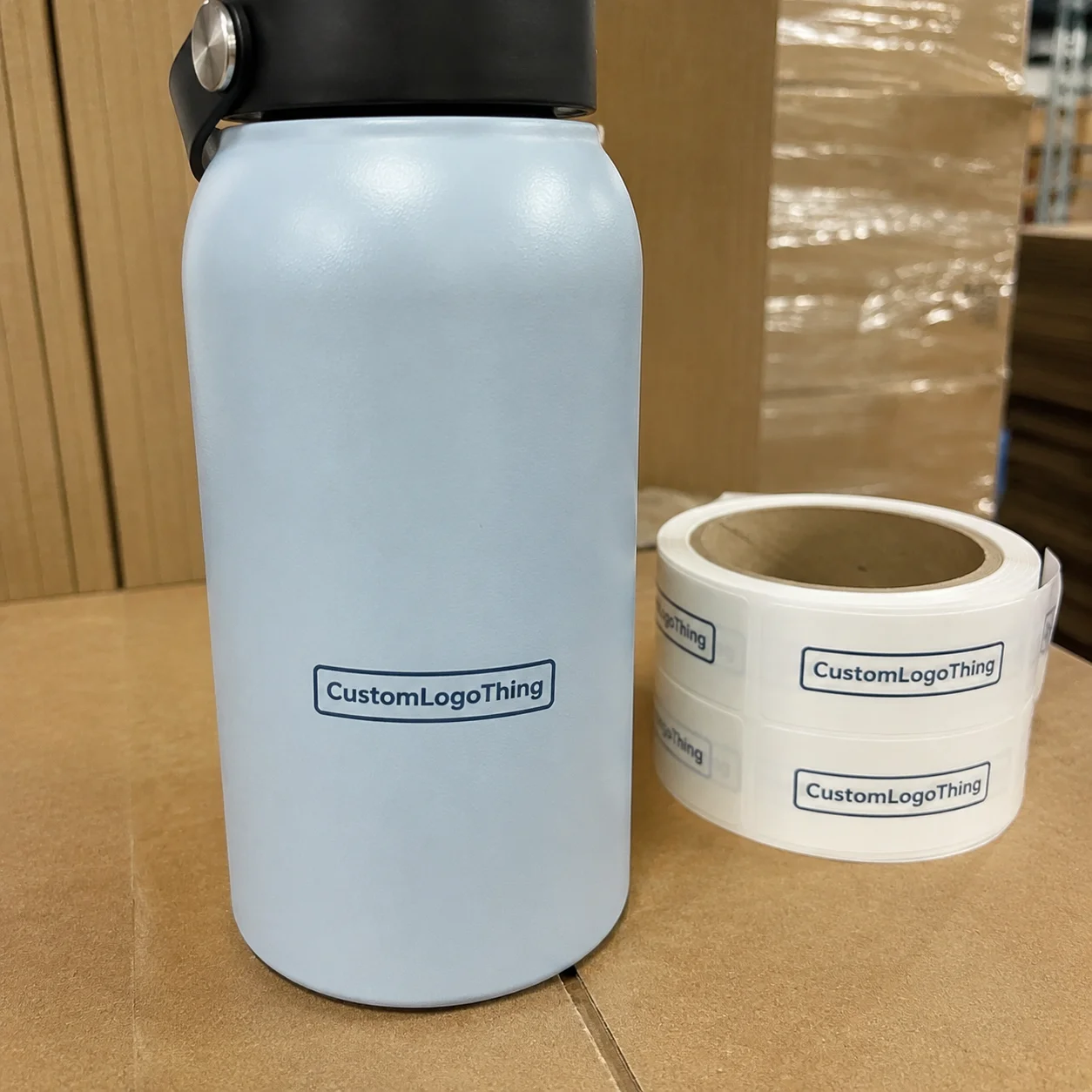
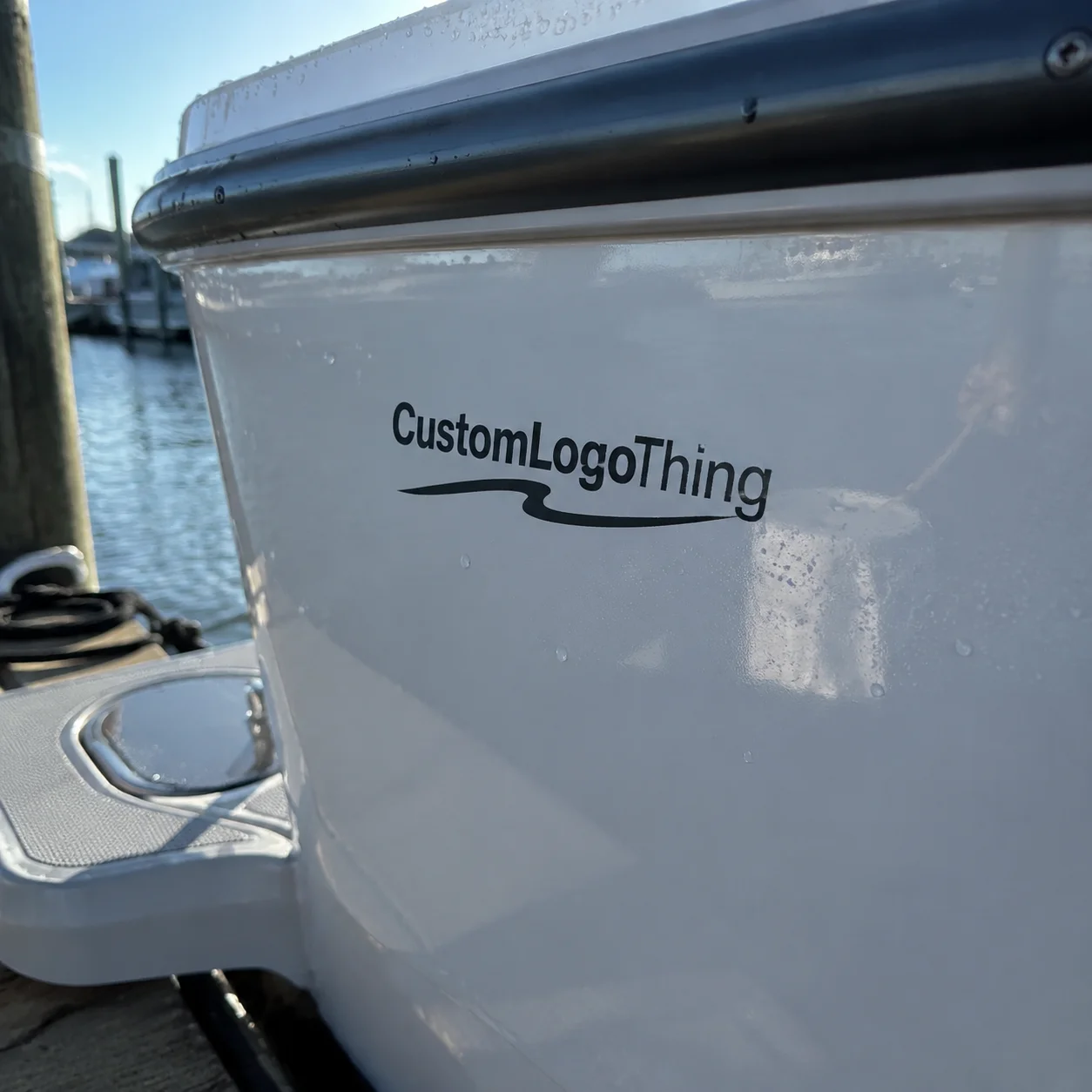
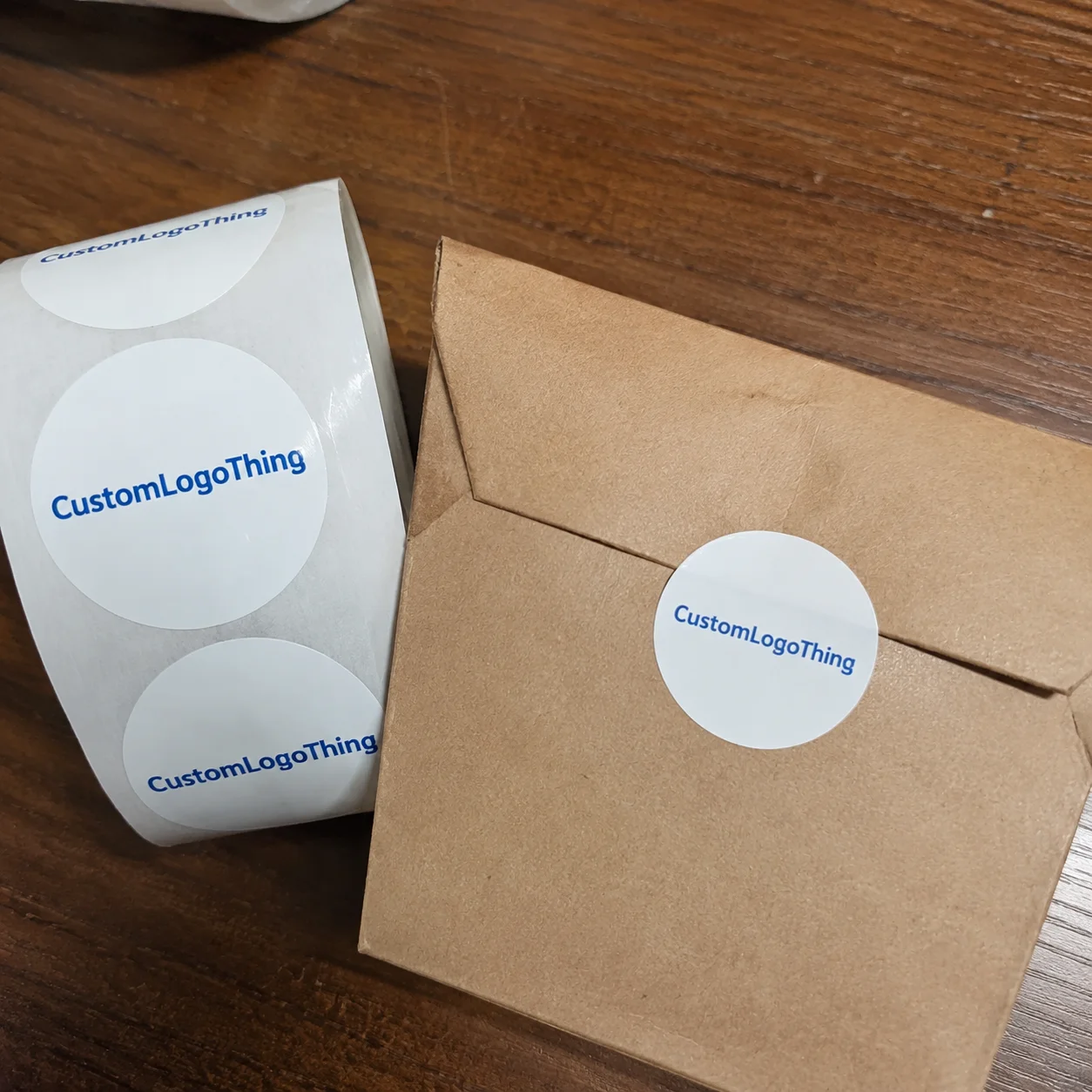
Buy Custom Automotive Stickers for Vehicles and Fleets
A small graphic on a truck door can do more work than people expect. Well-made custom automotive stickers turn cars, vans, trailers, service bodies, toolboxes, and fleet doors into moving brand panels. The catch: the material, adhesive, print system, laminate, and installation process all have to match the job.
I tend to judge vehicle stickers the same way I judge product labels or branded packaging. The artwork gets the first look. The construction decides whether the piece still looks sharp after heat, rain, wash cycles, road film, and daily handling. A sticker can look perfect on a proof and fail in a month if it uses the wrong film, an underpowered adhesive, or a laminate that cannot handle the cleaning routine.
What Custom Automotive Stickers Are and Why They Stand Out
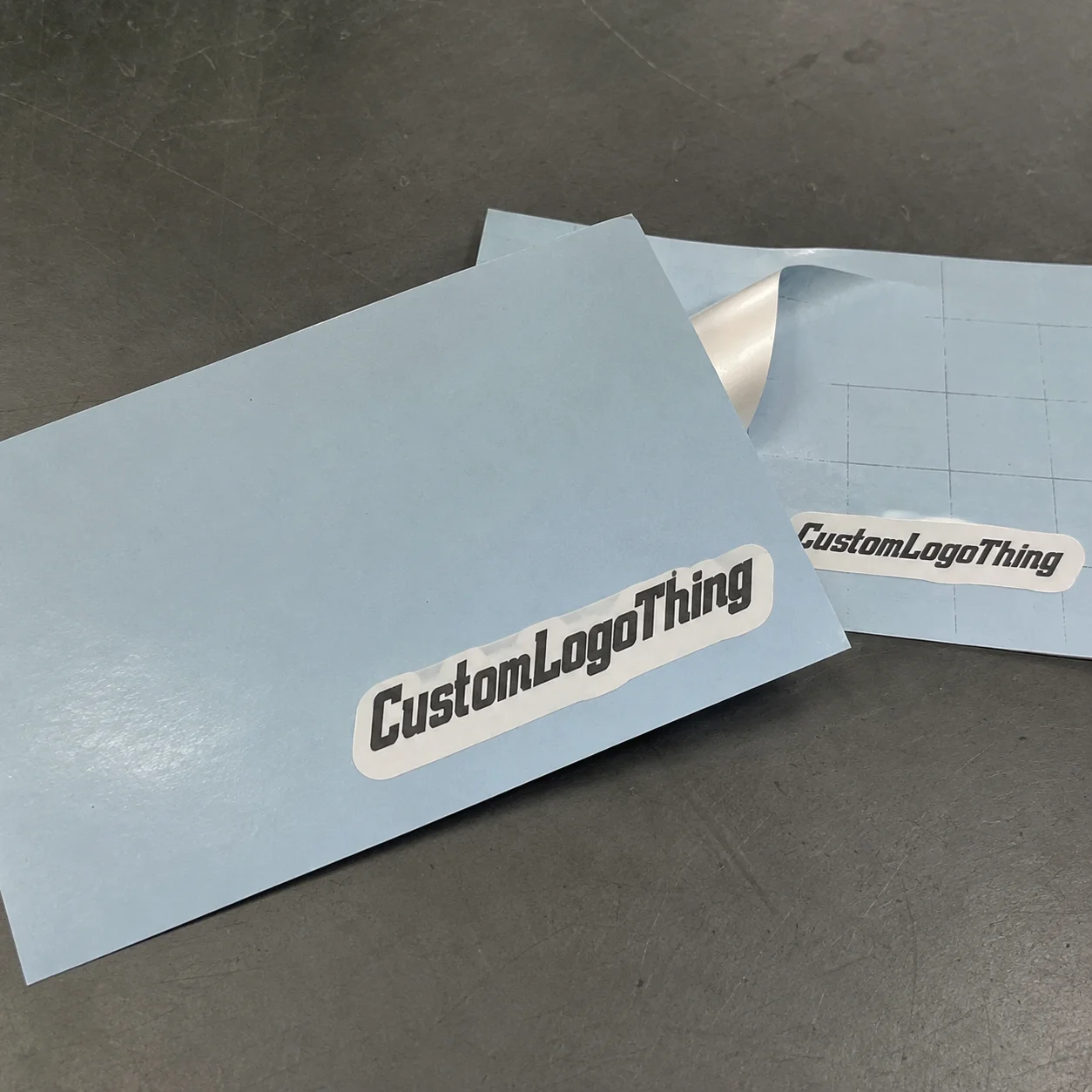
Custom automotive stickers are adhesive graphics designed for vehicle-related surfaces: cars, trucks, vans, trailers, motorcycles, utility equipment, and mobile service fleets. They may carry a logo, phone number, QR code, compliance mark, unit number, safety message, campaign graphic, or decorative design. The format can be tiny, like a 3-inch service reminder on a windshield, or large enough to cover a 24-inch section of a work van door.
The main advantage is visibility without buying more media space. A clean logo on a tailgate, rear window, bumper, or fleet door can be seen by hundreds of people during normal driving and parking. For contractors, delivery brands, auto clubs, mobile detailers, repair shops, dealerships, and event teams, that modest square footage can build recognition over months or years.
Not every vehicle sticker is built for the same life span. A decorative sticker may use a lighter vinyl and a basic adhesive because it is meant for short-term style. A removable decal uses an adhesive designed to release with less residue after a defined period, which helps with seasonal promotions, leased vehicles, and temporary fleet campaigns. Longer-life vehicle graphics usually use outdoor-rated vinyl, eco-solvent, latex, UV, or screen-printed inks, plus a protective laminate to resist sun, abrasion, and wash chemicals.
Placement changes the specification. Glass is smooth and stable. Painted metal may curve, flex, and collect wax. Powder-coated parts often have slight texture, reducing adhesive contact. Plastic trim can be difficult because some plastics have low surface energy and do not bond well unless the film and adhesive are chosen for that surface.
Practical rule: choose the sticker construction for the surface and exposure first, then tune the design. A great-looking graphic on the wrong material is still a short-life graphic.
The promise is simple: the right build can look clean, stay put, and still remove in a controlled way when a phone number, logo, ownership mark, or fleet program changes.
How the Print, Lamination, and Application Process Works
Production starts with artwork review. A print team checks file type, size, resolution, bleeds, cut paths, color callouts, and small text. Vector artwork is preferred for logos because the edges stay crisp at 4 inches or 40 inches. Raster images can work, but they usually need 150 to 300 dpi at final size, depending on viewing distance and print method.
Once the file is clean, the shop prepares a digital proof. That proof should show dimensions, shape, cut line, print colors, and any white ink or clear areas if the sticker is printed on transparent film. For fleet work, a proof placed on a vehicle photo or template is much more useful than a floating logo on a white background. It catches scale problems before the press is running.
Printing may be done by UV inkjet, eco-solvent, latex, or screen printing, depending on volume, color needs, and durability requirements. UV printing can produce crisp detail and strong surface cure. Eco-solvent and latex are common for outdoor vinyl graphics because they balance color, flexibility, and weather performance. Screen printing still makes sense for certain high-volume spot-color jobs where color consistency and ink thickness matter.
After printing, many automotive stickers receive lamination. A 2.5 to 3 mil overlaminate is common for vehicle decals because it adds scratch resistance, UV protection, and easier cleaning. Gloss laminate boosts color and shine. Matte laminate cuts glare and gives a more subdued look. Clear laminate can protect printed areas while keeping the base film visible.
The cutting stage shapes the finished piece. Contour cutting follows the outline of a logo or design. Kiss-cut sheets leave each sticker on a backing sheet, which is useful for retail handouts, installer kits, or multi-piece sets. Individual die-cut pieces are easier to distribute to crews or pack with custom packaging products for branded kits.
Application prep matters as much as printing. The surface should be washed, dried, and wiped with a suitable cleaner that removes wax, silicone, oil, and road film. On most painted or glass surfaces, installers use a firm squeegee, steady pressure, overlapping strokes, and sometimes controlled heat around curves or edges. Cold panels, dirty paint, trapped air, and rushed squeegee work are common reasons edges lift early.
Material, Finish, and Durability Factors to Compare
Material choice decides how the sticker behaves under real use. Calendered vinyl is common for flat or slightly curved vehicle panels and is often the sensible choice for bumper stickers, window graphics, shop decals, and short-to-medium fleet programs. Cast vinyl costs more but conforms better around curves, rivets, and complex panels, so it is often used for higher-end vehicle graphics and longer outdoor exposure.
Polyester film is dimensionally stable and can be excellent for equipment labels, under-hood markings, toolboxes, and smooth surfaces where shrinkage must be controlled. It is less forgiving on curves than vinyl, but it performs well in the right construction. Specialty films include reflective stock, clear film, perforated window film, metallic film, and high-tack materials for low-energy plastics or powder-coated parts.
Finish affects both appearance and performance. Gloss gives the strongest color pop and pairs well with bright brand colors. Matte reduces glare, hides minor scuffs better, and can look more restrained on dark paint. Clear film is useful when the surface color should show through, but it needs careful planning because white ink may be required to keep colors opaque on glass or tinted panels.
Adhesive selection is where many orders succeed or fail. Permanent adhesives offer stronger long-term hold, especially for fleet identifiers and equipment graphics. Removable adhesives are better for temporary promotions, leased vehicles, and campaigns that may change within 3 to 24 months. High-tack adhesives help on rougher or lower-energy surfaces, but removal can be slower and messier later.
Temperature matters. Many pressure-sensitive films need installation above roughly 50°F, with better results in the 60°F to 80°F range. After application, the adhesive continues to wet out and build bond over the next 24 to 72 hours. If the vehicle goes straight into rain, pressure washing, road salt, or a brush car wash, the bond may not reach its intended strength.
| Material or Finish | Best Use | Typical Durability Range | Cost Impact |
|---|---|---|---|
| Calendered vinyl with gloss laminate | Flat doors, bumpers, windows, shop decals | About 2 to 5 years outdoors, depending on exposure | Moderate |
| Cast vinyl with protective laminate | Curves, fleet graphics, longer-term vehicle branding | About 5 to 7 years in many outdoor applications | Higher |
| Reflective vinyl | Safety markings, trailers, service fleets, night visibility | Often 3 to 7 years, based on grade and laminate | Higher |
| Clear film with white ink | Glass, subtle branding, transparent design effects | About 2 to 5 years with suitable laminate | Moderate to higher |
| Polyester film | Toolboxes, equipment labels, smooth industrial surfaces | Often 3 to 6 years, depending on adhesive and exposure | Moderate to higher |
Outdoor performance is never one number for every vehicle. UV exposure, road salt, fuel splashes, pressure washing, snow brushes, desert heat, and coastal air can all shorten life. For broader sustainability and material-selection thinking, the EPA’s sustainable materials management resources are a useful reference, although vehicle stickers still require application-specific choices rather than broad material claims.
Cost and Pricing: What Changes the Quote
The price of custom automotive stickers changes with size, quantity, material, laminate, print coverage, cut complexity, packaging, and proofing requirements. A simple 4-inch logo on white vinyl is very different from a reflective 18-inch door mark with contour cutting and individual packing. The artwork may look simple while the production path is not.
For small decals, a 500-piece run might land around $0.65 to $1.80 per piece, depending on size and finish. A 5,000-piece run of the same design might drop into the $0.18 to $0.55 range because setup, proofing, press calibration, and finishing labor are spread across more units. Larger vehicle door graphics often price by square footage or by set; a pair of 18-inch laminated door decals may range from roughly $18 to $55 per set, depending on material and order quantity.
Short runs carry more setup cost per piece. That is normal. Every order still needs file review, proofing, print setup, drying or curing time, lamination, cutting, waste allowance, quality checks, and packing. Larger repeat orders are more efficient because the die line, color targets, and production notes are already established.
Specialty requests raise the quote. Reflective film can cost several times more than basic white vinyl. UV-protective laminate adds material and finishing labor. Custom shapes need contour-cut programming and more careful weeding. Sequential numbering, variable QR codes, and unit IDs add data handling and inspection time.
Ask for pricing by application type, not just sticker size. A shop giveaway sticker, fleet unit identifier, bumper promotion, compliance label, and full door graphic should not be treated as one category. The buyer’s goal changes the construction. That same logic applies across custom labels and tags, retail packaging, package branding, and Custom Printed Boxes: the spec should follow the use case, not the other way around.
Production Steps and Timeline: From Proof to Delivery
A normal production path begins with file review, then moves to proof creation, proof approval, print production, lamination, cutting, quality inspection, packing, and shipment. Each step has a job. Skipping one may save a day on paper, but it can create a costly reprint if the size, color, or cut line is wrong.
For a straightforward reorder with approved files and stock material on hand, production may take 5 to 8 business days after proof approval. A new custom shape, specialty film, or color-matched fleet program may need 10 to 15 business days, sometimes longer if material must be sourced. Very large fleet projects can require staged production so installers receive graphics in vehicle groups rather than one huge mixed carton.
The fastest part is usually printing once the file is approved and the material is ready. The slower parts are the human decisions: artwork revisions, logo cleanup, color matching, cut-line changes, and approval routing. If three people need to approve a phone number, QR code, legal line, or franchise logo, build that time into the schedule.
Color deserves extra care. Screens are not reliable color standards, especially for reds, oranges, grays, and dark blues. If brand accuracy matters, provide Pantone references, previous samples, or printed brand standards. For fleet graphics, a small press proof or material sample can prevent mismatched panels across vehicles.
Packing also matters. Individual decals may be packed flat, banded in sets, or grouped by vehicle number. Larger graphics may ship rolled on cores. Installer kits often include labeled bags, placement notes, or sheet maps. If a field crew is applying stickers to 25 trucks on a Saturday morning, clear packing can save more time than most buyers expect.
Plan time for inspection and test application. One sample applied to the real vehicle surface can reveal glare, readability, adhesive behavior, or scale issues before hundreds of pieces are used. This is especially useful for fleet decals going onto trailers, equipment, or high-wash service vehicles.
Common Mistakes That Shorten Lifespan or Waste Budget
The most common mistake is choosing indoor-grade material for outdoor vehicle use. It may look fine on day one, but sun and wash cycles expose the shortcut quickly. Fading, curling, cracking, and edge lift are typical signs that the film, ink, or adhesive was under-specified.
Poor sizing is another budget killer. A sticker that is too small becomes unreadable at traffic distance, especially if the design includes a website, phone number, QR code, or fine tagline. A sticker that is too large may hit body lines, door handles, hinges, trim, or curved panel areas that require a different vinyl grade. Good packaging design teaches the same lesson: scale and viewing distance matter.
Artwork checks are not optional. Before approving the proof, confirm logo version, spelling, phone number, URL, QR code, license number, compliance text, and legal marks. Buyers sometimes spend more time debating gloss versus matte than checking the contact details. The contact details matter more. A beautiful decal with the wrong phone number is scrap.
Installation mistakes can ruin even premium materials. Do not apply to dirty paint, waxed surfaces, fresh paint, cold panels, damp glass, or sun-baked surfaces that are too hot to handle comfortably. Many fresh automotive paints need several weeks to cure before graphics are applied, and the exact timing depends on the paint system. If there is doubt, ask the paint supplier or installer before applying pressure-sensitive film.
Pressure washing is another trouble spot. High-pressure spray aimed at sticker edges can force water under the film. Brush car washes can abrade laminate over time. Fuel drips, bug removers, degreasers, and harsh solvents can attack inks or adhesive. A laminated outdoor vinyl will handle normal cleaning far better than an unprotected indoor sticker, but it is not armor plating.
- Avoid tiny text: keep critical wording large enough to read from the expected viewing distance.
- Respect edges: leave clearance from seams, handles, rubber gaskets, and sharp body lines.
- Test the surface: apply a sample before committing to a full fleet run.
- Document placement: use measurements or photos so every vehicle looks consistent.
Expert Tips and Next Steps for a Smarter Order
Start with the end use. If the goal is branding, prioritize color, scale, and clean placement. If the goal is identification, prioritize readability and durability. If the goal is promotion, removability may matter more than maximum adhesive strength. If the goal is compliance or safety, material performance, reflectivity, and legibility should drive the specification.
Prepare clean vector artwork whenever possible. Send AI, EPS, SVG, or print-ready PDF files with outlined fonts, linked images embedded, and colors identified. If you only have a PNG or JPG, provide the highest-resolution version available and ask whether the logo needs to be redrawn. A little file cleanup before proofing can save several revision rounds.
Give exact dimensions and installation photos. A straight-on photo of the vehicle panel with a tape measure in the frame is surprisingly useful. It lets the print team check panel size, trim, curves, handles, hinges, and glass shape. For fleet orders, include vehicle models and note whether every vehicle is identical or mixed.
Ask for a material recommendation if the stickers will face harsh outdoor conditions. A vehicle parked indoors in a mild climate does not need the same construction as a service truck in road salt, commercial washes, and full sun. Not every order needs the most expensive film, but every order needs the correct film. For transit and distribution planning, standards organizations such as ISTA are helpful references because they show how packaging and shipped goods are tested under handling stress, even though sticker adhesion must still be validated on the actual vehicle surface.
Think about packaging, too. If the stickers are part of a larger launch kit, the way they are packed can support the brand experience. Branded instruction cards, labeled vehicle sets, protective sleeves, and clean product packaging can reduce installer confusion and make the program feel organized. That is the same discipline behind strong branded packaging: make the item easy to identify, handle, and use correctly.
Before approving the final file, confirm placement, quantity, material, surface, color, finish, packing method, and removal plan. If the vehicle may be sold, leased, rebranded, or updated within a year or two, say that early. A removable adhesive or shorter-life promotional construction may be the better buy.
Smart ordering is not about buying the thickest sticker or the cheapest sticker. It is about matching the build to the real surface, weather, cleaning routine, and business goal. Done that way, custom automotive stickers can carry a logo, message, or fleet ID with the clean durability buyers expect from day one.
FAQ
How long do custom automotive stickers usually last outdoors?
Outdoor life depends on vinyl grade, laminate, sun exposure, wash frequency, surface condition, and climate. A basic outdoor vinyl may last about 2 to 3 years in moderate conditions, while a higher-grade laminated vehicle film may reach 5 to 7 years in many applications. Fleet vehicles in harsh sun, snow, road salt, or frequent commercial washes usually need a stronger material and protective lamination.
What size works best for custom automotive stickers on vehicles?
The best size depends on viewing distance, panel shape, and the goal of the graphic. Door logos often need more height than buyers expect, while bumper stickers must stay readable in a narrow space. A good proof should show the sticker at scale on the vehicle or panel area before production starts.
Can custom automotive stickers be removed cleanly later?
Many automotive decals can be removed cleanly, but removal depends on adhesive type, age, sun exposure, paint condition, and installation surface. Heat, slow peeling, and adhesive-removal products can reduce residue and help protect paint. Long-installed graphics on sun-baked panels may need extra care.
What affects the price of custom automotive stickers the most?
Size, quantity, material, finish, print coverage, and cutting style usually drive the largest price changes. Custom shapes, reflective films, protective laminate, variable data, and short runs raise the per-piece cost. Pricing often improves at higher quantities because setup and production labor are spread across more stickers.
How should I prepare artwork for custom automotive stickers?
Send vector files whenever possible so logos, edges, and text stay sharp. Include exact dimensions, color notes, surface details, and placement photos for a cleaner proofing process. If the design wraps around a curve, crosses a seam, or sits near trim, share photos or templates early so the cut line and material choice can be checked before production.