Buy Custom Poly Plastic Bags for Clothes: What Matters Before You Order
Custom Poly Plastic Bags for clothes do more than keep dust off a folded shirt. They affect presentation, handling speed, visibility, and whether the garment arrives looking organized or improvised. That makes the bag part of the product decision, not just a supply item.
The right bag protects the garment and supports the packing line. The wrong one adds wrinkles, split seams, loose fit, and extra labor. For apparel brands, that usually means the bag should be chosen with the same care as labels, inserts, and outer mailers.
What Custom Poly Plastic Bags for Clothes Actually Do
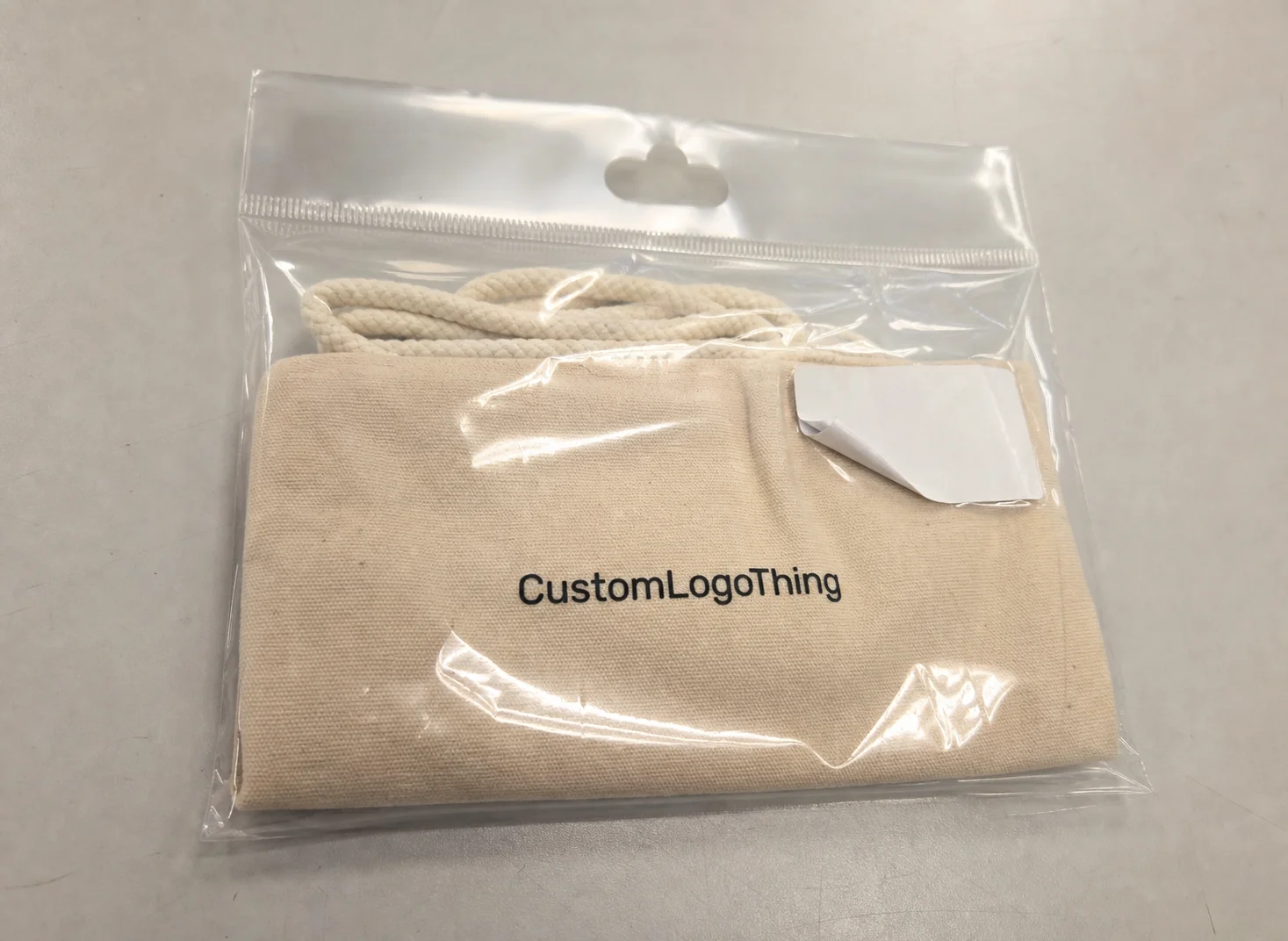
The most basic function is protection. Poly film keeps dust off garments, reduces scuffing during handling, and helps folded items stay grouped through carton movement and pallet compression. Clear or labeled bags also make size and style identification faster for warehouse teams.
Presentation matters too. A clean printed sleeve signals control, while a loose or cloudy bag can make a well-made garment look unfinished. That is true in retail, but it also matters in e-commerce, where the customer sees the packaging before touching the product.
The use case should drive the spec. Retail packaging usually needs better visibility and a cleaner look. Warehouse-heavy programs care more about durability and consistency. E-commerce needs a bag that loads quickly and fits the pack-out flow without slowing workers down.
Common formats include:
- Clear sleeves for visibility and quick garment identification.
- Printed bags for branding, size marking, or care instructions.
- Frosted bags for a softer premium look with some visibility retained.
- Vented garment bags for storage or hanging apparel that benefits from airflow.
- Fold-over styles for compact garments packed flat.
That choice should still align with the fold style, barcode labels, inserts, carton size, and any outer pack such as Custom Poly Mailers or other Custom Packaging Products. If those pieces are designed separately, the result is usually wasted space or extra handwork.
The useful bag is the one that fits, prints cleanly, and does not slow the packing line.
For packaging handling and transit behavior, the Institute of Packaging Professionals and the International Safe Transit Association are useful references.
Specs That Change Fit, Clarity, and Durability
Three variables drive most of the outcome: thickness, dimensions, and film finish. If those are right, the bag usually behaves. If they are wrong, everything else has to compensate.
Thickness is usually given in gauge or mil. Thicker film resists tearing better and feels more substantial, but it also stiffens the bag. Thin film is lighter and cheaper, yet it can wrinkle more and feel fragile under heavier handling. For tees and light folded garments, a thinner bag may be enough. For knits, jackets, or orders that move through multiple handoffs, buyers often move up in thickness to reduce failure risk.
Size should be based on the garment as folded, not on the garment’s flat dimensions. Shoulder width, collar bulk, cuffs, seam thickness, and closure style all consume space. A bag that looks large enough on paper can still be awkward if the opening is tight or if the top edge leaves no room for labels or tape.
Film finish changes how the bag reads. Clear film shows the garment plainly and supports fast identification. Frosted film hides small wrinkles and gives a softer presentation. Tinted and opaque films provide more privacy and branding space, but they reduce visibility.
Closures and venting matter as well. Open-top sleeves are fast to load. Adhesive flaps and resealable options help keep dust out and keep folded pieces from sliding around. Heat sealing is often used in high-volume work because it creates consistency. Vent holes can help some garments breathe during storage, but they should be placed carefully so the bag still looks intentional.
| Bag Style | Typical Use | Visibility | Indicative Unit Price | Practical Note |
|---|---|---|---|---|
| Clear sleeve | Folded retail apparel, warehouse sorting | High | $0.06-$0.12 at larger runs | Best for fast identification and simple presentation |
| Frosted printed bag | Premium retail packaging, branded sets | Medium | $0.10-$0.20 | Balances visibility with a cleaner brand look |
| Vented garment bag | Longer storage, hanging apparel | Medium | $0.14-$0.28 | Useful for heavier handling and wardrobe programs |
| Printed fold-over style | Organized carton packing, direct-to-consumer orders | Low to medium | $0.12-$0.26 | Chosen when branding and consistency matter more than full visibility |
The price bands above are not universal. They move with order quantity, film gauge, print coverage, and freight. A small custom print order can sit well above them, while a larger repeat run can come in lower. The useful part is the relative spread: heavier material, more print, and more complexity almost always cost more.
A sample that looks good on a spec sheet can still fail in real use. Common reasons are film that is too slippery, too glossy, or too stiff for the packing process. Sampling is the only way to see whether the bag loads easily, seals cleanly, and survives handling without looking tired before it leaves the plant.
How the Order Process Actually Runs
Most custom bag orders follow the same sequence: the buyer sends specs, the supplier quotes, artwork is checked, proofs are reviewed, samples may be made, production starts, and the order ships. The order of events is predictable. The delays are not.
Where schedules slip is usually before production begins. Final size changes, revisions to print placement, color approval, barcode adjustments, and layout corrections all add time. Manufacturing itself is often faster than the back-and-forth that precedes it.
Before requesting a quote, a buyer should have the following locked down:
- Garment dimensions in folded form.
- Expected order quantity.
- Target film thickness.
- Print colors, coverage, and placement.
- Closure type and any venting requirement.
- Intended use: retail display, warehouse packing, or shipping.
Those details let a supplier determine whether the job fits a stock-film run or requires a make-to-order schedule. That distinction affects lead time more than most people expect. If the material is already on hand, the timeline is usually shorter. If the film, finish, or print setup is unusual, the project can move into a special-order cycle.
Typical lead time for straightforward apparel bag runs is often 12-15 business days after proof approval. Larger quantities, special finishes, or sourcing delays can extend that. Transit time sits on top of production time, so the calendar window may be longer depending on shipping distance and freight method.
If the bags are part of a broader packaging set that includes labels, inserts, or boxes, those elements should be aligned early. Separate approvals create separate delays, and disconnected packaging pieces usually cost more to correct than to plan properly the first time.
What Drives Price, MOQ, and Landed Cost
Price is driven mainly by size, film thickness, print complexity, and quantity. Buyers often focus on unit price because it is easy to compare, but that can hide the real cost. A slightly thicker film or cleaner print setup may improve the package enough to justify the difference.
MOQ matters because setup costs have to be spread across the run. Smaller orders carry a higher unit cost because the supplier is absorbing the same setup burden over fewer pieces. Larger runs generally reduce per-unit cost, especially when the film and print method are standard. In apparel packaging, many suppliers become more comfortable economically somewhere around 5,000 to 10,000 units, though the practical floor varies by style and print method.
Watch the quote for these variables:
- Color count, since multi-color art usually adds setup and print complexity.
- Film gauge, which affects both raw material cost and handling behavior.
- Tooling or die work for unusual closures, vents, or shapes.
- Packaging format, such as bulk-packed bags versus bundled stacks.
- Freight, which can materially change the landed cost on bulky orders.
- Rush timing, which can force a different production slot and raise cost.
The cleanest comparison is apples to apples. Two suppliers can both quote a “clear garment bag,” but one may be quoting thinner film, looser tolerances, and no proofing while the other includes a heavier gauge and a preproduction sample. Those are not the same offer, even if the line item looks similar.
Sampling should not be treated as optional if the bag carries brand-facing print or needs to fit a specific fold. The sample cost is usually minor compared with the cost of a bad first run. One rejected production batch can erase any savings from skipping a proof.
Sizing, Printing, and Closure Decisions
The best sizing starts with the garment, not the bag. Measure the folded item at its widest point, then add space for seam bulk, closure method, and loading clearance. If the garment ships on a hanger, measure shoulder span and drop length. If it folds flat, measure both width and height in the actual packed position.
Apparel does not fold consistently across styles. Knits trap air. Jackets bulk up. Multi-piece sets occupy more volume than a single tee. The bag should reflect the packed reality, not an idealized drawing.
Print placement needs the same discipline. Keep logos, size marks, and care copy away from seals, openings, and fold lines. If the bag will be folded again inside a carton, leave margin for that second fold. A design too close to the top edge can disappear once it is taped, sealed, or stacked.
There is also a branding decision to make. Light branding often looks cleaner and ages better. Heavy coverage can feel crowded, especially if the garment already has a strong visual identity. For retail packaging, enough print to confirm identity and build confidence is usually enough.
Closure should match the workflow:
- Open sleeve for fast loading and low-friction pack-out.
- Tape closure for dust control and carton stability.
- Resealable flap for garments that may be reopened or returned to storage.
- Heat seal for higher-volume consistency and cleaner top edges.
Manual packing favors easy opening. A film that clings too hard can slow workers down and increase handling frustration. Automated or semi-automated lines need more predictable opening behavior and consistent dimensions so the machine does not stall on variation.
Mistakes That Waste Film, Print, or Labor
The most common mistake is choosing a bag that is technically large enough but awkward in production. If the opening is too tight, packers lose time loading it. If the excess film is too long, the bag bunches inside the carton and looks sloppy at retail. Either way, the project pays for the mistake in labor or presentation.
Film selection can fail in the opposite direction. Thin film saves money on paper, but if the garment is heavy or the route is rough, the bag can tear, crease badly, or fail at the seal. That failure usually appears after the order has shipped, which makes it more expensive to correct than to prevent.
Warehouse workflow is often ignored. A bag that is hard to open, label, stack, or palletize can slow the line enough to erase any gain from the nicer appearance. The packaging needs to fit the process, not just the concept board.
Artwork errors are another expensive category. Poor file prep can create weak contrast, registration issues, or repeated proof cycles. If the supplier has to guess at color targets or adjust barcode placement late, the schedule extends and the cost tends to follow.
The failures show up in predictable ways:
- Oversized bags that look loose and unfinished.
- Undersized bags that stress the garment during loading.
- Print that sits too close to seals or folds.
- Film that is too thin for storage or shipping conditions.
- Unclear artwork instructions that trigger extra proof rounds.
Another missed issue is the relationship between the inner bag and the outer package. If the garment is also going into custom printed boxes, the bag should complement that outer pack instead of competing with it. The best programs feel like one product family.
FAQ
What thickness works best for custom poly plastic bags for clothes?
Light garments often work with thinner film, while heavier folded apparel or longer handling routes usually need more thickness for better tear resistance. The right gauge depends on whether the bag is being used for retail display, warehouse storage, shipping, or repeated handling.
Are custom poly plastic bags for clothes better clear or frosted?
Clear bags show the garment clearly and are usually best when visibility and quick identification matter most. Frosted bags soften the appearance, hide minor wrinkles or color variation, and can read as more premium when branding matters more than full visibility.
How much do custom poly plastic bags for clothes usually cost?
Price depends on size, film thickness, print coverage, color count, quantity, and freight. Smaller runs usually cost more per bag because setup is spread across fewer pieces, so compare full landed cost instead of only the unit price.
What is the typical lead time for custom garment poly bags?
Lead time depends on proof approval, film availability, print complexity, and quantity. Straightforward runs are often around 12-15 business days after approval, while special finishes, larger orders, or material sourcing delays can extend that timeline.
What should I prepare before requesting a quote?
Have the folded garment dimensions, preferred film thickness, bag style, print details, estimated quantity, and intended use ready. If possible, include a sample bag or reference image so the supplier can match fit and presentation more accurately.
Do I need a sample before production?
If the bag carries branded print or has a tight fit requirement, yes. A sample shows whether the film loads easily, the print reads correctly, and the closure behaves the way the packing line needs. Skipping that step turns the first production run into the test run.
Custom poly plastic bags for clothes work best when the spec is tied to the actual garment, the actual pack-out method, and the actual route to the customer. The bags that perform well are usually the ones built with enough margin for handling, enough clarity for the brand, and enough discipline to fit the process without waste.


