If your brand ships apparel, accessories, or subscription items, custom Poly Mailer Bags wholesale can lower packaging friction in a very practical way: less carton waste, less cube, lower handling time, and a cleaner branded presentation at the door. That combination matters more than many buyers expect. A mailer that saves even a few seconds per order can change the pace of a packing line over a week, and a lighter shipper can keep postage from creeping up on orders that do not need rigid protection.
The appeal is easy to understand. Poly mailers are light, water-resistant, simple to store, and built for high-volume shipping where the package still needs to look intentional. For brands comparing packaging formats, they often sit in the middle ground between plain logistics supplies and higher-cost retail packaging such as custom printed boxes. The tradeoff is obvious: you give up structure, but you gain speed and efficiency.
Why poly mailers reduce shipping friction
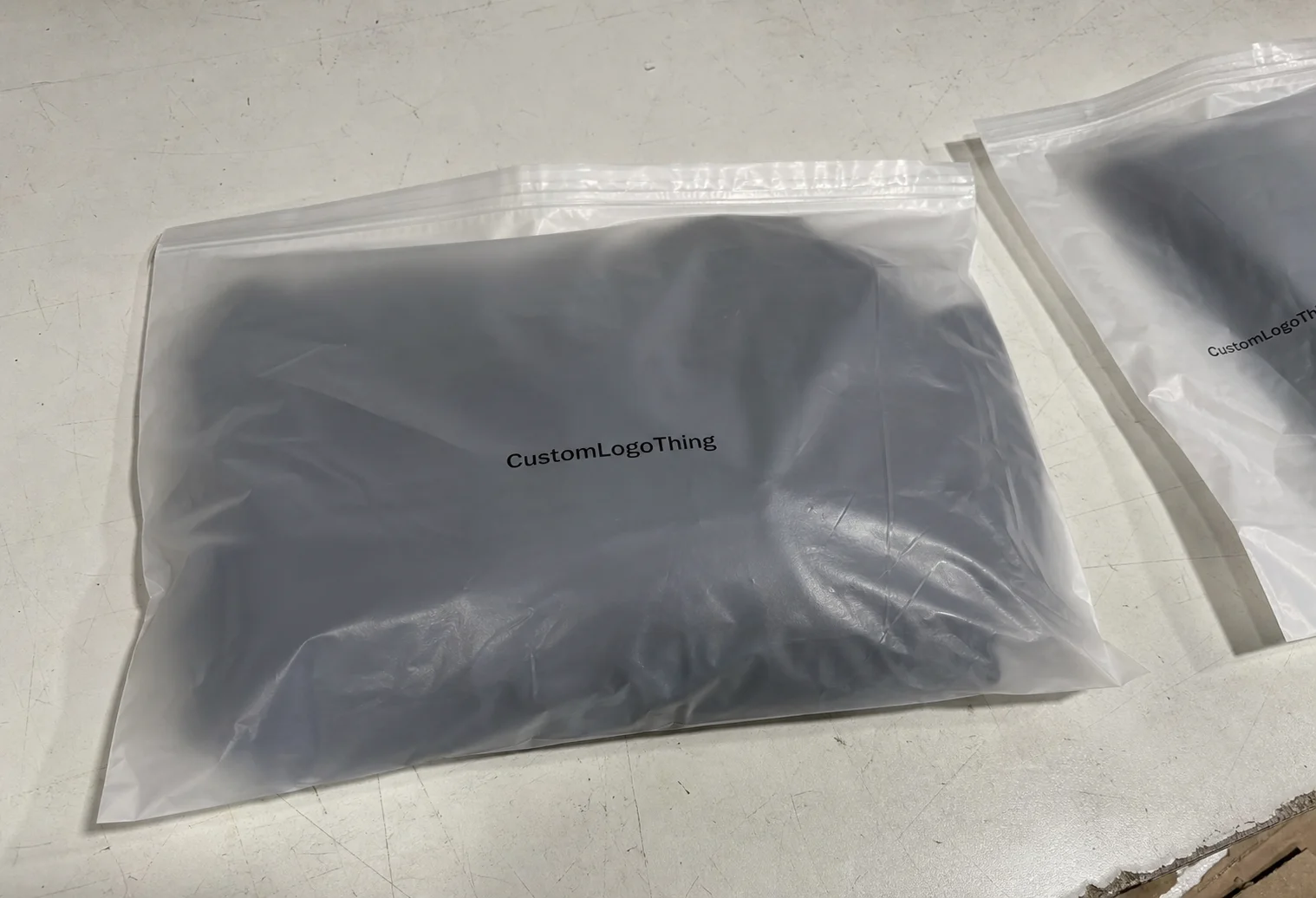
Most brands do not choose mailers because they are emotionally attached to plastic film. They choose them because corrugated cartons can become expensive fast when the product is soft, folded, or small enough to ship without a box. Every extra inch of empty space inside a carton creates more material use, more void fill, and often higher dimensional weight charges. That is a lot to pay for air.
Poly mailers keep the shipper close to the product size. A folded tee, a small accessory bundle, or a soft-goods order usually fits well without the bulk of a carton. That means less shelf space for packaging inventory, fewer materials moving through the pack station, and simpler replenishment planning for the warehouse team. In a busy fulfillment environment, those small savings add up.
Custom printing turns the mailer into a brand touchpoint rather than a plain shipping shell. The package is often the first physical object a customer sees from a brand, so even a simple logo, color block, or repeat pattern can make the shipment feel intentional. You do not need a rigid box to create a professional first impression. In fact, for some products, a mailer is the more honest choice because it matches the item and avoids overpackaging.
“A good mailer should do two jobs well: protect the shipment and keep the order moving. If it slows packing or eats postage, it is the wrong spec.”
That is why custom Poly Mailer Bags wholesale tends to make sense for brands shipping many small-to-medium items and wanting a consistent presentation at scale. The package is simple, but the operational impact is real.
For buyers building a wider packaging mix, it helps to compare mailers against other options in the same program. Our Custom Poly Mailers page is a useful starting point if you are deciding whether your product fit points toward film-based shipping or something more rigid.
Material, print, and closure options that actually change performance
Poly mailers are not all made from the same film, and that difference affects both performance and price. The most common base material is LDPE, which stays flexible, resists tearing reasonably well, and suits lightweight apparel or soft goods. Coextruded films are often used when buyers want better opacity, more puncture resistance, or a firmer feel in hand. Recycled-content options may also be available, though the exact availability depends on the supplier, color target, and print method.
Thickness is usually measured in mils, and that is where the spec starts to matter. A thinner film can work for light garments, but a heavier gauge typically improves puncture resistance, adds stiffness during packing, and makes the bag feel more substantial at delivery. That stronger hand can support the perceived value of the order, especially if customers photograph the package or see it before they open it.
Closures matter more than first-time buyers often expect. A standard peel-and-seal adhesive strip is efficient for outbound shipping. A tamper-evident closure can reassure the customer that the order has not been opened in transit. For ecommerce operations that handle returns, a dual-adhesive return strip reduces friction by making the same bag usable in both directions. That feature costs more, but for some apparel brands it pays for itself in fewer replacement bags and less handling time on reverse logistics.
Print method should match the run size and artwork complexity. Flexographic printing is common for larger orders because it is efficient once the plates are set and tends to hold up well on film. More complex artwork, stronger color coverage, or special surface effects can push the job into a different print setup depending on the supplier’s equipment. On dark bags, white underprint is often necessary if you want logos to stay legible instead of disappearing into the background.
Other options include clear address windows, matte or glossy finishes, gusseted bottoms, and tear strips for easier opening. Not every feature belongs on every bag. The right choice depends on what the product needs during transit and how much room you have in the budget.
- LDPE film for flexibility and cost efficiency
- Coextruded film for stronger opacity and puncture resistance
- Peel-and-seal adhesive for faster fulfillment
- Return strip for reverse logistics
- White ink underprint for logo clarity on dark film
If you are building a broader branded packaging program, it helps to compare mailers with other formats in the same procurement cycle. Our Custom Packaging Products catalog makes it easier to coordinate mailers with labels, cartons, or inserts so the package feels consistent instead of stitched together from unrelated suppliers.
Size, thickness, and artwork details to confirm before you order
The most common sizing mistake is measuring only the product and forgetting the packed form. A folded hoodie, a boxed accessory set, or a bundled subscription order can take a very different shape once it is ready to ship. You need to confirm flat width, length, usable opening, seam placement, and any extra room required so the package seals without stressing the film.
Artwork placement deserves the same level of attention. Flexible film behaves differently from paperboard or corrugated stock, and slight shifts can happen during printing or sealing. A logo that looks centered on a screen proof may sit too close to a seam or too low on the panel if the dieline is not mapped carefully. Packaging for mailers should be approved against the actual structure, not just a digital mockup. That sounds tedious, but it is cheaper than discovering the error after 10,000 bags are on a truck.
Color setup matters as well. If the brand uses a specific Pantone, mention it early. Dark film often needs a white base layer to keep colors readable, and solid fills need enough ink opacity to avoid a washed-out look. The closer the artwork is to a true production file, the less guesswork appears later. Buyers should also ask what kind of proofing is used and how the supplier handles repeat orders; a bag that matches the approved sample on the first run should not drift noticeably on the second.
Durability checks belong in the review, not as an afterthought. Ask about burst resistance, seal strength, and how the bag performs under conveyor friction or light moisture exposure. A mailer does not need to survive every abuse test a corrugated carton would face, but it should tolerate normal handling without splitting at the seam or opening prematurely. If you are shipping soft goods only, you can usually stay in a lighter gauge. If the order includes denser items or sharper edges, upgrade the film rather than hoping a thin bag will behave.
When preparing a brief, gather the packed dimensions, target ship weight, monthly volume, brand colors, and your packaging goals. If the priority is premium presentation, say that. If the priority is the lowest possible shipping cube, say that too. Good suppliers can usually steer the spec once they know what the shipment has to accomplish.
| Mailer Spec | Typical Use | Unit Cost Impact | Operational Benefit |
|---|---|---|---|
| 2.5-3 mil LDPE | Light apparel, soft goods | Lowest | Fast packing, low weight |
| 3-4 mil coextruded film | Mixed ecommerce orders | Moderate | Better puncture resistance, stronger feel |
| 4+ mil premium film | Denser goods, higher presentation value | Higher | Improved durability and perceived quality |
Pricing, MOQ, and the cost drivers that move your unit rate
Pricing is shaped by a short list of concrete variables: bag size, film thickness, print complexity, number of colors, order quantity, and how the bags are packed for shipment. Change one of those and the quote can move more than casual buyers expect. That is normal. It is also why two suppliers can quote the same project differently without either one being dishonest.
Lower quantities almost always cost more per unit because setup, plates, press time, and quality checks are spread across fewer bags. Larger orders usually improve unit efficiency, which is why Custom Poly Mailer Bags wholesale becomes most attractive once demand is predictable. As a rough planning frame, smaller runs often land noticeably higher per piece, while 5,000-piece and 10,000-piece breakpoints usually improve unit economics in a meaningful way. Exact pricing depends on print coverage and film choice, so treat any range as directional until the artwork is reviewed.
MOQ logic varies by production method. Simpler artwork and standard constructions may allow a smaller test order. Full-color or high-coverage jobs often need a larger minimum to justify setup. That is not a sales tactic; it is how film printing actually runs on press.
When comparing quotes, do not stop at the headline number. Ask whether material grade is the same, whether tooling or plate charges are included, whether freight is quoted separately, and how samples are billed. A cheaper quote can become expensive if the film is thinner than expected or if the freight line was left out. Buyers also overlook pack-out format more often than they should. Bags packed in bulk, in cartons, or on rolls can affect receiving labor and storage space, which changes the real landed cost even when the unit price looks similar.
It helps to ask for pricing at a few breakpoints, such as 3,000, 5,000, and 10,000 pieces. That gives you a practical view of where the cost per bag drops enough to justify holding inventory, instead of guessing at one quantity and hoping it works for your fulfillment plan.
- Bag size changes material usage immediately
- Color count drives setup and print time
- Film gauge affects both feel and cost
- Freight terms can swing landed cost
- Sampling protects against expensive mistakes
For buyers building a broader sourcing plan, our Wholesale Programs page is a practical next stop when you want to compare breakpoints across packaging categories and avoid piecing together pricing from multiple disconnected quotes.
Production steps, timeline, and common delay points
A clean production run usually follows a simple sequence: quote review, artwork prep, proof approval, plate or file setup, production, drying or curing if the process requires it, inspection, packing, and dispatch. The fastest jobs are the ones where the buyer already has final artwork, confirmed dimensions, and brand colors locked before the order is placed. That cuts out the back-and-forth that usually slows things down.
Common delays are predictable. Missing dieline details, low-resolution logos, late color changes, or approvals that arrive after the job has moved into prepress can all push timing. When buyers ask why one order runs smoothly and another drags, it is usually one of those issues. A rushed proof is also risky. If the design team and the procurement team are not looking at the same version, the printer may be forced to wait while everyone settles on the “final final” file.
Lead time depends on run size, print method, material sourcing, and shipping distance. Larger or more complex orders take longer, especially when multiple colors or special finishes are involved. A straightforward production schedule may land in the low-to-mid teens in business days from proof approval, while more detailed work can run longer. That is why a realistic timeline should be discussed up front instead of assumed.
If brand color accuracy or seal performance matters, request a sample or digital proof before full production. That step adds a little time at the front end, but it often prevents a costly reorder later. It is especially useful when the bag is intended for a launch, a seasonal campaign, or a warehouse changeover where the packaging has to arrive on schedule and work the first time.
For reference points on packaging quality and shipping performance, industry standards from groups like the International Safe Transit Association help frame how shipment packages are tested for transit durability. If recycled content or environmental claims are part of your brief, the EPA recycling resources are a sensible place to verify terminology before publishing claims on-pack.
What a reliable wholesale packaging partner should deliver
A reliable supplier is not just a printer. You want someone who can explain the spec clearly, flag risks before production begins, and give you a realistic timeline rather than an optimistic one. That means transparent pricing, a proofing process that actually catches problems, and communication that stays steady after the order is placed.
Experience matters because film packaging has its own constraints. A good partner will tell you when a color setup is too ambitious for the substrate, when a seam location could create trouble, or when your proposed bag size is likely to waste material. That kind of guidance can save money and improve the packaging at the same time. It is also a clue that the supplier understands how the bags will behave on an actual packing line, not just in a sample photo.
Consistency matters just as much. Reorders should match the approved bag closely enough that your fulfillment team does not have to relearn the pack process every time inventory arrives. If a supplier cannot repeat the same thickness, print placement, and closure performance, the low quote stops looking attractive very quickly. That is one reason buyers should ask how quality control is handled during production, not just what happens at the end.
Support also matters when you are comparing multiple vendors. Fast quoting, clear clarifications, and a clean sample process make it easier to make an apples-to-apples decision. If you are building a larger packaging program, choose a partner who can support both the branding side and the operational side, not just print a graphic on a bag.
For brands that want a more formal sustainability framework, it is worth understanding FSC standards where paper components are involved and using the right language when comparing mixed-material packaging systems. The FSC site is a useful reference point when your program includes paperboard inserts, hang tags, or other certified materials.
How to spec custom poly mailer bags wholesale without missteps
Start with the basics: packed product dimensions, monthly ship volume, desired thickness, and whether you need a simple peel-and-seal closure or a return-friendly format. If your items vary in bulk, compare two or three size options so you can choose the one that seals cleanly without overstressing the seam or leaving too much empty space. Too much slack inside the bag can look sloppy; too little can cause splitting, especially on heavier orders.
Then gather your logo files, Pantone references, and any packaging samples or references that show the look you want. If you already use custom printed boxes or other branded packaging, bring those details too, because consistency across packaging categories improves the customer experience more than most brands realize. The mailer does not have to match the box exactly, but the tone should feel deliberate.
Ask for a timeline estimate alongside pricing. Purchasing, fulfillment, and launch planning all move better when the production window is known early. That matters especially if the mailers are tied to a product drop, a seasonal campaign, or a warehouse changeover. A bag that lands late can create more disruption than a slightly higher quote ever would.
Also ask how the bags will be inspected. The basics are straightforward: print registration, color consistency, seal integrity, film thickness, and cleanliness of the finished surface. A supplier that treats those checks as routine is less likely to ship a batch that needs sorting at receiving. For high-volume buyers, that matters because one bad lot can throw off pack-out and create labor nobody planned for.
If you are ready to move, submit specs for Custom Poly Mailer Bags wholesale and match the quote to your shipment profile instead of trying to force the operation into a generic stock bag. The better the brief, the cleaner the quote, and the easier the production run usually is.
For a broader view of materials and formats, you can also compare options across our Custom Packaging Products and Custom Poly Mailers pages before finalizing the order.
What size should I choose for custom poly mailer bags wholesale orders?
Measure the packed product, not just the item itself, because folded garments, boxed goods, and bundled accessories need extra clearance. Choose a mailer with enough interior room to seal flat without overstretching the seams or crushing the contents. If you ship multiple SKUs, compare the largest common pack size against the most frequent order mix before locking the spec.
How does thickness affect durability and shipping performance?
Thicker film generally improves puncture resistance, tear strength, and overall stiffness during packing and transit. A heavier gauge can also improve perceived quality, but it may add a little weight and cost, so the right balance depends on what you ship. For lightweight apparel, a moderate gauge is often enough; for sharper or denser items, a stronger film is usually worth the upgrade.
Can I print my logo in multiple colors on poly mailers?
Yes, but print complexity affects cost, setup, and sometimes minimum order quantity. Designs with more colors, gradients, or large solid coverage may require more careful file prep and proofing. If you want the cleanest result on darker film, ask whether a white underprint is needed for logo visibility.
What affects the lead time for custom poly mailer bags wholesale?
Lead time depends on artwork readiness, bag size, print method, quantity, and whether special materials or finishes are required. Approval delays are one of the most common reasons orders slow down, especially when colors or layout need revision. Having final files and confirmed specifications ready before production starts is the fastest way to keep the schedule moving.
Are custom poly mailers good for returns and ecommerce fulfillment?
Yes, many brands use them for outbound shipping and add return-friendly features when needed. A second adhesive strip can simplify returns, while a strong peel-and-seal closure supports fast pack-out in fulfillment. They are especially practical for apparel, soft goods, and accessories that do not need rigid carton protection.


