Buyer Fit Snapshot
| Best fit | Buy Custom Rigid Boxes with Inserts projects where brand print, material claims, artwork control, MOQ, and repeat-order consistency need to be specified before quoting. |
|---|---|
| Quote inputs | Share finished size, material target, print colors, finish, packing count, annual reorder estimate, ship-to region, and any compliance wording. |
| Proofing check | Approve dieline scale, logo placement, barcode or warning zones, color tolerance, closure strength, and carton packing before bulk production. |
| Main risk | Vague material claims, crowded artwork, missing packing details, or unclear freight terms can make a low unit price expensive after revisions. |
Fast answer: Buy Custom Rigid Boxes with Inserts: Board, Finish, Dieline, and Unit Cost should be specified like a repeatable production item. The safest quote records material, print method, finish, artwork proof, packing count, and reorder notes in one written spec.
Production checks before approval
Compare the actual filled-product size with the drawing, then confirm tolerance on folds, seals, hang holes, label areas, and retail display edges. Reserve space for logos, QR codes, warning copy, and material claims before decorative graphics fill the panel.
Quote comparison points
Review material grade, print process, finish, sampling route, tooling charges, carton quantity, and freight assumptions side by side. A quote is only useful when the supplier can repeat the same color, closure quality, and packing count on the next order.
I’ve walked enough packing lines in Shenzhen and Dongguan to know this: the product is not always what triggers a complaint. More often, movement inside the carton is the real problem, which is exactly why so many brands buy custom rigid Boxes with Inserts for cosmetics, candles, electronics, and gift sets. A box that holds an item at center point, with a 1.5 mm board shell and a tight-fit insert, changes the whole unboxing experience and usually cuts damage risk in a way flat cartons cannot. On one line in Guangdong, I watched a glass bottle rattle itself into a corner during a 320-km truck run. After that, “good enough” packaging stopped sounding cute.
When brands buy custom rigid boxes with inserts, they are not just purchasing a container. They are buying control over presentation, transit stability, packing speed, and perceived value. In my experience, that combination matters most when a product sells at $40, $80, or $150, because the packaging becomes part of the product story and, frankly, part of the margin math. A rigid box with a 350gsm C1S artboard wrap and a paperboard insert can look far more expensive than its raw material cost suggests. Nobody wants to spend premium money on a premium item and then open a box that looks like it was assembled during a power outage.
I’ve seen teams spend weeks debating foil colors while the real issue sat two inches deeper: the item was wobbling inside the box like it had somewhere better to be. A rigid setup with the right insert fixes that. It centers the product. It protects the corners. It gives the pack a finished, intentional feel instead of a “we hoped this would work” vibe. I remember one meeting in Suzhou where the sales lead was obsessed with rose-gold foil, and I kept staring at the sample thinking, “Great, but the bottle can still knock itself loose if you shake it.” We fixed the structure first. The pretty stuff came after.
Honestly, I think a lot of packaging buyers underestimate how much a well-built rigid setup can do. It centers the item, protects corners, speeds up hand packing, and makes the brand look more disciplined. That is why the decision to buy custom rigid boxes with inserts often shows up first in premium retail packaging, then quickly in subscription boxes, gift packaging, and seasonal launches. Good packaging doesn’t just hold the product. It tells the buyer, “Yes, we thought this through.” Which, sadly, is not something every supplier can say with a straight face.
Why Brands Buy Custom Rigid Boxes with Inserts
The surprising reality on the factory floor in Shenzhen and Foshan is that many returns start with shifting, not impact. I remember one client meeting where the sales team blamed breakage on the courier, but the issue was a loose candle jar sliding inside an oversized shell by nearly 12 mm. Once they switched to custom rigid boxes with inserts, complaints dropped because the product stopped rattling during transit. That is the kind of problem buyers solve when they buy custom rigid boxes with inserts instead of relying on generic cartons. The courier didn’t suddenly become kinder. The box just stopped behaving like a maraca.
Inserts do more than stop movement. They frame the product. A bottle, compact, watch, or glass vessel sits in the center, straight and visually balanced, which improves first impressions the moment the lid comes off. That matters in branded packaging because the customer’s eye reads order as quality. When you buy custom rigid boxes with inserts, you are essentially engineering that “high-value” feeling into the opening sequence. People like to pretend they’re buying a bottle of serum or a candle. They’re also buying the little hit of satisfaction that comes from opening something that looks intentional, especially when the insert cavity is cut to within 1 to 2 mm of the product profile.
There is a business case as well. Lower damage rates reduce replacement costs. Cleaner presentation supports premium pricing. Better shelf presence improves retail packaging performance. I’ve seen brands raise unit price by 8% to 12% after moving from a flimsy fold to a rigid box with a foam or paperboard insert, because the packaging gave them a stronger case for positioning. That increase does not always happen, but it happens often enough that buyers should treat it as a real commercial lever when they buy custom rigid boxes with inserts. If you can justify a higher price with a better unboxing experience, that’s not fluff. That’s revenue talking.
Rigid boxes are also structurally different from folding cartons. A folding carton usually depends on the paperboard itself for form. A rigid box uses thick chipboard, commonly around 1.5 mm to 3 mm, which gives the structure a more substantial hand feel and better compression resistance. That is why luxury packaging, gift packaging, and presentation sets often use rigid construction. If the product is fragile, premium, or assembled in multiple parts, it makes sense to buy custom rigid boxes with inserts rather than trying to force the job into a standard box style. In fact, for products shipped from the Yangtze River Delta to the US West Coast, that extra stiffness can matter more than the outer print ever will.
From an operations standpoint, inserts can reduce packing time. I’ve watched packers on a cosmetics line in Dongguan go from manually centering a lipstick set and tissue paper to dropping products into a pre-cut cavity and sealing the box in under 20 seconds. Multiply that by 5,000 units and the labor difference is real. When brands buy custom rigid boxes with inserts, consistency improves across batches too, because every product lands in the same position with the same orientation. Less fuss. Fewer “wait, is this the right side?” moments. Fewer tiny disasters that eat up a whole afternoon.
“The box never caused the complaint by itself. It was the movement inside it.” That was the line a plant manager in Dongguan gave me during a production review, and he was right more often than not.
If you want a useful benchmark, think of it this way: standard packaging may protect a product from dust, but custom rigid boxes with inserts are designed to protect the product from motion, presentation errors, and brand dilution at the same time. That combination is why serious buyers keep returning to rigid formats. Dust is annoying. A broken unboxing experience is worse, especially if you’re shipping into premium retail accounts in California, London, or Dubai.
For brands comparing options, the tradeoff is clear. A folding carton can be lighter and cheaper, but a rigid structure with inserts usually gives better product alignment, better perceived value, and better unboxing consistency. Buyers who sell direct-to-consumer or through premium retail channels usually see the difference immediately after they buy custom rigid boxes with inserts. The customer does, too. And customers are brutally honest in the one place that matters: reviews.
For more packaging structures, you can review Custom Packaging Products and compare rigid, folding, and specialty options before locking in a format.
Buy Custom Rigid Boxes with Inserts: Box Styles and Insert Options
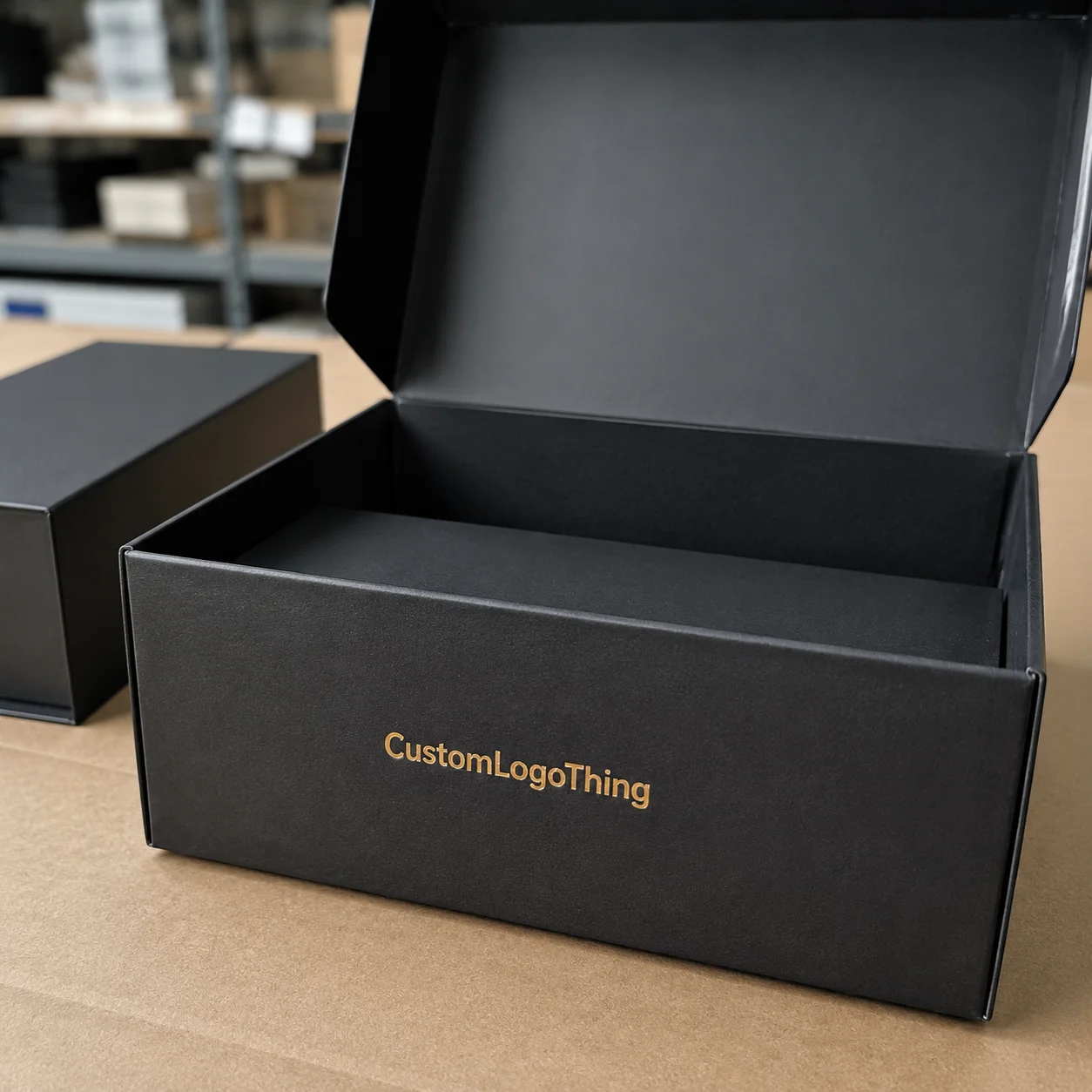
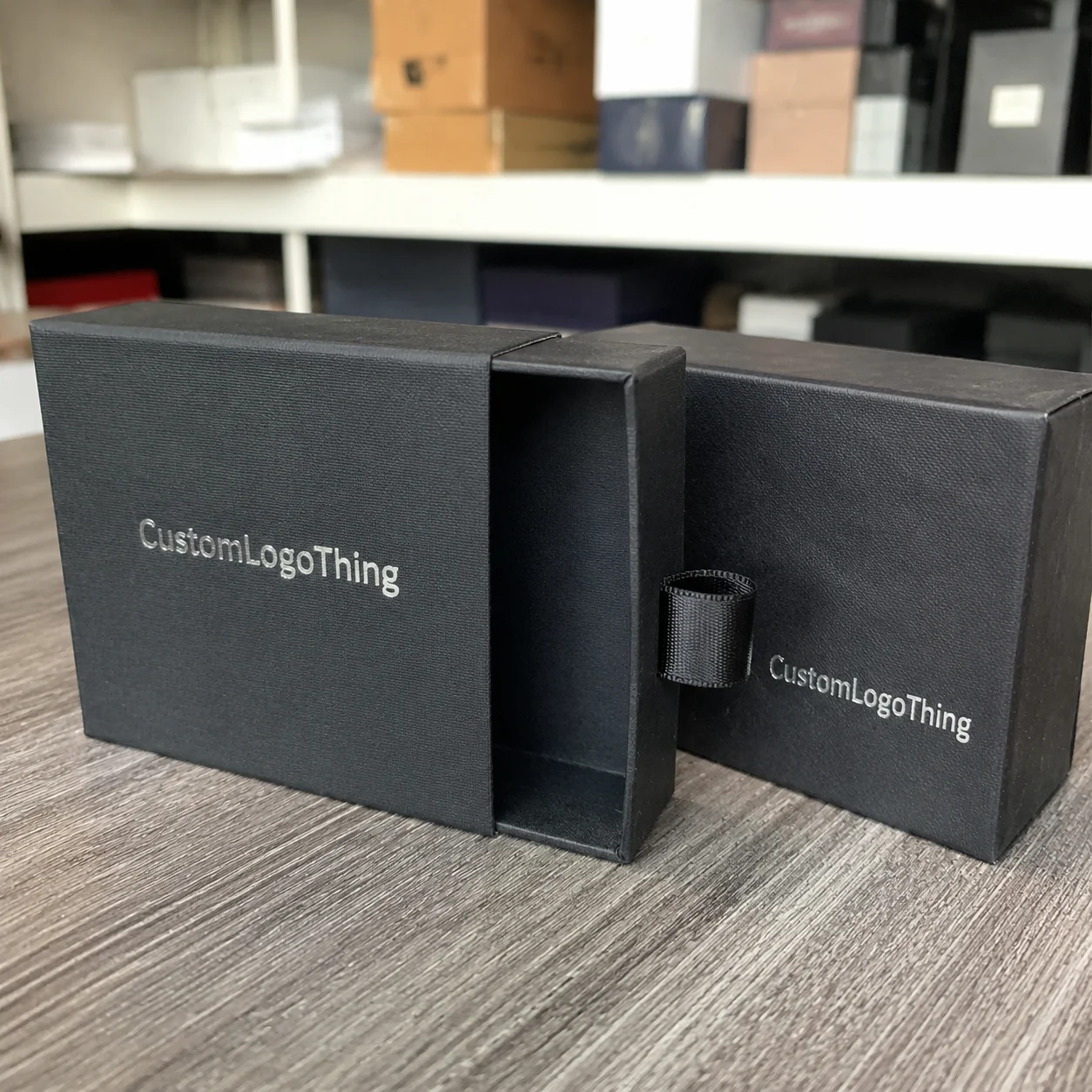
When clients buy custom rigid boxes with inserts, the first decision is usually box style. Lift-off lid boxes remain the most common because they are straightforward to manufacture and easy to open. Magnetic closure rigid boxes are popular for gift packaging because the closure feels deliberate and premium. Shoulder neck boxes add visual depth and a tighter fit, while book-style boxes open like a case and suit high-end presentation sets. Drawer-style boxes work well when the unboxing sequence itself matters, especially for cosmetics, fragrance, and jewelry. I’ll be honest: drawer boxes look great until someone on the packing line tries to speed through them and mutters under their breath for the fiftieth time. Still, they sell.
I’ve stood at a finishing line in Shanghai where the difference between a lift-off lid and a magnetic case was not just aesthetic. The magnetic version needed more accurate folding and slightly tighter tolerance control, but the client was selling a $95 skincare set and wanted the closure to feel substantial in hand. That is exactly the sort of purchase logic that drives brands to buy custom rigid boxes with inserts in the first place: the box becomes part of the product ritual. The customer opens it, pauses, and thinks, “Okay, this feels expensive.” That pause is doing marketing work for you, and it is worth real money when the shelf price sits above $50.
Insert material matters just as much as box style. EVA foam gives precise cutouts and excellent cushioning, which is why it shows up often in electronics, watches, and glass products. Molded pulp appeals to eco-conscious programs and can be a smart choice for lighter items that do not need high gloss presentation. Paperboard inserts are practical and economical for simpler layouts. Corrugated inserts work for heavier items or multi-pack bundles. PET trays offer transparency and product visibility. Velvet-lined inserts are usually chosen for luxury jewelry or presentation gifts, especially when the brand wants the inside to feel as refined as the outside. In some factories in Zhejiang, I’ve seen EVA foam cut on CNC to within 0.5 mm of the bottle profile. That’s the kind of detail buyers forget to ask about until they open the sample and say, “Oh. This is what fit actually means.”
To buy custom rigid boxes with inserts successfully, match the product to the insert rather than the other way around. Cosmetics often need a multi-cavity layout for bottles, droppers, and a spatula. Electronics may need a die-cut cradle for cables, chargers, and the main device. Candles usually need side support for the glass and a top buffer to prevent lid scuffing. Apparel accessories, such as belts or ties, can use flatter paperboard inserts with ribbon retention. Gift sets often combine multiple compartments so the unboxing order feels intentional. I remember a fragrance launch in Guangzhou where the team wanted a single deep cavity for a bottle, a sample vial, and a fold-out card. It looked elegant on paper. In production, it was a tiny chaos machine until we split it into proper sections.
Customization choices are broad, and they are not all decorative. Die-cuts allow for exact product shapes. Cavities define where each item sits. Finger notches make removal easy. Ribbons help lift trays or drawer sections. Printed inserts add branding on the interior surfaces. Multi-compartment layouts keep mixed products from contacting one another. If you buy custom rigid boxes with inserts for a bundled set, that internal layout can prevent product transfer, scratching, and odd gaps that make the pack look unfinished. A good insert also keeps pack-out workers moving faster on the line, which matters when you’re trying to ship 8,000 units out of Ningbo before Friday.
There is also a practical distinction between functional and decorative inserts. A functional insert is engineered to hold the product within tolerance and reduce movement. A decorative insert may improve appearance but offer less protection. Buyers often assume they need the most elaborate insert available. Not always the case. For a lightweight skincare duo, a printed paperboard insert might do the job. For a glass perfume bottle, I would push harder for foam or a reinforced tray if shipping tests are part of the plan. Otherwise you’re paying for drama, not protection.
| Box Style | Typical Use | Insert Best Fit | Practical Note |
|---|---|---|---|
| Lift-off lid | Gift sets, candles, apparel accessories | Paperboard, corrugated, EVA foam | Simple, cost-controlled, easy to pack |
| Magnetic closure | Luxury retail packaging, skincare, premium gifts | EVA foam, PET tray, velvet-lined board | Strong presentation, slightly higher assembly time |
| Shoulder neck | Fragrance, premium electronics, presentation kits | Foam, board tray, molded pulp | Tighter fit and more premium visual depth |
| Book style | Collections, influencer kits, limited editions | Printed board, foam, ribbon lift | Works well for storytelling and layered reveal |
| Drawer style | Jewelry, cosmetics, sample assortments | Paperboard, foam, PET | Great unboxing flow, slightly more structural complexity |
For buyers who need branded packaging with a specific launch feel, the insert choice can influence the entire packaging design. A foam insert gives a technical, premium impression. A molded pulp insert signals responsible material choices. A velvet-lined tray reads as high-end and giftable. When you buy custom rigid boxes with inserts, the insert becomes a visual cue, not just a support structure. In other words, the inside matters. A lot. Which is funny, because packaging people spend half their life trying to convince everyone else of exactly that.
One supplier negotiation I still remember in Ningbo involved a client who wanted a single insert format for six different bottle sizes. That sounds efficient, but the tolerances were too loose for the smallest bottle and too tight for the largest one. We revised the line into two insert families, and the entire project ran better. Sometimes the best way to buy custom rigid boxes with inserts is to simplify the SKU logic before you add decoration. Clean structure first. Fancy finishes second. Saves arguments, too.
Specifications That Matter Before You Order
Before You Buy custom rigid boxes with inserts, confirm the outer dimensions, product dimensions, cavity size, board thickness, and finish. Those numbers determine whether the box works on the production line and in transit. I’ve seen beautifully printed boxes fail because the insert cavity was 2 mm too shallow, which caused the product cap to sit proud of the lid. That is not a design issue. It is a measurement issue. And yes, someone will still try to call it “a small tolerance thing” as if that makes it less annoying. On a Shanghai sample run, that 2 mm mistake meant re-cutting 1,200 inserts. Cheap lesson? Not really.
Tolerance is the quiet detail that separates a good pack from a troublesome one. For fragile or high-value items, a shift of even 3 mm can create rubbing, rattling, or pressure points. If the product has a glass shoulder, a metal corner, or a fragile applicator, the insert should account for that geometry. When buyers buy custom rigid boxes with inserts, they should ask how much play exists around the product, not just whether it fits on paper. Paper fits lie to you. Real samples do not, especially after a 1,200-km freight leg from Jiangsu to the port.
Surface options also shape the final impression. Matte lamination creates a calmer, modern look. Gloss increases color pop and reflects light more aggressively. Soft-touch gives a velvety hand feel and is often used for premium skincare or gift packaging. Embossing and debossing add tactile relief. Foil stamping can highlight logos in gold, silver, rose gold, or a custom color. Spot UV gives contrast and can make a logo or pattern stand out sharply. I have a personal weakness for soft-touch finishes, although they do have the unfortunate habit of collecting fingerprints like they’re being paid to do it.
Print decisions matter on both the outer shell and the insert. Full-color branding on the lid and base can create a more complete package branding story, while inside printing can carry instructions, product names, or subtle graphics. I’ve seen clients overlook the insert as a branding surface, then later realize they could have printed a logo, a welcome message, or a usage guide directly on the insert face. That small choice can improve retail packaging and reduce the need for extra leaflets. Fewer loose pieces also means fewer chances for the pack-out team to lose one under a table and pretend it was “already missing.”
Requesting a physical sample is not optional on higher-value programs. A structural prototype shows you whether the cavities are accurate and whether the lid closes correctly. A printed sample shows you how the color, foil, and finish read under normal lighting. When brands buy custom rigid boxes with inserts without sampling, the most common failure is visual mismatch: the box looks excellent in renderings but behaves differently in hand. Beautiful on screen. Annoying in the warehouse. That’s the kind of surprise nobody wants, especially if the goods are leaving a factory in Dongguan for a fulfillment center in Texas.
For packaging teams that need a basic verification sequence, I recommend this order:
- Measure the product at its widest, tallest, and most fragile points.
- Confirm the target box style and insert material.
- Review the dieline or structure drawing.
- Check cavity tolerance against the real product sample.
- Approve the finish, print method, and closure style.
If your brand sells regulated consumer goods, verify any relevant compliance language with your packaging partner. For shipping and performance testing references, the International Safe Transit Association publishes useful guidance at ista.org, and broader material and sustainability guidance can be reviewed through the EPA.
Pricing, MOQ, and What Drives Cost
Buy custom rigid boxes with inserts and you will almost always pay more than for a folding carton. That is the tradeoff. Rigid board, custom inserts, special finishes, and hand assembly create a higher unit cost, but they also create a stronger perception of value and usually a lower chance of transit damage. Buyers should compare the cost against the price point of the product, not against the cheapest carton in the catalog. I’ve sat through enough quote reviews in Guangzhou and Hong Kong to know the wrong comparison is how good projects get talked out of existence.
Here is the honest cost logic I use when reviewing quotes. Box size drives material usage. Board grade affects stiffness. Insert material changes both production method and cushioning performance. Printing complexity influences setup time. Finish type changes labor and yield. Quantity has a major effect because die-cut, print, and assembly costs spread out more efficiently in larger runs. If you buy custom rigid boxes with inserts at 500 pieces, expect the unit economics to look very different from a run of 10,000. That’s not a scare tactic. That’s math doing its little boring job. For example, a magnetic set with a 1.8 mm chipboard shell and EVA insert can cost 3x a plain lift-off lid in the same size.
In practical terms, simpler builds can sometimes start around $0.90 to $1.40 per unit for larger quantities, while premium magnetic sets with foam inserts and multiple finishes may move into the $2.50 to $6.00 range or more depending on size, print coverage, and decoration. For a concrete reference, a 5,000-piece run of a basic lift-off rigid box with a paperboard insert might land around $0.15 per unit for the insert component alone, while the full box and insert package can sit much higher depending on board wrap and finishing. Small runs can be significantly higher. These are directional numbers, not a promise, because freight, tooling, and sampling can change the picture quickly. Still, they help buyers buy custom rigid boxes with inserts with their eyes open. Nobody likes a quote that looks friendly until shipping and setup show up like uninvited guests.
MOQ depends on structure and decoration. A plain lift-off lid with a standard paperboard insert may allow a lower minimum than a magnetic closure box with foil, embossing, and a custom foam cavity. If you need a very small run, ask for the simplest structure that still meets the presentation goal. I’ve seen brands save 18% simply by dropping one special finish and using a standard insert material instead of a custom molded option. That kind of saving is not glamorous, but it is the reason the finance team stops glaring at packaging. In many Guangdong factories, the pricing break gets noticeably better once you pass 3,000 or 5,000 units.
To compare where money goes, use the table below as a working reference rather than a quote sheet.
| Cost Driver | Lower-Cost Choice | Higher-Cost Choice | Impact on Outcome |
|---|---|---|---|
| Box structure | Lift-off lid | Magnetic, shoulder neck, book style | Changes presentation and assembly complexity |
| Insert material | Paperboard | EVA foam, velvet-lined board | Affects cushioning, look, and fit precision |
| Finish | Matte lamination | Soft-touch, foil, embossing, spot UV | Raises perceived value and production steps |
| Print coverage | Single-color logo | Full-color inside and outside print | Improves branding but increases setup |
| Quantity | Small trial run | Higher-volume production | Larger runs usually lower unit cost |
Where can buyers save money without damaging quality? Start with finish complexity. If the product is already premium, the box does not need every available decoration. Second, simplify the insert if the product is stable and not fragile. Third, standardize board thickness where possible. Fourth, avoid unnecessary internal printing if the insert already gives the correct branding effect. That is how smart buyers buy custom rigid boxes with inserts without overspending on cosmetic extras. A 350gsm C1S artboard wrap with matte lamination often gives a strong enough look without dragging the quote into luxury-only territory.
And do not compare only the quote line. Compare the total landed cost: sampling, tooling, insert setup, freight, and assembly. A quote that looks lower by $0.12 per unit may become more expensive once you add a second proof round or a more expensive shipping method. That kind of hidden cost shows up often in product packaging programs. I’ve had clients celebrate a “cheap” quote, then lose the savings the second they needed a rushed air shipment because the sample approval got delayed. Funny. Not funny.
Process and Timeline for Custom Production
The usual process starts with inquiry, but the useful work begins when product dimensions and usage details land on the table. A proper brief includes size, weight, fragility points, closure preference, target quantity, print coverage, and whether the product will ship direct-to-consumer or sit on a retail shelf. If you buy custom rigid boxes with inserts, the brief should also mention whether the insert must support the product during mail transit, store handling, or both. I like to see photos, a tech pack, and one real sample from the factory floor in hand before anyone starts promising dates.
After that comes structural confirmation. Some projects need a dieline, others need a drawn assembly diagram, and high-risk jobs should get a physical sample. There is a clear difference between a design sample and a pre-production sample. A design sample tests the concept and appearance. A pre-production sample verifies the exact materials, print, finish, and insert cutout before mass production. When buyers skip this step, they often learn the hard way that the product fits in theory but not in a real pack-out environment. I remember one launch in Ningbo where everybody was thrilled by the mockup, then the actual serum bottle stuck up just enough to keep the lid from closing. One millimeter. One ridiculous millimeter. That’s all it took to wreck everybody’s afternoon.
Timeline depends on quantity, finishing steps, material availability, and shipping method. A straightforward rigid box project can move from approved sample to finished production in roughly 12 to 15 business days at the factory level, though more decorated builds may take longer. Add freight time on top of that, and international shipments can vary widely. If you plan to buy custom rigid boxes with inserts for a launch, work backward from the launch date by at least one full approval cycle. For an East Coast US delivery from South China, ocean freight plus receiving can add 18 to 28 days, and nobody wants to discover that in week seven.
Approvals are where many schedules slip. The most common delays I’ve seen are missing artwork, unclear cavity dimensions, and last-minute changes to logo placement. If your legal team needs copy approval for packaging design claims or ingredient panels, build that into the schedule early. A two-day artwork delay can turn into a one-week delivery setback if the sample has to be remade. And yes, someone will always say, “Can’t we just move it a little?” Sure. If you enjoy paying for extra proofs.
For planning purposes, use this backward timeline:
- 8 to 10 weeks before launch: finalize product dimensions and packaging style.
- 6 to 8 weeks before launch: request sample, quote, and dieline together.
- 4 to 6 weeks before launch: approve sample and artwork.
- 2 to 4 weeks before launch: run production and schedule freight.
- 1 week before launch: receive inventory, inspect cartons, and confirm pack-out.
I once watched a gift set project get compressed into a rushed 17-day window because the marketing team changed the printed insert copy after approval. The box itself was fine. The schedule was not. That is why the best way to buy custom rigid boxes with inserts is to freeze the specifications before artwork perfectionism takes over. Perfection is cute until it starts costing you launch dates. If the supplier is in Shenzhen and your warehouse is in Los Angeles, that 17-day fantasy is going to get old fast.
Why Buy Custom Rigid Boxes with Inserts from Custom Logo Things
Custom Logo Things is built for buyers who need more than generic packaging off a shelf. When brands buy custom rigid boxes with inserts from a specialist, they get guidance on structure, material, branding, and fit before the order becomes expensive. That matters because rigid packaging tolerances are less forgiving than plain cartons. A good supplier should know how to translate a product measurement into a usable insert cavity and a finished box that closes correctly. That sounds basic, but you’d be amazed how many vendors act like a ruler is a decorative object.
In my experience, the best packaging partners reduce risk early. They ask for exact dimensions, product samples, and shipping requirements before quoting. They review board thickness, insert compatibility, and finish selection instead of just nodding at a logo file. That kind of support helps buyers buy custom rigid boxes with inserts without guessing their way through the first sample run. Guessing is expensive. Measuring is cheaper. That is my entire packaging philosophy in one sentence. A good partner will also tell you whether your desired build is better suited to a factory in Shenzhen, a finishing house in Dongguan, or a specialty converter in Zhejiang.
What should B2B buyers expect from the right partner? Clear communication, accurate sampling, visible production checkpoints, and honest lead-time discussions. If a supplier says yes to everything in 30 seconds, I get cautious. Good packaging work is measured, not theatrical. A supplier that can explain why one insert material works better than another, or why a magnetic box needs a different closure allowance, is usually the one that prevents problems later. The dramatic ones are fun until they miss the tolerances and disappear.
There is also an efficiency angle. A specialist who already handles custom printed boxes, retail packaging, and branded packaging can often anticipate issues that generalist vendors miss. For example, they may recommend a slightly deeper tray to avoid lid pressure, or a different laminate to prevent scuffing during carton-to-carton contact. Those adjustments are not flashy. They are useful. And useful is underrated, especially in packaging, where people sometimes confuse “looks expensive” with “won’t fail in transit.”
“A reliable packaging partner does not just sell the box. They protect the launch schedule, the shipping record, and the brand experience.”
Custom Logo Things also offers a practical route for teams that want one vendor for structure, decoration, and scale-up. That can be a real advantage if you are rolling out a product family rather than a one-off SKU. You can start with one format, test the fit, then expand into a matched series for multiple sizes or flavors. That is a cleaner path than sourcing one rigid box from one place, insert components from another, and print finishing from a third. That kind of split sourcing is how simple projects turn into email chains with seven people and no actual decision.
If you need a packaging partner that thinks in measurements, not adjectives, the safest move is to bring product data first. That way, the quoting process becomes specific. And specific is cheaper than vague, almost every time.
Buy Custom Rigid Boxes with Inserts: Next Steps and Order Checklist
If you are ready to buy custom rigid boxes with inserts, start with a simple checklist. Product dimensions come first: length, width, height, and any fragile features such as pumps, glass shoulders, or protruding caps. Next, decide the box style, insert type, and finish level. Then prepare branding assets, target quantity, delivery address, and the date the packaging must be in hand. Without those five pieces, quotes tend to wander. Vagueness is the enemy. It breeds revision rounds, and revision rounds eat time in Guangzhou, Los Angeles, and everywhere else.
Ask for the quote, sample, and dieline in the same conversation. That shortens the approval cycle and often prevents two or three unnecessary revision rounds. If the product shape is unusual, send a physical sample or CAD file so the insert cavity can be verified against the real item. That is especially useful for irregular cosmetics, molded bottles, small electronics, or bundled accessory kits. When you buy custom rigid boxes with inserts for a nonstandard item, the sample usually saves more money than it costs. I’d rather spend a little on a sample than a lot on a warehouse full of almost-right boxes.
Before production begins, confirm carton count, shipping method, and any retail compliance requirements. If the boxes are going to a distribution center, make sure outer shipper carton sizes work for palletization. If the boxes are headed to a store rollout, verify whether the retailer wants case labeling or barcode placement. These details are boring until they cause a receiving delay. Then they become everybody’s favorite emergency, usually at 6:30 a.m. in a warehouse in New Jersey.
Here is the fastest route to move forward:
- Measure the product accurately and record weight.
- Choose the rigid box style and insert material.
- Prepare artwork files and logo placement notes.
- Request sample, quote, and dieline together.
- Approve structure before final print sign-off.
If you want a packaging partner that can help shape the structure as well as produce it, send the measurements and artwork to Custom Logo Things and ask for a formal quote with a structural recommendation. That is the most efficient way to buy custom rigid boxes with inserts, and it usually leads to fewer corrections, better fit, and a cleaner final presentation. Which, if you ask me, is the whole point.
FAQs
How do I buy custom rigid boxes with inserts for fragile products?
Share exact product dimensions, weight, and any fragile areas that need extra support. Choose an insert material with enough cushioning and cavity precision for the product shape. Request a physical sample to confirm fit before mass production. If the item has glass, metal edges, or a pump component, ask for a tighter tolerance check before you buy custom rigid boxes with inserts. The sample stage is where you catch the annoying stuff before it becomes expensive stuff. For glass products shipped from Guangdong to the US, I’d also ask for corner-drop testing.
What is the best insert material for custom rigid boxes?
EVA foam works well for premium, precision-fit protection. Molded pulp is a strong choice for eco-focused packaging and lighter products. Paperboard inserts are cost-effective for simple product layouts. The best choice depends on product weight, presentation goals, and whether the box must survive shipment or only retail handling. Honestly, there is no magic answer here. The product decides more than the trend forecast does, and a 250-gram candle behaves very differently from a 40-gram serum bottle.
What is the minimum order quantity to buy custom rigid boxes with inserts?
MOQ depends on structure, print method, and insert complexity. Simpler designs usually allow lower minimums than highly decorated specialty boxes. Ask for a quote based on both your target quantity and acceptable pricing range, because the most accurate answer usually comes after the supplier sees the box style and insert material you need. If a supplier gives you a clean MOQ number without asking questions, I’d keep my eyebrows raised. In many South China factories, a magnetic box with a custom insert often starts higher than a lift-off lid with a standard paperboard insert.
How long does it take to produce custom rigid boxes with inserts?
Timeline depends on sampling, approval speed, order size, and material availability. Standard projects move faster when artwork and measurements are finalized early. Shipping method can change the overall delivery window significantly, so factor in freight time before you commit to a launch date. For many builds, the factory stage can finish in about 12 to 15 business days after approval, but that is not always the case. If you’re building around a launch, assume some breathing room. Packaging likes to test patience, especially when the sample needs one more revision in Shanghai before it’s actually right.
Can I customize both the box and the insert design?
Yes, both the outer rigid box and the insert can be customized for size, color, branding, and layout. Insert customization should match the product’s exact shape and packing workflow. Printed or branded inserts can improve presentation without changing the box structure, which is useful when you want stronger package branding without adding unnecessary decoration. And yes, the inside counts. More than people admit, especially after a buyer opens a sample and realizes the cavity spacing is what makes the whole thing feel premium.
Buy custom rigid boxes with inserts when you need protection, presentation, and packing consistency to work together. If the product is valuable, fragile, or meant to feel premium, the box should do more than hold it. It should position it, protect it, and sell it. That is the real reason brands buy custom rigid boxes with inserts, and it is why the right specification can pay back in fewer damages, better unboxing, and stronger retail packaging performance. In factories from Shenzhen to Ningbo, that is the difference between a box that ships and a box that works. Start with the measurements, lock the insert fit, then approve the finish only after the structure is right. That order saves money and prevents a lot of stupid problems.