Garment Poly Bags for Ecommerce Brands: Sample Approval
The Garment Poly Bags for ecommerce brands sample approval workflow is where packaging ideas meet production reality. A bag can look clean in a mockup and still fail once a folded tee, hoodie, insert card, label, and carton all have to work together at packing speed. That gap between design intent and line performance is exactly where approval matters.
Why sample approval prevents the most expensive packing mistakes
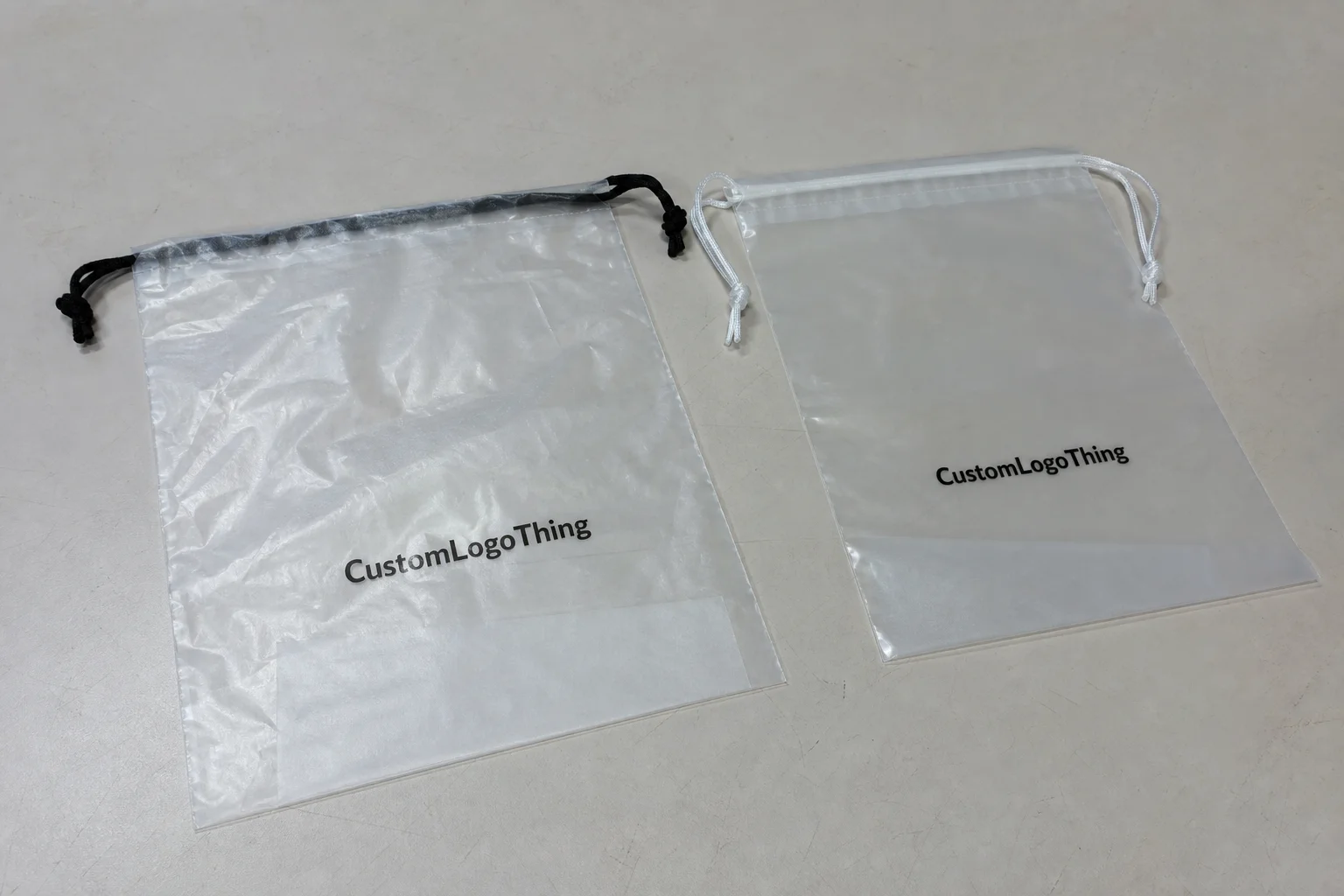
Garment Poly Bags sit at the point where merchandising, operations, and fulfillment all intersect. They affect how quickly a packer can load an item, whether the closure behaves consistently, and how the product presents when the customer opens the parcel. That makes sample approval more than a formality. It is the step that turns assumptions into a real test.
The most common failure mode is straightforward. The artwork looks fine in a PDF, the dimensions look correct on paper, and the actual bag behaves differently once it is loaded. Film stretch changes the opening. Static makes lightweight knits cling to the inside. A barcode falls too close to a fold. Warning text that reads clearly on screen can lose contrast once the bag is filled and sealed.
None of those issues show up in a flat proof alone.
In practical terms, a sample has to answer a few questions:
- Fit for the actual folded SKU
- Seal quality or closure behavior
- Print placement and legibility
- Handling speed at the packing station
- Carton loading and stack behavior in shipping cases
That last point is easy to miss. A bag may look correct by itself, but if it catches on adjacent items inside a carton or slows the operator down, people will work around it. Workarounds usually cost more than the packaging upgrade that caused the friction in the first place.
A signed sample is not about achieving perfection. It is about removing ambiguity before production starts. Once the approved version is documented, everyone works from the same reference, which is what operations teams need most.
Practical rule: if the sample only works on a desk, it is not approved. It needs to work with real garments, real hands, and real packing speed.
For broader transit and packaging checks, some teams also compare the bag spec against testing logic such as ISTA protocols, especially if the product passes through more than one handling stage before final delivery. If your packaging program includes paper inserts or outer cartons, sourcing requirements may also touch FSC standards on the secondary packaging side.
Process and timeline: from first sample to signed approval
A clean approval starts with a clean request. If the brief is vague, the sample usually comes back vague too. The buyer should provide finished garment dimensions, fold style, SKU mix, closure type, film thickness target, print coverage, hang hole needs, warning copy, and whether the bag has to work for manual packing or a semi-automated line. The more exact the brief, the fewer revision loops later.
The Garment Poly Bags for ecommerce brands sample approval workflow usually moves through three stages. First is the base sample, where size, film behavior, and opening method are checked. Second is the printed proof, if the bag carries a logo, barcode, warning copy, or care messaging. Third is the documented approval, where measurements, artwork references, and signoff are captured in one place.
Lead time varies, but a realistic working range is often 3-7 business days for an unprinted sample before transit, and 7-15 business days for a printed version depending on setup, proofing, and color review. If artwork needs multiple edits or compliance text changes, the schedule moves fast in the wrong direction. A rush order can be justified, but only if the cost of delay is clearly higher than the expedited sample fee.
These are common sample paths:
| Sample option | What it checks | Typical sample fee | Typical timing |
|---|---|---|---|
| Plain unprinted sample | Fit, opening, seal behavior, pack speed | $25-$75 | 3-7 business days before transit |
| Printed proof sample | Artwork, color, placement, readability | $60-$180 | 7-15 business days before transit |
| Pilot-style sample set | Line behavior with actual garments and handling | $100-$250+ | Depends on revision count and setup |
Most delays come from the same few places: missing artwork, changing dimensions after the first sample, and too many reviewers without a final decision maker. The simplest way to keep momentum is to assign one owner for the spec and one person who can approve final changes. If your team wants to compare packaging decisions against other product sets, the examples in our Case Studies section are a useful reference point.
Film, fit, and print details that make or break the sample
Size is only the starting point. A bag can measure correctly on paper and still feel wrong in use if the fold style, opening width, or film memory does not match the garment. A slim tee and a bulky hoodie need very different handling, and a multipack can require a wider gusset or looser tolerance than a single-item pack.
Film gauge changes almost everything. Thin film can feel premium and save material cost, but it also wrinkles more easily, can distort fine print, and may tear if the pack station is rough. Heavier film gives more body and better durability, but it increases cost and can change how the bag feeds through the line. For many apparel programs, the workable range falls somewhere between 1.5 and 2.0 mil, although the right number depends on garment weight, shipping method, and the customer-facing presentation you want.
Print placement should be planned around the filled bag, not the empty one. A centered logo can drift after the garment goes in. A barcode too close to the fold may be hard to scan. Warning copy has to stay readable after sealing and handling, and ink density needs to hold up against clear film. A printed bag that looks sharp on a sample board is not enough.
These are the details worth checking on every sample:
- Opening behavior with gloved and ungloved hands
- Static control for lightweight knits and synthetic blends
- Gloss level or clarity, depending on the presentation standard
- Seal style and whether it slows the packer down
- Readability of barcodes, warning text, and care details
There is also a visual issue buyers underestimate. Film reflects warehouse lighting differently than a proof on a screen, so the print may look darker, lighter, or less crisp once the bag is in the packing environment. That is normal. The sample should be reviewed under the same lighting where the bags will actually be used and photographed.
If your line uses other formats too, it helps to compare the sample against adjacent packaging like Custom Poly Mailers so the team understands where the bag fits in the wider fulfillment system.
Cost, pricing, MOQ, and quote variables to watch
Pricing on garment poly bags comes down to a small set of variables, and once you know them, quote review gets much easier. Size, film thickness, print colors, bag style, and quantity usually carry the most weight. Custom dimensions and multi-color artwork push unit cost up quickly, while higher volumes spread setup cost across more pieces and bring the per-unit price down.
Sample pricing should be separated from production pricing. Some suppliers absorb basic samples, others charge for them, and printed samples often include setup or plate-related costs. That is normal. What matters is whether the quote is transparent. If the sample fee is low but revision charges are hidden, the total spend can end up higher than a more honest quote from the start.
MOQ is not just a factory term. It is a storage and cash-flow decision. A smaller run may cost more per unit, but it can be the better choice if demand is uncertain or if the team is testing a new fit. A larger run reduces unit cost, but only if the design is stable enough to avoid dead inventory. That matters most for seasonal apparel, where an old printed bag can lose value fast if the branding changes.
Here is a simple way to compare quote variables:
| Quote factor | Lower-cost direction | Higher-cost direction | What to ask |
|---|---|---|---|
| Film gauge | Thinner material | Heavier, more durable film | Will the bag survive pack-out and transit? |
| Print coverage | One-color or limited print | Full coverage, multiple inks | Which elements actually need to be printed? |
| MOQ | Higher quantity | Small runs or repeated revisions | How much inventory can the team carry? |
| Special features | Plain open-top bag | Hang hole, reseal, venting, custom cut | Which features improve packing efficiency? |
If the spec is still forming, it is worth reviewing the broader range of Custom Packaging Products so the bag choice is made as part of a system, not as a one-off purchase. The best quote is not the lowest number on the page. It is the one that matches the approved spec without surprise add-ons later.
Step-by-step approval workflow for ecommerce teams
The easiest way to control approval is to treat it like a process, not a preference exercise. The workflow works best when each step has one output and one owner.
- Define the use case. List the SKU range, fold style, packing station, and any compliance copy that has to appear on the bag.
- Request the right sample. Ask for a plain sample first if fit is the main concern, or a printed proof if artwork and compliance are equally important.
- Test with real garments. Load the actual item, not a placeholder, then check opening speed, closure consistency, and whether the bag hangs up on the garment.
- Scan and stack. Confirm barcodes, labels, and carton fit under real packing conditions.
- Collect feedback once. Get operations, merchandising, and quality control into the same review cycle so decisions do not drift across multiple revisions.
- Document the approved sample. Save photos, measurements, artwork files, and the date of approval in one place.
That documentation matters more than people expect. A good approved sample becomes the reference for reorder consistency, and it also protects the team if a later production run starts to drift. A slightly different shade, a moved barcode, or a changed fold dimension can be caught early if the original approval package is complete.
One useful habit is to run a small internal pilot after the sample is signed off. Five or ten real pack-outs usually tell you more than a long email thread. Packers will spot friction quickly, whether it is too much static, a weak seal edge, or an opening that slows the station down by just enough to matter over a full shift.
Common mistakes that slow approvals and trigger rework
The biggest mistake is approving from appearance alone. A bag that looks right in a photo can still fail on the line because the opening is awkward, the film clings, or the print shifts once the garment is inside. That is why the sample approval workflow has to include a physical test, not just a visual review.
Incomplete artwork creates another round of trouble. Missing warning text, unclear barcode placement, or a logo file that was built for screen use instead of print can force extra revisions. Each revision changes the schedule, and each new sample slightly increases the chance of confusion unless version control is tight.
Teams also get stuck when there is no final decision maker. If three people are giving feedback from three different priorities, the sample becomes a moving target. Operations wants speed, merchandising wants presentation, and compliance wants the text correct. All three matter, but somebody has to decide what the finished spec actually is.
Color is another source of friction. Film transparency, warehouse lighting, and ink density all affect the final appearance. A soft gray logo can disappear in a bright fulfillment center, while a darker version may dominate the package. Good review practice is to compare the sample under the actual packing light and, if possible, against adjacent branded packaging so the team sees the whole presentation together.
A final issue is using memory instead of a written spec. If the sample is being judged against what someone remembers rather than what was approved, the process drifts. That creates endless small debates and unnecessary rework. Strong version control is not glamorous, but it saves money.
Expert tips before you release a full order
Build one approval checklist and use it every time. Keep it short enough that the team will actually use it, but specific enough to catch the issues that matter: size, gauge, print, closure, warning text, barcode placement, and pack-line behavior. A repeatable checklist turns the approval from a subjective conversation into a controlled review.
Keep one reference file for the approved version. Include photos of the filled bag, measurements of the finished size, the final artwork file, and the name of the person who signed off. That record makes future reorders easier and gives you a clean baseline if anything changes later.
If your assortment includes multiple garment sizes, test the smallest and largest items first. Those extremes usually expose tolerance issues that the middle sizes hide. A bag that works for a standard tee may not work for a heavyweight sweatshirt, and a bag that fits a folded blouse neatly may be too loose for a more rigid item.
It also helps to ask for one final production-style sample after revisions are done. Then run a small internal pilot with the same team that will use the bag every day. Their feedback is often the most useful because they see the loading friction, not just the visual result. If the quote, sample, and production spec all match, the release is much safer.
The point of the approval process is simple: protect speed, consistency, and customer presentation. The garment poly Bags for Ecommerce brands sample approval workflow is not paperwork for its own sake. It is the step that keeps a packaging choice from turning into a packing-line problem.
What should I send when requesting a sample approval workflow?
Send finished garment dimensions, fold style, SKU mix, artwork files, warning text, and the target film thickness so the sample reflects real production conditions. Include packing method details, such as manual or automated loading, because that changes the ideal bag opening, seal style, and handling behavior.
How long does sample approval usually take for garment poly bags?
Unprinted samples may be ready in a few business days, while printed samples usually take longer because they require setup, proofing, and color review. Add transit time and internal review time to the schedule so the timeline reflects the full approval loop, not just fabrication.
What affects the cost of garment poly bags for ecommerce brands the most?
Bag size, material gauge, print colors, special features, and order quantity are the main cost drivers, with custom specs usually raising the unit price. Sample fees, setup charges, freight, and revision rounds can also affect the total budget if the spec is still changing.
How do I know if the sample will work on my packing line?
Run the sample through the real pack station with actual garments, then check loading speed, closure consistency, barcode scanability, and carton fit. Have the people who will use the bag every day weigh in, because line operators often spot friction that a desk review will miss.
What happens if the sample looks right but fails testing?
Revise the spec, then retest the changed sample before approving a full run, because appearance alone is not enough to guarantee performance. Document what failed, whether it was fit, print, closure, or handling, so the next sample corrects the actual problem instead of guessing.


