Logo Patches Unit Cost for Skincare Brands: Pricing, Materials, and Buying Checks
Logo Patches Unit Cost for Skincare Brands: What You’re Really Buying
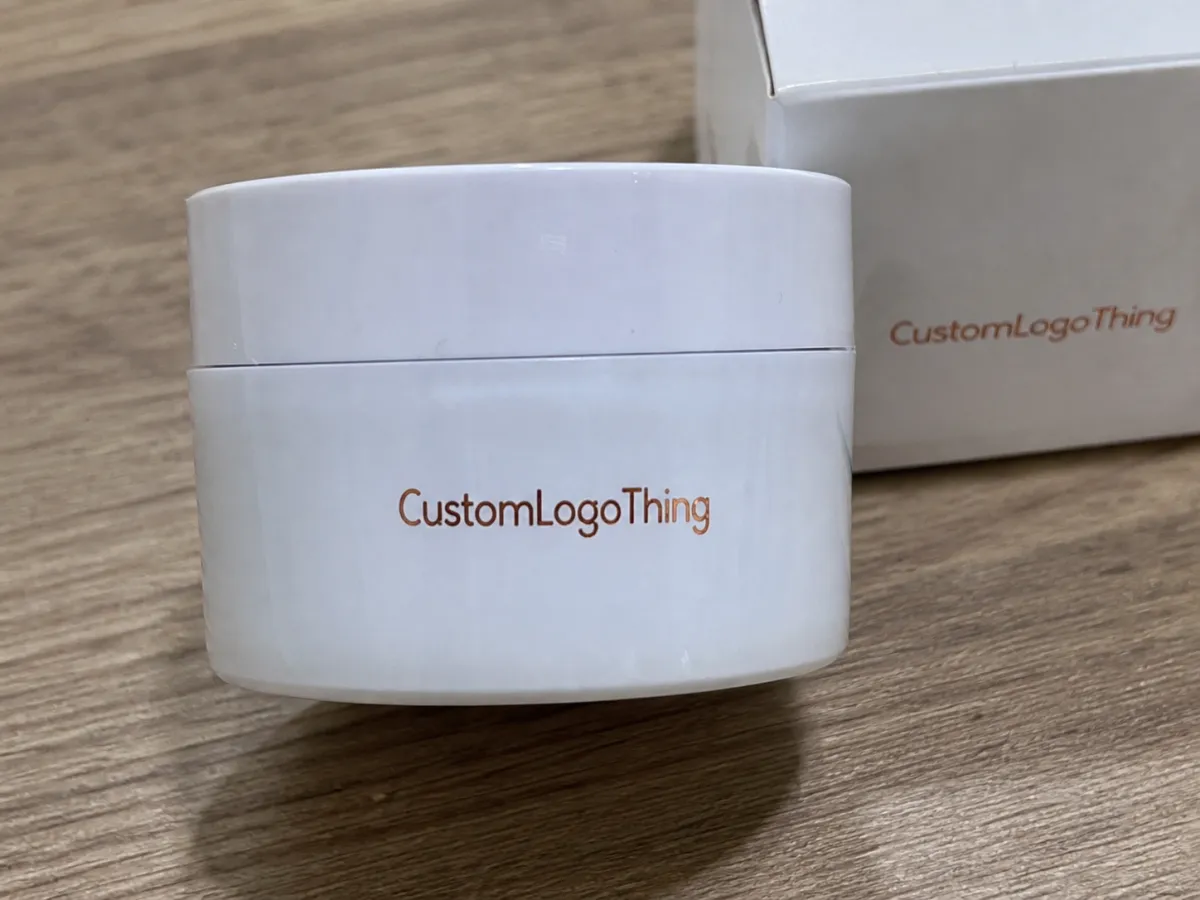
A $38 facial oil can sit in amber glass, wear a tasteful pump, and still feel underbuilt if the outer pouch has a weak tag. Buyers researching Logo Patches Unit Cost for skincare brands are rarely comparing pennies alone. They are weighing perceived value, shelf presence, reuse, and whether the branded accessory survives after the carton is recycled.
That distinction matters. A custom patch is not just decoration. It can become a durable brand marker on spa robes, terry headbands, cosmetic bags, sample kits, influencer mailers, refill-program totes, and launch merch. Printed stickers and paper swing tags can work for short campaigns, but they usually have one life. They scuff, peel, absorb moisture, or leave with the shipper.
Patches cost more per unit. No supplier should pretend otherwise. Yet a patch that adds $0.55 to $1.40 to a reusable pouch can support a gift set that feels $10 to $30 more premium to a consumer, especially if the pouch stays useful in a bathroom cabinet, gym bag, or carry-on.
The pricing logic is mechanical. Unit cost changes with material, finished size, artwork complexity, color count, backing, edge finish, order volume, packing method, and application requirements. A 2-inch woven patch with sew-on backing behaves very differently from a molded silicone badge with a custom shape and heat-press backing.
Practical view: the cheapest patch is not always the lowest-cost decision. If it curls, scratches the skin, or looks muddy on a pale sage pouch, the reorder and repackaging costs can exceed the initial savings.
Custom Logo Things helps buyers sort through those trade-offs before bulk production. The goal is retail-ready branding with fewer surprises: the right material, a realistic MOQ, clean proofing, sensible bulk pricing, and a production timeline that does not collide with kit assembly or photography.
Where Skincare Brands Use Custom Logo Patches
Skincare buyers use patches across more touchpoints than many packaging teams first assume. Indie founders may start with 250 to 1,000 pieces for launch pouches or event gifts. Clean beauty brands often move into 2,500 to 10,000 units for seasonal sets. Dermatology clinics and med spas use patches on robes, towels, headbands, and retail take-home bags. Hotel amenity teams may need consistency across bathroom kits, laundry-resistant accessories, and gift shop bundles.
Common applications are easy to map:
- Embroidered patches on terry headbands, spa robes, cotton towels, and wellness merch.
- Woven patches on cosmetic pouches, muslin bags, refill kits, and minimalist gift sets.
- Silicone or PVC patches on waterproof toiletry bags, gym bags, travel cases, and wet-room accessories.
- Faux leather patches on boutique travel kits, canvas totes, and premium cosmetic organizers.
- Printed fabric patches for event merch where full-color graphics matter more than raised texture.
Customer behavior explains the economics. A folding carton may be handled for 45 seconds. A decent pouch can be used for 18 months. A headband can appear in social content dozens of times. Extended exposure is why patch cost should be judged against reuse, not only against the price of a paper label.
Technically, many patches sit under the broader clothing-label category. In practice, their use extends into soft packaging, branded accessories, promotional beauty merchandise, and gift-with-purchase programs. A cleanser-and-serum bundle dropped loose into a mailer feels unfinished. The same bundle inside a reusable pouch with a 1.75-inch woven brand patch feels intentionally built.
One boundary matters: patches should not replace legally required cosmetic product labels unless they are specifically designed and reviewed for that purpose. Ingredient declarations, batch codes, net contents, safety warnings, and distributor details belong on compliant product labels or cartons. Patches support brand experience. They are not a shortcut around cosmetic labeling rules.
As a starting point, woven works well for minimalist luxury. Embroidery adds spa warmth. Silicone suits wet environments. Faux leather can make a boutique kit feel more giftable without moving into rigid box pricing.
Patch Materials, Backings, and Finishes That Affect Performance
Material choice controls both the look and the failure mode. Embroidered thread gives raised texture and a familiar soft-goods feel, but tiny serif type can disappear. Woven polyester holds sharper lettering and botanical line art because the threads are finer. Silicone and PVC resist moisture, abrasion, and wipe-downs. Chenille creates a plush, varsity-style texture, although it is rarely the first choice for refined skincare branding. Printed fabric handles gradients and painterly artwork, but it may not deliver the same premium tactile cue.
Leather changes the tone immediately. Genuine leather can look elevated, but it may conflict with vegan or cruelty-free positioning. Faux leather and recycled felt-style options can bridge that gap, depending on the brand claim and the substrate. If sustainability is part of the brief, ask for documentation rather than accepting a vague “eco” description. For paper-based components, the Forest Stewardship Council is a useful reference point, though textile and synthetic patch materials follow different certification routes.
Backing is the second major cost driver. Sew-on backing is reliable for pouches, robes, and headbands when another supplier can attach the patch during assembly. Iron-on and heat-press formats can reduce sewing labor but need compatible fabric plus controlled temperature, pressure, and dwell time. Adhesive backing is convenient for short-term use, yet oily residue, humidity, curved surfaces, textured canvas, and silicone-coated fabrics can reduce bond strength. Hook-and-loop backing suits removable uniform patches or spa laundry systems. No-backing formats are common when the patch is integrated during manufacturing.
| Patch Type | Best Use | Typical Cost Behavior | Performance Notes |
|---|---|---|---|
| Woven polyester | Minimalist pouches, fine logo detail | Often efficient from 500+ pieces | Good for small lettering and clean edges |
| Embroidered | Headbands, robes, towels, spa merch | Cost rises with stitch count and size | Textured, warm, less precise for tiny type |
| Silicone or PVC | Waterproof bags, gym kits, travel cases | May include tooling fees or mold charges | Moisture-resistant and structured |
| Faux leather | Premium canvas pouches, boutique sets | Varies by embossing, debossing, foil, and edge | Strong premium cue; check vegan positioning |
| Printed fabric | Event merch, full-color graphics | Can be economical for complex color artwork | Less dimensional than embroidery or PVC |
Finishes deserve attention. A merrowed border gives a classic raised edge. A laser-cut edge looks cleaner on modern beauty packaging. Satin stitch borders soften the perimeter. Debossing, embossing, metallic thread, matte PVC, gloss PVC, and color-matched thread all change both appearance and cost per piece.
Durability is not abstract for skincare. Bathrooms create humidity. Spa rooms use repeated laundering. Gym bags create abrasion. Travel cases get squeezed, spilled on, and scraped against zippers. A patch on a spa headband should feel soft near skin. A patch on a cosmetic bag can be firmer.
The smarter spend is choosing only the performance features the application needs. That is one of the fastest ways to control Logo Patches Unit Cost for skincare brands without making the final item feel cheap.
Artwork Specifications for Clean Beauty Logos and Small Type
Good artwork files shorten the quote cycle. Send vector AI, EPS, or PDF files when available, plus a high-resolution PNG or JPG for visual reference. Include Pantone colors, thread references, or carton color standards if brand color is tightly controlled. If a muted clay, oat, sage, or blush tone is central to the brand, do not rely on screen color.
Skincare logos often need adjustment before production. Thin serif type, hairline botanical drawings, small apothecary icons, gradients, and delicate spacing can look refined on a carton but fail in thread or molded material. Woven patches are better for small lettering because the yarns are finer. Embroidery works best when text height and line thickness are generous enough to stitch cleanly. For many designs, lettering under 4 to 5 millimeters high becomes risky in embroidery, depending on the font and patch size.
Common shapes include rectangles, ovals, circles, arches, shields, folded tabs, contour cuts, and custom die-cut silhouettes. Rectangles and ovals usually control cost better. Custom silhouettes can look distinctive, but they may increase setup charges, edge complexity, trimming time, or mold cost.
Color matching has limits. Thread, PVC, silicone, printed fabric, and faux leather absorb or reflect light differently. A Pantone-matched carton and a thread patch may be close, not identical. Pre-production proofing is the right tool for that gap. If color is mission-critical for a retail rollout, build time for a physical sample.
- Avoid hairline strokes and ultra-thin leaf veins.
- Increase spacing between letters before stitch simulation.
- Test contrast against the actual pouch, robe, or headband color.
- Review the proof at actual size, not only enlarged on a monitor.
- Send photos of the substrate so scale can be checked in context.
The proof path typically includes a digital mockup, stitch simulation or mold proof, size confirmation, backing confirmation, and final approval. For first-time orders, that extra discipline can prevent the most common beauty-brand error: a beautiful logo that becomes illegible at 1.25 inches.
Unit Cost, MOQ, and Quote Factors Buyers Should Compare
Quantity usually moves the number first. Setup time, digitizing, proofing, color setup, and production handling are spread across the run, so a 500-piece order nearly always prices better than a 100-piece order. A 5,000-piece order may cut the cost per piece sharply if the design is stable and the same patch can be used across multiple kits.
For planning only, simple woven or embroidered patches may land around $0.35 to $1.25 per unit at mid-volume quantities, depending on size, backing, border, and color count. Smaller rush runs can sit higher. Silicone or PVC patches may range from roughly $0.70 to $2.50+ per unit, with separate tooling fees if a custom mold is required. Faux leather patches range widely because debossing, foil, material grade, and thickness all matter. These are working ranges, not final quotes.
The exact quote depends on these factors:
- Order quantity: MOQ and volume breaks can change pricing materially.
- Patch size: A 3-inch patch uses more thread, silicone, fabric, or leatherette than a 1.5-inch patch.
- Artwork complexity: Dense fills, tiny type, gradients, and contour shapes add production work.
- Color count: More colors may increase setup or production handling.
- Backing: Sew-on, adhesive, iron-on, hook-and-loop, and heat-press each carry different costs.
- Edge finish: Merrowed, satin stitch, laser-cut, and molded edges have different labor profiles.
- Packaging: Bulk packed is cheaper than individual retail bags, barcode labels, or kitting.
- Timeline: Rush production and express freight can erase savings from a low unit price.
Separate the unit price from the total landed cost. Sampling, setup charges, molds, shipping, duties, rush fees, and application labor all count. A patch quoted at $0.62 can become less attractive than one quoted at $0.74 if the first requires expensive freight or creates sewing problems at the pouch factory.
Hidden cost traps are predictable: oversized patches, metallic thread, excessive color counts, last-minute artwork changes, individual retail packaging, and rushed international shipping. Paying more can still be right for reusable cosmetic bags, robes, headbands, travel cases, or gift-with-purchase items expected to last through repeated use.
Compare quotes on equal terms: same size, same material, same backing, same quantity, same lead time, same packing method, and same approval stage. If you want examples of how branded components affect retail presentation, review the Custom Logo Things Case Studies for project context and application thinking.
Custom Logo Things can also value-engineer before bulk production. Reducing a patch from 2.25 inches to 1.75 inches, switching from embroidered to woven for small type, choosing a standard shape, or changing backing can lower Logo Patches Unit Cost for skincare brands without weakening the brand cue.
Production Process and Timeline from Artwork to Delivery
A clean production path follows a clear sequence: inquiry, artwork review, material recommendation, quote, digital proof, sample or pre-production approval, bulk production, quality control, packing, and shipping. Skipping steps can look faster on paper. It rarely feels faster after a failed proof or delayed launch kit.
Artwork review is not administrative filler. It catches small type loss, low contrast, incorrect backing, scale problems, and patch shapes that do not sit well on the finished item. A 2-inch patch may look balanced on a large tote but too loud on a narrow headband. A pale beige thread may disappear on natural canvas under retail lighting.
Timelines vary by patch type and approval speed. Straightforward woven or embroidered patches may move through proofing and production faster than molded silicone or PVC, especially if tooling is required. First-time projects should allow extra time for sampling. Repeat orders with approved artwork can often move faster because the technical decisions are already made.
Sampling options usually fall into three groups:
- Digital proof only: best for simple repeat orders or low-risk promotional runs.
- Physical sample: useful for first-time projects, color checks, skin-contact items, and new substrates.
- Pre-production sample: recommended for retail launches, high-volume programs, or coordinated gift sets.
Quality control should cover color confirmation, size tolerance, edge finish, backing adhesion, thread trimming, logo legibility, count verification, and packing method. For shipping performance and distribution testing of finished kits, the International Safe Transit Association provides widely used packaged-product test procedures. A patch alone may not need ISTA testing, but the final kit may.
Application coordination is a common snag. If patches will be sewn onto cosmetic pouches, robes, or headbands by another supplier, confirm placement dimensions early. Provide seam allowances, centerline measurements, and finished product photos. Even a 10-millimeter placement shift can make a logo look crooked on a small pouch.
Start patch sourcing before final kit assembly, not after. Product bundling, fulfillment booking, retail sell-in photography, and influencer mailer deadlines can all be affected by one missing branded component. Rush orders are possible on some patch types, but complex molds, physical samples, holiday capacity, and international freight reduce flexibility.
Quality Risks Skincare Brands Should Avoid Before Ordering
The first risk is choosing a patch that looks attractive alone but fails on the actual substrate. Color, scale, texture, and placement change everything. A black embroidered patch may look premium on screen and too harsh on an oat canvas pouch. A faux leather patch may look elevated until it clashes with a clinical dermatology brand.
Moisture is another underestimated issue. Skincare products live near sinks, showers, spa rooms, gym bags, humid bathrooms, and leaking travel bottles. Water resistance matters more than many buyers expect. Silicone and PVC handle wet environments well. Woven and embroidered patches can also perform properly, but backing and edge sealing need to match the use case.
Do not copy carton artwork blindly. Print graphics are designed for ink, paper, and flat viewing distance. Thread, debossing, silicone, and PVC have different tolerances. Simplify leaf veins. Open tight letterspacing. Remove micro text. Build contrast. If the final patch must be 1.5 inches wide, judge it at 1.5 inches wide.
Skin contact deserves real scrutiny. Patches placed on headbands, robes, and towels should avoid scratchy merrowed edges, stiff backing, bulky adhesive layers, or abrasive thread near the face. A patch on the outside of a cosmetic pouch can be structured. A patch near the forehead should feel soft.
Brand color is also tricky for clean beauty. Muted neutrals, clay tones, sage greens, stone grays, and soft pinks shift dramatically across thread, molded rubber, printed fabric, and leatherette. Ask for color references, proof images, or physical samples when the shade carries brand equity.
Approval rule: review proofs at actual size. A logo that looks sharp at 300% on a laptop can fail badly on a 1.25-inch folded tab.
Compliance should stay in view. Custom patches support branding, presentation, and reuse, but they do not automatically satisfy cosmetic labeling obligations. If a patch is expected to carry required information, the design needs separate review for legibility, durability, placement, and applicable rules.
Custom Logo Things reduces ordering risk through material guidance, proofing, sampling recommendations, and production checks. That help is useful for buyers comparing Logo Patches Unit Cost for skincare brands across suppliers that may not be quoting the same construction.
Next Steps to Get an Accurate Patch Quote
A precise quote starts with precise inputs. Send the desired patch type, finished size, shape, quantity, backing preference, application surface, logo file, Pantone colors, delivery location, and target in-hand date. If those details are not final, say so. A useful quote can include options.
Product context is valuable. Photos of the cosmetic pouch, headband, robe, towel, sample kit, or travel case help scale the patch correctly. Include material notes if you have them: terry cloth weight, canvas color, nylon finish, vegan leather texture, or waterproof coating. If the patch will be applied by another factory, share any placement templates or sewing requirements.
Ask for two or three quantity breaks. A launch order, reorder quantity, and retail rollout quantity will show where bulk pricing improves. For example, quote 500, 1,500, and 5,000 units rather than asking for one number. The lowest MOQ may help cash flow, but the next tier often shows the real cost advantage.
Define the commercial goal before choosing material. A premium gift set, low-cost promotional item, spa uniform program, subscription box insert, and long-term reusable packaging component do not need the same patch. A woven patch may be smarter than embroidery for fine type. A standard oval may cost less than a contour cut. A sew-on patch may outperform adhesive if the pouch will be handled for months.
Value-engineering questions are fair: Can the patch be smaller? Can the border be simplified? Can a standard shape work? Would woven hold the logo better than embroidery? Is heat press necessary, or will sew-on attachment happen during pouch production? Small specification changes often move the final price more than hard negotiation does.
To compare logo patches unit cost for skincare brands accurately, use the same assumptions across every supplier: artwork, target quantity, backing preference, application surface, delivery location, packing method, and launch deadline. A low number only means something when the construction and delivery terms match.
FAQ
What affects logo patch unit cost for skincare brands the most?
Quantity usually has the biggest effect because setup costs are spread across more patches. Material, patch size, backing type, border style, color count, and artwork complexity also influence price. PVC or silicone patches may include tooling fees, while embroidered and woven patches are often more flexible for smaller runs.
What is the best patch type for skincare pouches and beauty bags?
Woven patches work well for fine logo detail and minimalist beauty branding. Embroidered patches add texture and a softer spa-like feel. Silicone or PVC patches are better for wet environments, travel cases, gym bags, and waterproof cosmetic pouches.
Can custom logo patches replace cosmetic product labels?
Usually no. Patches are best for branding, presentation, and reusable packaging. Ingredient lists, warnings, batch codes, net contents, and regulatory information should remain on compliant product labels or cartons. If a patch needs to carry required information, the design should be reviewed for legibility, durability, and regulatory suitability.
What MOQ should skincare brands expect for custom logo patches?
MOQ depends on material, production method, and customization level. Simple embroidered or woven patches may support lower minimums than molded silicone or PVC patches. For accurate pricing, request quotes at multiple quantities so you can compare launch volume against reorder volume.
How long does production take for skincare brand logo patches?
Timeline depends on artwork approval, sampling needs, patch type, order quantity, and shipping method. First-time orders often need extra time for proofing and possible physical samples. To avoid launch delays, begin patch sourcing before final kit assembly, photography, or retail fulfillment deadlines.
For the cleanest comparison, prepare one specification sheet with size, material, backing, quantity, packing, delivery date, and application surface. Then judge each quote against the same technical assumptions, not just the lowest visible unit price.


