Why logo patches can lower merch risk when event orders are tight
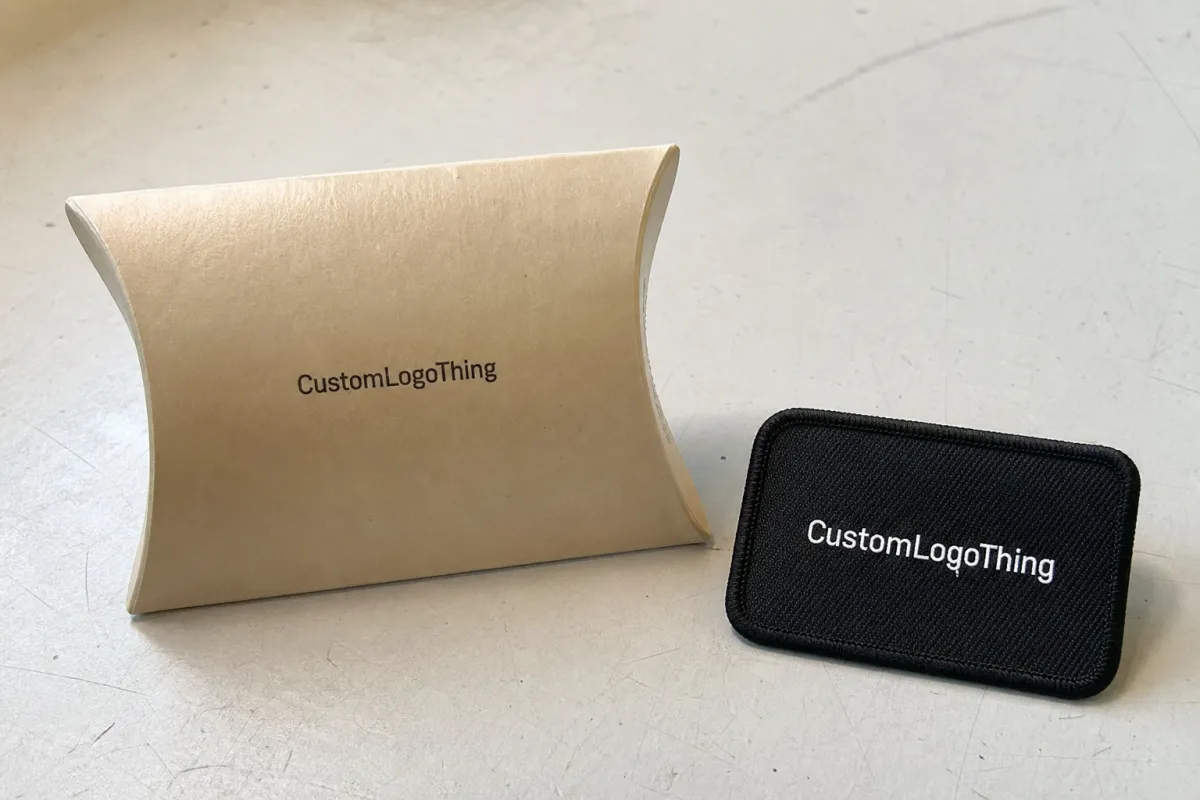
If you are pricing logo patches unit cost for Event Merch Teams, the first question is not how cheap the patch can be. It is whether the patch will still look right after packing, transit, and a long distribution window. That is where patches often outperform lower-cost decoration options. They are less fragile than some printed embellishments, more stable than temporary stickers, and easier to standardize across several product types.
The practical appeal is broader than durability. A single patch design can move across caps, tote bags, staff polos, jackets, and VIP kits without forcing a separate artwork path for each item. That kind of consistency matters when an event merch plan includes multiple SKUs and a short approval cycle. One artwork file, one proof, and one color standard is a simpler procurement problem than five different branded treatments.
There is also a hidden cost in merch buying that spreadsheets rarely show cleanly: the cost of fixing what arrives wrong. A cheap patch that needs replacement, rework, or emergency shipping often ends up more expensive than a better-built piece with a slightly higher unit price. The difference is not hypothetical. In event production, one mismatch between proof and finished goods can turn a low bid into an invoice that grows by the day.
That is why unit cost should be read as part of a larger equation. Buyers need to account for attachment method, material durability, packaging, quantity, and the chance that the patch will be reused after the event. A patch that works on outerwear, soft bags, and staff uniforms can reduce waste because the same stock serves more than one program.
For events with sponsor tiers or regional rollouts, standardized patch dimensions can also speed up approvals. A 2.5-inch woven logo that repeats across 300 tees, 500 tote bags, and 1,200 caps is easier to manage than a set of mismatched decorations that each need their own signoff. That difference is small on paper and large in practice.
The cheapest patch is not always the cheapest program. If a buyer has to reorder, relabel, or rework the item, cost per piece rises quickly.
That is the real lens for event merch teams. Logo Patches Unit Cost for event merch teams should be judged against durability, reuse potential, and the risk of late-stage failure. A low quote only matters if the finished product is usable on the date it is supposed to be distributed.
Patch types, materials, and attachment options that affect buy cost
Patch style drives pricing more than many first-time buyers expect. Embroidered patches remain the familiar option: textured, sturdy, and usually economical for logos with bold outlines. Woven patches are better for smaller text and cleaner detail because the weave supports finer lines. PVC patches bring a molded look and stronger weather resistance, which makes them useful for outdoor events and activewear. Chenille creates a soft, varsity-style finish. Leather suggests a more premium presentation. Sublimated patches are best when the artwork includes gradients, fades, or image-like detail, though the finish is flatter than embroidery or chenille.
Each format changes the manufacturing burden. Embroidery can involve higher stitch density, which lengthens production time. Woven construction may reduce bulk but usually needs sharper artwork. PVC commonly requires tooling and molds. Leather may involve cutting, debossing, or stitching steps that add handling time. None of those choices changes appearance alone; they alter tooling fees, setup charges, and the final unit cost.
| Patch type | Typical strengths | Common tradeoff | Relative cost level |
|---|---|---|---|
| Embroidered | Texture, durability, classic look | Less detail at small sizes | Low to moderate |
| Woven | Fine lines, small text, clean logos | Less tactile depth | Low to moderate |
| PVC | Weather resistance, bold color, molded detail | Higher tooling and mold cost | Moderate to high |
| Chenille | Premium varsity feel, soft texture | Not ideal for tiny details | Moderate to high |
| Leather | Premium branding, strong retail appeal | Limited color complexity | Moderate to high |
| Sublimated | Gradients, photo-like art, quick visual clarity | Flatter finish | Low to moderate |
Attachment method matters just as much as patch construction. Sew-on is the most durable route, but it adds labor during garment application. Iron-on can be faster for basic apparel, though some fabrics do not tolerate heat well. Velcro works well for uniforms and event staff gear because it allows patches to be swapped or removed. Adhesive backing is useful for temporary placement or packaging inserts, but it is rarely the best choice for long wear. Heat seal sits between iron-on and sew-on, with a cleaner finish when the fabric and application method are compatible.
For bulk event kits, woven or embroidered patches with sew-on or heat-seal backing often give the best balance of price and reliability. For on-site uniforms, Velcro can justify its added cost because role changes become easier and replacement waste goes down. If the merch will be handed out outdoors, weather resistance should move higher on the checklist. PVC may cost more, but a patch that survives rain, abrasion, and repeated handling can be the less expensive decision overall.
Design complexity is the quiet price driver. Thread color count, border style, edge finish, and stitch count all influence the quote. A simple one-color logo in a 2.5-inch circle is a different product from a multicolor crest with tiny type and a merrowed edge. Buyers who compare only logo colors or only patch size usually miss the part that changes the quote most.
Logo patch specifications buyers should confirm before requesting samples
Before requesting samples, lock down the basic specification set. Size, shape, artwork format, border style, backing type, and intended surface all need to be clear. If those details are vague, the sample may look acceptable but still fail in production. That is an expensive way to discover a missing detail.
Artwork quality matters more at smaller sizes. A logo that looks sharp on screen can lose legibility once it is reduced to 1.5 inches wide. Thin lines, tiny text, and intricate outlines often need simplification. That does not mean weakening the brand. It means adjusting the design so the patch survives real manufacturing tolerances.
Buyers should ask about minimum line thickness and minimum text height early. For many patch formats, lines below about 0.5 mm become risky, especially on woven or embroidered construction. Small text may need to be enlarged or removed. Color matching should also be discussed. Some vendors work from Pantone references, while others use thread charts or material swatches. Those are not identical methods, so the match standard should be confirmed before approval.
Environment should shape the spec. A patch for a summer volunteer shirt has different requirements than one for a retail hoodie sold at a fan event. High-touch staff uniforms may need stronger backing and edge finishing. If the patch will see humidity, sweat, or abrasion, the sample should reflect that use case rather than a best-case desk test.
Request a proof that shows both the front and the backing detail before production approval. Front-only proofs miss too much. Dimensions should appear on the proof itself, not only in an email thread, because one missing decimal can change both pricing and visibility.
- Size and shape: exact dimensions, not estimates.
- Artwork file: vector preferred, ideally AI, EPS, or editable PDF.
- Border style: merrowed, laser cut, stitched, or molded edge.
- Backing: sew-on, iron-on, Velcro, adhesive, or heat seal.
- Environment: indoor, outdoor, retail, or staff uniform use.
If your merch program sits inside a larger procurement policy, outside references can help frame material and waste choices. The Packaging Education Forum and EPA both provide useful context on packaging and materials management. That is not patch-specific guidance, but it can be relevant when the event order includes inserts, hangtags, or boxed kits.
Logo patches unit cost for event merch teams: what drives pricing and MOQ
Here is the plain answer: Logo Patches Unit Cost for Event Merch Teams is mostly driven by size, material, stitch complexity, color count, backing choice, and packaging format. If two quotes look different, the first question should be whether the specs truly match. A lower headline price can hide lighter finishing, thinner material, or weaker proofing.
Quantity also matters. Unit cost usually falls as volume rises because setup is spread over more pieces. The curve is not always dramatic, though. A 500-piece order may cost only slightly more per unit than a 1,000-piece order if tooling has already been absorbed. By contrast, a small custom run can look expensive because art prep and setup charges are being divided across fewer pieces. That is why MOQ matters so much in patch sourcing.
MOQ means minimum order quantity, the smallest production run a supplier will accept. Different patch styles have different minimums. Simple embroidered or woven patches often have lower minimums than molded PVC or specialty leather patches because the setup is lighter. More complex materials may require molds, dies, or extra steps, which makes tiny runs less economical.
For budget planning, compare quotes on a landed basis instead of focusing only on patch price. Ask whether the number includes sample fees, shipping, split shipments, individual bagging, or rush handling. A difference of $0.12 per unit on paper can become $0.38 per unit once extras are included. Over 2,000 pieces, that gap is large enough to matter to the event budget.
| Order size | Typical unit cost range | What usually affects the quote |
|---|---|---|
| 250-500 pcs | $0.85-$2.25 | Setup charges, proofing, small-run handling |
| 1,000-2,500 pcs | $0.45-$1.40 | Material type, stitch density, backing |
| 5,000+ pcs | $0.18-$0.78 | Bulk pricing, packaging, freight, repeatability |
Those ranges are directional, not universal. A small woven patch with simple art can sit near the low end, while a large PVC badge with a custom shape and individual bagging will sit much higher. The point is not to chase the lowest number. It is to compare like-for-like specs so the cost per piece reflects reality.
Packaging is a common place where quote comparisons go sideways. If one supplier ships loose in bulk and another packs each patch individually for on-site distribution, the second quote may look more expensive even though it reduces labor for your team later. For event merch buyers, operational cost is part of product cost. Ignore that and the spreadsheet lies.
Bulk pricing can also influence reorder strategy. If a design will be used across several events, ordering a slightly larger quantity upfront can reduce unit price enough to justify limited storage. That is especially true for evergreen team uniforms, sponsor activations, and VIP merchandise that repeats across multiple dates.
For buyers with sustainability or traceability requirements, FSC standards may matter if the patch order is paired with paper-backed packaging or printed inserts. See FSC for certification context. Not every merch program needs that level of documentation, but some procurement teams do.
Production steps and turnaround: how event teams avoid late merch
A clean production path reduces surprises. The usual sequence is artwork review, digital proof, sample approval, production, finishing, quality check, and packing. If one of those steps breaks, lead time stretches. The most common causes are not exotic: blurry art files, repeated revisions, delayed approvals, mismatched Pantone references, and late changes to size or backing.
Turnaround depends on material and quantity. Simple embroidered or woven patches usually move faster than custom PVC or leather items because the production steps are lighter. Larger orders take longer than smaller ones, and mixed-SKU programs add coordination time even if the patches themselves are simple. A practical planning window is often 12 to 15 business days from proof approval for standard runs, with longer timing for specialty finishes or larger quantities. That estimate still needs confirmation from the supplier before an event deadline is set.
Rush service exists, but it should not be the default plan. It raises total cost through priority labor, expedited freight, or compressed finishing. If the schedule is fixed, use rush options deliberately. If the schedule still has room, spend the extra day on art correction and proof review. That usually costs less than emergency shipping later.
Event teams also need a transit buffer. Even when production ends on time, shipping delays can still happen. Weather, carrier bottlenecks, or customs checks can add risk. A safe planning buffer is several business days before distribution. For out-of-state or cross-border events, that buffer should be wider. That is not pessimism; it is basic procurement discipline.
- Day 1-2: submit artwork and order details.
- Day 2-4: receive proof and make corrections.
- Day 4-6: approve sample or pre-production mockup.
- Day 6-15: production, finishing, and quality check.
- Final step: packing and transit to your receiving point.
Good buyers treat lead time like part of the budget. If a slower method saves money, make sure the event calendar can tolerate it. If not, a lower quote is just a delayed problem.
Why our patch quotes work for merch buyers managing multiple SKUs
Merch buyers juggling apparel, bags, and staff kits need clarity more than sales language. A useful quote process should separate material options, backing choices, and packaging methods so the real Logo Patches Unit Cost for event merch teams can be compared across the full program, not just one item. That matters because event merch often fails at the handoff between departments, not in the product itself.
Consistency matters across repeat orders. If one event in a series uses the same logo but a different bag size or uniform fabric, the patch spec still needs to hold up. Standardized production notes reduce variability and make reorders faster to approve. That is especially useful for seasonal programs, sponsor activations, and touring merch where the design stays constant but the volume changes.
Practical support matters too. Artwork cleanup can save time when a logo is not production-ready. Material recommendations can prevent avoidable failures, like iron-on backing on heat-sensitive fabric or a heavily detailed embroidered patch that should really be woven. Proofing guidance reduces back-and-forth. Packing options help if the patches are headed to a retail shelf, a fulfillment center, or an event kit assembly line.
For buyers managing multiple SKUs, the real value is predictable reorders. A well-documented patch spec can be reordered with fewer questions, fewer delays, and fewer mistakes. That lowers operational friction, and operational friction is one of the most expensive parts of merch buying.
So the goal is not only a low quote. It is cost control across the full merch lifecycle: first order, reorders, storage, distribution, and replacement risk. That is where experienced procurement teams usually focus their attention.
Next steps: get a cleaner quote, faster approval, and fewer surprises
Before requesting pricing, prepare one reference image, a rough quantity, the desired size, and the intended backing type. If the logo is available in vector format, send it. If not, say whether artwork cleanup is needed. That one step can remove a full round of clarification and shorten approval time.
Ask for a quote that separates unit price, setup, shipping, and rush charges. A bundled number may look tidy, but it hides the real cost structure. Buyers who can see the split can compare suppliers more accurately and spot where the margin is actually going.
Also request a proof and confirm the approval deadline before production starts. If the event date is fixed, say so upfront. Production can usually be planned around a hard deadline, but only if the supplier knows the schedule from the start. Last-minute spec changes are the fastest way to turn a good order into a difficult one.
For event merch teams, the smartest purchase is the one that arrives on time, matches the proof, and stays within budget without creating hidden rework. Compare specs carefully, ask about MOQ, and keep your eye on the landed cost. If those checks are in place, logo patches unit cost for event merch teams becomes a controllable variable rather than a surprise.
What affects logo patches unit cost for event merch teams the most?
Size, material, backing type, and stitch complexity usually have the biggest impact on price. Higher quantities typically reduce unit cost, but setup fees and proofing can change the break-even point.
Which patch type is best for event merch with tight budgets?
Woven patches are often a strong value when you need detailed logos at moderate cost. Embroidered patches can be cost-effective for simple designs, while PVC usually costs more but handles harsher conditions.
How do MOQ and unit cost work together on patch orders?
MOQ sets the smallest order size a factory will accept. Ordering above MOQ usually lowers unit cost, but the best total value depends on your usage plan and storage capacity.
How long does production usually take for custom logo patches?
Standard turnaround depends on material, quantity, and proof approval speed. Complex finishes or rush requests can extend or compress the schedule, so confirm lead time before committing to event dates.
What should event merch teams send to get an accurate quote?
Send artwork, quantity, size, backing preference, and the garment or item the patch will be applied to. If possible, include use case details such as indoor, outdoor, retail, or staff uniform distribution.


