The Restock Problem Most Matte Zipper Bag Buyers Notice Too Late
A brand saves three cents per bag on the first order. Then it pays rush fees, split shipments, emergency substitutions, and overnight freight because nobody built a Matte Zipper Bags Unit Cost bulk reorder plan before artwork approval. Very glamorous. Very expensive.
The first low quote can look perfect on a spreadsheet. Then the bags arrive late, the next reorder misses the production window, and procurement starts asking for “anything close enough” just to keep orders moving. That is how a premium matte package turns into a weekly fire drill.
Matte zipper bags are not clear poly bags with a nicer attitude. The finish changes the shelf look. The film structure changes stiffness, barrier, and hand feel. The zipper changes how customers open and reuse the package. Print coverage affects cost, proofing time, and color control. A 4 mil frosted PE zipper bag with one-color print is a different animal from a laminated PET/PE stand-up pouch with full CMYK coverage on both panels.
The buyer’s goal is boring supply.
Boring is good. Boring means the unit cost is predictable, landed cost is understood, reorder timing is set, and the product is not sitting in finished-goods inventory waiting for packaging. Sales can keep selling. Warehouse staff can keep packing. Nobody has to pretend a substitute bag is “basically the same.”
This is for buyers quoting, comparing, approving, or reordering custom matte zipper bags in bulk. If the quantity is still “maybe 47 bags if launch week goes well,” custom bulk production may not be the right lane yet. If you have real usage, deadlines, storage limits, and inventory pressure, build the bag spec and reorder math together. Separating them is where the trouble starts.
Matte Zipper Bag Product Details That Actually Affect Buying
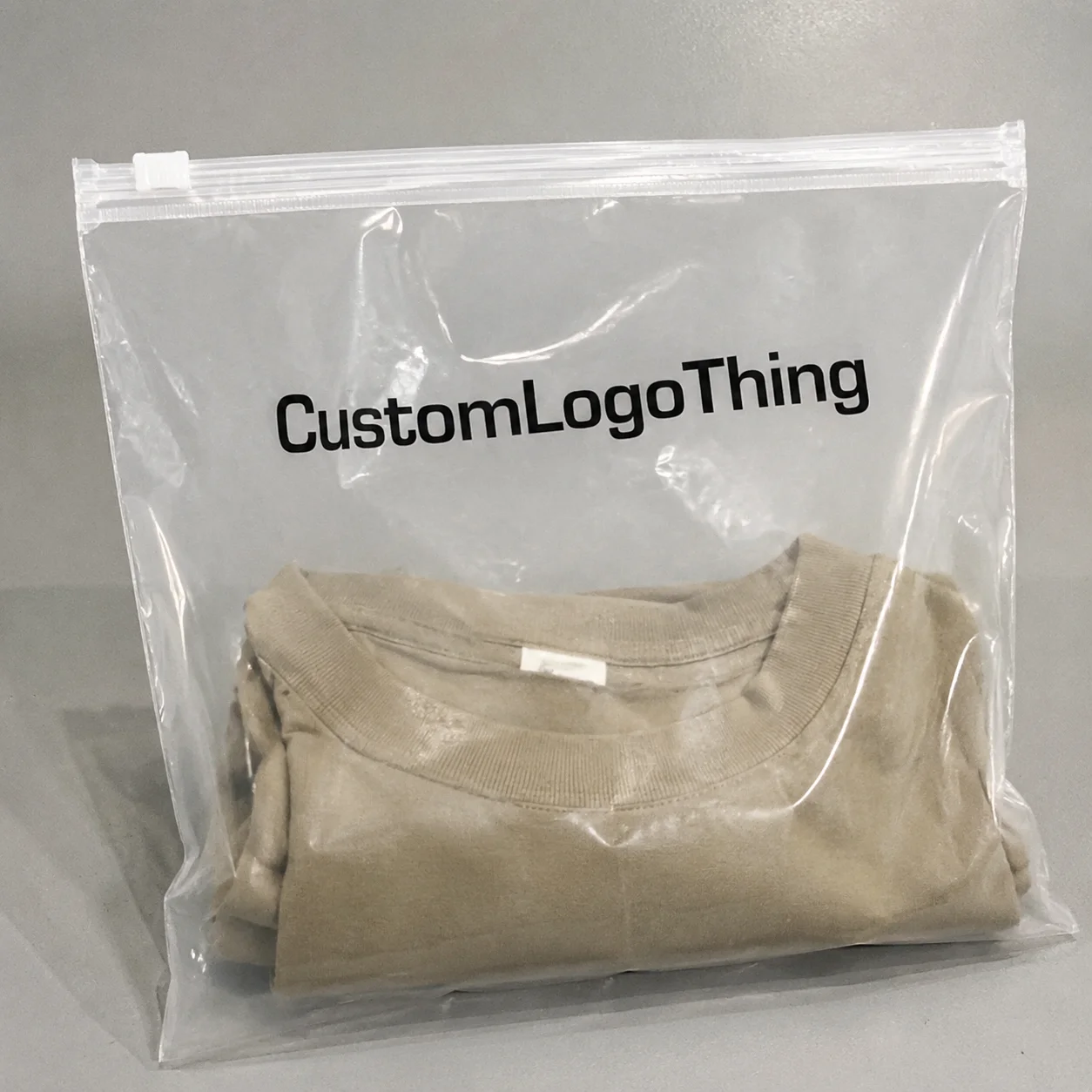
Matte zipper bags are flexible plastic bags or pouches with a resealable closure and a low-gloss finish. They are used for retail goods, refills, samples, apparel, accessories, supplements, cosmetics, small hardware, craft products, and specialty consumer goods. The appeal is simple: they look more finished than glossy commodity packaging and can carry a logo, product details, barcode, warning copy, and use instructions.
Common formats include flat zipper bags, stand-up zipper pouches, three-side seal bags, bottom gusset bags, frosted matte zipper bags, and opaque matte zipper bags. A flat zipper bag may work for apparel trims, sample sets, stationery, or lightweight accessories. A stand-up pouch makes more sense for shelf display. A bottom gusset adds fill volume without making the front panel huge. Structure matters because it changes film usage, sealing requirements, carton count, pallet efficiency, and freight cost.
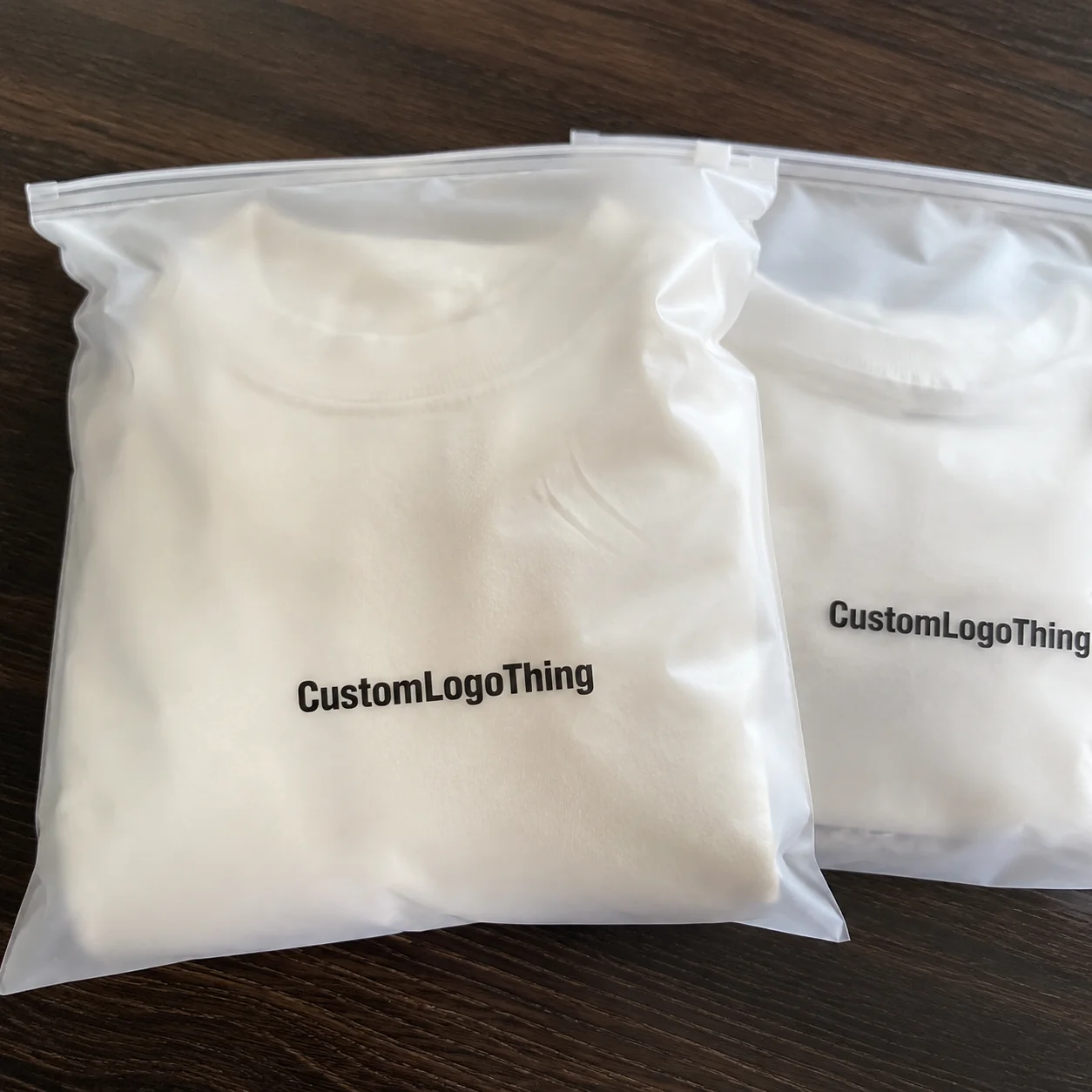
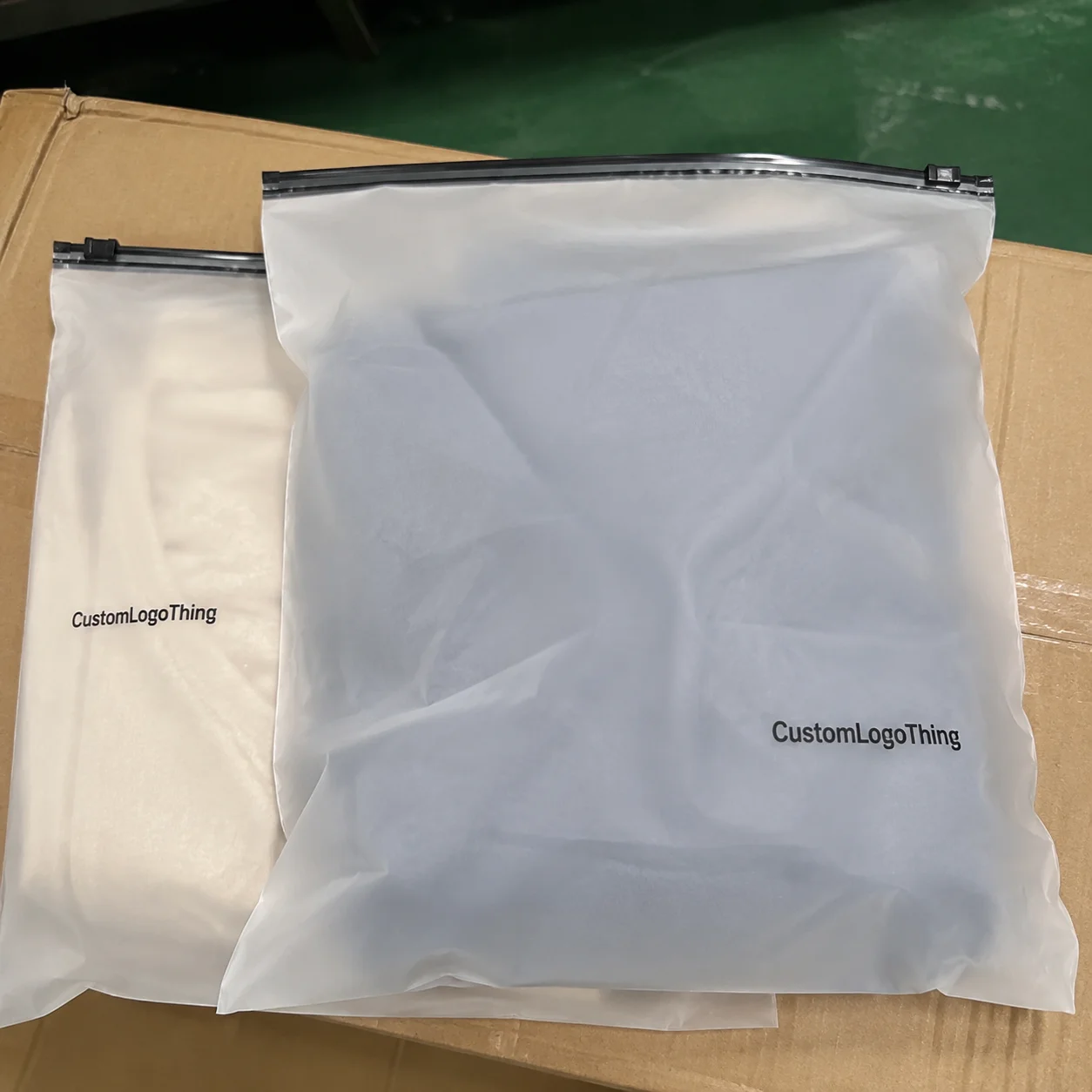
Finish choices also change the buying decision. Full matte film gives a premium surface across the bag. Frosted translucent matte lets the customer see hints of the product without using a glossy clear window. A matte front with a clear back can balance brand presentation with product visibility. Laminated matte film usually feels more substantial and can improve barrier performance, but yes, it costs more. Matte ink effects can create a similar look on some films, but they are not always identical to true matte lamination.
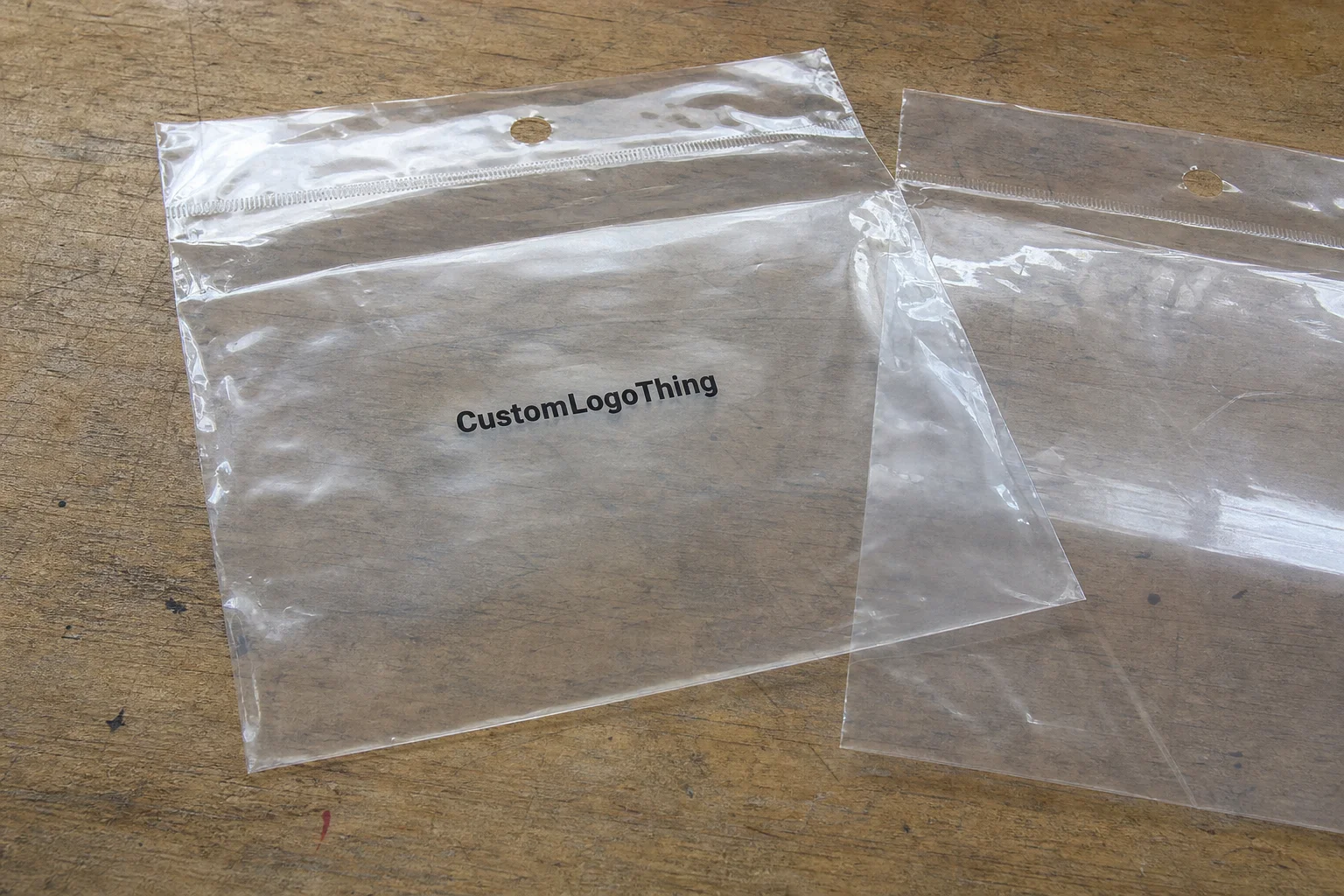
Closure options include standard press-to-close zipper, heavy-duty zipper, child-resistant zipper where required, hang hole, tear notch, rounded corners, and euro slot. A small sample bag may only need a basic zipper. A refill pouch holding heavier goods needs stronger closure and seals. If the zipper fails, the customer will not pause to admire your tasteful matte finish. They will complain. Fair enough.
Print method is another fork in the road. Digital printing can work well for lower MOQs, versioned artwork, and faster turns. Flexographic or gravure production often makes better economic sense for larger repeat orders, especially when artwork stays stable and setup costs can be spread across more units. Spot color printing may reduce complexity. Full-color coverage gives stronger branding, but it increases ink use, proofing time, and color-control requirements.
Matte zipper bags are excellent for premium shelf impact. They are not always the cheapest choice if the product only needs basic containment. If the bag is hidden inside a shipping carton and never seen by the customer, a clear zipper bag may do the job for less. Shocking concept: use the package the product actually needs.
Film, Size, Print, and Zipper Specifications to Lock Before Quoting
A clean quote starts with clean specs. Send the supplier the width, height, gusset depth, usable fill height, film thickness, material structure, finish, zipper type, print sides, print colors, artwork coverage, and packing method. If the product has weight, sharp corners, oils, fragrance, powder, moisture sensitivity, or regulatory requirements, say that early. Packaging suppliers are many things. Psychic is not one of them.
Typical lighter matte zipper bags may use roughly 2.5 to 3.5 mil film, depending on size and use. Heavier retail pouches, refill packs, or products with tougher handling needs often require 4 to 6 mil equivalent laminated structures. Thickness alone does not tell the whole story. A laminated PET/PE structure can feel stiffer and protect better than a simple mono-layer bag of similar gauge.
Material options commonly include PE, PET/PE laminates, frosted PE, recyclable PE structures where suitable, and barrier films for aroma, moisture, or oxygen protection. A dry apparel accessory does not need the same barrier as coffee, powdered supplements, bath salts, jerky, or scented wax melts. If shelf life matters, ask about moisture vapor transmission rate and oxygen barrier performance instead of guessing based on “feels thick.” That phrase has caused enough damage.
Do not quote by outside dimensions alone. Internal fill space, zipper placement, seal width, bottom gusset shape, and top header area all affect usable capacity. A 6 inch by 9 inch bag can have less fill room than expected if the zipper sits low or the seals are wide. The product may fit in the spreadsheet but not in the bag. Classic.
For filled products, test the real item. Not a similar item. Not a hopeful paper mockup. Use the actual product, actual fill weight, and any scoop, insert, desiccant, card, or accessory that will ship inside. Check whether the bag bulges, tips forward, stresses the zipper, or blocks the hang hole. A bag that looks fine empty can behave badly once filled.
Artwork needs the same discipline. Ask for a dieline, bleed area, safe zones, barcode placement, print tolerance, and minimum type size. Barcodes need enough contrast, especially on matte or frosted films. Matte finishes reflect less light than gloss, so color can look softer. Deep black may look less sharp. Bright red may look slightly muted. Approve proofs with that in mind.
Color matching also has limits. Flexible packaging is not a coated paper brochure, and matte film does not behave like a backlit screen. If brand color is critical, provide Pantone references, previous production samples if available, and acceptable tolerance ranges. For full-coverage designs, ask whether the print method supports the desired opacity and registration. Tiny reverse type on frosted film may look clever in the design file and miserable in production.
For repeat orders, create a one-page spec sheet. Include finished size, material, thickness, finish, zipper, print method, artwork version, carton count, packing count, tolerance notes, and supplier production notes. The second purchase should not become a forensic investigation involving old emails, blurry photos, and someone saying, “I think it was the same as last time.” That sentence costs money.
Buying rule: If two suppliers quote different film structures, you are not comparing the same bag. Align material, thickness, format, print method, and freight terms first. Then compare unit cost.
Matte Zipper Bags Unit Cost Bulk Reorder Plan: Pricing and MOQ
A practical Matte Zipper Bags Unit Cost bulk reorder plan connects three things: the bag spec, the first order quantity, and the reorder trigger. Unit cost is driven by quantity, size, film structure, zipper type, print method, number of printed sides, artwork coverage, setup charges, tooling fees, inspection requirements, and freight. Ignore any one of those and the “cheap” quote can become expensive fast.
Small custom runs usually carry higher cost per piece because setup, artwork handling, printing preparation, and proofing are spread across fewer bags. Mid-size orders bring unit cost down as press time, material yield, and packing become more efficient. Large repeat orders often unlock better bulk pricing because the supplier can plan film, print, labor, and freight with less chaos.
Digital custom matte zipper bags may start in the hundreds to low thousands, depending on size, print area, and structure. Traditional printed production often makes more sense at several thousand units or more. For many buyers, useful quote tiers are 1,000, 3,000, 5,000, 10,000, and 25,000 units. Not every spec fits every tier, but those breaks show where price movement starts.
| Order Range | Typical Fit | Cost Behavior | Buyer Tradeoff |
|---|---|---|---|
| 500-1,000 units | Digital tests, small launches, samples | Higher unit cost due to setup spread | Lower cash outlay, higher reorder risk |
| 3,000-5,000 units | Growing product lines and repeat sellers | Better cost per piece on many specs | Requires usage forecast and storage space |
| 10,000-25,000 units | Stable SKUs and planned replenishment | Stronger bulk pricing and production efficiency | More capital tied in inventory |
| 25,000+ units | High-volume retail or refill programs | Best press and material efficiency | Needs disciplined demand planning |
Ask for unit cost by tier, but also ask for landed cost. Freight can change the decision. A larger quantity may have a better piece price and a worse warehouse problem. A smaller run may protect cash and still lose money through rush freight. Carton dimensions, carton weight, pallet count, shipping method, and delivery location all matter.
Here is the basic reorder math: monthly usage, plus lead time usage, plus safety stock, plus a defect or overage allowance, plus any promo spike. Then subtract what you can realistically store. If you use 2,000 bags per month and production plus freight takes six weeks, opening the last carton before reordering is not brave. It is a panic ritual.
A simple reorder trigger might be lead time usage plus safety stock. If six weeks of usage equals 3,000 bags and you want 1,000 bags of safety stock, reorder when inventory hits 4,000 bags. Adjust for seasonality, retail resets, influencer drops, holiday promotions, or known supplier shutdown periods. Procurement is not magic. It is math with fewer excuses.
Ordering too little protects cash but raises unit cost and stockout risk. Ordering too much lowers piece price but ties up capital, warehouse space, and artwork flexibility if ingredients, claims, barcodes, or compliance copy change. A strong plan looks at total landed cost, not just the quote line. The lowest line-item price is only useful if the bags arrive on time, match the approved spec, and do not create waste.
Process, Lead Time, and Production Steps for Bulk Orders
The buying process usually follows a clear path: spec confirmation, artwork review, quote, sample or proof, deposit, production, quality control, packing, freight booking, and delivery. Skip steps and you may save two days upfront while losing two weeks later. Very efficient, if the goal is regret.
Simple digital runs can move faster, especially with standard sizes and approved artwork. More complex custom printed laminated matte zipper bags can take several weeks after proof approval, particularly if they require plates, tooling, specialty film, custom zipper components, or pre-production samples. Timelines depend on production queue, material availability, artwork readiness, inspection requirements, and shipping method.
What slows orders down? Unclear dimensions, missing dielines, barcode revisions, late approvals, quantity changes after quote, material shortages, compliance questions, and vague delivery instructions. A supplier can quote faster when you send exact specs. “Something like the attached photo but more premium” is not a spec. It is a mood board.
Proofing options vary. A digital proof confirms layout, copy, placement, and general color direction. A physical blank sample confirms size, hand feel, zipper function, and fill fit. A pre-production printed sample is useful for higher-risk runs, full-coverage artwork, new structures, or retail launches where color and structure matter. For testing packaged product strength, standards from organizations such as ISTA can help frame shipping and handling expectations.
Quality checks should include zipper function, seal strength, print registration, color consistency, finished dimensions, film appearance, packing count, and carton labeling. For filled pouches, also check whether the bottom seal or side seals show stress after packing. For hanging retail bags, confirm the hang hole or euro slot holds under the expected filled weight. A pretty bag that tears on the peg is not a premium experience. It is floor inventory.
For food-adjacent, supplement, cosmetic, or regulated categories, confirm the compliance path early and document material requirements. Recyclability claims also need care; the EPA recycling guidance is a useful starting point, but local collection systems and material structures still matter. A recyclable-looking bag is not the same as a recyclable bag.
Reorder timing should be built into the first purchase. Place the next order when inventory reaches lead time usage plus safety stock, not when the last carton is opened. If the first order includes approved dielines, carton counts, production notes, and quantity break history, the next run has fewer moving parts. That is how a Matte Zipper Bags Unit Cost bulk reorder plan pays for itself without making a speech about efficiency.
How to Compare Custom Matte Zipper Bag Suppliers Without Getting Burned
The cheapest quote is not automatically the lowest cost. A bag that arrives with weak zippers, thin film, muddy color, missed deadlines, or surprise freight charges is not cheap. It is a problem wearing a discount badge.
Compare suppliers on material recommendations, print capability, MOQ flexibility, sample support, dieline quality, freight transparency, reorder recordkeeping, and willingness to explain tradeoffs. If one quote says “matte plastic bag” and another lists PET/PE laminate, thickness, zipper type, print method, carton count, tolerance, and lead time, those quotes are not equal. One is a package. The other is a guess.
Send the same spec sheet to each supplier. Same size. Same thickness. Same material request. Same print sides. Same quantity tiers. Same delivery address. Otherwise the quote comparison is theater with spreadsheets, and everyone pretends the lowest number means something useful.
Watch for red flags: vague material descriptions, no tolerance ranges, no proofing process, suspiciously fast timelines on complex work, quotes that exclude freight, and suppliers who cannot explain setup charges or tooling fees. Fast is nice. Fast and accurate is better. Fast and wrong is just expensive with better lighting.
Ask how reorders are handled. A useful supplier keeps artwork versions, dielines, material specs, production notes, and carton counts organized. They should be able to quote the next run without asking the same twelve questions again. If every reorder starts from zero, you do not have a supply process. You have recurring trivia night.
Custom Logo Things works best with buyers who need clear specs, branded plastic bags, bulk pricing, and repeatable reorders. If you are building packaging for multiple SKUs, ask about saved artwork, carton labeling, quantity planning, and reorder records. The Wholesale Programs page is a practical starting point when recurring purchasing matters more than one-off ordering.
Keep the approved artwork, bag structure, material spec, carton count, packing method, prior production notes, and price break history in one place. Organized data protects consistency. It also protects your future self from digging through a 63-message email chain while inventory is already tight. Nobody needs that hobby.
Next Steps to Quote, Approve, and Reorder Matte Zipper Bags
Start with the product. Measure the item, weigh the filled bag, decide whether it needs to stand upright, and confirm whether customers need to see the contents. Then choose the format: flat zipper bag, stand-up pouch, bottom gusset pouch, frosted matte bag, or opaque matte bag. The structure should serve the product first and the design deck second.
Next, estimate monthly usage. Use real sales data if you have it. If the product is new, create conservative, expected, and aggressive usage ranges. Add safety stock for delays, promo spikes, defects, and warehouse handling. If you plan to order 3,000 bags but expect to use 2,500 in the first month, congratulations, you have built a short fuse.
Collect artwork files before quoting gets serious. Vector logo files, print-ready layouts, barcode files, color references, warning copy, and regulatory text should be ready before proofing. If you need help with common ordering details, the Custom Logo Things FAQ can answer basic production and artwork questions before the quote stage.
Use this quote-ready checklist:
- Finished width, height, gusset depth, and usable fill height
- Film thickness target, material structure, and barrier needs
- Finish choice: frosted matte, opaque matte, laminated matte, or mixed clear panel
- Zipper type, tear notch, hang hole, euro slot, or rounded corners
- Print sides, print colors, artwork coverage, and barcode placement
- Quantity tiers such as 1,000, 3,000, 5,000, 10,000, and 25,000 units
- Delivery address, target in-hand date, carton labeling, and sample requirements
Ask for tiered pricing and reorder notes with the first quote. That means unit cost by quantity, estimated landed freight, expected lead time, sample options, carton counts, tolerance notes, and setup charges. The first quote should help you buy now and reorder later. If it only answers “how much for one quantity,” it is half a purchasing tool.
To avoid delays, approve dielines quickly, check barcode placement early, confirm carton labeling requirements, and avoid design edits after production starts. Last-minute changes can trigger new proofs, new plates, wasted material, and schedule movement. Nobody enjoys that invoice.
The cleanest buying path is not complicated: define the bag, test the fit, approve the artwork, compare landed cost, set the reorder trigger, and store the production record. Matte zipper bags can look premium and still be purchased with discipline. In fact, that is the point. Good packaging should support the product, not become the reason it cannot ship.
FAQs About Matte Zipper Bag Reorders
What affects matte zipper bags unit cost the most?
The biggest cost drivers are order quantity, bag size, film structure, zipper type, print method, number of printed sides, ink coverage, finishing requirements, and freight. A larger bag with full-coverage print and barrier film will cost more than a smaller frosted matte bag with simple one-side printing. Shocking, I know, but the quote machine is not sentimental. Ask for multiple quantity breaks so you can see where unit cost drops enough to justify buying more.
What MOQ should I expect for bulk matte zipper bags?
MOQs vary by print method and bag construction. Digital custom runs may be available in lower quantities, while traditional printed production usually makes better sense in the several-thousand-unit range. Special materials, custom sizes, heavy ink coverage, laminated barrier structures, or custom zipper components can raise the MOQ. If you plan to reorder, compare your first-run MOQ against monthly usage so you do not underbuy and trigger rush freight later.
How do I build a bulk reorder plan for matte zipper bags?
Start with average monthly usage, then add lead time usage, safety stock, launch spikes, seasonal demand, and a small defect or overage buffer. Set a reorder trigger before inventory gets tight. A good trigger is usually the amount you will consume during production and freight time, plus safety stock. Keep the approved dieline, material spec, print notes, carton count, and prior quantity tier on file so repeat orders do not restart from zero.
Can I lower unit cost without making the matte zipper bag look cheap?
Yes. The usual levers are increasing quantity, standardizing size, reducing unnecessary ink coverage, choosing the right print method, and avoiding overbuilt film when the product does not need it. Do not cut zipper quality or film strength just to save pennies if the bag carries heavier goods or needs strong shelf presentation. A cleaner spec often saves more money than random corner-cutting. Funny how that works.
How long does a custom matte zipper bag reorder take?
Reorders are usually faster than first orders when artwork, dielines, material specs, and production notes are already approved. Lead time still depends on quantity, print method, material availability, production queue, quality checks, and shipping method. Place reorders based on lead time plus safety stock, not when inventory is nearly gone.