The pet treat embroidered Beanies Material Sample guide is really a buyer’s checklist for avoiding surprises. A stitched logo on knitwear is affected by fabric stretch, thread tension, placement, packaging, and how the beanie behaves once it is folded or worn. A mockup can confirm the idea, but only a physical sample shows whether the decoration stays readable and the fit still feels right.
That is why the sample matters more than a formality. It reveals how the yarn accepts a needle, whether the logo sits cleanly on the cuff, if the beanie keeps its shape after stretching, and whether the finish still looks premium once handled and packed. Buyers who use the sample as a production test usually avoid the cost of late revisions.
“A proof checks the idea. A sample checks the idea against the actual knit, actual thread, and actual fit.”
Why sample fabric looks different on a finished beanie
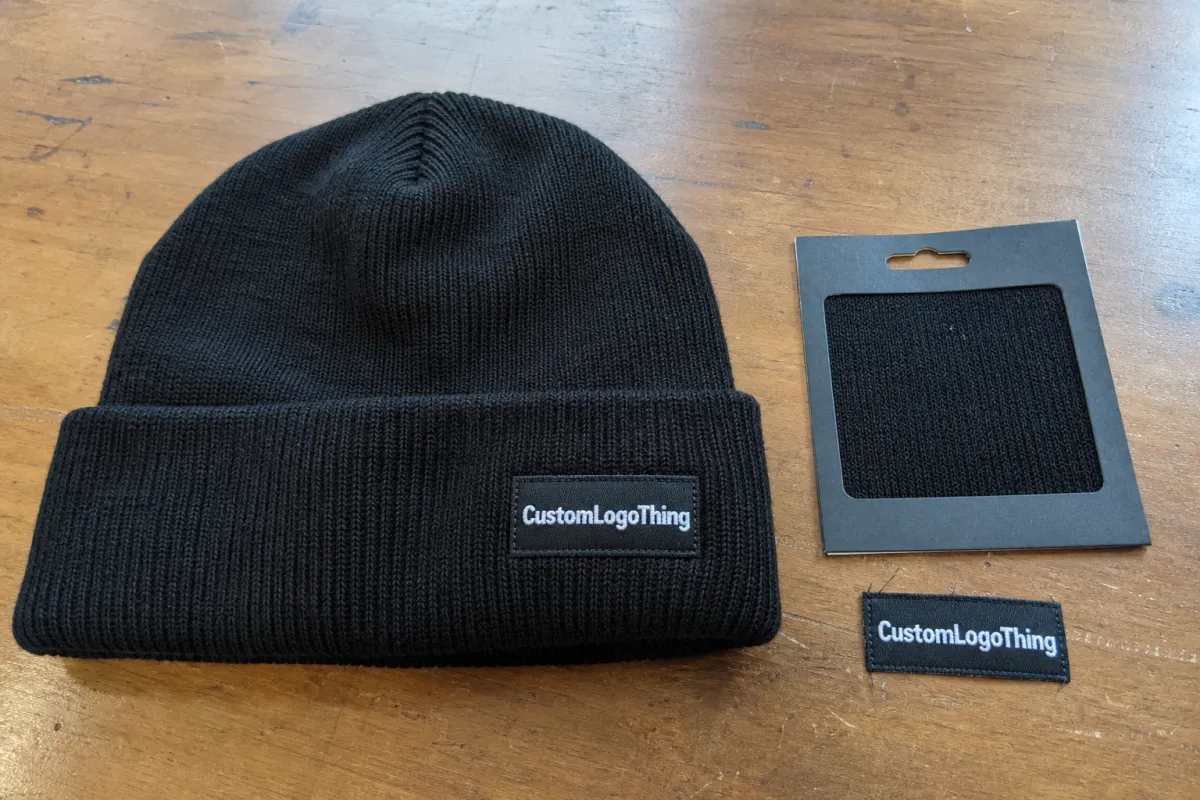
A logo almost never looks identical on a flat proof and on a real beanie. Knit surfaces move, especially across the forehead, around the crown, and along the cuff. Even a small shift in tension can make the embroidery look thicker, softer, or slightly off center. The sample is where those changes become visible.
Texture is the biggest reason. A digital file hides pile height, rib width, yarn twist, and how much the stitches sink into the surface. On a dense knit, embroidery can sit almost flush. On a looser body, the same design may look raised or less exact. Lighting changes the read too: indoor light can make thread look crisp, while sunlight may reveal shadowing or light fabric pull around the stitch line.
Color is another common mismatch. Black thread on charcoal knit may disappear from a distance, and cream thread on heathered fabric can look warmer than expected. A physical sample catches those issues before they become a bulk dispute.
Construction also affects placement. A cuffed beanie usually gives the cleanest decoration zone. A slouchier body or softer crown can let the logo drift visually as the fabric relaxes. The sample should confirm that the decoration zone is stable enough for wear, not just centered on paper.
How the pet treat embroidered beanies material sample guide works from proof to sign-off
A good approval process moves in layers. Each step answers a different question, and skipping one usually creates more work later. The proof confirms layout. The sample confirms execution. Final sign-off confirms that the two match closely enough to move into production.
- Art review: The supplier checks the logo file, text size, and line weight for stitchability.
- Stitch setup: The artwork is digitized into a file that controls density, direction, underlay, and edge behavior.
- Material selection: The beanie body, cuff shape, and yarn blend are chosen so the sample matches production as closely as possible.
- Sample sew-out: The logo is stitched and checked for puckering, alignment, and thread coverage.
- Buyer review: The sample is compared with the spec sheet, artwork, and any packaging or care notes before approval.
The physical sample shows problems a proof cannot: a stitch line crowding a border, underlay showing through thin yarn, or the logo sitting a few millimeters higher than expected once the cuff is folded. That is why a digital approval alone is not enough.
Timeline is also different. A proof may take 24 to 48 hours. A physical sample often needs 7 to 15 business days once the supplier accounts for yarn sourcing, thread matching, stitch setup, sewing, inspection, and shipping. If a custom yarn or special trim is involved, the schedule can stretch further.
The cleanest approvals are simple: one proof cycle, one sample review, one clear decision. That keeps the order moving and reduces the chance that a late edit changes the stitch file after the sample is already made.
Material, stitch, and fit factors that change the result
Material choice affects almost everything downstream. Acrylic and acrylic-blend beanies are popular because they are economical, consistent, and usually stable under embroidery. Wool blends bring a warmer hand feel and a more premium look, but they need tighter stitch control because the fabric compresses more under the needle. Recycled yarns can work well too, though texture may vary slightly from lot to lot.
Knit gauge changes the logo read. A coarser 5-gauge knit behaves differently from a finer, denser body. On a looser surface, the needle has less support and the embroidery can sink or pull. On a tighter surface, the design may sit cleaner but feel more rigid. The sample should show whether the chosen gauge supports the artwork without overworking the material.
Fit matters more than buyers sometimes expect. A shallow beanie can move the logo up the forehead when worn. A deeper crown can make the decoration sit lower than the mockup suggested. Cuff height also changes the visual balance, so a design centered on a folded cuff should be checked after the fold is set.
Stitch density is one of the clearest quality signals. Small front logos often land in the 4,000 to 8,000 stitch range, while larger cuff decorations can go beyond 10,000 depending on fill area and detail. Too few stitches and the artwork looks thin; too many and the knit can pucker or tunnel. Underlay, stabilizer, and thread weight all affect the result.
Thread color is not a finishing detail to leave for last. Dark thread on dark knit can disappear unless the design uses stronger outlines. Bright thread on a muted body can make a simple mark feel more deliberate. That effect is hard to judge on screen and much easier to confirm in hand.
Small construction details also matter: pom-poms, woven labels, seam position, side tabs, and heat-applied patches all compete for space. Good sample review checks the decoration in context, not as a standalone graphic.
- Acrylic blends: Stable, economical, and forgiving for most embroidery setups.
- Wool blends: Warmer and more premium, but tighter stitch control is usually needed.
- Recycled yarns: Useful for sustainability goals, with more lot-to-lot texture variation.
- Cuffed constructions: Usually the cleanest surface for embroidery placement and alignment.
Step-by-step sample request process for buyers
Specific requests save time. Vague ones create back-and-forth, and that usually costs money. A useful sample request includes the logo file, desired beanie style, placement instructions, target size, thread color references, and any packaging or care requirements that affect how the sample should be built.
- Send a clean vector file or high-resolution artwork, plus notes on minimum text size and protected space around the logo.
- State the sample purpose clearly: visual approval, fit testing, decoration test, or pre-production match.
- Request a proof before stitching so placement, scale, and stitch direction can be reviewed first.
- Confirm body type, cuff height, yarn blend, thread colors, and whether the sample should mirror final production.
- Review the sample under daylight, indoor light, and on-head fit before sending one organized revision note.
One common cause of delay is changing too many variables at once. If the logo size, thread color, beanie style, and packaging all change in the same round, nobody can tell which change fixed the issue. It is better to isolate one adjustment, confirm it, and move on.
That approach is especially useful when the sample is meant to guide a larger run. The closer the physical sample sits to the final production spec, the less room there is for drift. That is the practical value of a focused pet treat embroidered Beanies Material Sample guide: fewer assumptions and a cleaner handoff into production.
Cost, MOQ, and pricing signals for sample orders
Sample pricing usually includes the sample fee, digitizing or setup charge, embroidery time, special yarn sourcing, and freight. A quote that looks cheap at first can become expensive once those pieces are added together. If a sample needs special fibers, custom labels, or unusual packaging, the extra cost has a clear production reason.
| Sample option | Typical cost | What it shows | Best use |
|---|---|---|---|
| Digital proof only | $0-$25 | Placement, scale, and basic color direction | Early artwork checks |
| Standard physical sample | $35-$85 plus shipping | Fabric behavior, stitch clarity, and fit | Most approvals |
| Pre-production pilot sample | $75-$150 | Closest match to final materials and decoration | Complex or premium orders |
| Rush sample | $125-$250 | Faster turnaround, often with fewer material options | Time-sensitive launches |
MOQ changes the economics quickly. A one-off sample or tiny pilot run carries more setup cost per piece because digitizing, thread loading, and inspection are spread over fewer units. For production, a simple acrylic beanie with one-color embroidery may land around $2.80-$4.20 per unit at 5,000 pieces. A smaller run of 500 pieces can be closer to $4.50-$7.50 depending on stitch count, fiber choice, finish details, and packaging.
Ask whether the sample fee can be credited toward bulk production. Some suppliers apply part of it if the order is confirmed, while others keep it separate. Freight should be clarified too, because even a well-made sample can arrive distorted if packaging is too thin.
For packaging, a protective corrugated mailer with kraft paper wrap usually holds up better than a loose poly bag. If the brand requires FSC certified packaging, the claim needs to be written down clearly so no one assumes the carton, insert, and wrap all meet the same standard. If the request is for biodegradable packaging, define the material standard precisely. Paper-based and compostable are not the same thing.
For transit testing, ISTA guidance is a practical reference when the sample needs to survive drops, vibration, or multi-stop courier handling. Not every order needs formal testing, but the packaging should still reflect normal shipping stress.
Common mistakes that delay approval or raise costs
Approving from a phone screen is still a common mistake. Bright displays flatten texture, hide stitch pull, and make dark-on-dark embroidery look cleaner than it really is. A sample should be checked on a flat surface, under natural light, and then on-head, because that is how it will actually be used.
Late artwork edits are another budget drain. A small change in letter spacing or stroke weight can force a new stitch file, a new sew-out, and sometimes a second sample round. That does not mean the change should be ignored; it means it should happen before the first sample is made.
Fit testing gets skipped more often than it should. A beanie can look balanced in a photo and still shift the logo too high, too low, or slightly off center once it stretches over a head. If cuff fold or crown depth changes the decoration zone, the buyer may approve a sample that does not match the intended wear position.
Another problem is overloading the first round with too many changes. New yarn, new thread colors, a different logo size, revised trim, and altered packaging all in one cycle make the sample hard to diagnose. Solve the decoration issue first, then move to label or pack changes after the visual result is stable.
Finally, define acceptable variation before the sample leaves the supplier. Thread lots can vary slightly, and knit texture can vary slightly too. What should not vary is the buyer’s expectation. If the tolerance is written down early, approval moves faster.
- Screen-only approval: Hides stitch pull, shadowing, and surface texture.
- Unclear revision notes: Leads to partial fixes and a second round of mistakes.
- No fit test: Lets placement issues stay hidden until the beanie is worn.
- Too many changes at once: Makes the real improvement impossible to isolate.
Expert tips and next steps for a cleaner final approval
The cleanest sample reviews use a printed art board, thread chips, and a short checklist. That keeps color, placement, and stitch expectations in the same frame and prevents the review from turning into a memory test.
Ask for daylight photos and a short video before the sample ships, especially if the order uses several thread colors or a very dark beanie body. That does not replace the physical sample, but it catches obvious issues early.
Keep one approved reference set once the sample is signed off. The final artwork file, thread callouts, sample photos, packaging note, and trim instructions should live together so reorders move faster.
A short wear check is usually worth the time. A gentle stretch test and a quick look after the beanie has been worn for a few minutes can reveal whether the embroidery sits flat or begins to distort. If the program has enough margin, a light wash check can also show whether the knit pills or changes shape in a way that affects the logo.
Packaging should be judged with the same discipline. A well-closed carton, protective paper, and a clear insert can protect the sample and signal that the supplier understands presentation as well as decoration. If the buyer wants recycled content or lower-impact materials, that needs to be stated on the spec sheet.
Start with the proof, verify the sample, lock the spec, and only then move into bulk production. That sequence keeps the sample guide useful for what it should do: reduce avoidable revisions and make the final order more predictable.
FAQ
What should a pet treat embroidered beanies material sample include?
The sample should show the actual knit base, thread colors, and logo placement together so the buyer can judge the whole piece, not just the artwork. Ask for the same cuff height, stitch density, and backing method planned for production so the sample reflects the final hand feel and durability.
How long does a sample usually take for embroidered beanies?
A digital proof can often be turned around in 24 to 48 hours. A physical sample usually takes longer because the supplier needs time for yarn selection, stitch setup, sewing, inspection, and shipping. Rush service is sometimes available, but it usually costs more and may limit the revision window.
Do material samples change the final beanie price?
The sample cost is usually separate from the bulk quote, but it can reveal setup fees, special material charges, or embroidery complexity that affect the final price. If the sample locks the spec early, it often helps avoid surprise costs later by reducing rework during production.
Which materials work best for a pet treat embroidered beanies sample?
Acrylic and acrylic-blend knits are often a strong starting point because they balance stretch, warmth, and embroidery stability. Wool blends can work well if a softer or warmer hand feel is needed, but they usually need closer attention to stitch density and care guidance.
How do I compare samples from different suppliers?
Compare stitch clarity, color match, fit, and seam quality under the same lighting so the review stays fair. Check how the sample looks after light wear as well, because the real test is whether the beanie keeps its shape and the embroidery stays clean.


