Six hundred beanies arrive at a resort boutique two days before a holiday rush. The colors are mixed, 90 pom poms are flattened, three cartons have no PO number, and the barcode sits under the folded cuff on half the units. That is why Pom Pom Beanies packing requirements for resort retail fulfillment are not just about making a carton look tidy; they protect margin, receiving speed, inventory accuracy, and the polished presentation guests expect from resort retail.
A $12 accessory can create a $300 labor problem fast. Resort stores often run with small back rooms, tight delivery windows, seasonal floor sets, and staff who are also answering guest questions, restocking gloves, and chasing size exchanges. A normal ecommerce parcel needs to survive one consumer shipment. Resort retail packing has to do more: scan cleanly, sort by SKU, fit shelves, preserve the pom shape, and land before the merchandising window closes.
Why Resort Pom Pom Beanies Need Stricter Packing Than Standard Winter Merch
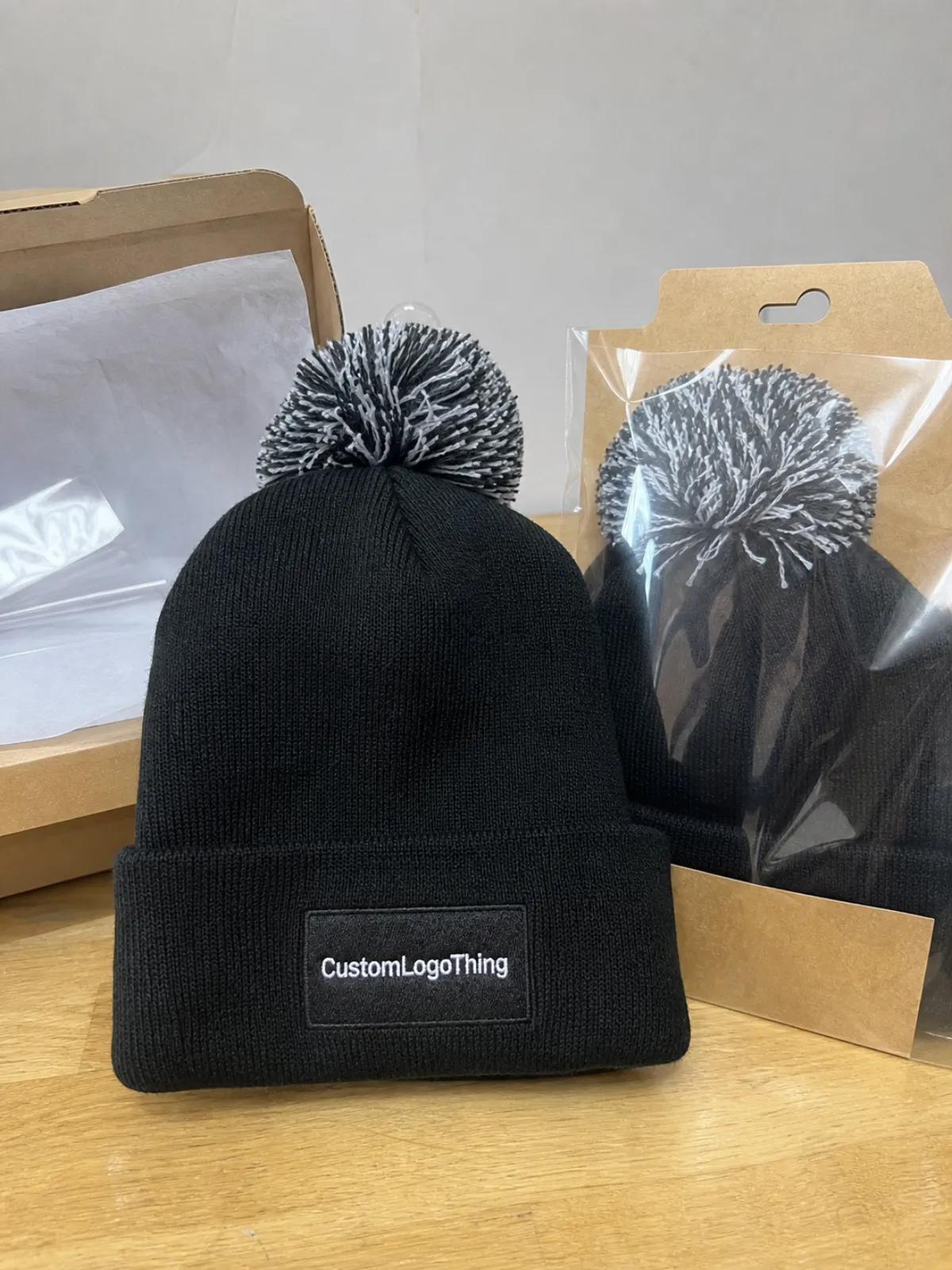
Standard winter merch can tolerate a little compression. A flat knit beanie, folded tight, usually bounces back. A pom pom beanie is different. The pom adds height, snag points, and inconsistent carton density. Faux fur poms can crease. Yarn poms can mat. Oversized poms can push against the carton wall and turn a neat pack-out into a lumpy shipping puzzle.
Resort retail also judges product differently than warehouse fulfillment. A ski shop, lodge boutique, golf resort, or coastal gift shop may be receiving 20 cartons from several vendors before a weekend launch. If staff must open every bag to identify color, peel off wrong labels, or steam misshapen beanies, the packing has failed even if the product is technically undamaged.
Here is the surprise most buyers miss: Pom Pom Beanies packing requirements for resort retail fulfillment sit halfway between packaging engineering and store operations. The carton is not just a shipping container. It is a handoff document. It tells the receiving team what is inside, how to count it, how to scan it, and how quickly it can move to a wall peg, basket, nesting table, or checkout display.
From a packaging buyer's point of view, the biggest risk is not one catastrophic failure. It is friction. Ten minutes sorting mixed colors. Five minutes finding a missing SKU. Twelve minutes reshaping crushed poms. Multiply that across 600 units and a short-staffed resort shop, and the “cheap” accessory starts behaving like a high-maintenance category.
This guide breaks down packing formats, labeling details, carton specs, price drivers, production timing, common chargeback triggers, and the exact brief a supplier needs before they can quote accurately.
How Shelf-Ready Packing Works for Resort Retail Fulfillment
Shelf-ready packing means the product arrives organized enough for store teams to scan, count, and place with minimal handling. Not zero handling. That is unrealistic. But a good pack-out can cut receiving steps from “open, sort, inspect, relabel, recount, and stage” to “open, verify, scan, and merchandise.” That difference matters during peak season.
The typical hierarchy looks like this: individual beanie protection, inner packs by SKU or color, master cartons, exterior carton labels, packing list, and shipping details that match the resort's routing instructions. Each layer should answer a question. What is the item? Which SKU is it? How many are here? Where is it going? Can it be scanned without a scavenger hunt?
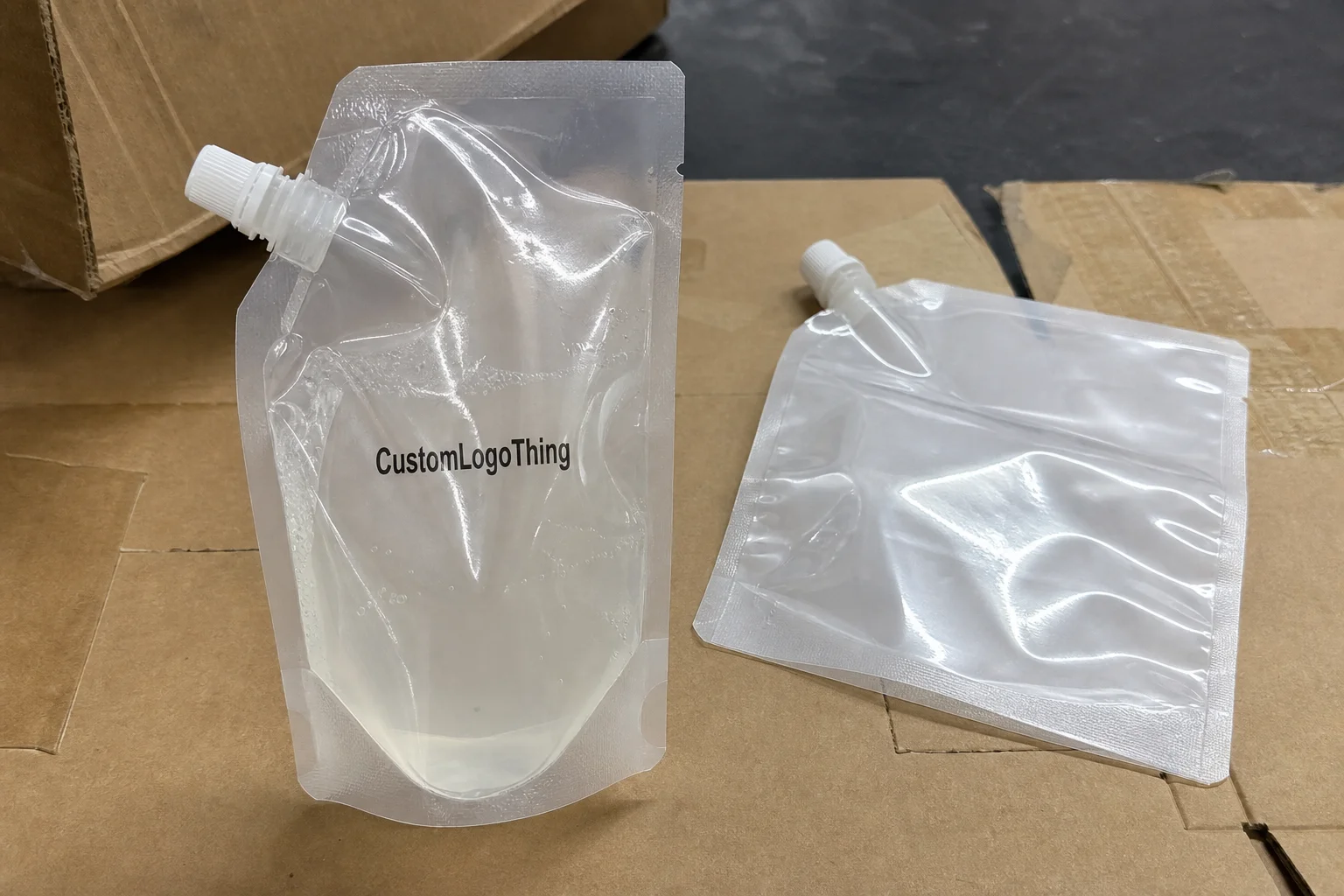
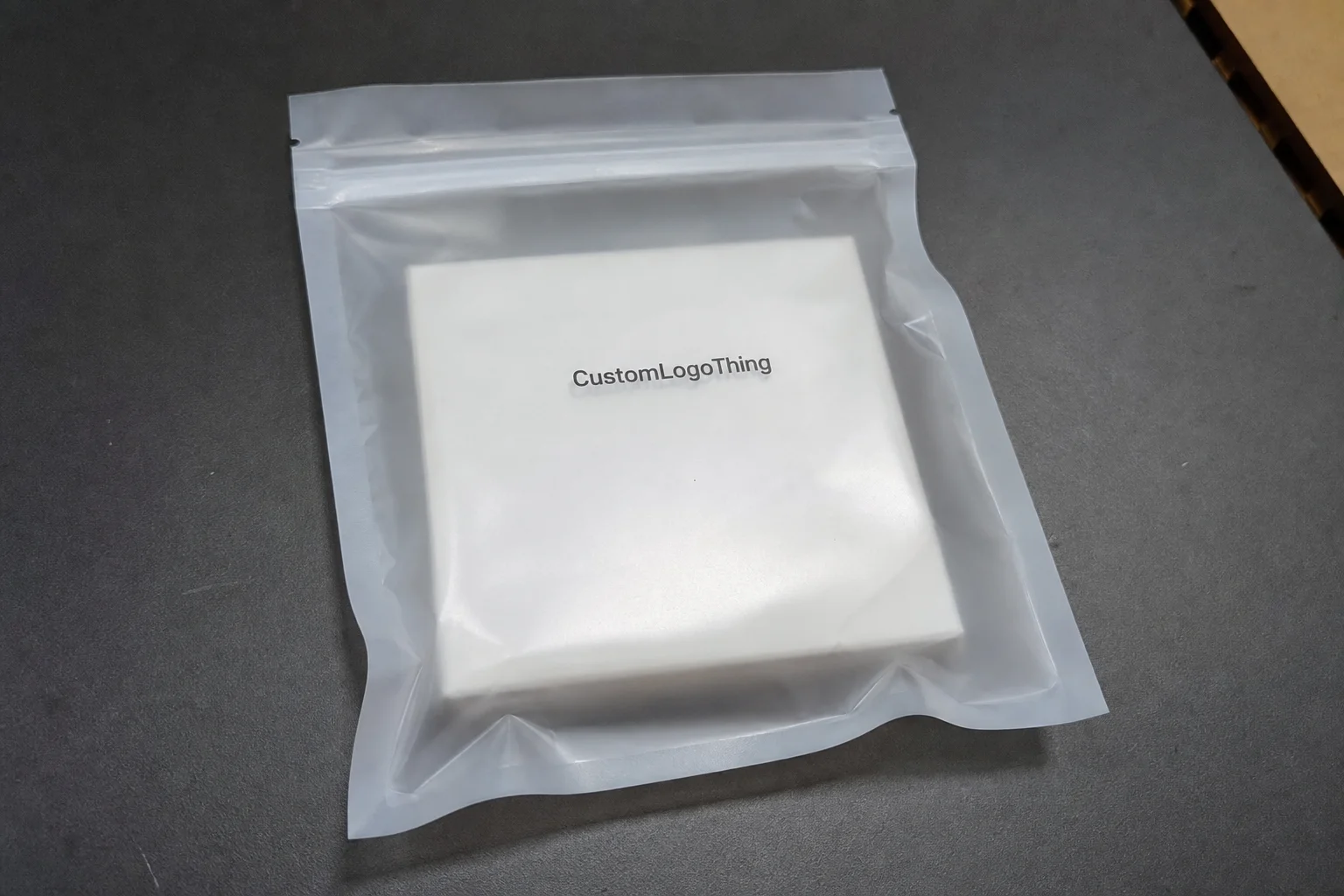
Individual formats vary. A beanie can be folded with the cuff logo visible and the pom supported upward. It can be rolled with a belly band for a boutique feel. It can be placed in a clear polybag with suffocation warning text, which helps inventory control but may feel too utilitarian for premium lodge retail. Tissue wrapping gives a softer presentation, although it slows scanning unless the barcode sits outside the wrap. Hangtags work well for peg displays and basket merchandising, provided the tag does not twist behind the pom.
Do not overpackage by default. Luxury resort stores sometimes prefer a tactile, low-plastic presentation. High-volume ski shops often prefer clear bags because staff can scan fast and keep white or cream beanies clean. The better choice depends on floor format, receiving labor, sustainability policy, and whether units are displayed open or held in back stock.
SKU logic is where small errors become expensive. Grouping by color is simple. Grouping by size, logo variant, and destination store is cleaner for multi-location resorts but adds labor and error risk at the packing bench. Mixed cartons can help store teams if they are mapped clearly: for example, 12 navy, 12 ivory, and 12 charcoal per carton for one floor set. Without a carton map, mixed cartons are just mystery boxes.
Barcode placement deserves more attention than it gets. The scannable code must sit flat and visible. Not under the folded cuff. Not hidden by the pom. Not bent around a rolled beanie. A small UPC printed at low contrast on textured kraft stock can frustrate scanners, especially under retail lighting. For resort retail fulfillment, barcode scannability is a packing spec, not a design afterthought.
Practical rule: if a receiving associate needs two hands and more than five seconds to find or flatten the barcode, the pack-out is not store-ready.
Clean packing reduces chargebacks, damage claims, and destination labor. It also protects the brand moment. A beanie with a bright embroidered logo and a crushed pom sends a strange message: premium product, bargain-bin handling.
Pom Pom Beanies Packing Requirements for Resort Retail Fulfillment
The core Pom Pom Beanies packing requirements for resort retail fulfillment start with the fold. Keep the cuff logo visible, especially for embroidered patches, woven labels, chenille marks, and leatherette patches. Align the beanie so the pom sits upward or nests into a protected air space. Avoid tight compression bands that flatten the crown or leave a crease across the logo area.
Pom protection is the odd part of the job. A 2.5-inch yarn pom behaves differently from a 4-inch faux fur pom. Small yarn poms can usually tolerate light nesting. Faux fur poms may need air space in the bag, loose tissue support, or divider protection in cartons. Oversized poms should not be forced into a flat carton layer unless the supplier has tested recovery after 24 to 48 hours under stack pressure.
Hangtags and retail tags need their own checklist. Common requirements include brand tag, resort price ticket, care label, country of origin marking, fiber content, and UPC or SKU barcode. For fiber content and care labeling in the United States, buyers should understand the Federal Trade Commission's textile labeling rules; for packaging-specific testing and transport performance, the International Safe Transit Association is a useful standards reference.
Polybag specifications are not glamorous, but they can prevent disputes. Many apparel polybags fall in the 1.5 to 2.0 mil range, with 2.0 mil offering better puncture resistance for textured knits and hangtags. Suffocation warning language may be required depending on bag opening size and destination rules. Vent holes can help if goods move through humid coastal routes or cold-to-warm transitions, though they may reduce protection from dust. Resorts with sustainability standards may ask for recycled-content polybags, paper belly bands, FSC-certified hangtags, or reduced-plastic packing; FSC certification is often used for responsibly sourced paperboard and tags.
Cartons should be strong enough to stack but not so large that poms collapse under dead space and movement. For many knit accessory programs, a 32 ECT corrugated carton is common, while heavier or long-route shipments may justify 44 ECT or a double-wall carton. Maximum carton weight often lands around 30 to 40 lb for retail handling, although some receiving guides set lower limits. Moisture matters too. Mountain deliveries can move through snow, slush, and loading docks with wet floors; coastal resorts may face humidity. A clean poly liner or moisture-resistant outer carton may be sensible for higher-value orders.
Carton labels should include PO number, style number, color, size if applicable, quantity, destination, carton count, and a scannable barcode if the resort or 3PL requires it. Print large enough to read from 3 feet away. Put labels on the same carton panel consistently. A receiving team should not have to rotate 40 cartons to find basic data.
| Specification Area | Common Option | Typical Cost or Impact | Best Use |
|---|---|---|---|
| Individual protection | Clear 1.5-2.0 mil polybag | Often $0.03-$0.09 per unit, depending on size and warning print | High-volume resort shops needing fast scanning and clean stock |
| Boutique presentation | Tissue wrap or paper belly band | Often $0.06-$0.18 per unit, depending on paper and labor | Premium lodges, gift shops, and low-plastic merchandising |
| Retail labeling | UPC sticker, price ticket, hangtag | Often $0.04-$0.14 per unit plus setup or data handling | Resorts with POS scanning, style tracking, or vendor compliance rules |
| Carton strength | 32 ECT or 44 ECT corrugated | Higher ECT adds cost but improves stack resistance | Bulky poms, longer freight lanes, or multi-stop deliveries |
Even small improvements in carton cube utilization matter because pom poms increase dimensional weight. A carton that weighs only 18 lb can bill like a much heavier shipment if it is oversized. Yet over-compression damages presentation. The target is controlled air, not wasted air.
Process and Timeline From Artwork Approval to Store-Ready Delivery
A resort beanie order moves through more steps than a simple product purchase. The usual path is inquiry, product spec confirmation, logo method selection, sample approval, packaging spec approval, production, quality control, packing, carton labeling, and shipment booking. Skip one approval, and the problem usually appears at the most expensive point: after goods are already packed.
Product lead time and fulfillment lead time are different clocks. A blank beanie with a simple patch may be ready for decoration faster than a custom knit beanie with yarn-dyed colors. But after production, someone still has to fold, tag, barcode, inspect, inner-pack, label cartons, build the packing list, and book freight. For many custom programs, decoration and production may take two to six weeks depending on complexity, while store-ready packing and routing can add several business days. Rush work is possible in some cases. It is not always the case, and it usually costs more.
Custom knit or embroidered beanies require more planning than blank stock with simple tags. Yarn color matching, Pantone direction, patch approval, embroidery thread selection, and pom material choices all affect schedule. A buyer who approves the product but forgets retail ticket data has not really approved the order. The packing line still has missing instructions.
Useful buyer inputs include final artwork, logo placement, colorways, size run, quantity per SKU, retail price ticket format, barcode file or number series, destination addresses, PO numbers, routing guide, and any carton mix rules. If the resort has three stores, say whether each carton should serve one store, one SKU, or one prebuilt floor set. Those are very different packing jobs.
Sample checkpoints reduce ambiguity. Ask for a product sample, a packaging mockup, a barcode scan test, a carton label proof, and a packed carton photo before release. For larger orders, a pack-out test is worth the small delay. It gives actual carton dimensions, carton weight, unit count, and photos showing how poms sit under compression.
Common stall points are painfully predictable: late price ticket data, unapproved hangtag artwork, missing PO numbers, unclear carton mix rules, and last-minute store allocation changes. Weather and receiving windows add another layer. Mountain and island destinations rarely behave like standard commercial addresses. Build in a buffer for peak freight, limited dock hours, ferry schedules, snow closures, or resort receiving teams that accept deliveries only during specific windows.
Cost, Pricing, and MOQ Factors Buyers Should Confirm Early
The unit cost is not just the beanie. Packing labor, bagging, tags, barcode labels, inner packs, master cartons, inspection, documentation, and freight can all change the landed price. A quote that looks low may exclude the work that makes the order retail-ready.
Major cost drivers include yarn type, pom material, logo technique, number of colors, packaging format, number of SKUs, carton sort complexity, and required documentation. Acrylic knit with a standard yarn pom usually prices lower than wool blend, recycled yarn, or faux fur pom styles. Embroidery, woven patches, leatherette patches, jacquard knit logos, and chenille appliques each carry different setup and labor costs.
MOQ matters because segmentation creates labor. A single color with one logo is efficient. Twelve colorways with small quantities, different barcodes, and separate carton labels create more chances for mistakes. Even if the production MOQ is flexible, the packing MOQ may be less forgiving because the supplier has to set up label data, staging space, and carton segregation.
Bulk-packed beanies may be cheapest. They also push labor onto the resort. Shelf-ready packing costs more upfront, but it can reduce receiving friction, protect presentation, and lower the odds of rework. If margin is tight, compare both versions rather than assuming the cheapest pack is the cheapest program.
Dimensional weight is the freight trap. Pom pom beanies can ship inefficiently if packed too loosely, especially with oversized faux fur poms. Pack them too tightly, and the product looks tired before it reaches the floor. Good pom pom beanies packing requirements for resort retail fulfillment should balance freight cube with recovery after unpacking. I like to see a carton opened after a test stack period, not just photographed the minute it is packed.
Ask for quote details in writing: per-unit product price, packaging adders, tag or label cost, carton configuration, MOQ by style, sample fees, freight estimate, rush charges, and whether packing is included or billed as a separate fulfillment service line. For a 5,000-unit order, a $0.12 packing adder is $600. That may sound painful until you compare it with peak-season resort labor, chargebacks, and damaged presentation.
Common Packing Mistakes That Create Resort Chargebacks and Rework
The most visible mistake is a crushed pom. A premium beanie with a flattened top looks discounted before anyone reads the price tag. If the resort is positioning the item as a $28 to $45 souvenir or cold-weather accessory, that first impression matters.
Barcode errors are next. Labels placed on curved folds can fail scans. Labels hidden inside bags slow receiving. Mismatched barcode data can corrupt inventory by colorway. Tiny codes printed on textured paper may look charming and perform badly. For resort retail, a pretty tag that does not scan is not finished packaging.
Mixed-carton confusion creates another common failure. Combining colors and logo variants without a clear carton map turns a quick receiving job into manual sorting. If a carton contains 36 units across three colors, label it that way. Better yet, include the carton content on the packing list and keep the sequence consistent: carton 1 of 12, carton 2 of 12, and so on.
Overfilled cartons can lower carton count but increase compression damage, seam distortion, and wrinkles on customer-facing cuffs. Underfilled cartons waste freight cube and allow product shifting, especially when each beanie is individually bagged. Both problems come from the same root issue: no tested pack-out.
Missing compliance details trigger avoidable noise. PO numbers, carton counts, origin marking, suffocation warnings, price tickets, fiber content, and care labels are not decorative paperwork. They are the bridge between product, inventory, accounting, and consumer disclosure. For packaging and recovery claims, standards from groups such as ISTA can also help frame transport testing expectations, especially for longer freight lanes or multi-stop distribution.
The hidden cost is staff time. Resort employees repacking merchandise during peak season are not selling, restocking, answering guest questions, or keeping displays full. That labor rarely appears on the beanie invoice, but it shows up in missed sales and frustrated teams.
Next Steps: Build a Packing Brief Your Supplier Can Actually Quote
A supplier can only quote accurately if the brief is specific. Start with the product: beanie style, pom size, yarn or fabric direction, logo method, colorways, size range if applicable, quantity per SKU, number of destinations, and desired in-hands date. Then define the retail environment. Basket display? Peg wall? Checkout impulse bin? Back-stock replenishment? Each format points to a different packing answer.
Include packaging decisions before asking for final pricing. State whether beanies should be folded or rolled, bagged or unbagged, tissue wrapped or belly banded. Specify hangtag placement, retail price ticket format, barcode type, inner pack quantity, and master carton quantity. If the resort has a routing guide, share it early. If no guide exists, create a one-page pack spec anyway.
Ask for three proof points before production ships: a packed product photo, a barcode scan confirmation, and a carton label proof. For larger orders, request a carton pack-out test. You want actual dimensions, gross weight, cube, product count, and a photo of the open carton. That information helps freight planning and prevents guesswork around dimensional weight.
If budget is tight, compare two versions. One can be a lower-cost bulk pack. The other can be a shelf-ready pack with visible barcodes, inner packs, and stronger carton labeling. Then calculate receiving labor and damage risk, not just unit price. Sometimes the $0.10 to $0.20 per-unit packing difference is the cheapest insurance in the order.
The strongest programs use one shared packing specification document for the buyer, manufacturer, decorator, 3PL, and resort receiving team. Keep it plain. Add photos. Add barcode examples. Add carton label fields. Add a carton map. The smartest pom pom beanies packing requirements for resort retail fulfillment turn a soft accessory into a controlled retail program, with fewer surprises between the production table and the resort sales floor.
FAQ
What are the most important pom pom beanies packing requirements for resort retail fulfillment?
The most important requirements are pom protection, visible barcode placement, accurate SKU grouping, compliant retail tags, clear carton labels, and carton dimensions that prevent crushing without wasting freight space. For resort retail, the pack-out should support fast receiving as much as safe transport.
Should resort pom pom beanies be individually polybagged?
Individual polybags help with cleanliness, scanning, and inventory control, especially for high-volume ski shops or multi-store resort programs. Premium boutiques may prefer tissue, belly bands, or minimal packaging for a more tactile presentation. The right choice depends on display style, sustainability standards, and how much handling the product will get before sale.
How many pom pom beanies should go in each master carton?
The right count depends on pom size, fold method, carton strength, and maximum receiving weight. A small yarn pom may pack more densely than a large faux fur pom. Buyers should request a pack-out test with carton dimensions, gross weight, unit count, and photos before approving shipment.
What labeling does a resort retailer usually need on custom beanies?
Common labeling includes UPC or SKU barcode, style number, color, size if applicable, PO number, retail price, fiber content, care instructions, country of origin, and carton count. Some resorts or 3PLs also require scannable carton barcodes and specific label placement on the master carton.
How do packing choices affect the cost of resort retail beanie fulfillment?
More complex packing raises labor and material cost through bagging, tagging, barcode handling, inner packs, carton sorting, and inspection. Still, strong pom pom beanies packing requirements for resort retail fulfillment can reduce receiving time, damage claims, chargebacks, and emergency repacking before seasonal floor sets.