Most Garment Bag Quotes Fail Before the Artwork Does
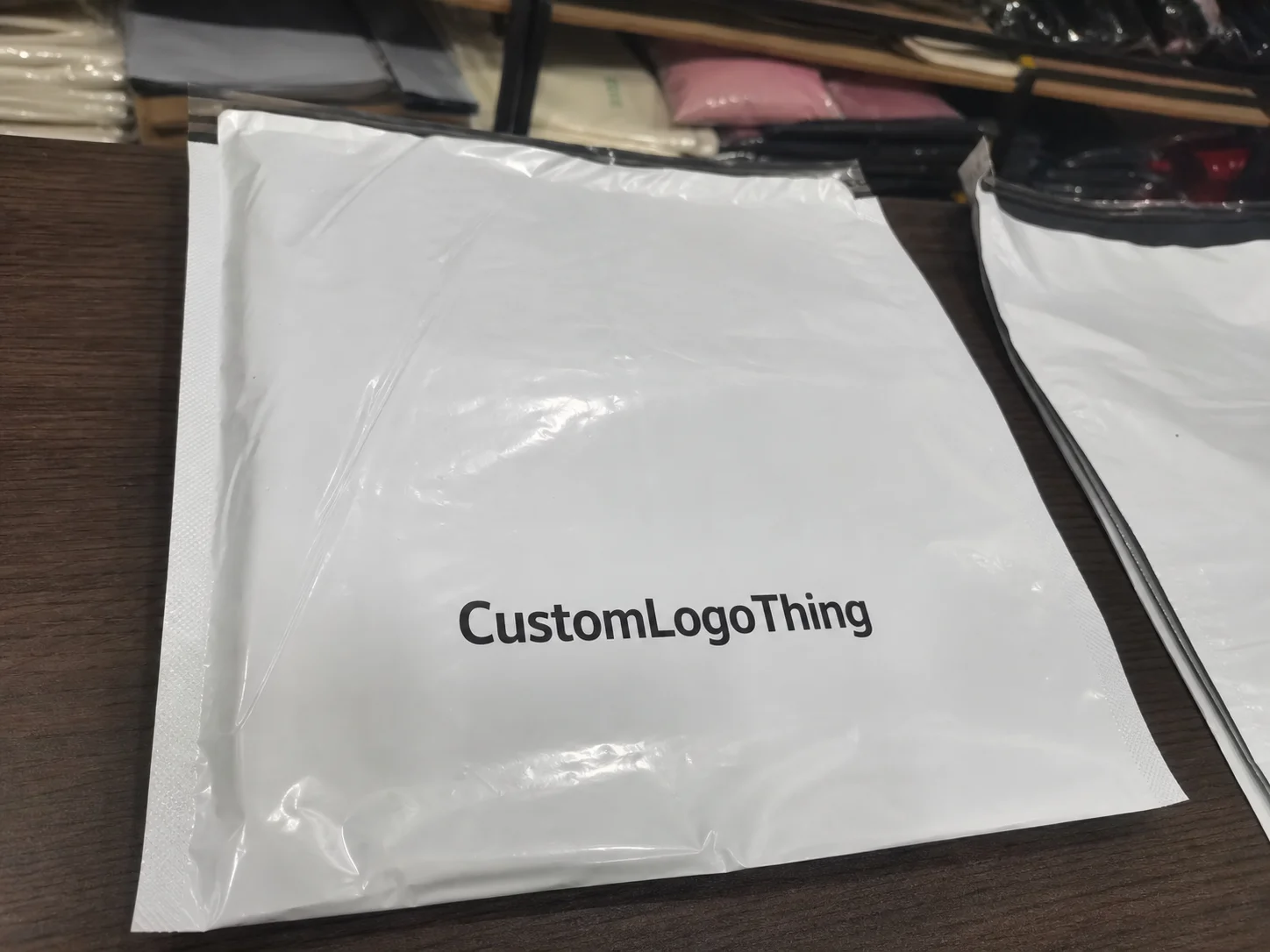
A buyer asks for a printed PVC zipper garment bags MOQ Pricing Plan and sends two things: logo size and order quantity. Cute. Still not enough.
A workable quote needs bag size, PVC thickness, zipper style, hanger opening, print method, print coverage, packing method, delivery country, and deadline. Without those details, the price is mostly theater. You can get a number, sure, but it may fall apart the second production sees the actual specs.
The logo is rarely the biggest cost driver. A one-color front logo is usually simple. The zipper length, PVC gauge, reinforced hanger opening, bag dimensions, gussets, and carton volume often affect unit cost more than the artwork. A 24 x 72 inch bridal gown bag with thicker PVC and a full-length zipper is not playing in the same price lane as a short 24 x 40 inch retail cover.
Printed PVC Zipper Garment Bags are used for retail apparel, hotel uniforms, bridal gowns, dry cleaner presentation, trade show samples, costumes, coats, factory sample rooms, and fashion showroom storage. The job is not complicated. Protect the garment, keep it visible, make it easy to access, and give the brand a clean surface to show up on after purchase.
This is the practical version: what to specify, what MOQ ranges are realistic, how pricing tiers behave, and where buyers usually lose time. Procurement already has enough hobbies.
Fast quote rule: send dimensions, thickness preference, zipper color, print file, quantity, destination, and deadline in the first message. That alone can save 24 to 72 hours.
What Printed PVC Zipper Garment Bags Are Built to Do
Printed PVC Zipper Garment Bags are transparent or semi-transparent garment covers made from polyvinyl chloride film. Most include a front zipper closure, hanger opening at the top, reinforced seams, and custom logo printing. They are built for garments that need dust protection, handling protection, and better presentation than a loose poly sleeve.
Common uses include suits, dresses, gowns, uniforms, coats, costumes, rental apparel, retail samples, and showroom garments. The zipper matters because staff and customers can open the bag without tearing it. The clear PVC matters because the garment stays visible. If the buyer cannot see the dress color or suit fabric, the bag is doing half the job.
PVC sits between cheaper PE covers and softer non-woven garment bags. PE is lighter and lower cost, often used for basic dry cleaning or short-term protection. Non-woven bags feel more fabric-like and can look premium, but they hide the garment unless you add a window. PVC gives better clarity and more structure, especially at mid-weight thicknesses such as 0.12 mm to 0.18 mm.
The branding value is simple. A printed PVC zipper bag can be reused, carried, stored, and seen after the sale. A disposable wrap dies quietly in a trash bin. Dramatic? Maybe. Accurate? Usually.
Design choices should match the garment and the handling environment. A bridal shop may need a 24 x 72 inch gown bag with a wide gusset and reinforced hanger hole. A uniform supplier may prefer a 24 x 43 inch suit bag with a black zipper and one-color logo. A trade show team may want a business card pocket, side gusset, and bold front branding so samples are easy to identify.
- Front logo placement: common for retail, uniforms, bridal, and brand presentation.
- Full-length zipper: practical for gowns, coats, and repeated access.
- Side gussets: useful for bulky dresses, jackets, costumes, and layered garments.
- Bottom opening: sometimes used for longer garments or faster packing lines.
- Card pocket: helpful for rental, showroom, hotel, and sample-room tracking.
For broader packaging education, groups like the Packaging Association publish useful resources on packaging design and performance expectations. The details change by product, but the buying logic stays the same: define the job before choosing the material.
Bag Specifications Buyers Should Lock Before Quoting
A solid quote starts with specs, not wishful thinking. The core inputs are width, length, PVC thickness, zipper type, hanger hole style, seam construction, print color count, print position, and order quantity. Add destination and delivery target if freight is part of the quote.
Size is the first trap. A short garment bag may be around 24 x 40 inches for shirts, jackets, or compact retail garments. Suit bags often sit around 24 x 43 inches. Long dress bags commonly land near 24 x 60 inches. Bridal and gown bags can reach 72 inches or more, especially when the garment has volume, train length, or layered fabric.
Do not size the bag only from garment length. Shoulder width, fabric bulk, hanger type, and whether the garment needs breathing room all matter. If a gown is forced into a narrow sleeve, the bag may close, but the presentation will look cheap and the zipper will be under stress. That is not a packaging win. That is a future return with better lighting.
PVC thickness changes feel, durability, clarity, and cost per piece. Thin PVC around 0.08 mm to 0.10 mm can work for lighter retail apparel and short-term storage. Mid-weight PVC around 0.12 mm to 0.18 mm is more common for suits, uniforms, showroom samples, and repeated handling. Thicker PVC around 0.20 mm to 0.30 mm makes sense for bridal, rental, costume, and premium garment storage, but carton weight and shipping volume climb.
Zipper options deserve more attention than they usually get. A standard nylon zipper is fine for most custom garment bags. A heavier zipper pull is better for rental shops, sample rooms, and hotel uniform programs where staff open the same bag repeatedly. Color-matched zipper tape can improve presentation, especially for black, white, gold, silver, or brand-color programs.
Hanger openings need the same treatment. A simple slit is cheaper. A reinforced hanger hole or shaped opening holds up better under repeated hanging. If the bag tears at the top, nobody cares that procurement saved four cents. The garment now looks like it lives in a basement. Great work, team.
| Specification | Typical Range | Best Use | Pricing Impact |
|---|---|---|---|
| PVC thickness | 0.08 mm to 0.30 mm | Retail covers to bridal storage | Higher thickness raises material cost and carton weight |
| Bag size | 24 x 40 inches to 24 x 72 inches+ | Suits, dresses, gowns, coats | Larger sizes increase material, zipper length, and freight volume |
| Zipper | Standard nylon or heavy pull | Retail, uniforms, rentals, sample rooms | Longer and heavier zippers increase cost |
| 1 to 3 spot colors common | Logo branding and product identification | More colors and larger coverage add setup charges |
If you are unsure, send a photo of your current bag and garment measurements. Custom Logo Things can help turn that into a workable spec, but the cleaner the brief, the cleaner the quote. For common quote questions, the Custom Logo Things FAQ is a useful checkpoint before sending artwork.
Printed PVC Zipper Garment Bags MOQ Pricing Plan
A practical printed PVC zipper garment bags MOQ Pricing Plan depends on five things first: bag size, material thickness, print method, zipper color, and whether the order uses an existing standard size or needs a custom build. After that, packing and freight start making noise.
Low-customization orders may start around 500 to 1,000 pieces if the size is standard, the PVC thickness is common, and the print is one color. Custom sizes, special zipper colors, heavier PVC, gussets, card pockets, or multi-color printing usually make better sense from 1,000 to 3,000 pieces and up. Can a lower MOQ be possible? Sometimes. Will the cost per piece be friendly? Usually not.
The main cost drivers are PVC gauge, bag dimensions, zipper length, seam reinforcement, print color count, ink coverage, packing method, carton size, and freight volume. Large garment bags do not just use more material. They also take more space in cartons, which means shipping gets nosy and expensive. Freight loves bulky packaging. It has terrible manners.
For planning, ask for tiered bulk pricing at 500, 1,000, 2,500, and 5,000 pieces. That gives procurement a real view of the price break instead of guessing. The difference between 500 and 1,000 pieces may be meaningful because setup charges spread across more units. The jump from 2,500 to 5,000 pieces may help too, but it depends on size, packing density, and freight method.
As a broad planning range, simple custom PVC zipper garment bags can often fall somewhere around the low single dollars per piece at moderate quantities, while larger gown bags, thicker PVC, heavier zippers, gussets, pockets, and multi-color printing push the number up. Treat any online price without full specs as a rough signal, not a purchase-ready quote. Material costs, freight, and exchange rates move. Annoying, but true.
| Quantity Tier | Best Fit | Typical Pricing Behavior | Buyer Advice |
|---|---|---|---|
| 500 pieces | New design test, small shop, event need | Higher unit cost because setup is spread across fewer bags | Use standard size and one-color print if budget is tight |
| 1,000 pieces | Retail program, uniform supplier, dry cleaner | Better cost per piece and more customization flexibility | Good starting point for proven garment sizes |
| 2,500 pieces | Apparel brand, distributor, factory program | Stronger material and print efficiency | Ask about carton packing and sea freight options |
| 5,000 pieces | Large rollout, repeat buying, multi-location use | Lowest unit cost, but higher storage and cash commitment | Confirm demand and warehousing before chasing the lowest price |
Typical quote inputs should include a bag drawing or sample photo, exact dimensions, order quantity, vector logo file, print position, destination country, target delivery date, and any retail compliance requirements. If special components require tooling fees, custom sourcing, or unusual colors, those should appear clearly in the quote. No one likes surprise charges except accounting software vendors.
Printing Methods, Artwork Rules, and Logo Placement
Most printed PVC garment bags use silk screen printing for simple logos, solid colors, and clean brand marks. It is reliable, cost-effective, and well suited to one-color or two-color designs. Heat transfer may work for certain detailed graphics, but it depends on artwork, PVC type, surface behavior, and order size. Specialty printing can be reviewed for larger programs, but not every design deserves a complicated print method. Some logos need restraint, not fireworks.
Good artwork files are vector AI, EPS, or PDF with outlined fonts and Pantone references. A screenshot from a website is not artwork. It is a cry for help. Low-resolution JPG and PNG files can help with mockups, but production needs clean edges and editable shapes.
Logo placement affects both appearance and production. Common choices include the upper chest area, lower front panel, centered full-front layout, zipper-side branding, or a small label-style mark near the hanger opening. For retail and bridal, upper-front placement usually looks polished without blocking too much of the garment. For uniforms and sample rooms, a larger lower-front mark can improve sorting and identification.
PVC is not flat paper. Large solid ink areas may need testing because adhesion, opacity, and surface tension vary by film. Fine details can fill in, especially with small text or thin lines. Wrinkles, curves, zipper seams, and gussets are less forgiving than a rigid box panel. That is why one or two print colors often look cleaner and cost less than over-designed artwork fighting the garment inside the bag.
For larger or brand-sensitive orders, approve a digital proof first and a physical pre-production sample before bulk production. Set color tolerance expectations early. A Pantone target helps, but PVC film, ink thickness, and lighting can shift perceived color.
Buyers selling into retail channels should also review packaging and material requirements, including market-specific rules. The EPA offers general environmental information that can help teams frame internal packaging discussions, though specific compliance should always be checked by market and product category.
Process, Timeline, and Lead Time From Quote to Delivery
A normal custom garment bag order moves through quote review, spec confirmation, artwork check, digital proof, sample approval if needed, material preparation, printing, cutting, zipper sewing or sealing, inspection, packing, and shipping. Skip one of those steps and the order may still ship. It just may not be what anyone meant to buy.
Quoting can take 1 to 2 business days when the buyer sends complete specs. If the team has to chase dimensions, logo files, thickness, zipper color, and delivery location, add time. Sampling often takes 5 to 10 days for a physical sample, depending on material availability and customization. Bulk production commonly takes 15 to 30 days after approval, based on quantity, complexity, and factory schedule.
Several things slow orders down: missing vector artwork, unclear bag size, changing zipper colors after approval, requesting unusual PVC thickness, adding pockets late, revising print size after sample approval, and making freight decisions after production is already packed. That last one is popular. Not smart, but popular.
Shipping choice changes the landed cost. Air freight is faster but expensive, especially for bulky 24 x 60 inch or 24 x 72 inch bags. Sea freight is usually better for larger orders, but buyers need more calendar space. Express courier can work for samples, urgent small replenishment, or approval sets, but it is rarely the cheapest path for bulk cartons.
- Quote review: usually 1 to 2 business days with complete specs.
- Digital proof: often 1 to 2 business days after usable artwork is received.
- Physical sample: commonly 5 to 10 days when required.
- Bulk production: commonly 15 to 30 days after proof or sample approval.
- Transit: varies by courier, air, sea, destination, and customs clearance.
Build in internal review time. Brand managers, compliance teams, retail buyers, and warehouse teams may all need a look before production. Share launch dates and must-arrive deadlines before everyone starts panicking. Production schedules do not become faster because a calendar invite says “urgent.”
Quality Checks That Prevent Expensive Garment Bag Mistakes
A good pricing plan should include quality expectations, not just quantity and price. Incoming material checks should review PVC clarity, thickness tolerance, odor level, flexibility, surface marks, and roll condition before printing starts. PVC odor can vary, so buyers with retail or bridal use should mention sensitivity early.
During production, inspections should cover zipper function, seam strength, hanger hole alignment, print registration, ink adhesion, bag size tolerance, gusset consistency, and carton packing accuracy. A zipper that catches every third pull is not a minor issue. It is a customer complaint with a handle attached.
Buyer-facing quality is easy to understand. The bag should open smoothly, hang straight, resist tearing at stress points, and present the garment cleanly under showroom lighting. If the PVC is cloudy, the zipper puckers, or the print smears, the garment looks cheaper. That is bad math if the garment is a suit, gown, or branded uniform.
Compliance questions should be handled before production. Confirm PVC restrictions, labeling needs, retail packaging rules, and destination-market requirements if the bags are sold with the garment or used in regulated channels. Testing needs may involve material declarations, phthalate questions, heavy metal limits in inks, or retailer-specific packaging manuals. This depends on market and end use, so do not assume one approval covers every program.
For approval, request sample photos or videos, confirm carton marks, and approve a golden sample when repeat consistency matters. Carton labels should show item name, quantity, color or size if needed, gross weight, net weight, carton dimensions, and purchase order reference where applicable. It is boring. Boring prevents warehouse chaos.
Custom Logo Things works best as a spec-first manufacturer. That means we push for details early because vague packaging orders create very specific headaches later. Give the bag enough definition before chasing the lowest number.
How to Prepare a Quote Request That Gets a Real Number
Before requesting a quote, prepare the garment type, bag width and length, PVC thickness preference, zipper color, hanger opening style, logo file, print color count, quantity tiers, destination, and deadline. That is the short list. It is not glamorous, but it works.
If you do not know the specs, send a photo of the current bag, garment measurements, target budget, and the intended use: retail sale, storage, transport, trade show presentation, hotel uniform issue, bridal handoff, or sample-room organization. A supplier can recommend a better structure when the use case is clear.
Quoting multiple sizes together can help if you need a full apparel line. For example, a brand may need 24 x 40 inch jacket bags, 24 x 43 inch suit bags, and 24 x 60 inch dress bags with shared artwork. Shared artwork and coordinated production planning can reduce setup friction, even if each size still needs its own material and cutting plan.
For first orders, test demand at the lowest practical MOQ if the design is new. If the size, artwork, and packing method are already proven, move to higher tiers for better bulk pricing. Chasing the lowest cost per piece only makes sense when you can store and use the inventory. Otherwise, you bought a warehouse problem with a zipper.
Need help building the brief? Review the Custom Logo Things FAQ, then send the details that are ready. We can work from full specs, a rough photo, or a target bag style, but exact dimensions and clear artwork always speed things up.
Send the request with dimensions, quantity, logo, print position, PVC thickness preference, zipper color, delivery location, and deadline so the quote can be built on facts instead of guesses.
FAQ
What is the typical MOQ for custom printed PVC zipper garment bags?
Most simple orders start around 500 to 1,000 pieces for standard sizes and one-color printing. Custom dimensions, thicker PVC, special zipper colors, gussets, pockets, or multi-color artwork usually work better at 1,000 to 3,000 pieces. MOQ is lower when using common materials and standard construction, and higher when the order needs custom sourcing or special finishing.
How is a printed PVC garment bag price calculated?
Price is calculated from bag size, PVC thickness, zipper length, print color count, print coverage, order quantity, packing method, and shipping destination. Larger bags cost more because they use more material and take more carton space. Ask for tiered pricing at 500, 1,000, 2,500, and 5,000 pieces so you can compare the real unit cost.
Can I order printed zipper garment bags with a custom size?
Yes. Custom sizes are available for suits, dresses, gowns, uniforms, coats, costumes, and sample garments. Provide garment length, shoulder width, and whether the bag needs extra room for bulky fabric or a train. A physical sample or clear photo helps prevent sizing mistakes.
How long does production take for custom PVC zipper garment bags?
Digital proofing usually takes 1 to 2 business days after complete specs and artwork are received. Sampling often takes 5 to 10 days if a physical sample is needed. Bulk production commonly takes 15 to 30 days after approval, depending on order quantity, customization level, material availability, and production schedule.
What artwork file is best for printed PVC zipper garment bags?
Vector AI, EPS, or PDF files are best because they keep logos sharp and editable. Fonts should be outlined, and Pantone references should be included for color control. Low-resolution JPG or PNG files may help with mockups, but they are not ideal for production artwork.


