For subscription brands that ship on a monthly or quarterly cadence, subscription Slouchy Knit Beanies moq is not a detail to leave until the last quote. MOQ affects margin, inventory rhythm, and how much risk sits in the warehouse. A slouchy beanie is also one of the few insert items that feels personal without becoming heavy, fragile, or awkwardly sized.
The best programs treat the beanie as a repeatable product, not a disposable promo. That means yarn that can be reordered, decoration that can be reproduced, and a minimum quantity that fits the subscription calendar instead of fighting it. A low unit price can hide the wrong packaging format, a higher freight bill, or leftover stock that does not match the next drop.
Why subscription slouchy knit beanies MOQ can be a better fit than flat promo items
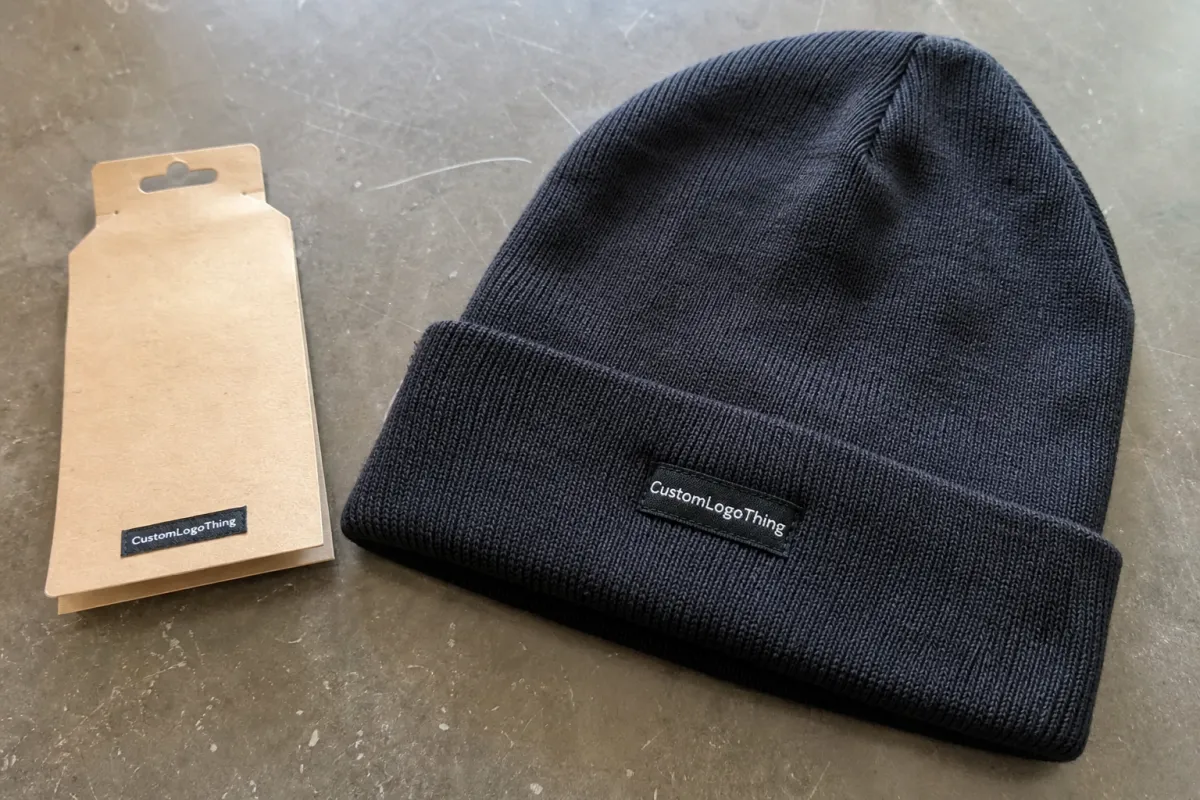
There is a reason knit headwear keeps showing up in member boxes, employee welcome kits, and seasonal subscription programs. It photographs well, it feels more substantial than a postcard or sticker sheet, and it does not turn into dead weight during shipping. A beanie can lift the perceived value of a box without adding enough mass to distort the freight profile.
Subscription slouchy knit beanies moq matters because the Minimum Order Quantity shapes the whole program. A well-chosen MOQ protects yarn continuity, keeps the dye lot manageable, and avoids partial production runs that create inconsistent stock. Buyers often focus on unit price, but the real test is whether the item can repeat cleanly on the next cycle.
That repeatability separates a useful insert from an expensive mistake. A cheaper item may win the first round and still cost more later if it requires last-minute changes, extra storage, or a second sourcing round when colors drift. A slouchy beanie with a stable spec can absorb those variables better than many flatter promotional items.
There is also a merchandising advantage. Slouchy knitwear reads as seasonal, but not so seasonal that it only works for a narrow window. It can sit in a winter box, a late-fall drop, or a new-member gift set without feeling off-theme. The item is useful enough to keep, soft enough to wear, and simple enough to replenish.
How fit, drape, and yarn change the final product
“Slouchy” sounds casual, but the look depends on controlled construction. A good beanie needs enough body to hold a soft drape, yet enough stretch to fit a range of head sizes without bagging out. Crown height, cuff depth, and stitch gauge all influence that balance. If the knit is too loose, the beanie sags in a way that looks underbuilt. If it is too tight, the slouch disappears and the hat starts looking like a standard cuffed beanie.
Yarn choice matters more than the artwork in many cases. Acrylic is common because it is predictable, economical, and easier to color match across reorders. Acrylic-wool blends usually feel warmer and more substantial, but they also raise the cost and can tighten shade tolerance. Recycled fibers are workable for some programs, though buyers should check texture consistency, pilling risk, and supply stability before committing to a larger run.
Decoration should follow the knit structure, not fight it. Woven labels are often the cleanest route because they stay legible against a textured surface. Embroidery works when the logo is bold and the yarn has enough density to support stitching without puckering. Knit-in artwork creates the most integrated result, but it usually brings higher setup charges and can raise the MOQ because the pattern work is more involved.
Buyers should ask for a sample that is tested in the conditions the final item will face. That means trying it on different head sizes, checking how it rebounds after stretching, and viewing the logo from a few feet away under ordinary light. A beanie that looks polished in a studio shot but collapses after one wear is not a premium item.
One small but important observation: knitwear exposes weak specs quickly. A one-quarter-inch change in cuff depth may not sound serious, but on a slouchy silhouette it changes how the hat sits and how much fabric shows behind the head. Buyers who work with recurring programs learn to treat these details as part of the product, not afterthoughts.
Specs to lock before quoting
Quotes get cleaner when the spec sheet is complete before the request goes out. The essential details are the finished dimensions, cuff depth, yarn type, gauge, color references, logo placement, label construction, and care instructions. If the beanie is part of a recurring subscription, that information should live in a reusable spec document rather than scattered across email threads.
Packaging instructions deserve the same attention as the knit itself. Does the item ship folded flat, rolled, or bagged? Are polybags required? How many units should sit in each carton? Does the warehouse need item numbers, lot codes, or barcode labels for receiving? These details affect labor, carton count, and setup charges, and they also affect whether the order arrives ready to slot into fulfillment.
Variation limits should be written down early. Knit products naturally allow some tolerance, but the buyer needs a standard for what counts as acceptable. Shade variation, measurement variance, label placement, and wash behavior should all be defined before production begins. If the order uses paper inserts or outer cartons, it can also be worth asking whether the packaging should meet FSC sourcing goals. The FSC guidance on responsible paper sourcing is useful when a team wants a cleaner paper trail for packaging materials.
For transport and distribution, it helps to think beyond the factory floor. If the cartons will be palletized, warehoused, and handled multiple times, shipment testing standards matter. The ISTA shipment testing standards are a practical reference point for teams that need to know whether the outer pack is likely to survive normal fulfillment conditions. Not every order needs a full testing program, but the point is to stop guessing.
The cheapest quote is often the one that leaves out pack-out, carton labels, and reorder notes. Those costs usually show up later, after the schedule is already tight.
Pricing, MOQ thresholds, and landed cost
Knit beanie pricing usually follows a few repeatable variables: yarn type, stitch complexity, number of colors, decoration method, label choice, and whether the pieces need custom folding or individual bagging. A stock acrylic beanie with a woven label sits in a different cost band from a custom knit-in logo using a blended yarn and carton-level sorting. The challenge is that quotes sometimes flatten those differences until the final invoice arrives.
That is why MOQ is more than a production number. It is a planning tool. A larger MOQ can improve the piece price, but only if the subscription calendar can absorb the inventory. If the run is too large for the drop schedule, the lower unit cost can be wiped out by storage, aging stock, or a later rework to make the product fit a different campaign.
| Option | Typical MOQ | Cost per piece | Setup charges | Best fit |
|---|---|---|---|---|
| Stock acrylic yarn + woven label | 250-500 units | $2.10-$3.40 | $35-$85 | Test runs, welcome kits, simple subscription inserts |
| Acrylic-wool blend + embroidery | 500-1,000 units | $3.20-$5.20 | $60-$180 | Premium member boxes and seasonal mailers |
| Custom knit-in logo + special colorway | 1,000-3,000 units | $4.50-$7.50 | $120-$350 in tooling fees | Core branded program with repeat drops |
Those ranges are illustrative rather than universal, but they reflect how the economics usually move. The more custom the knit, the higher the setup burden. The more colors involved, the more time it takes to keep the yarn organized and the output consistent. The more bagging, labeling, and final pack-out required, the higher the hidden labor cost.
Land cost should include samples, freight, rush charges, warehouse labeling, and any fulfillment prep. On paper, a factory quote may look slightly higher and still be the better choice if it saves time or reduces handling. For a subscription program, the difference between “cheapest unit price” and “most manageable landed cost” can be the difference between a smooth launch and a scramble for cartons.
It also helps to be honest about tradeoffs. A better yarn can improve handfeel and reduce complaints, but it will not rescue a weak knit pattern. A lower MOQ can protect cash flow, but it may reduce access to certain customizations. There is no perfect setting, only the combination that fits the drop cadence, storage capacity, and acceptable risk.
Production timeline and the points where orders slip
A clean run usually starts with a tight brief, not a vague idea. The normal sequence is brief intake, artwork review, digital proof, sample approval, knitting, finishing, inspection, and final pack-out. Miss one of those steps and the delay tends to surface where it hurts most: when the warehouse is already waiting for the cartons.
For a straightforward order using stock yarn and a woven label, the lead time can be relatively short. A practical range is often 12-15 business days after proof approval. More custom programs - especially those with knit-in graphics, multiple color changes, or special packaging instructions - can stretch to 18-30 business days. If a pre-production sample is required, add another 5-7 business days before release.
The biggest delays usually come from decision points rather than production itself. Color approval stalls. Artwork revisions stall. Carton instructions change after the order is already moving. The factory can only knit what has been approved, and the calendar does not pause while internal sign-off moves around. For subscription launches, the safest approach is to work backward from the ship date and reserve production time before the marketing calendar becomes immovable.
Freight needs its own schedule. Production may finish while transport, booking, and warehouse receiving windows still need to align. That gap is often where strong projects become difficult. A two-week delay at the factory can become a longer slip once cartons miss a receiving appointment or a carrier cutoff. Teams that build buffer into the plan usually avoid the most preventable problems.
There is also a seasonal issue. Knitwear is often ordered when everyone else is ordering knitwear. In practice, that can tighten capacity and lengthen approval cycles. A buyer who waits until the last cold-weather window closes may still get the order done, but not on the terms they wanted. Planning early is less about enthusiasm and more about avoiding the queue.
Quality control for recurring reorders
Recurring programs get easier only if the first run is documented properly. The approved spec sheet should hold the yarn code, color references, stitch pattern, label artwork, and pack-out instructions. Without that record, the second order turns into a new project with a familiar shape.
Knits show variation quickly. A slightly looser cuff, a label that sits off-center, or a shade that lands a little warmer than expected is easy to spot once customers compare one box to the next. That does not mean every tiny difference is a defect. It does mean the quality standard has to be clear enough to separate normal variation from avoidable error.
Practical quality checks should include measurement checks, stretch recovery, stitch uniformity, logo placement, and carton labeling. If the beanies are packed individually, the sample should be checked in the final bag or wrap, not just on the table. A product can pass as a loose sample and still fail once it is folded, bagged, and stacked with other items in the box.
Reorder memory has operational value too. When the factory keeps the approved references, future production runs move faster and with fewer clarifications. That matters for subscription teams that need predictable receiving and barcode-ready cartons more than they need a fresh creative conversation every quarter.
For the buyer, the strongest habit is simple: save the final sample photos, archive the spec sheet, and note the carton count and label wording that actually worked. That record can prevent a lot of avoidable back-and-forth later. It also makes the next quote easier to judge because there is a real baseline instead of memory and guesswork.
FAQ
What is a typical MOQ for subscription slouchy knit beanies?
MOQ depends on yarn availability, decoration method, and whether the design uses stock or custom colorways. Simple woven labels and standard materials usually allow lower minimums, while knit-in graphics and custom shades tend to require larger runs.
Can I mix colors within one subscription slouchy knit beanies order?
Often yes, but mixed colors add planning complexity. More colorways can affect yarn ordering, production time, and the way the factory batches the run. Ask how the mix changes the quote before approval.
How long does production usually take for slouchy knit beanies for subscription boxes?
Simple stock-yarn orders can move in roughly 12-15 business days after proof approval. Custom knit-in work, special labels, or pre-production sampling can push that closer to 18-30 business days, plus freight time.
Which decoration method usually keeps cost under control?
Woven labels are often the simplest and most predictable option. Embroidery is also workable for bold logos. Knit-in graphics look integrated, but they usually increase setup charges and may require a higher MOQ.
How do I keep recurring beanie reorders consistent?
Save the approved spec sheet, yarn references, color targets, artwork files, and carton instructions after the first run. Reorder early, compare the sample against the original approval, and keep the same pack-out rules from one drop to the next.