The Tamper Evident Bags for boutiques cost breakdown is usually more useful than the bag itself on a sample table. Most buyers do not need a packaging lecture. They need to know whether a small security bag is worth $0.12, $0.28, or $0.55, and what changes the number. Size, film gauge, print setup, closure style, and freight all move the price. Ignore any quote that pretends otherwise.
For boutiques, the value is practical. A clean seal reduces disputes at the register, protects higher-risk items, and makes handoff faster when staff are busy. That matters for cosmetics, fragrance, jewelry, gift sets, small accessories, and folded apparel that should stay sealed after checkout. If the bag is weak, awkward, or hard to close, it creates its own labor cost. That is the part people miss.
Why Boutique Returns Get Expensive Fast
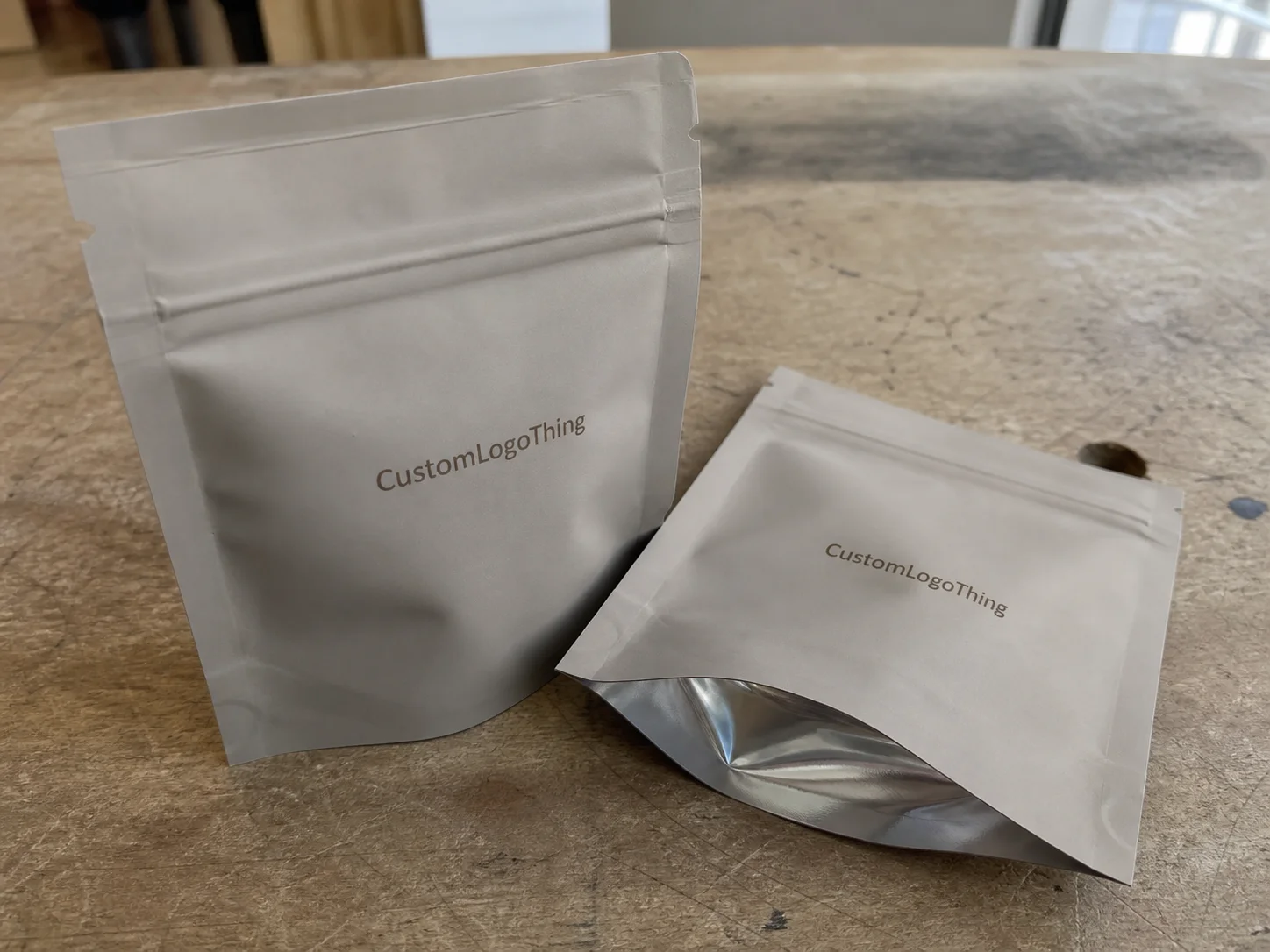
Returns are not just a refund problem. They interrupt the counter, soak up staff time, and turn a routine sale into a conversation nobody wants. For boutique teams, even one disputed return can consume more time than the original transaction. That is before you count the customer frustration, the manager override, or the inventory check that follows.
A tamper evident bag does one simple job: it shows whether the package was opened after sealing. That visible seal matters more than most owners expect. It reduces the “Was this already opened?” argument and gives staff a consistent process. A cheap bag that looks secure but fails at the seam is not protection. It is a future complaint with a logo on it.
The business case is straightforward. If a sealed bag prevents a few disputed returns a month, it often pays for itself. That is why the real Tamper Evident Bags for boutiques cost breakdown should be measured against actual store workflow, not just the factory quote. A slightly higher unit price can still win if it seals cleanly, stacks neatly, and does not slow checkout.
Boutiques usually want three things at once: protection, presentation, and speed. Security packaging often solves only one of those. A pharmacy-style pouch may be durable, but it can look too industrial for a fashion counter. A softer retail presentation is fine, as long as the seal still makes tampering obvious. Pretty is not enough. Functional is not optional.
A good tamper evident bag should cut down questions. If staff need a reminder every shift to use it correctly, the spec is wrong.
In practice, boutiques use these bags for items that are small enough to seal, but valuable enough to need evidence of opening. That can include lip products, perfume minis, compact accessories, watches, scarves, jewelry, and gift sets. The bag does not need to survive heavy shipping abuse in most cases. It does need to hold up in the store, through handling, packing, and basic transport to the customer.
What Tamper-Evident Bags Actually Include
Buyers often start with the outside look and forget the mechanism. A real tamper evident bag usually has a film body, a closure strip, a permanent adhesive zone, and some visible sign if someone tries to reopen it. That sign might be a tear line, a VOID message, a peel-and-stick closure, or a seal that cannot be cleanly reset after opening. The exact method matters less than whether it is obvious and repeatable.
Film structure is worth paying attention to. Clear polyethylene is common because staff can see the contents quickly and verify the item without opening the bag. That helps at checkout and during receiving. Tinted or opaque film can look more premium and hide mixed contents, but it also removes visibility. That tradeoff is fine if privacy matters more than a fast visual check.
Small details can change the experience at the counter. A bag that wrinkles badly near the seal is annoying. A closure strip that peels unevenly slows the line. A print layout that covers the inspection area makes the seal harder to verify. None of those issues show up as a dramatic failure, which is exactly why they get missed in early sampling.
Common add-ons include sequential numbering, barcode windows, writable panels, and logo printing. These are not just decoration. Sequential numbers help with chain-of-custody tracking. Writable panels are useful for customer names, order numbers, or SKU notes. Barcode windows can speed up fulfillment and reduce manual entry. Those details matter more once the bag is part of a real store workflow.
There is a difference between a plain security pouch and a custom retail bag. A plain clear bag with a warning message is usually enough for basic checkout. A printed bag with a logo, warning text, and numbering makes sense when the contents are higher value or the brand wants the package to look intentional. More features mean more cost, but also more control over how the bag behaves on the floor.
Sizes, Film, Printing, and Closure Options
Size should come from the product, not from a guess based on the nearest catalog option. A jewelry pouch, a boxed fragrance set, and a folded sweater are different packaging problems. A good starting point is product dimensions plus enough room for the item to slide in without forcing the seam. Too tight and the bag looks cheap or splits at the edge. Too large and you pay for film you never needed.
For most boutiques, the simplest size rule is to allow a small margin around the product, then confirm the usable opening width. That extra space matters for sealing, not just fit. A bag that technically contains the item may still be awkward to close if the seal line lands too close to the contents.
Film thickness is another place where buyers can overspend or underbuy. A lighter film in the 2.0 to 2.5 mil range works for small, low-stress items that are handled once or twice. A heavier 3.0 to 4.0 mil structure is better for items with edges, more weight, or repeated handling. Thicker is not automatically better. It is only better when the product needs puncture resistance and stronger seal performance.
Print decisions should stay disciplined unless there is a real brand reason to complicate them. One-color warning text is usually the lowest-cost option. One-color logo plus warning text is still practical for most boutiques. Once you add multiple ink colors, full-bleed graphics, or special finishes, setup costs rise and the unit price usually follows. If the bag is doing security work, the seal and the material deserve the money first.
Closure styles typically fall into a few workable options:
- Peel-and-seal for fast checkout and a permanent closure.
- Permanent adhesive strip for obvious tamper evidence after sealing.
- Tear-off strip for openings that should be visible immediately.
- Resealable variants for workflows that need temporary access before final handoff.
That last option sounds flexible, and sometimes it is. It also weakens the blunt security signal many boutiques actually want. If staff have to explain the closure every time, the design is too clever for the job. Simple usually wins. You want a package the team can use during a rush without thinking about it.
Tamper Evident Bags for Boutiques Cost Breakdown
The price of tamper evident bags depends on the combination of material, size, print complexity, closure style, and quantity. Two quotes can look unrelated because one is for a stock clear bag and the other includes custom dimensions, printed warnings, and setup charges. That is normal. It is also why buyers need a structured comparison instead of a first-price reaction.
For custom boutique orders, the market usually lands in these ranges:
| Order Size | Typical Unit Cost | What Usually Changes | Notes |
|---|---|---|---|
| 500 to 999 pcs | $0.28 to $0.55 | Higher setup charges, more visible tooling fees | Useful for testing fit, seal performance, and print layout |
| 1,000 to 4,999 pcs | $0.18 to $0.32 | Better spread on print setup and material cost | Common MOQ range for independent boutiques |
| 5,000 to 9,999 pcs | $0.12 to $0.22 | Lower per-piece cost, better bulk pricing | Works well for multi-store or seasonal demand |
| 10,000+ pcs | $0.08 to $0.16 | Best material efficiency and production spread | Only makes sense if storage and turnover are reliable |
Those are working ranges, not precise promises. Freight, carton configuration, artwork complexity, and lead time can move the number. A quote that looks low on paper can climb once inland shipping, export fees, packing method, or a rush schedule gets added. Ask for landed cost and cost per piece. That is the number that matters to a boutique owner.
It helps to break the quote into pieces. The most common cost drivers are not mysterious:
| Cost Item | Typical Impact | What Drives It |
|---|---|---|
| Film material | Moderate to high | Thickness, clear vs. tinted, bag size, material grade |
| Printing | Low to high | Number of colors, coverage area, layout complexity |
| Closure system | Moderate | Standard adhesive vs. specialty seal or tear strip |
| Setup and tooling | High on short runs | Artwork prep, plates, die lines, proofing |
| Freight and packing | Low to high | Carton count, destination, shipment method, urgency |
Short runs are expensive because fixed costs get spread across fewer bags. That is why a 500-piece custom order often looks less efficient than a 5,000-piece run. Oversized bags also waste material. Extra print colors add setup and production time. Specialty closures may need additional tooling. None of this is surprising, but it does need to be said clearly because suppliers sometimes bundle those costs into one neat quote and call it simple.
One practical mistake is comparing factory price only. That is not the real number. The real number is the landed cost after freight, cartons, and any extra handling. Another mistake is ordering the cheapest version available and assuming the store will tolerate the tradeoff. If the bag tears, wrinkles, or seals inconsistently, the labor cost quickly swallows the savings.
For boutiques, the right price target is not the absolute lowest figure. It is the best mix of working seal, clean presentation, and repeatable supply. If a bag costs a little more but saves time at the counter and holds up through routine use, that is a stronger deal than a bargain bag that creates extra work.
Production Steps, Lead Time, and Approval
The production flow is usually predictable, and that is helpful. Inquiry, artwork proof, sample approval, production, quality check, and packing. Delays tend to happen at the same points. Missing dimensions, vague print instructions, or slow proof approval can turn a simple order into a long email thread. A complete spec sheet saves time and avoids preventable mistakes.
Typical lead time for a custom boutique order is often 12 to 18 business days after proof approval for standard production. Simple stock-style work can move faster. Custom sizes, multiple print colors, or special film structures can push it longer. Rush options exist, but they usually cost more. Material availability still limits what can actually ship on time.
Before production starts, approve the details that affect use, not just appearance:
- Exact size and usable opening width
- Film thickness and finish
- Seal style and whether it is permanent
- Artwork placement and warning text
- Count tolerance and carton labeling
Ask for a pre-production sample or a proof with dimensions marked. The sample does not need to look polished. It needs to show the seal line, print placement, and content visibility. That catches the errors that matter. A beautiful sample that fails the seal test is still a bad sample.
For buyers who care about testing discipline, packaging references are available through the Institute of Packaging Professionals, and transit test frameworks are commonly discussed through ISTA. A boutique bag may not need formal lab certification, but the same mindset helps. If the package will leave the store and travel in a car or courier bag, a basic handling test is smarter than guessing.
What Separates a Reliable Supplier from a Cheap One
A low quote is easy to find. A supplier who can repeat the same spec on the next order is harder. That is the difference that matters. Reliability shows up in seal consistency, print alignment, film uniformity, and whether the bags arrive looking like the proof that was approved.
Cheap suppliers often cut corners where buyers do not notice immediately. Adhesive can be inconsistent. The seal area can wrinkle. Print can drift far enough to interfere with inspection. None of that sounds dramatic on paper, but once staff are using the bags at speed, the defects show up fast. Then the savings disappear into complaints, labor, and replacement orders.
Good service markers are practical, not flashy. Clear artwork proofs matter. So does sample support. Realistic shipping timing matters even more. If a supplier promises a custom printed bag with special closure specs in three days, someone is guessing. Guessing is not a production plan.
These are the questions worth asking before placing an order:
- What is your MOQ for this exact size and print method?
- Are tooling fees or setup charges separate?
- Does the quote include freight to my store or warehouse?
- Can you repeat the same bag on reorder without changes?
- What quality checks happen before packing?
If the supplier answers those directly, that is a good sign. If the answers are vague, the quote is carrying more risk than it shows. A bag that protects margin has to be consistent. A bargain bag that fails in use is just expensive in installments.
How to Order the Right Size and Quantity
Start with the actual merchandise. Send the product width, height, and depth, plus a photo if possible. A flat scarf is not the same as a boxed set. A bottle with a cap needs more headroom than a soft accessory. The correct bag is usually the smallest one that still seals cleanly and looks intentional.
For quantity, use your real movement rate. If a boutique sells 300 units a month and every unit goes into a tamper evident bag, a 1,000-piece order is not a long runway. If the bag is seasonal or tied to a promotion, start smaller and test the fit before scaling. Storage is not free, and dead inventory is still inventory.
Here is the cleanest ordering sequence:
- Send the product dimensions and a photo of the item.
- State the quantity you need now and what you may need next.
- Choose clear or tinted film based on visibility and presentation.
- Pick a closure style that fits the checkout flow.
- Ask for landed pricing at multiple quantities.
- Approve the proof only after checking size, seal line, and logo placement.
Compare samples against the actual product, not a rough estimate. That sounds obvious, but buyers skip it all the time and then wonder why the bag feels wrong at the counter. A sample that fits on paper can still be awkward in real use. Retail packaging is unforgiving that way.
If the team works under pressure, test how fast staff can close and inspect the bag without slowing service. A seal that is too fiddly becomes a nuisance. A closure that is easy to fake is not doing the job. Simple usually performs better than clever.
For most boutiques, the best move is to compare a few quotes, confirm the spec, and look at the tamper evident bags for boutiques cost breakdown against actual sales volume. That gives you a real buying decision instead of a guess wrapped in packaging jargon.
What is the average tamper evident bag cost for boutiques?
Price depends on size, film thickness, printing, closure style, and quantity. Small custom runs often land around $0.28 to $0.55 per bag, while larger orders can fall into the $0.08 to $0.22 range. The number that matters is landed unit cost, not just the first quote.
What MOQ should I expect for custom tamper evident boutique bags?
MOQ varies by supplier and print method, but many custom orders start around 500 to 1,000 pieces. More complex printing, special finishes, or custom closures can push the MOQ higher. Ask for pricing at 1,000, 3,000, and 5,000 pieces so you can see where the unit cost improves.
Can tamper evident bags for boutiques be printed with a logo?
Yes. Most can be printed with a logo, warning text, or a simple brand mark. One-color printing is usually the most economical option. Multi-color artwork adds setup and can raise the cost per piece, so keep the design clean if the seal needs to stay easy to inspect.
How long does production usually take?
Lead time depends on artwork approval, material availability, and order complexity. Standard custom orders often take 12 to 18 business days after proof approval. A complete spec sheet shortens the process. Missing sizes or unclear print files usually slow it down.
What details do I need before requesting a quote?
Provide product dimensions, quantity, print requirements, and your preferred closure style. Include whether the bags are for retail checkout, storage, or shipping support. If possible, send a sample item so the supplier can size the bag correctly and return a quote that reflects the real job.


