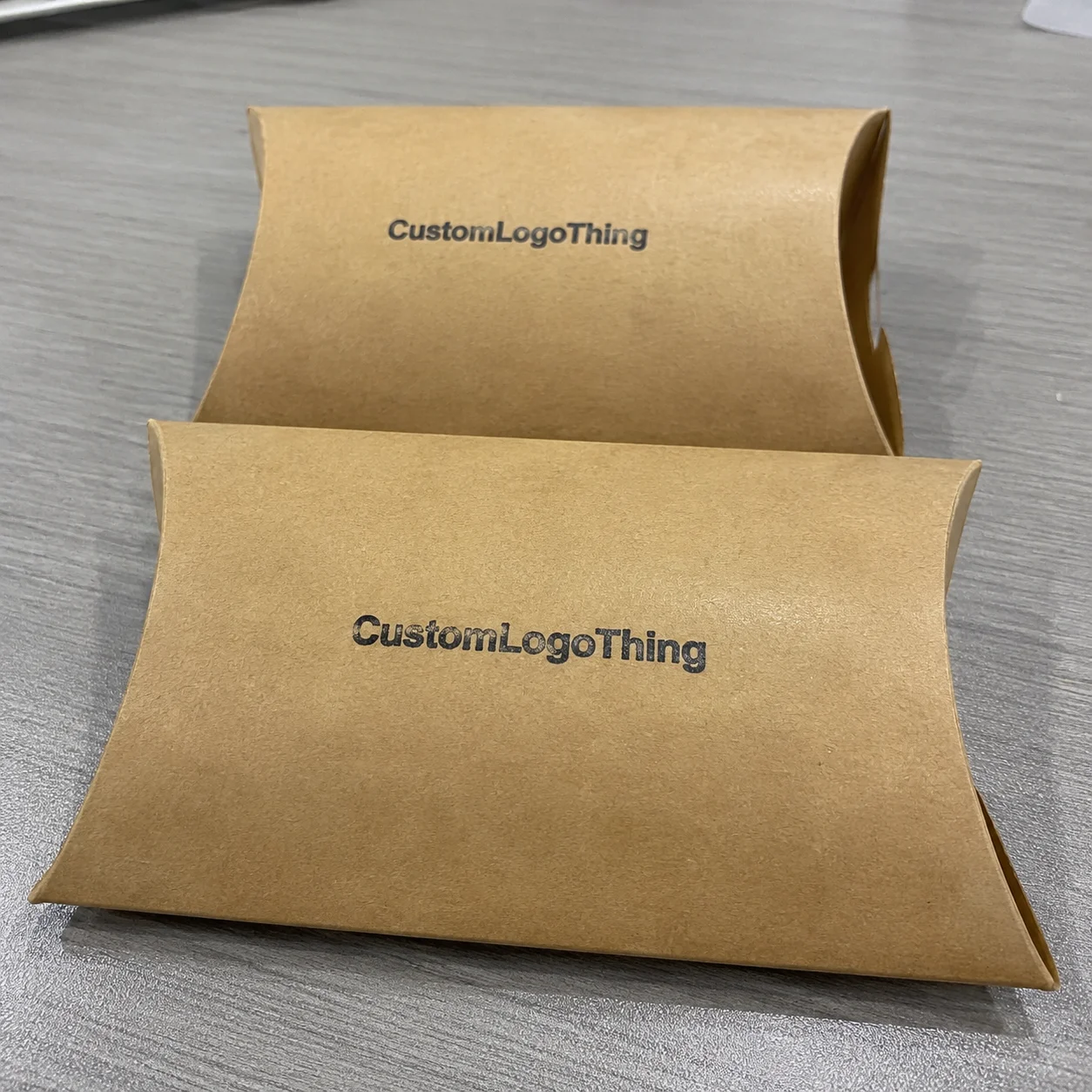
Florist packaging problems are rarely dramatic. They are usually smaller and more irritating: a torn closure, a missing insert, a bag that opened in transit, or a customer wondering why a “complete” gift arrived looking half-moved through. That is why buyers keep searching for a Tamper Evident Bags for florists order guide before they place another rushed packaging order.
The basic case is simple. If the package needs to stay untouched from counter to customer, a plain poly bag is weak insurance. A tamper-evident bag gives you a visible seal, a cleaner handoff, and a faster answer when someone says the order looked opened. Not magic. Just better control.
Why florists are switching to tamper-evident mailers now
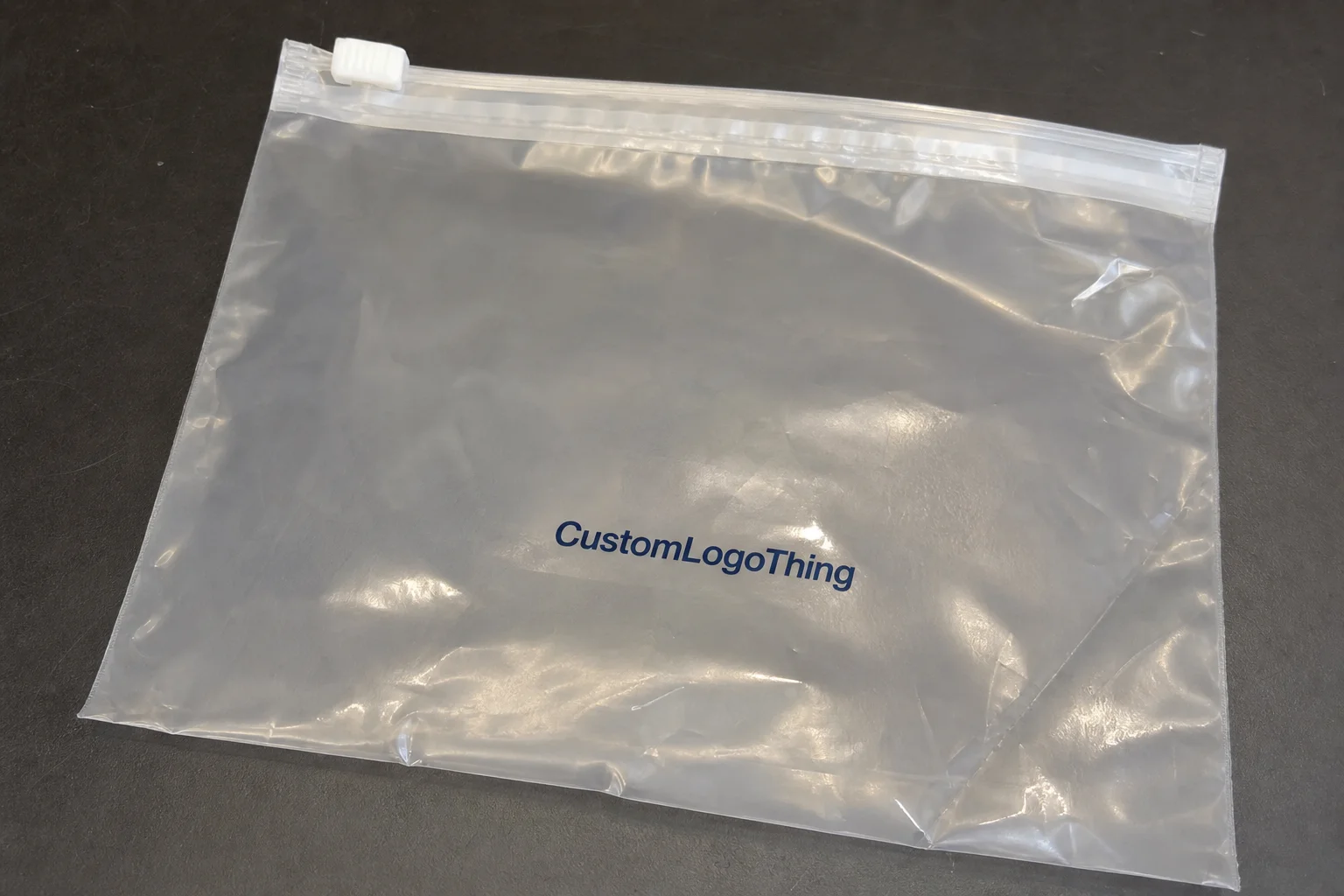
Open-the-box damage costs more than people expect. One crushed accessory, missing card, or damaged add-on can eat into the margin that was supposed to pay for the whole order. For florists, that is not a minor inconvenience. It is packaging doing a bad job while still charging you for it.
That is why the Tamper Evident Bags for florists order guide matters for buyers handling dried flowers, preserved blooms, candle bundles, flower food packets, subscription care kits, and small retail gifts. These orders travel fine only if the bag stays sealed and obviously untouched.
Tamper-evident packaging shows whether a bag was opened during transit, at pickup, or after handoff. That matters for local delivery, courier disputes, and customer trust. If a customer says, “This looked opened,” the packaging should help answer that question quickly instead of creating a side quest.
For florist operations, the practical benefits usually look like this:
- Fewer disputes about whether the order was opened.
- Cleaner presentation at pickup and delivery.
- Better handling for fragile add-ons and small gifts.
- Less rework when sealed orders come back untouched and verifiable.
Most florists do not need high-security packaging. They need visible tamper evidence and a bag that survives normal handling without splitting at the seal. That sounds modest because it is. Packaging does not need to be heroic. It needs to work.
“A good seal does not make the order invincible. It makes problems visible. That alone saves time.”
For buyers who want packaging standards with some structure, the broader packaging industry often references transport testing from organizations like ISTA. Sustainability claims may also require supplier documentation, especially if you are comparing material options or secondary components. Florists do not need to become lab technicians, but standards keep suppliers honest. That part is useful.
Tamper-evident bag types and florist-ready product details
Not every seal works the same way, and buyers get burned when they assume they do. The right bag depends on how visible the tamper feature needs to be, how the package is handled, and whether it is meant for shipping, pickup, or direct counter handoff.
For a Tamper Evident Bags for florists order guide, the main options usually fall into four buckets:
- Adhesive seal bags for one-time closure and simple packing.
- Tear-strip closure bags for easy opening with visible seal break.
- Security tape seal bags where visible sealing matters more than packing speed.
- Numbered evidence bags for higher-control handoffs or higher-value contents.
Florists usually care about visibility first. Clear film helps staff verify the contents without opening the bag. Writable panels help with delivery notes. Printed warnings like “sealed for pickup” or “do not accept if seal is broken” reduce confusion at the counter. That is not fancy branding. It is operational clarity.
Common florist uses include:
- Dried flower bundles
- Preserved blooms
- Boxed accessories
- Flower food packets
- Candles and small gifts
- Local delivery add-ons
- Subscription care kits
Plain stock bags are faster and cheaper. Custom-printed bags add logo visibility, handling instructions, and more consistent presentation. The tradeoff is setup time and higher minimums. Packaging rarely rewards indecision, and it certainly does not reward wanting everything for the cost of nothing.
| Option | Best for | Typical use | Relative cost |
|---|---|---|---|
| Plain stock adhesive bags | Budget-sensitive orders | Pickup, add-ons, internal packing | Lowest |
| Printed tamper-evident bags | Customer-facing presentation | Retail handoff, subscriptions, gifts | Medium to higher |
| Numbered security bags | High control and dispute reduction | High-value delivery or restricted access orders | Higher |
| Tear-strip mailers | Easy opening with visible seal break | Convenience-driven fulfillment | Medium |
If moisture is a concern, ask about film thickness, barrier performance, and storage conditions. Flowers bring condensation. Cold rooms bring humidity. Some bags handle that well. Some do not. A supplier who shrugs at moisture is telling you more than they realize.
Key specifications florists should check before ordering
Measure the packed item first, not the prettiest version of it. Buyers still size bags around the bouquet image instead of the actual packed unit, then act surprised when the closure area is too short. The bag has to fit the product, any protective fill, and the seal without being stretched into failure.
For a proper tamper evident Bags for Florists Order guide, check these specs before you approve a quote:
- Film material — polyethylene, co-extruded film, or laminated structures depending on clarity and toughness.
- Thickness — usually measured in microns or mils; thicker film generally improves tear resistance.
- Adhesive strength — weak adhesive defeats the whole point.
- Tear resistance — useful if the bag passes through multiple hands.
- Clarity — clear, frosted, tinted, or opaque.
- Closure type — permanent seal, resealable, tear-off strip, or one-time-use security tape.
Clarity matters more than some suppliers admit. Clear film makes contents easy to verify. Frosted film looks cleaner on shelf. Opaque film hides contents better but reduces visual checking. If the package is customer-facing, the balance between visibility and presentation should be intentional, not accidental.
Ask for samples if the order is going to customers. A spec sheet can look perfect and still fail in the real world because the opening is awkward, the adhesive grabs too slowly, or the bag is short once the insert goes in. Photos help. Physical samples help more.
For brands that use paper inserts, labels, or secondary accessories, material sourcing still matters. If you need FSC-aligned paper components elsewhere in the pack, check FSC for certification basics. The bag itself may be plastic-based, but the packaging system should still make sense as a whole.
Cost, pricing, MOQ, and quote factors that change unit cost
Packaging pricing is almost never just “price per bag.” It is size, film thickness, print count, seal format, setup charges, freight, and volume all bundled together. If a quote looks too simple, it probably is.
For florist buyers, a realistic budget range helps. Plain stock tamper-evident bags usually land in the lower-cost band. Custom printed versions cost more upfront but give you better brand control. In practical terms, stock options are cheaper because they skip artwork setup and custom production steps.
Typical ranges vary by size, material, and quantity, but here is a useful working frame: small plain stock bags can fall into low single-digit cents per unit at higher volumes, while custom printed or more secure formats often move into the mid to high single digits or more. Smaller runs, thicker films, and stronger closures push cost up fast. That is normal. That is also why low-quantity orders rarely look cheap once the quote is complete.
Here is what moves unit cost most clearly:
- Size — larger bags use more material.
- Film thickness — heavier film costs more.
- Print colors — more colors mean more setup.
- Closure type — stronger or specialized seals add cost.
- MOQ — lower quantities usually mean higher unit prices.
- Custom features — numbering, writable panels, or special warning text.
When buyers ask for a quote, these details should be ready before the number is trusted:
- Exact size or internal dimensions
- Quantity needed
- Material preference
- Closure style
- Print requirements
- Delivery location and deadline
Without that, apples-to-apples comparison becomes impossible. That is where “cheap” quotes turn into expensive final invoices. Freight is especially good at hiding until it is too late.
| Quote factor | Lower-cost choice | Higher-cost choice | Buyer tradeoff |
|---|---|---|---|
| Order quantity | Small test run | Higher-volume run | Lower cash outlay vs lower unit price |
| Branding | Plain stock | Custom print | Speed vs stronger brand presence |
| Security | Simple seal | Numbered or stronger adhesive | Lower cost vs better dispute control |
| Freight | Standard shipping | Rush delivery | Lower freight vs shorter lead time |
For transactional buyers, the safest strategy is to compare total landed cost, not just unit cost. If the unit price is low but freight is ugly and setup fees are hidden, the quote is fake savings. Packaging math is not sentimental. It does not care how much you wanted the cheaper number to be real.
Process, timeline, and lead time from quote to delivery
Start with a usage brief: product size, order volume, closure preference, print needs, and deadline. Vague requests create vague quotes. Nobody enjoys that, but somehow people keep doing it.
The typical order flow is straightforward:
- Quote request
- Spec confirmation
- Artwork review or proof approval
- Sample check if needed
- Production
- Quality inspection
- Shipping and delivery
Plain stock bags usually move faster than custom printed orders. That is normal. Custom production adds proofing and setup, and sometimes extra delay if the supplier needs to confirm film, adhesive, or print placement. Good suppliers say that upfront instead of promising a miracle with a straight face.
Lead times vary by complexity, but planning assumptions should stay realistic. Stock bags can often ship faster, while custom printed tamper-evident bags may need more time after proof approval. If you have holidays, wedding peaks, or local delivery spikes, build buffer time into the schedule.
Ask whether rush production is possible before you commit to a launch date. If the answer is yes, ask what it costs and what gets cut. Speed usually has a price. Sometimes that price is money. Sometimes it is print flexibility. Sometimes it is both.
The best timeline is the one that leaves room for one correction. If there is no room for error, you are not ordering packaging. You are betting the season on a production schedule.
Why Custom Logo Things works for florist packaging orders
Custom Logo Things focuses on Packaging That Fits the way florists ship and hand off products, not generic bags with a logo dropped on top and called custom. That sounds harsh because it is often true.
For buyers using a tamper evident bags for florists order guide, the conversation should stay practical:
- What fits the product?
- What seal style is easiest for staff?
- What budget can survive reorder season?
- What minimum quantity makes sense?
You get concrete spec guidance, workable MOQ options, and straightforward pricing instead of vague sales talk. That matters because florist packaging has to do three jobs at once: protect the contents, present the brand, and keep operations moving. If one of those fails, the whole order feels sloppy.
We also help buyers avoid over-spec’ing the order. A bag that looks impressive but slows packing, tears easily, or costs too much per unit is not a good buy. Start with the simplest effective version, then add features only when the use case actually justifies them.
If you are comparing larger programs or repeat ordering setups, our Wholesale Programs page is the right place to start. If you need general ordering help, the FAQ can save time before you send a quote request.
“The best packaging order is the one you can reorder without re-learning it every time.”
That is the real goal. One good setup should make reorders easier, not turn every purchase into a scavenger hunt for the same specs.
Next steps to order tamper-evident florist bags correctly
If you want to order with fewer mistakes, start with the actual item, not the idea of the item. List the dimensions, weight, and whether the contents are fragile, temperature-sensitive, or likely to generate condensation.
Then decide your priority. Lowest cost. Strongest security. Fastest turnaround. Custom branding. You cannot maximize all four at once. Anyone claiming otherwise is selling the brochure, not the packaging.
Here is the cleanest buying path for a florist buyer:
- Measure the packed product.
- Choose bag type and closure style.
- Pick stock or custom print.
- Request a quote with the same spec from every supplier.
- Ask for a sample or proof if the order is customer-facing.
- Test a small quantity before scaling.
That last step matters more than buyers think. A test order shows how staff handle the bag, whether the seal holds, and whether the customer experience looks polished enough for repeat use. Real usage data beats guesswork every time.
If you are building your own tamper evident bags for florists order guide internally, keep it short. Put the approved size, seal type, print file, reorder quantity, and lead time target in one place. That one document will save hours later.
Bottom line: buy the bag that protects the product, supports the handoff, and fits the budget. That is the whole job. The tamper evident bags for florists order guide approach keeps packaging practical, quotes comparable, and reorders boring in the best possible way.
FAQs
What size tamper evident bags do florists usually order?
Most florists size bags around the largest boxed add-on or accessory bundle, not the bouquet itself. Common needs include small retail sachets, medium accessory packs, and larger delivery bundles with room for padding. Measure the item plus any insert or protective material before you choose the final size.
Are custom printed tamper-evident florist bags worth the extra cost?
Yes, if the bag is customer-facing and brand presentation matters. Custom printing also helps with handling instructions and delivery messaging. If the order is internal or purely functional, plain stock bags are usually the smarter budget choice.
What is a reasonable MOQ for florist tamper-evident packaging?
MOQ depends on whether you buy stock or custom-printed bags. Stock options usually allow lower quantities, while custom runs need more units to cover setup and production costs. If you are testing demand, start with the lowest practical MOQ and scale after reorder data comes in.
How long does production usually take for custom tamper evident bags?
Plain stock bags ship faster than printed custom bags. Custom orders need artwork review, proof approval, production, and quality inspection before shipping. If you have a holiday or wedding deadline, build in buffer time instead of hoping the schedule will magically compress itself.
Can tamper-evident bags help with delivery disputes for florist orders?
Yes. They create a visible sign that the package was opened or interfered with after sealing. That can help clarify responsibility during local delivery, courier handoff, or customer pickup. They are not a magic shield, but they do make disputes easier to document and resolve.