Sports clubs usually come to Tamper Evident Bags for one reason: they are tired of avoidable disputes. Cash, tickets, membership forms, medical items, lost property, and sealed evidence move through too many hands to rely on a plain poly bag and a shrug. If the bag cannot show tampering clearly, it is not doing the job.
That is the practical starting point for a Tamper Evident Bags for sports clubs order guide. The bag has to fit the contents, show a clear seal break if opened, and make handoffs easier to record. Everything else is decoration. Nice to have, not essential.
From a buyer’s standpoint, the real question is not whether the bag looks professional. It is whether it holds up on a busy match day, under rushed handling, with different staff using it every week. If the answer is no, the club will stop trusting the system. Once that happens, the bag becomes expensive clutter.
Tamper Evident Bags for Sports Clubs: why seals matter
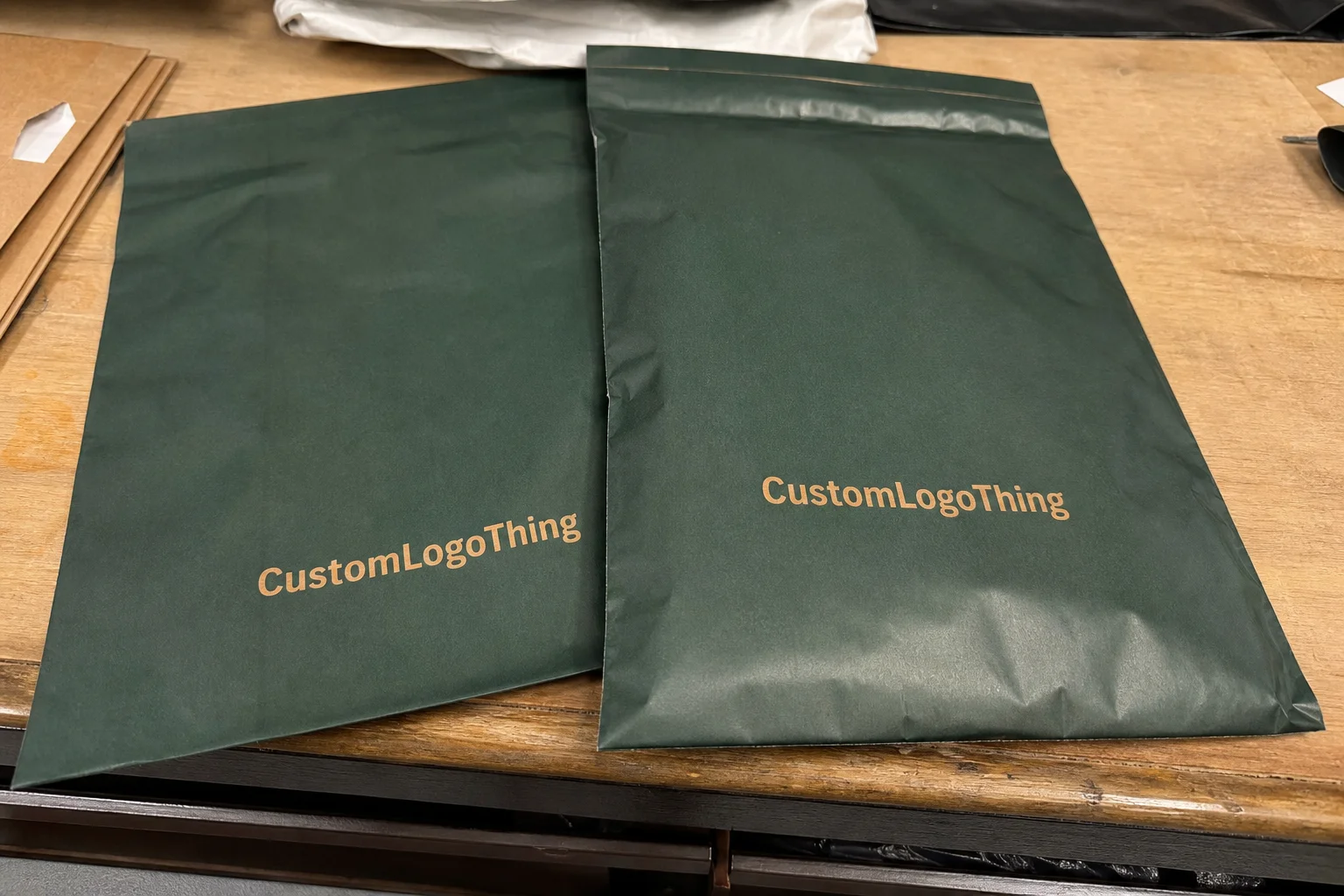
Sports clubs handle more sensitive handoffs than they usually admit. Gate takings, raffle cash, bar receipts, signed forms, medication, kit repairs, and small valuables all need to be transferred, stored, or checked later. A regular bag hides the issue. A tamper evident bag forces the question: was this opened or not?
That matters because the cost of confusion is rarely the bag itself. It is the time spent checking counts again, chasing staff, or trying to reconstruct a handoff after the fact. If a treasurer, volunteer, and manager all remember the transfer differently, the club has a process problem. The bag should reduce that problem, not add another layer of guessing.
For most clubs, tamper evidence is about accountability, not security theater. A visible closure strip, a readable serial number, and a consistent write-on area do more for control than a heavily branded pouch with no usable markings. That is why this kind of order needs a process-first approach. The best bag is the one people actually use correctly.
Practical rule: if the bag can be reopened and closed without obvious damage, it is not giving genuine tamper evidence. It is just packaging with a seal sticker.
There is a standards side to this as well. If the club needs better traceability or controlled handoffs, look for suppliers that can talk clearly about closure integrity, serialization, and packing consistency. For background on packaging and transport testing, ISTA is a useful reference. For broader material and packaging context, packaging.org is worth keeping nearby. No mystery there. Just better decisions.
Choosing the right bag style for cash, kit, and evidence
Most sports clubs end up choosing between four formats: adhesive closure bags, deposit-style security bags, evidence pouches, and tear-off receipt styles. They overlap on paper. In use, they solve different problems.
Adhesive closure bags
These are the simplest option. Fill the bag, remove the liner, press the flap down, and the seal should show clear damage if anyone tries to reopen it. They suit receipts, small valuables, lost property, and light cash handoffs where speed matters more than layered control.
The downside is obvious. If the closure zone is short or the adhesive quality is poor, the seal can become a weak point. A bag that seals on a clean desk may behave differently once it is handled by damp hands, gloves, or tired volunteers who are in a hurry. That is not a rare scenario. That is a Saturday.
Deposit-style security bags
These work better for structured cash handling. They usually have a stronger seal area, more print space, and room for serial numbers or barcodes. If one person prepares the bag, another checks it, and a third receives it later, this style makes the trail easier to follow.
Clubs with multiple venues or rotating staff tend to prefer this format because it keeps the process more consistent. It is easier to train on, easier to audit, and easier to spot when something has gone off-script.
Evidence pouches
Use these when chain-of-custody matters. That includes medical incidents, lost items that may need later verification, or sealed contents that could be checked by more than one person. Evidence pouches usually give you a clearer record area and a more obvious tamper sign once opened.
They are not overkill if the contents may need to be reviewed later. They are overkill if the club is just moving a few receipts from one desk to another. Match the format to the risk. That is the whole point.
Tear-off receipt styles
These are the old reliable option for a reason. One part stays with the bag, one part stays with the sender or handoff sheet, and the numbers should match. There is nothing glamorous about that. It still prevents half the arguments people waste time having later.
The most common mistake is picking a bag based on the product name instead of the actual use. A bag that is too small forces awkward folding, which can weaken the closure area. A bag that is too opaque makes quick visual checks harder. A bag that has no room for notes causes staff to write outside the label area, which looks messy and makes records harder to read.
If the club needs repeated handoffs between different people, the bag should make the process cleaner, not more complicated. That is the real test. If staff start improvising around the bag, the bag is the wrong spec.
Size, film thickness, and print specs that hold up in use
Size should be chosen around the contents, not around a catalog label. “Large” is not useful if folded notes, a receipt slip, and a small envelope barely fit once the seal area is taken into account. Ask for internal dimensions and check the opening width. A bag that looks fine on a screen can be awkward in a real hand.
Film thickness matters, but more thickness is not automatically better. For club use, many security bags sit somewhere in the 60-100 micron range depending on format and handling load. Thinner film can reduce cost, but it also creases, punctures, and looks tired faster. Thicker film adds strength, yet it also raises price and can feel unnecessarily heavy if the contents are only paper and cash.
Print specs are where a lot of buyers under-specify. A bag should usually support a club logo, a serial number or barcode zone, and a writable panel for date, initials, or handoff details. If there is no practical writing space, staff will squeeze notes into the margin or write on the wrong face. That creates ugly records and weak traceability.
The same applies to visibility. Some jobs need a more opaque film for privacy. Others need enough transparency to confirm the contents at a glance. There is no universal answer. The right choice depends on whether the priority is discretion, verification, or both.
| Bag type | Typical use | Common price range | Notes |
|---|---|---|---|
| Plain stock security bag | Basic cash, receipts, small items | $0.12-$0.22 per unit | Lowest setup cost, limited branding, usually lower MOQ |
| Printed adhesive closure bag | Club-branded handoffs, lost property | $0.18-$0.32 per unit | Good balance of cost and visibility; one or two print colors |
| Numbered deposit-style bag | Cash drops, controlled transfers | $0.24-$0.45 per unit | More traceability, more print detail, better for audits |
| Custom evidence pouch | Medical items, sealed incident handoff | $0.30-$0.60 per unit | Higher spec, stronger recordkeeping, often higher MOQ |
Those numbers move with order size, print coverage, closure style, and freight. A heavier bag is not automatically the better buy. If the club is paying for material it will never use, the specification is wrong. If the bag fails under normal handling, the specification is wrong in a different way. Either way, the buyer pays.
It also helps to ask for a sample before approving a larger run. You can learn a lot from how the adhesive behaves, how clearly the print lands, and whether the bag is actually writable with the pens staff already use. The sample is not a formality. It is the cheapest mistake detector you will get.
Cost, pricing, MOQ, and what changes your unit cost
Pricing for Tamper Evident Bags is straightforward once the variables are visible. Unit cost usually moves with size, film thickness, print colors, print sides, numbering, packing format, and volume. If a quote does not identify those variables, it is not really comparable. It is just a number with confidence issues.
MOQ tends to rise with complexity. Plain stock bags often have lower minimums because there is no custom tooling or print setup. A branded run with serial numbers, multiple colors, or a special closure usually requires a higher floor. Clubs that want to avoid small-batch reorders should think about standardizing one or two sizes across several uses. That cuts waste and makes replenishment simpler.
Watch the add-ons. Sample fees, plate or setup charges, packing fees, freight, and rush production can change the actual landed cost fast. A quote that looks cheap at the unit level can become expensive once shipping and setup are included. The only useful comparison is the full delivered cost.
There are a few easy comparison checks:
- Sample cost: often low, sometimes credited back on larger orders.
- Setup or plate cost: depends on print method and color count.
- Unit cost: improves as volume rises, sometimes sharply.
- Freight: can outweigh the bag price on smaller orders.
- Rush surcharge: avoid it unless the deadline is real.
Buying well is not the same as buying cheap. A club order should be judged on whether the bag reduces rework, supports repeat orders, and survives the abuse of regular handling. If the staff stop using the bag correctly because it is fiddly or hard to label, the low unit price does not matter much.
One more pricing detail that buyers sometimes miss: print coverage changes cost. A simple one-color logo is one thing. Full-front branding, back-panel instructions, and serialized zones are another. Ask for the price break between versions before proof approval. That conversation is much easier before production starts.
Production steps and lead time from artwork to delivery
A clean order follows a simple sequence: quote request, spec confirmation, artwork submission, proof approval, production, quality check, packing, and shipping. The sequence is basic. The delays are not. Most delays happen because one of those steps was treated as a casual checkbox instead of a real approval point.
Artwork causes more trouble than it should. Missing vector files, blurry logos, unclear placement, and last-minute text changes all cost time. If the club has a badge or crest, send the cleanest version available. If the design needs barcodes, serial numbers, or repeated numbering, confirm the format before the proof is signed off. That saves back-and-forth later.
Lead times depend on whether the order is a repeat run or a new custom job. Repeat orders are usually faster because the spec already exists. New custom runs take longer, especially if the print has multiple colors or the closure format needs to be built around a new layout. As a practical baseline, many repeat orders land around 10-15 business days after proof approval, while new custom runs often sit closer to 12-20 business days. Freight adds its own clock, and that clock does not care about a tournament date.
Three things should be confirmed in writing before production starts:
- A proof with dimensions marked clearly.
- The print colors, numbering format, and placement.
- The dispatch date plus the estimated transit window.
Quality control should not be vague either. A proper run should include checks on seal alignment, adhesive performance, print clarity, barcode legibility if used, and count accuracy in the carton. If the supplier cannot explain how those checks are done, that is a weak sign. The bags may still be fine. The process is not.
For clubs that expect repeat ordering, consistency matters as much as the first shipment. If the second batch is subtly different in size or print layout, staff notice. They may not say it politely, but they notice. That is why a useful Tamper Evident Bags for sports clubs order guide focuses on keeping the spec stable once it works.
Why direct manufacturing beats buying generic stock bags
Generic stock bags look inexpensive until they start getting in the way. They may be the wrong size, have the wrong closure type, or leave no room for the club name, serial number, or clear instructions. That is tolerable for one-off use. It gets annoying fast when the same bag is handled every week by different people.
Direct manufacturing gives the buyer control over the details that matter. The seal can be matched to the workflow. The print can be laid out around how staff actually write and scan. The size can be tied to the contents instead of a generic label. That consistency makes training easier and cuts down on reordering mistakes.
It also helps with repeat supply. A supplier that owns the spec should be able to reproduce it, flag any changes that will affect lead time, and keep the re-order path clean. That matters when the club needs the same bag again and does not want to re-explain the basics every time.
There is a cost argument too. A cheap stock bag that fails labeling needs, forces awkward folding, or causes handoff confusion is not cheap in real terms. The extra staff time is the hidden cost. Clubs usually discover that after the first reorder, which is a late moment to learn it.
Buying direct is also a better fit when the club cares about traceability. Numbering, barcode zones, and consistent panel placement all work better when the design is built for the process from the start. If the bag is a control tool, not just packaging, direct production usually makes more sense than a generic shelf option.
Next steps to place a club order without delays
If the club wants to move quickly, gather the real specs before asking for pricing. A vague “we need bags” message slows everything down because the supplier has to guess at size, use case, closure type, and print needs. Guessing is how orders come back wrong.
Have these details ready:
- Bag size and intended contents.
- Closure style and whether the seal must be one-time use.
- Print requirements, including logo, numbering, barcode zone, and writable text.
- Quantity, target delivery date, and shipping address.
- Whether a sample or spec sheet is needed first.
Keep one person responsible for approval. Several people can review internally, but one person should own the sign-off. Otherwise proof checking turns into a slow round of “I thought someone else handled it.” That is a familiar kind of waste.
Before production starts, confirm the dimensions, approve the proof, verify the pricing tiers, and lock the destination. If the bags will be used by different teams or branches, compare the sample in hand rather than relying on a screen. Screen approval is useful. It is not the same as handling the actual product.
For clubs ordering repeatedly, the cleanest approach is to standardize the spec, keep the artwork file controlled, and re-order only after checking whether the use case has changed. If the process has shifted, the bag spec may need to shift with it. If not, do not complicate it for no reason.
Bottom line: the best results come from ordering on the basis of size, seal performance, print clarity, and repeatability. Get those right and the bags do their job. Get them wrong and the club pays in staff time, confusion, and rework, which is usually more expensive than the bag itself.
What size tamper evident bags for sports clubs should we order?
Choose the bag around the actual contents, not the label on the product page. Cash envelopes, receipts, and small valuables need a tighter fit; kit items and mixed handoffs need more room. Ask for the internal dimensions and check the usable opening width before approving the order.
Do tamper evident bags for sports clubs need serial numbers?
Serial numbers help when the bag tracks cash, evidence, or controlled handoffs. They are not required for every job, but they improve accountability quickly. If more than one person handles the bag, numbering is usually worth the small extra cost.
What is the MOQ for custom tamper evident sports club bags?
MOQ depends on the bag size, print setup, and whether the bag is stock or fully custom. Simpler one-color jobs usually have lower thresholds than multi-color branded runs. Ask for tiered pricing so you can see where the unit cost drops.
How long does production take for a repeat order?
Repeat orders are faster because the proof, tooling, and specs are already approved. The main variables are factory load, shipping method, and whether any artwork changes are needed. If the deadline matters, confirm the dispatch date and transit time separately.
Can we check a sample before ordering tamper evident bags for our club?
Yes, and it is the best way to verify seal feel, size, print clarity, and writable space. Use the sample to test how staff will open, fill, seal, and store the bag during a match day. If the sample works, lock the spec before placing the full order.
For more ordering basics, use the FAQ page. If the club is planning larger volume or repeat replenishment, the Wholesale Programs page is the better next stop.


