If you need a woven Labels Wholesale Supplier for food, the real test is not whether the label looks attractive in a mockup. It is whether it still looks clean after cold storage, handling, humidity, stacking, and the ordinary wear that comes with retail circulation. Paper tags and low-grade prints can survive the sales sample stage and still fail in use. Once that happens, the packaging starts to look tired, and the brand pays for a problem that should have been prevented much earlier.
For food brands, woven labels do more than hold a logo. They help define product identity, reinforce quality cues, and make a pouch, bag, or hamper feel finished rather than improvised. That matters whether the product is tea, coffee, bakery gifts, reusable cloth sacks, or premium food packaging that needs to justify a higher price. A good supplier should help you choose a label that fits the application, not just sell a piece of thread-backed decoration.
Why food brands switch to woven labels when printed tags fail
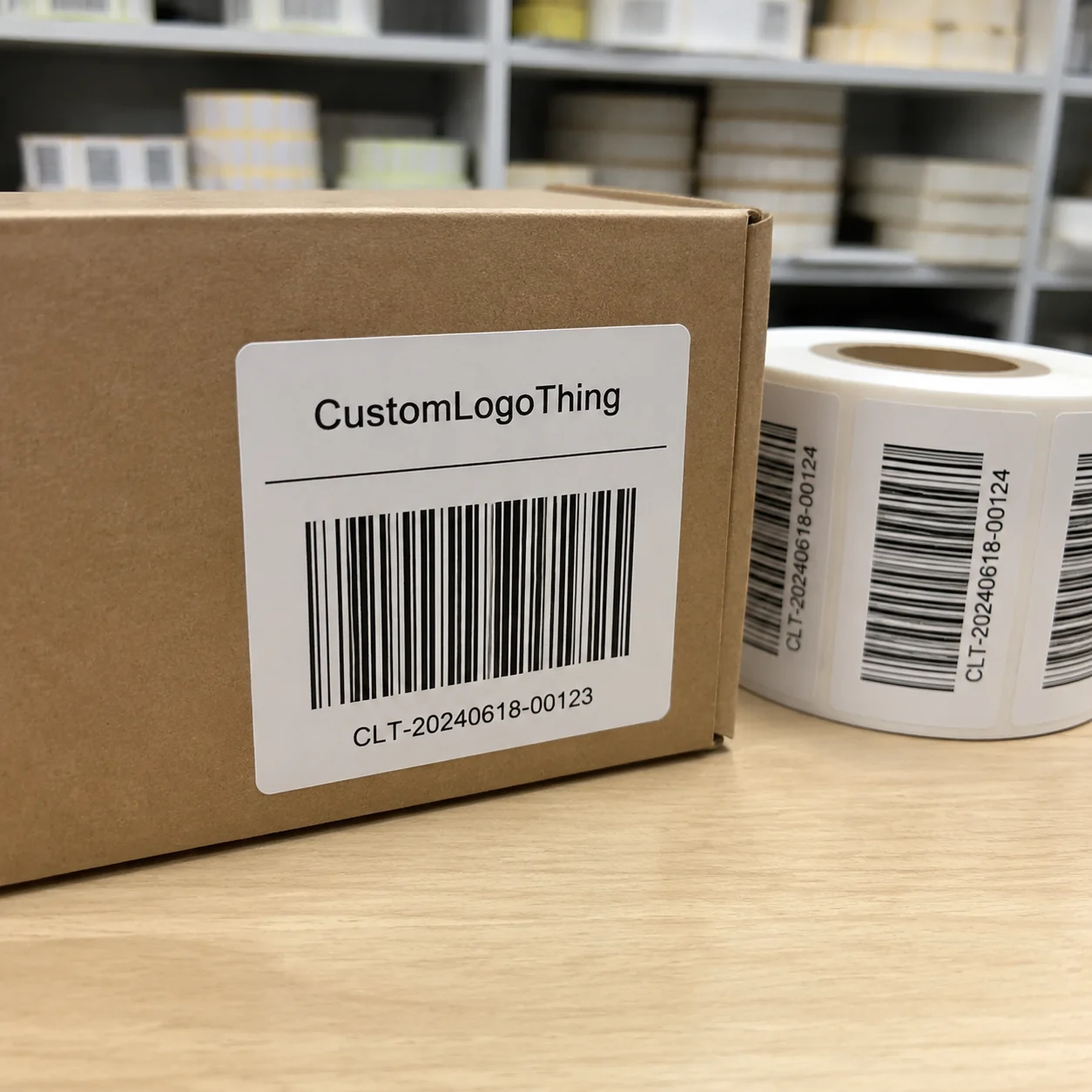
Printed tags are often the first choice because they are cheap and quick to produce. The problem is that the weaknesses show up fast. Ink rub-off, edge curling, moisture damage, and fading from repeated handling are common once the pack leaves the design desk and enters storage or retail. If the packaging stays in a dry display environment, printed tags may hold up well enough. If it sits near chillers, gets packed tightly, or is handled constantly, the failure becomes visible quickly.
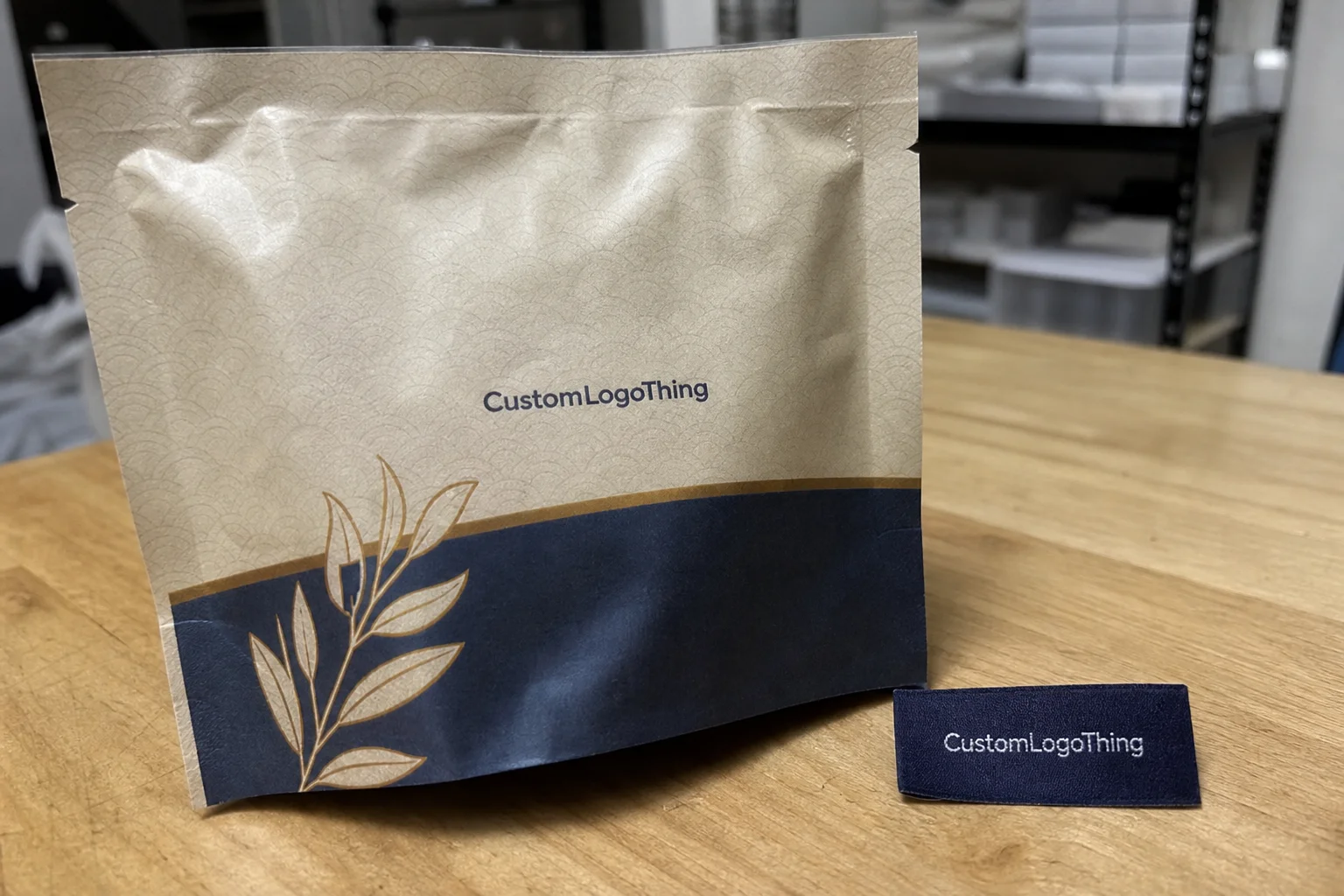
That is where a woven Labels Wholesale Supplier for food starts to make practical sense. Woven labels are better at holding detail over time, they feel more substantial in the hand, and they usually withstand use that would make paper-based branding look worn. They fit especially well on reusable cloth sacks, tea pouches, bakery gift bags, coffee sleeves, and premium hampers. The message stays readable instead of smearing into a weak, low-confidence finish.
From a packaging buyer’s point of view, this is not a decorative upgrade. It is a perception issue. A small label sits beside the product, but it quietly tells the customer whether the brand is careful or careless. Weak labels pull down the perceived value of the whole pack. Good labels do the opposite without needing to shout.
If a food pack is already asking for a premium price, the label should not look like the budget decision.
One common mistake is to focus on the bag material and treat the label as an afterthought. That is backwards. The label is one of the cheapest components in the pack, but it has an outsized effect on shelf presence and repeat perception. If you are comparing Custom Labels & Tags for food packaging, woven options often win where durability and repeat use matter most.
Woven label materials, folds, and finishes that actually work for food
Not every woven label suits food packaging, and the differences matter more than many buyers expect. The material, fold, and finish should match how the pack is stitched, stored, carried, and opened. The common options are straightforward, which is useful. Too many choices create confusion, and confusion is expensive.
Material options buyers usually compare
- Damask: Best for sharp detail, fine text, and a premium handfeel. It is often the strongest choice when the logo is small and clarity matters.
- Satin: Softer shine, smoother surface, and a dressier finish. It works well when the brand wants a polished retail look.
- Taffeta: A lower-cost option for bulk runs. It is adequate for simpler logos and larger artwork, but it does not hold fine detail as well as damask.
For food packaging, damask is usually the strongest all-round choice when the branding is small or detailed. Satin works well on premium gift packaging and reusable carriers. Taffeta is the budget answer when volume matters and the artwork is simple. If a supplier pushes one material for every use case, that is not expertise. It is just a narrow catalog.
Fold styles and where they fit
- End fold: Good for sewing into seams on bags and pouches.
- Center fold: Common for hanging, folding over edges, or sewn-on placement where both sides need to be visible.
- Loop fold: Useful when the label needs to wrap or create a visible loop on reusable packaging.
- Flat cut: Best when the label is stitched straight onto packaging or used as a trim element.
Folds are not just cosmetic. They affect how the label attaches, how much seam space is needed, and whether the branding sits flat or buckles. If the packaging uses sewn seams, an end fold often makes production easier. If the label needs to show on both sides, center fold is usually the better choice. Loop fold can work well on reusable food carriers, but it is not automatically the right answer just because it sounds neat.
Durability also needs attention. Food packaging gets handled, stacked, compressed, and shipped, and that means weak edges fray quickly. Poor colorfastness causes the logo to lose contrast. For reusable carriers or cloth sacks, ask about wash resistance and edge finishing. Heat-cut edges help reduce fray, while folded ends or stitched attachment methods improve stability depending on the pack format.
If shipping performance matters, packaging should be tested like packaging. That means checking abrasion, stack pressure, and moisture exposure instead of assuming a nice sample will behave forever. The ISTA test framework is useful when transit validation is part of the job, especially for reusable or retail-ready packaging that moves through a lot of handling.
Specifications buyers should lock before requesting a quote
If you want a sensible quote from a woven Labels Wholesale Supplier for food, do not send a message that simply says “need labels, please advise.” That usually produces slow replies and pricing that cannot be compared with anything else. The basic specifications should be fixed before anyone starts quoting.
- Size: width and height in millimeters or inches.
- Weave density: finer weave for detail, looser weave for simpler marks and lower cost.
- Number of colors: every added color affects pricing.
- Logo complexity: small text, thin lines, and gradients need careful handling.
- Fold type: end fold, center fold, loop fold, or flat cut.
- Cut method: heat cut, laser cut, or stitched finish depending on the style and application.
- Attachment style: sewn-in, stitched-on, or applied as a removable tag.
Food-use questions matter too. Is the label on a non-contact outer pack, or could it touch product-facing surfaces? Is it part of a retail bag, a sleeve, or a reusable carrier? Does the label need to be removable for secondary packaging? Those details shape material choice, compliance checks, and the final placement method.
Keep artwork clean when the label gets small. Fine lines and tiny lettering can look crisp on a screen and still turn muddy when woven. A logo that needs five thread colors and microscopic text usually becomes expensive and hard to read. Clear art is not only easier to make; it is easier to read on fabric.
Ask for a proof with actual thread colors and a scale mockup before production begins. If possible, Request a Woven strike-off or sample. You want to see how the logo behaves at real size, not trust a neat PDF and hope for the best. Hope is not a production method.
| Spec choice | Best use | Cost impact | Practical note |
|---|---|---|---|
| Damask, 4-color, end fold | Premium tea pouches, gift bags | Higher | Best detail and cleaner branding |
| Satin, 3-color, center fold | Retail sleeves, premium hampers | Medium | Softer shine, strong shelf appeal |
| Taffeta, 2-color, flat cut | Bulk reusable sacks, simple branding | Lower | Good for high volume and basic logos |
Pricing, MOQ, and unit cost for wholesale orders
Pricing depends on the usual variables: label size, stitch density, number of colors, finishing method, and order quantity. Larger labels use more material. Denser weaves take more production time. More colors add setup. Fancy finishing adds labor. Every one of those choices shows up somewhere in the quote.
For a typical wholesale order, smaller runs usually have a higher unit cost because setup is spread over fewer pieces. Larger orders bring the cost down once the weaving program is running. A label that costs $0.28 each at 500 pieces might fall to around $0.08 to $0.14 each at 10,000 pieces, depending on size, colors, and finish. Those figures are realistic working ranges, not guarantees.
Here is a practical way to compare quotes:
- Check whether artwork help is included.
- Ask whether sample proofing is free or billed separately.
- Confirm shipping, import handling, and tax treatment.
- Find out how many revisions are included before extra charges start.
- Ask whether the quote covers folding, cutting, and attachment prep.
MOQ ranges vary by supplier. Small test runs may start around 500 to 1,000 pieces, while standard wholesale tiers often sit around 3,000 to 5,000 pieces or more. Highly detailed woven labels can push the minimum higher because setup costs are heavier. That is normal. What matters is whether the supplier explains the reason clearly instead of dropping a number and hoping the buyer won’t ask why.
If you are comparing suppliers, compare the same specification across each quote. A price of $0.11 may sound better than $0.14 until you notice the cheaper quote excludes artwork support, sample proof, or packing method. Once those items are added back, the “cheap” option may not be cheap at all. If you buy through Wholesale Programs, use the same spec sheet for every quote so the math stays honest.
Repeat-order consistency also matters. If your food line includes multiple SKUs, you need the supplier to keep specs organized and available for reorders months later. A well-run supplier stores the details and reduces the friction of future orders. A weak one makes you rebuild the job every time as if it were a new project.
Process and lead time from artwork to delivery
The normal workflow is straightforward, although buyers sometimes turn it into a much bigger event than it needs to be: inquiry, spec confirmation, digital proof, sample or strike-off, approval, bulk production, finishing, shipment. That is the standard sequence. Most delays come from vague briefs or artwork that changes after the proof stage.
- Inquiry and spec collection: You share size, fold, quantity, material, and artwork.
- Proofing: The supplier sends a digital layout with colors and placement.
- Sample or strike-off: Optional, but worth it for premium food packaging.
- Approval: You sign off once sizing and color look right.
- Bulk production: Weaving, cutting, folding, and finishing happen here.
- Shipment: The order is packed and dispatched to your destination.
Typical lead time is often 12 to 15 business days from proof approval for standard wholesale runs, though larger or more complex orders can take longer. If you need a sample first, add a few days. If the artwork is unclear, add more. That is not a supplier being difficult. That is production behaving like production.
Rush orders are possible, but only when the brief is clean and the supplier has capacity. If the artwork is incomplete, the timeline is fantasy. Faster production usually costs more because it interrupts the queue and compresses QC. Pay for urgency if you need it, but do not assume it is free.
Before contacting a supplier, prepare the essentials:
- final logo files
- label size
- fold choice
- quantity
- thread color preferences
- delivery address
- application method
If sustainability is part of the brief, ask about material sourcing and certification support. The FSC standard matters more for paper components and packaging systems than for woven labels themselves, but many buyers need documentation across the full pack. If the supplier handles multiple packaging components, that conversation should happen early rather than after the order is already moving.
What to compare before choosing a wholesale supplier
The supplier test is not complicated. You are looking for consistency, communication, and repeat-order reliability. If a sample looks good but the bulk run drifts in color or stitch quality, that supplier is not dependable. If replies take days and every answer is vague, expect the same pace after payment. People rarely become more organized once the deposit clears.
For food-sector buyers, appearance is only one part of the job. You also need a supplier who understands how labels interact with bags, pouches, sleeves, and reusable carriers. If your brand runs several SKUs, ask whether they can keep versions separated cleanly and handle reorders without mixing files. That should be basic, yet it still causes problems surprisingly often.
- Sample-to-bulk consistency: Does production match the approved sample?
- Color matching: Can the supplier hold thread shades across repeat orders?
- Communication speed: Are replies clear and timely?
- Packaging-ready packing: Are the labels counted and bundled properly?
- Defect control: Is the rejection rate low enough to avoid waste?
Ask whether the supplier can support compliance conversations when labels touch food-adjacent packaging. They do not need to act like a legal team, but they should understand the difference between a decorative sewn-in label and a label placed on a food-facing surface. If they cannot explain that distinction, keep looking.
The better suppliers act like packaging partners instead of logo processors. They help choose the right material, point out weak artwork, and reduce waste before production starts. That sort of support saves money quietly, which is far better than a supplier who advertises the lowest price and then charges for every correction.
Next steps to order woven labels for your food packaging
Start with the spec sheet, not the moodboard. Decide on material, size, fold, colors, quantity, and how the label will attach to the pack. That one step removes most of the friction and gives the supplier something useful to quote against. If you want lower cost, ask for one quote built for efficiency and another built for premium presentation. The tradeoff becomes obvious quickly.
Review proof files at actual size rather than zoomed in on a bright monitor. Check the smallest text first. If it is unreadable at the intended size, simplify it before production starts. Then confirm the delivery timeline and decide whether sampling is needed before bulk. These are the moments where careful buyers save time and money.
If you need a practical starting point, shortlisting a woven Labels Wholesale Supplier for food comes down to three questions: can they meet your spec, can they keep quality stable, and can they price the order honestly across quantity levels? If the answer is yes, request the sample, confirm the timeline, and proceed with the supplier that gives you confidence rather than noise.
FAQs
What should I ask a woven labels wholesale supplier for food packaging?
Ask about material options, fold styles, stitch durability, MOQ, unit pricing, proofing steps, and lead time. Also confirm whether the supplier can match your packaging format and provide a sample before bulk production.
Are woven labels suitable for food contact packaging?
They are usually best used on non-direct-contact packaging such as bags, pouches, sleeves, and reusable carriers. If the label may touch product-facing surfaces, confirm placement and compliance requirements with the supplier first.
What is the usual MOQ for wholesale woven labels?
MOQ varies by supplier and label complexity, but smaller test runs usually cost more per piece. Bulk orders reduce unit cost significantly once setup and weaving production are spread across more pieces.
How long does production usually take for woven labels?
Typical workflow includes proofing, sample approval, bulk weaving, finishing, and shipping. Lead time depends on artwork readiness, revision count, quantity, and whether you need a rush order.
How can I reduce woven label cost without losing quality?
Use fewer thread colors, choose a standard size, simplify small text, and pick a finish that fits the application. Request quotes at two quantity levels to see where unit cost drops enough to justify a larger order.