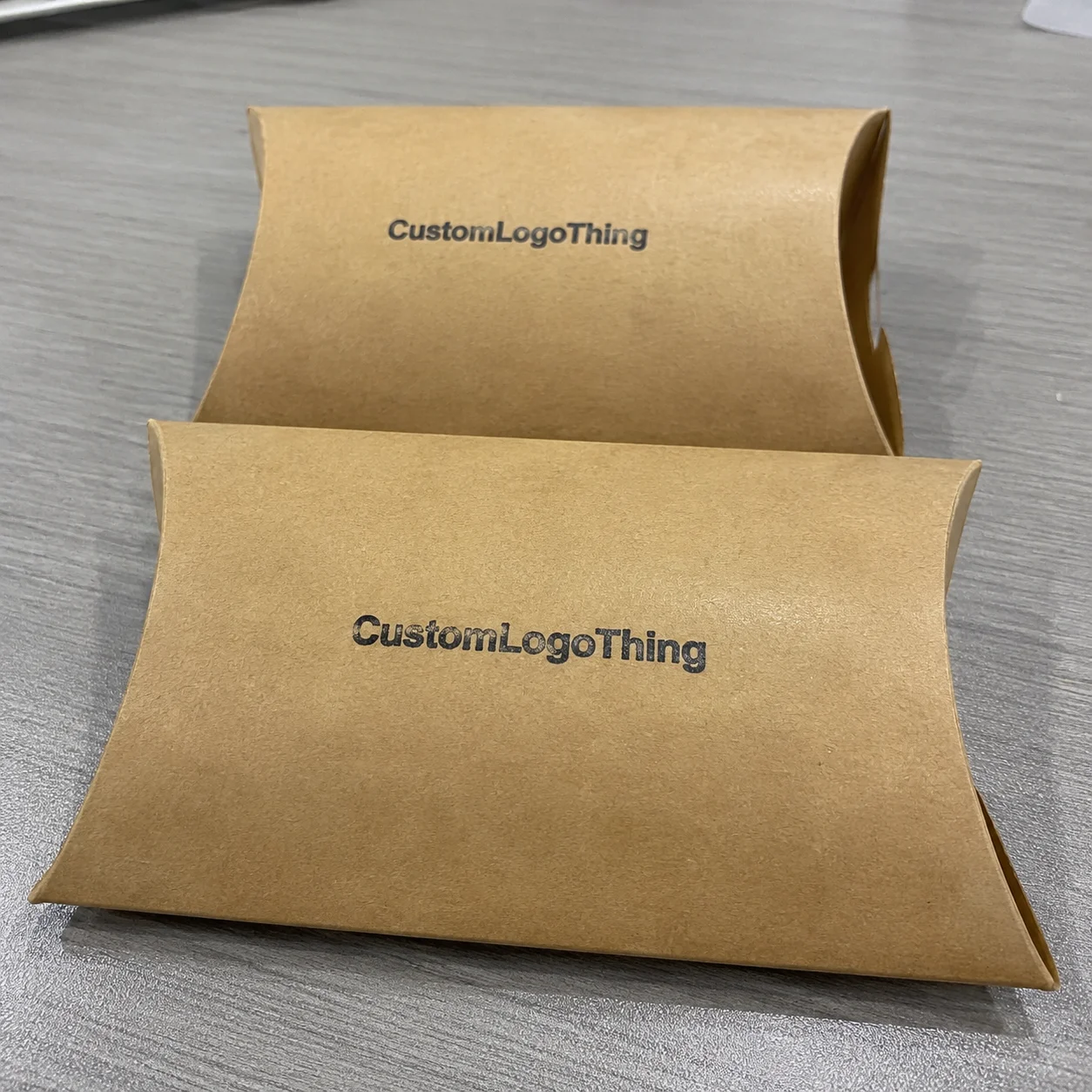
A cheap zipper bag gets expensive fast if powder jams the track, the side seal splits in transit, or the shelf display looks like it was printed in somebody’s garage. Buyers searching for zipper packaging bags bulk low moq usually need real production quantities without being bullied into pallet-sized orders they cannot use.
Low MOQ makes sense for product launches, flavor testing, seasonal promos, boutique retail, sample kits, subscription boxes, and brands that would rather not trap cash in dead inventory. Sensible. Boring. Profitable.
Custom Logo Things builds Custom Printed Resealable bags around usable quantities, not fantasy forecasts. That means the material, size, zipper style, print method, and packing format are matched to the product instead of guessed. We are not selling magic bags. We are selling correctly specified product packaging that protects the contents, looks retail-ready, and can be reordered without starting from zero every time.
Most Resealable Bag Problems Start Before Filling
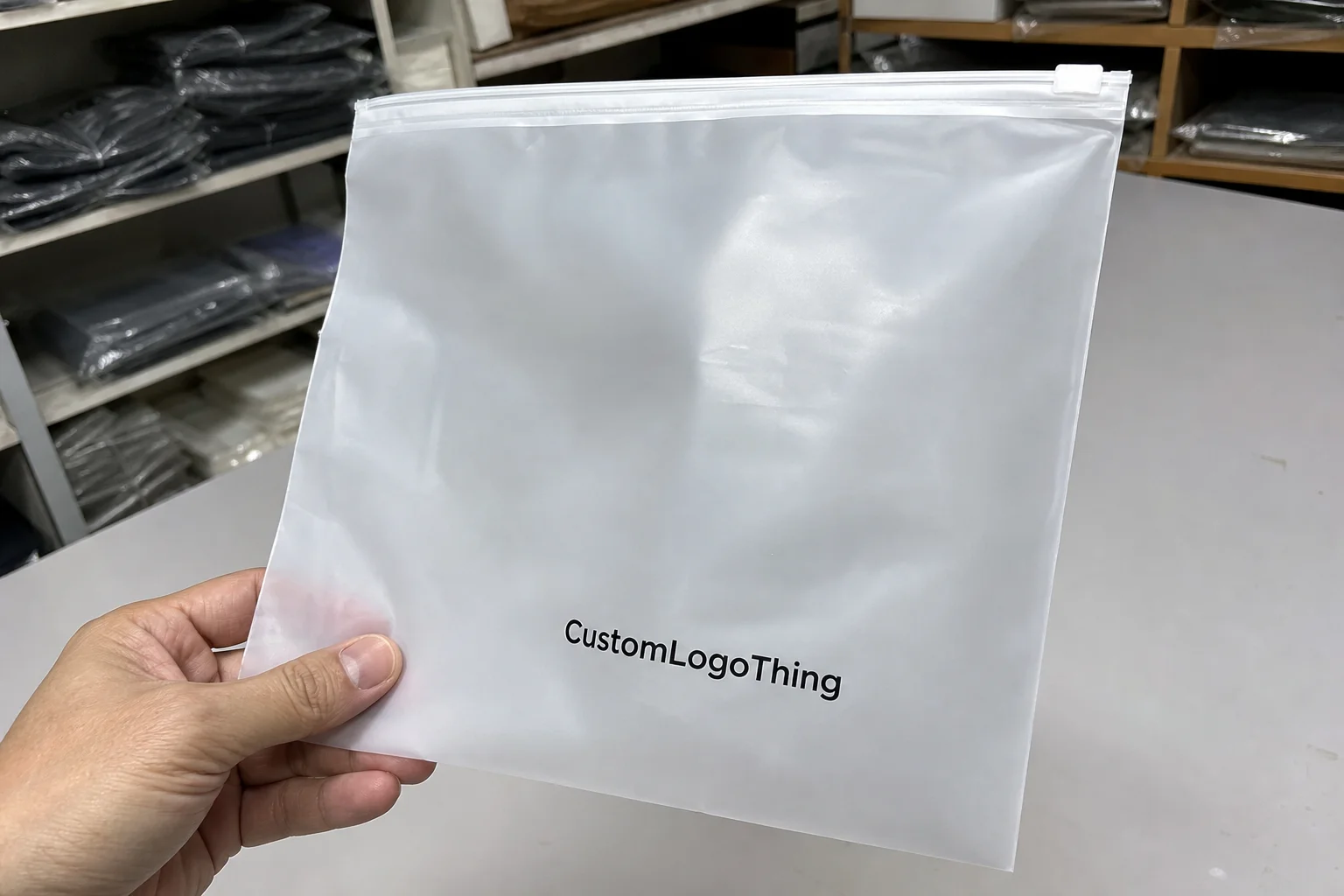
Most bag failures are born before the first unit is filled. Someone chooses a pouch because it looks clean on a mockup, then discovers the opening is too narrow for the scoop, the gusset collapses on the shelf, or the zipper sits directly in the path of dusty product. Great. Now the packaging is technically “custom,” but it fights the product every day.
From a packaging buyer’s point of view, the first decision is not color. It is use. Will the bag be filled by hand at 200 pieces a week, or machine-filled at 4,000 pieces per shift? Will it hold 30 grams of tea, 8 ounces of pet treats, 1 pound of coffee, or a refill pouch for dense powder? Those details change the film, the zipper, the seal width, and the carton count.
Low MOQ also changes the buying math. A smaller run may cost more per bag, but it protects cash while the product proves itself. For early retail packaging, that tradeoff is usually smarter than buying 25,000 bags and discovering the barcode changed after the first sales meeting. Yes, that happens. More than anyone wants to admit.
Practical rule: if the bag will be opened more than five times by the customer, treat the zipper as a functional part, not a decorative line near the top.
Good branded packaging starts with fit, protection, and repeatability. The logo matters. The zipper matters more.
Bag Styles That Work for Retail, Samples, and Refills
Not every resealable bag should be a stand-up pouch. Stand-up pouches are popular because they present well on shelves, carry a strong front panel, and usually support 100 grams to 1 kilogram depending on dimensions and gusset depth. They are a strong choice for snacks, coffee, tea, pet treats, supplements, and refill products that need shelf presence.
Flat zipper bags are better for inserts, apparel accessories, sample packs, small craft items, hardware kits, and lightweight cosmetics. They pack tighter in cartons, ship efficiently, and usually cost less than gusseted pouches. Three-side seal zipper bags offer a clean shape for powders, wipes, masks, and smaller retail packs where a bottom gusset is not needed.
Kraft-look plastic pouches give a paper-style appearance without pretending paper alone can block oxygen, moisture, or oil. Clear-front bags help shoppers see candy, dried fruit, craft pieces, or colorful hardware parts. Hang-hole retail bags work for peg displays, especially for small accessories, sample sizes, and specialty tools.
- Stand-up pouches: best for shelf display, refill packs, dry goods, and premium product packaging.
- Flat zipper bags: best for samples, inserts, light products, and efficient carton packing.
- Clear-window pouches: useful when color, texture, or product shape helps sell the item.
- Heavy-duty laminates: better for powders, sharp contents, dense goods, and longer storage.
- Hang-hole bags: useful for retail hooks, trade show kits, and small parts displays.
Zipper choices deserve plain language. Standard press-to-close zippers work for many dry goods. Wide-track zippers are better for repeated use and slightly rough handling. Child-resistant closures may be required for certain regulated products, depending on category and market. Tear notches help customers open the bag cleanly the first time instead of attacking it with scissors like it insulted them.
The common mistake is choosing by appearance only. A pretty pouch with a narrow mouth can slow filling, spill product, and make staff hate the bag by lunchtime. Measure the product, scoop, funnel, or machine opening before approving the dieline.
Material, Barrier, Size, and Print Specs Buyers Should Lock In
Material selection is where buyers either save money correctly or create problems cheaply. Common structures include PE, PET/PE, PET/VMPET/PE, matte laminated films, gloss laminated films, recyclable PE structures where suitable, and kraft-effect laminated plastic. Each one behaves differently in stiffness, barrier, print appearance, seal strength, and cost.
PE can work for simple packaging needs, especially where flexibility and heat sealing matter more than premium shelf impact. PET/PE adds better print appearance and stiffness. PET/VMPET/PE introduces a metallized barrier layer for improved oxygen, aroma, and light protection. Matte films look premium but may scuff more easily in cartons. Gloss films pop under retail lighting but can glare under photography. No free lunch. Packaging loves tradeoffs.
Barrier selection should follow the product. Powders and dry goods often need moisture protection. Coffee, tea, herbs, and aroma-sensitive products may need oxygen and aroma barrier. UV-sensitive products may need light protection. Sharp or dense contents need puncture resistance, usually through thicker film or a tougher laminate. For food packaging and transport testing, buyers can review resources from the International Safe Transit Association and relevant ASTM methods through qualified testing labs.
Size is not just width by height. Internal usable dimensions matter more than outside dimensions, especially after zipper placement, top seal, bottom gusset, and side seals are deducted. A 6 x 9 inch pouch may not provide a full 6 x 9 inch fill area. Gusset depth affects fill volume, shelf stance, carton count, and freight cost. A deeper gusset may stand better, but it can also reduce carton efficiency.
| Spec Area | Typical Options | Buyer Impact |
|---|---|---|
| Film Structure | PE, PET/PE, PET/VMPET/PE, recyclable PE where suitable | Controls barrier, stiffness, seal strength, and unit cost |
| Thickness | Usually 80-180 microns depending on use | Affects durability, shelf feel, and freight weight |
| Print Method | Digital, flexo, gravure | Changes MOQ, color control, setup cost, and reorder economics |
| Finish | Matte, gloss, soft-touch style, clear window | Changes shelf look, scuff risk, and package branding |
| Closure | Standard zipper, wide-track zipper, child-resistant closure | Affects user experience, compliance, and filling clearance |
Print method matters. Digital print is useful for low MOQ, multiple SKUs, and fast artwork variation. Plate-based flexo or gravure usually makes more sense for larger repeat orders because setup costs can be spread across more units. Spot colors help when brand accuracy is strict, although flexible film still has tolerance. It is not a coated paperboard box. If you need custom printed boxes and flexible bags to match exactly, plan for controlled expectations and proofing.
Before quoting, lock in the artwork dieline, zipper placement, tear notch, hang hole, rounded corners, clear window location, seal width, fill weight, and filling method. Hand filling and machine filling do not always want the same bag. Anyone pretending otherwise is selling hope in carton form.
Zipper Packaging Bags Bulk Low MOQ: Pricing That Makes Sense
Pricing for zipper packaging bags bulk low moq depends on bag size, film structure, thickness, print coverage, number of SKUs, finish, zipper type, tooling, artwork prep, packing method, and freight destination. That is the honest answer. A one-line price without specs is not a quote. It is bait wearing a spreadsheet hat.
As a practical range, simple digitally printed zipper bags may start in the low hundreds to low thousands per design, depending on size and material. Small flat sample bags can land in a very different range than a high-barrier stand-up pouch for coffee. For many custom resealable bag projects, buyers should expect rough unit pricing to vary from around $0.18-$0.45 for larger simple runs, $0.35-$0.90 for smaller custom digital runs, and higher for specialty films, child-resistant zippers, heavy print coverage, or unusually large formats. These are planning ranges, not final pricing. Freight can wreck a lazy estimate.
Plate-based printing usually makes more sense at several thousand units and above. The per-bag cost often drops as quantity rises, but storage risk rises too. Larger runs lower unit cost, yet they also increase the chance of being stuck with outdated packaging after a formula change, new compliance text, new UPC, new net weight, or a retailer-requested layout change. Fun little surprises. Expensive ones.
Bulk ordering can still stay sane. Use one structure across several flavors. Keep the same size, zipper, finish, and material when possible. Group artwork versions by shared film and dimensions. Use digital print for SKU variety during testing, then move proven bestsellers to larger runs after sales data shows which designs deserve inventory space.
Send real details for a quote: bag width, height, gusset, quantity, material preference, number of designs, print colors or artwork file, product type, fill weight, desired finish, destination country, and required delivery date. If you are comparing suppliers, match the same specs line by line. A cheaper quote based on thinner film, vague freight terms, or missing proofing is not a discount. It is a future argument.
For related packaging formats, review Custom Packaging Products to compare flexible bags with cartons, labels, mailers, and other retail packaging pieces that may need to work together.
Process and Timeline From Quote to Delivered Bags
A normal custom bag order follows a clear path: spec review, material recommendation, quote, dieline, artwork check, proof approval, sampling if needed, production, quality inspection, packing, and shipping. Skip steps and you save three days now, then lose three weeks later. Packaging has a mean sense of humor.
Simple digital printed low-MOQ orders can often move faster, especially when artwork is ready and the structure is standard. A realistic working range may be 10-20 business days after proof approval for certain digital runs, plus shipping. Custom laminates, special zippers, printed samples, plate-based printing, or higher quantities can push production into the 20-40 business day range or longer. Shipping method adds its own clock.
What slows projects down? Missing artwork. Unclear bag size. Late barcode changes. Nutrition panels that still need approval. Finish decisions made by committee. Regulatory copy changes after proofing. Destination shipping details provided after production. Waiting until launch week to buy packaging is brave. Not smart, but brave.
Proofing should match the risk. A digital PDF proof checks layout, panel position, window placement, barcode location, and copy. A printed sample helps check color direction and visual finish. A pre-production sample makes sense for higher-risk orders, special closures, food-contact concerns, or products with unusual density, oil, odor, or powder behavior. Exact color matching on flexible film needs realistic tolerance because ink, film, lamination, and finish all affect final appearance.
- Confirm product type, fill weight, and storage conditions.
- Select bag style, material structure, zipper, and finish.
- Approve dieline and place artwork on the correct panels.
- Review proof carefully, including barcode, warning text, and net weight.
- Approve production only after size and functional details are settled.
- Plan freight based on launch date, not wishful thinking.
Freight deserves attention early. Air shipping can rescue a launch, but it costs more, especially for bulky stand-up pouches packed in master cartons. Sea freight lowers landed Cost for Bulk Orders, yet it requires planning. Split shipments can work well: send a smaller quantity by air for the launch window and the balance by sea to avoid torching the whole budget.
If you plan recurring orders, ask about Wholesale Programs so repeat specs, artwork versions, and reorder quantities can be managed with less back-and-forth.
Quality Checks That Separate Good Bags From Expensive Trash
Zipper bags need more than a quick visual check. The zipper must align, open smoothly, close securely, and survive repeated handling after filling. If the zipper track waves, catches, or separates after a few uses, the customer will blame the brand, not the converter.
Inspection should cover film thickness, print registration, color consistency, lamination bond, zipper strength, seal integrity, tear notch position, odor, surface scratches, carton labeling, and finished size tolerance. For many flexible packaging runs, a reasonable size tolerance may sit around +/-2 mm to +/-3 mm depending on structure and process, but the agreed tolerance should be confirmed before production. Guessing later is not quality control.
Product-fit testing is simple and brutally useful. Fill the bag. Seal it. Shake it. Drop it from counter height. Stand it on a shelf for 24 hours. Open and close it 10 times. Check whether product dust, sugar, powder, herbs, or granules contaminate the zipper. If the product blocks closure after two uses, the zipper style or headspace may need adjustment.
Food and cosmetic packaging needs extra caution. Buyers should confirm material suitability, migration requirements, labeling compliance, and whether the product needs high barrier, freezer tolerance, oil resistance, or odor control. The EPA recycling resources are useful for understanding broader packaging waste and recycling claims, though actual recyclability depends on material structure and local collection systems.
Custom packaging experience matters because small spec mistakes become large production problems. A weak side seal, misplaced tear notch, or over-tight fill volume does not care how nice the logo looked on the mockup. The bag will fail with complete confidence.
| Quality Check | What to Look For | Why It Matters |
|---|---|---|
| Zipper Function | Smooth opening, secure closure, aligned tracks | Protects repeat use and customer satisfaction |
| Seal Integrity | No splitting, burn-through, wrinkles, or weak corners | Reduces transit damage and product loss |
| Print Registration | Text, windows, logos, and barcodes in correct position | Protects retail presentation and scan reliability |
| Lamination Bond | No peeling, bubbling, or layer separation | Supports barrier performance and shelf life |
| Finished Size | Width, height, gusset, and usable fill space within tolerance | Prevents filling problems and carton count surprises |
Next Steps Before You Request a Custom Bag Quote
Before asking for pricing, do the unglamorous work. Choose the bag style. Confirm the fill weight. Measure the actual product volume, not just the target net weight. Decide whether the bag must stand by itself. List the number of designs. Collect artwork files, preferably vector files for logos and editable layout files when available.
If you are testing multiple SKUs, start with one proven structure instead of reinventing the bag for every flavor, scent, or product variant. Variety is great. Chaos is not a purchasing strategy. Keeping the same size, material, zipper, and finish across five designs can make zipper packaging bags bulk low moq orders easier to quote and easier to reorder.
Send product photos, current packaging, competitor examples, and known pain points. Tell us if the old bag had zipper clogging, weak seals, poor shelf stance, label peeling, scuffed film, or cartons that crushed too easily. That information saves time. It also prevents the classic mistake of copying a bad package with better artwork.
Compare quotes fairly. Match size, thickness, material, zipper type, print method, quantity, packing, freight terms, and proofing. If one quote includes high-barrier laminated film and another says “plastic pouch,” those are not competing offers. They are different products pretending to be comparable.
Need help sorting specs before pricing? The FAQ covers common custom packaging questions, and our team can help narrow the bag structure before you commit to artwork or quantity.
For zipper packaging bags bulk low moq, the smartest next move is to send the real specs, target quantity, number of designs, product type, and delivery deadline so the quote reflects the bag you actually need.
FAQ
What is a realistic low MOQ for custom zipper packaging bags in bulk?
Low MOQ depends on size, material, print method, and number of designs. Digital print can often support smaller runs than plate-based printing, sometimes in the low hundreds to low thousands per design. Very small orders usually cost more per bag, so the right MOQ balances testing risk against unit cost. Send the bag size, artwork count, and target quantity to get a real MOQ range instead of a cute but useless guess.
Are zipper packaging bags bulk low MOQ orders more expensive per unit?
Yes, usually. Setup, proofing, material handling, and machine time are spread across fewer bags. The benefit is lower cash risk, less storage pressure, and the ability to test packaging design before committing to a larger run. Once a design sells steadily, moving to a higher quantity can reduce the unit cost.
Can I order multiple designs under one low-MOQ zipper bag order?
Often, yes, especially with digital printing and shared bag specs. Keeping the same size, material, zipper, and finish makes multi-design orders easier and more cost-effective. Changing bag size or film structure for every design usually increases cost and complexity, which is exactly how a simple order becomes a paperwork swamp.
What details do you need to quote custom resealable zipper bags?
Provide bag style, width, height, gusset size, quantity, product type, fill weight, artwork files, print finish, number of SKUs, and delivery location. If you do not know the exact material, describe the product and storage conditions so the right film can be recommended. Photos of current packaging or reference bags help prevent sizing and structure mistakes.
How long does production take for bulk low-MOQ zipper packaging bags?
Timeline depends on proof approval, material availability, print method, sampling needs, quantity, and shipping method. Simple digital printed orders usually move faster than custom laminated or plate-based print runs. Delays usually come from late artwork changes, unclear specs, or waiting until launch week to think about packaging. Brave, but not smart.