Zipper Pouches for Apparel Material and Sizing Guide
A pouch can look right in a mockup and still fail on the packing bench. Folded apparel changes shape, traps air, and rebounds after handling, so the real decision is not whether the bag is clear or branded. It is whether the material, closure, and size support the garment that goes inside.
In practice, Zipper Pouches for Apparel are resealable plastic pouches used for folded tees, socks, hoodies, uniforms, and ecommerce inserts. Buyers choose them for cleaner presentation, easier reopening, and better dust resistance than a basic poly bag. The first sample usually shows whether the pack is too tight, too loose, or simply wrong for the fold method.
Zipper pouches for apparel material and sizing guide: what the first sample reveals
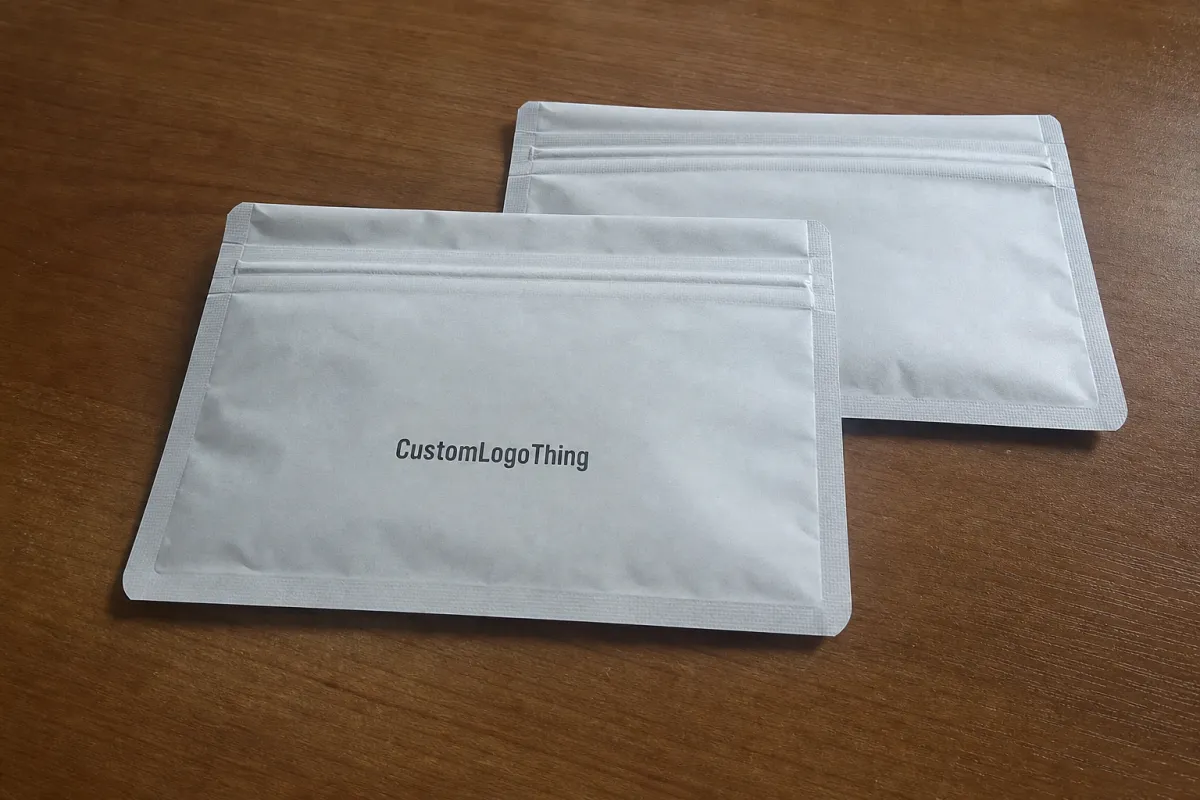
The first sample is about function, not polish. Fabric memory, seam bulk, and fold variation all affect how the pouch closes and how the finished pack looks on the shelf or in a carton. A tee, hoodie, or sock set may look similar on a spec sheet and behave very differently once it is folded and inserted.
That is why sizing should start with the garment, not the artwork. Measure the folded length, folded width, and compressed thickness, then allow room for the zipper track, side seals, and fabric rebound. If the pouch is too small, the closure strains and the top edge looks stressed. If it is too large, the garment shifts and the package loses shape.
- Presentation: clear panels keep the product visible and organized.
- Protection: the zipper helps reduce dust and handling exposure.
- Operations: packs are easier to sort, stack, label, and scan.
- Brand control: consistent dimensions support repeatable graphics and SKU accuracy.
The most useful starting point is simple: confirm the fold method, measure the actual packed garment, and decide how much compression is acceptable. That prevents the common mistake of choosing a pouch size from flat measurements that do not match production reality.
How the zipper, seal, and gusset change performance
The zipper style affects packing speed, closure reliability, and how easily the pouch can be reopened during inspection or returns. A standard press-to-close zipper is common because it is fast and familiar. A double-track closure can feel more secure, but it often requires a firmer pinch and more attention on the line.
Seal style changes both stacking and display. A flat pouch packs efficiently and works well for cartons, mailers, and shelf sorting. A gusseted pouch handles bulkier garments, but it changes the way the pack sits and can make the front look puffier if the depth is overspecified. The right choice depends on whether the pouch is moving through a warehouse, a retail fixture, or both.
Finish matters too. Gloss-clear film gives the highest visibility and is usually the easiest way to show the garment. Matte film reduces glare and can look more refined, but it softens transparency. Soft-touch finishes feel premium in hand, though they reduce visibility and can make printed text harder to read. For most apparel programs, clear or semi-clear structures remain the most practical.
Small features solve specific problems:
- Vent holes: useful for fleece, knitwear, and items that trap air after sealing.
- Tear notches: helpful for retail opening if they do not weaken storage performance.
- Hang holes: useful when packs need to display on hooks or peg systems.
If the pouch sits inside a shipper, the zipper mainly needs to support clean pack-out and resealing. If the pouch is part of the retail presentation, closure feel, clarity, and finish deserve more scrutiny.
Choosing film thickness, finish, and pouch dimensions
Film choice sets the tone for the order. Flexible PE is the most forgiving and cost-effective option for many folded garments. PET/PE blends improve clarity and print quality. Laminated structures feel stiffer and more premium, which can help for branded sets or retail packs that need a cleaner front face.
Thickness is usually discussed in microns or mils. Lightweight tees often work around 50 to 60 microns. Hoodies, fleece, and thick knitwear may need 70 to 100 microns so the film does not feel overstretched after sealing. Too light and the pouch wrinkles or stretches; too heavy and pack-out slows down.
- Folded length: leave enough room so the top edge does not crowd the zipper.
- Folded width: allow side clearance for seams and easier insertion.
- Thickness: build around fabric loft, not just the garment's uncompressed size.
Category differences matter more than many buyers expect. A tee can fit a narrower pouch with modest headroom. A hoodie usually needs more width because of the hood, cuffs, and brushed interior. Sock packs are deceptively tricky because they trap air when banded or paired. Multi-piece bundles need more depth than a single garment of the same general size.
For packaging programs with a sustainability story, separate the inner pouch from the outer shipper. Recycled corrugated cartons, kraft mailers, and FSC certified paperboard can improve the broader system without forcing the pouch to do work it was not designed for. The FSC standard is useful when sourcing paper-based outer packaging with documented chain of custody.
A practical spec formula is simple: folded length plus clearance, folded width plus seam allowance, and thickness based on fabric loft. That keeps the order grounded in real packing conditions instead of visual guesswork.
Production steps, proofs, and lead time planning
Most delays start before production. A clean order path usually looks like this: gather specs, confirm artwork, approve the sample, lock the dieline, run production, and plan freight. The sample stage is where the biggest issues tend to appear, especially when apparel behaves differently from the original assumption.
A proof can make the pack look fine on paper and still fail with a real folded hoodie or a thicker garment set. The sample shows whether the zipper closes with normal hand pressure, whether the film can handle the fold edge, and whether the finished pack still looks tidy after a few minutes on the bench.
The sample stage is the cheapest place to discover that the fold, the film, or the zipper track is wrong.
Lead time depends on how many variables are involved. A simple clear pouch with minimal artwork may be ready in about 10 to 12 business days after proof approval. Custom print, multiple SKUs, specialty finishes, or a new size can extend production into the 15 to 25 business day range before freight.
Spec discipline helps more than most teams expect. If dimensions are still changing after artwork is close, the project can slip into another proof cycle. A size change may force a new dieline, a new proof, and another sample. Freezing the size early saves time and cost.
For teams that want a basic packaging test standard, ISTA-style handling checks are useful because they push the conversation toward real transit conditions rather than appearance alone. A pouch that passes artwork approval but fails handling still needs work.
Pricing, MOQ, and unit-cost tradeoffs
Pricing usually comes down to five variables: bag size, film structure, zipper style, print method, and the number of colors or printed panels. Add a hang hole, vent hole, or specialty finish and the quote changes again. The main mistake is chasing the lowest unit price without thinking about how the pouch behaves in production.
| Option | Typical Use | Indicative Unit Price at 5,000 pcs | What It Gives You |
|---|---|---|---|
| Clear PE, single zipper | Tees, socks, basic inserts | $0.06-$0.12 | Lowest cost, flexible feel, easy pack-out |
| PET/PE blend with print | Branded apparel, retail kits | $0.10-$0.18 | Better clarity and stronger print impact |
| Laminated premium build | Gift sets, premium launches | $0.14-$0.28 | Stiffer presentation and a more finished shelf feel |
Those numbers are directional, not fixed. Size, artwork coverage, and resin availability can move them quickly. Even so, the pattern matters: a slightly higher spec can save money if it reduces rework, shortens pack-out time, or prevents a second sampling round.
MOQ often depends on print method and how custom the pouch is. Many suppliers sit around 3,000 to 5,000 pieces for custom-printed orders, while lower-volume digital programs may start around 500 to 1,000 pieces if the size is stock or the artwork is simple. Gravure tends to suit larger runs; digital is often better for seasonal tests or multiple SKU versions.
Hidden costs can erase a cheap quote. Freight may outweigh a small unit-price advantage. Storage matters if the order lands too early. Rework gets expensive if the pouch is the wrong size and garments must be repacked. In many cases, the better pouch saves money by preventing waste rather than by costing less on paper.
Common sizing mistakes that create returns or damage
The most common sizing error is measuring only the flat garment. That ignores seam allowance, fabric loft, and how much apparel rebounds after folding. A tee that looks fine in a controlled sample can still fail after a humid shift or a slightly looser fold.
Another mistake is assuming one pouch size can handle every SKU. That may work for a narrow line, but it breaks down once tees, fleece, sweaters, and bundles are included. A size that works for cotton shirts may be too tight for hoodies and too loose for socks. Extra air also creates a cheaper-looking package and more movement in transit.
- Under-sizing: zipper strain, damaged seams, slower insertion, and crushed edges.
- Over-sizing: loose presentation, wasted film, and more shifting in transit.
- Overstuffing: weak closure feel, distorted graphics, and a lumpy retail look.
Overstuffing affects both operations and appearance. The zipper may still close, but edge pressure can make resealing inconsistent and increase the number of units set aside for inspection. A forced closure never feels premium, even when the print is strong.
The business impact is direct: returns rise when the customer receives a pack that looks damaged or is hard to open, packing speed drops when staff fight the closure, and waste rises when a whole batch has to be reworked. The pouch is small, but the error is not.
Expert tests for fit, durability, and shelf appeal
The most useful test is simple: pack the actual garment, in the actual fold, with the actual team member who will use the pouch. Placeholder samples can be misleading because fabric weight and fold memory change everything. If the garment barely fits in a controlled test, it will probably be a problem on a live line.
After that, a few quick checks tell you a lot. Reclose the zipper several times and see whether the track stays aligned. Press the corners to look for weak points. Drop the sealed pouch from about 30 to 36 inches onto a flat surface and inspect whether the seal holds and whether the product still looks presentable.
Testing should mirror the working environment. If packers wear gloves, test with gloves. If they work on a narrow table, test on a narrow table. If the pack has to move through a tight workflow, the sample should be handled the same way. The best pouch is the one that still works when the pace gets real.
Clear fronts make sense when the product is the hero. The customer wants to see color, texture, or fold quality. The back panel can hold care instructions, brand language, SKU data, or compliance text. If the pouch is part of a larger shipping system, the outer carton or mailer may be the better place for recycled materials or FSC certified paperboard, while the inner pouch stays focused on fit and visibility.
If the pouch will travel inside corrugated cartons or kraft mailers, shelf appeal and transit survival need to be balanced. A bag that looks elegant but collapses in bulk shipping is not finished work. The goal is a pack that still looks tidy after handling.
Next steps: spec sheet, samples, and launch checklist
The fastest next step is to turn the decision into a spec sheet. Measure the folded garment, choose the material, define the zipper style, confirm MOQ, and request a sample. That sequence makes quotes easier to compare and keeps the project from drifting while dimensions are still uncertain.
- Measure the garment after folding, not before.
- Choose PE, PET/PE, or a laminated build based on weight and presentation needs.
- Confirm zipper style, vent holes, tear notches, and hang holes if needed.
- Verify MOQ, unit price tiers, and freight timing before approval.
- Document the approved size so reorders stay consistent across seasons.
Then compare the sample on four points: fit, reseal feel, shelf presentation, and shipping durability. If one of those fails, adjust the spec before production. That is cheaper than correcting a whole run and avoids packaging compromises that usually surface only after inventory has shipped.
There is no single best pouch for every apparel program. A low-cost clear bag may be ideal for socks. A premium laminated pouch may be justified for a branded hoodie set. Recycled content may belong in the outer system, but not necessarily in the inner pouch if clarity or closure performance would suffer. The best choice is the one that fits the garment, the line, and the promise the package is supposed to make.
What material works best for zipper pouches for apparel?
Flexible PE works well for most folded apparel because it bends easily, seals cleanly, and does not feel brittle in handling. PET/PE blends or laminated structures make more sense when you want higher clarity, stronger print impact, or a more premium shelf feel. Match the thickness to garment weight so the pouch stays easy to pack.
How do I size zipper pouches for apparel like tees and hoodies?
Measure the garment after folding, not before. Then add room for the zipper track, seams, and fabric rebound. A tee and a hoodie often need very different pouch widths even if the flat garment measurements look close. Test one sample with the exact fold method your team will use on the line.
What MOQ should I expect for custom zipper pouches for apparel?
MOQ usually depends on print method, material structure, and whether the pouch size is custom. Many custom-printed orders start around 3,000 to 5,000 pieces, while lower-volume digital runs may begin closer to 500 to 1,000 pieces if the size is standard. Ask for tiered pricing so you can compare small-run and larger-run economics.
How long is the lead time for zipper pouches for apparel orders?
Sampling often takes the first part of the schedule because fit and artwork approval prevent costly rework later. Simple orders can move in about 10 to 12 business days after approval, while custom print, multiple SKUs, or special finishes can push production closer to 15 to 25 business days before freight. Build extra time into launch plans if the size is new.
Do zipper pouches for apparel need vent holes or tear notches?
Vent holes help release trapped air when bulky fabrics puff the pouch after sealing. Tear notches make opening easier for end users, but they should be tested against storage needs and shipping durability. Not every apparel pack needs both features, so the sample should prove whether they add value.


