Buy Zipper Pouches for Apparel Reorder Planning Guide
If you are trying to keep apparel restocks moving without constant repacking, the real savings usually show up in the pouch spec, not the garment. A folded tee, sleep set, or accessory bundle can sit neatly in one run and become awkward in the next if the pouch dimensions, zipper line, or film thickness were never tied to the actual fold. That is why a Zipper Pouches for Apparel reorder planning guide should begin with pack-out reality, not artwork or a catalog size that looks close enough.
For Custom Logo Things, the goal is straightforward: help buyers choose a repeatable pouch build that protects folded garments, supports retail presentation, and remains easy to reorder when inventory turns faster than expected. The practical question is not whether the pouch is clear or printed. It is whether warehouse staff can pack the same style the same way, season after season, without slowing down the line or improvising at the table.
Why Apparel Reorders Get Delayed
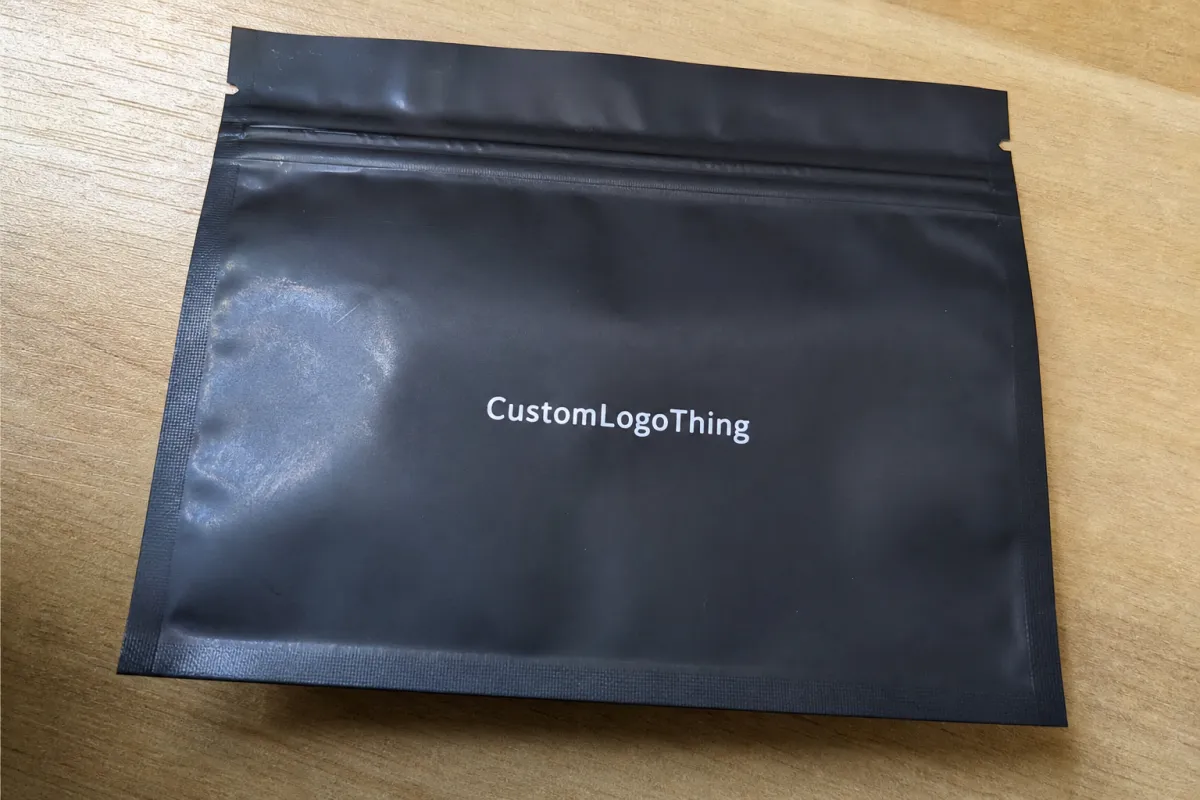
Most reorder problems start with fit, not with graphics. A shirt may still be the same shirt, but if the fold gains a little bulk, if a hangtag is added, or if the style shifts from single-piece packing to a bundled set, the old pouch can suddenly feel too tight. The zipper may close, but it does so under strain, and that is usually the first sign that the spec was built around the wrong assumption.
Teams packing tees, sleepwear, lounge sets, socks, and accessory kits often do better with one packaging format that can be repeated across seasons and colorways. A clear zipper pouch gives a clean retail-ready look, keeps fabric free from dust and scuffing, and makes repacking more predictable for warehouse staff. If the fold is standardized and the pouch closes the same way every time, a surprising amount of friction disappears from the floor.
Delay also creeps in through multi-SKU restocks. If several styles return at once, each with slightly different graphics, fold height, or insert requirements, the team starts relabeling, resealing, or searching for substitute bags. That costs more than time. It also creates inconsistency across the shelf, the carton, and the customer unboxing experience.
A reorder moves quickly only when the spec is already settled. The size, zipper line, and insert position should be written down clearly before the next production run begins.
That is the practical value of a Zipper Pouches for Apparel reorder planning guide mindset: one known build, fewer surprises, and a packaging format that can survive multiple buying cycles without being relearned each time.
A common buyer mistake is to assume the original sample was enough. It is not enough if the sample was packed by hand under ideal conditions and the next run is going through a faster line, a different operator, or a different carton configuration. Real reorder planning is less about choosing a pouch once and more about confirming that the same pouch still works when the product moves through the actual process.
Film, Closure, and Finish Details That Matter
Film is usually the first decision because it affects feel, appearance, and handling. Clear LDPE remains common for apparel since it gives visibility, decent flexibility, and a straightforward packing experience. LLDPE may be chosen when buyers want a softer, more flexible film, while a slightly thicker build can give the pouch more body and a more substantial feel in hand. None of those choices is decorative. Each one changes how the pouch stacks, how it seals, and how it behaves once cartons are moving through distribution.
The zipper track deserves as much attention as the film. It should close evenly across the full width and stay aligned after transit. If the track catches at one end, needs too much pressure, or opens unevenly, the packing team loses time and the customer notices later if the pouch is intended to be reopened for inspection, storage, or returns. A zipper that feels fine in a sample can still be a problem in production if the tolerance is loose or the film thickness is not matched to the closure.
Clarity matters too. Clear film helps merchandising teams scan barcodes, verify colorways, and confirm folded style without opening the pack. For basic apparel, that direct visibility can be more useful than a heavy printed surface. A clean pouch is easier to count, easier to sort, and less likely to be treated like throwaway packing by the people handling it downstream.
Some programs benefit from extra details, but each one should earn its place:
- Venting for bulkier apparel so trapped air does not puff the pack out of shape.
- Hang-hole options for retail display or warehouse hanging.
- Gusseted builds for fleece, multi-piece sets, or items that need added depth.
- Tear notches if the first-open experience needs to be more obvious for the customer.
For transit testing and distribution planning, many packaging teams reference ISTA test methods to see how a pouch and garment bundle behave under handling, drop, and vibration. If your program also includes paper inserts, belly bands, or header cards, FSC-certified paper can be a sensible companion choice when the full pack needs to stay visually consistent and responsibly sourced.
Sizes, Thickness, and Print Specs to Confirm Before Ordering
The best way to size a pouch is to measure the folded garment first, then add room for seam bulk, tags, inserts, and a zipper line that does not sit hard against the fabric. A tee that folds neatly to 9 x 11 inches may fit in a 10 x 13 pouch, but that same footprint can fail if the shirt includes heavier neck ribbing or a cardboard insert. A fleece style can look similar on the table and still need a taller or deeper pouch once it is compressed.
Thickness is usually discussed in mils for LDPE builds, and the right number depends on what the pouch has to do. A thin clear pouch may be enough for low-weight basics, while a thicker film helps when the garment is heavier, the pouch is handled more often, or the pack needs a firmer retail presentation. Too light, and the pouch can feel flimsy or wrinkle easily. Too heavy, and you may add cost without gaining much real protection.
Before placing a reorder, confirm the core specs in writing:
- Width and height of the finished pouch.
- Film thickness, usually stated in mils.
- Zipper style and how it opens and closes.
- Gusset depth if the garment is bulky or bundled.
- Print coverage, from small logo marks to full-panel branding.
- Hang-hole or retail display requirements.
One common error is assuming two garments with similar visual size need the same pouch. A stacked two-pack, a hoodie, and a lightweight tee can take up nearly the same shelf footprint but behave very differently in the bag. If one style needs more give, the zipper can bow, the seal can look crooked, and the finished pack can feel rushed even when the print is perfect.
For buyers managing multiple SKUs, a master spec sheet is worth the time. Keep one approved sheet per apparel program and record the finished fold, pouch size, film callout, zipper style, print notes, and any labeling requirements. That way, purchasing, production, and fulfillment all reorder the same build instead of debating dimensions every cycle. It also gives you a clean reference when a style returns months later and no one quite remembers why the last bag worked.
Practical rule: if the fold, insert, or garment weight changes, review the pouch size before approving the next order. That one check catches most of the avoidable packing problems that show up on repeat programs.
Cost, Pricing, and MOQ for Repeat Apparel Orders
Pricing shifts with material thickness, pouch size, print complexity, closure style, and whether the order is stock or fully custom. A plain clear stock pouch almost always costs less than a custom printed pouch with a specific zipper build and branded artwork. If the pouch needs a gusset, special finishing, or more ink coverage, expect the unit price to rise accordingly. The trick is not chasing the lowest number in isolation, because the cheapest pouch can become expensive if it slows packing or forces a rework later.
MOQ matters because setup costs have to be spread across the run. Smaller quantities can still make sense for a test program or a narrow SKU line, but buyers should expect a higher per-pouch cost and less flexibility on special features. Once artwork and dimensions are settled, repeat orders generally become more efficient because the line is already approved and the specification is no longer moving.
| Option | Best For | Typical Unit Price at 5,000 | Notes |
|---|---|---|---|
| Stock clear LDPE zipper pouch | Tees, socks, simple apparel basics | $0.14-$0.24 | Fastest reorder path, limited branding |
| Custom printed clear pouch | Retail-ready branded packs | $0.22-$0.42 | Includes artwork setup and proofing |
| Thicker 4 mil pouch | Premium garments, higher-hand-feel programs | $0.28-$0.55 | Better body, higher material cost |
| Gusseted pouch | Fleece, multi-piece sets, bulkier folds | $0.30-$0.60 | Extra room, more film usage |
Those ranges are starting points, not promises. Freight, print setup, artwork changes, and special handling can move the final number. I always advise buyers to read quote lines carefully so they can separate film cost, print setup, freight, and finishing charges. That is how you protect margin without guessing where the money went.
Another quiet cost is labor. If a pouch is too tight or too awkward to close, the packing crew spends more time per unit, and that adds up across a full run. A slightly better pouch spec can lower the real cost of the program even if the unit price is higher on paper. Buyers who only compare carton price often miss that part.
For repeat apparel programs, one of the smartest moves is to keep one approved pouch spec and avoid redesigning the package every season. The garment may change color or graphic, but the pouch can stay constant. That discipline saves time, trims reapproval work, and makes the Zipper Pouches for Apparel reorder planning guide approach much easier to manage internally.
If your team needs a broader purchasing reference, our Wholesale Programs page is a useful place to start, and our FAQ covers common order questions before a quote is requested.
Process, Lead Time, and Proofing Steps From Quote to Shipment
The cleanest order flow is usually the simplest one: spec review, quote, artwork confirmation, proof approval, production, quality checks, and shipment. If one of those steps is rushed, the whole schedule can slip. In practice, the longest delays usually come from unclear artwork, last-minute size changes, or a buyer discovering that the fold they intended to pack is not the fold the sample was built around.
Lead time depends on the build. Stock styles can move faster because they avoid custom tooling and print setup, while printed or custom-sized pouches need more time for proofing and production scheduling. A shorter window is realistic for stock inventory, but custom work should always carry a longer cushion, especially if the job includes multiple print colors, a special zipper, or a gusseted structure.
- Send the fold dimensions of one fully packed garment.
- State the pouch target size and preferred film thickness.
- Confirm zipper style, print area, and any gusset needs.
- Approve artwork and review the digital proof line by line.
- Allow production time for setup, inspection, and packing.
- Book freight early so cartons are not waiting on a truck.
For a practical planning cushion, many apparel buyers place reorders before inventory gets tight enough to feel urgent. That gives room for proof revisions, transit time, and any correction if the first sample reveals a measurement issue. It is far easier to adjust a purchase order while the rack still has stock than to explain why the packaging had to change under pressure.
Good proofing protects speed. A quick approval on a bad spec still creates a bad outcome. A careful proof review takes a little longer, but it usually saves far more time later, especially if the same pouch will be used across multiple restocks. The people who move fastest on the back end are usually the ones who slow down enough on the front end to confirm the details.
There is also a quality-control angle that should not be skipped. Before release to production, the pouch should be checked for zipper alignment, seal consistency, print placement, and overall dimensional match. If artwork shifted, if the pouch size drifted, or if the bag no longer matches the intended fold, that needs to be caught before cartons are full. Rework is almost always more expensive after packing than before it starts.
How Repeat Orders Stay Consistent
Repeat consistency depends on stable production records. If the same pouch can be reordered without reopening every dimension or print file from scratch, the process becomes easier for everyone involved. That is one reason buyers value a supplier who keeps clean notes on size, film, zipper style, print version, and packaging count. The order history becomes part of the control system, not just a receipt trail.
Good manufacturing control shows up in small but important ways: zipper alignment stays straight, side seals stay even, film feel stays consistent, and the pouch stack behaves the same from one run to the next. Those details matter because apparel pouches are touched a lot. They are folded, loaded, shipped, opened, reclosed, and restocked more than many people realize.
Repeatability also depends on what is not changing. If the garment supplier updates a label size, adds a card insert, or alters the fold for a new season, the pouch may need a corresponding adjustment. A good reorder process does not assume packaging is independent of the product. It tracks the relationship between the two.
Before release to production, a packaging partner should verify artwork, confirm dimensions, and catch spec drift. If the artwork file changed or the pouch size no longer matches the folded garment, that needs to be caught early. I have seen too many reorders slowed down by a file that was “basically the same” until the line tried to run it.
Consistency is not accidental. It comes from a repeatable spec, a proof process that is taken seriously, and production records that are kept clean enough to trust on the next order.
That is also where Custom Logo Things can be useful for apparel brands that need dependable reorder handling, straightforward communication, and packaging that stays aligned with the job. A good zipper pouches for apparel reorder planning guide should point toward a spec-driven program, not a one-off purchase that has to be relearned every season.
There is a final detail worth calling out: packaging consistency is easier to maintain when the carton count, bag count, and labeling method are all written into the same record. If the pouch spec is approved but the shipper is packing by memory, the next order can still drift. Good documentation is not glamorous, but it is usually what keeps the second and third reorder from becoming a fresh troubleshooting project.
How to Lock In a Reorder-Ready Spec
Start with one fully folded garment. Measure the finished footprint, then compare it against the pouch opening and the final sealed size, not just the flat bag dimensions. If the piece includes tags, an insert card, or a bundled accessory, include that in the measurement because those extras are usually what create packing trouble later. A bag that fits the bare garment may not fit the packaged garment.
Next, gather the artwork files, logo placement preferences, and any warehouse or retail labeling requirements. Decide whether the pouch needs to do more than protect the garment. Some programs need shelf display. Others need faster warehouse handling. Others simply need a clean, repeatable way to keep folded apparel free of dust and handling marks.
Then choose the closure, thickness, and print method first, and confirm MOQ and Lead Time after that. That order matters. It keeps the purchase order matched to the actual schedule and avoids the common mistake of approving a beautiful design that cannot be delivered on time or packed efficiently. A good-looking pouch that slows the packing table is not a good package.
If you want the next reorder to run with less friction, build the pouch spec before inventory gets tight and keep the record clear for the next cycle. That is the most reliable way to use zipper pouches for apparel reorder planning guide thinking in a real buying program: measure once, approve carefully, and reorder from a known standard instead of improvising under pressure.
It also helps to keep one sample on file, labeled with the approved size, film weight, zipper style, and artwork version. That physical reference can prevent a lot of back-and-forth when several people touch the same order over time. A written spec is useful; a retained sample is even better.
How do zipper pouches for apparel reorder planning help reduce packing mistakes?
They create one approved pouch spec that the packing team can use every time instead of guessing at fit during a rush. They also make it easier to standardize folded size, insert placement, and closure position across repeated apparel runs.
What size zipper pouch should I choose for folded apparel reorders?
Measure the finished fold first, then add room for seam bulk, tags, and a smooth zipper closure. If the garment is a multi-pack, fleece item, or set, allow extra depth so the pouch does not bow or overfill.
How does MOQ affect pricing on apparel zipper pouches?
Higher MOQs usually lower the unit cost because setup and material handling are spread across more pieces. Smaller reorder quantities can still work, but buyers should expect a higher per-pouch price and less flexibility on custom features.
What lead time should I plan for printed apparel zipper pouches?
Stock pouches usually move faster because they avoid custom tooling and print setup. Printed or custom-sized pouches need extra time for proofing, approvals, and production scheduling before shipment.
What should I send to get an accurate quote for zipper pouches for apparel?
Send the garment fold dimensions, pouch size target, film thickness preference, zipper style, print needs, and estimated annual volume. Include any packaging goals such as retail display, warehouse handling, or resealability so the quote matches the actual use case.


