Candle Makers Poly Mailers lead time sounds like a narrow sourcing question, yet it usually sits at the center of a much bigger packaging problem. A mailer can appear simple because it is thin, lightweight, and easy to store. Then the order gets measured, proofed, printed, sealed, packed, booked for freight, and received at a warehouse that is already juggling other inventory. The timeline stops looking small.
For candle brands, that timing affects more than shipping. A delayed mailer can hold back a launch, force a less polished presentation, or create a stock gap just as a promotion starts pulling traffic. Speed matters, but so does predictability. A packaging spec that arrives on time and repeats cleanly on the next reorder is usually more valuable than the cheapest quote that slips by a week.
Lead time also reveals whether a supplier understands the difference between a package that looks good in a mockup and one that can actually move through production without drama. The best orders are usually the boring ones: stable dimensions, clean artwork, clear approvals, and a freight plan that matches the sales calendar instead of hoping inventory magically appears in time.
Why candle mailer lead time surprises brands
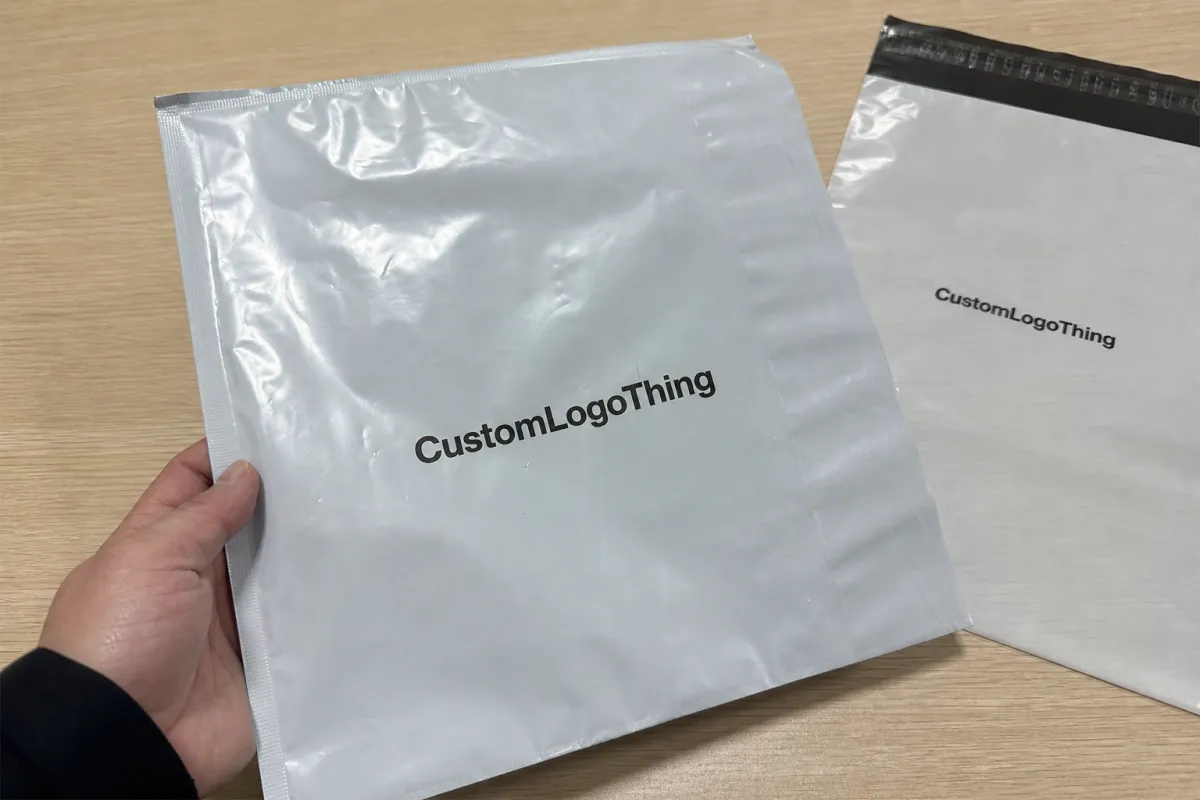
The biggest surprise is how often one small change resets the clock. A candle maker may think the order is only a new print, then realize the film thickness changed, the mailer size needs to fit a different jar, or the closure style has shifted from standard peel-and-seal to tamper-evident adhesive. Any one of those decisions can alter setup, print layout, or line settings.
That is the part most buyers underestimate. A mailer is flat, but the production path is not. The supplier still has to confirm the size, material, print coverage, seal area, flap adhesive, and safe distance between the artwork and fold lines. If the spec is vague, the job stalls while questions get answered. A day here, half a day there, and the schedule starts slipping.
Late approvals create another bottleneck. A proof may be waiting on a founder, a marketing lead, and a wholesale contact, all with slightly different opinions on color or copy. None of that is unusual. The problem is that the production slot has already been assigned, and once it moves, the next clean opening may not be immediate.
A one-page spec sheet saves more time than most rush fees ever will.
Brands that manage packaging well tend to think in reorder cycles, not one-off orders. They know how many mailers they use each month, how quickly sales move through seasonal spikes, and how much room they need for sample approvals and transit delays. That makes candle makers poly mailers lead time part of operations, not an emergency. For broader packaging planning, it can also help to compare outer-pack formats inside Custom Packaging Products so the mailer spec stays aligned with the rest of the shipping system.
What candle makers poly mailers lead time really covers
Candle makers poly mailers lead time is not a single number. It is a sequence of smaller steps, and each step has its own risk of delay. The first stage is quotation and spec review, where dimensions, thickness, quantity, print method, and shipping destination are checked. Then comes artwork review, proof generation, and approval. Only after that does the order move into production scheduling.
Factory lead time and door-to-door time are not the same thing. Factory lead time begins after the proof is approved and ends when packed cartons leave the plant. Door-to-door time includes freight, customs if the shipment crosses borders, and receiving at the warehouse or 3PL. A production run can finish neatly and still arrive late because transit was booked too tightly or routed through a congested lane.
Repeat orders usually move faster than first runs. That sounds obvious, but it changes the conversation. A reprint with the same film, same closure, and same artwork version may not need a new proof cycle. A first-time order with metallic ink, two-sided printing, or a different carton count almost always needs more checks. The supplier should be clear about whether the job is approved for production or merely quoted.
Three distinctions matter more than buyers expect:
- Approved first: size, material, quantity, artwork version, and destination.
- Confirmed later: exact color match, proof notes, carton packing, and pallet count.
- Never assume are parallel: artwork cleanup, print setup, and freight booking.
If a candle brand is comparing mailer options with other custom outer-pack choices, Custom Poly Mailers often offer a simpler path than fully customized cartons. They are lighter, easier to store, and usually easier to reorder without changing the whole packaging plan.
For quality-sensitive shipments, some buyers also ask whether the supplier tests packaging against transit standards such as ISTA methods. That is not a requirement for every mailer order, but it gives a useful signal. A supplier thinking about handling stress usually pays closer attention to seal integrity, carton strength, and damage risk than a supplier focused only on how the print looks on screen.
Material specs that change turnaround speed
Material choice shapes both turnaround and consistency. A standard low-density polyethylene mailer with a simple print layout usually sets up faster than a thicker film with matte finish, special ink, or two-sided graphics. Thickness matters because a 2.5 mil bag behaves differently on the line than a 4 mil bag. Thicker film may need slower sealing or different tension settings to avoid distortion and wrinkling.
Bag size is another quiet variable. If one size can serve three candle SKUs, the order is easier to repeat, easier to store, and easier to reorder before inventory gets tight. A custom size may be worth it for a premium presentation, but it creates a separate setup and more room for delay if the measurements are off by even a little.
Print coverage is one of the clearest speed factors. A single-color logo on one panel is quick to proof and relatively easy to keep consistent across reruns. Full-coverage artwork, gradients, and multiple ink passes create more opportunities for registration checks and color correction. Even a modest design change can affect how the film runs through the press, especially if the seal zone or warning copy has to stay clear.
Closure style matters too. Standard peel-and-seal is common because it is predictable. Stronger adhesive, tamper-evident features, and specialty flaps can add another check to the setup process. Those options are useful, but they do not come free in production time.
The fastest orders are usually the least ambiguous. One size. One film thickness. One approved file. One closure style. The fewer variables the factory has to reconcile, the easier it is to keep candle makers poly mailers lead time stable on future runs.
Cost, pricing, MOQ, and unit economics
Price and timing are tied together more tightly than many buyers expect. A lower MOQ can help a newer candle line test demand without overcommitting, but the unit cost often rises because setup time is spread across fewer pieces. A larger run usually reduces per-unit cost, yet it also requires more working capital and more storage once the cartons arrive.
Typical market ranges vary by size, ink coverage, and freight lane, but a simple custom printed poly mailer might land around $0.18 to $0.40 per piece before freight at moderate quantities. Thicker film, heavier coverage, or specialty finishes can move that closer to $0.45 to $0.90 or more. Those are planning ranges, not quotes. Still, they show the basic tradeoff: speed, finish, and volume all push the number in different directions.
For planning purposes, the pattern usually looks like this.
| Mailer option | Typical MOQ | Typical production time | Relative unit cost | Best use case |
|---|---|---|---|---|
| Stock or lightly branded mailer | Lower | Short | Lower to moderate | Testing, seasonal runs, fast replenishment |
| Single-color custom print | Moderate | Moderate | Moderate | Core product lines and repeat wholesale orders |
| Full-coverage custom print with special finish | Higher | Longer | Higher | Premium launches, retail presentation, brand-heavy packaging |
As a rough planning range, many custom printed runs take about 10 to 15 business days after proof approval, with shipping added on top. Simpler repeat orders can be faster. More complex runs, especially those with multiple colors, heavier film, or a strict color target, can take longer. Split shipments and partial releases may look convenient on paper, but they often raise landed cost once extra handling and freight are counted.
Freight can erase a good unit price quickly. Ocean transit, border processing, and peak-season congestion all add days or weeks. A slightly higher per-unit cost for a faster, more predictable replenishment cycle can be the better business decision if the candle line is selling steadily and storage space is limited.
For brands managing several packaging formats, it is useful to compare mailers against other outer-pack choices in Custom Packaging Products. The best option is rarely the cheapest line item. It is usually the one that fits the reorder rhythm, the margin target, and the inventory plan without forcing the rest of the system to bend around it.
Ordering process and timeline from proof to delivery
A clean process makes the schedule easier to trust. It usually starts with a quote request that includes dimensions, quantity, film thickness, print colors, packaging style, and the shipping address. From there, the artwork is reviewed, a proof is prepared, and the buyer checks every visible detail before approving production.
The usual delay points are predictable. File resolution is too low. The dieline is missing. The logo color has not been finalized. A barcode is present but not placed where the warehouse team wants it. None of those issues are dramatic, yet each can slow the job because the factory will not rush a print run that could generate waste.
A realistic schedule should separate three blocks:
- Proof time: review, revisions, and final sign-off.
- Production time: printing, curing, slitting, sealing, packing, and cartonizing.
- Transit time: freight to the warehouse or 3PL.
That structure makes planning far more useful than a single lead-time number. If a campaign starts on a fixed date, work backward from the in-hand date and build in room for sample review, internal approvals, and receiving delays. Candle businesses that reorder regularly benefit from a packaging calendar that is treated as a live document, not a guess in a spreadsheet.
The simplest discipline is also the most effective: confirm the spec before the art team locks the file, then confirm the file before the supplier books the run. That sequence sounds basic, but it is where many lead-time problems begin. A brand that knows its reorder trigger point can keep candle makers poly mailers lead time from turning into a last-minute scramble.
Common mistakes that stretch delivery windows
The most expensive delays are usually self-inflicted. A vague dimension like “fits our medium candle” does not give a supplier enough information. The packaging team needs exact outside dimensions, closure style, and the product clearance inside the mailer. If the bag is too tight, packing slows and the product can scuff. If it is too loose, presentation suffers and shipping efficiency drops.
Another common error is a last-minute copy change. A small wording update can shift the artwork, which changes the proof, which pushes the print slot. The same thing happens with inconsistent file names or missing dielines. A supplier may spend half a day simply confirming which artwork version is current.
Do not assume every quote includes the same pieces. Some suppliers quote production only. Others include freight estimates or local delivery, and those lines may be separated in different ways. If the quote is not explicit, a “fast” order can still become a slow one because the shipping leg was never booked into the timeline.
There is also a quality mistake that shows up late: approving a proof without checking how the bag folds in a carton. Barcode placement, seal direction, and logo orientation all matter once the packing team is moving quickly. A clean proof on screen does not always reveal how the mailer behaves in real hands.
Many candle brands also order too late. They wait until stock is already thin, then ask for rush production and faster freight at the same time. That combination raises cost and still may not solve the deadline. Once the order is squeezed into a busy line, the supplier has less room to absorb revisions or transit surprises.
For broader packaging planning, it helps to compare the order against transit and handling expectations, not just appearance. If a supplier can explain the actual production flow in plain language, that usually tells you more than a polished promise of “fast turnaround.”
Expert tips to shorten production without cutting quality
Keep a master spec sheet for every candle SKU. Include size, material thickness, artwork file name, closure type, carton count, and approval contact. That one document prevents a lot of rework on the next reorder because nobody has to reconstruct the order from memory or dig through old email threads.
Standardize the structure wherever possible. Seasonal graphics can change while the core size and material stay fixed. That gives the design team room to refresh the look without forcing a new packaging setup every time the collection changes. From a production standpoint, repeatable structure is what keeps candle makers poly mailers lead time under control.
Ask for a production calendar before approving the proof. Not after. A clear calendar shows when the run should start, when it should finish, and when freight needs to leave. That matters for subscription sends, wholesale replenishment, and retail resets, because those programs do not wait for packaging to catch up.
Three small habits reduce rework:
- Check file resolution and color builds before sending artwork.
- Confirm ink colors early, especially if brand consistency matters across SKUs.
- Keep one person responsible for final approval so the sign-off path stays clear.
Many growing candle brands use two packaging paths. One is a stable, repeatable spec for replenishment. The other is a more polished version for launches and seasonal sets. That split keeps inventory flexible without forcing every order into the slowest or most expensive configuration. It also makes it easier to choose the right mailer inside Custom Poly Mailers without changing the whole packaging system.
The best suppliers are usually the ones who can separate setup time, print time, curing time, and freight time without blurring them together. That level of clarity matters more than a vague promise that the order will be “quick.”
Next steps for planning your reorder calendar
The easiest way to manage candle makers poly mailers lead time is to treat reorder planning as a normal operating task. Gather dimensions. Estimate monthly usage. Confirm MOQ. Ask for both production time and shipping time in writing. Once those pieces are visible, it becomes possible to make a schedule that supports the launch instead of reacting to shortages.
Build the reorder trigger point from actual consumption, not wishful thinking. If a candle line burns through a set quantity every month, place the next order before inventory gets uncomfortably low. That buffer gives room for proofing, freight, and the occasional revision without turning the order into a rush job.
It also helps to keep two spec paths ready: a backup mailer for quick turns and a more polished option for releases that need stronger brand presence. That way, the team can Choose the Right balance of speed and presentation instead of forcing every order into the same shape.
The practical lesson is simple. Candle makers poly mailers lead time becomes manageable when the specs are stable, approvals are clean, and the reorder date is set before inventory gets thin. That discipline keeps packaging calm even while sales are moving quickly.
FAQ
How long is the usual candle makers poly mailers lead time?
It depends on whether the order is stock, lightly customized, or fully printed, because each version adds different setup and approval steps. Ask for production time and freight time separately so the real arrival window is clear. Larger or more customized orders usually need a wider buffer than simple repeat runs.
What part of candle mailer lead time slows orders down the most?
Artwork approval is often the biggest delay, especially when files need cleanup or the design changes late. Spec changes like size, thickness, or closure style can also restart scheduling if they are not confirmed early. Freight timing can become the final bottleneck even after production is finished.
Does custom printing increase poly mailer turnaround for candle brands?
Yes, custom printing usually adds proofing, setup, and quality-control steps that stock mailers do not need. More colors, more coverage, or special finishes typically extend the schedule further. The extra time is often justified when branding and shelf presentation matter.
How do MOQ and pricing affect candle makers poly mailers lead time?
A higher MOQ can lower unit cost, but it may require more planning because the full order has to fit into one production run. A lower MOQ can be faster to approve for testing, but it often carries a higher piece price. Pricing and timing should be reviewed together so the order supports both budget and launch date.
What should I confirm before placing a reorder for candle mailers?
Confirm the exact size, film thickness, artwork file version, and quantity before the reorder is released. Check current inventory, reorder point, and required in-hand date so the production schedule is realistic. Ask whether the supplier can repeat the same spec without a new proof if nothing has changed.

