Soap makers poly mailers bulk order: where the savings show up
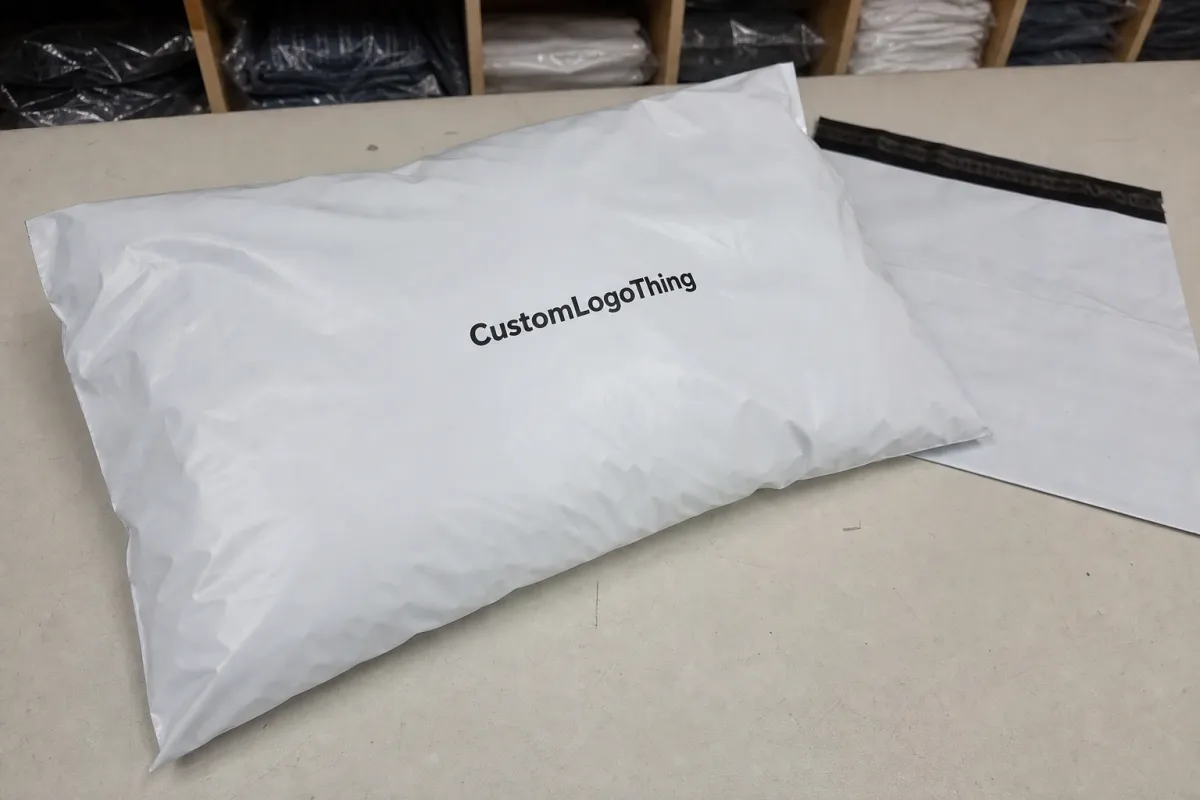
A soap makers Poly Mailers Bulk order usually makes sense when the soap is already wrapped, boxed, sleeved, or banded before shipping. In that case, the outer package mainly needs to hold shape, protect the finish, and move quickly through packing. A poly mailer can reduce packing weight, cut material use, and speed up fulfillment compared with a carton and void fill.
The bigger savings are often operational. Fewer packing steps means less labor per order, and a lighter parcel can stay in a cheaper postage bracket. That matters once the order volume rises above a small test run. The right mailer does not need to be the cheapest part of the shipment; it needs to be the part that keeps the shipment efficient.
Soap creates a few packaging issues that generic mailers can miss. Handmade bars are rarely identical from batch to batch, paper wraps can scuff, and some finishes show oil residue or label rub more easily than expected. A mailer that looks fine in a flat sample may still be awkward if the packed product has hard corners, inserts, or a gift note inside.
The goal is a spec that fits the packed product, protects the product, and stays easy to reorder. If the mailer changes the packing motion for every SKU, the labor cost can erase most of the material savings.
The best shipping format is the one that protects the product without becoming the expensive part of the order.
For recurring volume, the best spec is usually the one that makes the second and third reorder boring. That usually means fewer packing surprises, fewer returns, and fewer one-off adjustments on the floor.
Material, seal, and print choices that keep soap orders intact
Most soap shipments can use either LDPE or LLDPE film. LDPE is the common budget choice. LLDPE usually adds better stretch and puncture resistance, which helps if the order includes rigid boxes, tins, or sharp corners. If the product is already protected but the route is rough, the slightly stronger film is often worth it.
Thickness is usually the first spec to lock down. 2.5 mil is a practical starting point for lighter wrapped bars and simpler bundles. Move to 3 mil when the order is heavier, more angular, or more likely to be handled roughly in transit. The weakest point in the pack-out should drive the choice, not the strongest.
Seal design matters just as much. A peel-and-seal strip needs enough overlap and adhesion to close cleanly after handling, sorting, and temperature swings. If the flap is too narrow or the seal zone is too short, the bag can split at the edge instead of staying closed. That is difficult to catch unless you test actual packed units.
Finish affects both appearance and handling. Matte hides fingerprints and minor scuffs better. Glossy can make color pop, but it also shows table wear and carrier abrasion more quickly. If the brand uses kraft labels or subdued artwork, matte usually looks more controlled. If the design depends on bright graphics, glossy can work as long as the pack-out is clean.
Plain or printed?
Plain mailers are best when the brand is still testing, the SKU mix changes often, or the outer package already carries enough identity. Custom print makes more sense when the same product ships repeatedly and the outer bag can do some branding work without slowing the line.
Keep the design practical. Leave a clear panel for the shipping label, avoid heavy ink near the adhesive area, and keep the artwork simple enough that the bag still works in production. One clean logo and one main color usually do more than a crowded surface filled with slogans.
Ask what print method is used, because flexographic, digital, and gravure setups behave differently on repeat color, setup time, and price. Also ask about ink durability and scuff resistance. If the print rubs off during packing, the mailer has already failed.
Size, thickness, and fit specs for bars, sets, and bundles
Size the mailer from the finished packed product, not from the soap bar alone. Wraps, sleeves, inserts, tissue, and gift cards all change the final dimensions. Measure the packed unit, then leave enough room for a smooth slide-in and a seal that closes without crushing the corners.
For a single wrapped bar, a 6 x 9 or 7.5 x 10.5 mailer often fits well, depending on the wrap and label area. Two-bar orders usually move to 9 x 12. Gift sets, stacked bundles, and boxed bars can land in 10 x 13 or 10 x 15. If one SKU drives most of the volume, build the standard spec around that item first.
Thickness should follow the hardest-to-protect item in the pack-out. A sturdy inner box can still puncture a thin outer film at the corner. A folded insert can crease the seal zone. A round soap puck can shift and rub the print. The best spec protects the awkward item, not the easiest one.
- Single bars: prioritize a clean seal and enough surface for the label.
- Multi-bar bundles: allow extra room and move up in film thickness if corners push outward.
- Gift sets: leave room for tissue and inserts so the pack still looks neat after sealing.
- Long routes or rough handling: choose the heavier film and confirm the adhesive holds after a short hold test.
A simple fit test will catch most issues. Pack 10 to 20 units by hand, seal them, let them sit for a day, then inspect the corners, flap, and label area. If the bag wrinkles hard or the seal lifts, the spec is too tight. If the product slides around, the bag is too loose and may scuff in transit.
Cost, MOQ, and unit price breaks for bulk orders
Pricing for a soap Makers Poly Mailers bulk order usually comes down to size, thickness, print coverage, seal style, and quantity. Bigger bags use more material. Thicker film costs more. Custom print adds setup and proofing work. Recycled content, special finishes, and stronger adhesive strips can also raise the quote. Freight and proof revisions often change the landed cost more than buyers expect.
For plain stock mailers, bulk pricing often lands around $0.12 to $0.24 per unit, depending on size and volume. Custom printed mailers usually sit higher, often around $0.18 to $0.45 per unit at a few thousand pieces, with better pricing at larger quantities. Heavy coverage, multiple colors, or specialty finishes can push the price up quickly.
MOQ matters because it changes both risk and unit cost. A lower MOQ is useful for testing a new pack-out or print layout, especially if the product is still changing. But the unit price usually improves as the order gets larger. On 10,000 mailers, even a 20-cent gap adds up to $2,000 before freight, so the breakpoints are worth comparing carefully.
Ask quotes to separate setup charges, proof revisions, shipping, and artwork edits. A quote that bundles everything together can hide the true cost of a small run. It also helps to compare landed cost per shipped order, not just the bag price. A cheaper mailer that tears, slows packing, or creates returns is not actually cheaper.
| Option | Typical MOQ | Approx. unit price | Best use | Main tradeoff |
|---|---|---|---|---|
| Plain stock poly mailer | 500-1,000 pcs | $0.12-$0.24 | Testing, simple SKUs, fast reorder | Less branding and fewer presentation options |
| Custom printed mailer | 1,000-5,000 pcs | $0.18-$0.45 | Repeat shipments, stronger brand presentation | Artwork setup, proof review, and longer lead time |
| Heavier-duty film | 1,000 pcs+ | $0.20-$0.38 | Multi-bar bundles, longer routes, rough handling | Higher material cost |
| Recycled-content option | 1,000 pcs+ | $0.14-$0.34 | Brands that want lower-material messaging | Finish, thickness, and print consistency may vary more |
Storage is part of the real cost too. Buying more lowers the unit rate, but the cartons still need a dry, clean area. Film can crease, pick up dust, or curl if it sits badly packed or near heat. Those problems do not show up in the quote, but they do show up on the packing line.
Labor should be part of the comparison. A mailer that saves even a few seconds per order can matter more than a slightly cheaper bag. Across thousands of shipments, small time differences become meaningful.
Process and turnaround from quote to delivery
The cleanest orders follow a simple sequence: spec confirmation, artwork review, proof approval, production, packing, and shipment. If the packed dimensions are clear and the artwork file is ready, the process moves quickly. If the spec is vague, every later step slows down behind it.
Stock mailers usually move faster than custom printed runs because there are fewer variables. For custom print, a realistic planning window is often 12 to 15 business days after proof approval, with stock orders usually faster. Add transit time after that, and allow more time during peak season or if the design uses white ink, multiple print zones, or unusual sizing.
Most delays come from missing packed dimensions, incomplete artwork files, and changes after the proof has already been issued. The easiest way to avoid that is to send the packed size, quantity, finish preference, and delivery ZIP code together. That gives the quote enough context to be useful.
For the first order, a physical sample or pre-production proof is worth requesting. It catches size problems, label interference, and color surprises before the full run is committed. That matters even more if the brand uses matte labels, botanical artwork, or oil-heavy packaging that can darken the final look.
How to choose a supplier that can handle reorders
Price matters, but reorderability matters more. A cheap first run is not useful if the next order shifts in size, color, or seal behavior. Soap brands need consistency because repeat packing is where the real operating cost lives.
Look for clear spec sheets, a written proof process, and direct answers about what can vary from run to run. Color drift can happen on printed film. Thickness can vary slightly by batch. Adhesive strength can change with storage conditions. A good supplier does not promise perfection, but it should explain tolerances and control points.
Sample confirmation is especially important if the brand uses specialty labels, soft-touch finishes, or high-contrast print. Those finishes can show scuffing faster than plain packaging, and a snug fit can make the issue worse. If the sample is tight, do not assume production will relax it.
It also helps if the supplier can talk clearly about seal testing, print durability, storage recommendations, and how repeat orders are handled with the same artwork. Ask whether the spec sheet lists caliper, film gauge, adhesive width, and print method. Those details usually separate a reliable supplier from a vague one.
For soap brands, the best partner is the one that can repeat the same part, at the same size, with the same finish, and ship it on schedule without turning every reorder into a new project.
Next steps for a cleaner first order and easier reorder
Before requesting a quote, gather the packed dimensions, quantity target, film thickness preference, and whether you need plain stock or printed film. If the line has several soap SKUs, note which one drives the most volume and which ones are occasional bundles. That context helps the spec match the real packing pattern.
Then make the decisions in order. First, define the finished packed unit. Second, choose thickness based on product shape and travel distance. Third, decide whether the outer mailer needs to carry branding or only shipping duties. Most good pack-outs come from those three choices, not from a long feature list.
It also helps to think about reorders before the first order is approved. The best recurring packaging specs are the ones that can be produced again without reworking the artwork or re-checking the fit from scratch. That reduces friction in peak season, when there is little room for guesswork.
For a soap brand, the most useful mailer is usually the one that stays out of the way. It holds the product, survives handling, supports the label, and keeps the order from becoming a packing puzzle.
Common Questions
What size poly mailers work best for soap makers buying in bulk?
Measure the finished packed item, not just the soap bar, because wraps, inserts, and tissue change the final size. A single wrapped bar often fits in a 6 x 9 or 7.5 x 10.5 mailer, while bundles and gift sets usually need 9 x 12 or larger.
How thick should poly mailers be for handmade soap shipments?
Most handmade soap shipments do well with 2.5 mil film, and heavier bundles usually benefit from 3 mil. Lighter local orders can use a thinner film if the product is already boxed or sleeved. Choose the thickness that prevents punctures and scuffing without adding waste.
Can I get custom printed mailers in a soap makers bulk order?
Yes. Custom print is common when brands want a cleaner packing flow and a more finished look. Keep the design simple, leave room for the shipping label, and ask about print area limits and color matching before you approve the proof.
How does MOQ affect the price per mailer?
Lower MOQs are useful for testing, but the unit price usually drops as quantity increases. Ask for pricing at two or three tiers so you can compare landed cost, not just sticker price. Setup, shipping, and artwork fees can erase small per-unit savings.
What should I send when requesting a quote for soap poly mailers?
Send packed dimensions, quantity target, material or thickness preference, and whether you need print or plain stock. Include your artwork file and delivery ZIP code so the quote reflects production and freight. If you have a launch date, share it early.


