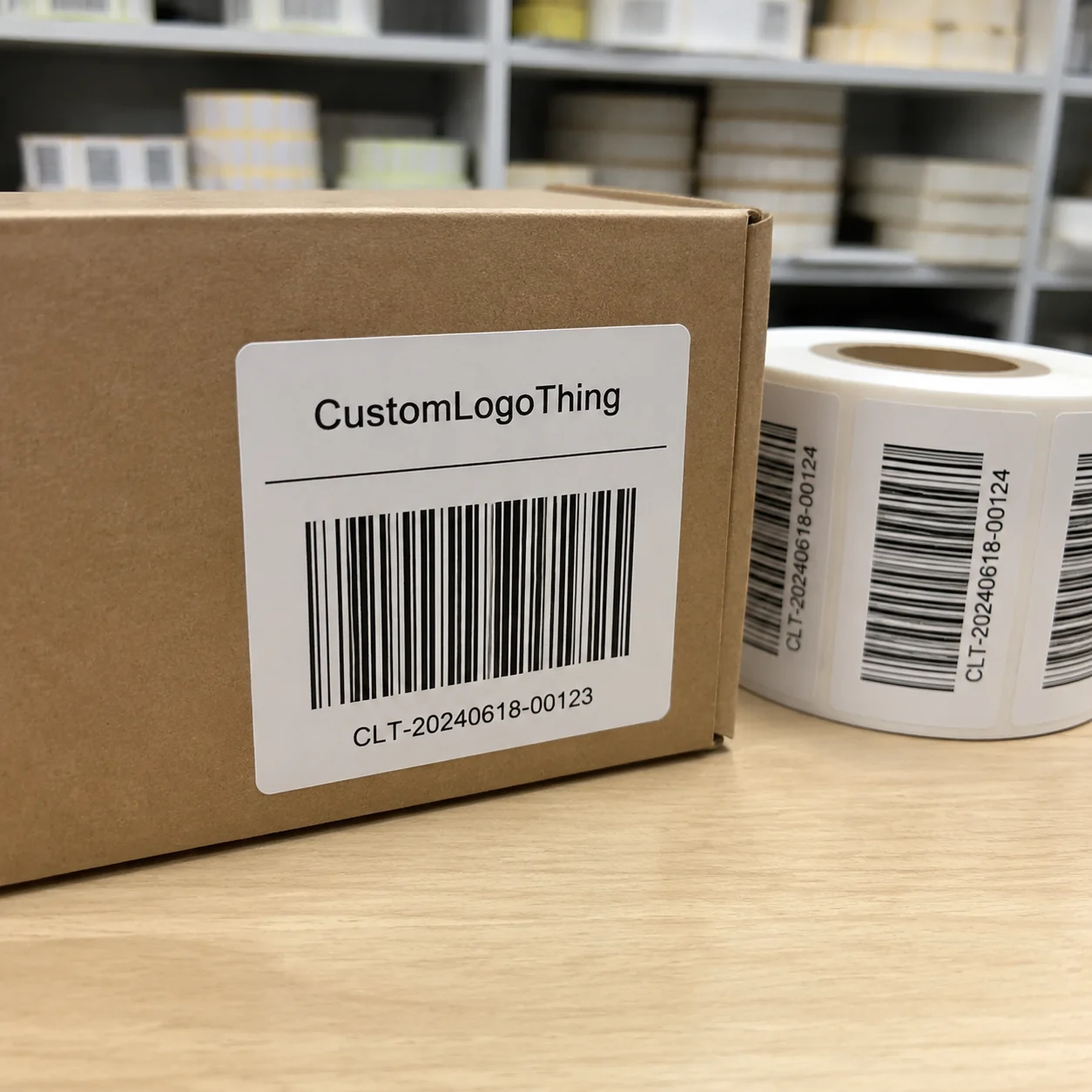
The Care Labels Unit Cost for chocolate brands can look small on a quote and still become expensive if the labels smear in refrigeration, lift off oily packs, or slow down hand application. Buyers usually find out after the purchase order is signed. Better buying means looking at unit cost, yes, but also labor, waste, and whether the label survives the real packaging environment.
Chocolate packaging is not a dry warehouse shelf with stable conditions. It sees chilled storage, condensation, handling, and sometimes greasy fingers during packing. So a label that is “cheap” on paper can become costly fast. If you want a cleaner decision, compare cost per piece, MOQ, lead time, and the application method, not just the headline print price.
Why Chocolate Brands Care About Unit Cost More Than “Cheap”
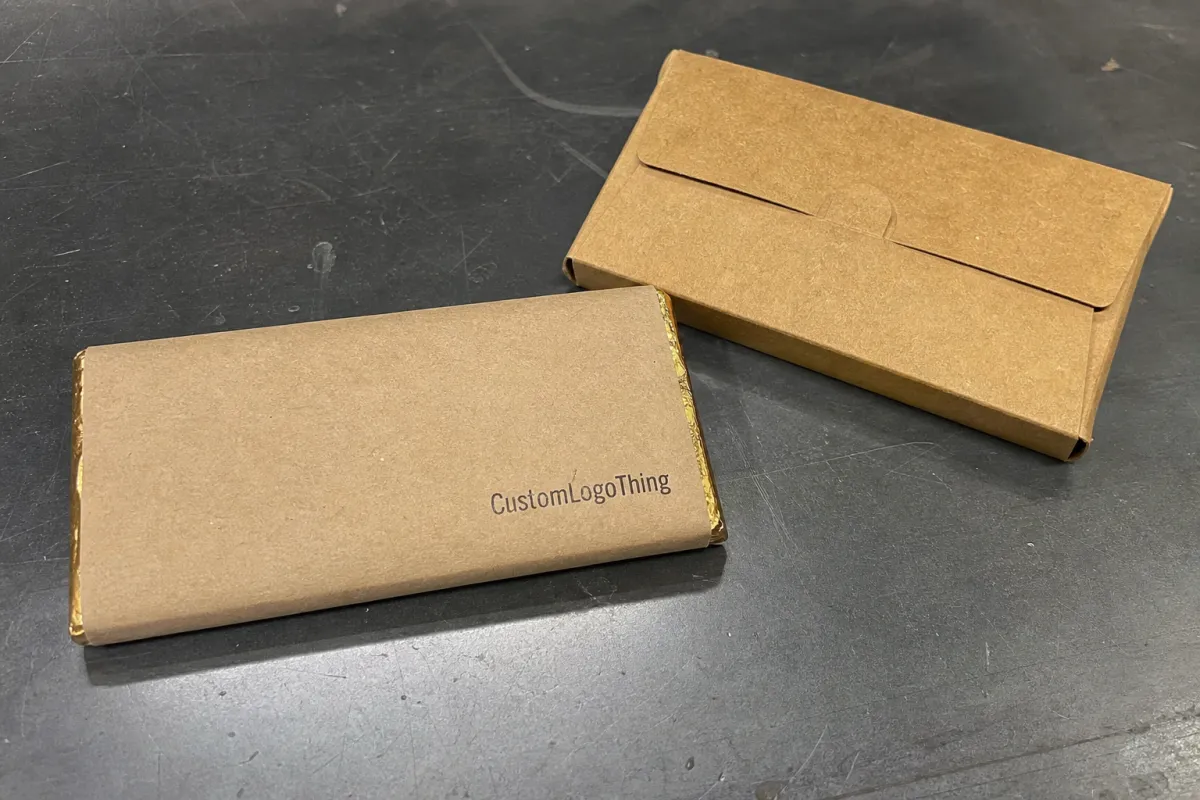
Low unit price does not mean low total cost. If a label peels, bubbles, or requires two people to apply because the format is awkward, the savings disappear. If a batch has to be reprinted after refrigerated storage exposes an adhesion problem, the original quote stops mattering.
For chocolate brands, the label is part of the package’s performance, not a decorative afterthought. Outer cartons, jars, pouches, and wrapped bars all have different surfaces and handling realities. A label on paperboard has very different demands from one on a chilled plastic tub or a glossy pouch that gets stacked and shipped.
That is why buyers should compare total landed cost per piece, not only the print line. Add freight, setup charges, proofing, tool charges if any, and labor time for application. If a quote looks low but creates more waste on the line, it is not a bargain. It is a future problem with a nice price tag.
“Cheap labels are expensive when they fail. A label that sticks right the first time is usually the better buy, even if the unit cost is a little higher.”
Common surprises show up fast: variable data, batch numbering, barcode printing, adhesive upgrades, and roll format fees. Those items are not always huge individually, but together they shift the cost for chocolate brands enough to matter in a margin-sensitive product line. On small runs, setup and proof cycles can weigh more than the printing itself. On larger runs, those same fixed costs disappear into the volume, which is why a quote can drop sharply once quantities pass a certain point.
If you already know your packaging specs, it helps to review options through Custom Labels & Tags and compare a few quantity tiers instead of asking for one flat price. Flat prices hide the useful stuff.
Label Formats and Materials That Actually Fit Chocolate Packaging
Not every label material belongs on chocolate packaging. Paper labels are usually the lowest cost, especially for dry inner cartons or secondary packaging that will not see condensation. Film labels, such as polypropylene or polyester, cost more but handle moisture far better. If your packs may sit in chilled storage or face cold-chain handling, film is often the safer spec.
For outer cartons and gift packaging, a matte paper label can look elegant and keep costs down. Gloss coatings read brighter, show color better, and can resist scuffing a bit more, but they may also show fingerprints and glare. If your brand sells premium truffles, the finish matters. If the label is mostly informational, a simpler finish may be enough.
Adhesive choice changes everything. Permanent adhesive is the default for most retail packaging. Removable adhesive is useful for promotional packs or short-run seasonal SKUs, but it can raise unit cost and sometimes reduce long-term hold strength. If the surface is oily, textured, or chilled, you may need a stronger adhesive.
Digital print is usually the better fit for shorter runs and SKU-heavy chocolate lines because setup is lighter and changes are easier. Flexographic printing tends to win on bulk pricing at higher volumes, especially when the design is stable and the artwork will stay consistent across many reorders. There is no universal winner. The right method depends on volume, lead time, and the number of versions you need.
Common label material choices
- Paper labels: lower cost, good for dry cartons and non-condensing environments.
- Polypropylene film: better moisture resistance, solid for chilled handling.
- Polyester film: stronger durability, often used where abrasion or cold exposure is a concern.
- Specialty stocks: textured, metallic, or eco-focused papers for premium presentation.
Finishing adds another layer. Foil stamping, lamination, spot varnish, and unusual die-cut shapes can improve shelf appeal, but they also raise tooling fees and make the job more complicated. A simple rectangle is usually cheaper than a custom contour, and it applies faster on line.
For sustainability questions, it helps to check material claims against recognized standards and sourcing systems. FSC-certified paper can be relevant for carton applications, and broader packaging recovery guidance is available through the Institute of Packaging Professionals and material recovery guidance from the EPA recycling resources.
Specifications That Move the Price Per Label
The price per label is mostly a math problem with a few exceptions. Size, shape, material thickness, adhesive type, color count, and finish all affect the quote. Bigger labels use more material. Custom shapes require more cutting complexity. More colors can raise print setup and production time.
Artwork setup matters too. If the printer has to rebuild your dieline, fix file issues, or separate complex layers, you may see setup charges. On small orders, those charges have a bigger effect on unit cost. On larger orders, they get spread across more pieces, which is why bulk pricing usually looks much better.
Variable data is another common add-on. Batch codes, best-before details, and barcodes are normal for food packaging, but they still need correct handling. If your chocolate line uses different SKUs or region-specific compliance text, planning that layout early can save reproofs later.
Compliance panels, ingredient lists, allergen statements, and storage instructions often influence layout more than price. If you plan them early, the impact on the care Labels Unit Cost for chocolate brands is usually modest. If you wait until the artwork is nearly approved, you may pay for more proof cycles and delay the shipment.
Simple shapes usually win on cost. A rectangular label with limited colors and standard adhesive is often the cheapest workable option. A custom contour, metallic foil, soft-touch lamination, and tight registration across multiple colors is a different animal.
- Lower cost drivers: standard shape, fewer colors, paper stock, simple finish.
- Higher cost drivers: custom die-cut, foil, lamination, specialty adhesives, variable data.
- Hidden cost drivers: artwork revisions, proof delays, and reprints from poor adhesion.
Care Labels Unit Cost for Chocolate Brands: Pricing and MOQ
If you want useful pricing, ask for tiers. One number is not enough. The Care Labels Unit Cost for chocolate brands should be quoted across realistic volumes so you can see where the savings actually begin. A run of 1,000 labels will never look like a run of 10,000. Setup is being divided across far fewer pieces.
For simple paper labels on standard rolls, lower-volume digital runs may land around $0.12-$0.28 per piece depending on size, color count, and finish. At larger quantities, the unit cost may drop into the $0.04-$0.12 range if the spec is straightforward. Film labels, special adhesives, or premium finishes will usually push that higher.
MOQ depends on print method and material. Digital printing often supports lower MOQ because there are fewer plate or tooling requirements. Flexo and other high-volume methods can offer better bulk pricing, but they tend to favor larger, repeatable orders. If you are launching a seasonal chocolate line or testing a new SKU, the flexibility of lower MOQ may be worth paying a slightly higher cost per piece.
| Label Type | Typical MOQ | Indicative Unit Cost | Best Use Case |
|---|---|---|---|
| Paper label, digital print | 500-2,000 pieces | $0.12-$0.28 | Short runs, seasonal SKUs, carton labels |
| Film label, digital print | 500-2,500 pieces | $0.18-$0.40 | Chilled storage, moisture exposure, premium packs |
| Paper label, flexo print | 5,000+ pieces | $0.04-$0.10 | Stable designs, repeat orders, stronger bulk pricing |
| Film label, flexo print | 5,000+ pieces | $0.07-$0.16 | High-volume retail packaging with durability needs |
Those are practical ranges, not promises. The final quote depends on size, print coverage, finishes, and whether you need special die-cutting or variable data. Still, this is the right way to compare offers. Ask for the same spec across three quantities, then compare the unit cost, setup charges, and freight separately.
The cheapest quote can become the most expensive choice if the labels fail on the line. Reprints, downtime, and manual correction eat margin fast. A slightly higher quote with better adhesion or better roll format may lower overall cost.
If you need a broader production reference, browsing Case Studies can help you see how different label specs behave across real packaging formats.
Process, Timeline, and Proofing Steps Before You Order
The best label jobs move through a standard sequence: spec review, quote, artwork check, proof approval, production, QC, and shipping. If artwork is final and the packaging size is already confirmed, the process can move quickly. If dielines are missing or ingredient panels are still being rewritten, the clock slows down.
For standard orders, lead time is often 7-15 business days after proof approval, depending on print method and quantity. Larger flexo orders may need longer, especially if tooling fees, custom plates, or multiple finishing steps are involved. Rush production can exist, but it usually raises cost and leaves less room for correction.
Proofing matters more than people want to admit. A digital proof is useful for content review and layout checks, but it is not the same as a production proof or a press-approved color sample. If brand color is critical, ask how the supplier handles matching. If legibility matters, confirm barcode scan quality before the order runs.
What causes delays
- Missing artwork files or low-resolution images.
- Late changes to ingredients, allergen text, or storage copy.
- Quantity changes after quote approval.
- Color corrections that require another proof.
- Surface or adhesive questions discovered too late.
For material performance and transit concerns, packaging testing standards such as ISTA methods can be useful when you want to understand how labels and packs behave during handling and shipping. You can review the general testing framework at ISTA.
How to Reduce Waste Without Sacrificing Brand Presentation
The easiest way to lower waste is to stop overdesigning the label for a package that does not need it. A well-sized label that matches the panel reduces misalignment, application errors, and trimming problems. Oversized labels are a quiet tax on the line.
Standardizing materials across SKUs can make a serious difference. If your chocolate line uses the same film stock, the same adhesive type, and similar label sizes, reorders are easier and setup becomes more predictable. That can reduce both unit cost and reorder friction.
Planned batch buying also helps. If demand is stable, ordering in larger quantities lowers the cost per piece because setup charges and tooling fees are spread across more labels. If demand is unpredictable, overbuying creates dead stock. The sweet spot is planned inventory, not panic inventory.
Design choices matter too. Fewer specialty finishes, cleaner color counts, and fewer variations all help. A two-color label on a strong substrate can look premium if the layout is clean. You do not need foil on everything just because a sales deck said “premium.”
Test one sample run before scaling, especially if the packaging will be refrigerated or stored in humid conditions. Apply it to the actual surface. Leave it overnight. Check edge lift, smudging, and scuff resistance. A low-cost test can save a much bigger bad run.
For a broader product view, Custom Labels & Tags can cover formats for cartons, jars, pouches, and wrapped bars without forcing every SKU into the same spec.
What to Check Before You Request a Quote
Good quotes start with good inputs. If you want a real comparison of care Labels Unit Cost for chocolate brands, send the supplier the actual label size, preferred material, quantity, application surface, storage conditions, and artwork status. If the vendor has to guess, the quote will be fuzzy.
Ask for pricing at multiple quantity tiers. For example, request 1,000, 5,000, and 10,000 pieces. That shows you how the unit cost shifts and whether bulk pricing is worth the extra inventory. Also ask for the breakdown: unit price, setup charges, tooling fees, proof cost if applicable, freight, and any optional finishing fees.
Request adhesive and finish recommendations based on the actual packaging surface. A carton is not the same as a chilled plastic tub. A smooth glass jar is not the same as a textured kraft sleeve. The right recommendation can reduce reprints and save labor, which is where a lot of the hidden cost lives.
- Submit: size, shape, material preference, quantity, surface, and storage conditions.
- Confirm: artwork status, barcode needs, ingredient text, and color expectations.
- Ask for: tiered pricing, lead time, proof type, and freight estimates.
- Check: adhesion, legibility, and pack appearance before full production.
Build a reorder plan. If you know the SKU will repeat, the supplier can often help you avoid new setup charges on the next run. That is where better buying really shows up. Not in the first order. In the second and third.
What affects care labels unit cost for chocolate brands the most?
Material choice, print method, quantity, adhesive, and finishing are the biggest drivers. On small orders, artwork setup and proof handling can weigh more heavily than the print itself. If the label needs to survive chilled storage or an oily surface, expect the spec to move upward and the unit cost to follow.
What MOQ should chocolate brands expect for custom care labels?
MOQ varies by print method and material. Digital runs usually allow lower quantities, while flexo and other high-volume methods tend to favor larger orders. The smart move is to ask for tiered pricing so you can compare realistic order sizes, not just the smallest acceptable run.
Are waterproof labels worth the extra cost for chocolate packaging?
Yes, if the labels will face condensation, refrigeration, or oily handling. Waterproof or film-based materials usually cost more upfront, but they can reduce smudging, peeling, and rework. They are usually worth it when label failure would hurt shelf presentation or compliance.
How long does production usually take for custom chocolate care labels?
Standard lead times depend on quantity, print method, and how quickly proof approval happens. Artwork-ready orders move faster than files that still need edits or compliance changes. For many jobs, expect around 7-15 business days after approval, with longer timelines for complex or high-volume runs.
How can I lower unit cost without making the labels look cheap?
Keep the shape simple, limit specialty finishes, and standardize materials across SKUs. Order in larger planned quantities if storage and demand support it. Most of all, match the label spec to the packaging surface so you avoid waste, reprints, and application problems. That is how the care labels unit cost for chocolate brands stays under control without sacrificing presentation.