Gift Set Brands talk a lot about presentation. Then the packaging budget gets clipped by a line item that looks trivial on paper: woven Labels Unit Cost for gift set brands. That tiny line can behave like a fixed cost in disguise. Add a low MOQ, a few color changes, and a fold style, and the quote stops looking decorative and starts looking operational.
Buyers who work with bundled products learn this quickly. A woven label is not just a tag tucked into a box. It affects perceived value, line consistency, and the cost of every SKU in the set. If the quote is vague, the final landed cost usually surprises someone, and it is rarely the supplier.
The useful question is not, “What does one label cost?” The better question is, “What is the full unit cost after setup, sampling, freight, and any finishing step that wasn’t obvious in the first email?” That is the number that belongs in a margin spreadsheet.
A small label can quietly wreck your gift set margin
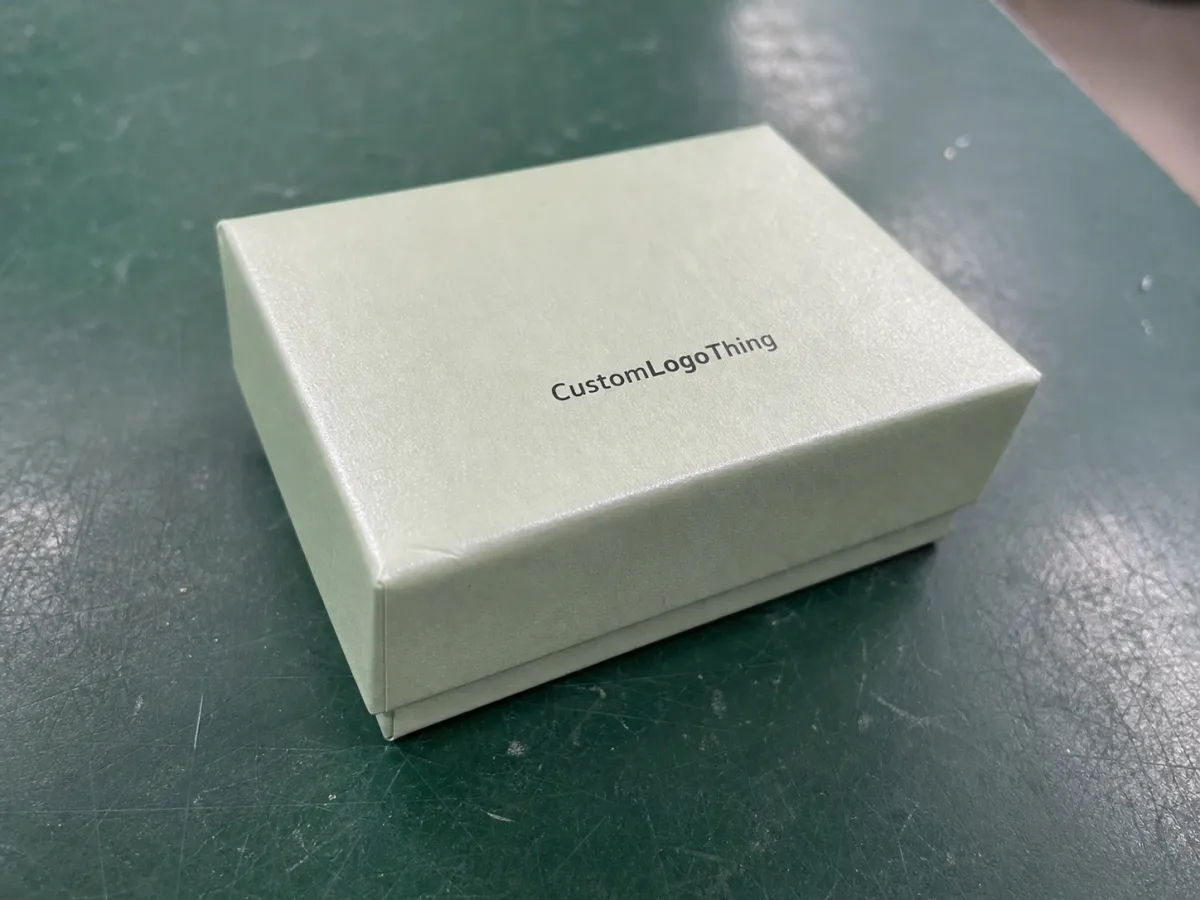
Woven labels are easy to underestimate. They are small, repeatable, and often buried in a larger packaging order. That makes them look harmless. Then the brief expands: three versions for three SKUs, a tighter turnaround, a more detailed logo, and a more premium finish. The unit cost rises faster than most first-time buyers expect.
Gift Set Brands feel that pressure more than apparel-only brands because the buying pattern is fragmented. One launch might include apparel, a pouch, an accessory, and a printed box. Another might involve a cosmetic kit with multiple components, each requiring some kind of brand identifier. The label cost is never just the label cost; it is multiplied by the number of items, the number of variations, and the number of mistakes made during approval.
The upside is real. A well-made woven label lasts, holds shape, and gives the set a more finished look than a sticker or a flimsy printed insert. In premium bundles, that matters. Consumers judge the details faster than brands like to admit. A label that curls, frays, or reads muddy in close-up photography can make the whole package look cheaper than it is.
A cheap label that frays, curls, or looks off-color is not cheap. It is expensive in disguise.
The goal is not the lowest possible quote. It is the right cost per piece after all the hidden pieces are counted. That starts with a spec sheet, not a mood board.
What woven labels actually include for gift set packaging
For gift set packaging, woven labels usually appear on apparel bundles, beauty kits, accessory sets, corporate gifts, and premium retail packs. They show up on pouches, scarves, beanies, cosmetic bags, travel accessories, and other soft goods that travel together in one box. The label has to suit the product and the packaging format at the same time, which is why the same design can work beautifully in one set and fail in another.
The common label formats are straightforward. Center-fold labels are sewn into seams and are common for interior branding. End-fold labels have finished edges and work well when the label remains visible. Flat woven labels are versatile and often used for brand marks, size details, or internal product information.
Material choice changes the look more than many buyers expect. Damask is typically used for sharper detail and a smoother finish. Satin feels softer and more polished, which helps when the label sits in a premium gift set. Taffeta is usually the more economical option, but the trade-off is a less refined surface and less crisp detail. If the artwork is dense or the label is tiny, that trade-off becomes visible fast.
Why choose woven labels over printed stickers or basic hang tags? Durability, mainly. A woven label sewn into the product survives handling, shipping, and repeated contact better than a surface-printed alternative. It also gives the set a more deliberate finish. That matters when the packaging has to support the retail price, not fight it.
- Center-fold: best for sewn-in branding and clean interior placement.
- End-fold: good for polished edges and visible brand exposure.
- Flat woven label: simple, flexible, often used for size or brand info.
For teams comparing packaging systems, it helps to review the label alongside the rest of the decoration stack. A broad look at Custom Labels & Tags can clarify whether woven labels are the best fit or just one piece of a larger package.
Specifications that change the final woven label price
If you want to understand woven Labels Unit Cost for gift set brands, start with the spec, not the creative brief. Size, fold type, color count, material, and edge finish are the variables that change the quote fastest. A supplier can quote a label in minutes, but only if the details are clear enough to be production-ready.
Size drives material use and loom time. A larger label is not only wider; it also gives the artwork more room to demand precision. Shape matters too. A standard rectangle is easier to produce than a custom silhouette with sharp corners or narrow points that require more careful finishing. Fold style adds another layer. A flat label is simpler than a center-fold or end-fold piece because folding introduces an extra step and a little more risk of misalignment.
Color count is where many brands quietly overcomplicate things. Every thread color adds setup complexity. A clean two- or three-color design is usually easier to reproduce than a six-color artwork file packed with gradients, tiny text, and reverse lettering. At small sizes, the weave has limits. Thin lines can break up, and subtle details can disappear once translated into thread.
Backing also matters. Standard sew-on labels are usually the baseline. Heat seal or adhesive options can add cost, and they are not always the right choice for every product surface. The wrong backing can create application problems, especially on delicate fabrics or gift items that are handled often but not washed regularly.
Here are the main specification choices that affect price:
- Size: larger labels usually raise material and production cost.
- Fold type: center-fold, end-fold, or flat each changes finishing.
- Color count: more thread colors usually mean more complexity.
- Material: damask, satin, or taffeta each carries a different cost profile.
- Edge detail: clean cut, merrowed edge, or woven edge may affect finishing.
- Backing: sew-on is usually standard; heat seal or adhesive options can add cost.
Buyer mistake number one is over-specifying a tiny label. If the label is 20 mm wide, do not force in a logo with thin strokes, a tagline, and several lines of legal text. The weave will not reward ambition. It will punish it with blur and breakage.
Buyer mistake number two is ignoring application space. A label that is too wide for a seam or too stiff for a soft pouch can sit awkwardly and make the product look unfinished. That kind of mismatch is not a small flaw; in a premium bundle, it can weaken the entire presentation.
Buyer mistake number three is fragmenting the order into near-identical versions. If the differences are minor, consolidate them. One master artwork file across several SKUs is usually more efficient than three almost-the-same labels, each with its own setup burden.
Woven labels unit cost, pricing, and MOQ explained
This is the point where the real buying decision happens. Woven Labels Unit Cost for gift set brands generally falls as quantity rises. That is normal manufacturing behavior, not a marketing trick. On a small order, the supplier still has to prepare the loom, convert the artwork into a weave file, approve the proof, and finish the labels before a single piece ships. Those fixed steps do not shrink much just because the order is modest.
For custom woven labels, a small run often lands around $0.12-$0.35 per piece depending on size, color count, and fold style. Mid-range orders often sit closer to $0.04-$0.10 per piece at several thousand units. Larger bulk pricing can go lower, but only when the design is straightforward and the order avoids extra handling, repeat sampling, or rush production. A clean, simple label always has a better chance of hitting a lower bracket than an intricate one.
Setup charges matter more on small quantities. A quote might look competitive until proofing, sampling, or shipping is added back in. On a 500-piece run, even a modest setup fee can push the effective unit cost up quickly. Buyers sometimes compare the quoted production price and ignore the rest, then discover the landed cost is much less attractive than expected.
| Order band | Typical unit cost range | What usually drives the price | Best for |
|---|---|---|---|
| 300-500 pieces | $0.18-$0.35 | Setup charges, sample approval, shipping, low-volume handling | New launches, test runs, limited edition gift sets |
| 1,000-3,000 pieces | $0.08-$0.15 | Color count, fold type, size, packaging method | Seasonal programs, recurring SKUs |
| 5,000+ pieces | $0.04-$0.08 | Artwork simplicity, material choice, production efficiency | Established gift set brands, core assortment |
MOQ is the other side of the equation. Lower MOQ helps with test runs, seasonal drops, and limited editions. Higher MOQ improves unit economics, but only if the label design stays in use long enough to justify the inventory. Packaging overstock is a quiet drain on cash, especially when a rebrand or artwork update comes sooner than expected.
To get a quote that means something, ask for the following details in the same request:
- Size in millimeters or inches.
- Fold style.
- Color count.
- Material type.
- Quantity bands for bulk pricing.
- Any setup charges or tooling fees.
- Sample cost and shipping cost.
If a supplier cannot quote cleanly from that list, expect the invoice to contain surprises. They may not be dramatic, but they add up. The difference between a transparent quote and a loose one can be significant once all the small charges are totaled.
For buyers who need a broader reference point on packaging decisions, reviewing Case Studies can help anchor expectations in real production behavior rather than theoretical pricing.
Production steps and lead time from artwork to delivery
The production sequence for woven labels is fairly consistent. It starts with artwork review, moves to a digital proof, then into weaving approval, production, finishing, quality control, and packing. The order sounds simple. In practice, every handoff creates room for delay if the brief is unclear or the approvals keep changing.
Typical lead time is often 12-15 business days from proof approval for standard orders, though that can stretch when artwork is complex, the colors need multiple corrections, or the order includes several versions. Sampling can add a few days. Special folding, custom shapes, or tighter inspection requirements can add more. Rush production is possible in some cases, but the freight cost usually rises alongside it.
Sampling is where many expensive problems get caught early, which is exactly why it should not be skipped. A sample shows whether the text remains legible, whether the logo is centered, whether the thread colors hold enough contrast, and whether the label size works inside the actual product. It is much cheaper to reject a sample than to discover a problem after thousands of pieces are woven.
Gift set brands also need to plan around warehouse windows and launch dates. Labels that arrive after the box line starts can slow the entire pack-out schedule. That kind of delay has a way of turning a small vendor issue into a larger distribution problem. A label is only a small part of the package until it becomes the item holding up the launch.
For sustainability-minded programs, it helps to check whether the supplier can support documented material standards or sourcing requirements. If packaging is part of a broader responsibility brief, organizations like FSC and industry guidance from EPA can be useful reference points when procurement teams are evaluating materials and disposal concerns.
How to order custom woven labels without paying for avoidable mistakes
The fastest way to inflate woven labels unit cost for gift set brands is to run the project through scattered messages and half-finished decisions. One email has the logo. Another has a revised width. Someone else asks for “something more premium.” The supplier ends up quoting multiple versions just to keep the process moving. That is how avoidable cost enters the order.
Use one master spec sheet for every SKU. Include size, fold type, artwork file, thread colors, backing, quantity, target delivery date, and application method. A single clean document reduces quote errors and keeps the approval chain from drifting. It also helps internal reviewers compare options without inventing new versions halfway through the process.
Match the label proportions to the product. A label that is too wide for a seam or too small for a visible brand mark is easy to spot for the wrong reasons. Good proportion makes the label feel like part of the product. Bad proportion makes it look like someone forced the branding into whatever space was left.
Simpler artwork usually lowers cost and improves readability. Reduce thin strokes, avoid tiny reversed text, and keep color changes under control. A woven label is not the place for decorative complexity that only works on screen. The weave has physical limits, and those limits are usually more obvious on a 20 mm label than on a presentation board.
Compare quote line items, not just the headline unit price. The cheapest production number can become the most expensive total order after proofing, shipping, sample fees, or rework are added. Buyers who review total landed cost usually make better decisions than buyers who only track one number in isolation.
Here are the practical moves that save money without making the label look cheap:
- Use one master artwork version across similar SKUs.
- Stick to a standard fold where possible.
- Keep the thread palette tight.
- Approve the sample before mass production.
- Order enough quantity to benefit from bulk pricing, but not so much that inventory goes stale.
If you need a supplier for custom woven labels, keep the conversation tied to the real packaging format and launch window. “Best price” is a vague target. A quote that fits the product, deadline, and order quantity is much more useful.
What to check before you approve a woven label supplier
Before you approve a supplier, check proof accuracy, color consistency, MOQ flexibility, response speed, and whether tolerances are stated clearly. If those basics are fuzzy, the project usually becomes more expensive later. A supplier who avoids precise answers at the quoting stage tends to create confusion at the production stage too.
Ask for material recommendations based on the product, not just the logo. A label for a soft apparel item inside a gift box may need a different finish than one used on a cosmetic pouch, accessory wrap, or travel case. Products with different surfaces and handling patterns often need different construction choices.
Packaging experience matters. Suppliers who understand presentation packaging are usually better at catching sizing mistakes, edge issues, and visibility problems before production starts. They know the label has to work in context, not just look acceptable on a spec sheet.
Ask these questions before you commit:
- What is your MOQ for this exact spec?
- What does the quote include, and what is extra?
- Can you provide a digital proof before production?
- What is the standard lead time after approval?
- How do you handle color matching and tolerances?
- Can you support repeat orders with the same spec?
For brands comparing suppliers, a good quote should make the economics easy to read: unit cost, setup charges, sample cost, and shipping should all be visible. If any part is vague, the order is not priced cleanly. It is priced optimistically.
The smartest next step is simple: lock the spec, request pricing by quantity, approve the sample, and align production with your launch calendar before the deadline gets tight. That is how buyers evaluate woven labels unit cost for gift set brands using the total landed cost instead of the first number they see.
What affects woven labels unit cost for gift set brands the most?
Quantity has the biggest effect, followed by size, color count, fold style, and whether the artwork is simple enough to weave cleanly. Setup, sampling, and shipping can raise the effective unit cost on smaller runs even when the production price looks low.
What MOQ should a gift set brand expect for custom woven labels?
MOQ varies by supplier and label spec, but lower quantities usually carry a higher unit cost and fewer finishing options. If you are testing a new gift set, ask for the lowest viable MOQ and compare it against the cost of holding excess inventory.
How long does production usually take for woven labels?
Standard production often takes about 12-15 business days after proof approval, though sampling, artwork revisions, and special finishing can extend that timeline. Last-minute design changes are the fastest way to turn a manageable schedule into a delayed one.
Can I lower the price without making the labels look cheap?
Yes. Simplify the artwork, reduce color changes, choose a standard fold, and avoid overengineering a tiny label. Clean branding usually performs better than dense artwork that only looks good on a monitor.
What should I include when requesting a quote for woven labels?
Send size, fold type, artwork file, color count, quantity, application method, and your delivery deadline. Clear specs help suppliers quote accurately and reduce the back-and-forth that slows down production.


