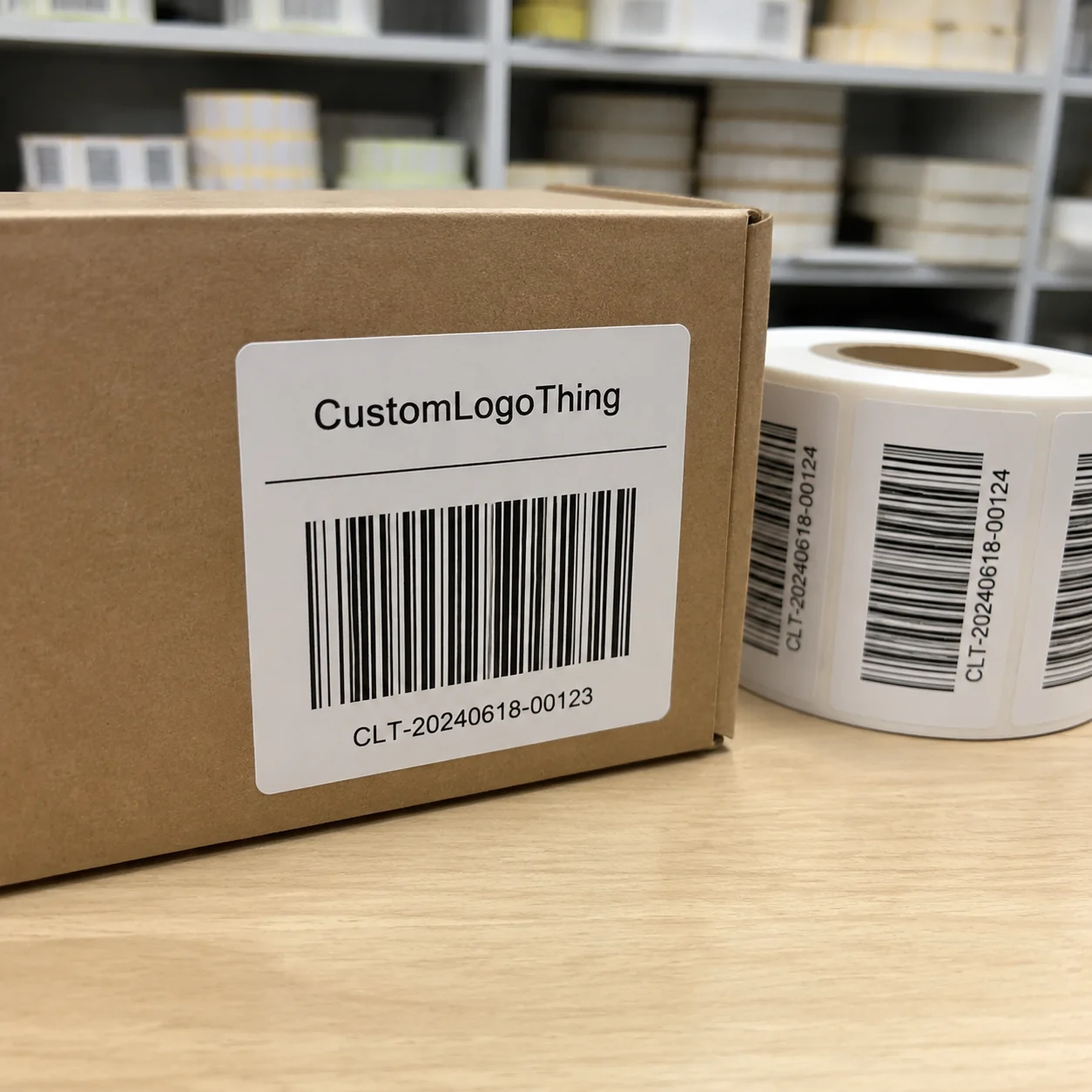
For wine retailers, Care Labels Unit Cost for wine shops is not a minor packaging detail. It can change the economics of a private-label bottle, a seasonal gift set, or a mixed-SKU display faster than many buyers expect. A label that looks simple on screen may still carry setup charges, die-cut costs, finish upgrades, or adhesive changes once it has to live on glass, survive handling, and still look clean under store lighting.
From a packaging buyer’s point of view, the common mistake is comparing only print price. That number tells you very little until you include waste, tooling fees, finishing, freight, and the practical reality of how the label performs on a cold bottle. Price the job as a complete construction, not as artwork on paper.
That distinction matters more in wine retail than in many other categories. A label on a dry carton can get away with modest material choices. A bottle label in a cooler cannot. Condensation, abrasion, and repeated handling all show up quickly, and those failures rarely happen during the first proof. They appear in the store, where the buyer pays for reprints and product resets.
Why wine shops should price care labels by unit, not guesswork

Wine shop labels may be small, but the cost swing can be meaningful. A plain paper label with basic black print might land in a very different range than a moisture-resistant stock with a protective finish and custom die shape. That is exactly why Care Labels Unit Cost for wine shops should be reviewed per piece, not guessed from a rough quote or compared against an unrelated stock label.
Retail buyers often underestimate the full price because they see only the visible design choices. In practice, the final unit cost is shaped by the label’s physical requirements: how it feeds through press equipment, how much trim waste the shape creates, whether the finish needs extra curing or lamination, and how many pieces the job spreads the fixed costs across. A 2-inch by 3-inch label can still be expensive if the order is small, the shape is custom, and the print coverage is heavy.
There is also the matter of performance. Wine bottles are handled, moved, chilled, wiped, and stacked. If the label curls at the corners or loses bond in a cooler, the buyer pays twice: once for the failed labels and again for replacement. That is why true cost per piece includes not only print and paper, but also the risk of waste and rework.
For private-label wine programs, gift boxes, and holiday releases, the smarter buyers look at the full economics of the package. A label that costs a few cents more but stays intact through refrigeration and shelf handling can protect margin better than a cheaper option that fails after a few days. The lowest line item is not always the lowest total cost.
Good label buying is controlled buying. If you know the material, adhesive, finishing, and order quantity before requesting a quote, you can compare offers on equal footing instead of guessing from a loose estimate.
The goal is simple: understand what drives care Labels Unit Cost for wine shops, where the savings are genuine, and which upgrades are worth paying for because they support the brand and the bottle’s working environment.
Care label materials and finishes that affect bottle presentation
Wine retail packaging usually starts with three broad material choices: coated paper, synthetic film, and specialty textured stock. Coated paper is the most common starting point because it offers clean print reproduction and good economics for straightforward applications. Synthetic film, often polypropylene or similar moisture-resistant construction, is a stronger choice when the bottle will be chilled, misted, or handled frequently. Textured stocks add a premium feel, but they also bring a higher price and sometimes slower production.
Adhesive choice matters just as much as the face stock. A label applied to a room-temperature bottle may look perfect on the packing table, then start to lift when the bottle moves into a cooler with condensation on the glass. For that reason, many buyers specify an adhesive designed for chilled glass or moderate moisture exposure. The bond does not need to be extreme, but it does need to survive real retail use.
Finishes change both the look and the unit cost. Gloss coatings make color pop and help certain designs feel sharper under lighting. Matte finishes soften the appearance and can make premium wine branding feel more restrained. Foil accents, embossing, and spot varnish all add visual depth, but they also add production steps, setup complexity, and often a higher minimum order value. If the product line does not need that level of presentation, it is usually wiser to keep the spec simpler.
For buyers who care about both appearance and durability, the sweet spot is often a well-selected coated stock with a protective finish, rather than a highly decorative build. That combination can deliver clean typography, readable care information, and a polished shelf look without pushing the unit cost into territory that hurts margin.
Washability and smudge resistance are not luxury concerns. If the label includes care instructions, handling notes, or barcode content, the print has to stay legible after contact with condensation or repeated touching. A label that looks great in a sample book but fails on glass is not a quality solution; it is a reprint waiting to happen.
For buyers comparing options, the basic tradeoff is straightforward: paper gives you better initial economics, synthetic gives you better environmental resistance, and specialty stock gives you stronger brand presentation. The right answer depends on bottle storage, display time, and how the label needs to perform once it leaves the box.
| Label option | Typical use | Relative unit cost | Performance notes |
|---|---|---|---|
| Coated paper | Standard retail bottle labeling | Lowest | Good print quality, best for dry handling and short display cycles |
| Synthetic film | Coolers, chilled display, frequent handling | Medium | Better moisture resistance, improved durability, fewer curl issues |
| Textured specialty stock | Premium private-label and gift sets | Highest | Strong shelf presence, but can raise setup and finishing costs |
Unit cost drivers, pricing, and MOQ for wine shop orders
The main inputs behind care Labels Unit Cost for wine shops are straightforward, but they add up quickly. Size, shape, print coverage, finishing, packing format, and total quantity all affect the final price. A simple rectangular label with one or two colors is not priced the same way as a custom contour-cut label with metallic accents and a protective film.
MOQ, or minimum order quantity, is one of the biggest drivers of cost per piece. Smaller orders usually carry a higher unit price because press setup, tooling, and inspection time are spread over fewer labels. Once the quantity rises, the unit cost often improves because those fixed costs are diluted across more pieces. That is why bulk pricing can make sense even for a mid-sized wine retailer if the same artwork repeats across several bottle runs.
Buyers should ask for a quote that separates the work into clear parts: setup charges, plate or die costs, production run cost, and freight. If the quote only shows one blended number, it becomes difficult to compare suppliers fairly. A transparent quote gives you a better view of where the money is going and whether a lower price is actually better value.
Here is a practical way to think about it. If one supplier quotes a lower base print cost but adds high tooling fees, and another supplier charges a little more on the press run but has lower setup charges, the cheaper-looking offer may not be cheaper at all. A real comparison has to include the complete order total and the likely repeat-order price.
For wine shops that reorder seasonal bottlings or private-label SKUs, repeatability matters. If you know a label will be used again, it may be worth standardizing the size or structure so the supplier can keep the die and production data on file. That can reduce future lead time and sometimes improve bulk pricing.
Here is a simple pricing view buyers can use to frame discussions:
| Order scenario | Typical pricing pressure | Buyer takeaway |
|---|---|---|
| Small test order | Higher unit cost because setup is spread over fewer pieces | Useful for proofing, but rarely the best long-term economics |
| Mid-volume reorder | Better cost per piece as fixed costs are diluted | Often the best balance of flexibility and value |
| High-volume multi-SKU run | Lowest unit cost if sizes and materials are standardized | Strong option for recurring programs and private-label series |
The lowest quote is not always the best buy. A cheaper label that lifts in a cooler or smudges during handling can create waste, complaints, and rushed replacements. From a packaging buyer’s perspective, that extra reprint cost often erases the initial savings.
As a rough market reality, small custom runs often price like a service job, not a commodity. That means buyers should expect wider per-piece swings at 500 labels than at 10,000 labels. The exact numbers vary by supplier and construction, but the pattern is consistent: fixed costs dominate small orders, while material choice dominates larger ones.
Printing specifications that keep retail labels consistent
Clear specifications reduce surprises. Before requesting pricing, define the finished size, bleed, corner style, roll direction or sheet format, core size if applicable, and the method of application. Those details sound minor, but they influence whether the label runs cleanly, applies correctly, and arrives in a format your team can use without rework.
Barcodes, care instructions, and any legal text must be legible and positioned consistently from run to run. If a wine retailer has multiple locations or a private-label program with several bottle types, color consistency matters too. A label that shifts a shade from one batch to the next can undermine the look of the whole line, even if the print quality is technically acceptable.
Adhesive and face stock should be matched to the bottle surface and storage environment. Smooth glass, embossed glass, and slightly curved shoulders all behave differently during application. If the label has to bridge a curve or sit near a condensation-prone area, the construction should reflect that from the start. Otherwise, you can end up with lift, curl, or corner peeling.
One quality control habit helps more than many buyers realize: request a proof check that covers spelling, legal text, barcode placement, and the location of any care or handling information. Small corrections are easy before production begins and expensive after the run is complete.
Good specification discipline also improves quote accuracy. Suppliers can only price correctly when they know what they are building. When the information is precise, the estimate is more reliable, the timeline is cleaner, and the comparison between options becomes much easier.
For more about retail packaging structures and label categories, see Custom Labels & Tags.
Production steps, proofing, and turnaround expectations
The production flow is usually familiar, but the pace depends on how complete the order information is. A standard job moves from quote to artwork review, digital proof, approval, production, finishing, and shipment. If the artwork is ready and the construction is straightforward, the timeline is easier to control. If the job needs special finishes, unusual sizing, or new tooling, the schedule naturally stretches.
Repeat orders almost always move faster than first-time runs because the supplier may already have the correct dies, plates, and setup data. That does not make them instant, but it does reduce the amount of preparation. New designs take longer because every detail has to be checked before the press starts running.
Proofing deserves enough time in the schedule. A small wording change, barcode adjustment, or layout correction can reset approval and delay production. That is not the supplier being difficult; it is simply how print manufacturing works when accuracy matters. Once the press is running, the job should stay consistent through the entire batch, so the proof stage is where most errors should be caught.
Wine shops planning holiday promotions or seasonal releases should order early enough to cover transit time and leave a cushion for inspection. If the labels are needed for a launch date, build in a margin in case a proof needs correction or a reprint is required. Tight timelines are possible, but they work best when the artwork is final and the specs are already locked down.
For quality-minded buyers, the right expectation is not speed at any cost. It is a controlled process with enough lead time to produce the label correctly the first time. That approach usually protects both budget and brand presentation.
Typical turnaround windows vary with run size and finish complexity. Simple repeat jobs can move relatively quickly once approved, while jobs that require specialty stock, foil, or new dies need more runway. Buyers who plan around those realities are far less likely to face avoidable rush charges.
Why Custom Logo Things fits wine shop label buying needs
Custom Logo Things is a practical fit for wine shop buyers who need a balance of presentation, performance, and care labels unit cost for wine shops. The value is not in pushing the highest-spec option every time; it is in helping buyers choose the material and finish that make sense for the bottle, the environment, and the budget.
That matters because wine retail packaging has to do two jobs at once. It must look polished enough to support the brand on the shelf, and it must hold up under real handling conditions. A label supplier that understands both sides of that equation can save a buyer a lot of back-and-forth. Better guidance up front usually means fewer surprises in production, fewer waste issues, and a cleaner repeat-order process.
Buyers also benefit from quote clarity. When setup charges, production costs, and material choices are explained plainly, it is easier to compare options without guessing. That is especially useful for shops managing multiple bottle lines, private-label programs, or seasonal gift packaging, where the label may need to look consistent across several SKUs while still controlling unit cost.
For the buyer, the best outcome is straightforward: a label spec that matches the use case, a price that reflects the real build, and a production plan that does not create avoidable delays.
For packaging standards and material sourcing references, industry groups such as Packaging Industries resources and certification bodies like FSC can also be useful when buyers are evaluating substrate claims and sustainability language.
In the background, print buyers should also think about how the labels will be handled and shipped. Where cartons travel through temperature swings or repeated transit, testing references such as ISTA and material guidance from EPA can help inform packaging decisions around durability and waste reduction.
How to request a quote and move to production
If you want an accurate quote, start with the essentials: finished label size, quantity, artwork files, bottle type, and the exact location where the label will be applied. A bottle with a sharp shoulder, a chilled display environment, or a curved neck section may need a different construction than a standard flat-applied label. The more precise the information, the more useful the quote.
Include storage conditions, application method, and any required care or compliance text. That allows the supplier to recommend a face stock and adhesive that match the job instead of guessing. If the label must survive refrigeration or repeated handling, say so upfront. If you need it to remain readable in a cooler or under light moisture, that belongs in the specification as well.
Ask for a unit-cost comparison across two or three material options. That is one of the best ways to see where savings are real. For example, a coated paper version may come in at the lowest price, a synthetic version may cost slightly more but reduce failure risk, and a specialty stock may be justified only if the brand position truly calls for it. That kind of comparison turns a vague buying conversation into a practical decision.
The next step is simple: review the estimate, approve the proof, confirm the timeline, and schedule production around your launch date. If the order is tied to a promotion or seasonal release, do not leave shipping to the last minute. A small buffer protects you from transit delays and gives room for inspection before the labels go live.
When the specs are clear and the quote is structured correctly, care labels unit cost for wine shops becomes much easier to manage. You can Buy with Confidence, compare options fairly, and choose a label that supports both margin and presentation.
What affects care labels unit cost for wine shops the most?
The biggest drivers are quantity, label size, material choice, print coverage, finishing, and whether the design needs custom tooling. Adhesive performance and special handling requirements can also raise cost if the labels must hold up in cold or humid conditions.
Can smaller wine shops still get a competitive unit cost on custom labels?
Yes, but smaller quantities usually carry a higher per-label price because setup costs are spread over fewer pieces. A buyer can often improve value by simplifying finishes, standardizing sizes, or combining multiple SKUs into one order.
Which label material is best for bottles stored in coolers or refrigerated displays?
A synthetic or moisture-resistant stock is often the safer choice because it resists curl, scuffing, and adhesive failure better than basic paper. The right choice depends on bottle surface, condensation exposure, and how long the label must stay on the bottle.
How long does production usually take after proof approval?
Turnaround depends on quantity, material, finishing, and whether tooling already exists for the design. Once artwork is approved, repeat orders often move faster than new jobs, but buyers should still allow time for production and shipping.
What should I send when asking for a quote on wine shop labels?
Send finished size, quantity, artwork, bottle type, application method, storage conditions, and any required care or compliance text. Including those details helps the supplier calculate a realistic unit cost and recommend the right construction for the job.