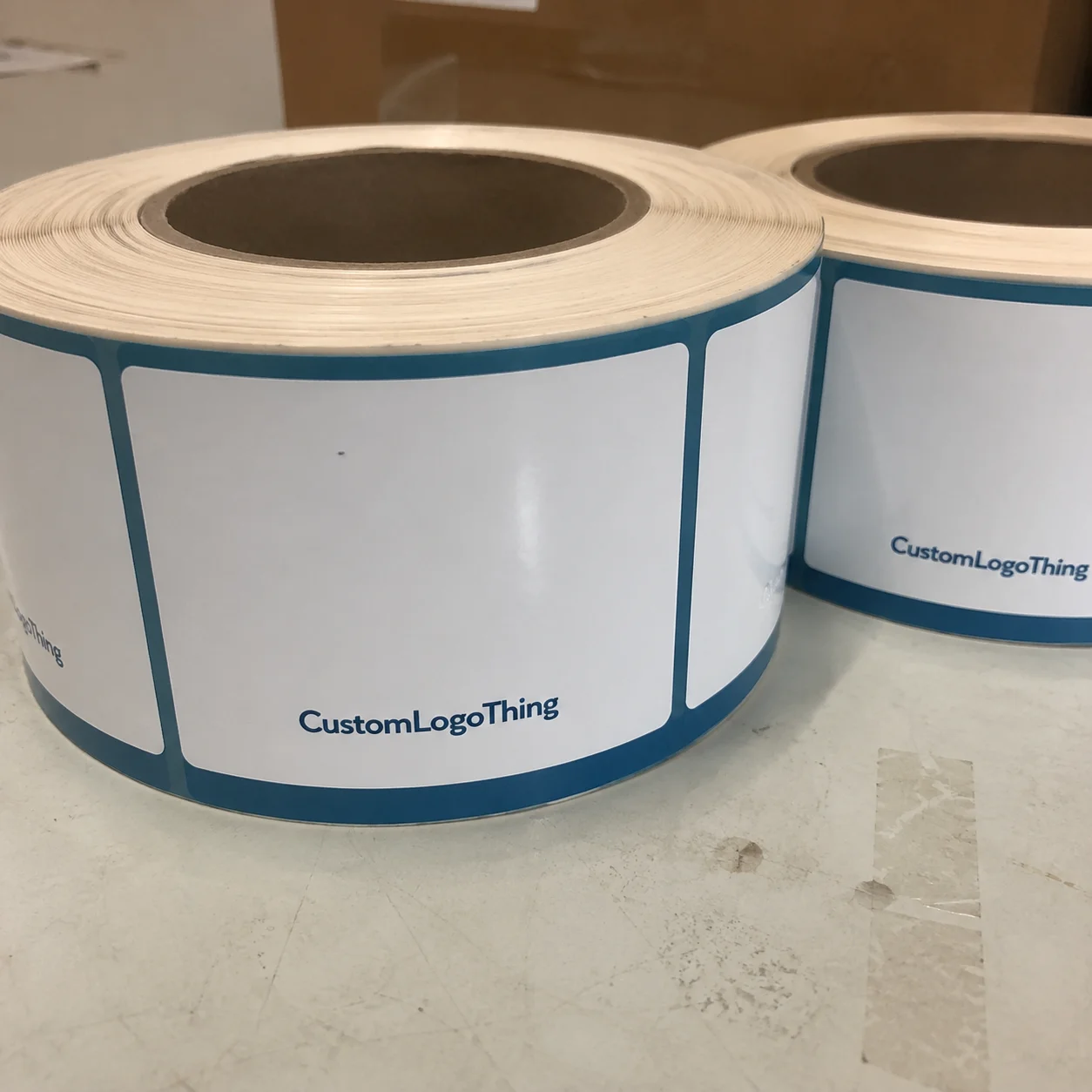
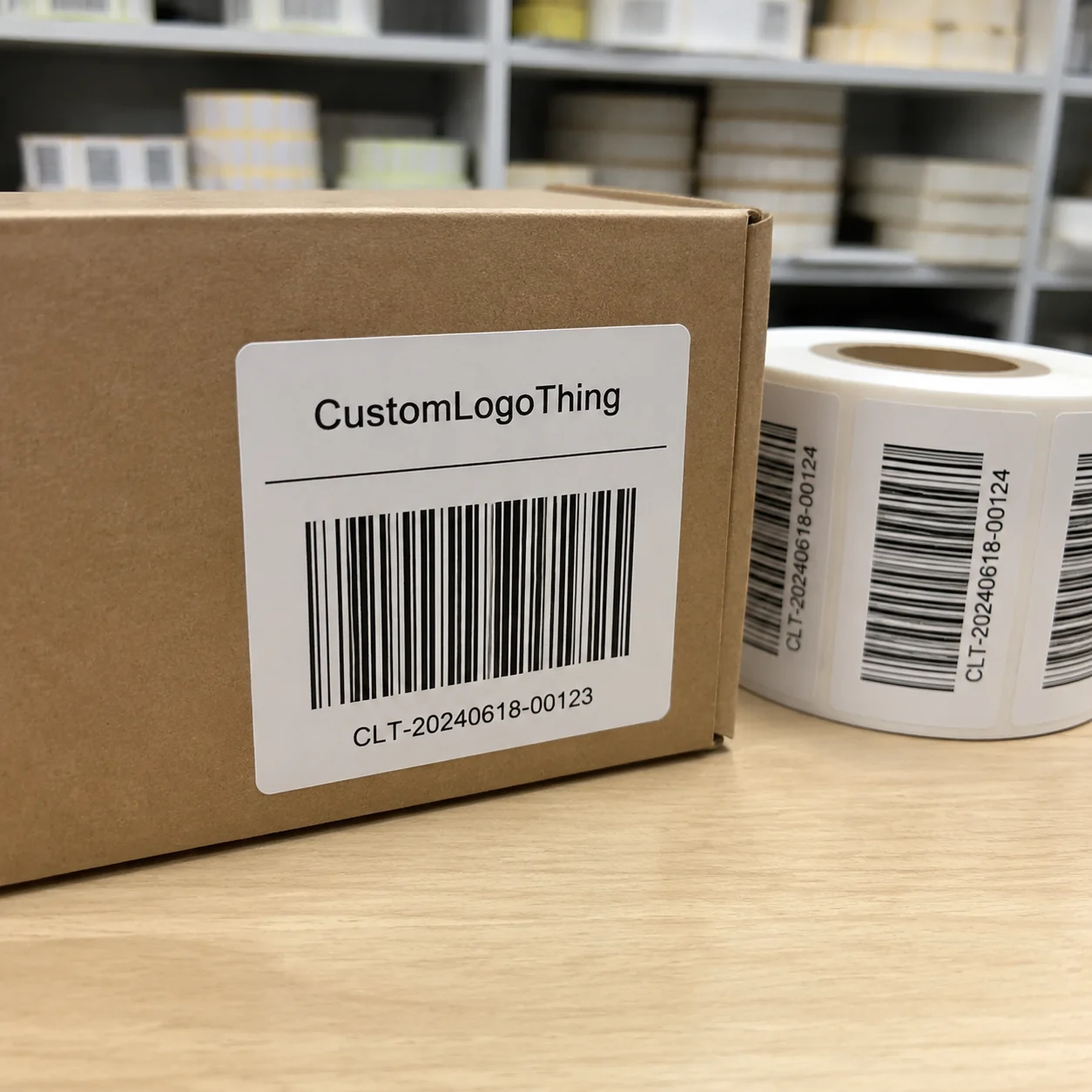
Tea packaging has a quieter life than a shipping carton, but it still gets handled, stacked, shipped, opened, resealed, and sometimes stored near steam or sunlight in a kitchen. That is why care Labels Unit Cost for tea brands should never be judged by print price alone. The real cost depends on material, adhesive, finish, setup, and how the label behaves once it leaves the box and reaches a customer.
From a packaging buyer’s point of view, the smartest quote is the one that matches the actual use environment. A label that looks inexpensive on paper can become expensive if it smudges, peels, or needs a reprint because the format was wrong for the surface. For tea brands, the goal is straightforward: readable instructions, consistent branding, and a cost per piece that still makes sense at the order size you actually need.
Why tea brands need care labels that hold up in real use
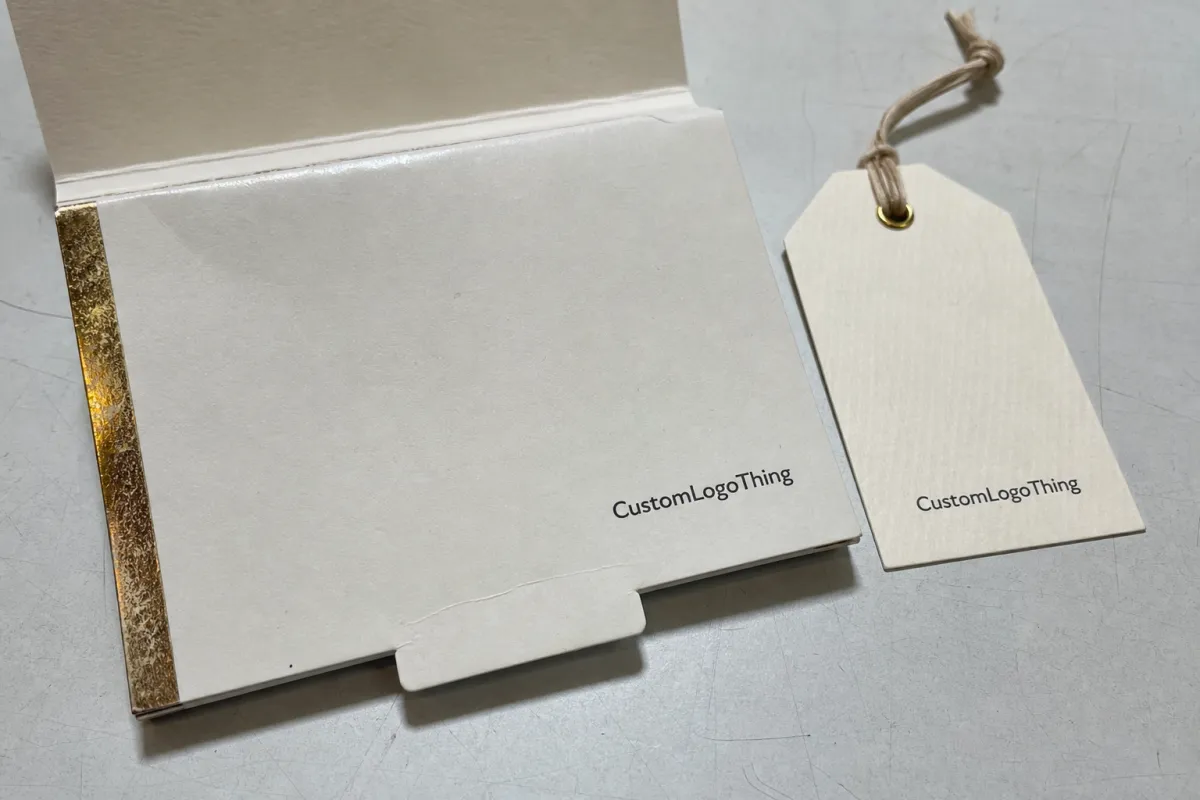
Tea products live in a lot of different environments. A loose-leaf pouch may travel through distribution in a carton, sit on a retail shelf under warm lighting, then get moved into a pantry next to spices and humidity from the kettle. Gift boxes see even more handling because shoppers pick them up, compare them, and often open and close the package before buying. If the label curls, rubs off, or becomes hard to read, the brand loses trust quickly.
That is why care labels matter beyond compliance language. They keep brewing instructions, storage notes, and brand details visible across the product life cycle, whether the tea is sold in a kraft pouch, a tin, a folding carton, or a reusable fabric bag. For premium tea packaging, the label often carries care symbols, origin details, and batch information in one place, so it has to stay legible even after repeated handling.
Many buyers assume the Care Labels Unit Cost for tea brands is mostly about the artwork. That is one of the most common misunderstandings. Artwork complexity matters, but durability, adhesive selection, and roll or sheet setup can move the price more than a complicated graphic. A simple one-color label on the wrong film, or with the wrong adhesive for a textured pouch, can cost more in waste than a carefully specified version.
“A label is only cheap if it works the first time and stays readable through the full handling cycle.”
The best buying decision starts with the product environment, not the lowest quote. If the tea is going into a dry retail box, a paper construction may be perfectly fine. If the package needs moisture resistance or abrasion resistance, a synthetic film or laminated construction may be the better spend even if the upfront price is higher. The reverse is also true: over-specifying a label for a dry, secondary package can quietly erode margin.
For brands building a stronger packaging system, it helps to compare label specs alongside the broader pack. Our Custom Labels & Tags page is a useful starting point, and our Case Studies show how consistent specs reduce rework on repeat orders.
Label formats, materials, and finish options for tea packaging
Tea brands usually choose between a few practical label constructions, and each one suits a different use case. Standard paper labels work well for dry, short-life applications where the package is not exposed to much moisture. They are usually the lowest-cost option and can be a smart choice for secondary packaging or short promotional runs.
Synthetic films such as BOPP or PET are better when the label must resist humidity, minor scuffing, or handling in transit. They cost more than paper, but they often save money in the long run because they hold up better on pouches, jars, and tins. For premium presentation, some tea brands also use woven or satin-style care labels on fabric bags or sewn-in components, especially when the package itself is part of the product experience.
Pressure-sensitive labels are the most common format for tea cartons, jars, and tins because they apply quickly and work well on clean, smooth surfaces. If the surface is textured, curved, or lightly flexible, adhesive choice becomes critical. Permanent adhesive is the default for retail packaging, while removable adhesive may make sense for campaign packs, seasonal blends, or reusable containers where the buyer may want clean removal later. Specialty adhesives can help with low-energy surfaces, but they usually raise the unit price.
Finish also changes both appearance and cost. Matte finishes reduce glare and improve readability under store lighting. Gloss can make color more vivid and is often used when the pack needs a brighter shelf presence. Soft-touch adds a premium tactile effect, but it increases manufacturing steps and should be used where the added feel supports the product story. Uncoated paper still has a place too, especially when a natural, craft-style look fits the tea brand.
Variable data can be a useful add-on. Tea brands selling across channels may need batch codes, multilingual instructions, or care symbols that change by SKU. That affects production flow, and it can influence the unit cost more than buyers expect because each added version may need separate setup, verification, or packing.
A practical comparison looks like this:
| Label type | Best for | Typical cost level | Common tradeoff |
|---|---|---|---|
| Paper pressure-sensitive | Dry cartons, inner sleeves, short-run promotions | Lowest | Less moisture resistance |
| Synthetic film | Pouches, tins, jars, handling-heavy retail packs | Moderate | Higher material cost |
| Woven or satin-style | Fabric bags, premium sewn-in presentation | Higher | More setup and finishing work |
For brands that want a more tactile or premium look, soft-touch lamination or a matte overprint can improve shelf appeal, but those choices should be tied to actual sales goals. If the pack is going into a gift box and will be opened carefully, premium finish can make sense. If the tea is a fast-moving everyday SKU, a well-printed matte paper label may deliver better value.
Spec sheet essentials buyers should confirm before ordering
Good quoting starts with a clear spec sheet. If the tea brand can define the label size, shape, artwork format, color count, and application method before requesting pricing, the quote is usually more accurate and the risk of rework drops sharply. A label that looks “small” on screen may still need extra press setup if the die-cut shape is unusual or if the press sheet layout wastes material.
The first question is simple: will the label be applied by hand or by machine? Hand application gives more flexibility on spacing and roll direction, while machine application requires tighter control of winding, gap, and core size. If the label will run through automated application, the supplier needs that detail early. Otherwise, the order may arrive in a format that creates stoppage, skew, or waste on the line.
Durability requirements matter too. Tea packaging may not need industrial abrasion resistance, but it should survive rubbing in transit, short-term heat exposure, and occasional moisture contact. If the package will move through a humid warehouse or sit in a warm shipping environment, ask for material and adhesive choices that handle those conditions rather than hoping a basic paper stock will be enough.
- Label size and shape: exact dimensions, corner style, and die-cut needs.
- Artwork format: editable file, outlined fonts, and linked images.
- Print colors: one-color, full color, or spot color matching.
- Roll direction and core size: essential for machine application.
- Packaging surface: paperboard, film pouch, coated tin, glass jar, or fabric.
- Compliance text: ingredients, country of origin, recycling marks, care icons, or multilingual copy.
For buyers comparing options across different label suppliers, standards and testing language help keep the discussion grounded. If your pack will face transit stress, it is reasonable to ask about performance references related to ASTM methods or packaging transit expectations such as those used in ISTA testing. For sustainability claims and recycled-content considerations, the EPA recycling guidance and FSC material sourcing references can help separate marketing language from actual substrate choices.
Tighter spec control usually means fewer surprises. It reduces the chance of a mismatch between artwork and actual production, and it keeps repeat pricing steadier because the supplier is not guessing at the construction every time a reorder comes in.
Care labels unit cost for tea brands: pricing, MOQ, and what changes the quote
Here is the part every buyer wants to understand clearly: Care Labels Unit Cost for tea brands is driven by a few predictable factors, and the biggest one is quantity. On small runs, setup charges, proofing, and press preparation get spread across fewer pieces, so the cost per piece climbs fast. On larger runs, those same fixed costs are divided over more labels, which usually improves bulk pricing.
Material type is the next major variable. A standard paper label will often quote lower than a synthetic film, and a woven or satin-style construction usually sits higher still because of the extra production steps. Print method matters too. Digital printing can be efficient for shorter runs or many versions, while conventional printing may become more economical at scale, especially for repeat orders with stable artwork.
MOQ also depends on the construction. Standard pressure-sensitive labels can often be ordered in smaller quantities, while specialty films, custom die-cuts, or woven labels may require a higher minimum. That is not a supplier trick; it is usually about production efficiency, material waste, and how the press is set up.
When comparing quotes, ask what is included. Some suppliers list a low base price but add prepress charges, tooling fees, proofing costs, cutting, rewinding, or freight later. Others include more in the headline number. You cannot compare the unit price fairly unless the scope is the same.
| Quantity | Typical unit cost range | What usually happens |
|---|---|---|
| 1,000–2,500 | $0.20–$0.45 per label | Higher setup burden, less room for bulk pricing |
| 5,000 | $0.12–$0.28 per label | Often the sweet spot for many tea brands |
| 10,000+ | $0.07–$0.18 per label | Lower cost per piece, more efficient press time |
Those ranges depend on size, print coverage, material, and finish, so they should be treated as planning numbers, not a final offer. A small label with minimal ink coverage may sit at the low end. A larger premium label with soft-touch or specialty adhesive will sit higher. If the order includes multiple versions, the quoted unit price can also rise because each version creates separate setup and handling steps.
One practical way to evaluate the Care Labels Unit Cost for tea brands is to request pricing at two or three quantities. For example, ask for 2,500, 5,000, and 10,000 pieces. That quickly shows where the price drops enough to justify a larger buy. Many brands find that a slightly larger order reduces the total cost enough to cover a safer inventory buffer, especially for seasonal blends or gift packs.
For tea buyers, the real question is not “What is the cheapest label?” It is “What label gives the right cost per piece without causing reprints, application issues, or shelf failure?” That is a more useful way to think about value, and it usually leads to better purchasing decisions.
Production steps, proofing, and turnaround from order to shipment
The production flow is straightforward, but each step affects schedule. It usually starts with artwork review, where the supplier checks file resolution, bleed, dimensions, and text safety. Then comes proofing, which may be a digital proof, a press-ready mockup, or in some cases a physical sample. After approval, the order moves into printing, finishing, inspection, packing, and shipment.
Lead time often slows down because of missing artwork elements or late approvals. A file with low-resolution logos, unclear cut lines, or incomplete compliance text can add back-and-forth before production even starts. Special materials also add time, especially if the selected film, adhesive, or finish is not a stock item. Orders with multiple versions usually take longer because each version needs its own verification and packing sequence.
Digital production can be a smart option for short runs, urgent launches, and many-SKU orders. It usually reduces tooling pressure and can help with faster proof-to-production transitions. Conventional production often becomes more economical on larger runs, particularly when artwork is stable and the brand plans repeat orders. The best choice depends on run size, artwork stability, and how much setup the job requires.
Typical turnaround after proof approval is often 12 to 15 business days for standard jobs, though complex constructions or out-of-stock materials can extend that. If the label is part of a seasonal launch, trade show pack, or gift box program, it is wise to leave a buffer. Rush orders may be possible, but they can introduce extra charges and limit material options.
Here is the practical production sequence most tea brands should expect:
- Submit artwork, size, quantity, and packaging photos.
- Receive a quote with material, MOQ, and lead time.
- Approve the proof and confirm compliance text.
- Production starts after sign-off.
- Finished labels are inspected, packed, and shipped.
The more clearly a brand plans around sales cycles, the less likely it is to pay for rush production. Tea blends often move with seasons, gifting periods, and promotional bundles, so ordering ahead of those windows can protect both margin and stock availability.
How Custom Logo Things supports repeat orders and brand consistency
Repeat orders should feel predictable. When tea brands expand into new blends, package sizes, or seasonal runs, they need a supplier that keeps the label spec consistent from one cycle to the next. That means the dieline, material, print settings, and finishing notes need to be documented cleanly so the next reorder matches the first one instead of drifting in color, cut, or application behavior.
Custom Logo Things is set up for practical manufacturing support, not inflated promises. The value is in clear quoting, spec verification, and careful handling of the details that affect the final pack. A good quote should make it obvious what is included, what the MOQ is, and where setup charges may appear. That transparency helps buyers compare apples to apples and plan inventory with fewer surprises.
Repeat production is also easier when the original order was documented well. If the label size, substrate, adhesive, and artwork file are stored correctly, a reorder can move faster and with less waste. That is especially useful for tea brands with stable core SKUs, because the same label may need to be produced several times a year with only small batch code changes or minor text edits.
A reliable manufacturer also helps catch issues before they become expensive. If a logo is too close to a trim edge, if a barcode needs more quiet space, or if the adhesive is not ideal for the package surface, it is better to know before the press run starts. That kind of early correction protects both budget and timeline.
For brands comparing packaging partners, the most useful signs are simple: accurate spec sheets, realistic timelines, consistent communication, and the willingness to explain why one material or format works better than another. That is the kind of support that keeps label programs stable.
Next steps to request an accurate quote and avoid rework
If you want a quote that reflects real production conditions, gather the essentials before you ask: label size, quantity, packaging surface, material preference, finish, and whether the order will be applied by hand or machine. Those six details alone can remove a lot of guesswork from the price.
Send the artwork files too, along with reference photos of the tea package. A photo of the actual pouch, tin, carton, or bag helps the supplier judge surface texture, curvature, and fit. If the pack carries compliance text, ingredient statements, recycling marks, or multilingual information, include that up front so the quote reflects the full scope.
Ask for a unit-cost comparison at multiple quantities. That gives you a better view of the price curve and helps identify the order size that best fits your budget. Sometimes the difference between 2,500 and 5,000 pieces is large enough to justify the bigger run, especially if the brand has reliable sell-through or a planned launch window.
Before approving, confirm the proofing method, turnaround target, and shipping destination. These are the details that prevent avoidable delays. If the proof looks right, the specs are clear, and the cost per piece works at your forecasted volume, then the order can move into production with far less risk.
For tea brands balancing quality and margin, the smartest path is a clean quote, a careful proof, and a label construction that fits the product environment. That is how you keep care labels unit cost for tea brands under control without sacrificing durability or brand consistency. If you are ready to move forward, Request a Custom Quote, review the proof closely, and approve production only once the specs and pricing are fully aligned.
FAQs
What affects care labels unit cost for tea brands the most?
Material choice, quantity, print method, finish, and whether the labels are single-version or multi-version orders affect pricing the most. On smaller runs, setup and proofing charges matter more, while larger quantities usually lower the unit cost.
What MOQ should tea brands expect for custom care labels?
MOQ depends on the construction and print method. Standard pressure-sensitive labels often allow smaller runs than specialty woven or film options. The most accurate answer comes from the exact size, material, and quantity you need.
Are care labels or product labels better for tea packaging?
If the label is going on a pouch, carton, tin, or reusable bag, choose the format that matches the surface and use case. Pressure-sensitive labels work well for packaging, while sewn-in or textile-style care labels are better when the package is fabric-based or finished in a premium style.
How long does production usually take after proof approval?
Lead time depends on material availability, quantity, and finishing requirements. Simple runs move faster, while custom constructions, multiple versions, or specialty finishes usually add time.
What should tea brands send for the fastest accurate quote?
Send label size, quantity, artwork files, packaging photos, material preference, and application method. Including compliance text and shipping details helps reduce revisions and keeps pricing more accurate.