A sleeve can look finished on a screen and still fall flat on a shelf. That is the tension hidden inside many ceramic studio Box Sleeves Material guide decisions: the artwork gets the attention first, while the board grade, fold behavior, and handling strength are treated like details that can be sorted out later. In a ceramic business, that usually creates problems down the line, because the package has to protect a fragile product, support premium pricing, and survive repeated touchpoints long before the customer sees the piece inside.
From a packaging buyer’s point of view, the sleeve is doing three jobs at once. It identifies the product, carries the brand story, and adds a light layer of protection around the inner box or rigid container. That sounds simple until stack pressure, scuffing, fiber cracking at the fold, barcode placement, and the real weight of a mug, bowl, or serving set enter the picture. A good ceramic studio Box Sleeves Material guide helps buyers sort those tradeoffs before production starts, not after the first run comes back underwhelming.
Ceramic studios need a different sleeve strategy than general gift packaging. Weight is only one reason. Handmade surfaces, glaze variation, artisan positioning, and small-batch economics all change the material decision. A sleeve for a soap box can get by with a lighter stock and a softer visual tone. A sleeve for a stoneware bowl set needs enough stiffness to stay square, enough print quality to carry branding, and enough finish control to match the piece inside. The smartest ceramic studio box sleeves material guide choices usually start with structure first, then work back toward visual polish.
The tradeoff never disappears: stronger board versus sharper print, lower cost versus better presentation, faster production versus more finishing options. Once buyers see those pressures clearly, the rest of the discussion gets a lot easier to manage. The best ceramic studio box sleeves material guide is not the one that promises the most. It is the one that fits the product, the retail environment, and the order volume without creating avoidable reprints or shelf defects.
Ceramic Studio Box Sleeves Material Guide: What Buyers Miss
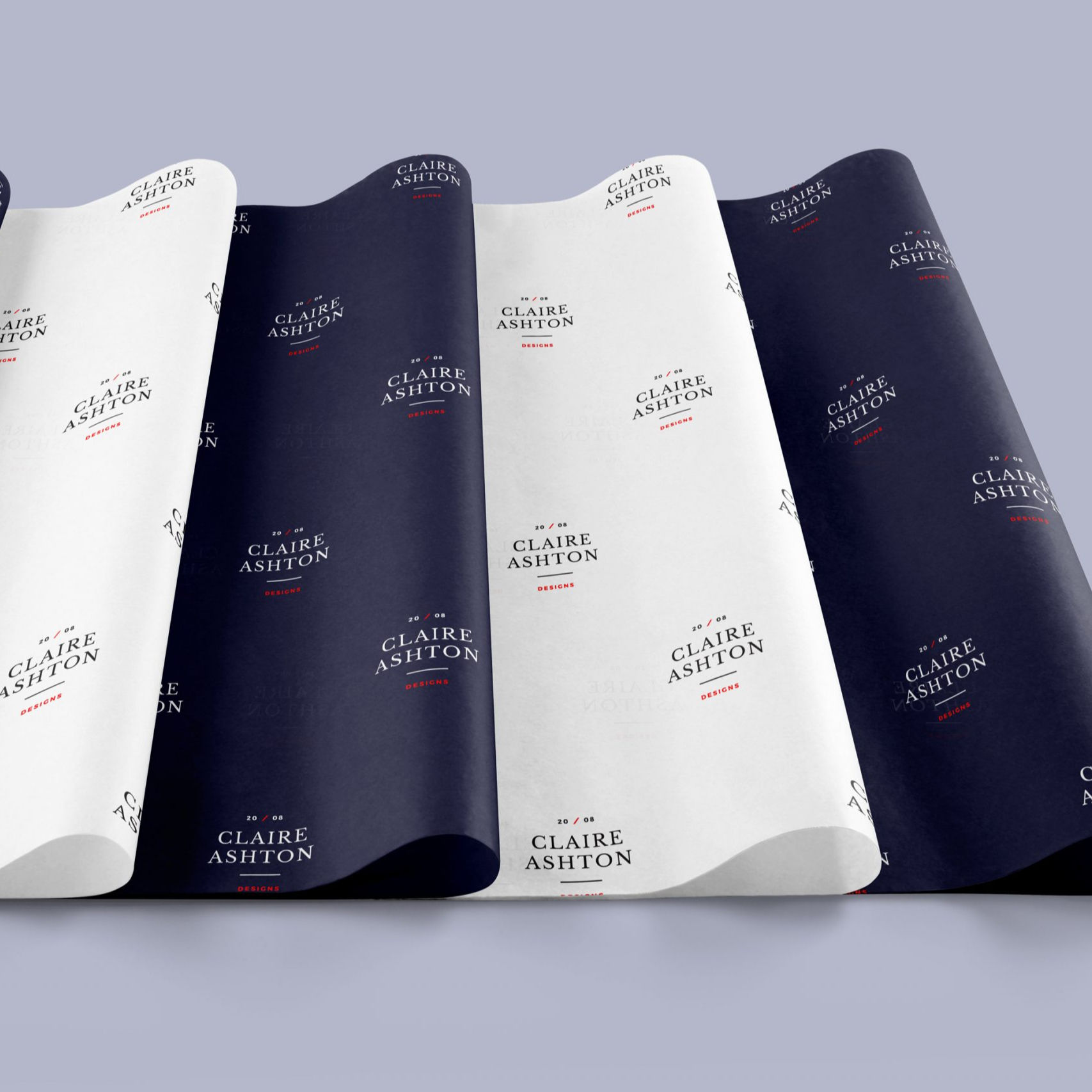
Most sleeve failures do not happen in shipping. They show up on the retail shelf, in the stockroom, or in the customer’s hands. That is the part many buyers miss. The sleeve may arrive flat and clean, but if the stock is too brittle, the edge wears quickly. If the ink coverage is too heavy for the paper grade, the crease line can crack. If the sleeve slides too easily over the inner box, the presentation feels loose. A strong ceramic studio box sleeves material guide looks beyond appearance and asks how the package behaves after three or four touches, not just after one unboxing.
A sleeve is not the same as a full carton. It works more like a branded skin around a stable base. That changes the fit question. The sleeve should grip the box without wrinkling, bowing, or creating so much friction that staff struggle to assemble it. Even a small mismatch in caliper can create visible gaps at the side seam or make the print look uneven near the fold. In a practical ceramic studio box sleeves material guide, the sleeve is treated as a working component, not decoration.
Ceramic studios also face a harder structure problem than many gift brands. A mug with a handle, a bowl with a wide rim, or a serving platter in protective inserts can change the pressure pattern inside the package. The outer sleeve may never carry the full weight directly, yet it still has to hold shape when the box is lifted, stacked, or slid across a counter. That is why a ceramic studio box sleeves material guide should always ask whether the sleeve is mostly for branding or whether it needs to help the package stay squared under load.
"If the sleeve folds badly, the shelf tells you before the customer does."
Branding deserves the same level of attention. Ceramic buyers usually expect tactile honesty. They do not want a package that talks luxury while the inside feels generic. A recycled kraft look can be a strong match for a studio that wants a handmade story. A smooth white board can fit a modern line with sharp typography and a clean color palette. The point of a ceramic studio box sleeves material guide is not to push every studio into the same visual language. It is to match material character with product character.
Among common material families, SBS paperboard often gives the sharpest print and the cleanest visual field. CCNB, with its coated recycled back, can be a practical middle ground for cost-sensitive runs that still need a decent print face. kraft paper delivers a warmer, more natural impression, though it usually limits color brightness and can show ink differently from a bright coated sheet. Light corrugated cardboard appears less often for simple sleeves, yet it becomes useful when the sleeve needs extra stiffness or the product line is large and heavy. A balanced ceramic studio box sleeves material guide should know where each one performs best, not just which one looks attractive in a sample photo.
Print compatibility changes the experience too. Smooth stocks usually deliver crisper typography, tighter line work, and richer solids. Textured or recycled stocks can support a more crafted feeling, but they may soften fine detail and absorb ink differently. If the studio relies on delicate illustrations, subtle gradients, or small barcode elements, that choice matters. This is why the strongest ceramic studio box sleeves material guide recommendations always tie finish and stock together instead of treating them as separate decisions.
How Ceramic Studio Box Sleeves Material Guide Choices Work in Practice
In practice, a sleeve sits between the product box and the human hand. That middle position matters more than many brands realize. The outer edges are the first surfaces to scuff. The face panel gets touched, slid, and stacked. The seam has to stay tight even after transit vibration and repeated handling. A realistic ceramic studio box sleeves material guide asks how much of the package edge is exposed, how the sleeve meets the lid, and whether the design still looks sharp after being pulled on and off several times.
The most common material families each solve a different problem. SBS paperboard is often the best starting point for clean premium printing, especially when the design needs controlled color and sharp type. CCNB works well when recycled content and budget matter, and it can handle a broad range of sleeve styles. kraft paper supports a more earthy, artisan tone, especially for studios that want to signal natural materials or smaller-batch production. corrugated cardboard is more structural than elegant, but a thin corrugated sleeve or wrap can be the right answer for heavier ceramic sets. Any honest ceramic studio box sleeves material guide should say this clearly: there is no universal winner.
Think about the customer journey. The sleeve is often the first tactile cue before the product is lifted out, photographed, or gifted. A glossy sleeve can create strong retail presence, yet it may also show fingerprints. A matte finish feels calmer and more controlled, though it can pick up rub marks if the ink system is weak. Soft-touch coating adds a premium hand feel, but it tends to increase cost and may complicate recycling claims. That is why a ceramic studio box sleeves material guide needs to speak in outcomes, not adjectives.
Here is one useful way to compare the options:
| Material | Best Use | Print Result | Structure | Typical Unit Cost at 5,000 Units |
|---|---|---|---|---|
| SBS paperboard, 16-24 pt | Premium graphics, clean branding, retail shelf impact | Sharp, bright, high contrast | Good stiffness, easy to score | $0.22-$0.40 |
| CCNB, 18-24 pt | Balanced cost and appearance, recycled content focus | Solid, slightly softer color | Moderate stiffness, dependable fold memory | $0.18-$0.32 |
| Kraft paperboard, 18-28 pt | Handmade look, natural brand story, simple graphics | Warm, muted, texture-forward | Moderate strength, visible fiber character | $0.20-$0.36 |
| Light corrugated cardboard | Heavier ceramics, extra crush resistance, shipping-heavy lines | Less refined unless fully wrapped | High rigidity, good protection | $0.28-$0.48 |
That table hides an important point: the same sleeve spec can work beautifully on one ceramic line and fail on another. A mug set may be light enough for a standard board sleeve, while a platter set with inserts may need stronger paperboard or a different package construction entirely. A serious ceramic studio box sleeves material guide should connect material choice to SKU strategy, because one spec rarely fits every item in a growing studio catalog.
Surface compatibility with embellishment matters as well. Foil, spot UV, embossing, and heavy ink coverage can all narrow the usable material pool. A highly textured stock may look beautiful with a simple one-color print, but foil on that surface may not hold clean edges. A heavy flood of dark ink can look rich on a smooth sheet, yet it can also show scuffing faster on a folded sleeve. That is why the best ceramic studio box sleeves material guide choices often begin with a test print, not a mood board.
If your studio wants a sustainability story, look closely at the base stock and the finishing system together. FSC certified paper is a good starting signal, but it is only part of the picture. Recycled materials, especially those with post-consumer waste content, can support the story further if the coating and adhesives still allow practical end-of-life handling. Some brands also describe their packaging as biodegradable packaging, but that claim should be used carefully because certain laminations, metallic effects, and heavy coatings can change the disposal profile. A careful ceramic studio box sleeves material guide keeps the promise honest.
For buyers who want a broader industry lens, standards matter. Package testing from ISTA can help identify drop, vibration, and compression risks before the sleeve reaches a customer. For material sourcing, FSC gives a credible chain-of-custody framework for paper products. A ceramic studio does not need to become a lab, but it does need enough discipline to avoid choosing a sleeve by appearance alone. That is exactly where a ceramic studio box sleeves material guide earns its keep.
Key Factors in Ceramic Studio Box Sleeves Material Selection
Strength and stiffness sound like the same thing, but they are not. Caliper tells you thickness; stiffness tells you how the sheet resists bending; crease memory tells you whether the fold stays sharp or starts to whiten and crack after handling. For a sleeve that sits in studio storage, moves through assembly, and then gets handled on the retail floor, those are separate questions. A reliable ceramic studio box sleeves material guide treats them separately too.
Surface finish should match brand tone as closely as possible. Gloss can sharpen color and create strong shelf visibility, but it can feel more commercial than artisanal if overused. Matte gives a quieter, more editorial look and usually works well for a ceramic brand that wants to feel calm and considered. Soft-touch can elevate a premium line, yet it also adds cost and may complicate recycling claims. Uncoated stock feels honest and tactile, though it can show scuffing more quickly. A thoughtful ceramic studio box sleeves material guide always asks what the finish is saying before it asks how much it costs.
Print method and embellishment often decide the final board choice. Foil stamping, embossing, and spot UV can turn a plain sleeve into a stronger retail object, but they also change the economics. A design with multiple ink colors and high coverage areas increases setup time and can push the run into a more expensive press configuration. If the artwork requires tight registration, smooth paperboard is usually safer than a rough recycled surface. That is why a ceramic studio box sleeves material guide should never isolate design from production reality.
Sustainability claims deserve more discipline than most packaging teams give them. Recycled materials can be excellent, but the percentage of post-consumer waste should be stated carefully and checked against actual supplier documentation. A sleeve can also be FSC certified without being visibly rough or cheap-looking. The trick is to keep the story credible while preserving the brand tone. A ceramic studio that talks about natural materials, low-waste production, or biodegradable packaging should be able to explain the packaging structure without sounding vague. The better ceramic studio box sleeves material guide choices make that explanation easier, not harder.
Product fit matters more than many buyers expect. If one line uses a narrow carton and another uses a wider rigid box with inserts, the sleeve wall-to-box ratio will change. That changes friction, wrap tension, and how much print area sits on the front panel versus the return flap. A sleeve that feels snug on a mug box may feel loose on a bowl set. A strong ceramic studio box sleeves material guide should define specs by SKU family, not by brand name alone.
Here is a practical rule of thumb: if the sleeve is mainly visual, prioritize print quality and finish control. If the sleeve has to tolerate heavy handling, stacking, or repeated assembly, prioritize stiffness and crease performance. If the studio is trying to reduce waste and support a lower-impact brand story, prioritize recyclability and simple finishing. Those priorities do not always point to the same stock, which is exactly why the ceramic studio box sleeves material guide conversation should happen early, not during final artwork approval.
One more detail gets overlooked often: adhesive and fold direction. A sleeve that wraps against the grain can crack faster, especially on heavier board. A sleeve with a poor seam placement can create a visible bump right where the customer’s hand lands. It is a small issue that turns into a big one on the shelf. In a disciplined ceramic studio box sleeves material guide, those details are not footnotes; they are the difference between a package that feels intentional and one that feels merely printed.
Process and Timeline: From Spec Sheet to Production
The production path is usually straightforward, but each step has a place where a sleeve can go wrong. A clean ceramic studio box sleeves material guide workflow starts with discovery: product dimensions, box style, target finish, order quantity, and the visual direction the studio wants. Then comes the dieline review, which is where many timelines quietly stretch because the sleeve size, wrap direction, or seam location needs adjustment before any real production can happen.
After that comes sampling and proofing. A digital proof can show layout and content, but it cannot tell you whether the paper folds cleanly or whether the black ink area will show a rub mark after stacking. Physical samples are slower, yet they reduce risk in a way screen proofs never can. For a buyer using a ceramic studio box sleeves material guide to compare options, the sample stage is the moment where paper feel and crease quality become visible facts instead of assumptions.
Then comes prepress approval. This is the stage where barcode placement, bleed, panel alignment, and color density need to be checked carefully. If the sleeve is intended for retail, even a small placement error can cause scanner issues or confuse the shelf read. If the artwork includes fine illustration lines, those lines should be checked at actual size, not just in a mockup. A professional ceramic studio box sleeves material guide process treats prepress as a quality gate, not a formality.
For timing, most buyers should think in ranges rather than promises. A simple sleeve with standard paperboard and no special finish may move from proof approval to production fairly quickly, often in the 10-15 business day range depending on queue and order size. Add specialty coatings, foil, embossing, or multiple SKUs, and the schedule can stretch. Larger runs often need more press time and more quality checks. A realistic ceramic studio box sleeves material guide should tell you that before you commit to a launch date.
What slows things down most? Usually not the machine. It is missing information. If the supplier does not have final box dimensions, product weight, wrap direction, or the intended assembly method, the spec has to be rebuilt. If the artwork arrives without correct dielines or with color instructions that are too vague, proof cycles multiply. In a practical ceramic studio box sleeves material guide, the fastest projects are the ones where the buyer supplies clean inputs from the start.
One more caution: rushed approvals can hide packaging errors that only appear at scale. A sleeve that looks fine on a laptop can misread when folded on a line of 500 units, especially if fold lines, seam overlap, or flood color are not checked against the actual stock. If the product is glazed and high value, even a small mismatch can make the whole package feel less premium. That is why a serious ceramic studio box sleeves material guide always makes room for time to test, correct, and retest.
For studios with multiple ceramic lines, the timeline question becomes more complex. A launch with two mug sizes, one bowl set, and a gift bundle may need separate sleeve widths or even separate board choices. That can add setup work, but it also prevents a single generic sleeve from looking sloppy across the range. In other words, the best ceramic studio box sleeves material guide is sometimes the one that advises a split spec instead of forcing one compromise across every SKU.
Cost and Pricing: MOQ, Quote Drivers, and Unit Cost
Price is usually the first number buyers ask for, but it is rarely the right first number to compare. Material grade, sheet size, print coverage, coating choice, and finishing all affect the final quote. A simple one-color sleeve on recycled board may be much easier to price than a sleeve with full-bleed artwork, foil, and soft-touch lamination. A disciplined ceramic studio box sleeves material guide helps buyers see what is driving the cost rather than reacting only to the headline total.
MOQ changes the economics too. A low minimum can help a studio launch a new ceramic line without tying up cash in inventory, but the per-piece cost is usually higher. As the run size increases, unit price often falls because setup work gets spread over more pieces. The exact curve depends on material and finishing, yet the pattern stays consistent. For many brands, a good ceramic studio box sleeves material guide is less about finding the cheapest quote and more about finding the lowest-risk price point for the current stage of the business.
When you compare quotes, look beyond the unit line. Ask whether tooling, sampling, and setup are included. Ask whether folding, gluing, or kitting is separate. Ask what shipping method the quote assumes, because a low manufacturing price can become a poor total landed cost if freight or rework gets added later. A sharp ceramic studio box sleeves material guide should make those hidden costs visible before approval.
There is also a tradeoff between premium finish and practical durability. A simple uncoated or lightly coated sleeve can be more affordable and easier to recycle. A coated or embellished sleeve can create stronger shelf appeal and support higher perceived value. The right answer depends on the ceramic product, the margin structure, and how the brand sells. A ceramic studio box sleeves material guide should never pretend that one option is always smarter. It depends on the line.
Here is a practical comparison of common buying positions:
| Buying Choice | Upside | Tradeoff | Best For |
|---|---|---|---|
| Lowest-cost stock | Lower cash outlay, easier testing | May scuff, crack, or print less sharply | Pilot runs, seasonal items, simple graphics |
| Mid-tier recycled board | Balanced appearance and sustainability | Color can be softer than coated white board | Core ceramic lines, gift sets, eco-focused brands |
| Premium coated stock | Best color, strong shelf presence | Higher unit price, more finish complexity | Retail-heavy launches, premium gifting, high-margin SKUs |
| Structural corrugated option | Higher rigidity, better protection | Less refined look unless carefully wrapped | Heavier ceramics, larger gift boxes, direct shipping lines |
The cheapest sleeve is not always the lowest-risk sleeve. If a lower-grade board cracks at the fold, the reprint cost can erase the savings quickly. If the finish rubs off on a shelf, the product may look discounted before it even sells. If the sleeve fit is loose, staff may waste time during packing. Good ceramic studio box sleeves material guide thinking prices the whole system, not just the printed sheet.
For studios trying to keep an eco-forward message intact, price and sustainability can work together if the brief is tight. A recycled board with simple ink coverage can perform well and keep the package aligned with a lower-impact story. If the design depends on heavy lamination and multiple special effects, the sustainability message becomes harder to defend. A clean ceramic studio box sleeves material guide gives buyers permission to simplify where simplification still serves the brand.
One useful habit is to ask for two quotes on the same job: one optimized for presentation and one optimized for durability or cost. That side-by-side view usually shows where the real tradeoff lives. It also prevents the common mistake of choosing a single option before anyone has tested the alternatives. A practical ceramic studio box sleeves material guide is a comparison tool, not a sales script.
Common Mistakes in Ceramic Studio Box Sleeves Material Choices
The first mistake is choosing a stock because it looks premium in a flat sample. Flat samples can hide cracking on the score line, weak crease memory, and poor edge recovery after folding. A sleeve that photographs well can still fail after a few handling cycles. A grounded ceramic studio box sleeves material guide should never stop at the swatch stage.
The second mistake is ignoring the ceramic weight. Buyers sometimes size the sleeve to the box and stop there, but a heavy cup set or dense stoneware platter can change the pressure pattern inside the package. That can lead to sleeves that slide, bow, or misalign on a shelf. In a real ceramic studio box sleeves material guide, product weight is as important as external dimensions.
The third mistake is over-specifying finishes. It is easy to fall in love with foil, soft-touch, embossing, and lamination all at once, but every extra finish adds cost, time, and sometimes recycling complexity. If the studio wants a more natural story, too much surface treatment can work against the brand. A more disciplined ceramic studio box sleeves material guide asks which finish actually helps sell the ceramic piece and which one is just decoration.
The fourth mistake is skipping real-world testing. A sleeve may pass a proof review and still fail in a quick handling test. Drop a filled box from a short height, stack several units, rub the edge against another carton, and check for whitening or ink transfer. These are simple tests, yet they reveal far more than a digital file can. Even basic package testing, modeled on standards like ISTA drop and vibration methods, can save a studio from a costly reprint. That is the difference between a nice-looking ceramic studio box sleeves material guide and a useful one.
There is a subtler mistake too: treating sustainability claims as if they are automatic. A sleeve made from recycled materials is not automatically recyclable in every market. A board labeled biodegradable packaging may still have finish layers that complicate disposal. A sleeve that uses FSC certified paper may still need a finish check if the brand wants a simpler end-of-life story. A mature ceramic studio box sleeves material guide keeps those claims honest and specific.
Another common error is underestimating assembly. If staff need to force the sleeve on, the brand is paying for labor inefficiency and paper wear at the same time. If the sleeve is too loose, the package feels cheap. If the seam line lands in a visible panel area, the whole design reads as less intentional. A well-run ceramic studio box sleeves material guide includes assembly testing, not just print approval.
And finally, some brands fail because they chase one material decision for the whole catalog. A teacup sleeve, a serving bowl sleeve, and a holiday gift set may not need the same board grade or finish. The studio grows, the SKU mix changes, and the packaging needs to change with it. That is why the most practical ceramic studio box sleeves material guide work is not one-off. It becomes a repeatable decision system.
Expert Tips and Next Steps for Better Orders
Start with a one-page spec sheet. Include product dimensions, box type, sleeve wrap direction, target finish, expected quantity, and whether the sleeve needs to support retail display, direct shipping, or both. That single document saves time in almost every supplier conversation. It also keeps the ceramic studio box sleeves material guide discussion grounded in facts rather than preferences.
Ask for at least two material options. One should be optimized for presentation, and one should be optimized for durability or cost. That comparison makes tradeoffs visible fast, and it often reveals that the middle option is the best one. In a studio setting, the best ceramic studio box sleeves material guide answer is often not the fanciest or the cheapest. It is the most balanced.
Always request a physical sample or swatch if possible. Paper feel, crease quality, and coating sheen are hard to judge from a monitor. A sample also helps the team see how the sleeve behaves next to the actual ceramic item and carton. That kind of hands-on check is a small step with a large payoff, especially when the ceramic studio box sleeves material guide decision will be repeated across multiple runs.
Use a simple decision matrix before approval. Score each option for print quality, protection, cost, sustainability, and turnaround. If one board wins on four out of five points and loses only slightly on the fifth, that is usually a better buy than a material that dazzles in one category and falls down in the others. A practical ceramic studio box sleeves material guide is built on weighted choices, not impulse.
- Confirm the final box dimensions and product weight before requesting quotes.
- Ask how the sleeve will be scored, folded, and assembled in production.
- Verify whether the paper is recycled, FSC certified, or both.
- Check whether coating, foil, or lamination changes recyclability claims.
- Test the sleeve with the actual ceramic product, not only with an empty carton.
Document what worked and what failed after each run. Was the fold clean? Did the print scuff? Did the shelf presentation hold up after a month? Did customer feedback match the brand promise? Those notes become more valuable with every reorder because they reduce guesswork. In that sense, the best ceramic studio box sleeves material guide is not a static article or a one-time supplier call. It is the record your team builds over time.
For ceramic brands that want their packaging to feel aligned with the product, the sleeve choice should always be tied to the item inside. Heavy stoneware wants a different structure than a delicate porcelain line. A rustic mug may support kraft paper and recycled materials with a natural finish, while a polished serving set may need smoother paperboard and tighter print control. The right ceramic studio box sleeves material guide choice makes that relationship obvious the moment the customer picks up the box.
If you want the shortest version of the advice, it is this: choose the sleeve material for the actual handling reality, not the mockup. That one shift prevents a lot of expensive surprises. For a brand that sells handmade objects, a good ceramic studio box sleeves material guide is part technical note, part brand guardrail, and part quiet insurance policy. Get that part right, and the rest of the package has a much better chance of doing its job.
What is the best material for ceramic studio box sleeves?
The best choice depends on the ceramic item’s weight, the shelf impact the package needs, and whether the sleeve is mainly decorative or also protective. Smooth paperboard usually works well for sharp graphics and premium print, while stronger or lightly corrugated options help when the sleeve has to stay rigid. A practical ceramic studio box sleeves material guide starts with those use cases, not with a favorite stock name.
How thick should ceramic studio box sleeves material be?
There is no universal thickness, because the right caliper depends on box size, product weight, and how tightly the sleeve must hold its shape. Thicker is not always better if the sleeve needs sharp folds or a cost-efficient run size. A supplier should recommend thickness after seeing the final dimensions and the ceramic piece inside. That is normal in a good ceramic studio box sleeves material guide process.
Does coating change the cost and turnaround for ceramic studio box sleeves?
Yes, coating affects both pricing and schedule because it adds processing steps and sometimes changes handling on press. Matte, gloss, and soft-touch finishes each carry different cost levels and visual effects. If turnaround is tight, ask whether a simpler finish can still meet the branding goal. That question belongs near the top of any ceramic studio box sleeves material guide discussion.
What MOQ should a small ceramic studio expect for custom box sleeves?
MOQ varies by supplier, material, and print complexity, so the first quote should be treated as a starting point rather than a fixed rule. Smaller studios usually pay more per unit at lower quantities, while larger runs bring the unit cost down. If you are testing a new line, ask for a pilot quantity and compare it against the cost of a larger run. That is often the clearest way to use a ceramic studio box sleeves material guide strategically.
Can ceramic studio box sleeves still be recyclable after printing and finishing?
Often yes, but the answer depends on the base material and the finishes used. Heavy lamination, metallic foil, and certain coatings can reduce recyclability or make disposal more complicated. If recyclability is a priority, ask the supplier to recommend finishes that preserve the look while keeping end-of-life handling simple. A credible ceramic studio box sleeves material guide should make that tradeoff visible before production starts.
For Custom Logo Things, the strongest takeaway is simple: a smart ceramic studio box sleeves material guide is not about choosing the prettiest paper. It is about matching structure, print, cost, and sustainability to the ceramic product and the way customers actually handle it. Before you approve the next run, test the sleeve on the real carton, check the fold against the actual board, and compare at least one presentation-focused option with one durability-focused option. That small bit of discipline keeps the packaging honest, and honestly, it saves a lot of headaches later.


