Ceramic studio Mailer Boxes Cost more than a plain brown carton, and that gap can feel hard to justify until you start tallying cracked rims, dented corners, repacking time, and the extra customer emails that follow a damaged order. A cheaper box is only cheaper if it actually does the job. In practice, ceramic studio mailer boxes cost should be judged against breakage rate, packing speed, and the kind of unboxing experience a studio wants to send out with every parcel.
If you ship mugs, small bowls, tile sets, sample packs, or curated gift kits, the right mailer has two jobs at once: it protects fragile work and it presents the brand clearly the moment the package is opened. That is why ceramic studio mailer boxes cost is not just a line item on a quote; it sits inside the bigger fulfillment picture, and it often decides whether a studio keeps its packing station moving or spends too much time replacing what should have arrived safely the first time.
Ceramic Studio Mailer Boxes Cost: Why the Right Box Pays Off
A lot of ceramic damage starts before the piece ever reaches the customer’s hands. The carton crushes at a corner, the closure gives way, or the product has too much room to shift, so the mug or bowl takes impact in the wrong place. That is the practical side of ceramic studio mailer boxes cost: a better-built mailer often lowers the real cost of shipping because it cuts refunds, reships, and the lost hours spent rebuilding orders after the fact.
From a packaging buyer’s point of view, the lowest sticker price does not always produce the lowest ceramic studio mailer boxes cost. If a studio saves two cents on the carton and loses several shipments to glaze chips, the carton was expensive in the wrong way. A more useful question asks how much protection the box offers relative to the weight of the piece, the shipping distance, and the type of fill or insert used in the pack-out.
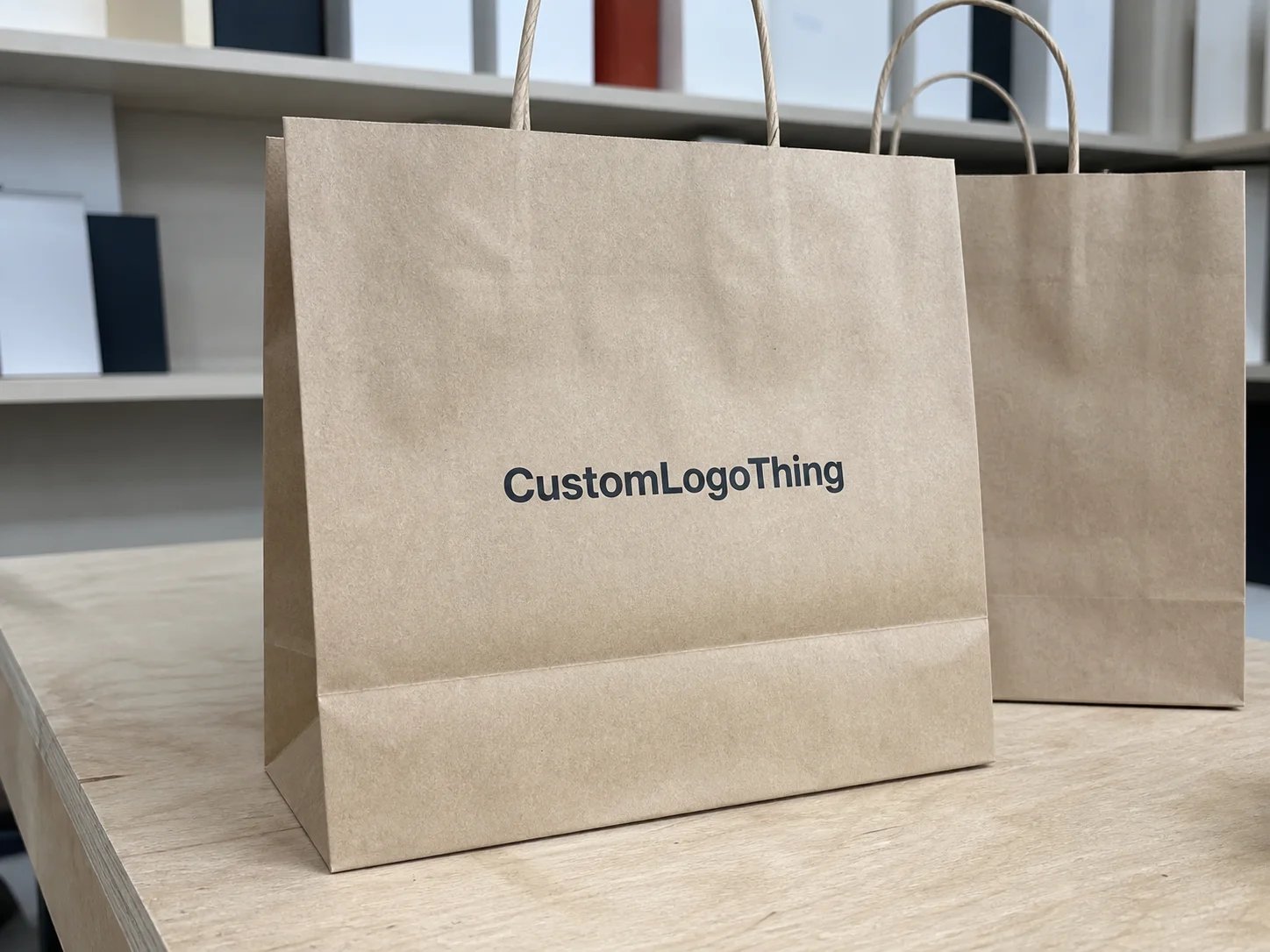
Many ceramic studios also rely on mailer boxes for presentation. A sturdy, well-printed mailer can carry mugs, nested bowls, small tile assortments, studio notes, and subscription kits in a way that feels deliberate rather than thrown together. That matters because ceramic studio mailer boxes cost connects to perception as well as protection; when a box arrives with crisp edges, clean print, and enough structure to keep its shape, the customer reads the entire package as more thoughtful.
I see buyers focus only on unit price all the time, then wonder why their margin shrinks after breakage and rework start piling up. A box that packs faster, closes cleanly, and needs less void fill can save a studio more money than a cheaper carton that forces every packer to improvise. Once you compare ceramic studio mailer boxes cost across options, the numbers make more sense when you look at damage rate, labor, and repeat orders rather than cardboard alone.
A box that saves 8 cents but raises breakage is not the cheaper box. It is only a different place to spend money.
For ceramic goods, the right mailer often sits between heavy retail-ready packaging and bare shipping cartons. It is strong enough to survive distribution, yet efficient enough for recurring fulfillment. That balance is why ceramic studio mailer boxes cost deserves a careful quote rather than a rough guess, especially for studios shipping fragile inventory on a regular schedule.
There is also a branding benefit that is easy to miss. A plain carton may protect the product, but a well-constructed mailer can reinforce a studio’s style without adding unnecessary bulk. A natural kraft exterior, a soft matte print, or a simple one-color mark can make the package feel considered. That means ceramic studio mailer boxes cost should be reviewed alongside brand value, because the packaging is part of the product experience rather than a separate afterthought.
The right mailer pays for itself when it cuts re-shipments, protects fragile glaze work, and helps the studio pack orders with confidence. That is the real reason ceramic studio mailer boxes cost matters: not because the box is the main attraction, but because it quietly keeps the rest of the operation working the way it should.
What Ceramic Studio Mailer Boxes Cost Depends On
The biggest drivers behind ceramic studio mailer boxes cost are usually size, board strength, print coverage, insert complexity, and order quantity. Change one of those and the quote changes. Change several together and the price can move more than buyers expect. That is why a clear spec sheet matters; it lets the manufacturer build the quote around the real pack-out instead of a vague estimate.
Box size is often the first cost lever. A snug mailer uses less board, but it still has to leave room for wrap, tissue, foam, or paper cushioning without forcing the item into a tight squeeze that puts pressure on the ceramic. A larger box can make packing easier, though it may raise both material use and shipping cost because the finished parcel occupies more space. In ceramic studio mailer boxes cost, size influences nearly every other variable.
- Board strength: heavier mugs and stacked items usually need stronger corrugated construction than lightweight sample sets.
- Print coverage: one-color exterior print stays simpler than full-coverage graphics, inside print, or multi-panel artwork.
- Insert design: die-cut supports, dividers, and fitted pulp or foam parts raise material and tooling requirements.
- Quantity: higher order volumes reduce the unit burden of setup and make ceramic studio mailer boxes cost more efficient per piece.
- Shipping weight: heavier packed boxes can alter freight charges and the finished landed cost.
Custom sizing is another major factor. A standard mailer format can often be nested, printed efficiently, and run with less setup than a fully custom dimension. Ceramic work rarely behaves like a one-size-fits-all category, though. Handles, wide rims, tall profiles, and stackable shapes usually need a more exact fit. That kind of tuning can raise ceramic studio mailer boxes cost, yet it often lowers damage risk enough to justify the difference.
Print details matter as well. A simple kraft mailer with one-color branding is usually friendlier to budget than a box with heavy ink coverage, inside printing, or specialty finishes. Soft-touch lamination, foil, and spot treatments can look excellent, but they add steps and complexity. Some studios want that polish; others prefer a clean uncoated look that suits the work and keeps ceramic studio mailer boxes cost under control.
Shipping lane matters too. A studio sending local parcels inside a short zone may tolerate a slightly lighter build than a studio shipping cross-country where boxes spend more time in sortation and face more chances for compression and drop events. If you are calculating ceramic studio mailer boxes cost, remember that the lowest-cost structure on paper can become the most expensive one once freight and loss rates are included.
One more point that buyers sometimes miss: inner components change the quote just as much as the outer carton. A mailer with a simple paper wrap is one thing; a mailer with a die-cut insert, two dividers, and a protective top pad is another. Every added part influences material use, assembly time, and setup charges. If you want tighter numbers, ask for a quote that breaks out the outer box, the insert, and any added packaging parts separately.
For studios comparing options, I like to look at the whole system: box, insert, shipping method, and the labor required at pack-out. That is the cleanest way to understand ceramic studio mailer boxes cost without getting fooled by a low unit price that ignores the rest of the package.
Mailer Box Specifications for Fragile Ceramic Pieces
Specification is where a lot of ceramic packaging projects succeed or fail. The quote may look fine, but if the board grade is too light, the closure is weak, or the interior fit is sloppy, the product can still arrive damaged. That is why ceramic studio mailer boxes cost should be tied to the actual item: its weight, shape, finish, and how it behaves when the parcel is tilted, dropped, or squeezed during transit.
Board grade and closure strength
For many ceramic pieces, an E-flute or similar fine-flute corrugated mailer gives a good balance of printability and structure, while a heavier B-flute or stronger single-wall build may be better for weighty mugs, stacked bowls, or multi-piece kits. Closure design matters just as much. A tuck-front mailer can work well, but the locking points and panel geometry need to resist pop-open forces if the box is going through repeated handling. Better structure can raise ceramic studio mailer boxes cost, yet it may lower breakage enough to make the spend worthwhile.
Inserts, dividers, and cushioning
For a single wrapped mug, a well-sized mailer may be enough if the void space is controlled. For two mugs, a bowl and saucer set, or a subscription kit with multiple ceramic components, inserts become much more valuable. Die-cut supports, folded dividers, or molded cushioning can keep the pieces from knocking together and protect glazed surfaces from rubbing. The more delicate the finish, the more likely the insert is to improve ceramic studio mailer boxes cost in the long run by reducing returns and replacements.
Good sizing leaves room for protective wrap without overstuffing the carton. I usually want enough internal clearance for tissue, paper, or foam so the packer can fill the space cleanly, but not so much room that the item shifts and rattles. Too much void fill slows assembly and makes the shipment feel improvised. Too little space can press hard against handles or rims. Tight, thoughtful dimensioning is one of the easiest ways to control ceramic studio mailer boxes cost while still protecting the product.
Brand details matter too. Many ceramic studios prefer a natural kraft look because it feels grounded and pairs well with handmade work. Others want a matte printed exterior, a short message on the inside flap, or a simple brand mark that feels calm rather than loud. These details are not just decoration; they shape the customer’s first impression. If the box is part of the product story, then ceramic studio mailer boxes cost should include the emotional value of that presentation, not just the board and ink.
Testing is the part that separates guesswork from real planning. For shipping tests, I like to start with a practical routine that includes drop checks, corner compression, and shake testing. If you want a broader framework, compare your pack-out against ISTA methods and similar distribution standards; they give you a more disciplined way to assess how the package behaves under real movement and impact. For fiber sourcing, ask whether your board can be supplied with FSC certification if sustainable sourcing is part of the brand promise.
Another detail worth mentioning is print finish. A matte surface often suits ceramics better than a glossy one because it feels quieter and less retail-heavy. If the studio wants a premium look without overspending, a restrained exterior and clean structural build usually deliver more value than specialty effects. That is one reason ceramic studio mailer boxes cost should be discussed with someone who understands both the mechanics of shipping and the aesthetic of handmade goods.
From a packaging buyer’s view, the best spec is the one that protects the piece, packs quickly, and holds its form after multiple shipping touches. If the box accomplishes those three things, the quote usually makes more sense. If it only looks good in a mockup, the ceramic studio mailer boxes cost may seem acceptable until the first batch of replacements starts eating margin.
Process and Timeline: Quote, Proofs, and Production Steps
The quote process should begin with the product, not the carton. Gather exact inside dimensions, item weight, shipping method, and any accessory pieces before asking for numbers. That gives the manufacturer the real picture and keeps ceramic studio mailer boxes cost aligned with the finished pack-out instead of a rough placeholder spec. If the item is fragile or oddly shaped, a photo or sample piece helps even more.
The next step is usually dieline review and art placement. The dieline shows where folds, closures, and printable panels sit on the structure, so it is the point where a lot of hidden issues surface. Maybe the logo sits too close to a fold, or the insert needs a slightly different cut to keep the glaze from rubbing. Getting that right early keeps ceramic studio mailer boxes cost from creeping up later because of avoidable revisions.
Here is a simple way to think about the workflow:
- Collect dimensions, weight, and product photos.
- Confirm whether the package needs inserts, dividers, or void fill.
- Review the dieline and artwork placement.
- Approve the proof and any structural sample if needed.
- Release production and schedule freight or delivery.
Lead time depends on complexity. A standard-size mailer with light print can move faster than a fully custom printed build with multiple insert parts. If the studio needs structural sampling first, that adds another step, but it is often worth it for fragile ceramic work. A few extra days upfront can save weeks of back-and-forth later. In that sense, ceramic studio mailer boxes cost includes time as well as money.
Delays usually come from incomplete specs. Missing dimensions, artwork changes after proof, or late decisions about inserts are the most common causes. I have seen plenty of projects slow down because the initial request left out the actual item weight or did not explain whether one mug or two mugs were going in the box. Clear input makes ceramic studio mailer boxes cost more accurate and the schedule easier to trust.
Seasonal launches, wholesale drops, and subscription shipments all run on narrow windows around firing batches, photography, sales launches, and warehouse capacity. A firm production plan keeps the packaging from becoming the bottleneck. That is one more reason the conversation around ceramic studio mailer boxes cost should happen early, before the studio is forced to rush a decision and accept a weaker spec just to meet a launch date.
I also encourage buyers to ask what happens after approval. Does the quote include prepress checks? Are there separate tooling fees? Is the sample charge credited later? Are shipping cartons included? These details matter because a quote that looks lower at first glance can become more expensive once the missing items are added. A transparent process is the fastest route to predictable ceramic studio mailer boxes cost.
Ceramic Studio Mailer Boxes Cost: Pricing, MOQ, and Unit Cost
This is the part most buyers want first, and for good reason. ceramic studio mailer boxes cost has to fit the studio budget, especially if the packaging is tied to recurring shipments rather than a one-time launch. The main pricing levers are MOQ, print complexity, material spec, and how much setup the job requires before the first usable box comes off the line.
MOQ matters because the minimum run determines how much of the fixed cost gets spread across the order. If a project has a higher setup burden, a lower quantity pushes the unit cost up. That is normal. The good news is that a larger run often drops the cost per piece enough to make the project more efficient, especially when the boxes will be used repeatedly for bestseller mugs or standard gift kits. In other words, ceramic studio mailer boxes cost becomes more favorable as volume rises, provided the design does not become unnecessarily complex.
Here is a practical pricing frame I would use as a starting point for planning. These are ballpark ranges, not a promise, because final numbers move with dimensions, board grade, print coverage, freight, and insert count.
| Build Type | Typical MOQ | Estimated Cost Per Piece | What It Usually Includes |
|---|---|---|---|
| Simple unprinted mailer | 500-1,000 units | $0.42-$1.10 | Standard corrugated mailer, no print, basic closure |
| Branded printed mailer | 1,000-3,000 units | $0.60-$1.65 | Custom exterior print, standard finish, custom size |
| Mailer with insert or divider set | 1,000-5,000 units | $0.95-$2.85 | Outer mailer plus die-cut insert, divider, or protective support |
| Premium branded build | 2,500+ units | $1.20-$3.50+ | Heavier board, specialty print, interior graphics, or upgraded finish |
Those numbers help because they show the shape of the market without pretending every ceramic order is the same. A light ceramic token kit is not the same as a heavyweight mug set. A bare mailer is not the same as a kit with custom die-cut supports. That is why ceramic studio mailer boxes cost should always be reviewed at more than one quantity tier. Ask for pricing at 500, 1,000, 2,500, and 5,000 units if your storage space and cash flow can support it.
Setup charges are another line item that can catch people off guard. Plate setup, cutting dies, sample prep, and prepress all influence the starting cost of the job. Sometimes the quote bundles those charges into the total. Sometimes they appear separately. Either way, they are real. If you are comparing vendors, compare the whole package, not just the run price, because ceramic studio mailer boxes cost can look better or worse depending on how those fixed charges are handled.
Freight affects the calculation too. A lower-cost box that ships in oversized master cartons or adds unnecessary weight can raise inbound costs and storage handling. If the studio receives frequent drops, the freight profile may matter almost as much as the print spec. From that angle, ceramic studio mailer boxes cost is really a landed-cost conversation, not only a manufacturing conversation.
Studios that also ship non-fragile add-ons can compare their packaging mix against our Custom Packaging Products, and for softer, lighter items that travel with a ceramic order, Custom Poly Mailers may be a better companion. The point is not to force every product into a mailer box; the point is to choose the format that makes the most sense for the item and the route. That mindset usually produces healthier ceramic studio mailer boxes cost outcomes over time.
What I advise buyers to do is request two or three pricing tiers, then compare them by unit cost, setup charges, and expected damage reduction. A quote that shows the price at multiple quantities tells you where the real value starts. It also helps you decide whether the packaging should be built for short-run flexibility or bulk pricing. For many studios, that clarity turns ceramic studio mailer boxes cost from a guess into a planning tool.
Why Choose Custom Logo Things for Ceramic Studio Mailers
Custom Logo Things fits studios that want practical guidance, clear pricing, and a packaging spec that respects fragile goods. The goal is not to overbuild the box or overpromise the result. The goal is to match the structure to the product and the shipping lane so the finished mailer supports the brand and holds up in transit. That is exactly where a thoughtful approach to ceramic studio mailer boxes cost pays off.
What many ceramic buyers need is not a flashy packaging pitch. They need someone who understands board strength, insert fit, print coverage, and how the box behaves once it starts moving through real fulfillment. If you are comparing quotes, the most useful supplier is the one that asks the right questions about dimensions, item weight, and pack-out details. That kind of communication usually leads to a better answer on ceramic studio mailer boxes cost and fewer surprises after approval.
There is a lot of value in restraint. A studio does not always need the heaviest board or the most complex print build. Sometimes the best package is a clean, sturdy mailer with one insert and a simple exterior mark. That keeps the budget in line while still presenting the work well. In my experience, a carefully chosen spec often produces better results than an expensive spec that was never really necessary. That is why the conversation around ceramic studio mailer boxes cost should stay focused on fit, function, and repeatability.
Clear documentation also helps. When the final spec includes dimensions, board type, print method, insert details, and pack-out notes, the reorder process becomes much easier. The studio saves time, the production team spends less effort clarifying the job, and the final cost stays more predictable. That kind of consistency is especially valuable for subscription programs and wholesale accounts, where the packaging has to perform the same way every time. Better documentation supports better ceramic studio mailer boxes cost control.
Another advantage is consistency across product lines. If one mailer structure can handle a small bowl set, a mug bundle, or a tile gift pack with only minor adjustments, the studio has a stronger packaging platform. That kind of repeatable design is easier to reorder, easier to store, and easier to explain to customers. It also makes the ceramic studio mailer boxes cost conversation simpler because the same structural logic can be reused across more than one SKU.
For buyers who want a packaging partner rather than a quote-only vendor, that difference matters. The right supplier should help you balance appearance, protection, and budget without padding the structure just to make it look premium. That is the standard I would want for my own shipment, and it is the standard that tends to produce the most reliable ceramic studio mailer boxes cost over time.
Next Steps for Ceramic Studio Mailer Boxes Cost
If you want a quote that is actually useful, start by collecting the exact inside dimensions of the ceramic item, the finished weight, the number of pieces per order, and whether inserts are required. That information is the backbone of an accurate estimate. Without it, ceramic studio mailer boxes cost will only be a rough placeholder, and rough placeholders are not much help when you are trying to plan a real launch or reorder.
Next, decide how much branding the box really needs. Some studios only need a strong protective mailer with a small printed mark. Others want a branded exterior, inside messaging, or a more refined unboxing experience. Both approaches can work. What matters is choosing the level that fits the product and the budget. Once you know that, ceramic studio mailer boxes cost becomes easier to control because the spec stops drifting.
It also helps to request a sample or a dieline review before committing to a full production run. That step gives the studio a chance to test fit, confirm closure strength, and make sure the protective materials do not rub against the glaze. For fragile ceramics, a small sample check is often cheaper than discovering a problem after a full order arrives. I would rather spend a little time upfront than let a poor fit inflate ceramic studio mailer boxes cost later through damage and rework.
Compare at least two or three quantity breaks if your storage space allows it. The best value often appears at a higher tier because the setup burden gets spread across more cartons, but the storage and cash flow tradeoff still has to make sense for the studio. That is the practical side of ceramic studio mailer boxes cost: it is not only about what each box costs, but also about how the order fits the business rhythm.
When you are ready to move, use the spec package you gathered to Request a Quote. Keep the ask clear, keep the dimensions exact, and include the kind of insert or cushioning you want. The more complete the request, the more accurate the pricing, MOQ, and timing will be. If you want a dependable starting point, that is the cleanest way to get a true ceramic studio mailer boxes cost estimate and turn the packaging plan into an order.
What affects ceramic studio mailer boxes cost the most?
The biggest drivers are box size, board strength, print coverage, insert design, and the number of boxes ordered. Tighter tolerances and custom sizing usually raise ceramic studio mailer boxes cost because they require more material control and setup work. Higher quantities normally reduce unit cost because the production setup is spread across more finished boxes.
What is the usual MOQ for ceramic studio mailer boxes?
MOQ depends on whether the mailer is a standard format or a fully custom printed build. Smaller runs are often possible, but they usually carry a higher unit cost because setup is divided across fewer boxes. If budget is tight, ask for pricing at two or three quantity breaks so you can see where ceramic studio mailer boxes cost becomes more efficient.
Can ceramic studio mailer boxes include inserts for mugs or bowls?
Yes, inserts can be added to help keep mugs, bowls, and small ceramic sets from shifting in transit. The insert type should match the item shape, weight, and surface finish so pieces do not rub or chip. For multiple items, dividers or custom-fit supports are often better than loose filler alone, and that usually makes ceramic studio mailer boxes cost easier to justify.
How long does production usually take after approval?
Timeline depends on whether the box is standard, custom sized, or requires printed artwork and structural samples. Most projects move from proof approval to production based on material availability, quantity, and print complexity. A complete spec package at the quote stage helps avoid delays later in the process and keeps ceramic studio mailer boxes cost tied to a realistic schedule.
How do I get an accurate quote for ceramic studio mailer boxes cost?
Provide exact inside dimensions, item weight, quantity, print needs, and whether inserts are required. Share a photo or sample of the ceramic item if the shape is unusual or especially fragile. The more complete the spec, the more accurate the pricing, MOQ, and Lead Time will be, and the easier it is to compare ceramic studio mailer boxes cost across different options.
If you are trying to keep the budget honest, the cleanest move is to spec the box around the actual ceramic piece, ask for pricing at a few quantity levels, and test the pack-out before you place a full run. That approach keeps ceramic studio mailer boxes cost tied to real shipping performance instead of wishful thinking, which is usually where the money gets saved.