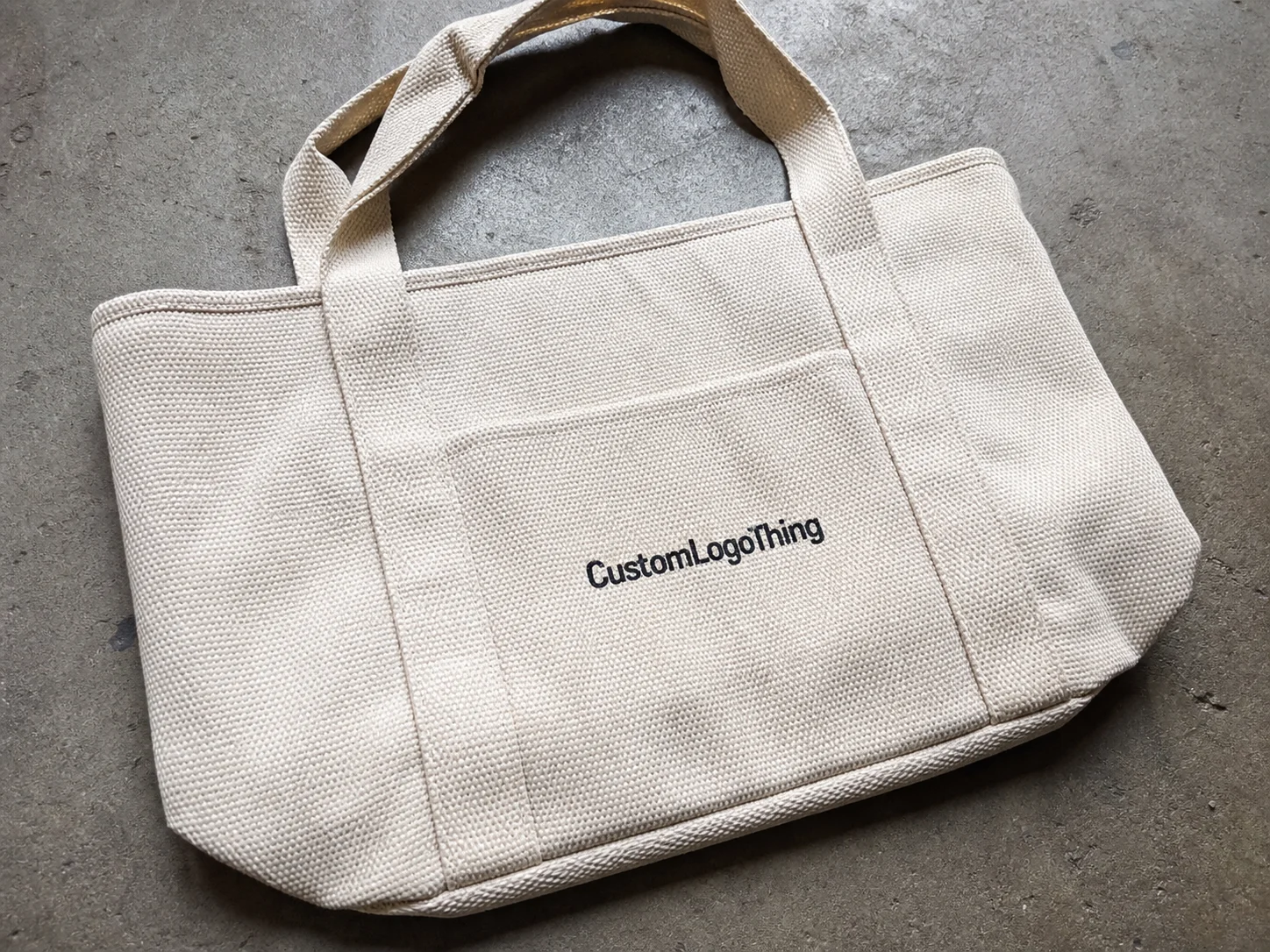
Cheap Custom Tote Bags can do more than carry a logo. Used well, they keep a brand visible after the handoff, support retail packaging, and give event materials a longer life than a flyer or brochure. The key is choosing a bag that fits the job, not just the lowest unit price.
For many buyers, the best tote is the one that prints cleanly, holds normal weight, and stays within budget without paying for extras the project does not need. That matters especially for stores already investing in packaging, because the tote should work with the rest of the presentation, not compete with it. In that sense, the right bag is part of the same packaging system as Custom Packaging Products.
Budget tote bags sit in a practical middle ground. They need to look decent, ship in volume, and stay affordable. The Orders That Work best usually start with a clear decision on what the bag must do, and what it does not need to do.
Why cheap custom tote bags still work for retail, events, and promotions
Low-cost totes make sense because they stay in circulation. A handout gets tossed, but a tote often goes home, then back to work, then into a car or a grocery run. That repeated use makes the unit cost easier to justify.
They are a strong fit for trade shows, retail shopping bags, subscription inserts, pop-ups, and high-volume giveaways. In those settings, a simple bag with a clean one-color imprint often performs better than a more elaborate item that looks good on day one but never gets used. Seasonal retail programs also benefit from a budget tote because it can match custom printed boxes without pushing the packaging budget too far.
The savings come from standard sizing, lighter materials, fewer decoration colors, and efficient bulk production. That does not have to mean flimsy. It usually means the bag is built for actual use rather than overbuilt for a job it will never do.
A tote that is cheaper per unit but fails after one or two uses is not cheap in practice. Replacement cost and lost brand visibility usually erase the savings.
The goal is simple: the tote should carry normal weight, show the logo clearly, and arrive on time. If it does those three things, it has done its job.
Material and print options that keep budget tote bags practical
Three constructions show up most often in budget tote orders. Nonwoven polypropylene is the usual low-cost choice because it is light and efficient to produce in bulk. Woven polypropylene costs more but feels firmer and handles wear better. Cotton blends sit higher on the price ladder, but they work when the brand wants a more natural look and the volume supports it.
Handle style and bag shape matter more than many buyers expect. Flat handles are simple and economical. Reinforced loop handles spread stress better and usually feel sturdier. A gusset adds usable space, which helps if the tote needs to hold apparel, catalogs, or multiple samples instead of a single brochure.
For printing, the safest budget choice is usually a simple logo in one color. Screen printing is often the most economical method at volume. Heat transfer can support more detailed artwork, but it can increase cost and complexity. For cheap custom tote bags, bold artwork with strong contrast usually prints cleaner and reads better from a distance.
Surface texture also affects the result. A rougher nonwoven material can soften fine detail, while smoother woven material supports tighter line work. If the logo uses thin strokes, small type, or gradients, the file may need simplification before production. That is not a compromise; it is the right way to adapt artwork to the bag.
- Best for high-volume giveaways: nonwoven polypropylene with a one-color screen print.
- Best for a firmer retail feel: woven polypropylene with reinforced handles.
- Best for a more natural look: economy cotton blend with limited imprint coverage.
Buying on appearance alone is risky. The better question is whether the bag fits the campaign, store, or event and still prints well. Cheap custom tote bags can look professional if the logo is sized correctly, the bag color supports contrast, and the material is appropriate for the artwork.
Product specifications buyers should confirm before ordering
Before requesting a quote, confirm the basics: bag dimensions, handle length, gusset depth, material weight or thickness, imprint area, and stitching style. Those details shape both price and usability. A tote that looks fine on paper can become awkward if the opening is too narrow or the handles are too short for shoulder carry.
Capacity matters. A tote for apparel or light handouts can use a lighter build. A tote that must carry bottles, catalogs, or boxed samples needs stronger seams and better handle attachment points. That is often where cheap bags fail first, so it is worth checking early.
Color can also affect price and lead time. Standard stock colors usually give the best value because they avoid extra manufacturing steps. Custom body colors may increase cost and extend the schedule, especially on larger runs.
Useful features should be specified only if the project needs them:
- Reusable: good for retail programs where the tote will be used again.
- Foldable: useful for mailers and event inserts.
- Water-resistant: helpful for transit or outdoor promotions, depending on material choice.
- Recyclable: worth checking if the brand has a sustainability target.
Ask for a sample or clear spec sheet before approving production. It is easier to catch problems with print placement, handle length, or finish at that stage than after a full run is complete. If the order is tied to a launch or opening, that small step can save both time and money.
It also helps to define acceptable variation. On a budget run, slight shade shifts, minor texture differences, and normal print placement tolerances are expected. What should never be vague is the size, print colors, and handle strength. Those are the specs that decide whether the bag is usable.
Cost, pricing, and MOQ details that shape the final quote
The final quote usually comes down to six drivers: material, size, print colors, print coverage, packaging requirements, and quantity. Order volume matters because setup costs are spread across more units. That is why unit pricing usually improves at higher quantities, even when the bag itself barely changes.
MOQ stands for minimum order quantity, and it varies by supplier, construction, and decoration method. A simple one-color run on stock material may have a modest MOQ. A more customized tote with special fabric or extra decoration often needs a larger run to stay efficient. Buyers should always ask whether the MOQ applies per design, per color, or per size.
These are typical budget ranges, not fixed pricing, because freight, artwork complexity, and current material costs can change the numbers.
| Bag Type | Typical Use | Approx. Unit Cost at Bulk | Print Notes |
|---|---|---|---|
| Nonwoven polypropylene | Trade shows, giveaways, retail handoffs | $0.35-$0.75 | Best with one-color screen printing and bold logos |
| Woven polypropylene | Heavier retail use, repeated carry | $0.60-$1.20 | Firmer feel, better for larger print areas |
| Economy cotton blend | Brand events, lifestyle promotions | $0.95-$2.00 | Higher material cost, stronger natural look |
The lowest bag price is not always the best quote. Freight, setup fees, color-change charges, and packaging add-ons can change the landed cost quickly. A fair comparison should always include the full delivered cost, not just the factory price.
A few changes can reduce cost without hurting function:
- Choose a standard size instead of a custom dimension.
- Keep the imprint to one side unless both sides are necessary.
- Use one or two print colors instead of a multicolor design.
- Pick a stock body color that gives good logo contrast.
For many programs, that is the right tradeoff. The bag still does the job, but the production stays efficient.
Process and turnaround from artwork approval to delivery
The production flow is usually straightforward: request quote, confirm specs, send artwork, review proof, approve the mockup or sample, produce, inspect, and ship. The schedule moves fastest when the artwork is organized and the spec questions are settled early. Clean vector files reduce redraws, and prompt proof approval keeps the order moving.
Turnaround depends on current capacity, print method, material availability, and whether the order needs color matching or special packaging. A stock-material tote with one-color imprint usually moves faster than a custom build. More steps in the run mean more time.
Transit time is often the real risk. A tote that leaves on schedule can still miss an event if shipping is underestimated. For launches, store openings, and seasonal campaigns, that buffer matters as much as production time.
Clean files and quick approvals matter. If the logo is already in vector format and the proof comes back clean on the first round, the order is usually more predictable. If the file needs cleanup, the schedule can slip before production even starts.
Buyers used to sourcing product packaging will recognize the pattern. The calendar is not just a manufacturing issue; it is a planning issue. Good packaging work and good timing go together.
If the order supports a national rollout or a high-visibility event, transit-testing guidance from ISTA is a useful reference for how packaged items behave in distribution. For sustainability decisions tied to fiber sourcing, the FSC system is another reference point buyers often use.
One more detail matters: "fast" can mean production time only, or production plus transit. Clarify that before you approve the quote so the bags actually arrive when they are needed.
How to compare suppliers for cheap custom tote bags without sacrificing quality
A reliable supplier gives clear specs, explains print limits plainly, and stands behind proofing. A weak supplier gives broad promises and vague answers. That difference matters because tote programs are judged on consistency. If one shipment looks different from the next, the brand feels less controlled.
Ask for tolerance ranges, print limitations, and packaging options before the order starts. Those details show how much variation is normal and whether the supplier understands the production process. The more concrete the answer, the more likely the quote reflects real manufacturing experience.
Good suppliers also help reduce hidden cost. They will say if the artwork is too detailed for the fabric, if the bag size is larger than needed, or if a different construction could lower the price without hurting performance. That kind of guidance is useful because it keeps the order tied to function, not just the invoice.
Communication matters just as much as price, especially for large quantities or fixed deadlines. A supplier who answers quickly, confirms revisions in writing, and sends a proof that matches the requested specs is easier to work with than a cheaper option that creates uncertainty.
A simple filter works well: if the supplier cannot explain the bag, the print method, and the schedule in concrete terms, keep looking. The best quotes for cheap custom tote bags usually come from teams that know how to build a budget configuration without forcing unnecessary upgrades.
A useful comparison is to ask three suppliers for the same specification and then check where the answers diverge. If one quote is much lower, find out whether it reflects a thinner material, a smaller print area, a different handle build, or freight exclusions. Price only helps when the spec is the same.
Next steps to order the right budget tote for your project
Before asking for pricing, gather four items: target quantity, bag use case, preferred size, and logo artwork. That is enough to get a serious quote instead of a rough guess. If you can also specify the delivery deadline and shipping destination, the numbers will be more useful.
It helps to define one must-have and one acceptable compromise. For example, the must-have might be a sturdy handle, while the acceptable compromise might be a standard stock color instead of a custom match. That keeps the sourcing decision focused and avoids unnecessary scope creep.
For a clearer comparison, ask for two or three configurations side by side. A standard size versus a larger size. One-color imprint versus two-color imprint. Nonwoven polypropylene versus woven polypropylene. Those comparisons make the real cost drivers visible and usually lead to a better buying decision.
You can also pair the tote order with other packaging needs if the campaign needs a fuller presentation. A bag alone may be enough for some programs, but other launches need matching inserts, labels, or Custom Packaging Products that carry the same graphic language across the shelf and the handoff.
Confirm the approval contact, shipping address, and deadline before the proof process starts. That avoids confusion later, especially if the order is tied to an event or store opening. Once the proof is approved, the project should move in a straight line. Send the specs and artwork for cheap custom tote bags, compare unit cost, timeline, and print quality, then place the order that fits the budget and the use case.
FAQ
What makes cheap custom tote bags cost less without looking cheap?
Lower-cost totes usually use standard materials, simple construction, and limited print colors. The bag still looks professional when the logo has strong contrast, the size matches the use case, and the imprint area is chosen carefully. Good spec choices often save more money than cutting the quality too far.
What is the usual MOQ for cheap custom tote bags?
MOQ depends on the material, decoration method, and supplier setup. Higher quantities usually reduce unit cost because setup time is spread across more bags. Buyers should confirm whether the MOQ applies per design, per color, or per size before comparing quotes.
Which print method is best for budget tote bags?
For many low-cost orders, screen printing is the most economical choice for simple logos. Heat transfer can work for more detailed artwork, but it may cost more per piece. The best method depends on the artwork, fabric texture, and quantity.
How fast can cheap custom tote bags be produced?
Turnaround depends on artwork approval, material availability, and order size. Simple orders with stock materials and quick proof approval usually move faster than custom builds. Transit time should be added separately so the bags arrive before the event or launch date.
What should I check before approving my tote bag proof?
Confirm the bag size, imprint area, logo placement, and print color or colors. Check spelling, artwork resolution, and any special instructions for packaging or labeling. Make sure the proof reflects the actual production material rather than a generic mockup.