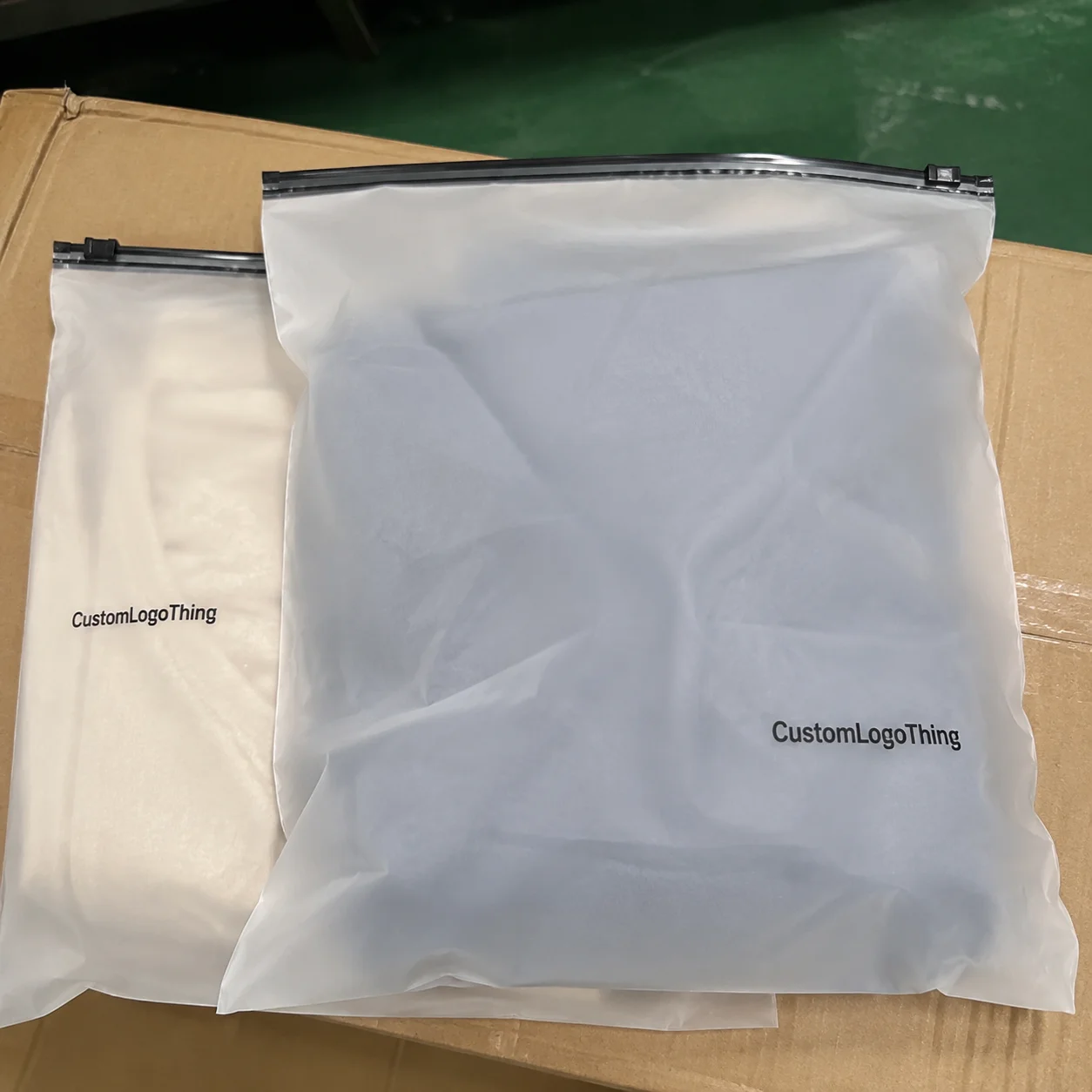
Custom Tote Bags cheap no minimum are a practical buy when you need branded bags for a short run, a test launch, or a one-time event. They avoid the cost and storage burden of overordering, which matters when the purpose is distribution, not inventory.
Small orders work well for pop-ups, trade shows, staff kits, and seasonal promotions. They also give you room to test size, print placement, and handle style before committing to a larger run. If the artwork or campaign changes later, you are not stuck with outdated stock.
For buyers comparing Custom Packaging Products, tote bags belong in the same decision set as retail packaging, product packaging, and custom printed boxes. In each case, the goal is the same: present the brand clearly without paying for features that do not affect the job.
Why small tote orders still make economic sense
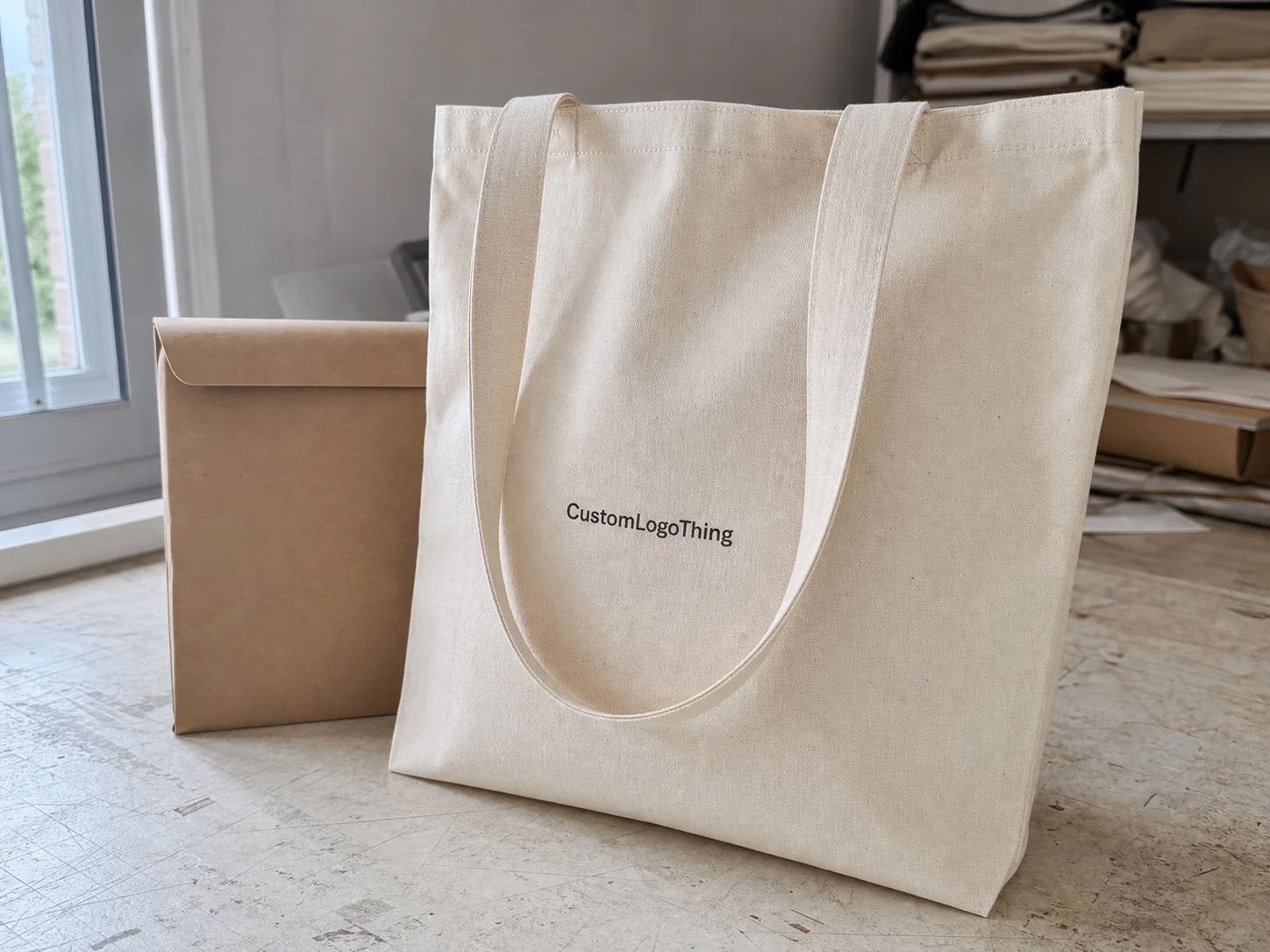
A small tote order reduces risk. If you only need a few hundred bags for a limited event or product test, a large purchase creates unnecessary cash outlay and leftover inventory. That is why low-MOQ tote programs can make more sense than chasing the lowest possible unit price on a larger order.
There is a common assumption that a lower minimum means weaker quality. In practice, the opposite is often true. Suppliers usually keep no-minimum orders manageable by using stock sizes, standard materials, and straightforward printing. Those choices simplify production and reduce the chance of errors.
The cheapest bag is not the one with the lowest quote line. It is the one that fits the load, prints cleanly, and does not need to be replaced after one use. A bag that performs well can also extend the value of the campaign because it keeps the logo in circulation after the first handoff.
A short tote run is most efficient when the spec is tight. The point is not to buy less at any cost, but to buy exactly enough to meet the need.
Material and print choices that keep costs under control
The easiest way to control price is to choose a material that matches the job. Nonwoven polypropylene is usually the budget baseline. It is light, easy to source in standard sizes, and prints well with simple artwork. For giveaways, brochures, and light retail use, it often gives the best value.
Canvas and cotton feel more premium and may be worth it for resale, gift packaging, or stronger reuse. They also cost more because they use heavier fabric and more labor. Laminated nonwoven sits between those options. It can look sharper and hold its shape better, but that finish usually raises the unit price.
Print method matters just as much. A one-color screen print is one of the most cost-controlled ways to buy Custom Tote Bags cheap no minimum. Each added color increases setup and registration work. Full-coverage graphics, gradients, and detailed art can look impressive, but they are harder to produce cleanly on a small run.
A simpler design often beats a more elaborate bag. A clear logo on a sturdy stock tote usually performs better than a busy graphic on a flimsy build. The same principle applies across branded packaging: keep the bag useful, readable, and easy to produce.
If you are deciding between one color and two, ask for both quotes. The difference often shows whether the extra color adds real value or just adds cost. Buyers who keep artwork focused usually get cleaner proofs and fewer production issues.
Size, gusset, handle, and finish specifications
Before requesting pricing, define the actual bag spec. Width, height, gusset depth, handle length, seam style, and material thickness all affect both usability and cost. Two bags can look similar in a catalog and perform very differently once they are loaded with catalogs, apparel, or boxed goods.
The gusset is one of the most important details. A shallow gusset uses less material and keeps the bag slim. A deeper gusset gives more capacity and works better for bulkier items. If the tote needs to hold folded apparel, a gift box, or a bundle of brochures, gusset depth should be part of the first discussion.
Handle style also changes the user experience. Die-cut handles are compact and generally less expensive. Loop handles are more comfortable for repeated use. Reinforced handles are worth considering if the tote will carry heavier items or be reused often. A stronger handle can add cost, but it may reduce complaints and failures later.
Finish details affect both appearance and pricing. Matte or glossy, sewn or heat-sealed, opaque or translucent, reinforced or standard all change the quote. These are not cosmetic extras in production. They influence durability, presentation, and how accurately the supplier can cost the job.
Start from the contents, not the bag. If the tote needs to carry a catalog bundle, folded apparel, or a small boxed gift, define that load first and work backward to dimensions. That approach avoids oversizing and keeps the quote aligned with the real use case.
| Option | Typical use | Common spec | Indicative unit price | What it gives you |
|---|---|---|---|---|
| Nonwoven polypropylene | Events, giveaways, lightweight retail | 14 x 16 x 6, one-color print | $0.85-$1.75 at small no-minimum runs | Lowest practical cost, light carry weight, good print surface |
| Laminated nonwoven | Sharper presentation, repeat use | 16 x 20 x 6, limited-color print | $1.35-$2.85 | More stiffness, cleaner edge presentation |
| Cotton or canvas | Premium retail packaging, resale, gifts | 8 oz canvas, one- or two-color print | $2.10-$4.25 | Higher perceived value, stronger reuse potential |
| Reinforced reusable tote | Heavier merchandise, long wear | Reinforced seams, loop handles | $2.75-$5.50 | Better durability and carrying comfort |
These ranges are only directional. Freight, artwork complexity, material availability, and delivery timing can move them. The useful part is the comparison logic. A buyer who defines the bag correctly gets a quote that reflects the actual job instead of a guess. That same discipline helps when comparing tote bags with a custom printed box or another piece of retail packaging.
Pricing and MOQ: what changes the unit cost
MOQ follows production economics. Artwork setup, material yield, printing efficiency, inspection, packing labor, and shipping all affect the minimum. Even a no-minimum order still requires proofing, sourcing, printing, checking, packing, and freight. That is why small orders almost always cost more per unit than larger runs.
The main price drivers are usually easy to see. Bigger bags use more material. Thicker material costs more and takes more handling. More print colors increase setup and registration work. A second print location adds press time. Special finishing, like extra reinforcement or custom seams, adds labor and inspection. Freight can matter just as much as the tote itself, especially on bulky shipments.
That does not make small orders a bad buy. If a buyer needs 150 bags for a launch event, ordering 2,000 to chase a lower unit price may be false savings. The real cost includes cash tied up in inventory, storage, and the risk of leftover stock.
If you want a lower quote without lowering the standard, start with the easy levers. Use a stock size. Keep the print to one location. Limit the number of colors. Choose a straightforward material. Those changes usually affect price more than cutting quality in a way that creates problems later.
For background on print and packaging terminology, packaging.org is a useful industry reference. The same basic rule applies across product packaging, retail packaging, and custom printed boxes: clearer specs produce cleaner pricing.
If the bags will move with heavier cartons or support a distribution program, ISTA testing guidance is useful for understanding how shipment stress affects packaged goods in transit.
On a short run, it is smart to ask for two quotes: one based on the lowest workable unit cost and one based on the smallest workable order size. That comparison makes the tradeoff visible and shows whether the savings come from an efficient spec or hidden compromises.
Process, timeline, and proof approval steps
A clean process prevents most tote order problems. The usual sequence is spec review, artwork check, digital proof, approval, production, and shipment. If one step is weak, the schedule slips. That risk is higher on small runs because there is less room for rework.
Straightforward orders move faster. If the artwork is ready, the bag is a standard size, and the material is in stock, production can often start quickly after approval. Special colors, unusual dimensions, or late file changes slow things down. A change in print placement after proof approval is a production change, not a cosmetic tweak.
The proof is the key control point. It should show print placement, logo scale, colors, and the actual bag size. Review it with the same care you would use for retail packaging artwork or package branding on a carton. If the logo is too close to a seam, too small to read, or on the wrong side, catch it before the run starts.
To keep the timeline tight, send the useful details first:
- Bag style and target size
- Quantity needed
- Print colors and artwork files
- Delivery zip code and timing window
- Any carton, labeling, or kitting requirements
If the order must arrive by a fixed event date, freight has to be part of the schedule from the start. Production can finish on time and the shipment can still miss the date if transit was not planned. Build in enough time for approval, production, and delivery. That matters even more for custom tote bags cheap no minimum, where the order can look simple but still follows normal print and shipping constraints.
How to compare suppliers without paying for extras
Most quote comparisons fail because the specs are not actually the same. One supplier may quote a thicker bag, another a smaller size, and a third may include artwork support while someone else bills it separately. For a fair comparison, match the full spec set first: size, material, handle type, print colors, print location, finish, packing method, and freight terms.
Extra fees are where a low quote can become an expensive order. Plate charges, setup fees, revision charges, color matching, split shipments, and rush handling can all change the final spend. On a small order, those costs matter more because they are spread across fewer bags.
A good supplier will tell you whether the bag is stock or custom, whether the print process is screen, flexographic, or another method, and whether the price assumes standard packing or special labeling. It is also useful when a supplier recommends a simpler alternative that still meets the brief. That usually means the quote is being built around the job, not padded with extras.
The same comparison logic applies to other branded packaging categories. Compare like with like, then decide whether the landed cost fits the campaign. A quote that looks slightly higher can still be the better buy if it includes a cleaner proof, a safer timeline, or less freight risk.
Ask how reprint issues are handled as well. No supplier wants an error, but the policy matters if something slips through after approval. That is part of quality control, and it should be part of the quote comparison too.
Next steps for a quote that fits your order size
Before you request pricing, gather the details that drive the quote: tote style, size, quantity, print colors, and delivery window. If you already have artwork, send it with placement notes. If not, describe the logo size and intended use. That gives the supplier enough context to recommend a material and print method that fit the job.
It also helps to ask for two versions of the quote. One should be the lowest workable unit cost. The other should be the smallest workable order size. That comparison makes the tradeoff visible. A seasonal promotion may only need a narrow run. A repeating retail program may benefit from a slightly larger quantity if the price drops enough to matter.
If you are unsure whether the bag should feel premium or purely functional, say so directly. A good supplier can usually steer you toward a stock tote, a heavier reusable bag, or another branded packaging option that fits the campaign without inflating the budget. That is better than forcing premium specs onto a lightweight job or choosing a bargain build for a bag that has to carry weight every day.
For a practical first step, send the exact spec, your target budget, and the required date, then ask for the simplest version that still meets durability, branding, and schedule needs. That is the fastest route to a quote that fits the job, especially if you need custom tote bags cheap no minimum for a test run, a local event, or a short promotional push.
If you want a quick reference before approving artwork or locking the delivery date, the FAQ can help with the common production questions that slow orders down.
How cheap can custom tote bags cheap no minimum really get?
Price depends more on material, size, print count, and freight than on the tote category alone. The lowest unit cost usually comes from a standard size, one-color artwork, and a simple material choice. No-minimum orders cost more per bag, but they can still save money by preventing overbuying and storage waste.
What is the best material for cheap custom tote bags with no minimum?
Nonwoven polypropylene is a common low-cost option because it is lightweight, durable for the price, and easy to print. Choose thickness based on what the bag must carry, not just the lowest available price. If the tote is for giveaways or light retail use, a standard stock material usually gives the best value.
Do no-minimum tote bag orders still get a proof?
Yes. A proof should still be part of the process so artwork placement, size, and color details can be checked before production. Review the proof carefully for logo scale, print side, and any spelling or layout issues. Approving the proof quickly helps keep the order on schedule.
How long does production usually take for custom tote bags?
Turnaround depends on art readiness, material availability, and how complex the print setup is. Simple orders can move faster, while custom sizes, extra colors, or late artwork changes add time. Shipping time should always be included so the bags arrive when they are needed.
Can I lower the price without increasing the order quantity?
Yes. Simplifying the artwork is often the fastest way to reduce cost without changing quantity. Using a stock size, limiting print colors, and keeping the logo in one location can all help. Ask for a lower-cost spec option before cutting quality in a way that affects performance.
If the goal is a practical bag that presents well, supports brand recall, and avoids wasted inventory, custom tote bags cheap no minimum can be the right balance of cost and control. The best results usually come from exact specs, a restrained design, and a quote that shows the full landed cost instead of a single attractive number.