A chocolate Brand Shipping Tubes supplier decides whether a chocolate bar arrives looking premium or arrives with dented corners, rubbed foil, or a lid that has taken a hit somewhere between the warehouse and the doorstep. For brands shipping truffles, molded bars, seasonal assortments, and gift sets, the tube has to do three jobs at once: package protection, brand identity, and the pressure test of ecommerce shipping. Miss one, and the package stops earning its keep.
A tube can look simple on a drawing and still behave like a small engineering problem once you factor in dimensional weight, shelf presentation, inserts, and the customer’s first unboxing experience. A chocolate brand shipping tubes supplier helps sort through those tradeoffs before the artwork gets too far ahead of the structure. That order matters. Print can be beautiful and still fail if the tube collapses, shifts, or opens too easily.
The assignment is sharper than it sounds: build transit packaging that protects delicate surfaces, stays intact under stacking and parcel handling, and still feels worthy of a premium chocolate purchase. The tube cannot read like disposable shipping materials. It has to carry weight in the hand, look deliberate on the shelf, and survive the sort of treatment that turns a minor packaging mistake into a customer complaint. A chocolate Brand Shipping Tubes supplier worth hiring will ask about those realities before approving art, because structure and print only work when they are designed together.
What a chocolate brand shipping tubes supplier does and why it matters
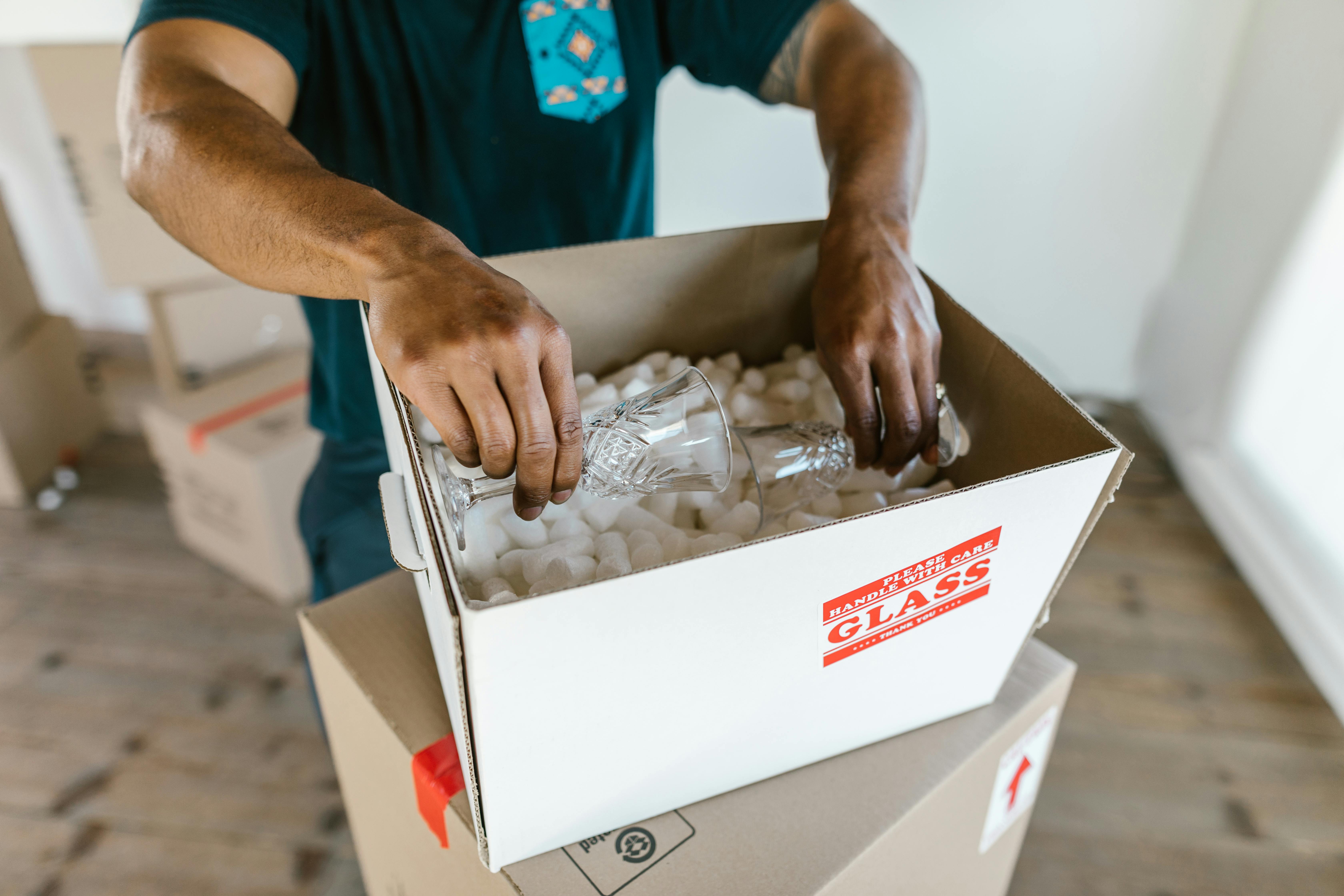
A chocolate brand shipping tubes supplier turns a packaging concept into a package that can survive stacking, sorting, vibration, and the occasional rough handoff. That sounds broad because it is. The job is not limited to printing a logo on a cylinder. It includes wall thickness, inside diameter, closure design, and whether the tube still holds shape after it has been packed, palletized, shipped, opened, and handled again at the customer’s door.
The best chocolate brand shipping tubes supplier thinks about chocolate as a product with its own vulnerabilities. A molded shell can scuff. Glossy surfaces can pick up marks that never show up in a digital proof. A gift assortment can drift inside the cavity if the insert is even a little loose. Decorative tube packaging and shipping-ready tube packaging are cousins, not twins. One is built to catch the eye. The other has to resist crushing and keep the contents centered while still looking worthy of a premium reveal.
From a packaging buyer’s perspective, this turns into a performance conversation fast. You are not buying a shape; you are buying a spec. A chocolate brand shipping tubes supplier should be able to explain spiral-wound paperboard, rigid paperboard, and laminated wraps without making the discussion feel like a materials lecture. The right choice depends on product weight, fragility, and the route the package will travel. A tube that works for a single DTC parcel may not be the right answer for a retail gift set that sits in a secondary shipper. In one sampling round I reviewed, a 2 mm shift in the insert was enough to let a bar rattle. That is not a tiny issue. It is the sound of a future return.
The first structure the customer touches is often the tube itself, right after the outer carton is opened. That makes the tube a bridge between protection and brand storytelling. A chocolate brand shipping tubes supplier who understands that bridge can build something that feels intentional, not improvised. The package should arrive with the same discipline as a well-run kitchen pass: clean, measured, and free of unnecessary movement.
I tend to think the smartest buyers treat a tube as a component in a system, not a decorative wrapper with shipping duties. They ask about finish, texture, closure strength, and labeling space the same way they ask about print resolution. That approach usually saves money later, because the package is less likely to need a redesign after the first damaged shipment or the first warehouse complaint. It also keeps the conversation honest, which is kinda rare in packaging sourcing.
How chocolate brand shipping tubes supplier production works
Production usually starts with a dieline review and a size check. A chocolate brand shipping tubes supplier wants the product dimensions, the desired clearance, the insert plan, and the exact use case before anything goes to press. That early step matters more than many buyers expect. A one-millimeter mistake can become a lid-fit issue, a scuffed print area, or a product that slides inside the tube during transit. Packaging errors tend to multiply; they do not stay small.
After sizing comes material selection. The core is often spiral-wound paperboard or rigid board stock, chosen for stiffness, print quality, and how the surface accepts coating. Depending on the build, wall thickness may land somewhere around 1.5 mm to 3 mm, with the final feel shaped by the diameter, the length, and whether an inner wrap or liner is added. Some specifications use telescoping lids. Others rely on friction-fit closures or paper end caps. For chocolate, the closure that matters most is the one that stays put in transit and still opens without a fight.
Printing and converting come next. Artwork is placed across the tube surface with attention to seam placement, barcode quiet zones, and any area that must remain readable after the tube is wrapped, cured, and packed. A chocolate brand shipping tubes supplier should also discuss coating options, because finish changes more than appearance. Matte can calm the surface and reduce glare. Soft-touch can make the package feel richer in the hand. Spot gloss can spotlight a logo, but it also changes how the package reads under warehouse lights and on a product page. A package that photographs well on a white backdrop can look very different under fluorescent lighting in a fulfillment center.
Proofing is where experienced suppliers separate themselves from average ones. A sample should be checked for seam quality, print alignment, coating feel, and closure behavior. Open it. Close it. Load it with the actual chocolate format if possible. If the brand sells through retail and DTC, the sample should hold up in both settings, because the same tube may appear under different lighting, at different distances, and in different hands. The best chocolate brand shipping tubes supplier will not rush this part. One correct sample can prevent a run of reprints, and reprints are expensive in ways that rarely show up in the original quote.
Lead time hangs on approvals. Artwork signoff, sample signoff, and production scheduling all shape the final ship date. A simple tube with straightforward print can move faster than a premium wrapped tube with inserts, but only when the file is clean and the specification is final. Every revision adds calendar time. That rule has a habit of showing up right before a seasonal launch, which is when nobody wants it. A chocolate brand shipping tubes supplier should spell out those steps in plain language before the order is placed, not after the date starts slipping.
- Dieline review: confirms exact size, seam placement, and safe artwork zones.
- Structural sample: checks tube rigidity, closure fit, and product clearance.
- Print proof: verifies color, barcode placement, and finish behavior.
- Production run: converts approved specs into packed tubes for shipment.
If you want a broader look at how this kind of packaging fits into a full program, the team at Custom Logo Things also works across Custom Packaging Products, including formats that pair well with tubes for mixed product launches.
Chocolate brand shipping tubes supplier cost, MOQ, and quote drivers
Pricing is where a lot of buyers learn that tube quotes are never as similar as they first appear. A chocolate brand shipping tubes supplier usually prices around structure, print complexity, and order size. Diameter and height affect board usage. Insert requirements add labor. Specialty coatings add cost. Freight can matter more than expected when the package is bulky relative to its unit price, because dimensional weight can push parcel rates higher than the chocolate inside the tube.
MOQ changes the economics in a way that is easy to underestimate. A larger run lowers the per-unit cost because setup, plate work, and machine time are spread over more pieces. That does not mean a bigger order is always the right move. It does mean that a smaller custom run usually carries a premium. A chocolate brand shipping tubes supplier should be able to explain where setup cost sits, what the unit price does at each tier, and how much value you gain by moving from a trial quantity to a production quantity. Those numbers tell a clearer story than any polished sales deck.
A line-by-line quote is usually easier to trust than a single number with no detail. You want to see tooling, sampling, printing, finishing, packaging, lead time, and delivery terms. Without that breakdown, one quote can look cheaper until freight, proofing, or an insert appears later. Packaging budgets often fail from missing pieces, not from bad math.
| Tube option | Typical build | Best use | Approx. unit price at 5,000 pcs | Tradeoff |
|---|---|---|---|---|
| Basic wrapped tube | Paperboard core, 1-color or 2-color print, standard lid | Simple promo packs, light bars, limited launches | $0.70-$1.05 | Lower finish range, fewer premium touches |
| Printed rigid tube | Thicker wall, full-color print, matte or gloss coating | DTC orders, seasonal gifts, premium retail shipping | $1.10-$1.75 | Higher MOQ sensitivity, more setup time |
| Premium tube with insert | Rigid build, custom insert, soft-touch or specialty finish | Fragile assortments, boxed chocolate sets, gift programs | $1.80-$3.20 | Best presentation, but more cost and longer lead time |
The cheapest route is not always the least expensive route. A thin tube that crushes in transit can create replacement shipments, service tickets, and brand damage. That trade is lopsided. Saving $0.18 on board thickness is not a win if one damaged parcel costs the brand $14 in reshipment, support time, and lost trust. The better chocolate brand shipping tubes supplier helps the buyer find the point where cost, performance, and presentation intersect. That is where the package earns its place in the system.
Where can brands save without hurting the package? Usually in places that do not touch the structure: simplifying the artwork coverage, limiting specialty finishes to one focal area, using a standard closure instead of a custom metal cap, or keeping the insert clean rather than ornate. Where should they avoid cutting back? Board strength, closure fit, and product restraint inside the tube. Those are the parts that protect the contents and shape the unboxing experience when the parcel gets handled roughly.
For brands comparing shipping materials across formats, it helps to look at the whole outbound system instead of a single SKU in isolation. Tubes may be the right fit for one item, while Custom Shipping Boxes make more sense for multi-item bundles and Custom Poly Mailers can work for lighter accessories or add-on items. Real packaging programs rarely rely on one structure alone. They mix formats the way good kitchens mix knives: by task, not by habit.
Step-by-step: working with a chocolate tube supplier
The smoothest projects begin with a clean product brief. A chocolate brand shipping tubes supplier needs the chocolate format, piece count, total weight, exact dimensions, and whether the package is for direct-to-consumer, retail, subscription, or wholesale. The first conversation should also cover temperature sensitivity. Chocolate that softens in warm-weather transit may need a different outer carton, a tighter shipping window, or a more careful pack-out than a shelf-stable item.
Structure should be locked before design runs too far ahead. I have seen brands approve a striking mockup only to discover later that the closure does not fit the product or the tube is too tall for the intended shipper. A chocolate brand shipping tubes supplier avoids that by confirming the clearance needed for safe loading and removal, then translating the result into a dieline that design can actually trust. If the tube ships alone, the measurements are different than if it sits inside a secondary carton. Small differences at this stage are rarely small once production starts.
- Share product details. Include dimensions, product weight, fragility, shelf life concerns, and shipping method.
- Confirm the structure. Decide on wall thickness, closure type, and whether an insert or inner wrap is needed.
- Approve the dieline. Make sure graphics, barcode space, legal copy, and handling marks all fit the final layout.
- Review the proof. Check colors, seams, finish, and legibility before production starts.
- Plan pack-out. Confirm master carton counts, warehouse handling, and how the tubes fit into order fulfillment.
Artwork review deserves a close eye. The brand should check text, finish effects, and any product or handling language that needs to stay readable after coating. If the package needs a barcode, the quiet zone has to stay clean. If the design depends on a logo wrap, seam placement should cause as little visual disruption as possible. A chocolate brand shipping tubes supplier that understands print registration will save you from awkward surprises that only show up once the package is in hand.
Delivery planning is the last piece, and it is not small. Ask about carton pack-out, palletization if needed, and how the finished tubes will arrive at the warehouse or co-packer. A tall, narrow tube is easy to damage if it is packed loosely. The right shipping cartons reduce friction, keep the tubes square, and make intake faster for the warehouse team. In that sense, the supplier is not only making the package; they are helping the outbound flow work with fewer interruptions.
Common mistakes when choosing a supplier
The first mistake is treating a tube supplier like a generic print vendor. A chocolate brand shipping tubes supplier needs to understand color and paper, yes, but also temperature swings, product surfaces, parcel pressure, and the way premium food-adjacent packaging is judged the moment the lid comes off. If that knowledge is missing, the package can look fine on a screen and fail in the real world. That mismatch is where many packaging budgets go to die.
The second mistake is choosing a tube that looks strong but is built too lightly for the route. A glossy mockup can hide a weak board spec, a poor closure fit, or an insert that does not hold the product tightly enough. The result is movement inside the tube, and movement is what causes scuffs, chipped edges, and a weak first impression. A chocolate brand shipping tubes supplier should be able to show why a slightly heavier wall or a better insert is worth the additional spend. It is usually cheaper than replacing damaged inventory.
The third mistake is approving artwork before the final dimensions are locked. That sounds minor until text gets clipped, the barcode shifts into an unsafe area, or the brand mark wraps across a seam in a way nobody wanted. A chocolate brand shipping tubes supplier will usually insist on final measurements before graphics are released, and that insistence is a sign of discipline, not delay. Packaging teams often mistake caution for friction right up until the first bad proof arrives.
"A tube that only looks good in a mockup is not a shipping solution. It has to hold up through stacking, sorting, and the moment the customer opens the parcel."
The fourth mistake is ignoring schedule pressure. Sampling takes time. Revisions take time. Production scheduling takes time. A brand that waits until the launch calendar is already tight can end up forced into faster, more expensive choices. I have seen teams get squeezed because they left no room for one extra proof cycle. The smarter move is to build a buffer into the launch plan and treat sample approval as a milestone, not a formality.
It also helps to look at the supplier’s broader packaging background. Brands that sell multiple SKUs often need more than one format, and a partner who already understands Case Studies across different structures is usually more useful than a vendor who only talks about one product type. Sometimes the better answer is a tube for one item, a carton for another, and a mailer for accessories. Packaging programs that grow cleanly usually start with that kind of practical mix.
Expert tips for better protection, branding, and unboxing
Finish choice is one of the most overlooked tools in premium packaging. A matte surface can feel calm and restrained. Soft-touch can make a tube feel more deliberate in the hand. Spot gloss can make a logo pop, but it should be used with discipline so the package does not become visually noisy. A chocolate brand shipping tubes supplier should be able to talk through these options in terms of appearance and handling, because finish affects fingerprints, scuff visibility, and how the package photographs for ecommerce pages. A finish that looks elegant in a render can look busy after a day in a warehouse.
Think about the first touchpoint after delivery. If the tube opens with just enough resistance, the customer senses quality. If the lid feels too loose, the package feels cheap. If the insert holds the chocolate firmly without making removal annoying, the package feels engineered instead of generic. That balance matters more than brands often admit. The best chocolate brand shipping tubes supplier will often recommend a tighter inner fit than a buyer expects, because product motion is usually a bigger risk than the spec sheet suggests.
Branding needs both distance and close-up clarity. At arm’s length, the logo and color block should carry the package. Up close, texture, coating, and any secondary message should reinforce the story. I like to ask whether the design works in a warehouse photo, a social media unboxing clip, and a retail shelf view. If it only works in one of those three contexts, the tube is probably underdeveloped. Packaging that survives all three tends to age better.
When chocolate is part of a subscription box or gift bundle, the supplier should also think about the outer system. Sometimes a tube ships best inside a corrugated shipper, and sometimes the tube itself is the hero container. For warm-weather lanes or longer transit paths, the outer carton may need room for insulation or another layer of protection. That is where the chocolate brand shipping tubes supplier earns their place. They are not just making a cylinder; they are helping manage the package protection strategy from exterior carton to final reveal.
For material sourcing, ask whether the board is FSC-certified or available with recycled content. The FSC guidance at fsc.org is useful when a brand needs to support responsible sourcing claims without guessing at the label language. On the test side, brands that want to validate performance can start with ISTA procedures, then match the testing level to the actual distribution path. That is a better route than relying on guesswork or a pretty sample that never saw a drop test.
One more practical point: ask the supplier to recommend the material and closure combination rather than specifying only the visual style. A chocolate brand shipping tubes supplier can usually narrow the choices faster if they know the real transit conditions. That shortens revision loops, reduces the chance of overbuilding, and usually leads to a package that protects the product without feeling overdone.
A well-chosen tube can support brand identity while staying sensible for shipping materials, and that combination deserves more attention than it gets. The package should do its job quietly, then make the reveal feel worth the wait.
What to review before placing your first order
Before you place the order, build a final checklist and walk through it slowly. A chocolate brand shipping tubes supplier should be able to confirm dimensions, material spec, print method, coating, insert needs, quantity, target price, and delivery deadline in writing. If any of those items are vague, the run is not ready for approval. Vague specs tend to become expensive specs later, and packaging is one of the few places where a small omission can multiply across every unit.
Ask for a structural sample or a production proof, not just a flat mockup. The tube needs to be handled, opened, closed, and loaded with the actual product if possible. Check the fit, check the finish, check the artwork placement, and check barcode readability if you are using one. A good chocolate brand shipping tubes supplier will encourage that review because it protects both sides from avoidable rework. A clean proof cycle is cheaper than a correction cycle.
Then compare lead time against the launch calendar and the safety stock plan. A strong packaging program assumes that something may shift, whether that is a print revision, a freight delay, or a fulfillment schedule change. If the tube is supposed to support a seasonal drop, the timeline gets even tighter because the packaging has to arrive before the pick-and-pack window opens. That is why the best suppliers give a realistic schedule, not a hopeful one.
It also helps to think one step beyond this SKU. If the tube performs well, will you need a variation for a different flavor, a larger assortment, or a wholesale channel? A supplier who already understands the logic behind Custom Packaging Products can help keep the visual system consistent as the line grows. That tends to save time on future launches and keeps the brand looking like one family instead of a collection of disconnected parts.
The right partner makes the packaging process feel manageable, not mysterious. A chocolate brand shipping tubes supplier should help balance protection, cost, and presentation for the actual product and the actual shipping path, not an idealized version of either. Keep the structure honest, keep the printing deliberate, keep the timeline realistic, and the tube becomes a dependable part of the brand rather than a source of friction.
The strongest chocolate brand shipping tubes supplier proves three things at once: the tube will protect the product, the tube will fit the workflow, and the tube will deliver the unboxing experience the customer expects from the first touch to the last reveal. The practical takeaway is simple: lock the product dimensions, shipping route, and closure type before artwork starts, then test the sample in a real pack-out and a real transit lane. That order saves money, prevents returns, and keeps the final package honest.
What should I ask a chocolate brand shipping tubes supplier before requesting a quote?
Ask what tube sizes, closures, inserts, and coatings are available for your chocolate format, then confirm the supplier’s MOQ, sampling process, and production lead time before you compare numbers. A clear quote from a chocolate brand shipping tubes supplier should separate unit cost from setup, tooling, freight, and proof charges so you can compare fairly.
Are shipping tubes safe for chocolate products during warm-weather transit?
They can be safe as an outer protection layer, but the full pack-out still has to account for heat, insulation, and transit time. A strong tube helps resist crushing, while inner wraps or secondary protection may be needed for softer or melt-prone chocolate. Your chocolate brand shipping tubes supplier should match the tube spec to the shipping lane rather than treating every route the same.
How does a supplier size a custom chocolate shipping tube?
Sizing starts with the product dimensions, the insert plan, and the amount of clearance needed for safe loading and removal. The supplier should also factor in board thickness, lid style, and whether the tube will ship alone or inside another carton. A good fit protects the product without leaving so much extra space that the contents shift during transit.
What MOQ is typical for chocolate brand shipping tubes?
MOQ varies by structure, print complexity, and finishing, but custom tubes often price best at moderate-to-higher runs. Smaller runs can still work if the launch is limited, yet the per-unit cost usually rises as quantity drops. Ask whether the chocolate brand shipping tubes supplier can offer staged ordering, which may reduce risk while keeping the design consistent.
What proof should I review before approving production with a chocolate tube supplier?
Review a structural sample or production proof that shows the final size, closure fit, and assembly behavior. Check artwork placement, color accuracy, barcode readability, and any required product or handling text. If possible, test the sample with actual product and ship it through the intended fulfillment path before you sign off.
How can I compare two suppliers that both say they can make the same tube?
Compare the details, not just the price. Ask each chocolate brand shipping tubes supplier for board thickness, closure style, finish options, proofing steps, and whether freight is included. The supplier that gives you clearer specs and fewer assumptions is usually the one that will produce fewer surprises later.


