Tea Brand Shipping Tubes MOQ: Quote, Specs, and Pricing is one of those packaging topics that looks tidy on a spreadsheet and turns very real the minute you start matching tea dimensions, print expectations, freight costs, and launch timing. For a tea brand, the wrong MOQ can force you to buy too much packaging before the final SKUs are locked, while a quantity that is too small can push unit cost up and make reorders harder to plan. The right tea brand shipping tubes moq gives you room to protect aroma, prevent crush damage, and still present a clean, premium unboxing experience. It also keeps the packaging plan tied to production reality instead of a pretty mockup that looks better than it performs.
Why tea brand shipping tubes moq matters for shelf-ready tea
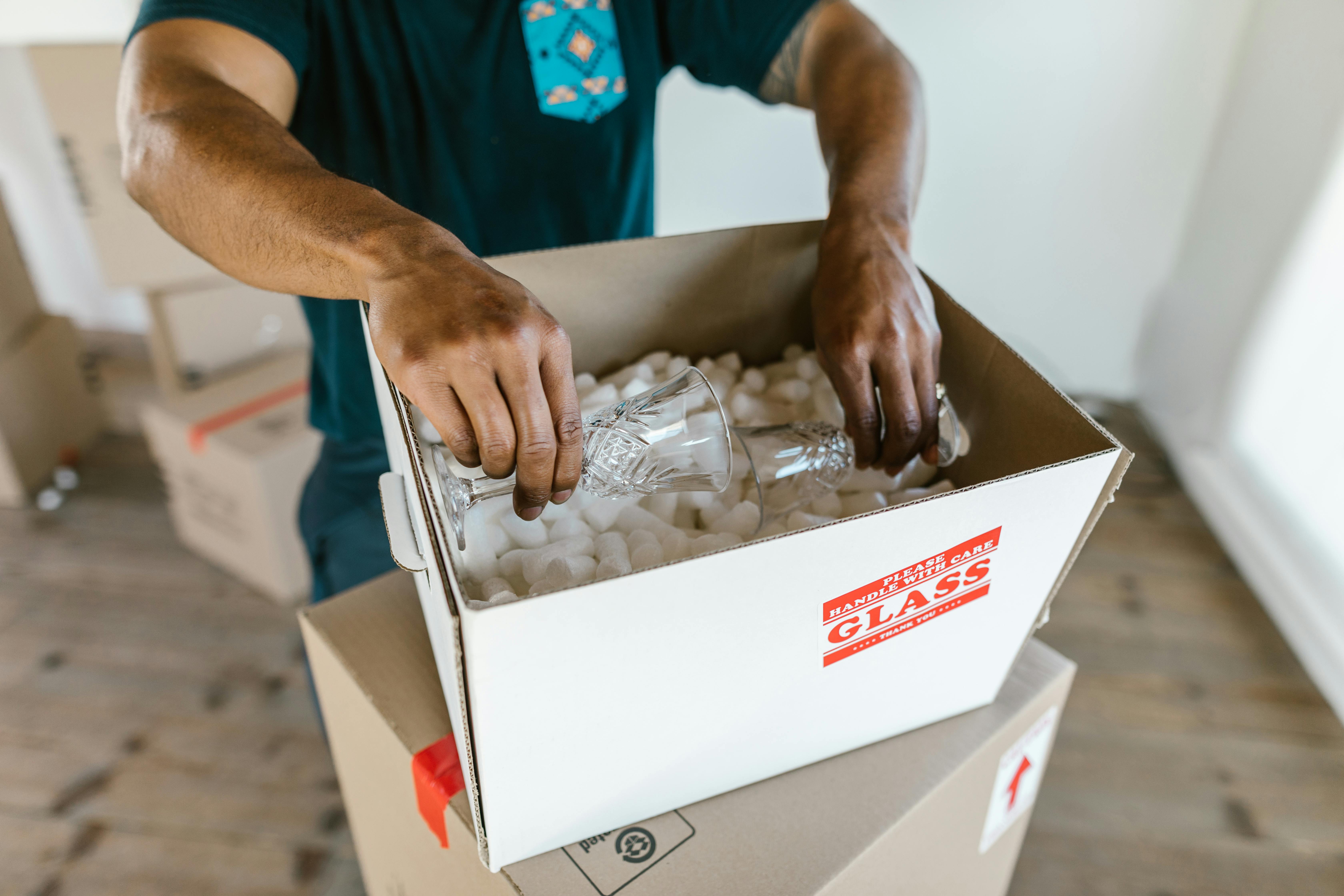
Tea packaging has to do more than hold product. A good tube protects loose-leaf tea, sachets, or gift sets from crush damage, shields the contents during ecommerce shipping, and still looks intentional on a retail shelf. That is why tea Brand Shipping Tubes moq matters so much at the planning stage: it decides whether the packaging fits the launch plan or becomes a storage problem before the first carton leaves the building. In practice, tea brand shipping tubes moq is not just a purchase quantity; it is a production decision that shapes cash flow, artwork scope, and order fulfillment speed.
Most buyers start with appearance, but people who have handled enough transit packaging know the practical questions come first. What wall thickness keeps the tube from denting inside a shipping carton? Will the closure stay snug after repeated handling? Does the diameter create too much dead space, which raises dimensional weight and shipping materials cost? Tea Brand Shipping Tubes moq needs to support those details, because a beautiful tube that fails in the warehouse is not a good value. A well-sized tube gives package protection without making the pack feel bulky or overbuilt.
There is also a brand identity angle that gets overlooked. Tea buyers often associate premium tea with quiet structure: clean cylinders, tight seams, a tactile finish, and a lid that closes with a controlled fit. That feeling matters for the unboxing experience, especially for giftable tea sets and subscription drops. Tea brand shipping tubes moq becomes a way to decide how much of that premium look you can afford to standardize across SKUs. If the quantity is too low, you may not get the finish or print coverage you want. If it is too high, you can end up sitting on inventory that no longer matches a revised label or flavor lineup.
Another reason tea brand shipping tubes moq matters is logistics. A tea launch rarely ships one unit at a time. Most brands need packaging that can move through a co-packer, a warehouse, or a small fulfillment team without adding handwork. Tube dimensions affect carton counts, pallet efficiency, and how many finished units can sit in reserve without taking over the storage room. That is where a buyer has to think past the first quote. The right MOQ is the one that fits the first production run and still leaves room for a reasonable reorder path if a flavor sells faster than expected.
From a packaging buyer's point of view, the best tea brand shipping tubes moq is the one that balances launch risk with production efficiency. If the tube can protect the tea, stack cleanly, and move through fulfillment without slowing the team down, the quote usually makes more sense than a cheaper box that looks less refined.
I have seen more than one tea brand get tripped up by overfocusing on the sample photo and underfocusing on the carton count. The tube looked great, sure, but the inner pouch barely fit, the shipper wasted space, and the warehouse had to hand-pack everything. That kind of problem is expensive in a way that does not show up in the first mockup.
Tea brand shipping tubes moq also affects how much testing you can afford before launch. If the quantity is large, buyers often push harder for a sample round, fit checks, and transit trials because they want fewer surprises after the purchase order lands. That is a sensible habit. Even a basic drop test or carton compression check can reveal whether the tube wall, closure fit, or insert design needs adjustment. A little testing upfront is usually cheaper than reworking a run after goods have already been packed and labeled.
That is the frame for the rest of the discussion. Tea brand shipping tubes moq is not one number in isolation; it is the point where structure, printing, freight, and schedule all meet. The buyers who ask the best questions early usually get the cleanest quote later: what is included, how much customization is really needed, and how fast can the line move once artwork is approved.
Tea Brand Shipping Tubes: Materials, Structure, and Closures
For tea packaging, the common build choices are paperboard tubes, rigid chipboard tubes, and wrapped specialty surfaces that add more perceived value. Paperboard is often the most economical starting point when tea brand shipping tubes moq is still being tested, especially for lighter fills or pilot runs. Chipboard brings more stiffness and a more premium hand feel, which is useful for branded retail packs, holiday bundles, and tea sets that need stronger transit packaging. Specialty wraps, including textured paper or soft-touch lamination, tend to sit higher on the cost curve, but they can make sense when the tube is part of the product story rather than only the shipper.
The structure matters just as much as the outer finish. Two-piece telescoping tubes are common because the cap and body create a simple, reliable closure and a compact profile for stacking. Shoulder-and-cap builds add a more refined presentation and can help the lid seat consistently, which is useful when the package is opened and closed many times. Snug slip-fit closures are practical for direct shipping and storage because they reduce movement inside the tube. If your tea brand shipping tubes moq supports multiple SKUs, a consistent closure style can also simplify order fulfillment, since the team only needs to learn one packing motion.
For freshness and scent control, many tea brands ask about liners or inner wraps. That can mean a food-safe pouch, a metallized barrier bag, a PE inner bag, or an insert system that keeps the tea separate from the outer tube. The exact answer depends on whether the tube is the primary package or the outer package. A tube with no barrier film is usually not the right answer for aroma-sensitive products. A tube paired with a sealed inner pouch gives better moisture resistance and helps preserve quality through storage and ecommerce shipping. That difference matters when tea brand shipping tubes moq is being quoted, because liner requirements change material count, labor, and unit cost.
There is no one correct board spec for every tea program, but a few practical ranges show up often. Outer diameters around 45 mm to 65 mm are common for single-serve and small retail tea packs, while heights often fall between 120 mm and 200 mm depending on fill weight. Wall thickness can vary from about 1.5 mm to 3 mm, with heavier constructions used when the tube must survive more handling or support a premium look. If tea brand shipping tubes moq is being set for a gift line, buyers sometimes choose the thicker wall even if the product is light, simply because the package should feel substantial in the hand.
Board choice and product fit
The board choice should be driven by the tea format first, not by the image a sample happens to create in the room. Loose-leaf tea in a pouch often needs a different tube depth than tea bags in a folded inner carton, and a sampler set usually needs more internal support than a single flavor pack. Tea brand shipping tubes moq becomes easier to manage when the carton size, fill weight, and closure depth are all measured from the same master spec sheet. That prevents the common mistake of approving a tube that looks elegant, then discovering it is too tall for the shipper or too narrow for a barrier pouch with a zip seal.
For brands that care about responsible sourcing, board and wrap selection can be tied to FSC-certified materials and documented chain of custody. Many buyers also ask whether the design can be validated against common transit expectations. A useful reference point is the general testing approach described by the ISTA transit testing standards, which helps packaging teams think about drops, vibration, and compression before a launch goes live. For material sourcing conversations, the FSC framework is often part of the discussion when the tea brand wants to document sustainable paper stock.
Closures, inserts, and handling
Closures deserve more attention than they usually get. A lid that is too loose can rattle in transit and feel cheap at the point of sale. A lid that is too tight can frustrate warehouse staff and increase damage during packing. Tea brand shipping tubes moq should account for that balance, because closure tolerances are part of the production setup, not just a finishing detail. If the line needs a tighter fit, the tooling and labor usually reflect it.
Inserts are equally practical. A simple paperboard cradle can stop the tea pouch from shifting. A printed insert can give you a place for brewing instructions, origin notes, or a short brand story without crowding the outer wall. For many teams, a carefully designed insert is the difference between a tube that feels generic and one that feels clearly built for the product. That kind of detail can be worth the extra cost if the tea brand shipping tubes moq is large enough to spread setup expenses across the run.
- Paperboard tubes work well for early runs and lighter retail packs.
- Rigid chipboard tubes support stronger presentation and better crush resistance.
- Wrapped specialty tubes add tactile value when brand identity is a major selling point.
- Barrier pouches or liners are important when the tea needs aroma and moisture protection.
Once tea brand shipping tubes moq is tied to a real structure, the quote stops being abstract. The buyer can compare material performance, closure fit, and the way the tube will actually behave in transit packaging, not just the way it looks in a mockup.
Print, Sizing, and Finish Options for Custom Tubes
Print and size decisions drive a surprising amount of the final quote. A tube that is only slightly too large can increase board usage, raise dimensional weight, and create wasted space in the carton. A tube that is too small may compress the tea, look crowded, or force the art team to shrink copy until the package loses clarity. For tea brand shipping tubes moq, the best starting point is always the product itself: fill weight, bag dimensions, closure needs, and whether the tube will be stored individually or nested into larger shipping materials.
Finish options can be simple or highly detailed. Spot color printing works well when the brand has a tight palette and wants consistency across several tea SKUs. Full-color wrap printing supports illustrated panels, flavor stories, and more visual shelf impact. Foil accents can highlight logos or seal marks, though they should be used with restraint on tea packaging because too much shine can fight the calm, natural tone many tea brands want. Soft-touch lamination gives the tube a velvety feel that reads as premium, while matte and gloss coatings create different levels of contrast and scuff resistance. Tea brand shipping tubes moq often shifts once these choices are made because every added finish step changes setup time and production cost.
One practical mistake is designing graphics before the dieline is locked. A wrap that looks balanced on screen may wrap poorly around a cylinder if the seam lands on an important icon or if text falls too close to the closure line. Tea brand shipping tubes moq should be quoted only after the art team knows the real printable area, the seam position, and the bleed requirements. That avoids costly revisions later, especially if the pack uses a pattern that must align cleanly at the back panel.
Size planning deserves the same discipline. For loose-leaf tea, the inner pouch may puff slightly depending on fill and headspace, so exact flat dimensions are not enough. For tea sachets or sampler cards, thickness matters more than width. And for a gift set, the insert stack can change the effective height by several millimeters. The buyer who measures the actual packed unit, not just the nominal product, gets a more accurate tea brand shipping tubes moq and a better chance of avoiding over-ordered inventory.
Artwork that survives production
A cylinder offers a smooth canvas, but it also exposes every small inconsistency. Fine lines can shift, dark solids can show scuffing, and small reversed text can disappear when the finish is too reflective. Good artwork for tea packaging respects those limits. Use stronger type weights for small legal copy, avoid crowding the bottom seam, and keep high-detail illustrations away from the most stressed area of the wrap. Tea brand shipping tubes moq is easier to justify when the design is built to print cleanly the first time rather than depending on a second pass of corrections.
Another good habit is to request a printed sample, even if it is a digital proof at first. A color that looks calm on a monitor can feel too cool or too saturated on a paper wrap. A tea brand often wants muted greens, creams, charcoals, or natural kraft tones, and those shades are sensitive to paper stock and coating. If the goal is a premium unboxing experience, the color should support the tea story, not distract from it.
Finish selection and durability
The finish should match the use case. A retail shelf tube may prioritize tactile appeal, while a direct-shipped tube may need extra scuff resistance. Soft-touch looks elegant, but it can show marks if the boxes slide against each other in a carton. Gloss coatings resist wear better, though they can feel less natural. That is the trade-off buyers need to think through before approving tea brand shipping tubes moq, because finish changes may look small on paper and feel significant in the warehouse.
Sometimes a simple uncoated wrap with a strong board and a clean print layout is the most practical choice. That is especially true for tea brands with frequent flavor updates, because a restrained design ages better than a highly seasonal one. The packaging should support the product line through several reorder cycles, not just through one launch photo shoot.
Tea brand shipping tubes moq pricing and unit cost
Price is where most buyers want a direct answer, and the honest answer is that tea brand shipping tubes moq pricing depends on structure, print coverage, finish complexity, and whether the tube includes extras like inserts or inner barriers. For a simple paperboard tube with basic print, buyers might see quotes in a range around $0.35 to $0.80 per unit at moderate volumes. A more rigid build with specialty wrap, foil, or a complex insert can move closer to $0.90 to $1.60 or more per unit. Those are working ranges, not promises, because the final figure depends on specs and current material conditions. Tea brand shipping tubes moq is what helps push those numbers down or up through scale.
Here is the part many first-time buyers miss: unit cost is only one part of the equation. A lower per-piece quote can come with a higher setup fee, more freight weight, or a taller carton count that creates warehouse friction. If the tea brand shipping tubes moq is too low, the setup expense gets spread over fewer pieces and the apparent savings disappear quickly. If the MOQ is too high, the unit price may look attractive but the brand could be tying up cash in stock that will sit for months. The real decision is the total landed cost plus the risk of leftover inventory.
In many packaging programs, a practical MOQ band for custom tubes might start around 1,000 to 3,000 units for simpler builds and move into 5,000 units or more for fully custom, multi-color tubes with special finishes. Exact thresholds vary by manufacturer and by the amount of manual work required. Tea brand shipping tubes moq tends to fall as order volume rises, but only if the spec stays stable. If artwork changes every quarter, a lower MOQ can actually be smarter than buying a large quantity just to chase a slightly better price.
Shipping method matters too. Air freight can erase the savings from a good unit price very quickly, especially for bulky cylindrical packaging. Sea freight can lower inbound costs, but it adds lead time and usually requires better forecasting. A buyer comparing tea brand shipping tubes moq should ask whether the quote includes factory packing, outer cartons, palletization, and export documents if needed. Those items do not always appear in the first number, but they shape the actual budget.
What drives the price up
The price usually rises for a handful of predictable reasons: heavier board, more print colors, tighter tolerances, specialty coatings, foil stamping, embossing, custom inserts, and barrier material added inside the tube. Short runs also cost more because setup is spread over fewer pieces. Tea brand shipping tubes moq is most efficient when the spec is stable and the production steps are kept simple enough for the line to repeat without retooling. If the project wants a premium look but the budget is tight, the best move is often to simplify the finish and put the money into structure and fit.
Another cost factor is color management. A design with multiple exact brand colors can require more press setup and more careful matching, particularly if the packaging must coordinate with labels, corrugated outer cartons, and printed inserts. If the brand can accept a slightly smaller color set, tea brand shipping tubes moq may come in lower without making the package feel less premium.
How to compare quotes fairly
Do not compare only the bottom-line total. Ask whether the quote includes sampling, tooling, plate charges, inserts, inner bags, and freight to your receiving point. Ask what happens if the approved artwork changes after proofing. Ask whether the supplier is quoting the actual packed tube or a generic body size that still needs adjustment. These details matter because a tea brand shipping tubes moq quote can look competitive on paper and still become expensive once all the extras are added.
A good side-by-side comparison should let you see the same spec across suppliers: same diameter, same wall thickness, same finish, same print method, same closure style, and same carton pack-out. If one quote is based on a lighter build, it is not a true comparison. That is one of the most common mistakes in custom tea packaging buying.
And yes, sometimes a quote that looks a little higher is actually the saner buy. If the better-built tube reduces damage, lowers complaint rates, or saves pack-out time, the economics usually work out. Packaging is funny that way; the cheapest unit is not always the cheapest program.
Production Steps, Timeline, and Lead Time for Custom Tea Tubes
The production path usually starts with a spec review, then moves to artwork and dieline confirmation, followed by sampling, approval, and full production. On a straightforward run, tea brand shipping tubes moq projects often take around 12 to 20 business days from final proof approval to completion, though that can stretch if the design uses special finishes or if material sourcing takes longer than planned. If the order is complex or includes imported components, the schedule can move beyond that. The important point is that tea brand shipping tubes moq should be planned against the launch calendar early enough to leave room for revisions.
Sampling is not wasted time. A physical sample often reveals what a PDF cannot: the feel of the lid, whether the insert fits correctly, how the print looks under light, and whether the tube stands up cleanly in a carton. Tea brands that move quickly but still want accuracy usually approve a preproduction sample before the full run. That small step can save a lot of trouble later, especially if the packaging needs to ship directly to a fulfillment center and there is no room for repacking.
Prepress review matters more than people think. On a cylindrical wrap, seam placement, barcode readability, and legal copy placement all need to be checked carefully. If the tea brand shipping tubes moq order includes multiple flavors, each SKU should be reviewed separately because a tiny art difference can affect the whole print plan. That is especially true for seasonal runs, where a holiday edition and a core flavor may share the same base tube but need different graphics or inserts.
Production also needs realistic packing assumptions. If the tubes are being packed into master cartons or gift trays, the final pack-out should be confirmed before mass production begins. A tube that fits the product perfectly may still create trouble if the warehouse cannot load it efficiently into the outer shipper. Tea brand shipping tubes moq should be tied to the whole route to market: factory, freight, receiving, storage, and order fulfillment.
What to approve before release
Before a run is released, confirm dimensions, closure fit, print copy, color targets, material grade, insert count, and outer carton configuration. Check whether the approved sample reflects the same board and coating that will be used in production. For tea brand shipping tubes moq, this is the moment where careful review pays off. If the sample looks right but the production spec differs, the run may not match expectations.
I also recommend verifying how the tube behaves after a few open-and-close cycles. That is a practical test, not a formal lab step, but it shows whether the cap feels secure or overly stiff. The package should feel dependable without creating a chore for the person packing orders.
Lead time risks that can slow a launch
Artwork delays, late material selection, and freight congestion are the usual culprits. If a brand is still deciding between gloss and matte, or still changing copy on the insert, the schedule can slip fast. Tea brand shipping tubes moq is easiest to manage when the team locks the spec before the purchase order is issued. Otherwise, every small change ripples through approval, production, and shipping.
Seasonal launches deserve extra buffer. Even when the tube itself is simple, a crowded calendar can slow both printing and freight. A brand that wants holiday inventory on the shelf should plan earlier than the minimum lead time, not right at the edge of it. That buffer matters more than people like to admit.
Why tea brands choose a packaging partner with manufacturing depth
Tea brands usually do better with a packaging partner that understands structure, Print, and Fulfillment as one system rather than as separate transactions. A partner with manufacturing depth can help narrow the tea brand shipping tubes moq to a quantity that fits the launch, then line up the details that keep the run from drifting off course. That includes board selection, closure fit, print method, and the small but important choices that determine whether the tube arrives looking as intended or merely close enough.
That kind of partner also knows where the hidden cost pressure tends to show up. A design that looks elegant on a screen can become expensive if it needs unusual board caliper, hand assembly, multiple insert parts, or specialty coatings that slow the line. A packaging team with real production experience will call out those issues early, before the order reaches the point where changes are expensive and timelines are tight. For tea brand shipping tubes moq, that early guidance can be the difference between a controlled launch and a launch that keeps revising itself in circles.
Good manufacturing depth also matters when a tea brand has growth plans. A clean pilot run should leave a path to reorder without redesigning the whole pack. If the first tube is structured well, the second and third orders can move faster, and the brand can shift attention back to product development instead of constantly reopening packaging decisions. Tea brand shipping tubes moq becomes less stressful when the format is built to scale without losing the details that made it appealing in the first place.
Communication is the last part of that equation, and it is often the part that saves the most time. A partner who explains dieline limits, production tolerances, and freight implications in plain language helps the buyer make better decisions sooner. That keeps the quote honest and the schedule legible, which is exactly what most tea teams need when they are balancing product, marketing, and inventory at the same time.
Next steps for ordering tea brand shipping tubes moq
The cleanest way to move forward is to gather the product specs first. Measure the filled pouch or inner pack, confirm the desired outer diameter and height, decide whether the tube is a primary package or a shipper, and list any special requirements such as inserts, barrier liners, or print finishes. Once that information is set, tea brand shipping tubes moq quotes become easier to compare because each supplier is working from the same reference point.
It also helps to set priorities before asking for price. A brand that cares most about aroma protection may need a liner and a tighter closure fit. A brand that cares most about shelf impact may want richer print coverage or a more tactile coating. A brand that ships a lot of volume may care most about stackability, carton efficiency, and reorder consistency. Tea brand shipping tubes moq is more useful when those priorities are clear, because the quote can be shaped around what the package really has to do.
Ask for a sample when the design is close, and ask for a production-ready proof before the order is released. That gives the team a chance to catch seam placement issues, copy errors, or finish choices that do not suit the tea itself. The best packaging rarely comes from guessing. It comes from a few careful checks, a realistic spec, and a quantity that fits the first run without boxing the brand into an inventory corner.
If the launch is seasonal, build in extra time. If the tea line is still changing, keep the MOQ lower and the specification tighter. If the brand is ready to standardize, then the next run can usually move faster and land at a better unit price. Tea brand shipping tubes moq works best as a planning tool, not just a number on a quote sheet. That is the part teams sometimes miss, and it is usually the part that costs them later.
Frequently Asked Questions
What is a good tea brand shipping tubes moq for a first custom run?
For a first custom run, many brands start in the 1,000 to 3,000 unit range for simpler builds, then move higher once the structure, print, and packaging flow are settled. The right number depends on whether the tube is a primary package, a shipper, or a gift presentation piece, and whether the project includes inserts, liners, or specialty finishes.
Does a lower tea brand shipping tubes moq always save money?
Not always. A lower MOQ can raise the unit price because setup costs are spread across fewer pieces, and it may also leave you paying more per unit in freight or handling. The better measure is total landed cost, plus the risk of overstock if the product line changes.
Which material works best for tea brand shipping tubes moq programs?
Paperboard is usually the easiest starting point for lighter or early-stage runs, while rigid chipboard makes more sense when the tube needs a stronger feel and better crush resistance. Specialty wrapped tubes fit premium tea programs where the packaging is part of the product story.
Should tea brand shipping tubes moq include an inner liner?
If the tea is sensitive to moisture or aroma loss, a liner or barrier pouch is usually a smart addition. That can increase cost, but it also protects the product quality during storage and shipping, which is often the more expensive problem to solve later.
How long does production usually take?
Straightforward tea brand shipping tubes moq runs often take about 12 to 20 business days after final proof approval, though special finishes, imported materials, or late artwork changes can add time. Seasonal launches should plan even earlier so there is room for sampling and freight.
What information should I prepare before requesting a quote?
Have the filled product dimensions, preferred tube size, print needs, finish preferences, insert requirements, and any shipping or carton constraints ready. The more specific the spec sheet, the more accurate the tea brand shipping tubes moq quote will be.
Can one tube design work across several tea flavors?
Yes, if the core size stays the same and only the graphics or insert content change. Shared structure makes tea brand shipping tubes moq more efficient, and it also keeps reorders simpler for the warehouse and fulfillment team.
The most useful takeaway is simple: lock the packed product size first, then price the tube around the real use case, not the pretty sample. If the tea needs barrier protection, choose that deliberately; if it needs shelf presence, budget for the print and finish that support it; and if the brand plans to reorder, keep the structure stable enough to repeat without fuss. That is how tea brand shipping tubes moq turns from a vague quote request into a packaging plan that actually holds up in production.


