Soap Brand Shipping Tubes Sample Approval Checklist
Soap Brand Shipping Tubes sample approval is the moment a polished rendering stops acting like a promise and starts behaving like packaging. A tube can look immaculate on a screen, then wobble in the hand because the soap shifts, the cap loosens, the artwork lands too close to the seam, or the outer shipper turns an elegant idea into a fulfillment headache. That gap between the mockup and the object is where budgets disappear in small, annoying pieces.
Soap brands ask a lot from tubes. The format needs to shield the product, elevate perceived value, and tell a clear story before the buyer opens anything. It also has to expose structural weaknesses early, which is why Soap Brand Shipping tubes sample approval should never be treated like a ceremonial checkbox. A sample is evidence. It is the first proof that the pack can handle transit, presentation, and day-to-day handling without falling apart under ordinary pressure.
In practice, sample approval means the brand signs off on size, graphics, materials, closures, and shipping behavior as one connected system. Miss one variable and the rest can still fail. Catch the issue during sampling and the cost is usually limited to a small charge or an extra week. Catch it after production begins and the math changes fast: retooling, reprinting, freight delays, and a launch pushed back by weeks. Soap brand shipping tubes sample approval is the gate between concept and production, not a courtesy step tacked onto the end.
I've seen teams get burned by a sample that looked perfect in a PDF and only started misbehaving once the soap was packed, shaken, and stacked. That part is kinda humbling, honestly. Packaging looks simple until gravity, adhesive, and a warehouse line all get a vote.
Soap Brand Shipping Tubes Sample Approval: Why It Matters
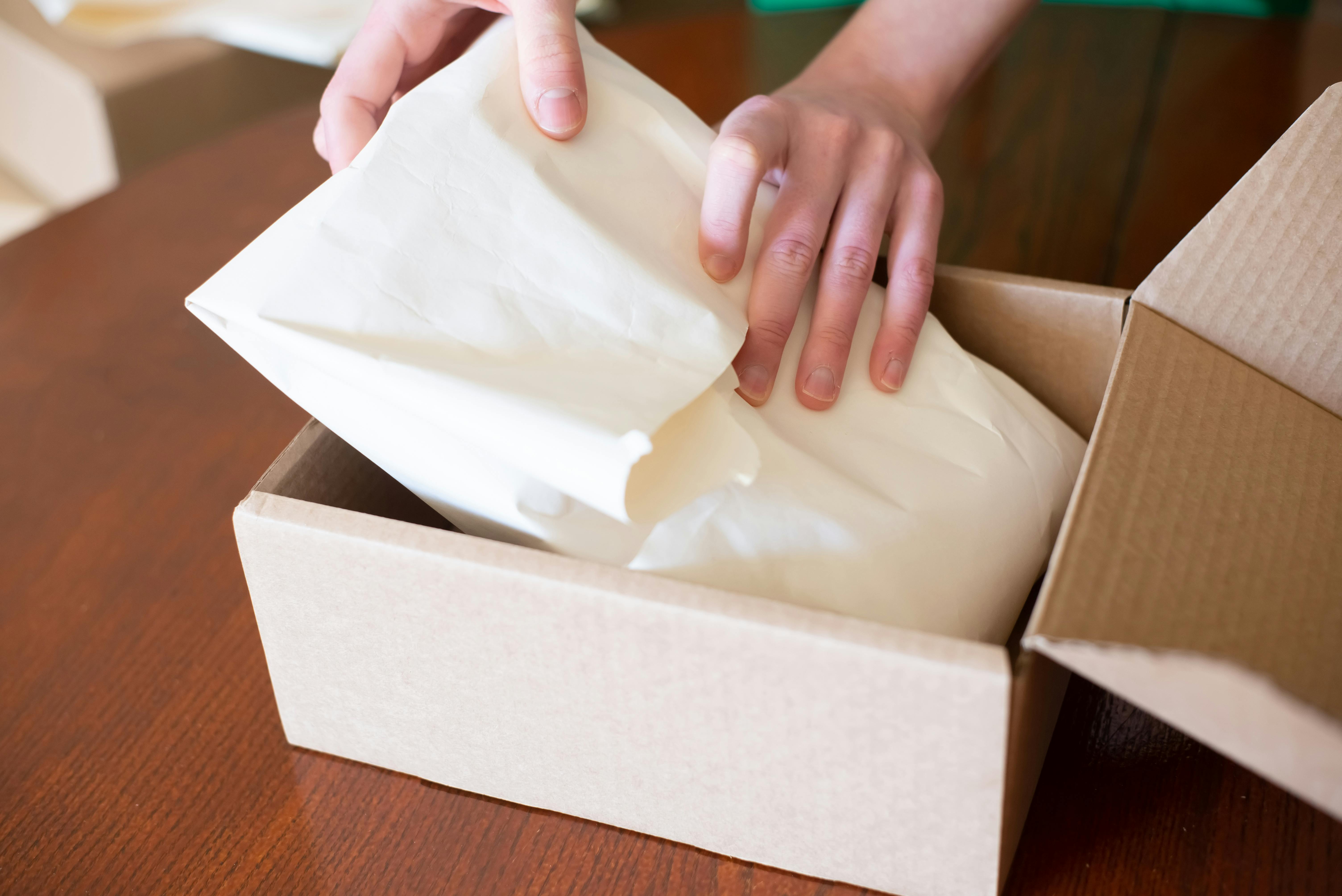
The strange thing is how often a tube that looks right in a digital proof fails the second it becomes physical. The board can be a touch too tight. The closure may fit the sample yet fail in a production batch. Artwork can sit perfectly centered in the design file and still drift two millimeters on a curved surface. Soap brand shipping tubes sample approval exists because those tiny mismatches only reveal themselves when someone holds the item, stacks it, opens it, and sends it through the mail.
Soap brands choose tubes for three practical reasons. Package protection comes first: the format resists scuffs, compression, and light moisture exposure better than a bare carton sleeve. Shelf and mail value follows; a rigid tube usually feels more intentional than a loose mailer. Testing rounds out the list. The sample shows structural weaknesses before a full run starts. That matters whether the soap ships in retail kits, PR mailers, or direct-to-consumer ecommerce orders.
From a buyer's perspective, soap brand shipping tubes sample approval is where assumptions give way to measurements. A strong approval process verifies outside diameter, usable internal depth, board thickness, seam alignment, print registration, closure fit, and whether inserts or tissue still allow the soap to sit securely. Matte finish, foil, and spot UV deserve the same scrutiny. Those finishes can make the brand story feel refined, or they can flatten the whole thing if the sample does not support the visual idea.
Small brands often underestimate how much money sits inside the sample stage. A wrong dieline can cost a few hundred dollars to correct. A wrong production run can cost thousands. Tie the packaging to a seasonal launch and the delay can matter more than the reprint. That is why soap brand shipping tubes sample approval should be treated like a formal checkpoint, not a design preference.
For brands comparing packaging formats, it helps to look beyond the tube alone. Some products fit better inside Custom Shipping Boxes for outer protection, while others move cleanly in a tube paired with a secondary carton. If a wider view would help before sampling begins, the Custom Packaging Products page is a useful place to compare structures.
A good sample approval does not stop at “looks fine.” It answers one question clearly: will this ship, present, and protect the soap exactly the way the brand needs?
How Soap Brand Shipping Tubes Sample Approval Works
Soap brand shipping tubes sample approval usually follows a predictable sequence, though the timeline shifts with artwork complexity and response time. It starts with a brief: dimensions, soap weight, target retail channel, finish preferences, and any shipping conditions the pack must survive. From there, the supplier or packaging partner builds a dieline. That dieline is the technical map. It is not decoration. It is the part that keeps the print, fold, and closure in the right place.
The next step is the prototype. In some programs, the first sample is structural only, with plain board and no print. In others, the first sample already includes artwork, coatings, and closures. That difference matters. A structural sample checks size, fit, and assembly. A printed sample checks color, branding, and finish. A pre-production proof sits closest to the final version and usually appears after revisions are closed and the production spec is nearly locked.
Soap brand shipping tubes sample approval works best with a clear approval chain. Packaging, marketing, operations, compliance, and fulfillment can all provide input, but they should not all hold equal veto power. One person needs final authority. Without that, the sample can get trapped in loops where marketing wants a richer finish, operations wants easier packing, compliance wants more legal copy, and nobody wants to say which tradeoff matters most.
Documentation matters just as much as the sample itself. Approval should record exact measurements, board spec, print method, finish notes, closure type, and any accepted exceptions. If a sample passes with a slight color variation or a temporary closure, that should be written down. Soap brand shipping tubes sample approval becomes far cleaner when the record states, in plain language, what was approved and what still needs correction before production starts.
Fast-moving teams usually break the process into small decisions. Is the tube dimension correct? Yes or no. Is the print close enough? Yes or no. Does the closure stay secure under handling? Yes or no. That kind of discipline keeps soap brand shipping tubes sample approval from turning into a vague design meeting that drifts for days.
For teams building around shipping materials and fulfillment workflows, this stage also helps determine whether the tube belongs inside another carton, a branded mailer, or a unit shipper. In ecommerce shipping, that choice can change dimensional weight, freight cost, and damage rates. Soap brand shipping tubes sample approval should answer those questions before inventory gets locked in.
One more practical detail: if the soap is scented or uses oils that may transfer, the sample should be checked for odor migration and surface marking too. It sounds minor until a premium bar arrives with a faint paper smell or a smudged edge. People notice that sort of thing immediately, even if they cannot name why it feels off.
Key Factors That Shape the Final Tubes
Size and fit lead the list. If the soap is wrapped, boxed, banded, or paired with an insert card, the tube needs enough interior room to hold everything without rattling. Too loose, and the product slides during transit. Too tight, and the closure can deform or the printed surface can scuff. Soap brand shipping tubes sample approval should always include a physical test with the actual soap or a weighted stand-in that matches the finished dimensions.
Material and construction decisions matter just as much. Tube board thickness changes stiffness, crush resistance, and hand feel. Heavier board can improve package protection, but it also affects cost and, at times, closure tolerance. Seam style matters too. A hidden seam can give the tube a cleaner look, while an exposed seam may be easier to produce. If the tube is meant to feel premium during unboxing, the outside finish, edge quality, and closure detail need to support that expectation.
Print finish is where small choices become big in hand. Matte lamination usually reads softer and more natural. Soft-touch finishes feel upscale, though they can raise cost and sometimes show handling marks. Foil, embossing, and spot UV add contrast, but they also increase setup complexity and can stretch lead time. During soap brand shipping tubes sample approval, finish testing should happen under bright retail light and in a normal home setting, because both environments shape perception.
Shipping conditions are the quiet test. A tube that looks excellent on a desk can still fail after a drop from 30 inches, a corner crush, or a humid delivery route. If the soap is fragile or moisture-sensitive, brands should ask for transit testing aligned to an industry method such as ISTA profiles or similar lab-style checks. The goal is not to overbuild everything. It is to learn whether the pack survives likely handling. For standards and testing references, the International Safe Transit Association is a practical starting point: ISTA.
Sustainability enters the decision too. Many soap brands want recycled board, FSC-certified paper, or a structure that avoids unnecessary plastic. That is not only a marketing note. It changes material selection, print compatibility, and sometimes price. If recycled content is part of the brand story, soap brand shipping tubes sample approval should verify that the supplied stock matches the promised spec. A mismatch there can damage trust faster than a cosmetic flaw.
One more factor gets missed often: the end user. A tube that is technically strong but awkward to open can frustrate the buyer. A cap that is too loose may feel cheap; too tight, and the pack becomes irritating. The strongest soap brand shipping tubes sample approval process balances durability, convenience, and presentation instead of chasing one trait at the expense of the others.
If the brand story relies on recycled content or responsible sourcing, it is worth cross-checking claims against a recognized source. The Forest Stewardship Council explains certification clearly here: FSC. That kind of reference helps when packaging claims need to be accurate, not just attractive.
Process and Timeline: From Dieline to Signed Sample
A realistic timeline keeps the project honest. Soap brand shipping tubes sample approval rarely finishes in one clean pass unless the brief is unusually complete. A common path is 1 to 2 business days for brief review, 1 to 3 days for dieline setup, 3 to 7 days for prototype production, and a few more days for internal review after the sample arrives. Add shipping time, and the cycle often lands in the 1 to 2 week range before final sign-off.
The biggest bottlenecks are often communication problems rather than manufacturing problems. Missing artwork is one. Late copy changes are another. If the brand updates ingredients, warnings, or barcode placement after the proof has already been built, the sample may need to be redone. Clear measurements matter too. “Fit a standard soap bar” is not enough. The supplier needs the exact finished size, wrap thickness, and any insert dimensions. Soap brand shipping tubes sample approval moves much faster when the brief is precise on day one.
Quick approvals happen for a reason. The brand sends one complete contact sheet, one decision-maker consolidates internal feedback, and the sample gets checked as soon as it arrives. That means opening the tube, photographing the issue, comparing the print against the approved art file, and testing the closure the same day. Delays usually begin when the sample sits in an inbox while three departments wait to comment. By then, the calendar has already slipped.
There is a real difference between a visual proof, a revised sample, and a pre-production version. A visual proof helps with layout and copy, but it cannot say much about fit. A revised sample may solve the structural issue and still need color adjustment. The pre-production version sits closest to the final run and should be treated as the last approval point before the order is released. Soap brand shipping tubes sample approval should identify which stage is under review, because each one answers a different question.
Lead time also depends on finish complexity. A plain kraft tube with one-color print can move quickly. A tube with foil stamping, soft-touch lamination, a custom insert, and a new closure style will take longer. A realistic production schedule after approval is often 10 to 20 business days for simpler runs and longer for more specialized work. Brands with fixed launch dates need to start the soap brand shipping tubes sample approval process early, not after marketing has already promised a release window.
Production should begin only after final sign-off. That sounds obvious, yet it is where many launches get fragile. One unresolved detail can hold a purchase order. One missing barcode approval can stall order fulfillment. One late legal review can move the whole sequence. Soap brand shipping tubes sample approval is the handoff point between creative intent and manufacturing discipline, and the schedule only works if everyone respects that handoff.
A practical rule helps here: if the sample arrived on Tuesday, it should not still be waiting for first review on Friday. The longer a tube sits untested, the more likely the launch calendar gets squeezed. Good teams treat the sample like a live production decision because, in effect, that is exactly what it is.
Cost, Pricing, MOQ, and Quote Variables
Pricing depends on several levers, and soap brand shipping tubes sample approval is often where those levers become visible. Quantity is the biggest one. Higher volumes usually lower unit cost because setup gets spread across more pieces. Lower volumes raise unit cost because the same setup work still has to happen. Board selection, print complexity, closures, inserts, and shipping format all influence the final number.
For sample work, brands should expect separate line items. A structural prototype might cost roughly $45 to $120 depending on size and complexity. A printed sample or pre-production proof can run around $75 to $250 or more if special finishes are involved. Freight is sometimes billed separately, especially if the sample has to move quickly. Tooling or setup charges may also apply for foil, embossing, or custom closure components. Soap brand shipping tubes sample approval should not begin with the assumption that every quote includes the same things.
These figures are useful as planning ranges, not promises. Suppliers differ by region, order volume, and material market conditions, so a quote one month can look a little different the next. That is normal. It is also why comparing only the unit price can be misleading if the sample fee, revision fee, or freight cost hides elsewhere.
MOQ changes the economics quickly. A run of 500 tubes might have a much higher unit price than 5,000, but the smaller order keeps less cash tied up in inventory. That tradeoff matters for soap brands with uncertain launch demand. If the line is a seasonal gift set or a limited-edition scent, a lower MOQ may be worth the higher unit cost simply because it lowers risk. If the product is core to the catalog, larger volume can make more sense. The correct answer depends on sell-through, not just the quote.
The table below shows how sample types usually compare during soap brand shipping tubes sample approval:
| Sample Type | What It Checks | Typical Turnaround | Typical Cost Range |
|---|---|---|---|
| Structural Sample | Size, fit, closure, and assembly | 3-7 business days | $45-$120 |
| Printed Sample | Artwork, color, finish, and brand identity | 5-10 business days | $75-$180 |
| Pre-Production Proof | Final spec match before release | 7-12 business days | $120-$250+ |
Revision costs are another place where quotes can diverge. If artwork changes after the first proof is built, a second sample may be needed. If the structure changes, the dieline may need to be rebuilt. That adds time and expense. Brands sometimes blame the supplier for extra charges, but the real driver is usually a spec change after the approval round has already started. Soap brand shipping tubes sample approval is cheaper when the internal briefing is complete before the first proof.
To compare quotes fairly, ask four questions. Does the price include the sample itself or only the build? Does freight appear separately? Are revisions included, or does every change trigger a new fee? And what MOQ is tied to the quoted spec? Those answers matter more than the headline number. A lower quote can be expensive if it excludes the very things you need most.
For teams that need broader packaging support, it can help to review other structures as well, including Custom Poly Mailers for lightweight fulfillment paths or outer packaging for mixed bundles. That comparison can show whether the tube should be the primary shipper or part of a two-piece system.
Common Mistakes That Slow Soap Brand Shipping Tubes Sample Approval
The first mistake is approving from a screen alone. Color, texture, stiffness, and edge quality are physical properties. A monitor can hint at them, but it cannot confirm them. Soap brand shipping tubes sample approval should include an in-hand review whenever possible because that is where the surprising problems show up. A rich black can read flat. A matte finish can feel more premium than expected. A seam line can interrupt the design in a way the proof never warned about.
The second mistake is skipping fit checks with the actual soap size. A fraction of an inch can change everything. If a wrapped bar is only slightly wider than planned, the closure can bulge. If an insert card is thicker than expected, the fit can become tight enough to damage corners. This is not hypothetical. It happens constantly in transit packaging. Soap brand shipping tubes sample approval should test the exact finished unit, not a guessed substitute.
Third, brands miss production details that seem small until they are on a line. Barcodes need to scan. Legal copy needs to be readable. The artwork has to cross the seam without a visible break that weakens the brand identity. When teams approve in a hurry, these issues slip through because everyone is looking at the overall look and nobody is reading the fine print. That habit gets expensive fast.
Fourth, too many separate comments slow everything down. One person wants a darker logo. Another wants the ingredients moved. A third asks for a different closure. The supplier receives three partial directions instead of one approved revision list. Soap brand shipping tubes sample approval moves faster when feedback gets consolidated into a single response with clear priorities and one final decision-maker.
Shipping tests are often ignored too. A tube may survive a desk test and still fail a drop, a humid truck ride, or a tight carton pack. That false sense of security is especially risky for premium soaps, fragile labels, and moisture-sensitive shipping materials. If the pack is intended for direct-to-consumer delivery, it should be treated like an actual shipment. A sample that looks good but arrives dented is not approved, even if the artwork is perfect.
One practical habit helps a lot: photograph the sample from six angles, then photograph the product inside the tube and the tube inside the outer shipper. That small record makes it easier to locate where the problem begins. It also gives the production team a reference if a future batch drifts away from the approved version.
Another common miss is failing to check dimensional weight early. In ecommerce shipping, a tube that is too large for the soap can push the parcel into a higher freight bracket even if the actual product is light. A wider or longer tube can look elegant and still cost more to move. Soap brand shipping tubes sample approval should consider the packing cube, not just the shelf presence.
It also helps to keep one person assigned to the final note. I have watched a clean approval turn messy because three people replied at once, each with a slightly different opinion, and nobody knew which edit actually counted. That sort of drift is avoidable, but only if someone is willing to call the shot.
Expert Tips and Next Steps After Approval
A one-page approval brief solves more problems than most brands expect. Include exact outer dimensions, internal fit targets, material thickness, finish, print method, closure type, barcode placement, and the name of the person with final authority. When soap brand shipping tubes sample approval is documented that way, the production team can reproduce the same spec later without guessing what the brand meant.
Ask for both a physical sample and digital support material. Photos help remote teams see alignment and color. A short video helps even more because it shows the tube opening, closing, and moving under handling. If the team is spread across departments or time zones, soap brand shipping tubes sample approval gets easier when everyone reviews the same sample version and the same annotated notes.
Archive everything together: the approved sample, the final artwork, the dieline file, the revision notes, and any exceptions that were accepted. Store them in one place. That habit saves time when the reorder happens, because nobody has to reconstruct the spec from old emails. It also lowers the chance of a future batch drifting away from the approved look and feel.
Operationally, the next steps should be simple: issue the purchase order, confirm the production timeline, lock carton counts, and align freight terms with fulfillment. If the tube will move through a warehouse, let the operations team confirm pallet, carton, and pick-pack needs before the first run is released. Soap brand shipping tubes sample approval should trigger that chain, not end it.
For brands still comparing packaging directions, a quick review of Case Studies can show how structural choices affect presentation and shipping behavior in real projects. That is often where teams notice that a slightly different format can improve both brand image and production efficiency.
If you want the short version, here it is: treat soap brand shipping tubes sample approval as the line between concept and manufacturing reality. Not a ritual. Not a formality. It is the point where the tube proves it can protect the soap, carry the brand story, and survive the trip through production, order fulfillment, and ecommerce shipping without creating avoidable waste. Get that stage right, and the rest of the run is far easier to trust.
The most practical takeaway is simple: approve the sample only after you have checked fit with the actual soap, confirmed the print and closure in hand, and written down the exact version that was accepted. That one habit prevents the kind of annoying, expensive surprises that show up after the order is already moving.
How long does soap brand shipping tubes sample approval usually take?
Simple proofs can move in a few business days, but a realistic end-to-end approval cycle often takes one to two weeks once revisions are included. Complex finishes, multiple decision-makers, and shipping delays can extend the schedule, so plan extra time if the launch date is fixed.
What should I check before approving a soap shipping tube sample?
Check fit, closure strength, print accuracy, color, and whether the soap moves inside the tube during handling or transit. Confirm barcodes, legal copy, and any retail or ecommerce shipping requirements before you sign off.
How many sample rounds are normal for custom soap shipping tubes?
One round is possible when the brief is complete, but two rounds are common when brands need to refine color, fit, or finish. More than two usually points to missing specs or unclear internal feedback rather than a packaging problem alone.
Does sample approval affect MOQ or final unit cost?
Approval itself does not usually change MOQ, but any spec changes made during sampling can shift minimums and pricing. Unit cost is driven more by order volume, materials, and finishing than by the approval step, though rushed revisions can add fees.
Can I approve a soap brand shipping tubes sample remotely?
You can review appearance remotely with photos or video, but physical approval is better for fit, structure, and transit performance. If remote sign-off is necessary, keep a record of the exact sample version and confirm which details were approved versus noted for later review.


