Two boxes can look almost identical in a website photo and behave nothing alike after 600 miles in a parcel network. One arrives square, clean, and ready for a customer photo. The other crushes at the corner because the flute, board grade, and structure were never matched to the product. That is the practical reason Custom Corrugated Cardboard box manufacturers matter: the good ones do more than print a logo on brown board. They turn product size, weight, shipping method, warehouse handling, branding needs, and packing speed into a box specification that can survive real movement.
Corrugated packaging looks simple until a run goes wrong. Linerboard, fluted medium, score lines, panels, slots, glue joints, die cuts, and print placement all share the load. Miss one detail and the box may still fold, but it may not stack cleanly, scan reliably, close quickly, or protect the product through distribution.
What Custom Corrugated Cardboard Box Manufacturers Actually Do
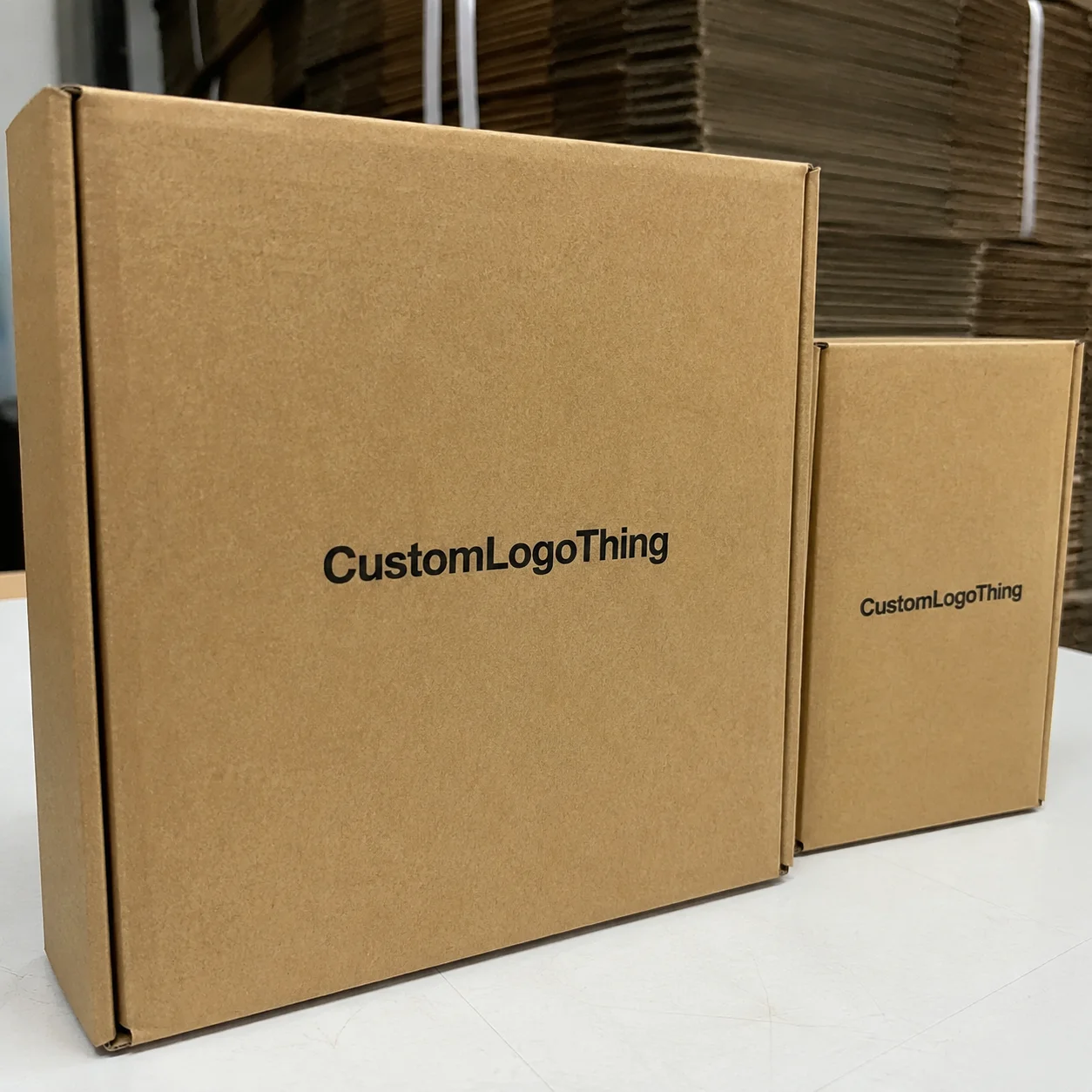
A real corrugated manufacturer is not just a vendor for Custom Printed Boxes. The stronger suppliers help decide whether the job calls for a regular slotted carton, roll-end mailer, die-cut shipper, retail-ready tray, telescoping carton, or a hybrid structure. They ask about packed weight, weak points in the product, units per master carton, pallet patterns, and the route: parcel, LTL freight, container, courier, or local delivery.
Stock box suppliers sell standard sizes from inventory. That can be the right move when speed matters or the product is forgiving. The tradeoff is familiar: more void fill, looser presentation, wasted cube, and sometimes higher freight. A print broker may coordinate sourcing and graphics, but may not control board selection, converting tolerances, or structural testing. A custom manufacturer should be able to guide the structure, sample it, prepare the dieline, manage tolerances, print it, glue it, bundle it, and pack it in a format the fulfillment team can actually use.
From a buyer’s side, the best conversations start with product facts, not artwork. A 12-ounce candle, a 4-pound electronics kit, and a 28-pound replacement part may all use corrugated cardboard, but they do not belong in the same specification family. The supplier should ask about compression strength, puncture risk, drop exposure, moisture, barcode placement, label space, and how much handwork is required at the pack station.
Practical rule: if the box has to protect the sale after it leaves your building, treat the structure as part of the product rather than a printed wrapper.
How Corrugated Box Design Works From Product to Pallet
Good packaging design starts with the product in its selling condition. Measure the item, then measure it again with its primary packaging, cap, sleeve, fragile edge, protective wrap, or insert included. Most design work begins with inside dimensions because the product has to fit without forcing the flaps or bowing the sidewalls. Outside dimensions matter later for parcel dimensional weight, pallet patterns, storage racking, and carrier limits.
Common styles solve different problems. A regular slotted carton, usually called an RSC, is efficient for case packing and warehouse shipping because it runs well on standard converting equipment and tapes quickly. A mailer box gives ecommerce orders a cleaner opening experience, especially for subscription items or small branded kits. A die-cut shipper can hold a product tightly with locking panels, tabs, or built-in supports. Display-ready cartons are built for shelves, where tear-away fronts, clean edges, and print alignment carry more weight.
Flute choice changes both performance and appearance. E-flute is thin and prints sharply, so it is common for compact mailers and retail packaging. B-flute offers good puncture resistance and a flatter surface than C-flute. C-flute provides cushioning and stacking support for many shipping cartons. Double-wall combinations, such as BC-flute, add stiffness for heavier products or rougher routes, though they also add material cost and storage bulk.
Strength is not a single number. Buyers may see edge crush test, burst strength, combined paper weights, or internal board grades on a quote. ECT is commonly used to describe stacking and edgewise compression. Burst strength points more toward resistance against rupture. Standards and test methods from groups such as ISTA and ASTM can help define repeatable package testing, but the right target still depends on product weight, route, handling conditions, and acceptable damage risk.
A correctly sized carton can reduce material, freight space, damage claims, and pack-out labor at the same time. That is the quiet win many teams miss. If a picker can load the product, close the box, scan the label, and move it to the outbound lane in 20 seconds instead of 35, the box is helping the whole operation.
Key Specs to Confirm Before You Ask for a Box Quote
Before requesting pricing from custom corrugated cardboard box manufacturers, gather the details that drive the actual quote. You do not need every technical answer. You do need enough information to keep the supplier from guessing, because every guess affects board usage, tooling, print setup, packing configuration, and freight.
- Inside dimensions: length, width, and depth, usually listed in that order and measured in inches or millimeters.
- Product weight: include the packed item weight, not just the bare product weight.
- Box style: RSC, mailer, die-cut shipper, display tray, telescoping carton, or an open request for recommendation.
- Estimated quantity: quote several tiers, such as 500, 1,000, 2,500, and 5,000 units, if demand is uncertain.
- Print requirements: number of colors, inside or outside printing, flood coating, varnish, and logo placement.
- Destination and timing: delivery ZIP code or region, launch date, and any required receiving appointment.
Inside dimensions protect product fit. Outside dimensions affect freight, pallet patterns, storage locations, and parcel rates. A small change, even 0.25 inch on three sides, can push a box into a higher dimensional-weight bracket or reduce the number of cartons per pallet layer.
Print decisions change the job quickly. One-color flexographic printing is often the workhorse for shipping cartons and simple package branding. Multi-color direct print can work well for bolder graphics when registration tolerances are realistic. Litho-laminated graphics provide a premium retail look. Digital printing is useful for shorter runs, seasonal artwork, versioning, or market tests before a larger run. Flood coats, varnishes, and heavy ink coverage may require more drying time and tighter prepress control.
Artwork should be supplied as vector files whenever possible, especially for logos, icons, and type. Ask for a dieline and check bleed, safe zones, fold lines, barcode quiet zones, and panel orientation. Barcodes should not sit across folds, crushed corners, or heavy texture if scan reliability matters. Colors on kraft board will look warmer and less bright than colors on white liner or litho stock, so proof approval is not a formality.
If the box needs recycled content, curbside recyclability, FSC-certified material, moisture resistance, shelf appeal, or compatibility with automated packing equipment, say that early. For fiber sourcing expectations, the Forest Stewardship Council is one recognized reference buyers often ask suppliers about.
Cost, Pricing, MOQ, and Unit Cost Drivers
Corrugated pricing is built from practical variables: board grade, blank size, square footage of material, flute, print complexity, tooling, setup time, run speed, order quantity, packing method, freight, and any inserts or coatings. A small plain RSC may cost under $1.00 at meaningful volume. A printed ecommerce mailer with die cutting and premium graphics can land several times higher. Size, board, print method, and quantity usually explain most of the gap.
Minimum order quantities exist because setup has to be paid for somewhere. Converting equipment takes time to set. Print plates, cutting dies, ink setup, machine changeover, bundling, and quality checks do not disappear because the order is small. Many custom corrugated runs start making more sense above 500 to 1,000 units, while larger programs often price more efficiently at 2,500, 5,000, or 10,000 units. Digital production can bend that rule, but it does not erase it.
Unit cost usually drops as quantity increases because fixed preparation costs are spread over more boxes. Still, overbuying can be its own mistake if product dimensions are not final, artwork may change, or the sales forecast is soft. A warehouse full of outdated boxes is not savings. It is tied-up cash, occupied pallet space, and a disposal problem waiting for the next redesign.
| Cost Driver | Typical Impact | Buyer Note |
|---|---|---|
| Board grade and flute | Higher strength or double-wall board increases material cost | Match the grade to weight, stacking, and handling risk |
| Box size | Larger blanks use more square footage and may ship bulkier | Right-sizing can reduce both box cost and freight cost |
| Print method | Flexo is efficient for simple graphics; litho and digital can cost more | Choose print quality based on the selling environment |
| Tooling | Dies and plates can be one-time or repeat costs | Artwork or size changes may require new tooling |
| Order quantity | Higher runs usually lower unit cost | Compare 3 or 4 quantity tiers before deciding |
One-time and semi-fixed costs deserve a careful read on the quote. Cutting dies may be required for mailers, trays, inserts, or special locking features. Print plates are often needed for flexographic graphics. Structural design time, sampling, and prepress may be listed separately or folded into the unit price. If you change the box size, the die may change. If you change the logo, barcode, or panel layout, plates or digital prepress may change.
To compare quotes from custom corrugated cardboard box manufacturers, match the same board grade, dimensions, print method, quantity, delivery terms, and packing count per bundle. A cheaper quote may exclude freight, use a thinner board, reduce ink coverage, or assume looser tolerance. Ask for the details in writing before you decide one supplier is truly less expensive.
Process and Timeline: From Sample to Production Run
The normal path is direct, but every approval point matters. A manufacturer reviews the product, confirms the specifications, recommends a structure, creates a dieline, places the artwork, produces a sample or mockup, obtains proof approval, prepares tooling or plates, schedules production, converts the board, prints, folds, glues, bundles, and ships. Repeat jobs can move faster because the structure, dieline, and tooling already exist.
A simple unprinted sample can move faster than a fully printed production proof. Digital mockups are useful for panel layout, but they do not prove board stiffness, flap feel, closure tension, or how the product sits inside the box. A white sample, often cut from plain board, proves structure and fit. A pre-production sample gets closer to final board, print, and finish, though it may still be made under more controlled conditions than the full run. The production run proves whether everything works at speed and volume.
Lead time depends on the job. A repeat unprinted RSC may be practical in days once board and capacity are available. A new printed mailer with a die, plates, sample approval, and scheduled converting may need several business weeks. Specialty board, heavy ink coverage, retail graphics, inserts, or high-volume runs can stretch the schedule. Freight adds another variable, especially when cartons ship flat on pallets and require a delivery appointment.
The biggest timeline risks are ordinary ones: incomplete dimensions, late artwork, unclear color expectations, last-minute structural changes, delayed approvals, custom material availability, and freight scheduling. A buyer may spend three weeks debating graphics, then ask production to recover the lost time. Sometimes that works. Often it creates rush charges, fewer options, or extra risk.
Start packaging conversations before the final product arrives whenever possible. If the box must pass drop testing, fit retail shelving, run through a case erector, or coordinate with a launch date, early review is cheap insurance. Good Custom Shipping Boxes are easier to build when the supplier can adjust the structure before tooling is locked.
Common Mistakes That Make Custom Boxes More Expensive
The most common mistake is designing around the logo first and the product second. Branding matters. A beautiful box that needs three handfuls of void fill, slows the pack station, or damages products is still poor product packaging. Bad fit can increase material cost, dimensional weight, damage claims, and labor in the same shipment.
Another mistake is choosing the cheapest board without studying the route. Parcel shipping is rough. Boxes slide down chutes, ride conveyors, drop from waist height, sit under heavier parcels, and sometimes meet humidity in trailers or storage areas. Sharp product corners, glass jars, metal parts, and concentrated weight all raise risk. A slightly stronger board or better insert may cost less than replacing damaged orders.
Artwork creates its own traps. Low-resolution images may look fine on screen and fail in print. Missing bleed can leave awkward edges. Colors specified only by monitor appearance are hard to control, especially on kraft paper. Tiny reverse type can fill in on brown board. Barcodes placed over folds, heavy ink, or textured areas may fail during scanning. These problems rarely look dramatic during design review; they become expensive after production.
Skipping samples can cost more than it saves. If a box has tight clearances, inside printing, inserts, tear strips, locking tabs, or any closure the customer touches during unboxing, review a physical sample. Feel the flap tension. Pack the product several times. Put the label where the warehouse would put it. Open the box like a customer would. Small friction points show up quickly in hand assembly.
Quote comparison is another weak spot. One supplier may quote 32 ECT C-flute with one-color print and delivered pricing. Another may quote a lighter board, different flute, fewer printed panels, and freight collect. Those are not equal offers. Ask each supplier to list board grade, flute, dimensions, print method, tooling, lead time, packing configuration, and freight terms.
Expert Tips for Stronger Boxes and Cleaner Branding
Right-size the carton around the product and packing method. Leave enough tolerance for fast fulfillment, but avoid oversized boxes that waste material and inflate dimensional weight. For small ecommerce goods, even half an inch of unnecessary depth across thousands of orders can turn into real freight spend.
Match print method to purpose. Simple flexographic marks are often perfect for shipping cartons: logo, handling icon, part number, orientation arrow, or reorder code. Digital or litho-laminated graphics make more sense for premium mailers, influencer kits, and retail-facing programs where image quality carries more weight. Restrained kraft printing can look clean and credible when a natural recycled appearance supports the brand.
Small structural choices improve the user experience. Thumb notches help customers open mailers without tearing panels. Locking tabs reduce tape on presentation boxes. Tear strips create a controlled opening path. Dust flaps hide gaps. Reinforced corners protect vulnerable products. Paper-based inserts can hold items in place without excess plastic, though they still need vibration and drop review.
Think in systems. The outer carton, product insert, tape, label placement, pallet pattern, carrier label, and warehouse handling method should be designed together. A box that looks excellent on a desk may fail if the shipping label covers the hero graphic, the pallet overhangs by 1 inch, or the packer has to fight the closure 800 times per shift.
The best custom box is usually not the fanciest one. It runs cleanly through converting equipment, arrives flat and consistent, folds without argument, protects the product, supports branded packaging, and reaches the customer looking intentional. That is the standard worth using when you evaluate custom corrugated cardboard box manufacturers.
Next Steps Before Contacting a Corrugated Box Supplier
Before requesting pricing, do the basic homework. Measure the product, weigh the packed item, photograph the current packaging, note any damage issues, estimate the first order quantity, decide where branding must appear, and gather artwork files. If you already use labels, inserts, tape, or pallet patterns, include those details too. They can change the recommendation.
If direction is still open, prepare two versions of the request. One can be a practical shipping-focused version that protects the product at the best workable cost. The other can be a more branded presentation version with stronger graphics, inside print, or a better unboxing feature. That gives the supplier room to show tradeoffs instead of forcing one answer too early.
- Ask for the exact board grade and flute.
- Confirm the print method, number of colors, and printed panels.
- Request tooling, plate, sampling, and prepress charges as separate line items where possible.
- Get the lead time, approval steps, and required artwork format in writing.
- Check bundle count, pallet quantity, storage footprint, and freight terms.
Review a sample before approving production, especially for new products, fragile goods, subscription boxes, retail programs, or any box that must fit automation, shelves, or carrier limits. If you need broader packaging ideas beyond corrugated, the Custom Packaging Products page is a useful place to compare formats. If you want to understand the team behind the work, visit About Custom Logo Things.
Choosing custom corrugated cardboard box manufacturers becomes easier when you bring real product details, clear performance goals, and a willingness to test the structure before scaling the run. The payoff is not just a better-looking box. It is a package that fits, protects, ships efficiently, and supports the brand every time it leaves your facility.
FAQs
What information do custom corrugated box manufacturers need for an accurate quote?
Provide inside box dimensions or product dimensions, packed weight, order quantity, preferred box style, board strength expectations, print colors, artwork files, shipping destination, and desired delivery date. Explain how the box will be used, such as ecommerce parcel shipping, retail display, subscription fulfillment, warehouse storage, or palletized freight.
How do custom corrugated cardboard box suppliers calculate pricing?
Pricing depends on material square footage, flute and board grade, print method, ink coverage, tooling, setup time, order quantity, packing requirements, and freight. Higher quantities usually reduce unit cost because setup, tooling, and production preparation are spread across more boxes.
What is a typical lead time for custom printed corrugated boxes?
Lead time depends on design complexity, sample approval, tooling, print method, board availability, production schedule, and shipping distance. Simple repeat orders can move faster, while new structures, complex graphics, or specialty materials need more review and approval time.
Should I order a sample before a full corrugated box production run?
Yes, especially when fit, protection, presentation, inserts, closures, or retail appearance matter. Samples help catch sizing issues, artwork placement problems, assembly friction, and structural weaknesses before the full run is produced.
What is the difference between stock boxes and custom corrugated packaging?
Stock boxes use standard sizes and basic specifications, which can be fast and affordable but may require extra void fill or offer limited branding. Custom corrugated packaging is designed around the product, print requirements, shipping conditions, and brand experience, giving better fit and more control.