Stationery Brands Recycled Poly Mailers Material Choice: What It Really Means
A clean notebook can leave the packing table in perfect shape and still arrive with a bent corner, scuffed edge, or split seam if the outer mailer was chosen too casually. That is why stationery brands Recycled Poly Mailers material choice is never just a sustainability decision. It is a shipping decision, a presentation decision, and, for brands that care about repeat orders, a customer experience decision.
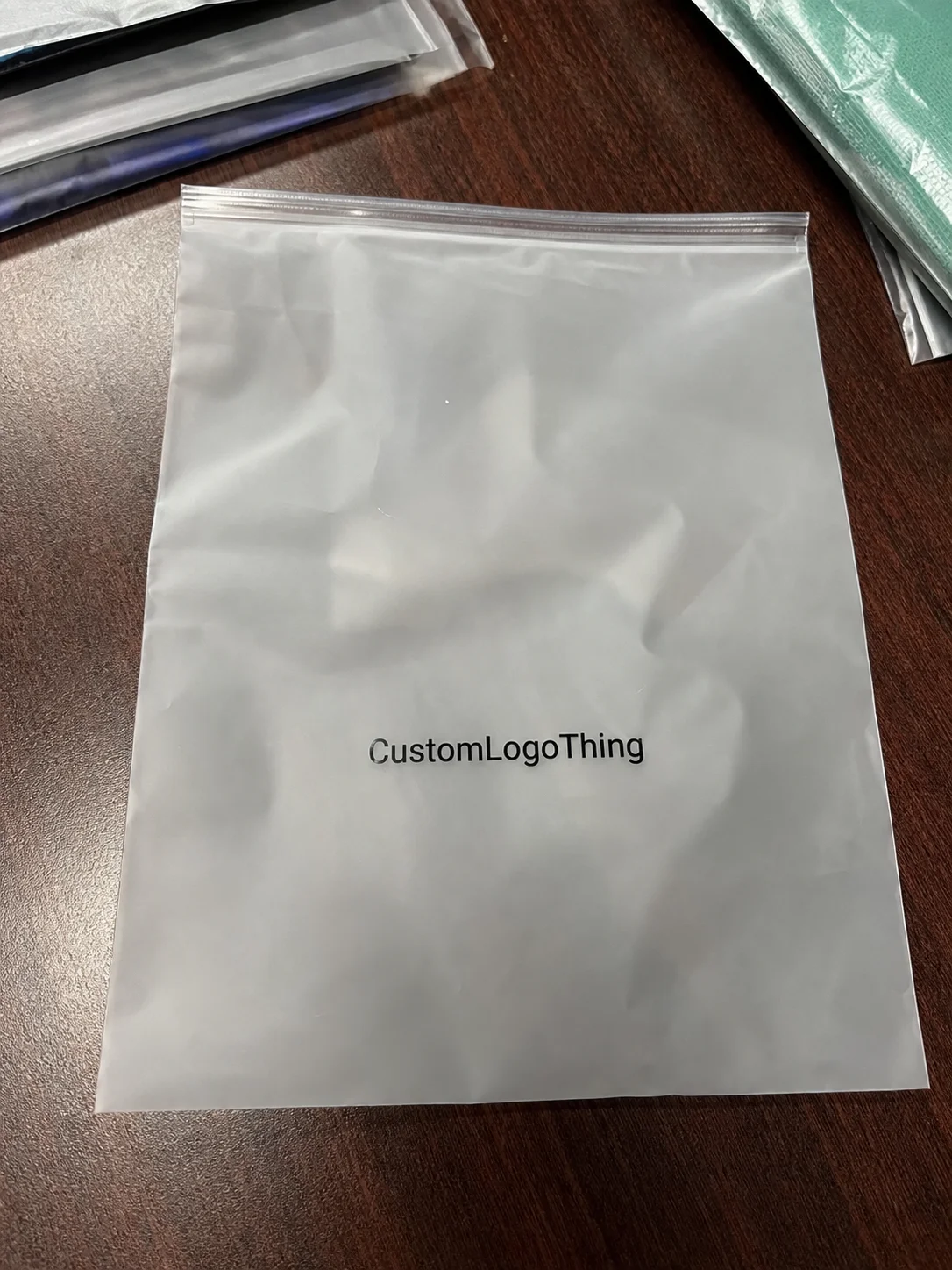
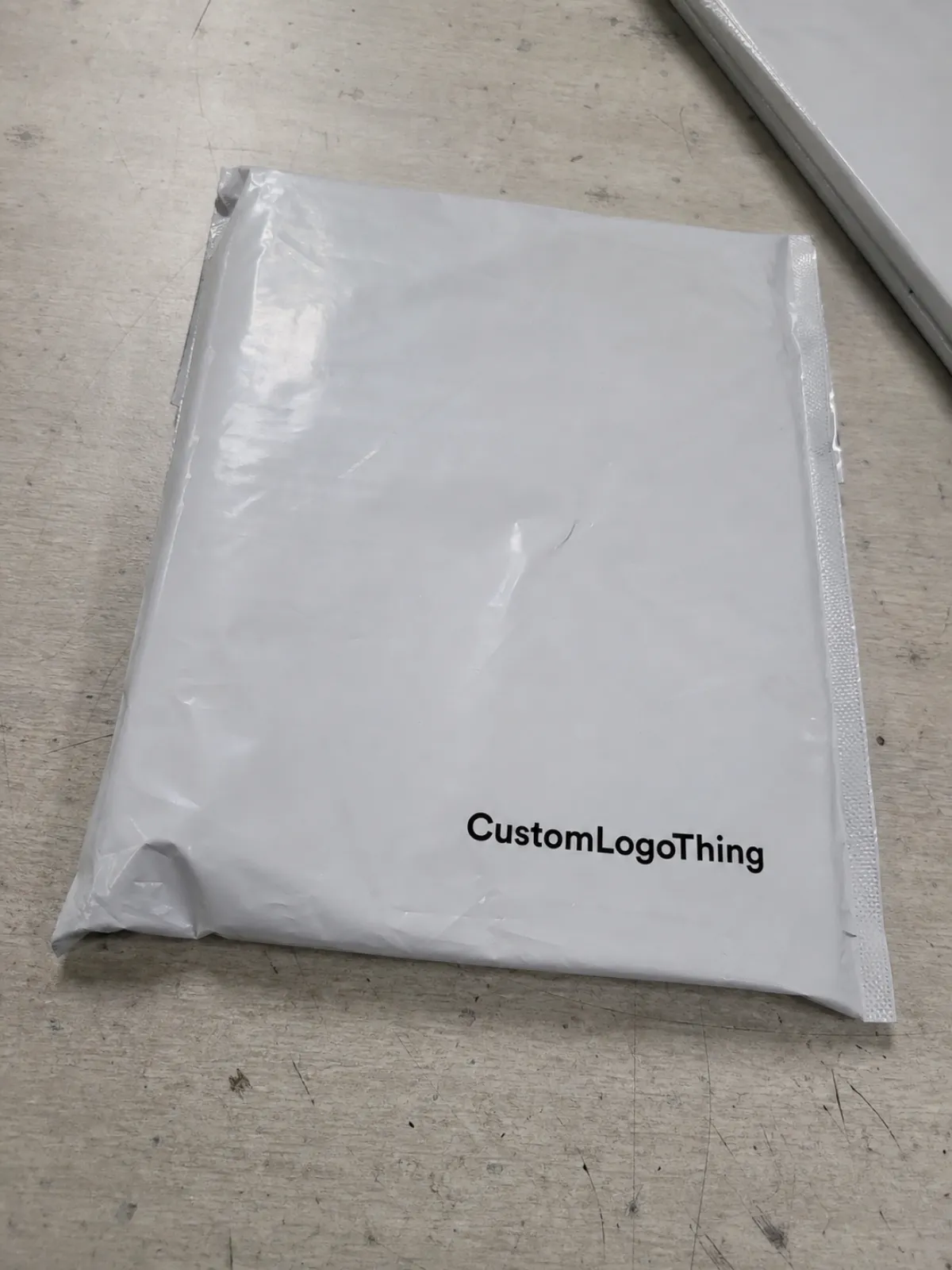
Recycled Poly Mailers are flexible shipping bags made from polyethylene film, usually LDPE or LLDPE, with recycled resin blended in. They are a practical fit for lightweight stationery products such as greeting cards, sticker sheets, paper sets, slim notebooks, and small bundled orders. Their appeal is straightforward: they weigh little, resist moisture, and take up less storage space than rigid packaging. Their limits are just as real. They do not provide much crush protection, and they only perform well when the film specification matches the product inside.
The recycled content itself can come from different streams. Post-consumer material has already been used by a customer, collected, and reprocessed. Post-industrial material comes from manufacturing trim, scrap, or off-spec film. Virgin resin is new polymer, and it usually gives the most consistent clarity, seal behavior, and surface finish. None of these are automatically better in every case. The right choice depends on what the mailer needs to do in transit and what claim the brand can support honestly.
That is the part a lot of teams miss. Recycled content does not automatically mean fragile, cloudy, or difficult to print. It does mean the spec has to be tighter. Recycled streams vary more in color tone, melt behavior, and stiffness than virgin resin, so a buyer needs to look at thickness, seal strength, opacity, and print quality together rather than treating recycled content as a single checkbox. The most useful question is not, “Is it recycled?” It is, “Does this film protect the product, pack efficiently, and hold up under real handling?”
That is also why many stationery brands compare recycled poly mailers against Custom Packaging Products, and sometimes against Custom Poly Mailers or paper-based alternatives. The right answer depends on the product’s shape, the shipping route, and how much presentation matters when the customer opens the parcel.
How Recycled Poly Mailer Materials Work in Real Shipping
A typical poly mailer is made from a blown or cast polyethylene film converted into a bag with side seams, a flap, and a pressure-sensitive adhesive strip. On paper, that sounds simple. In practice, the film structure has to do several jobs at once. It needs enough puncture resistance for sharp corners, enough elongation to survive stress without tearing, enough opacity to hide contents, and enough surface stability for clean printing.
Most high-performing mailers use a blend of recycled and virgin resin rather than one resin source alone. That blend helps stabilize the film if the recycled stream varies from batch to batch. When recycled content is too high without proper compounding, the film can become hazier, harder to seal consistently, or oddly stiff in use. None of that means the product is unusable. It does mean the buyer should request actual samples and not rely on a render or a sales sheet.
For stationery, the material properties that matter most are thickness, puncture resistance, elongation, opacity, and moisture resistance. Stationery items are often light, but they are not always gentle on packaging. Notebook corners behave like little wedges inside the bag. Card stacks create hard edges. A bundle with a backing board can place pressure right where the seam is weakest. The mailer may look oversized on a table and still be the exact right size once the product is inside.
That is why Recycled Poly Mailers usually work best as part of a pack-out system rather than as a standalone fix. A flat sticker order may ship safely in a simple bag. A premium notebook or planner may need a chipboard insert, backing board, or inner sleeve before it goes into the outer mailer. The bag handles moisture and surface scuffing, but it is not padding and it is not crush-proof. If the product needs true bend resistance, a rigid mailer or additional internal support still matters.
Closure performance is another place where assumptions fail quickly. The peel-and-seal strip should close cleanly, hold in both warm and cool conditions, and stay shut once the flap is pressed down. A supplier worth listening to will test seal behavior across temperature swings, because a mailer that behaves well in a climate-controlled office can act differently on a hot vehicle floor or in a cold warehouse dock.
For brands that want to validate transit performance, published test methods help. Organizations like ISTA publish transport testing standards that simulate the vibration, compression, and handling packages see in the parcel network. If your team is also writing end-of-life language for packaging claims, EPA recycling guidance is worth checking so the wording stays accurate and local rules are not glossed over.
Key Material Factors for Notebooks, Cards, Stickers, and Paper Goods
Stationery is broad enough that one mailer spec rarely suits every product. Greeting cards and art prints need bend control. Sticker sheets need flatness and moisture protection. Notebooks need corner protection and a bag that will not strain the seams. Bundles with multiple inserts need enough room for staff to pack them without forcing the flap closed or deforming the contents.
Thickness should follow the product, not the other way around. A thinner recycled film can work well for soft inserts or flat sheets, but a hard-backed planner or square-corner notebook puts far more stress on the bag. If the pack-out feels tight before the adhesive is even closed, the mailer is probably undersized. In practice, a slightly larger bag often improves packing speed, reduces damage, and looks tidier once sealed.
Recycled content percentage needs to be specified carefully. A higher recycled percentage may support brand goals, but it can affect opacity, print sharpness, surface smoothness, and minimum order quantity. One supplier may run 50 percent post-consumer content with consistent results. Another may need a blend that includes more virgin resin to keep the film stable. That is normal. The important part is getting the exact percentage, the resin source, and the paperwork that supports the claim.
Color and opacity are easy to underestimate. White and light gray films often show print clearly, but they also reveal scuffs and dirt more readily. Black or dark films hide the contents better, which can suit premium stationery, but they can make small type or fine line work harder to read. Custom colors can look refined, although they add another variable to a material stream that already moves around more than virgin film does.
Printing usually works best when it is restrained. One-color flexographic printing is often the most reliable choice for a logo, a short line of copy, or a simple brand mark. More colors are possible, but tiny serif text, thin reverse type, and delicate graphics ask a lot from recycled film. Bold shapes and clear contrast usually reproduce better than busy artwork, especially on darker substrates.
“A mailer can look elegant in a mockup and still fail in the warehouse if the fit is too tight or the seal line is too stressed. The real test is how the package behaves once the product is inside it and moving through the shipping system.”
A straightforward pack-out trial tells you more than a polished digital proof. Drop in the actual packed product, shake it lightly, press the corners by hand, close the flap, and inspect the surface for stress marks or edge telegraphing. If the contents feel exposed or the bag looks overworked before it leaves the table, the spec needs another round of adjustment.
Cost, Pricing, and MOQ Variables That Change the Final Unit Cost
Recycled poly mailer pricing depends on more than size. Resin blend, recycled content percentage, film thickness, print coverage, number of colors, adhesive type, and finishing all change the number. The same supplier may quote a stock bag, a semi-custom run, and a fully custom mailer very differently because each one has a different setup cost and production rhythm.
There is a common assumption that recycled material should cost less because it comes from recovered feedstock. That is not always how the market works. Sorting, cleaning, pelletizing, and keeping the film visually consistent can add cost, especially when a higher post-consumer percentage is requested. Virgin resin can be easier to process. Recycled resin can require more control. Packaging procurement tends to get honest very quickly once those variables are visible.
MOQ matters too. Stock recycled mailers usually have lower minimums, but custom sizes, custom colors, or custom printing often require higher quantities because extrusion and press setup are only efficient at certain volumes. If a brand wants a specific shade, surface finish, or print layout, the order terms usually reflect that complexity.
Size affects pricing in two directions. Larger bags consume more material, but they also increase shipping carton volume and can push the order into a higher dimensional freight bracket. That matters for subscription programs, seasonal launches, wholesale shipments, and any stationery line that ships in volume. A bag that is only slightly too large can cost more than expected once freight and pack-out waste are included.
| Mailer Option | Typical Use | Indicative Unit Cost | Notes |
|---|---|---|---|
| Stock recycled poly mailer | Sticker sheets, small paper goods | $0.06-$0.14 | Lower MOQ, limited branding |
| Custom printed recycled mailer | Cards, flat stationery bundles | $0.18-$0.28 | Depends on size, colors, and coverage |
| Heavier-gauge custom mailer | Notebooks, planners, boxed sets | $0.24-$0.42 | Better puncture resistance and seam strength |
Those figures are directional only. Freight, proofing, setup charges, storage, overrun allowances, and compliance documents can move the landed cost faster than people expect. A cheaper bag that causes damage, returns, or customer complaints is not really cheaper. The more useful comparison is total packaging cost against the actual failure rate.
For some brands, the real decision is not between two recycled film options. It is between recycled poly and a paper-based alternative such as kraft paper mailers or rigid paperboard packaging. That comparison is especially relevant for premium stationery, where presentation matters, or for products that need firmer edge support than a flexible bag can provide.
Process and Timeline: From Specification to Finished Custom Mailers
The ordering process becomes manageable once the spec is specific. First define the packed product dimensions, not the bare notebook or card. Then choose the material and recycled content target, confirm the bag size, settle on the print method, review artwork, approve the proof, move into production, inspect the finished goods, and ship. The packed state is the one that matters. Inserts, tissue, backing boards, and packing tolerance all take space.
Sampling usually happens in one of three forms. A supplier may send a similar material sample, a blank size sample, or a printed proof if the job is more customized. The more the order depends on color matching or fine print detail, the more useful a printed sample becomes. A digital mockup helps with layout, but it cannot tell you how recycled film will hold ink or how the adhesive will perform during actual packing.
Artwork prep benefits from a production mindset. Vector files are usually the cleanest starting point. Safe zones around seams and adhesive flaps matter. Tiny reverse type on a dark or textured recycled film often loses clarity once it is printed, so simple logo marks and strong contrast usually travel better than delicate graphics. If the design relies on fine detail, test it on a similar substrate before locking the run.
Lead time depends on whether the order is stock or custom. Stock mailers move faster. Custom extrusion, custom printing, plate making, and color matching add time. Larger runs also need more coordination. For launch planning, packaging should be given the same lead-time respect as the product itself. Seasonal drops, wholesale deliveries, and subscription cycles do not leave much room for a late material change.
Before the shipment leaves the factory, quality control should cover size tolerance, seal strength, print placement, ink adhesion, adhesive closure, carton labeling, count accuracy, and any recycled content documentation the buyer requested. That paperwork matters because sustainability claims need support, not just nice wording.
It also helps to compare results against previous shipments rather than treating each order as a fresh guess. Case Studies are useful for that reason. The useful lesson is rarely that one package is universally better than another. It is that a certain film, size, and print spec worked for a certain product, route, and fulfillment setup.
Common Mistakes When Choosing Recycled Mailers for Stationery
The first mistake is choosing recycled content before choosing protection. A mailer can look responsible on paper and still fail if the film is too thin or the bag is too tight. If a notebook corner punches through the seam, the packaging story turns into a replacement order very quickly.
Another common error is sizing too tightly. Close-fitting bags can look neat, but they also create corner punctures, stressed seams, and slower packing. A little breathing room is not waste. It often prevents the kind of damage that costs far more than the extra film.
Print expectations can cause trouble as well. Delicate artwork, tiny serif text, and pale inks on gray film are all harder to execute than a bold logo on a stable surface. If the brand identity depends on fine detail, ask for a print proof on a similar recycled substrate instead of assuming the digital artwork will translate cleanly.
Then there is the recycling claim issue. Not every recycled poly mailer is curbside recyclable everywhere, and not every bag with recycled content belongs in the same claim category. Local recycling rules, inks, adhesives, and contamination all affect end-of-life behavior. A narrower claim is usually the stronger one because it is easier to support.
Many teams also test the package in a setting that is too gentle. A mailer should be checked against rubbing, stacking, compression, and temperature changes, not only against a neat tabletop packing demo. A bag that looks fine in a clean room may not survive a real transit lane. That is exactly why transport testing and handling trials deserve a place in the decision process.
Warehouse handling is easy to overlook. If the liner is awkward to peel, the flap is poorly placed, or the film is slippery in hand, packers lose time. A useful packaging spec has to work for the people filling the bags as well as for the customer opening them. That is especially true for subscription operations and high-volume fulfillment.
One of the simplest ways to avoid regret is to compare two realistic options side by side, then run both through packing and transit tests. The differences usually become obvious as soon as the product is inside the bag.
Actionable Next Steps Before You Request Samples or a Quote
Before requesting pricing, gather the packed product dimensions, average shipment weight, product photos, desired recycled content range, target quantity, artwork files, ship-to location, and launch deadline. That small set of inputs usually produces better quotes because the supplier can recommend a real bag size instead of guessing from a catalog range.
It also helps to test two or three packaging scenarios. For example, one thinner mailer for sticker sheets, one heavier-gauge mailer with a backing board for prints, and one larger bag for notebook bundles. Comparing real pack-outs makes it much easier to see how the material behaves across different stationery formats.
Ask direct questions. What recycled content is available? Is it post-consumer or post-industrial? What documentation can be provided? What film thicknesses are realistic? What print limitations apply? Good suppliers can usually answer those quickly, and the answers tell you whether the spec is grounded or only decorative.
Ask for a size recommendation rather than chasing the smallest possible bag. A snug presentation can look tidy in a mockup, but daily pack speed and corner stress matter more in fulfillment. If the bag looks elegant but frustrates the warehouse, the problem will show up soon enough.
Set a clear pass-fail checklist for your sample review: no corner punctures, no moisture entry under normal handling, clean adhesive closure, acceptable print appearance, easy packing, and no visible scuffing on the product. If the sample passes those checks, the material choice is already in a better place than most rushed packaging decisions.
For brands comparing multiple substrates, it can help to look at recycled films alongside FSC certified paper options and other recycled materials such as kraft paper or corrugated board. Each one solves a different problem. The right choice depends on the product, the route, and the kind of brand experience the shipment needs to deliver.
In the end, stationery brands recycled poly mailers material choice should be guided by tested samples, documented claims, and a bag that protects the customer experience as well as the product. That is the part buyers remember long after the shipping label is gone.
What is the best recycled poly mailer material choice for stationery brands?
The best choice is usually a recycled LDPE or LLDPE blend with enough thickness to resist punctures from notebook corners, card stacks, or backing boards. For lightweight sticker sheets or soft inserts, a thinner mailer may be enough. For planners, notebooks, or rigid bundles, a heavier gauge and a live pack-out test are the better starting point.
Are recycled poly mailers safe for shipping paper stationery products?
Yes, they are moisture-resistant and lightweight, which makes them useful for many paper goods. They do not provide much bend or crush protection, so prints, cards, and premium paper items may still need chipboard, rigid inserts, or inner sleeves. The entire packed order should be tested, not just the empty mailer.
Do recycled poly mailers cost more than regular poly mailers?
They can, especially when the specification uses higher post-consumer recycled content or custom colors. Unit cost also depends on size, thickness, order quantity, print colors, adhesive type, and freight. A useful comparison looks at total packaging cost, damage reduction, and documentation quality, not just the bag price.
Can stationery brands print detailed logos on recycled poly mailers?
Yes, but artwork often needs adjustment for flexographic printing and for the surface behavior of recycled film. Bold logos, clean line art, and limited ink colors usually reproduce better than tiny text, soft gradients, or delicate reverse type. A digital proof helps, and a printed sample on similar film is even better.
How should a stationery brand verify recycled content claims on poly mailers?
Ask the supplier whether the recycled material is post-consumer, post-industrial, or a blend. Request documentation for the recycled content percentage and any relevant compliance or chain-of-custody information. Use specific claims such as “made with 50% recycled polyethylene” only when the paperwork supports that statement.